Strange objects scientists found in space

Trending Now
Space, an endless realm of wonder and mystery, holds secrets that even the most advanced telescopes and spacecraft have yet to uncover. From bizarre celestial bodies to inexplicable cosmic phenomena, the universe is a treasure trove of curiosities.
Let’s embark on a journey through some of the most fascinating and peculiar cosmic wonders that challenge our understanding of the cosmos.
The Peculiar Pulsar: PSR B1509-58
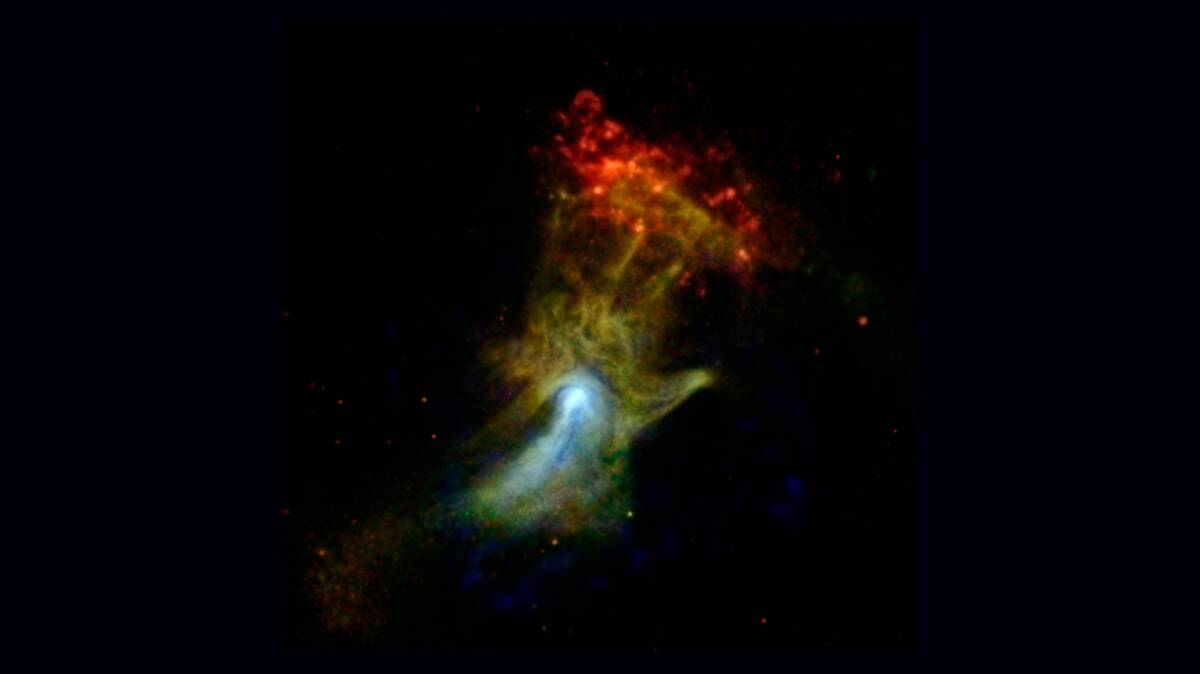
PSR B1509-58, often nicknamed the “Hand of God” due to its striking appearance in X-ray images, is a pulsar located about 17,000 light-years away in the constellation Circinus. This rapidly spinning neutron star emits powerful jets of particles that interact with the surrounding magnetic fields, creating a hand-like structure.
Pulsars like PSR B1509-58 serve as cosmic lighthouses, their precise rotations helping astronomers study the extremes of physics under unimaginable pressure.
The Enigmatic Elst-Pizarro: The Comet Asteroid Hybrid
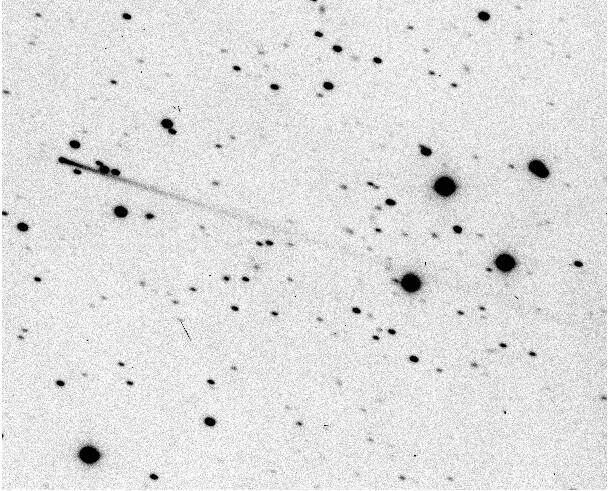
Elst-Pizarro, officially known as 133P/Elst-Pizarro, blurs the line between asteroids and comets. It was identified in 1979 but its cometary activity was discovered in 1996. Elst-Pizarro resides in the asteroid belt but exhibits a tail akin to a comet.
This hybrid nature suggests a possible past collision or a volatile surface that releases gas under solar heating. Elst-Pizarro’s dual identity challenges our categorization of celestial bodies and provides insights into the dynamic processes within our solar system.
The Mysterious Magnetar: SGR 1806-20
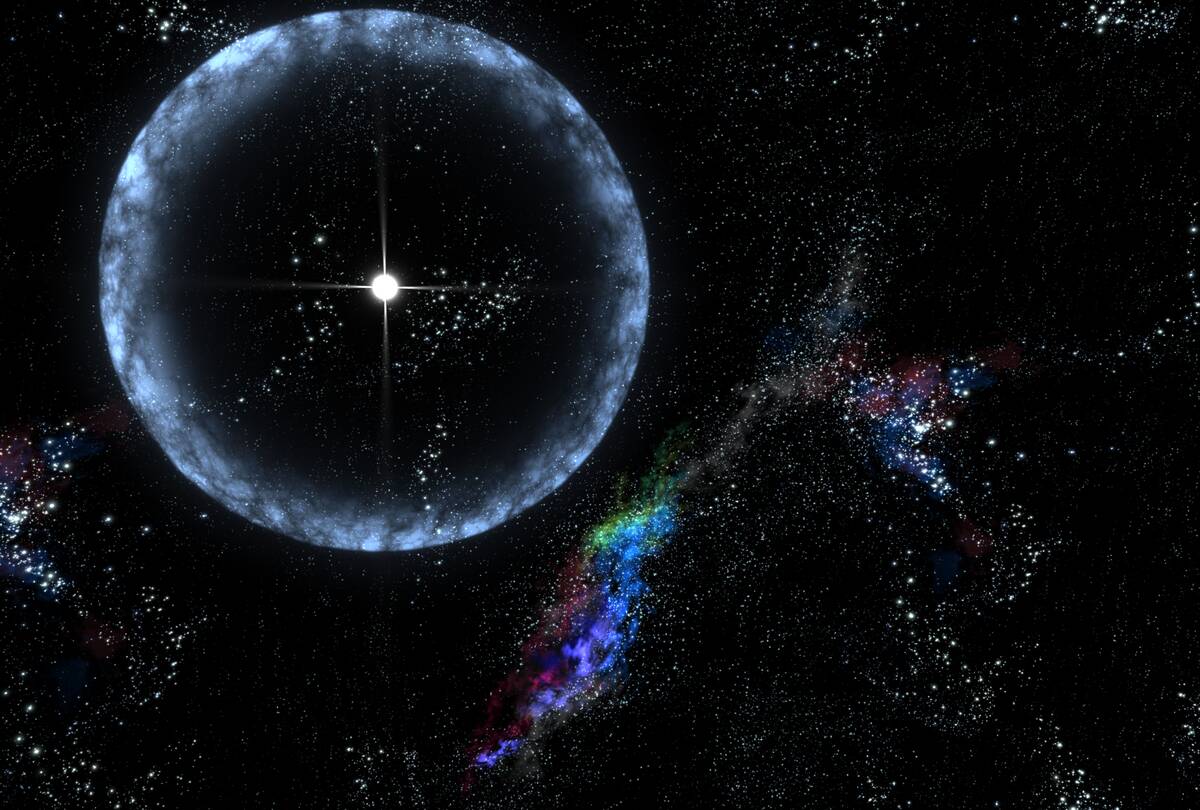
SGR 1806-20 is one of the most powerful magnetars known, located 50,000 light-years away in the constellation Sagittarius. Magnetars are neutron stars with intense magnetic fields, billions of times stronger than Earth’s.
In 2004, SGR 1806-20 emitted a burst of energy so strong that it temporarily altered Earth’s ionosphere. Such events offer a glimpse into the incredible forces at play in the universe and the potential hazards they pose to our planet.
The Intriguing Interstellar Visitor: ‘Oumuamua
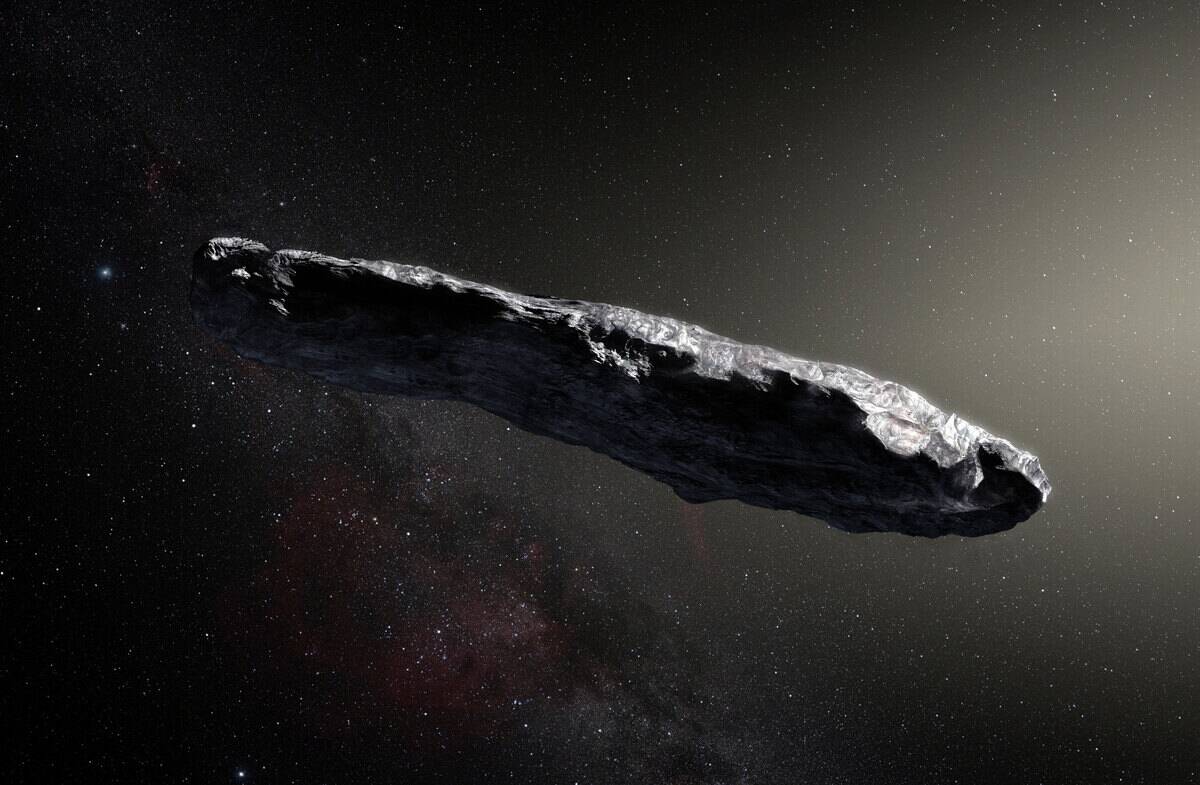
In 2017, astronomers were astounded by the discovery of ‘Oumuamua, the first known interstellar object to pass through our solar system. Its cigar-like shape and unusual acceleration sparked debates about its origin, with theories ranging from a comet to an alien probe.
Although its nature remains a mystery, ‘Oumuamua’s visit has prompted increased interest in tracking other potential interstellar visitors, expanding our understanding of objects beyond our solar neighborhood.
The Baffling Boomerang Nebula: The Coldest Place in the Universe
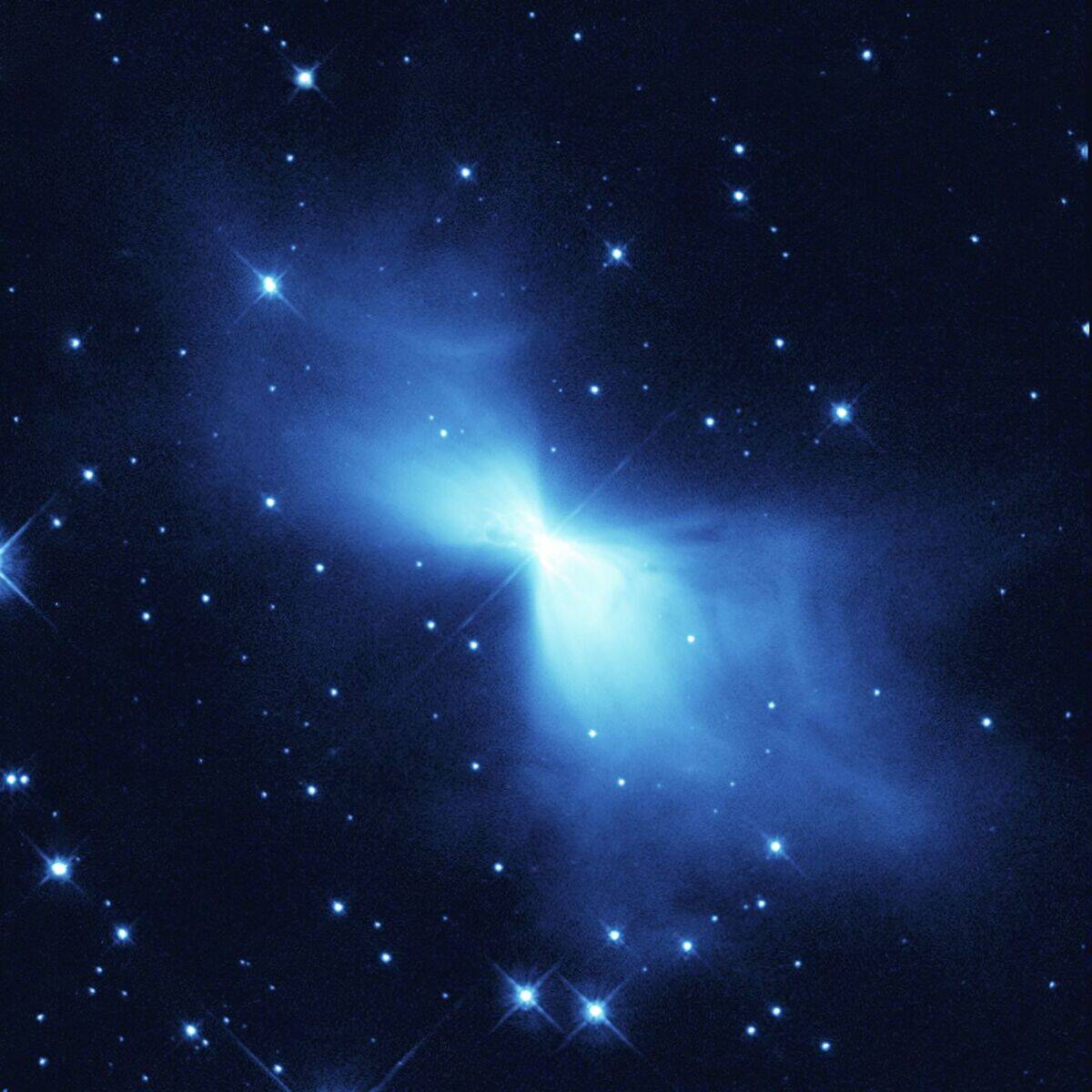
The Boomerang Nebula is an ethereal cloud of gas and dust located about 5,000 light-years away in the constellation Centaurus. What makes it extraordinary is its temperature, which is a frigid one degree Kelvin above absolute zero, earning it the title of the coldest place in the universe.
Its extreme cold is a result of rapid gas expansion, a process that fascinates scientists and challenges our understanding of thermodynamics in space.
The Quirky Quasar: 3C 273
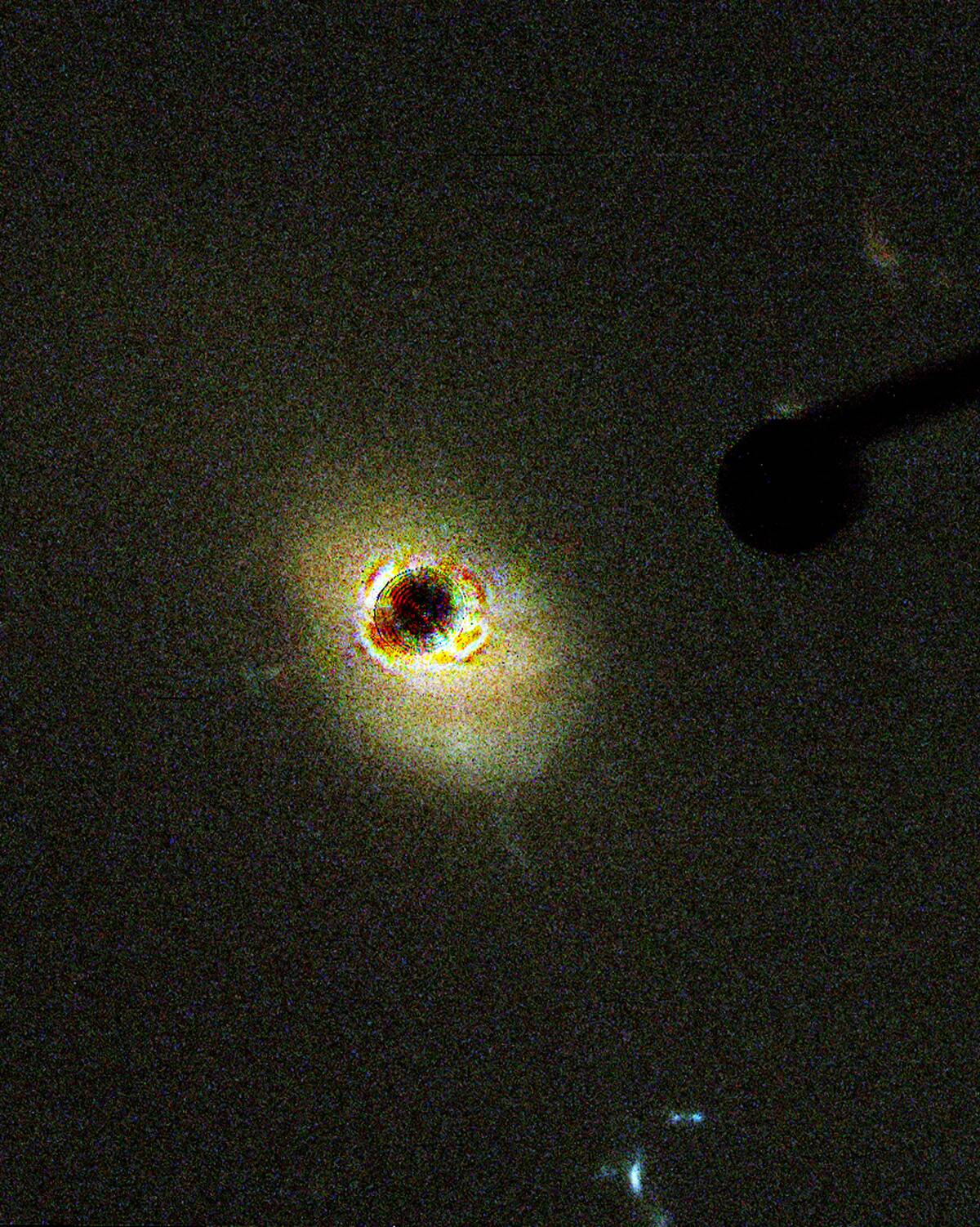
Quasars are the brilliant cores of distant galaxies powered by supermassive black holes, and 3C 273 is one of the brightest and first discovered. It lies approximately 2.4 billion light-years away in the Virgo constellation.
Its luminosity is immense, outshining entire galaxies and offering a beacon to study the early universe. The study of quasars like 3C 273 continues to unravel the complexities of galaxy formation and the role of black holes in cosmic evolution.
The Unusual Universe’s Largest Water Reservoir
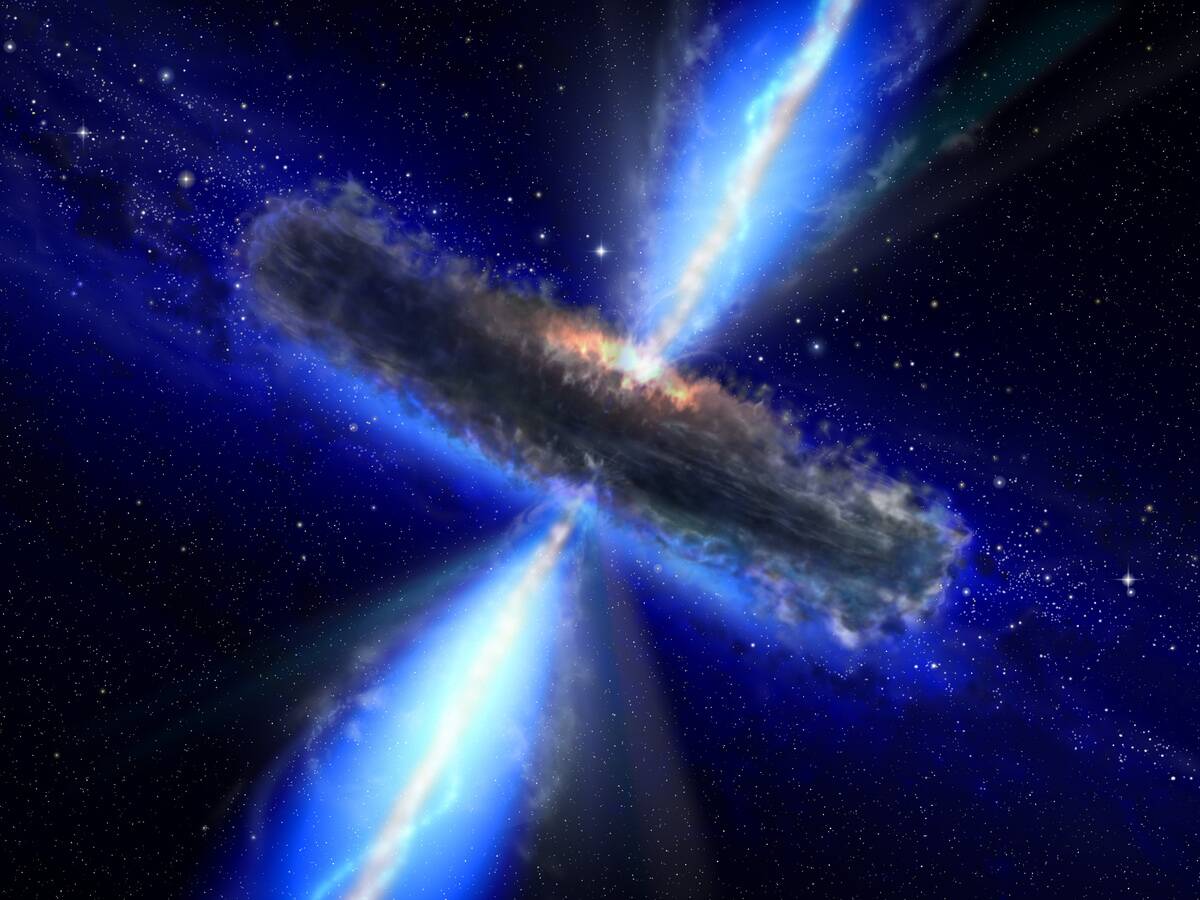
In a galaxy far, far away, a quasar hosts the universe’s largest known water reservoir, containing 140 trillion times the water found in all of Earth’s oceans. This discovery, located 12 billion light-years away around quasar APM 08279+5255, highlights the vastness and diversity of cosmic phenomena.
Water, a fundamental building block of life, existing in such abundance so far away, offers intriguing questions about life’s potential beyond Earth.
The Strange Star: The Cannibalistic Binary
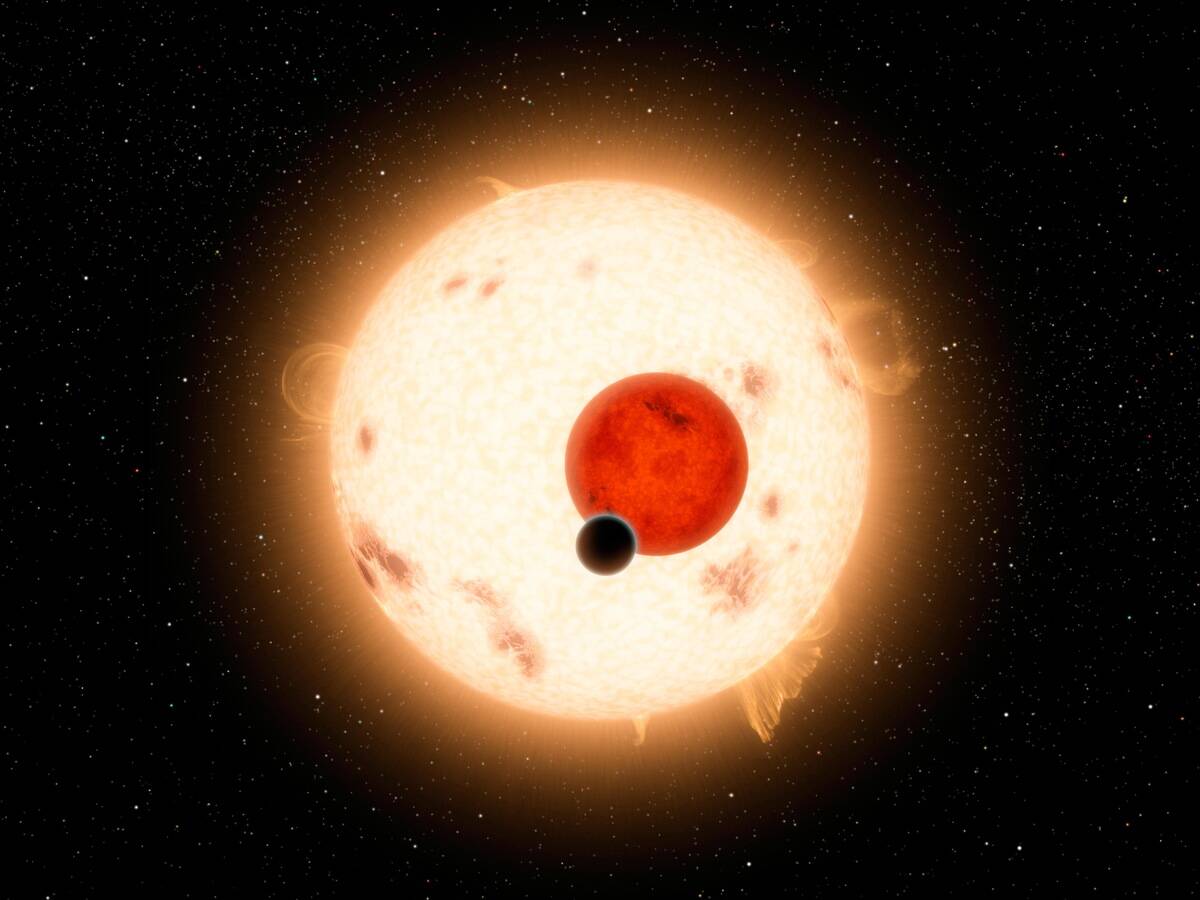
In the cosmic dance of binary star systems, some stars become voracious consumers, devouring their companions. Known as “cannibalistic binaries,” these systems see one star siphoning material from its partner, often leading to dramatic outbursts and a complex relationship.
Such interactions can lead to the creation of exotic stellar objects and provide a laboratory for studying gravitational dynamics and stellar evolution in some of the universe’s most extreme environments.
The Exotic Exoplanet: HD 189733b
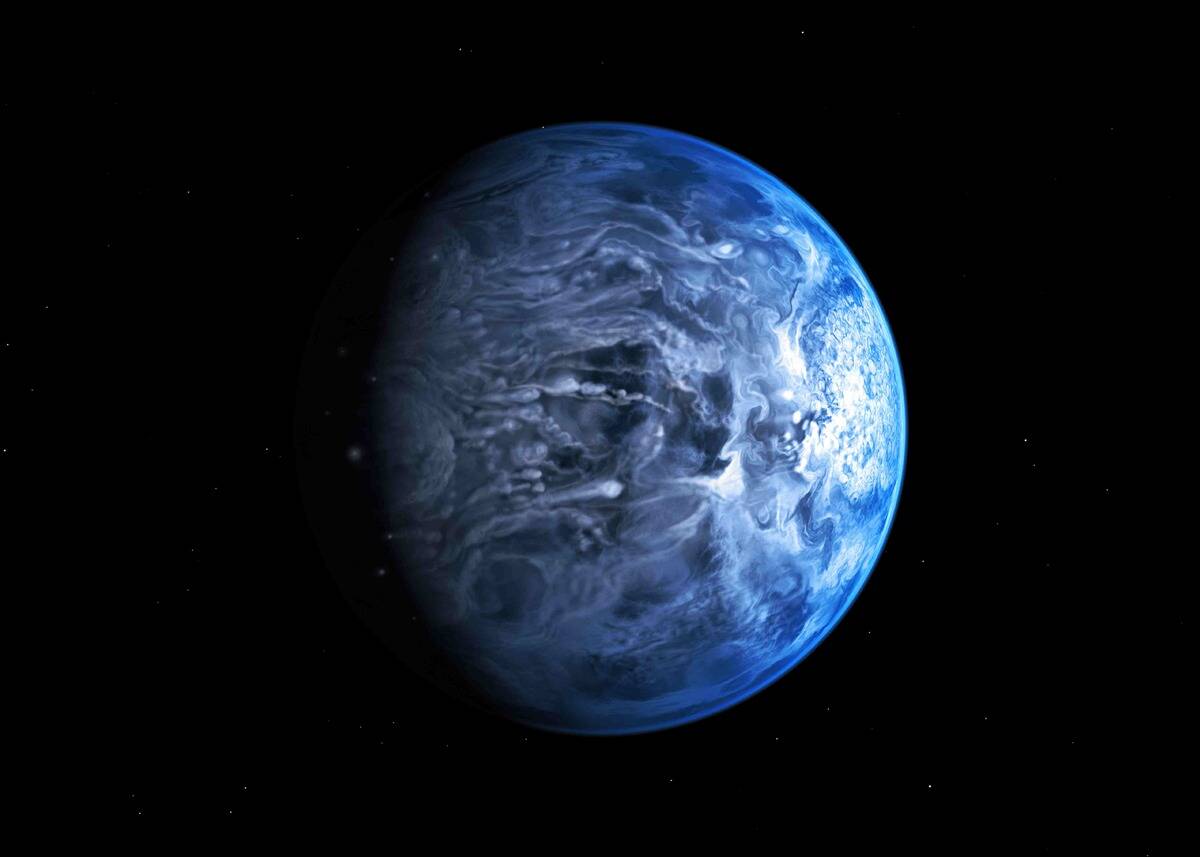
HD 189733b is an exoplanet that defies expectations, located 63 light-years away in the constellation Vulpecula. Its deep azure color is reminiscent of Earth, but its environment is anything but hospitable.
With winds reaching speeds of 5,400 mph and temperatures soaring beyond 1,000 degrees Celsius, it rains glass sideways. The study of such extreme worlds helps refine our search for habitable planets and understand the diversity of planetary atmospheres.
The Unprecedented Ultra-Massive Black Hole
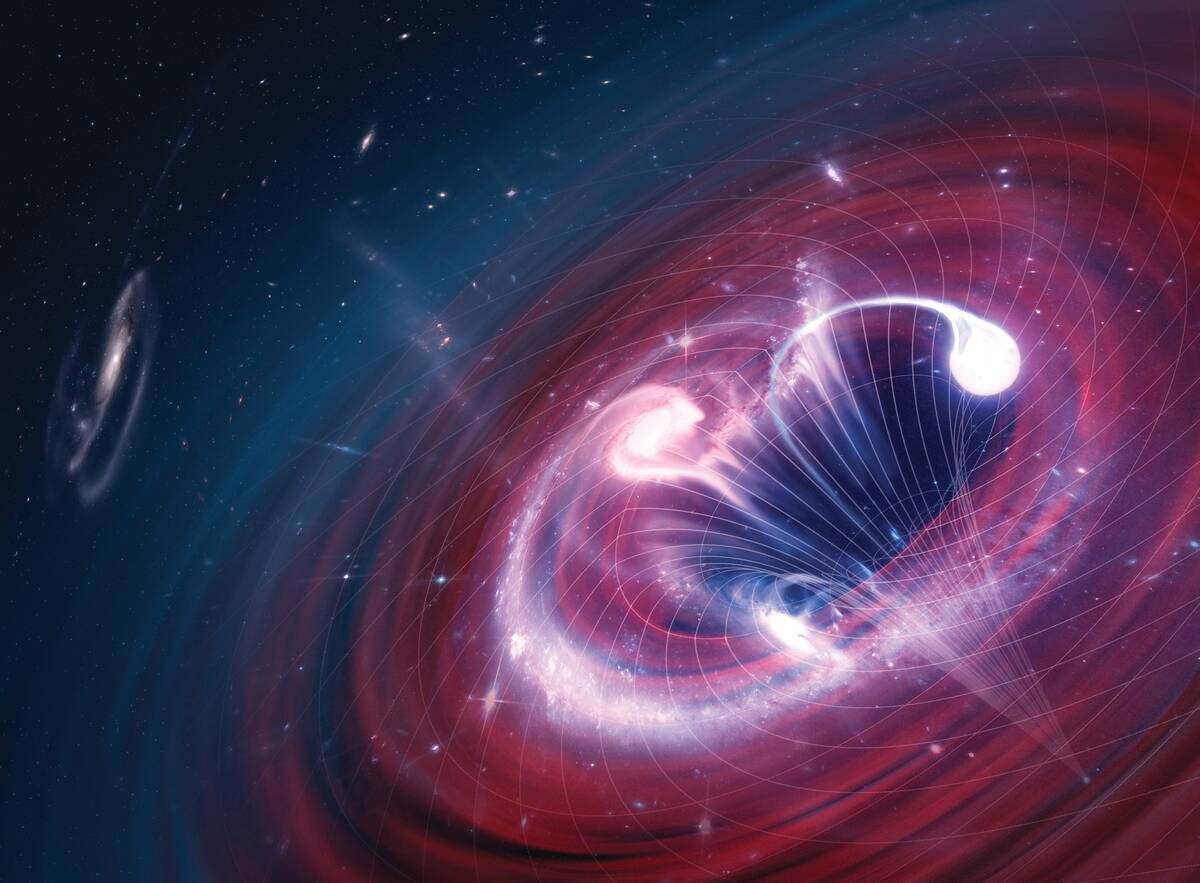
Ultra-massive black holes, tipping the scales at billions of solar masses, reside at the centers of the universe’s largest galaxies. One such behemoth, located in the galaxy cluster Abell 85, boasts an astonishing mass of 40 billion suns.
These titans of the cosmos are key to understanding galaxy formation and evolution, as their immense gravitational influence shapes the structure and dynamics of their host galaxies over cosmic timescales.
The Curious Cosmic Microwave Background Cold Spot
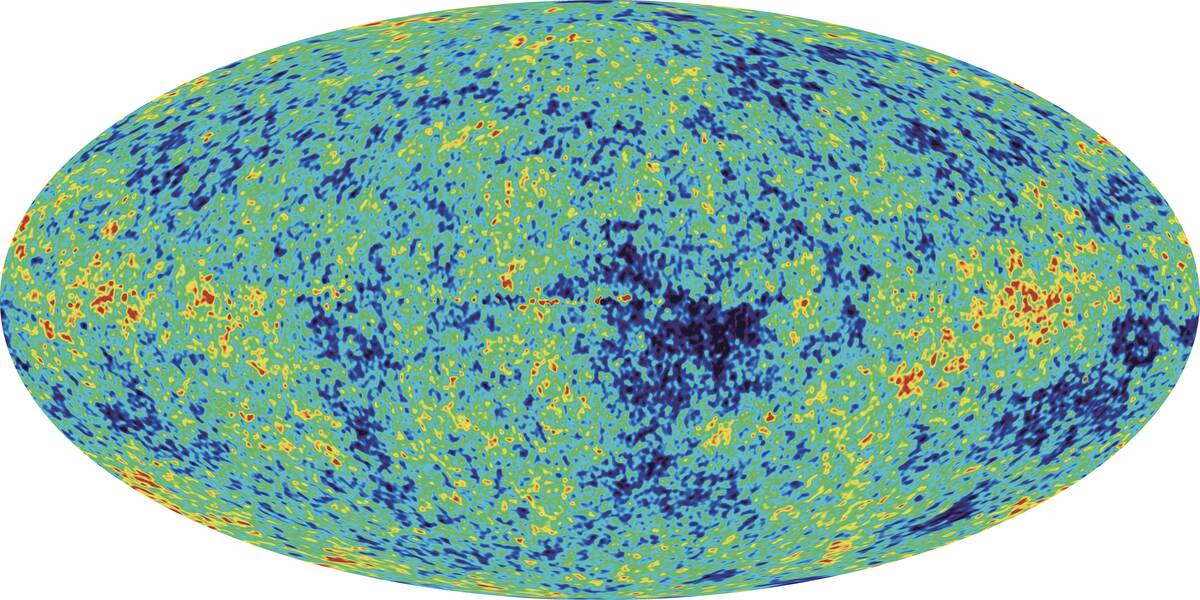
The Cosmic Microwave Background (CMB) Cold Spot is an unusually large and cold region of the CMB, the afterglow of the Big Bang. Located in the constellation Eridanus, its existence challenges the standard model of cosmology.
Some theories propose it as evidence of a multiverse or the result of a massive cosmic structure. The Cold Spot continues to intrigue scientists, driving the quest to understand its origin and implications for the universe’s history.
The Fascinating Fast Radio Bursts (FRBs)
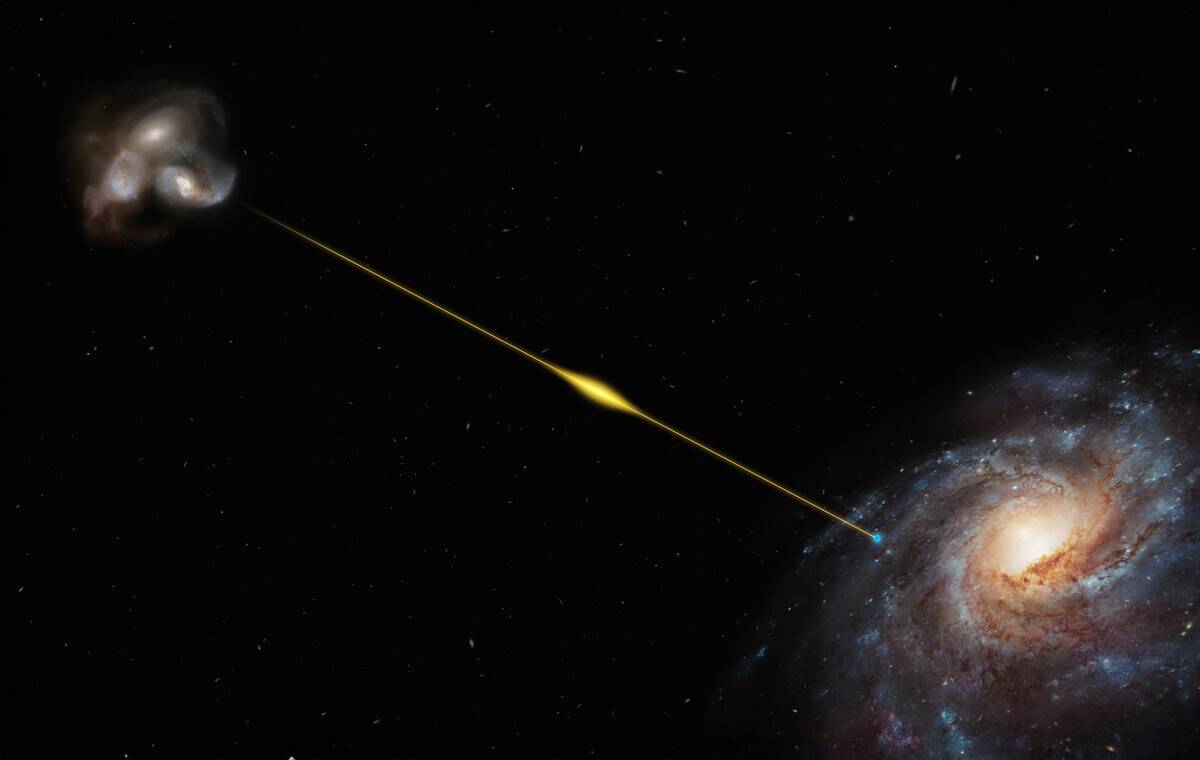
Fast Radio Bursts (FRBs) are brief, intense bursts of radio waves originating from distant galaxies. First discovered in 2007, their origins remain one of the greatest mysteries in astrophysics. With durations of milliseconds, FRBs have prompted numerous theories, from neutron star collisions to alien technology.
Their study is crucial for probing the universe’s structure and composition, as they provide a unique tool for mapping cosmic distances and uncovering hidden matter.