Understanding the psychology of nostalgia

Trending Now
Nostalgia is a warm, fuzzy feeling that often takes us back to the ‘good old days.’ It’s that sentimental yearning for the past, whether it’s triggered by a familiar song, an old photo, or the smell of your grandma’s cookies.
This emotional journey is something we all experience, but have you ever wondered why we love to reminisce so much? Let’s dive into the world of nostalgia to explore why our hearts long for the past.
A Trip Down Memory Lane: Defining Nostalgia
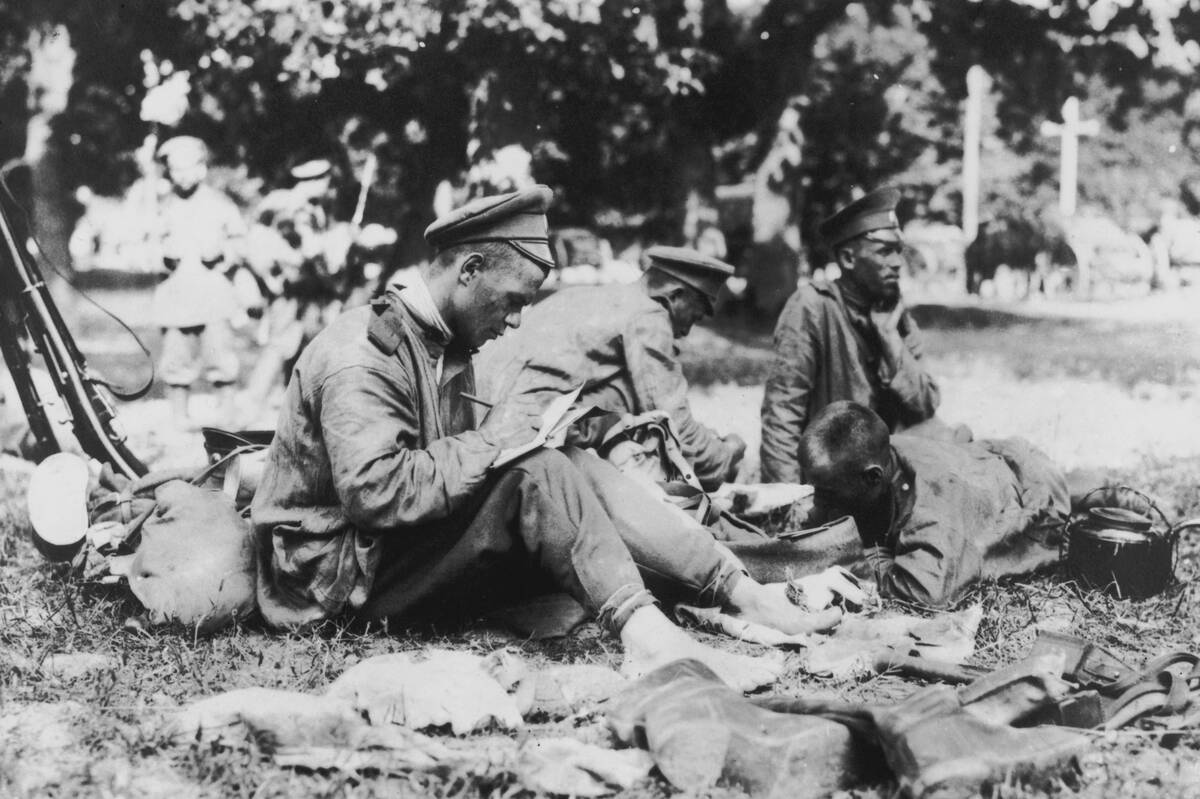
Nostalgia was first coined in the 17th century by Swiss physician Johannes Hofer, describing a homesickness experienced by soldiers. Today, it’s seen as a longing for the past with a bittersweet twist—where memories are both comforting and poignant.
It’s not just a simple recollection but a complex mix of emotions that can transport us to a different time and place, often bringing a sense of warmth and connection.
The Science of Sentiment: Psychological Perspectives on Nostalgia
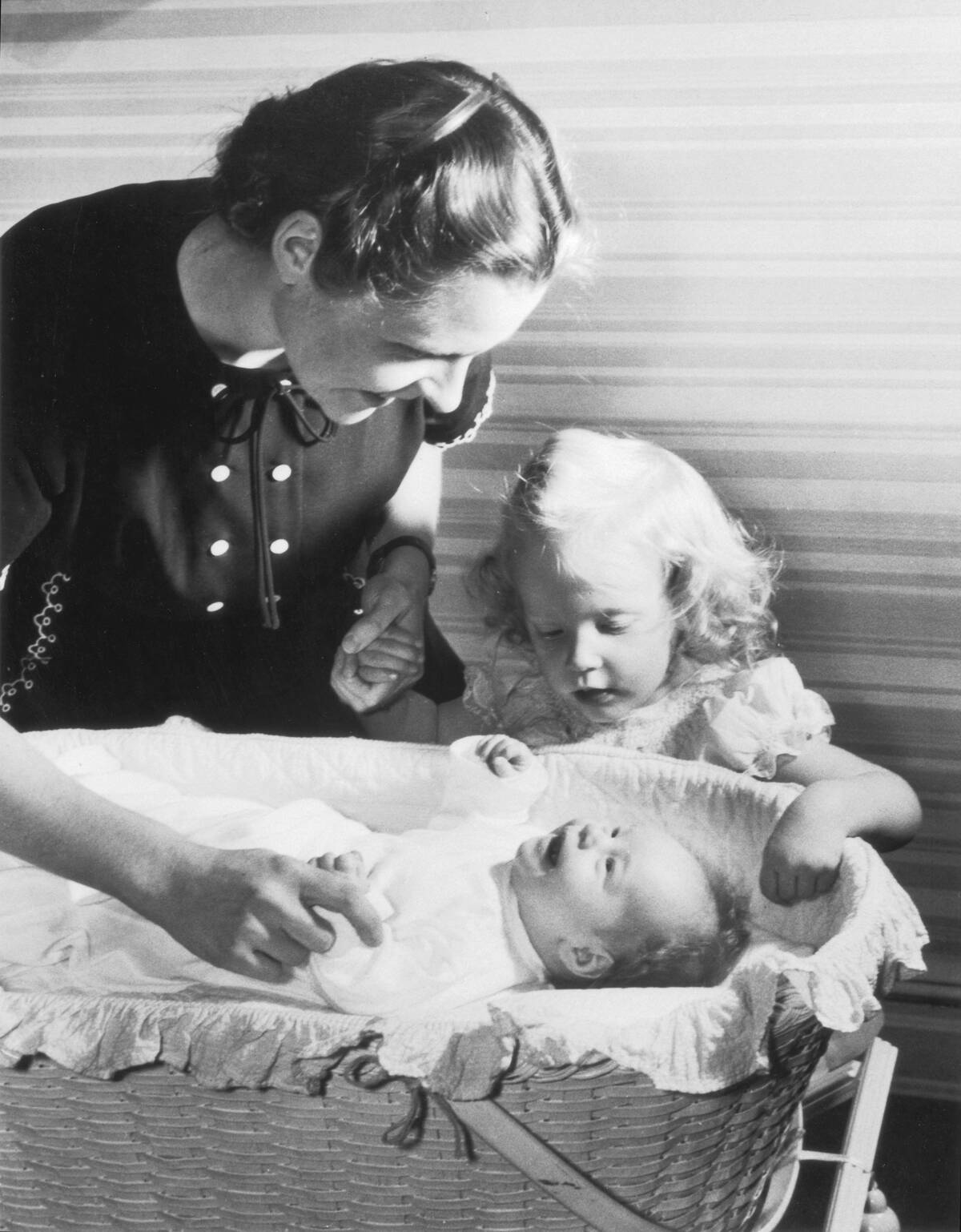
Psychologists view nostalgia as a self-soothing tool, helping to maintain our psychological equilibrium. It’s been shown to boost self-esteem, enhance feelings of social connectedness, and reduce anxiety.
Research indicates that nostalgia activates brain areas connected with reward and emotion, highlighting its role in our emotional well-being and its potential to aid in coping with life’s stresses.
The Warm Glow: How Nostalgia Affects Our Emotions

Nostalgia has a unique way of evoking a warm glow, helping us feel more optimistic about the future. Studies show that when we indulge in nostalgic thoughts, we often experience increased feelings of happiness and comfort.
This emotional lift can be particularly powerful during challenging times, providing a sense of stability and hope derived from our cherished memories.
Memory Lane: The Role of Memory in Nostalgia
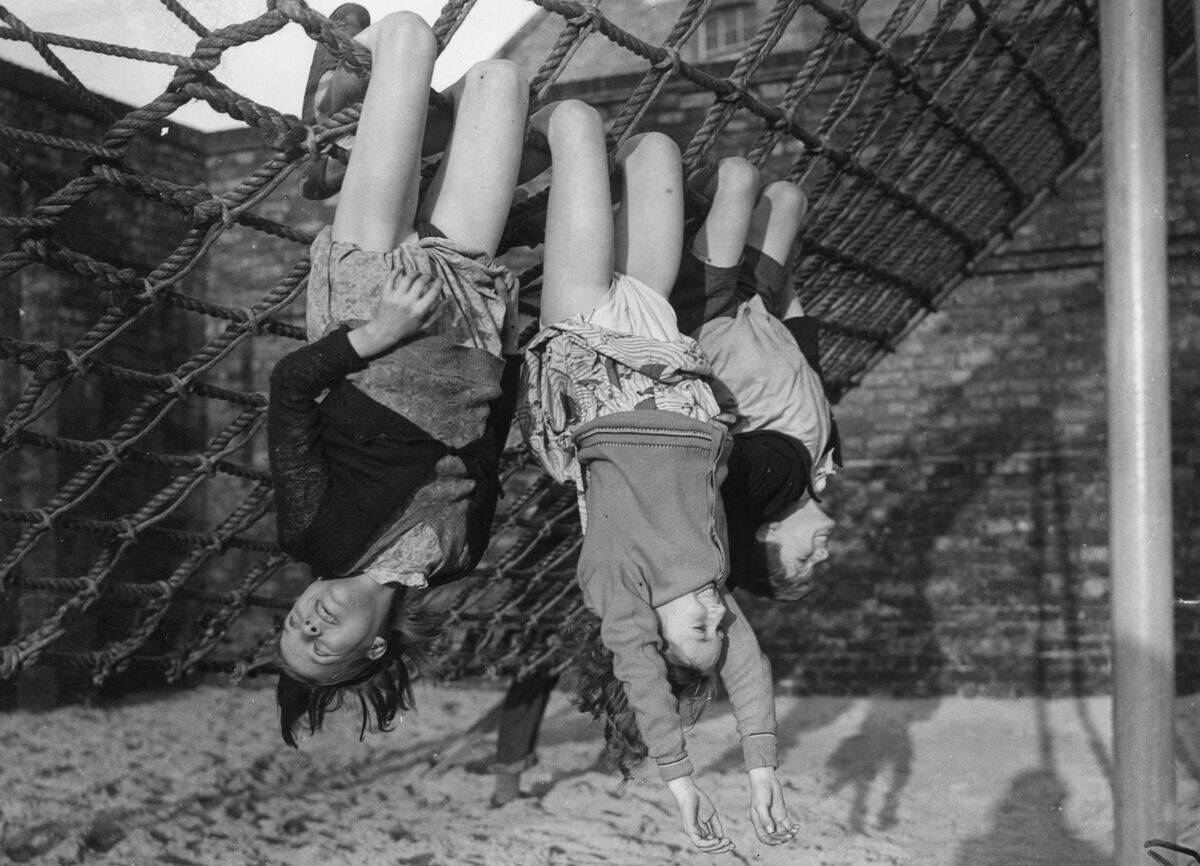
Our memories play a crucial role in shaping nostalgia, as they serve as the bridge that connects us to our past experiences. Interestingly, the memories we recall nostalgically are often tinged with positivity, even if the actual events weren’t entirely happy.
This rose-tinted recollection suggests that nostalgia helps us remember the past in a more favorable light, reinforcing its emotional appeal.
The Feel-Good Factor: Nostalgia’s Impact on Mood

Nostalgia has a remarkable ability to improve our mood, acting as a natural mood booster. When we reminisce about cherished moments, our brains release neurotransmitters like serotonin and dopamine, known for fostering feelings of happiness and satisfaction.
This chemical response helps explain why a trip down memory lane can leave us feeling uplifted and content.
Why We Crave the Past: Nostalgia as a Coping Mechanism
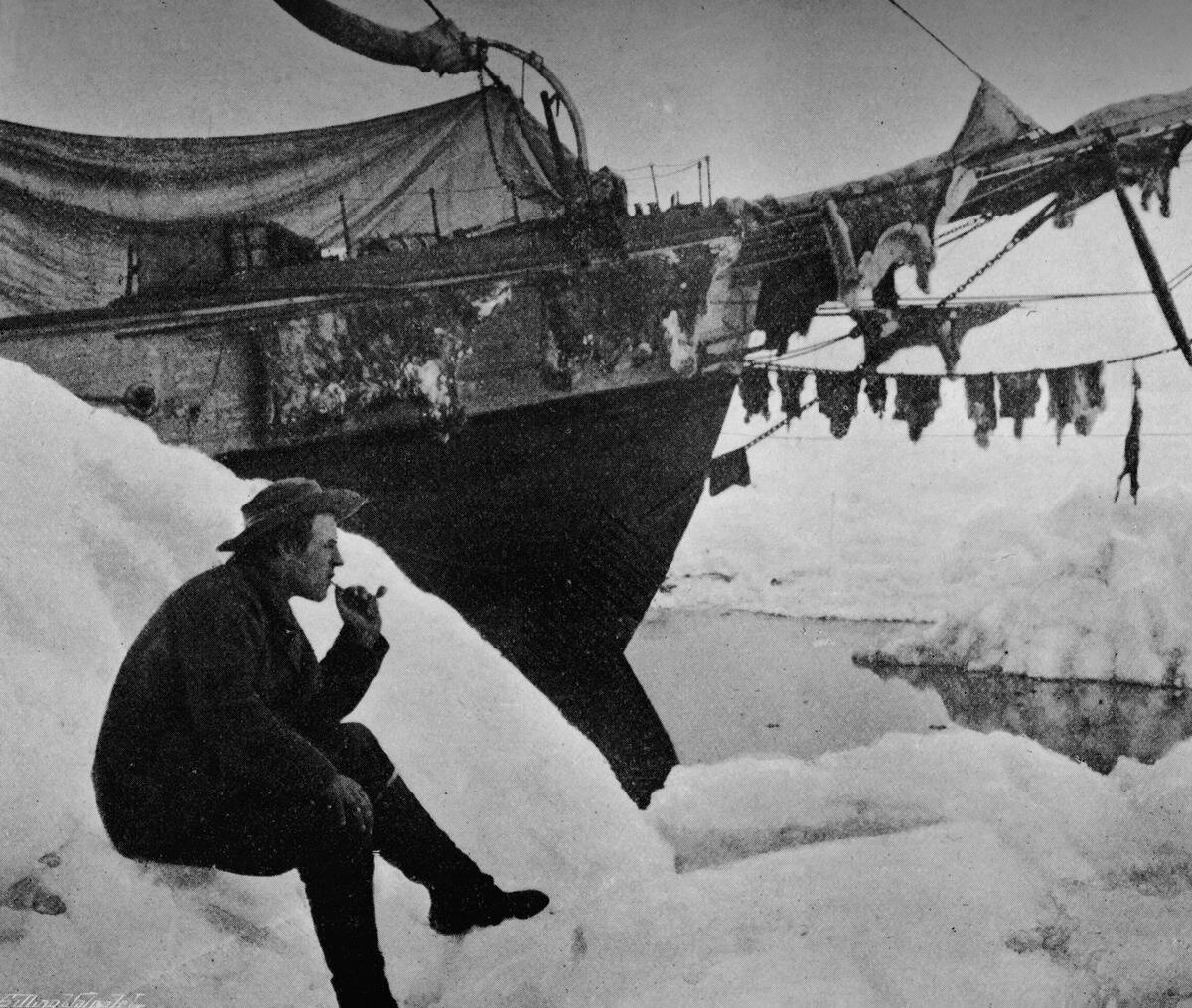
In times of uncertainty or stress, we often find ourselves longing for the past as a way to cope. Nostalgia can provide a comforting escape, reminding us of simpler times and offering a temporary refuge from present challenges.
This coping mechanism helps us maintain emotional balance, offering reassurance and a sense of continuity in an ever-changing world.
A Social Bond: The Role of Shared Nostalgia
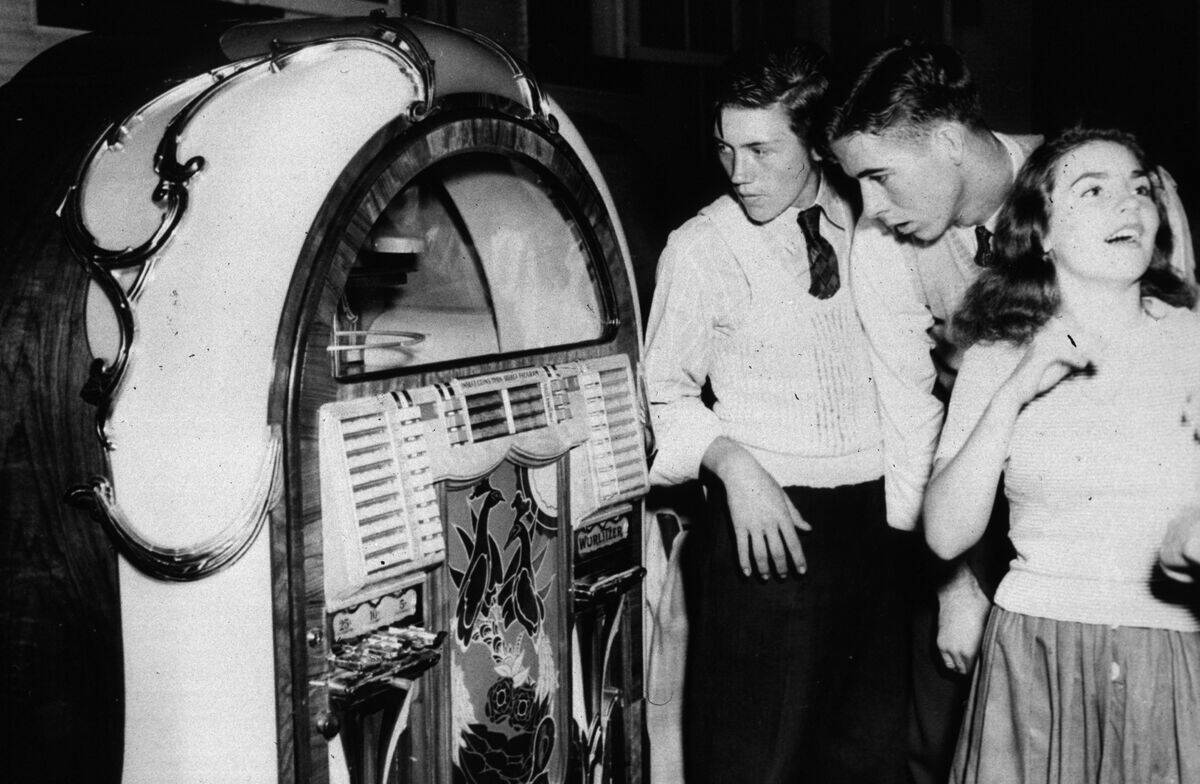
Shared nostalgia can strengthen social bonds, as reminiscing with others about past experiences fosters a sense of belonging.
Whether it’s recounting childhood adventures or revisiting old photos with friends, these shared moments of nostalgia create a collective memory, enhancing our social connections. It’s a reminder of the common threads that bind us together, deepening our relationships.
Nostalgia and Identity: How Memories Shape Who We Are
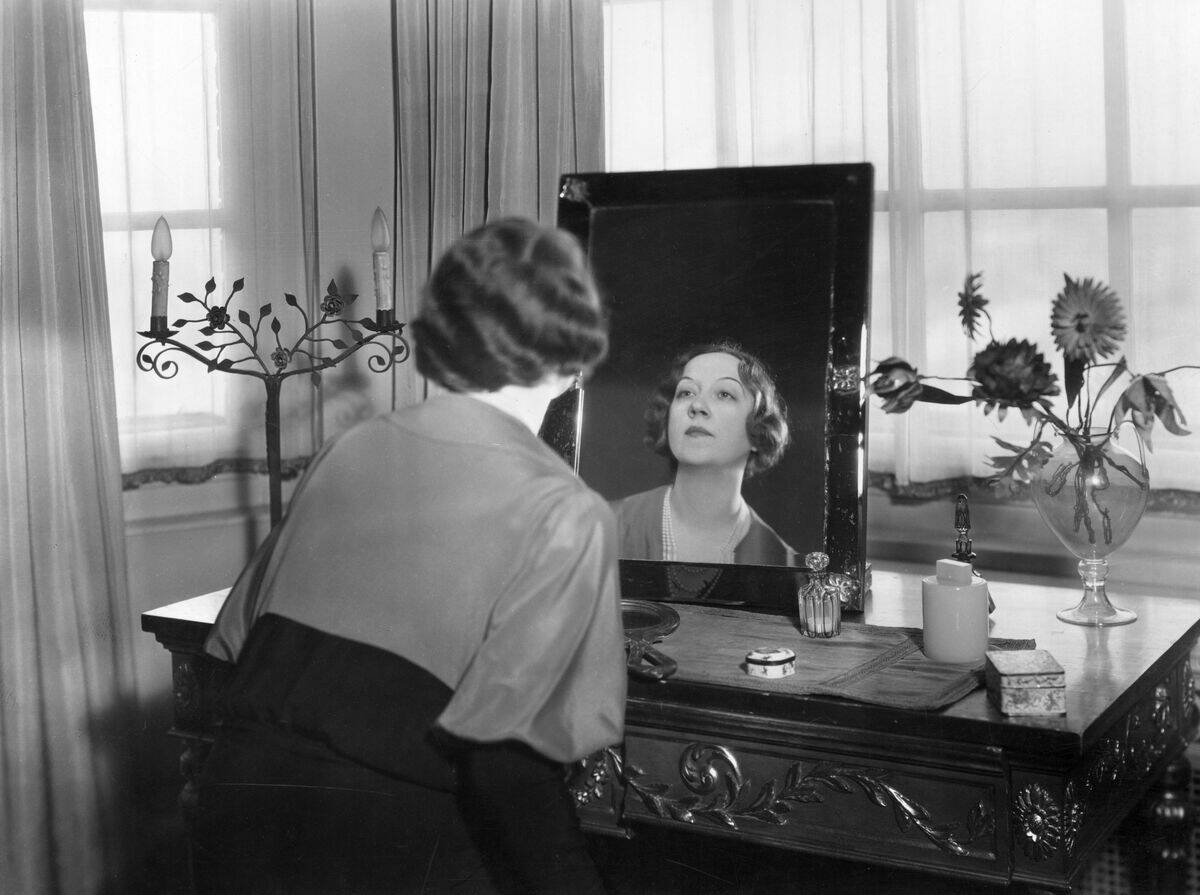
Our personal history and memories shape our identity, with nostalgia playing a significant role in this process.
By reflecting on past experiences, we gain insight into who we are and how we’ve evolved over time. This connection to our past provides a sense of continuity, helping us understand our present self and guiding our future aspirations.
The Marketing Magic: How Brands Use Nostalgia to Connect

Brands have long harnessed the power of nostalgia to connect with consumers, leveraging familiar imagery and themes from the past. By tapping into cherished memories, companies evoke positive emotions, building a sense of trust and loyalty.
Whether it’s a retro ad campaign or the revival of a classic product, nostalgia can be a powerful tool in forging emotional connections with audiences.
Nostalgia in Pop Culture: The Revival of Retro Trends

Pop culture is rife with nostalgic revivals, from the resurgence of vinyl records to the popularity of vintage fashion. These retro trends not only celebrate the past but also offer a fresh take on familiar themes, appealing to both older generations and younger audiences.
This blending of old and new creates a cultural tapestry that keeps nostalgia alive and ever-evolving.
Generation Gap: How Different Ages Experience Nostalgia

Nostalgia is experienced differently across generations, with each age group holding unique memories that trigger fond recollections. While baby boomers might reminisce about the music of the ’60s, millennials might feel nostalgic for early 2000s TV shows.
This generational variation highlights the diversity of nostalgic experiences, emphasizing how our individual histories shape the way we connect with the past.
The Digital Age: Nostalgia in the Era of Social Media

Social media platforms have become a treasure trove of nostalgia, with users sharing throwback photos and engaging in nostalgic trends. From #TBT (Throwback Thursday) to retro filters, these digital spaces allow us to relive and share our past with a wider audience.
This instant access to nostalgia has transformed the way we connect with our memories, making nostalgia more accessible than ever.
When Nostalgia Backfires: The Downsides of Longing for the Past

While nostalgia can be comforting, excessive longing for the past may hinder our ability to live in the present.
Dwelling too much on bygone days might lead to feelings of dissatisfaction or regret. It’s important to strike a balance between appreciating the past and embracing the present, ensuring that nostalgia remains a positive force in our lives.
Embracing the Past: How to Cultivate Healthy Nostalgia
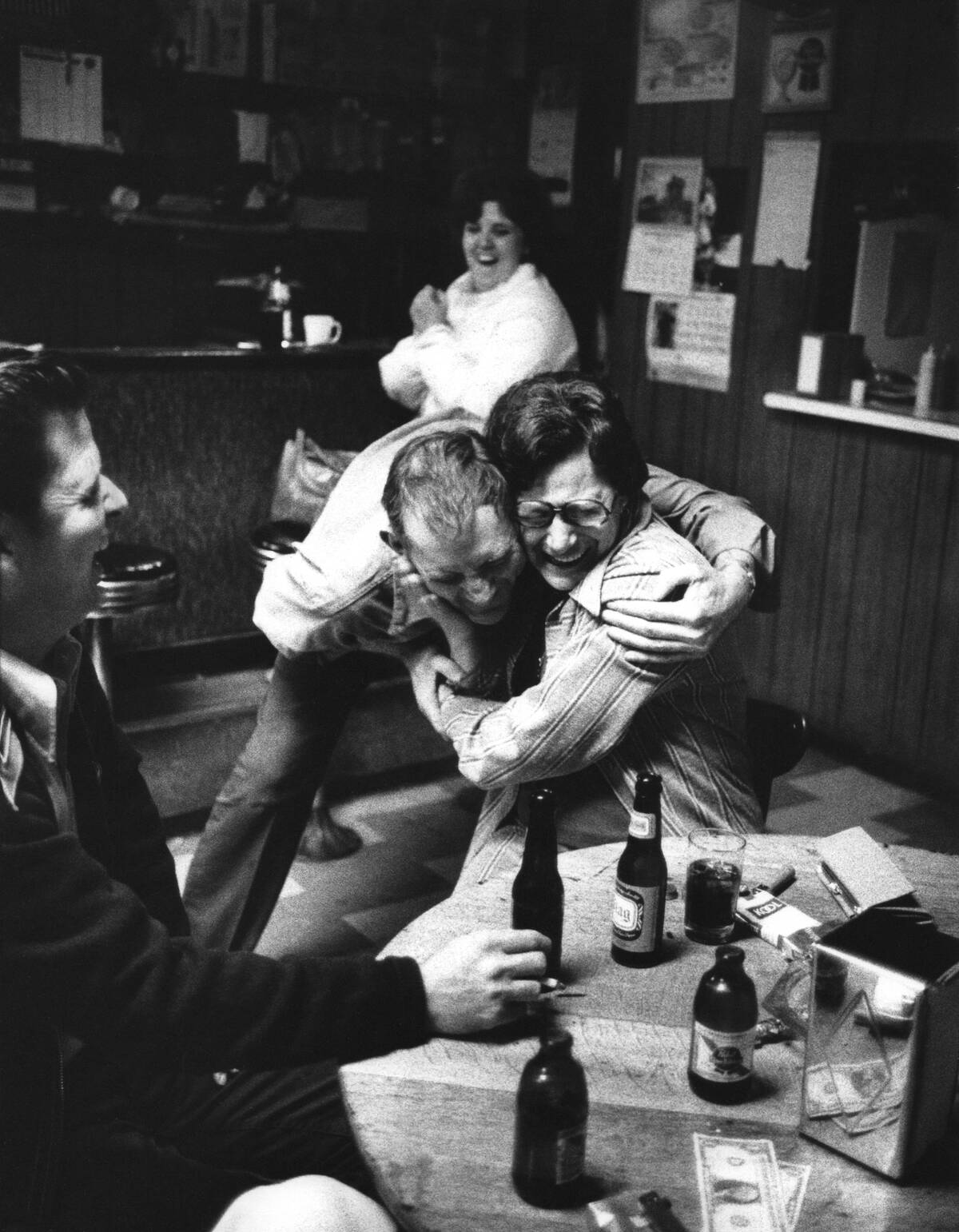
Cultivating healthy nostalgia involves savoring positive memories while maintaining a focus on the present. Engaging in activities that blend past and present, like revisiting old hobbies or sharing stories with loved ones, can enhance our sense of fulfillment.
By cherishing our past without letting it overshadow our current experiences, we can enjoy the best of both worlds.