Subtle signs that could indicate you are dehydrated

Trending Now
Water is the essence of life, and staying hydrated is crucial for maintaining optimal health. Our bodies are composed of about 60% water, which means that every cell, tissue, and organ relies on proper hydration to function smoothly.
From regulating body temperature to lubricating joints, water is involved in countless processes that keep us healthy. So, next time you reach for a drink, remember that hydration is not just about quenching thirst, but also about keeping your body in balance.
The Sneaky Signs of Dehydration
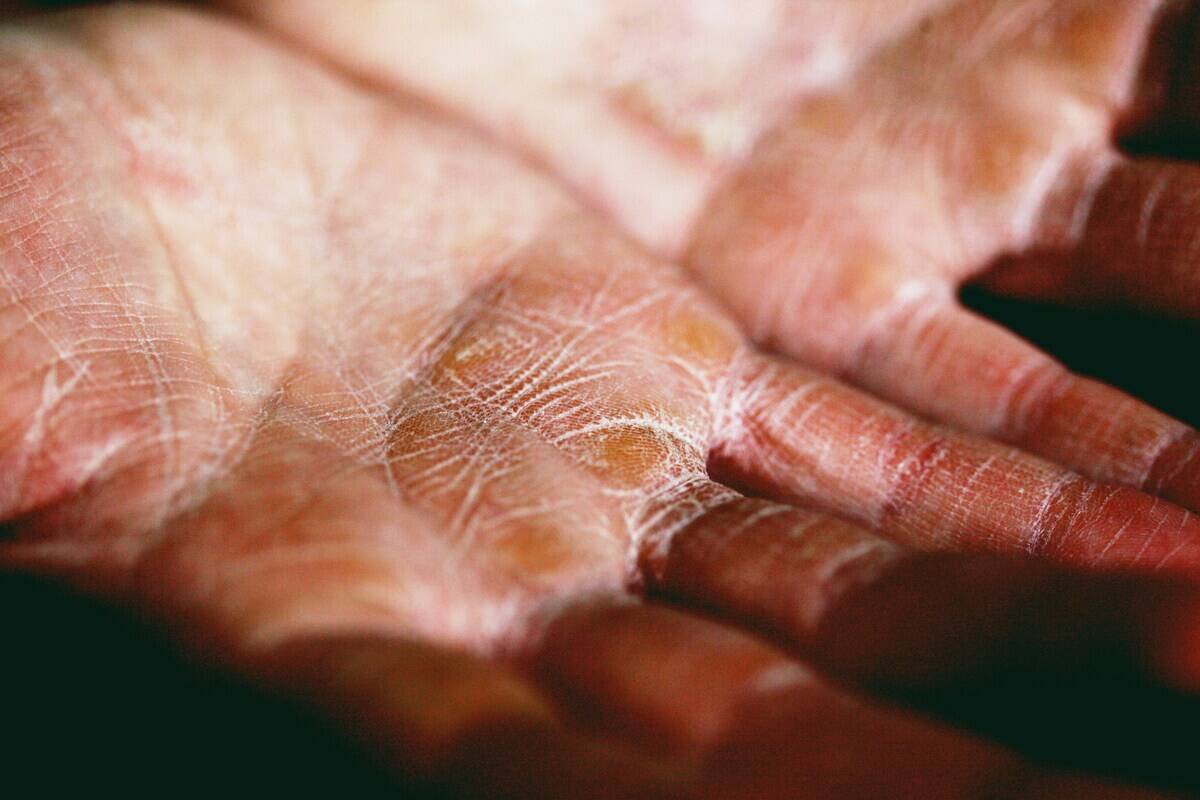
Dehydration can sneak up on you, manifesting in ways you might not initially connect to a lack of water. While thirst is the most obvious indicator, symptoms like dry skin, headaches, or fatigue can also be early warning signs.
It’s essential to listen to your body, as these subtle cues are its way of communicating that it’s time to hydrate. Ignoring these signs could lead to more severe dehydration, which can affect your overall well-being.
The Science Behind Thirst: Why We Feel It
Thirst is your body’s natural alarm system, triggered when it senses a drop in fluid levels. This sensation is controlled by the hypothalamus, a small but mighty part of the brain responsible for maintaining homeostasis.
When blood volume decreases, the hypothalamus releases hormones that increase the urge to drink. By understanding this process, we can appreciate how finely tuned our bodies are and why it’s crucial to respond to thirst promptly.
Dry Skin: More Than Just a Cosmetic Concern
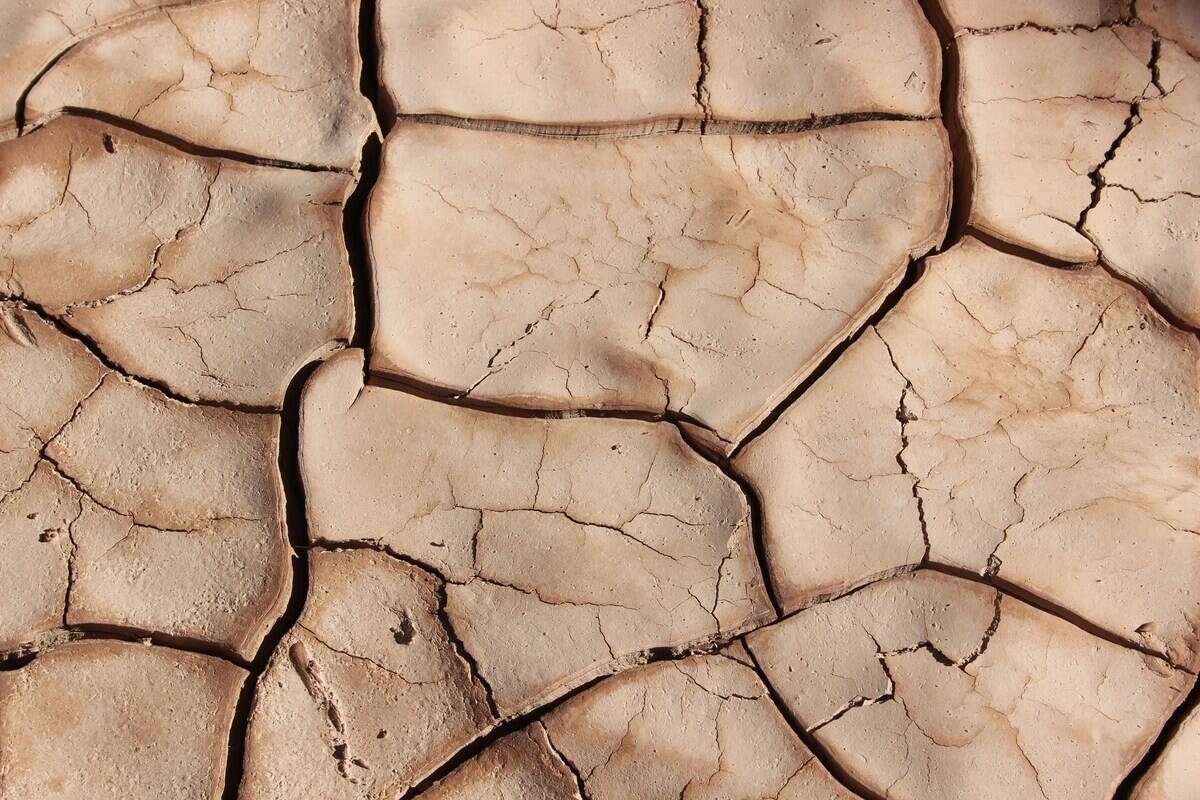
While dry skin is often dismissed as a cosmetic issue, it can actually be a sign of insufficient hydration. Skin cells need water to maintain their elasticity and barrier function. Without enough moisture, skin can become rough, flaky, and more prone to irritation.
So, if your skin feels like sandpaper, it might be time to up your water intake. Remember, achieving that dewy, healthy glow starts from the inside out.
The Mystery of the Dark Urine

Ever noticed your urine looking darker than usual? This could be your body’s way of telling you it’s time to drink more water. Urine color is a reliable indicator of hydration, with pale yellow being the ideal shade.
Darker hues suggest concentrated urine, a sign that your body is conserving water due to low fluid intake. Keep an eye on this easy-to-spot symptom to ensure you’re staying adequately hydrated.
Fatigue and Lethargy: Dehydration’s Secret Partners

Feeling unusually tired or lethargic? Dehydration could be the culprit. Water plays a crucial role in blood circulation and oxygen delivery to cells, so when you’re dehydrated, your body has to work harder to perform these functions.
This increased effort can leave you feeling drained and less energetic. Before reaching for that coffee, try drinking a glass of water and see if it brings back some pep to your step.
Headaches: The Deceptive Pain of Dehydration

Headaches are a common complaint, and dehydration is often an overlooked cause. When the body lacks water, the brain can temporarily shrink from fluid loss, pulling away from the skull and causing pain.
Drinking water can help alleviate this discomfort by restoring proper hydration levels. So, next time you feel that familiar throb, consider reaching for a refreshing glass of water before the pain relievers.
Dizziness: Losing Balance in More Ways Than One

Dizziness can be a disconcerting experience, often linked to dehydration. When fluid levels drop, blood pressure can decrease, leading to a lack of adequate blood flow to the brain. This can result in lightheadedness or a sensation of spinning.
Staying hydrated helps maintain blood volume and pressure, minimizing the risk of these unsettling episodes. If you find yourself feeling unsteady, a simple solution may lie in a glass of water.
Constipation: When Dehydration Slows Things Down

Water is essential for smooth digestion, and dehydration can lead to constipation by causing the colon to absorb more water from waste, leading to harder stools. Drinking sufficient water helps keep things moving through the digestive tract, preventing discomfort and maintaining regularity.
So, if you’re experiencing sluggishness in the bathroom, consider increasing your water intake to see if it helps clear the blockage.
Dry Mouth: The Unwelcome Cotton Ball Effect
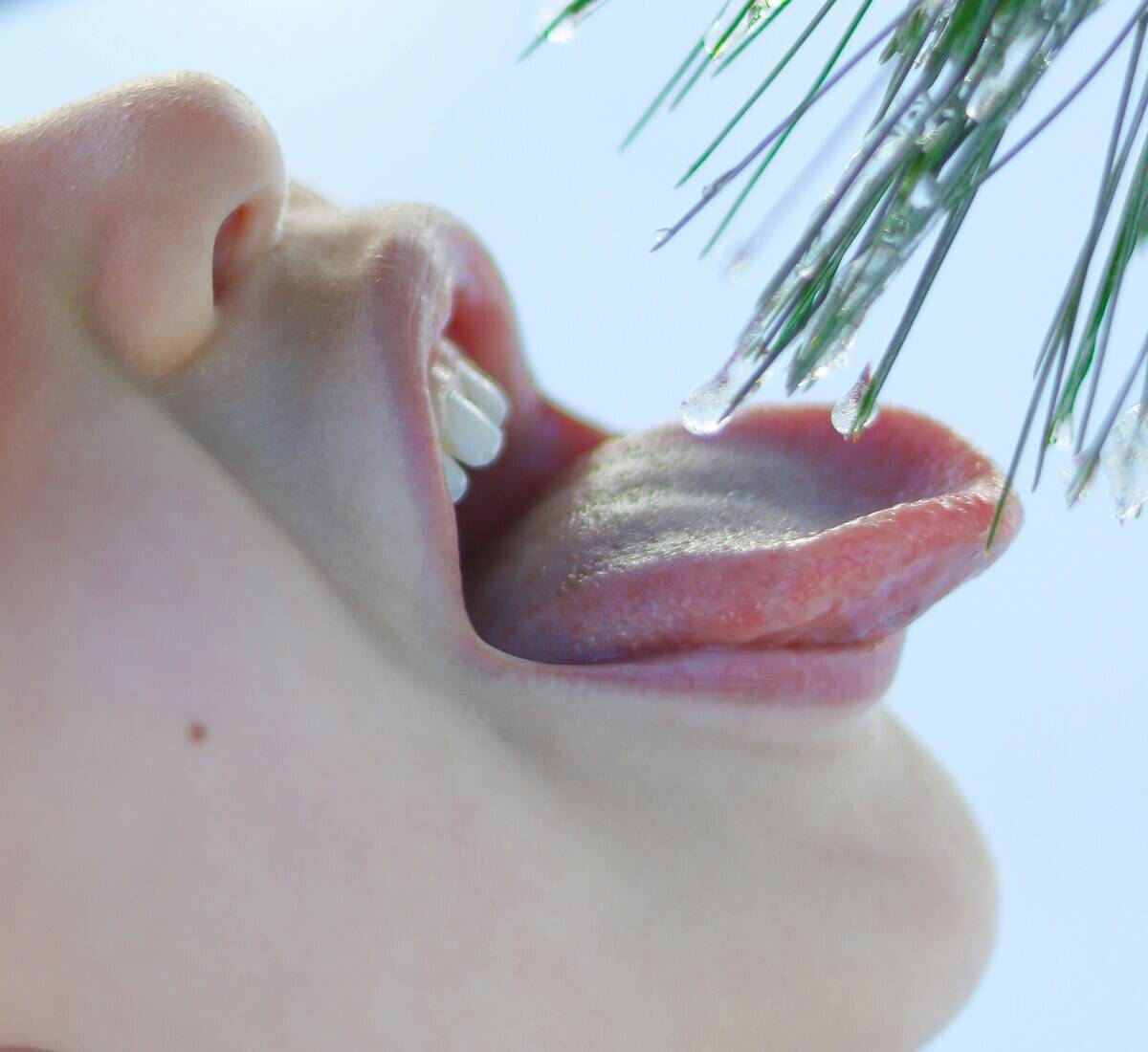
Dry mouth is an uncomfortable sensation, often likened to having a mouthful of cotton balls. It’s a clear sign that your body is in need of hydration, as saliva production decreases when fluid levels are low.
Saliva is vital for oral health, aiding in digestion and preventing tooth decay. Keeping hydrated can help ensure your mouth stays moist and your smile stays bright.
Rapid Heartbeat: When Your Heart Works Overtime
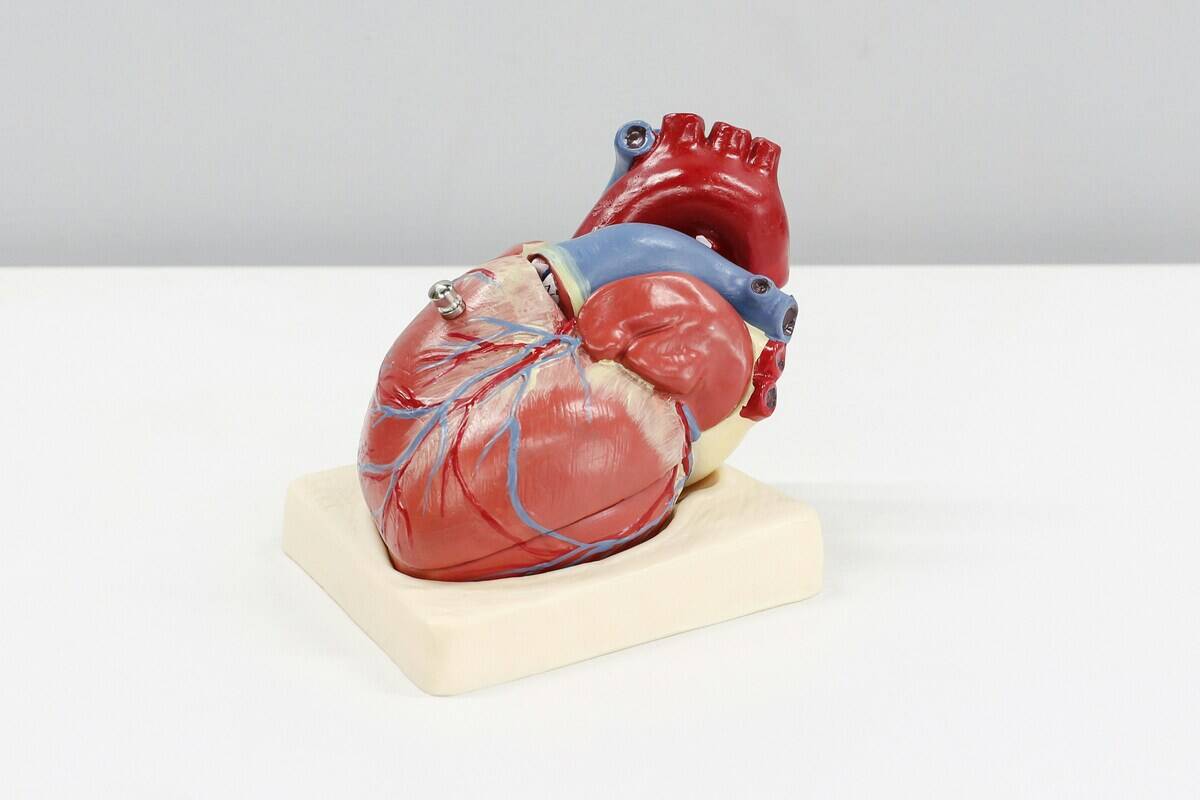
A racing heart can be alarming, and dehydration is one factor that can cause this sensation. When fluid levels drop, the heart must pump harder to circulate blood effectively, leading to a faster heartbeat.
Staying hydrated supports cardiovascular health and helps maintain a steady heart rate. If you notice your heart pounding unexpectedly, it might be time to take a sip and let your heart take a break.
Muscle Cramps: The Unpleasant Surprise of Dehydration

Muscle cramps can strike when you least expect them, and dehydration is a common trigger. Water is crucial for muscle function, helping with contraction and relaxation. Without adequate hydration, muscles can become more prone to cramping and spasms.
Ensuring you drink enough water can help keep those unwanted twinges at bay, allowing you to move freely and comfortably.
Decreased Urine Output: The Body’s Conservation Mode

When you’re dehydrated, your body enters a conservation mode, reducing urine output to preserve water. This means fewer trips to the bathroom, but it’s not necessarily a good sign. Adequate hydration ensures your kidneys can effectively filter waste, preventing accumulation in the body.
Monitoring your urine output can be a helpful gauge of your hydration status, so aim for regular bathroom breaks to keep things flowing smoothly.
Feeling Hungry: The Dehydration Disguise
Sometimes, what you perceive as hunger may actually be thirst in disguise. The hypothalamus, which regulates both hunger and thirst, can send mixed signals when you’re dehydrated, leading to unnecessary snacking.
Next time you feel a hunger pang, try drinking a glass of water first to see if it curbs your appetite. This simple trick can help prevent unnecessary calorie intake and keep your hydration levels in check.
Mood Swings and Irritability: When Dehydration Affects Your Mind

Ever noticed feeling cranky when you’re thirsty? Dehydration can impact your mood, leading to irritability and mood swings. Water is essential for brain function, and even mild dehydration can affect your mental state.
Staying hydrated helps maintain cognitive performance and emotional stability. So, if you’re feeling a bit snappy, it might be time to hydrate and find your calm.
Poor Concentration: The Brain Fog of Dehydration

Struggling to focus at work or school? Dehydration might be clouding your concentration. Water is vital for maintaining cognitive function, and a lack of it can lead to brain fog and reduced alertness.
By ensuring you drink enough water throughout the day, you can help keep your mind sharp and your tasks on track. Remember, a hydrated brain is a happy brain!
Bad Breath: The Unseen Consequence of Dryness

Bad breath, or halitosis, is an embarrassing issue that can stem from dehydration. Without sufficient saliva to wash away food particles and bacteria, your mouth can develop an unpleasant odor.
Drinking water helps keep your mouth clean and fresh, preventing the buildup of odor-causing agents. So, stay hydrated to keep your breath as pleasant as your conversation.
The Skin Turgor Test: A Simple Self-Check for Hydration Levels

The skin turgor test is a quick and easy way to assess your hydration status. Simply pinch the skin on the back of your hand, hold it for a few seconds, and then release. If the skin snaps back quickly, you’re likely well-hydrated.
However, if it takes a moment to return to normal, you may need to increase your fluid intake. This simple test can be a handy tool for ensuring you’re staying adequately hydrated.