How strong scents unlock deep memories

Trending Now
Isn’t it fascinating how a simple whiff of a familiar scent can transport us back to a specific moment in time? This connection between scents and memories is not just a figment of our imagination but a well-documented phenomenon.
Our sense of smell is uniquely tied to memory and emotion, making scents powerful triggers for recalling past experiences. Let’s explore why a hint of perfume or the aroma of freshly baked cookies can evoke such vivid memories.
The Science Behind Our Sense of Smell

Our sense of smell, or olfaction, is an intricate process that begins when odor molecules enter our nose. These molecules bind to receptors in the olfactory epithelium and send signals to the brain. Did you know that humans can detect millions of scents?
This impressive capability is thanks to the roughly 400 types of scent receptors in our noses, each detecting specific molecules.
A Journey Through the Olfactory System

The olfactory system is a complex network that links the outside world to our brain. Once odor molecules bind to receptors, they send electrical signals to the olfactory bulb.
The olfactory bulb is the brain’s first stop in the scent-processing journey, acting as a kind of relay station. This part of the process happens lightning fast, allowing us to identify scents almost instantaneously.
How Scents Evoke Emotional Responses

It’s no coincidence that certain smells can stir emotions. When olfactory signals reach the brain, they pass through regions associated with emotion and memory.
This close connection can explain why a particular scent can suddenly make us feel nostalgic or even teary-eyed. The limbic system plays a significant role here, intertwining our emotional and olfactory experiences in a beautifully complex dance.
The Brain’s Role in Processing Smells

The brain is a key player in deciphering the language of scents. When signals reach the olfactory bulb, they are sent to various brain areas, including the amygdala and hippocampus. These areas are crucial for processing emotions and memories.
It’s fascinating how these brain regions collaborate, allowing us to not only recognize but also emotionally respond to different smells.
Exploring the Limbic System

The limbic system is often dubbed the ’emotional brain’ for its significant role in our feelings and reactions. It connects directly with the olfactory bulb, explaining why scents can trigger immediate emotional reactions.
This system includes structures like the hippocampus and amygdala, which are vital for memory formation and emotional processing. It’s the reason why a sudden aroma can bring tears of joy or a smile of nostalgia.
Scents and the Hippocampus: Memory Central
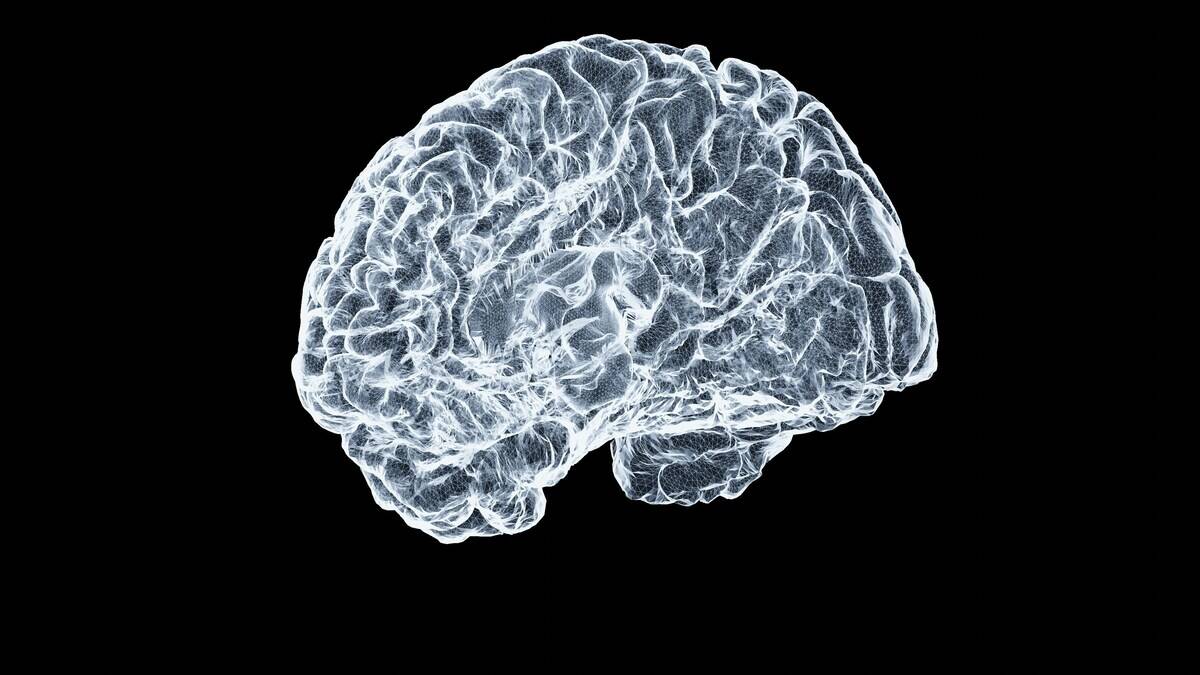
The hippocampus is often referred to as the memory center of the brain. It’s where short-term memories are converted into long-term ones. When a scent is processed, the hippocampus helps link the smell to a particular memory.
This is why certain fragrances can vividly transport us back to specific times and places, almost like opening a time capsule with our noses.
The Power of Associating Scents with Experiences

Associating scents with experiences can create powerful memory triggers. For example, the smell of chlorine might remind someone of childhood summers spent at the pool.
This happens because the brain creates a link between the scent and the experience. The more significant the experience, the stronger the scent-triggered memory can become.
Why Certain Smells Take Us Back in Time

Certain smells have the unique ability to transport us back in time, thanks to the brain’s associative power. When we first encounter a new scent, our brain often links it with the situation’s context, including emotions.
Later, encountering the same scent can trigger the memory of that initial experience, almost like a mental time machine, taking us back to relive those moments.
The Psychology of Scent-Triggered Memories

Psychologists have long studied the phenomenon of scent-triggered memories. Known as the Proustian phenomenon, named after writer Marcel Proust, this describes how involuntary memories can be triggered by smells.
These memories are often more emotional and vivid than those triggered by other senses, highlighting the unique power of scents in our psychological makeup.
Strong Scents and Their Impact on Mood

Strong scents can have a profound impact on our mood and emotional state. For instance, lavender is known for its calming properties, often used in aromatherapy to reduce anxiety.
Conversely, the smell of fresh citrus can be invigorating, boosting energy levels and promoting a positive mood. These scents interact with our brain chemistry, influencing how we feel and react to the world around us.
The Role of Personal Experiences in Scent Memory

Personal experiences play a significant role in how we perceive and remember scents. A scent that is comforting to one person might be unpleasant to another, depending on their past experiences.
For example, the smell of a particular perfume might remind someone of a loved one, while to another, it could evoke memories of a less pleasant encounter. Our unique life experiences shape how scents are encoded in our memories.
Cultural Influences on Scent Perception

Cultural background can greatly influence how we perceive and respond to scents. Different cultures may have varying associations with specific smells, leading to diverse emotional responses.
For instance, the scent of incense might evoke feelings of spirituality in some cultures, while in others, it might simply be a pleasant aroma. These cultural influences shape our scent memories and contribute to the rich tapestry of human olfactory experiences.
How Marketing Uses Scents to Create Memories

Marketers have long capitalized on the power of scent to create memorable experiences. By using signature scents, businesses can enhance brand recognition and customer loyalty. For example, some hotels use specific fragrances in their lobbies, creating a unique olfactory identity.
This strategy not only makes the experience more pleasant but also helps guests remember the brand long after they’ve checked out.
Common Scents That Spark Nostalgia

Certain scents are universally known to spark nostalgia. The smell of freshly cut grass often evokes memories of childhood summers. Similarly, the aroma of pumpkin spice can bring back thoughts of cozy autumn days.
These scents are tied to specific experiences and seasons, making them powerful triggers for nostalgic memories that many people share.
Real-Life Stories: Scents Bringing Back Memories

Many people have personal anecdotes of how a particular scent brought back a flood of memories. For instance, the smell of a certain cologne might remind someone of their grandfather, instantly transporting them to childhood visits.
These real-life stories highlight the deeply personal nature of scent-triggered memories, showcasing how powerful and emotional this connection can be.
Tips for Using Scents to Enhance Memory Recall

If you want to harness the power of scents for memory recall, consider using specific fragrances while studying or engaging in activities you want to remember.
Scents like rosemary and peppermint are known to enhance concentration and memory. Later, when you encounter these scents again, you may find it easier to recall the information or experience associated with them.
The Future of Scent-Related Memory Research

The future of scent-related memory research is promising, with scientists exploring how olfactory cues can aid in memory recall and emotional well-being. Emerging studies are investigating the therapeutic potential of scents for conditions like Alzheimer’s disease and PTSD.
As we continue to uncover the mysteries of the olfactory system, we may find new ways to harness its power for improving mental health and cognitive function.
Fun Facts About Scents and Memory

Did you know that the human sense of smell is most acute in the morning? Or that women typically have a better sense of smell than men? These fun facts illustrate the fascinating world of scents and memory.
Another intriguing fact is that newborns recognize their mother’s scent within days of birth, highlighting the deep-rooted connection between smell and memory from the very start of life.