How psychology can help identify dishonesty

Trending Now
Welcome to the fascinating world of deception detection, where psychology helps us unmask the truth. Deception is a universal human behavior, and understanding it requires delving into the intricacies of human psychology.
From subtle body language cues to the complexities of speech patterns, there’s a lot to unpack. By exploring these elements, we can develop a keener sense of awareness and perhaps become better lie detectors ourselves.
The Science Behind Lying: Why Do We Do It?
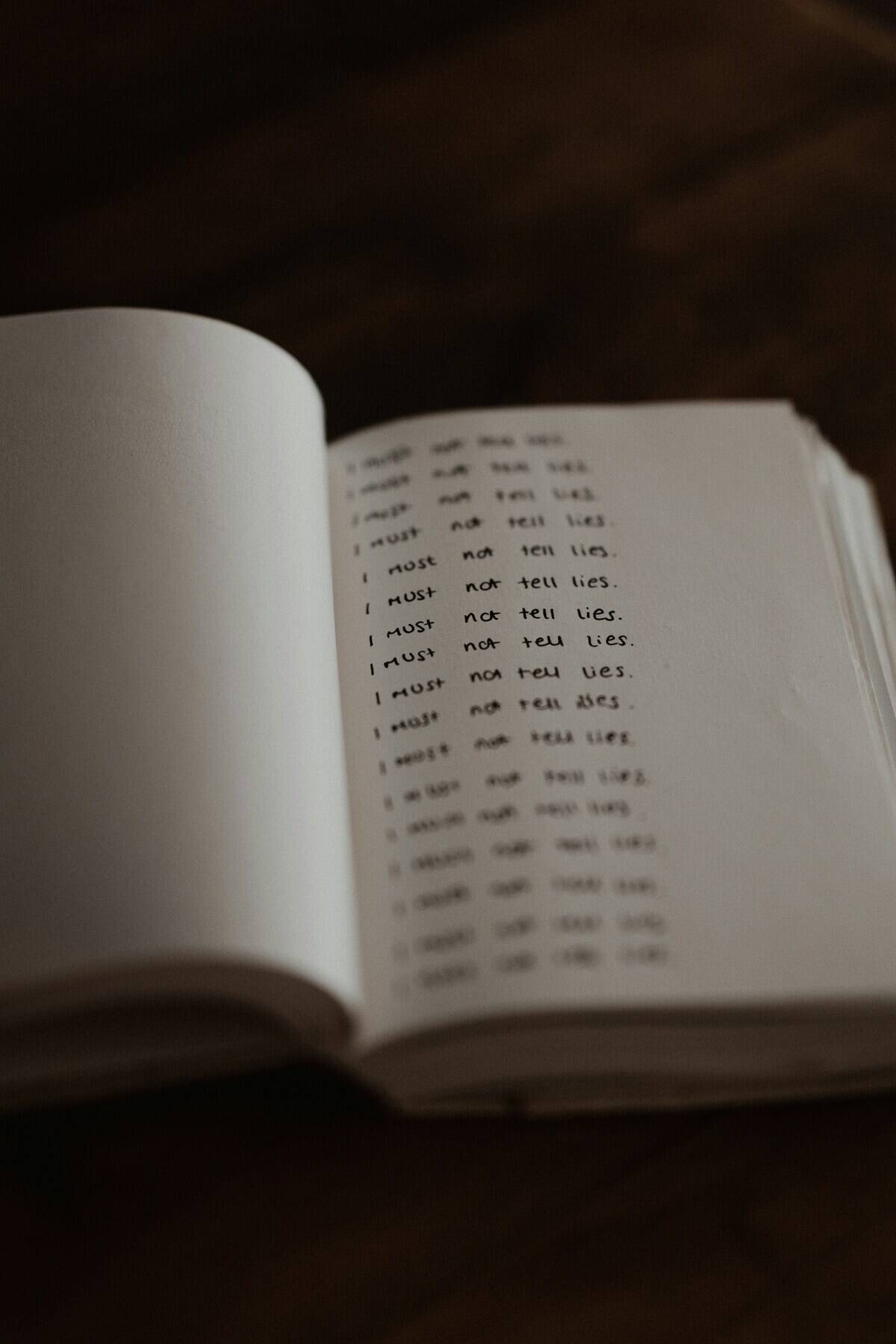
Lying is a behavior deeply rooted in human evolution, often used as a social tool to navigate complex interactions. Studies suggest that people lie to protect themselves, to gain an advantage, or to avoid hurting others.
Interestingly, research shows that most people lie at least once or twice a day, although these lies are often nominally harmless ‘white lies.’ Understanding why we lie is the first step to spotting when others might be bending the truth.
The Body Language of a Liar: Subtle Signs to Watch

Body language can be a goldmine of information when it comes to detecting lies. Liars often exhibit signs of discomfort, such as crossing arms or shifting feet together. It’s worth noting that these aren’t surefire signs that someone is lying, but they can be red flags for such behavior, especially if they’re not how the person normally acts.
Moreover, they might display micro-expressions — brief, involuntary facial expressions that reveal true emotions. Paying attention to these subtle signs can provide clues to someone’s honesty, as our bodies often betray our words.
Eye Movements: Windows to a Liar’s Soul

The eyes are often referred to as the windows to the soul, and they can reveal a lot about honesty. While there’s a myth that liars avoid eye contact, research shows that they don’t avoid eye contact any more than people who are telling the truth.
Nonetheless, frequent blinking or looking away at crucial moments can indicate deceit. Observing these eye movements can help determine whether someone is being truthful.
The Power of Pauses: How Speech Patterns Reveal the Truth

When it comes to speech, the pauses and hesitations can be quite telling. Liars often take longer to respond, as they are crafting their story on the fly. Conversely, they might rush through their tale to avoid scrutiny.
These speech patterns, including the use of filler words like ‘um’ or ‘uh’, can reveal inconsistencies in their narrative, providing valuable insight into their truthfulness. Again, it’s important to remember that the usefulness of speech cues in detecting lies depends on the person’s normal behavior, as neither
extreme necessarily confirms any false statements.
Facial Expressions: The Micro-Expressions That Give Them Away

Micro-expressions are fleeting facial expressions that occur within a fraction of a second, revealing genuine emotions that a person might be trying to hide. These expressions are difficult to control and can betray a liar’s true feelings.
For instance, a quick flash of anger or fear might surface during a lie. Learning to spot these involuntary expressions can be a powerful tool in discerning truth from deception.
The Role of Consistency: Spotting Contradictory Stories

Consistency is key when evaluating the truthfulness of a story. Liars often struggle to keep their stories straight, leading to contradictions over time.
Listening carefully to the details and noting any changes or discrepancies can reveal the sketchy parts of their narrative. A consistent story is usually a truthful one, while inconsistent details can indicate a fabrication.
Too Much or Too Little Detail: The Sweet Spot of Truthfulness
When it comes to detail, both extremes can be red flags. Liars might provide too many details to make their story seem plausible, or too few to avoid being caught in a lie.
Striking the right balance, where the level of detail matches the context of the story, is often a sign of truth. Observing whether someone is either overloading or skimping on details can be a useful indicator of their honesty.
The Telltale Signs of Nervousness: Sweating and Fidgeting

Nervousness often accompanies lying, manifesting in physical symptoms like sweating or fidgeting. These signs can be a result of the stress associated with maintaining a lie.
However, it’s important to note that not all nervousness indicates lying, as some people may simply be anxious. Identifying these signs in conjunction with other cues can strengthen the case for detecting deception.
Voice Modulation: How Tone and Pitch Can Be Deceptive

Changes in a person’s voice can be a giveaway when they are lying. A liar’s voice might become higher in pitch due to stress, or they might speak more softly when omitting information.
Additionally, an uneven tone or sudden changes in volume can indicate discomfort. Being attentive to these vocal shifts can help in identifying when someone is not being entirely truthful.
Inconsistencies in Timing: When Stories Don’t Add Up

The timing of events in a person’s story can also be a clue to deception. If the sequence of events suddenly changes or the timing doesn’t add up, it could indicate a fabricated story.
Liars may struggle to maintain a coherent timeline, which can lead to contradictions. Observing these inconsistencies can be a useful tool in discerning the truth.
The Influence of Stress: How Pressure Changes Behavior

Stress can significantly alter behavior, especially when someone is lying. Under pressure, a liar might exhibit heightened anxiety, making it harder to maintain their composure.
This stress can lead to slips of the tongue, nervous habits, or even an emotional outburst. Recognizing how stress affects behavior can help in identifying when someone is not being completely honest.
The Role of Overconfidence: When Liars Believe Their Own Lies

Interestingly, some liars become overconfident, especially if they’ve lied successfully in the past. This overconfidence can make them careless, leading to mistakes in their story.
They might also believe their own lies, which can make them seem more convincing. However, this confidence can be their downfall, as it often results in overlooking details that give them away.
Empathy and Emotions: Reading Between the Lines of a Liar
Empathy can be a valuable tool in detecting lies, as it allows you to gauge the emotional congruence of a person’s story. Liars might show inappropriate emotions, such as smiling when recounting a sad event.
Additionally, their emotional reactions might seem rehearsed or exaggerated. Tuning into these emotional cues can help in identifying when someone is being dishonest.
The Power of Probing Questions: How to Dig for the Truth

Asking probing questions can be an effective way to uncover deception. Liars often struggle to provide specific answers or maintain consistency under scrutiny.
By asking detailed questions, you can test their story and observe how they react. This technique can reveal discrepancies in their narrative, making it easier to spot when someone isn’t telling the truth.