The science behind why we love or hate spicy food

Trending Now
Spicy food has long tantalized taste buds across the globe, igniting a love affair with flavors that are as thrilling as they are fiery. From the zesty kick of jalapeños to the intense heat of Carolina Reapers, the world of spice is both vast and varied.
This intriguing culinary experience isn’t just about heat; it’s about the daring adventures your palate embarks upon with each bite.
The Chemistry of Spice: What Makes Food Spicy?
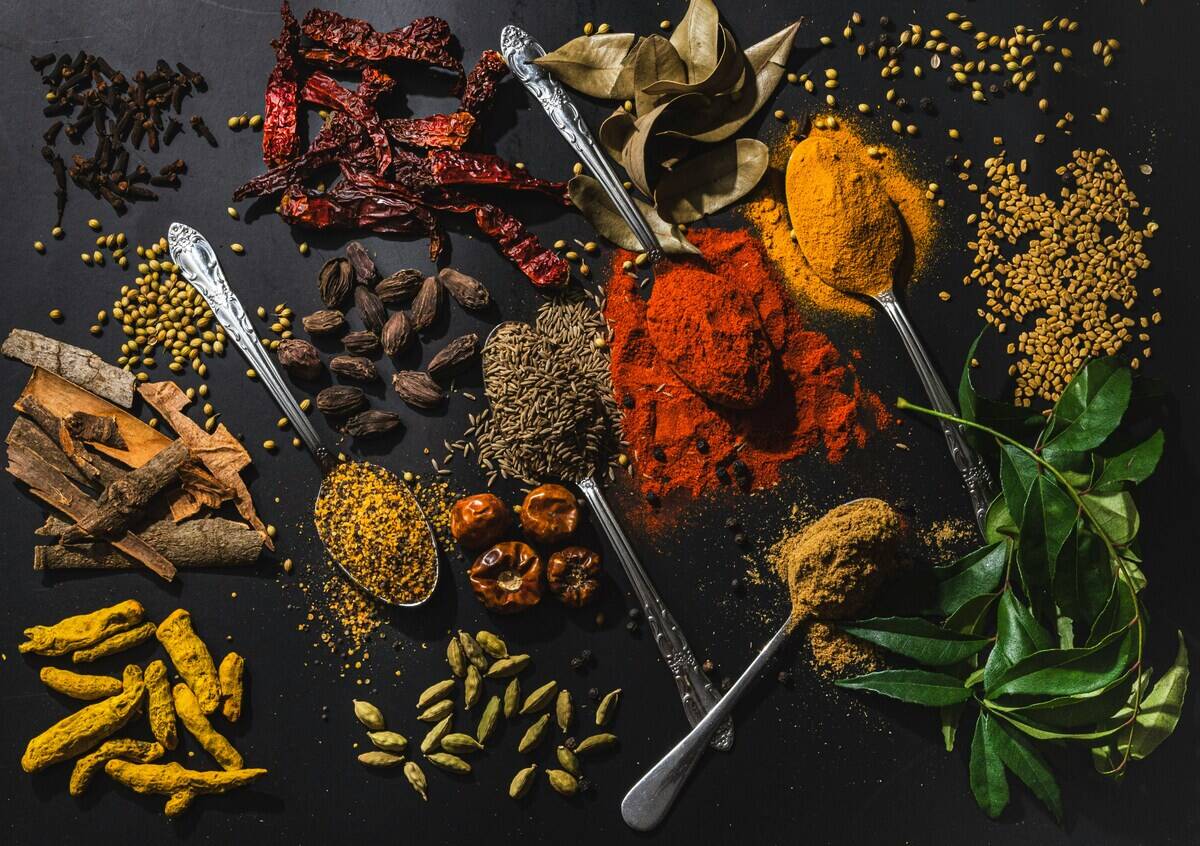
The heat in spicy food is primarily due to compounds like capsaicin, found in chili peppers. These molecules interact with receptors in our mouths, creating the sensation of heat.
Interestingly, the Scoville scale measures this heat level, with bell peppers at zero and the infamous ghost pepper reaching over one million Scoville Heat Units. This chemistry lesson reveals the complex interaction between our senses and the foods we eat.
Capsaicin: The Heat Behind the Heat

Capsaicin, the fiery compound in chili peppers, is the primary source of the burning sensation we experience. It binds to the TRPV1 receptors in the mouth, tricking the brain into thinking it’s on fire.
Fascinatingly, this compound is not water-soluble, which explains why drinking water doesn’t alleviate the burn. Capsaicin is also used in topical pain relief ointments, showcasing its versatile nature.
The Role of TRPV1 Receptors in Spicy Sensation
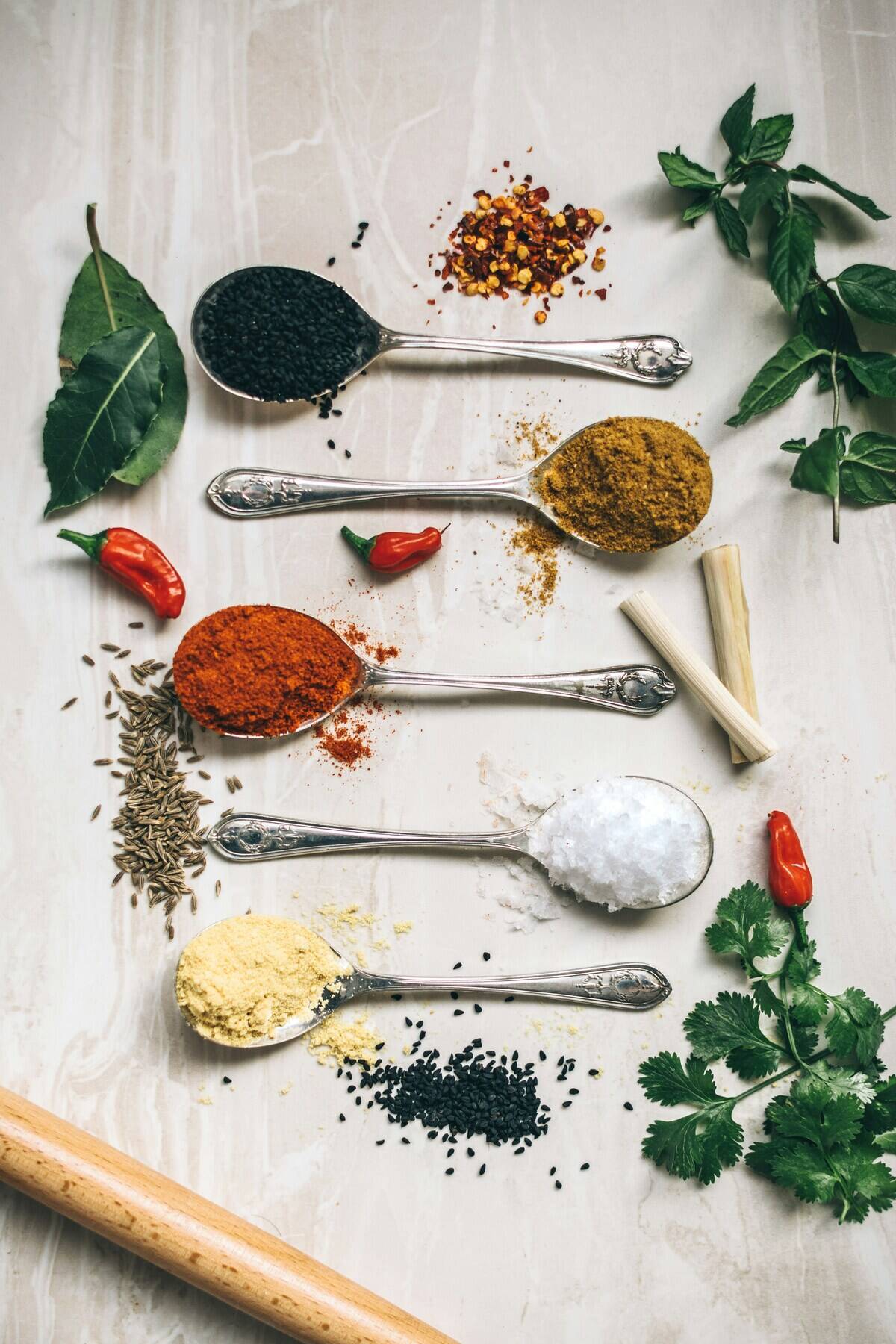
TRPV1 receptors are the gatekeepers of the spicy experience, detecting the presence of capsaicin and sending signals to the brain. These receptors are usually responsible for sensing temperature changes, which is why spicy food feels hot.
This clever biological trick creates a sensation of heat without any actual temperature change, highlighting the complexity of our sensory systems.
The Brain’s Reaction: Pain or Pleasure?

The brain’s response to spicy food is a complex interplay between pain and pleasure. While the initial reaction might be discomfort, the body releases endorphins to combat this sensation.
These natural painkillers not only reduce discomfort but also create a sense of euphoria, explaining why some people find spicy food irresistible. This dual response makes the consumption of spicy food a unique sensory adventure.
Genetic Predisposition: Are You Born to Love Spice?

Genetics play a significant role in determining your spice tolerance. Some people possess a genetic predisposition that makes them more receptive to spicy flavors. Variations in the TRPV1 receptor gene can influence how intensely you perceive capsaicin’s heat.
This genetic lottery means some are naturally inclined to enjoy spicy dishes, while others may find them overwhelmingly hot.
Cultural Influences: Spicy Traditions Across the Globe
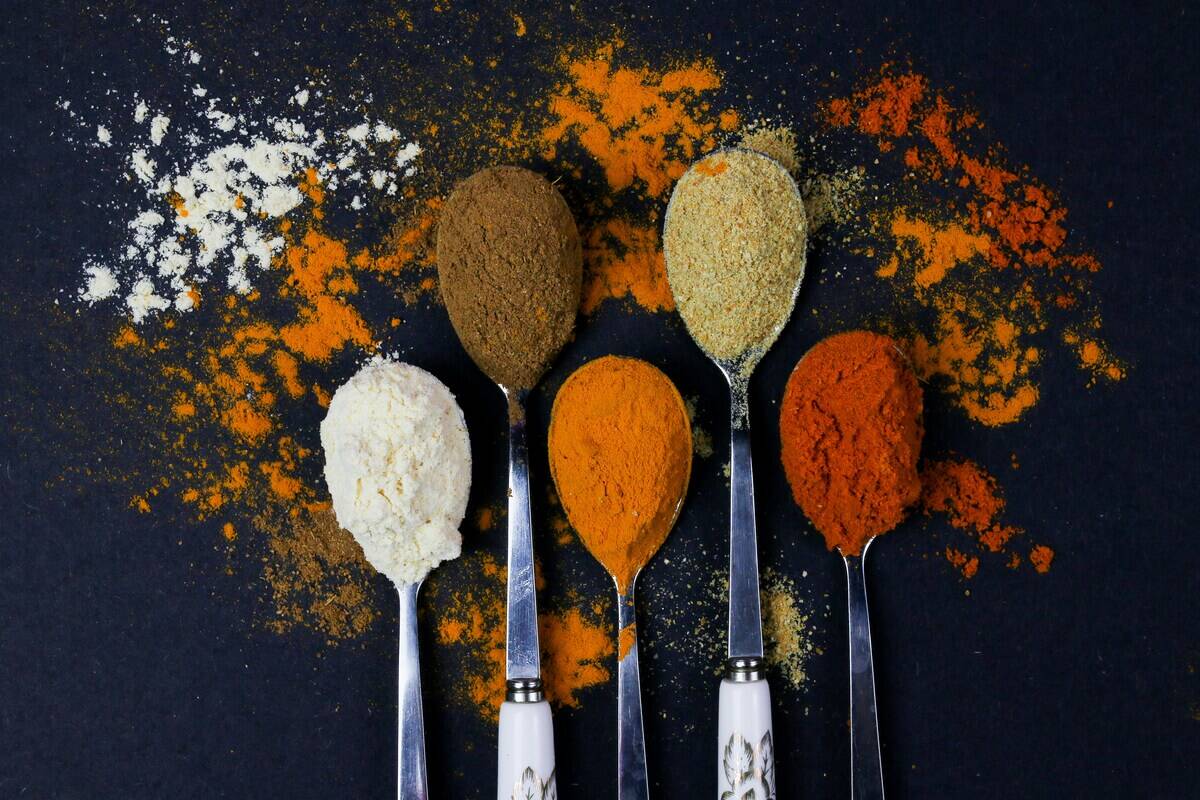
Spicy food traditions vary remarkably across cultures, each offering a unique take on heat. In India, dishes like vindaloo are renowned for their bold flavors, while Korea’s kimchi packs a tangy punch.
Meanwhile, Mexico’s love affair with chili peppers is legendary, with salsas and moles showcasing their versatility. These culinary practices highlight how spice has become an integral part of cultural identities worldwide.
Acquired Taste: How Palates Adapt to Spice
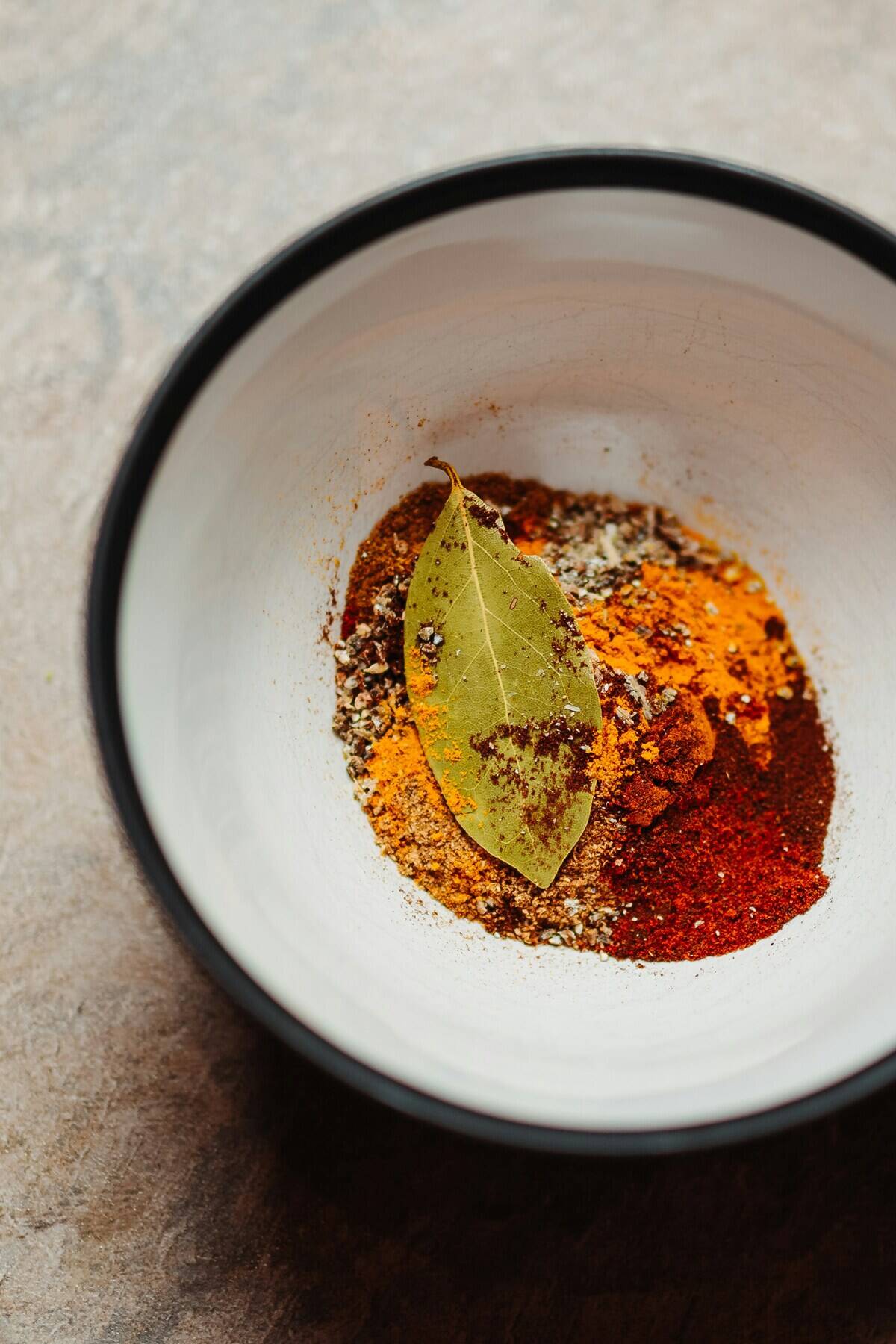
Developing a taste for spicy food is often an acquired skill, with palates gradually adapting to higher heat levels. Regular exposure to capsaicin can desensitize the TRPV1 receptors, making spicy dishes more tolerable over time.
This adaptation process explains why many people who initially struggle with spicy foods eventually grow to enjoy them, embracing the fiery flavors with enthusiasm.
The Endorphin Rush: Why Some Find Spicy Food Addictive

The endorphin rush from eating spicy foods can be quite addictive, akin to the runner’s high experienced during exercise. This natural high creates a sense of well-being and can become a driving force behind the craving for spicy dishes.
For some, this pleasurable sensation becomes a significant factor in their love for heat, turning a simple meal into an exhilarating experience.
The Psychological Thrill: Seeking Spicy Adventures

For many, the thrill of eating spicy food goes beyond the physical sensation. It’s a psychological adventure, a way to challenge personal limits and experience a sense of achievement.
The fear of the impending heat combines with the thrill of conquering it, creating a unique form of culinary excitement. This blend of psychology and gastronomy makes spicy food a source of endless fascination.
Health Benefits: The Upside of Adding Spice to Your Diet

Spicy foods offer several health benefits, making them a valuable addition to any diet. Capsaicin has been linked to increased metabolism, aiding in weight management. Additionally, it possesses anti-inflammatory properties and may contribute to heart health by improving circulation.
These benefits make indulging in spicy dishes not only a flavorful experience but also a health-conscious choice.
Spicy Food and Metabolism: Burning Calories with Heat
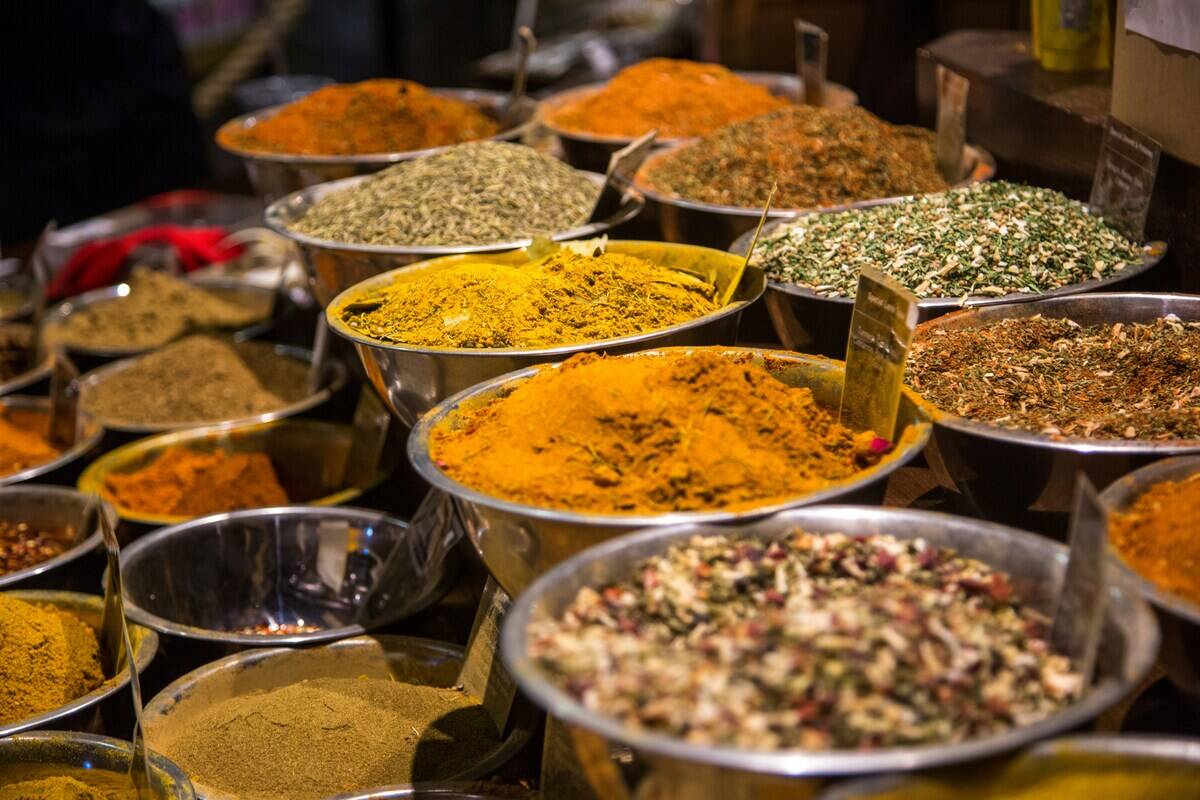
Eating spicy foods can give your metabolism a temporary boost, with studies suggesting that capsaicin increases energy expenditure. This thermogenic effect can help burn more calories post-meal.
While not a magic weight-loss solution, incorporating spice into your diet can complement a healthy lifestyle. It’s a delicious way to potentially enhance calorie burning, making every spicy meal a small metabolic boost.
The Not-So-Hot Side: Potential Downsides of Spicy Consumption

While the benefits of spicy foods are enticing, there are potential downsides to consider. Overconsumption can lead to digestive issues like heartburn or stomach irritation.
Some individuals may also experience a burning sensation upon exit, commonly known as “ring of fire.” Moderation is key, ensuring you enjoy the fiery flavors without discomfort or adverse effects.
Spicy Food Myths: Debunking Common Misconceptions
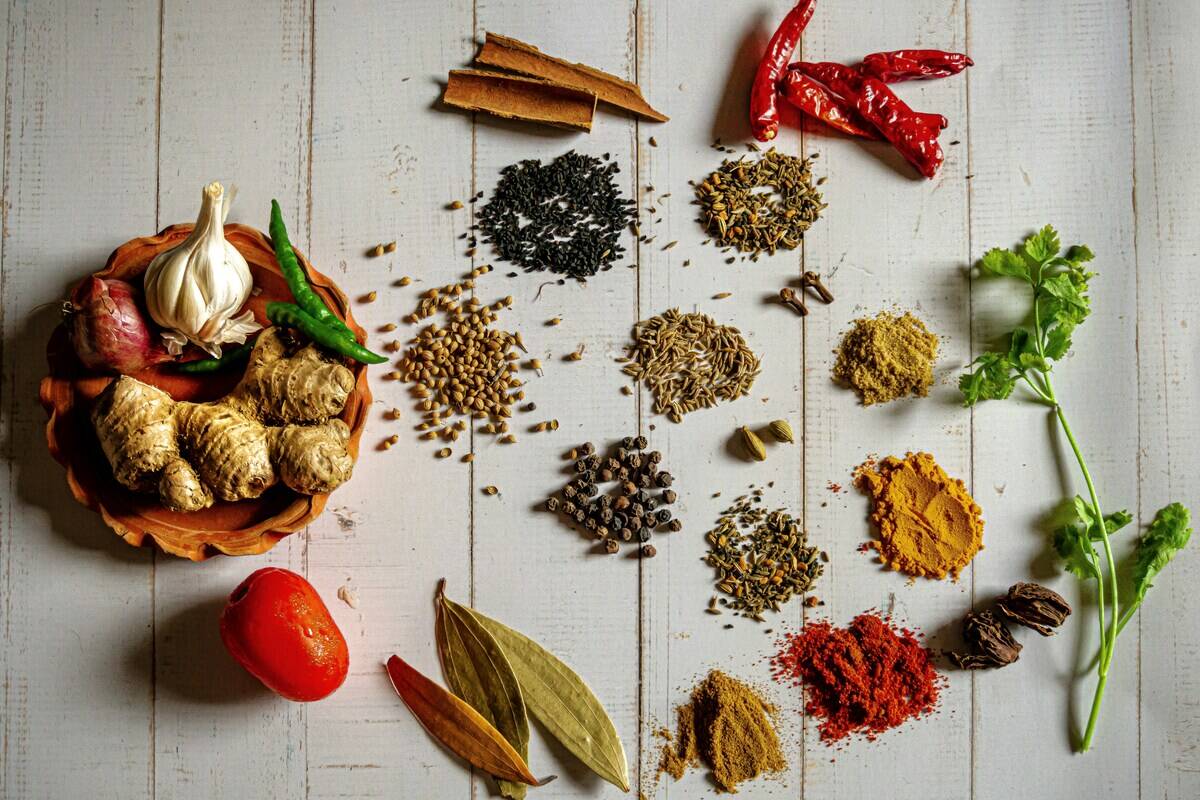
Several myths surround spicy foods, often leading to misconceptions. Contrary to popular belief, spicy foods don’t cause ulcers, though they may irritate existing ones.
Another myth is that dairy products worsen the burn, when in fact, milk’s casein can neutralize capsaicin’s effects. Debunking these myths clears the air, allowing spice enthusiasts to enjoy their meals without unnecessary worry.
Tips for Building Tolerance: Enjoying Spice Without the Burn

Building a tolerance for spicy food can be a gradual and rewarding process. Start by incorporating mild peppers into your diet, gradually working up to hotter varieties. Pairing spicy dishes with dairy products can help mitigate the burn, while consuming spicy food more frequently can desensitize your receptors.
These tips ensure you savor the heat without the discomfort, turning each meal into a flavorful adventure.
Sweet Heat: The Rise of Spicy Desserts

Spicy desserts are a burgeoning trend, combining sweet and heat in innovative ways. From chocolate with chili to spicy sorbets, these treats challenge traditional dessert norms. The juxtaposition of flavors creates a delightful dance on the palate, offering a new dimension to the dessert experience.
This sweet heat phenomenon is captivating adventurous eaters and redefining the boundaries of dessert creativity.
The Spicy Food Challenge Trend: A Social Media Phenomenon

Spicy food challenges have taken social media by storm, with participants showcasing their heat tolerance for entertainment. From the infamous “One Chip Challenge” to fiery ramen contests, these challenges are about more than just spice—they’re a test of endurance and an opportunity for online fame.
This trend highlights the global fascination with spice and the lengths people will go to prove their culinary bravery.