Why some people are naturally better at directions

Trending Now
Humans have always been fascinated by the ability to find their way without relying on maps or modern technology. This natural knack for navigation is not just a survival skill but also an art that has intrigued scientists and explorers alike.
From ancient mariners who used stars to guide their voyages to modern humans who can still find their way through complex urban jungles, the mystery of navigational prowess continues to captivate us.
The Science Behind Spatial Awareness

Spatial awareness is the ability to be aware of oneself in space. It is a fundamental aspect of navigating the world. Studies show that the brain processes spatial information through a network of regions, including the parietal lobes.
This network helps us understand where objects are in relation to ourselves, allowing us to move through our environment with ease. It’s fascinating how this invisible map in our brains guides us, often without us even realizing it.
Evolutionary Perspectives on Directional Abilities
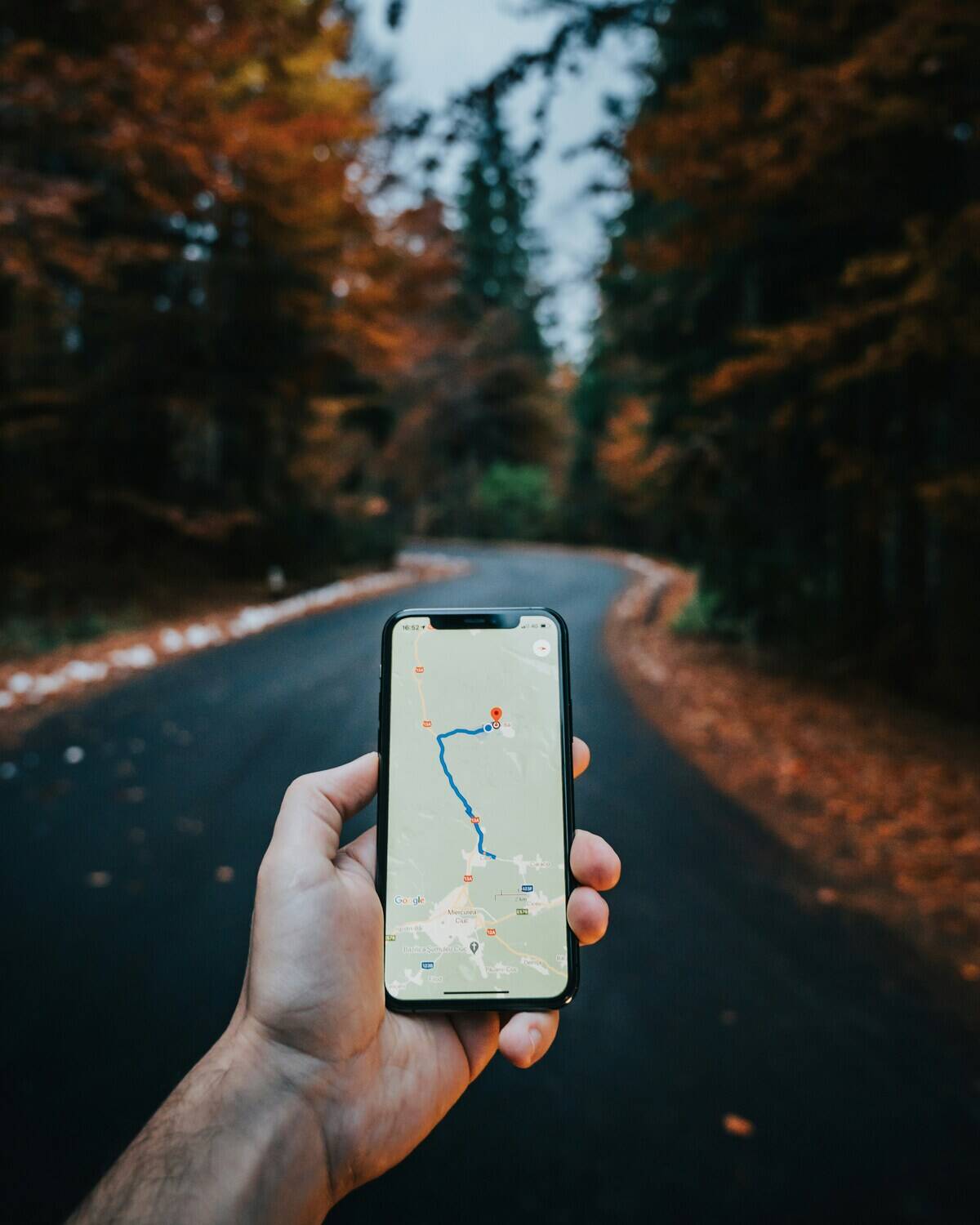
Our ancestors’ survival depended greatly on their ability to navigate. Over time, these skills were honed and passed down through generations. Evolutionary biologists suggest that those with superior navigational abilities were more likely to find food and avoid predators.
This evolutionary pressure may explain why some people are inherently better at finding their way. It’s a skill that has been fine-tuned over millennia, deeply embedded in our genetic code.
The Role of Genetics in Navigational Skills
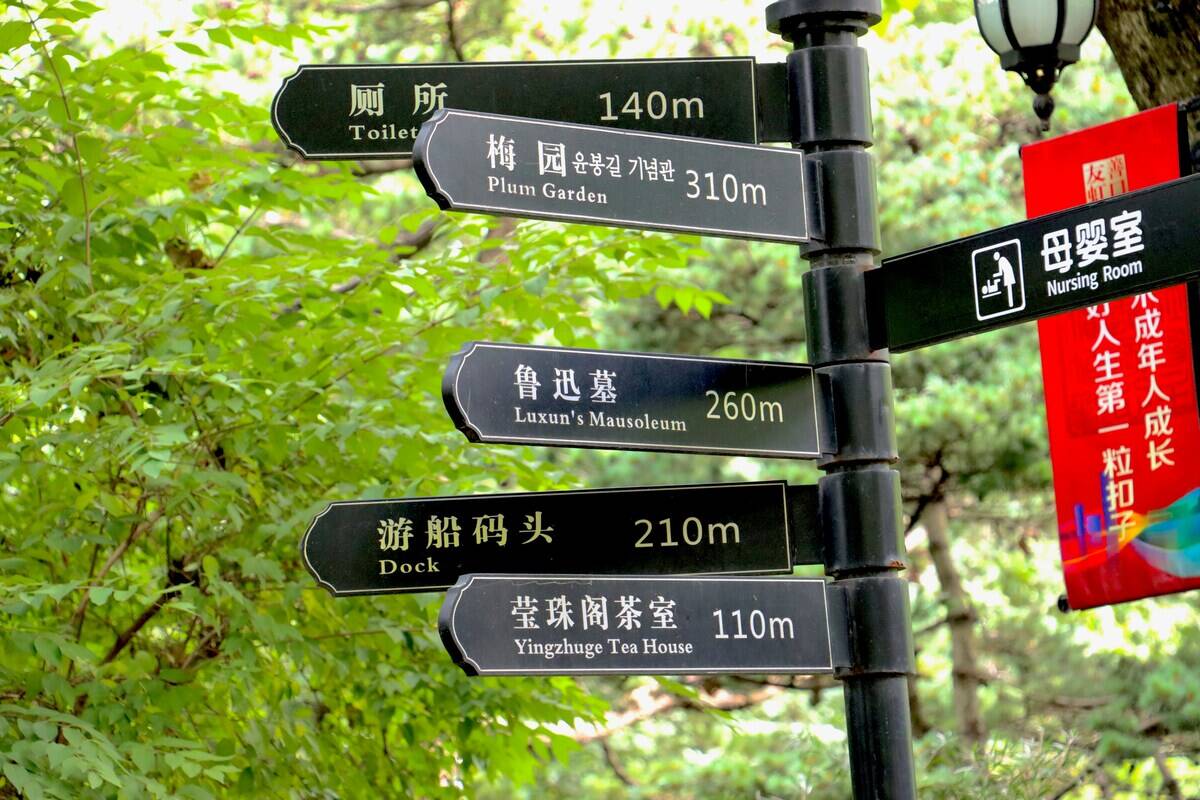
While practice and experience play significant roles in honing navigational skills, genetics also contribute. Research indicates that certain genes are linked to spatial abilities. Twin studies have shown that identical twins often have more similar navigational skills than fraternal twins.
This suggests a genetic component to our ability to find our way, supporting the idea that some of us are simply born with a better internal compass.
Brain Structure: The Hippocampus and Navigation
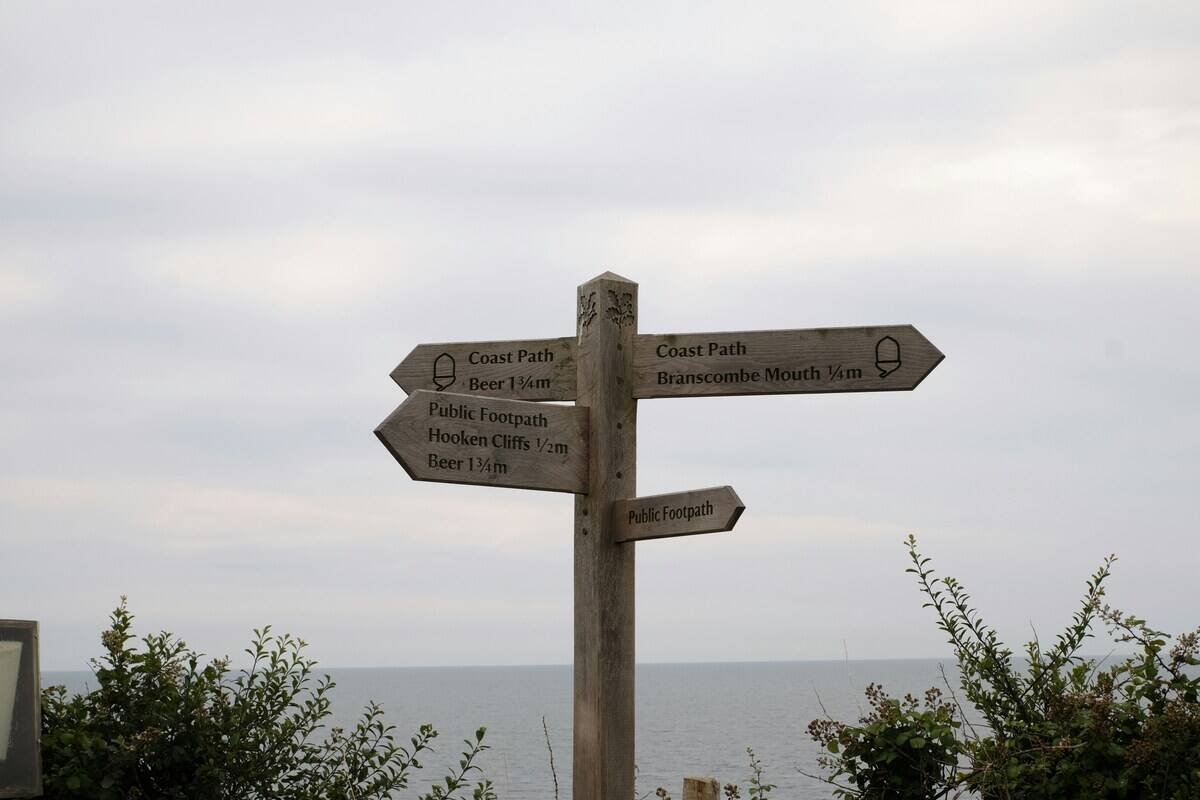
The hippocampus, a seahorse-shaped structure in the brain, is crucial for navigation. It’s responsible for forming and organizing memories, which are essential for creating mental maps.
London taxi drivers, who must memorize the city’s complex layout, have been found to have larger hippocampi than the average person. This demonstrates the brain’s remarkable ability to adapt and grow in response to the demands of navigation.
How Memory Influences Directional Sense

Memory and navigation are closely linked. Our ability to remember landmarks and routes is essential for finding our way. The brain uses episodic memory, which involves recalling past experiences, to navigate familiar environments.
This is why you might find it easier to navigate a city you’ve lived in for years compared to a new one. Your brain has stored a wealth of spatial information that guides you effortlessly through familiar streets.
The Impact of Environment on Navigational Abilities
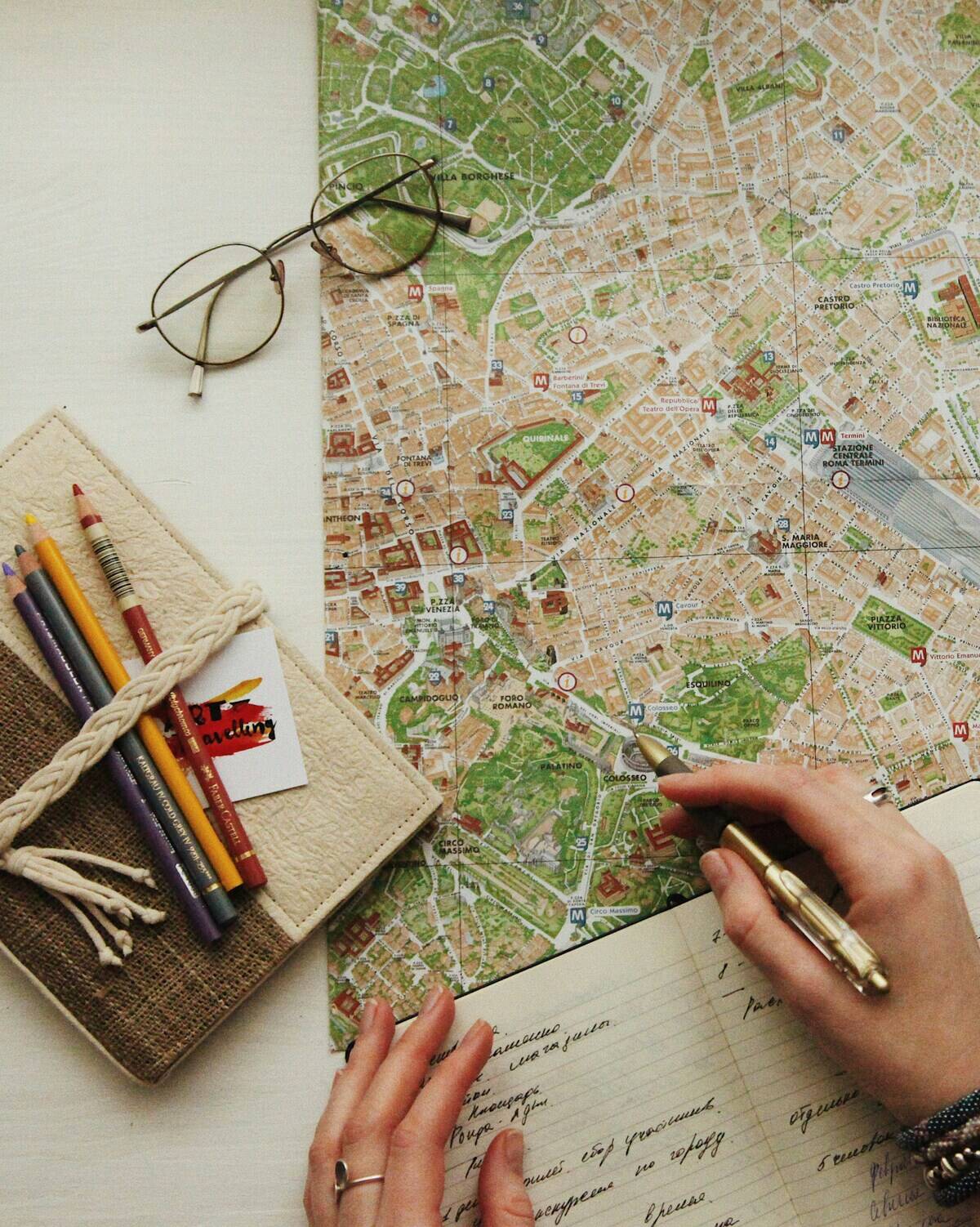
The environment you grow up in can significantly influence your navigational skills. Children raised in rural areas often develop stronger spatial abilities due to the need to navigate larger, open spaces. In contrast, those from urban environments might rely more on landmarks and street names.
This environmental impact highlights the adaptability of human navigation skills, which can be shaped and refined based on our surroundings.
Gender Differences in Spatial Skills
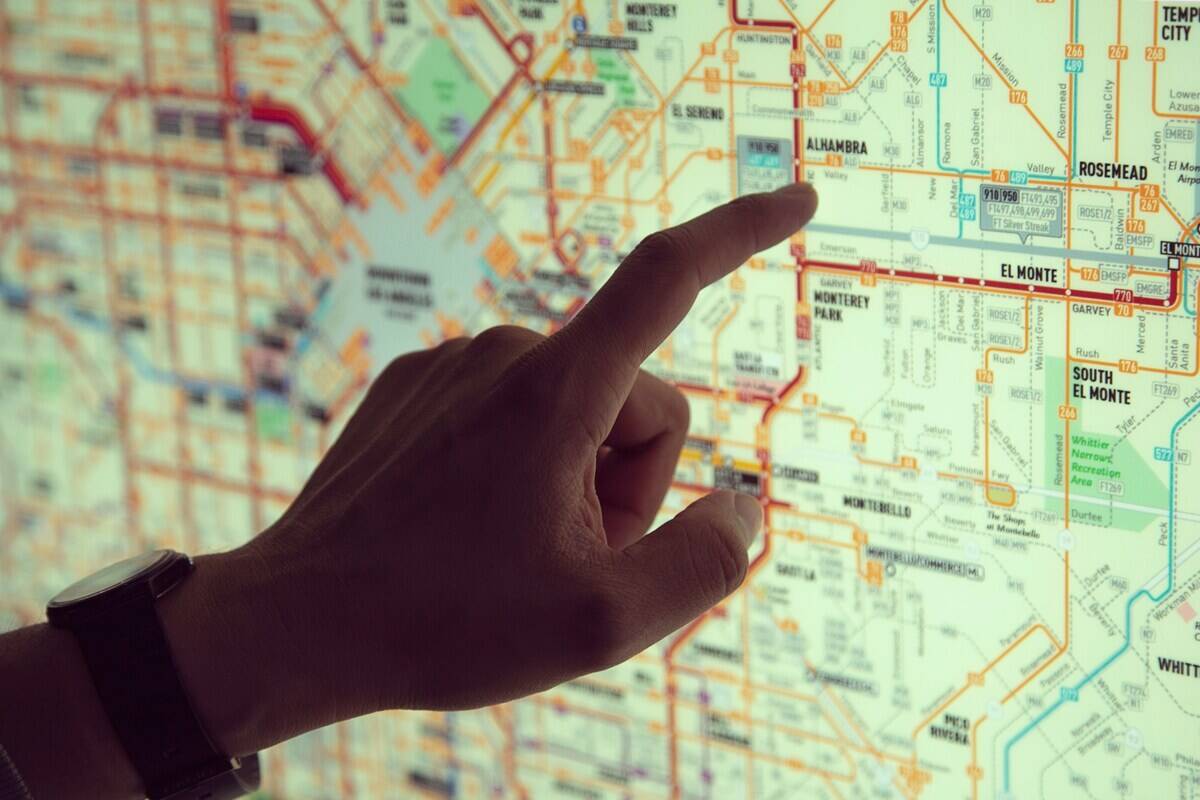
Studies have shown that men and women may navigate differently. Men often excel in tasks that require mental rotation and navigation through unfamiliar environments. Women, on the other hand, tend to use landmarks and memory of routes more effectively.
These differences are not absolute and can be influenced by cultural and environmental factors, but they do suggest that evolution has shaped navigational skills in diverse ways.
Cultural Influences on Directional Abilities
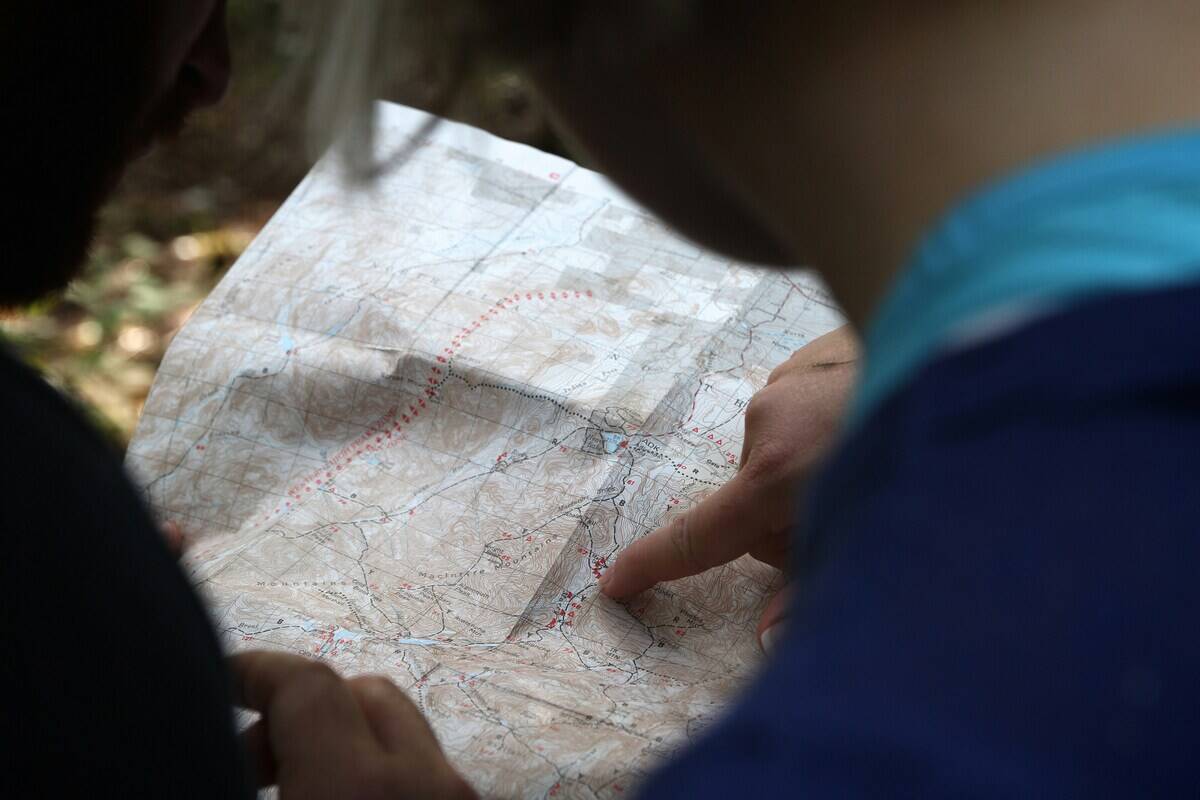
Culture plays a significant role in shaping how we navigate. For example, some Indigenous Australian communities use cardinal directions rather than left and right, embedding a natural sense of orientation in their language.
In contrast, Western cultures often rely on landmarks and street names. This cultural divergence shows how our upbringing and societal norms can influence the way we perceive and interact with the world around us.
The Importance of Practice and Experience

Like any skill, navigation can be improved with practice. Experienced navigators develop an intuitive sense of direction through repeated exposure to different environments. Whether it’s sailors mastering the seas or hikers familiarizing themselves with trails, practice hones our ability to process spatial information.
This experience builds confidence, allowing individuals to navigate more challenging terrains with ease and precision.
The Influence of Technology on Navigation Skills
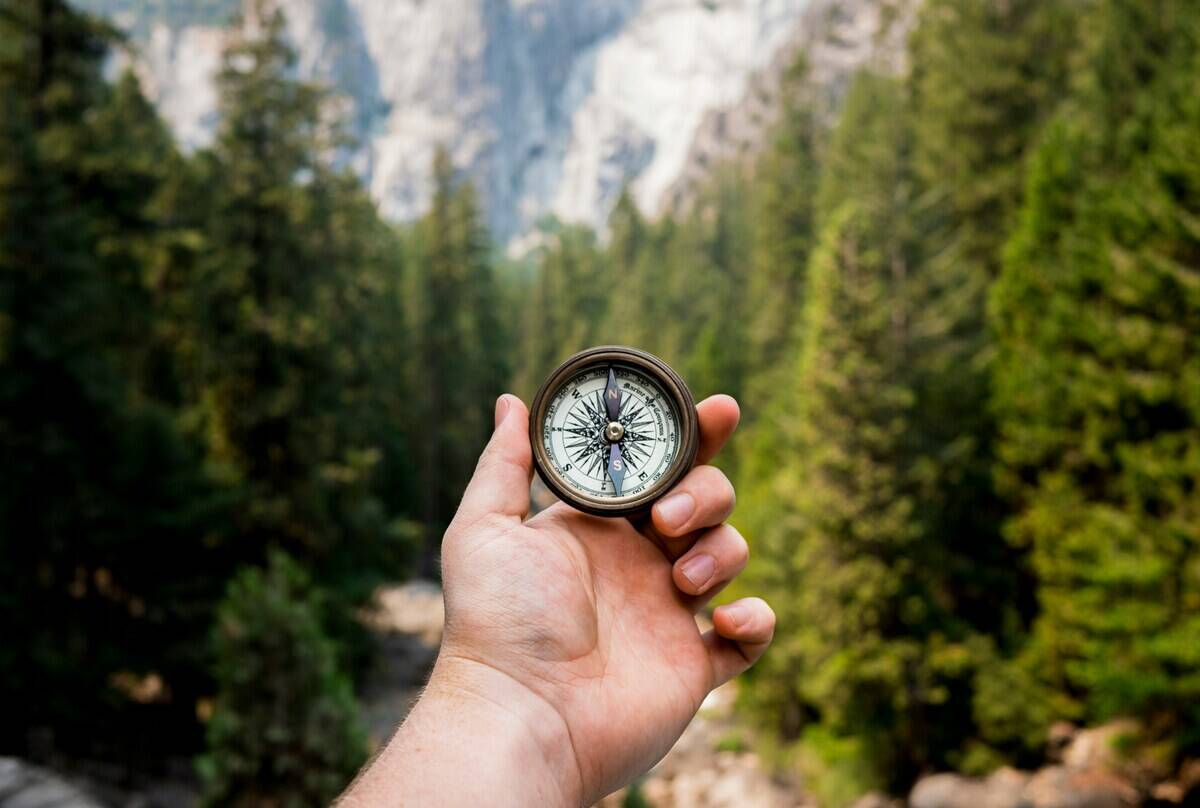
While technology has made navigation more accessible, it may also be diminishing our natural abilities. GPS and digital maps provide step-by-step directions, reducing the need for spatial awareness and memory.
Some researchers worry that over-reliance on technology could weaken our internal navigation skills. However, others argue that technology offers new ways to engage with spatial data, potentially enhancing our overall spatial reasoning.
The Connection Between Personality and Directional Sense
Interestingly, personality traits can influence navigation. Studies suggest that people who are more open to experience tend to have better spatial abilities. This could be because they are more willing to explore and engage with their environment.
Conversely, those who are more anxious or reserved might struggle with navigation, possibly due to a reluctance to venture into unfamiliar territories. This connection adds another layer to the complex tapestry of human navigation.
How Stress and Anxiety Affect Navigation
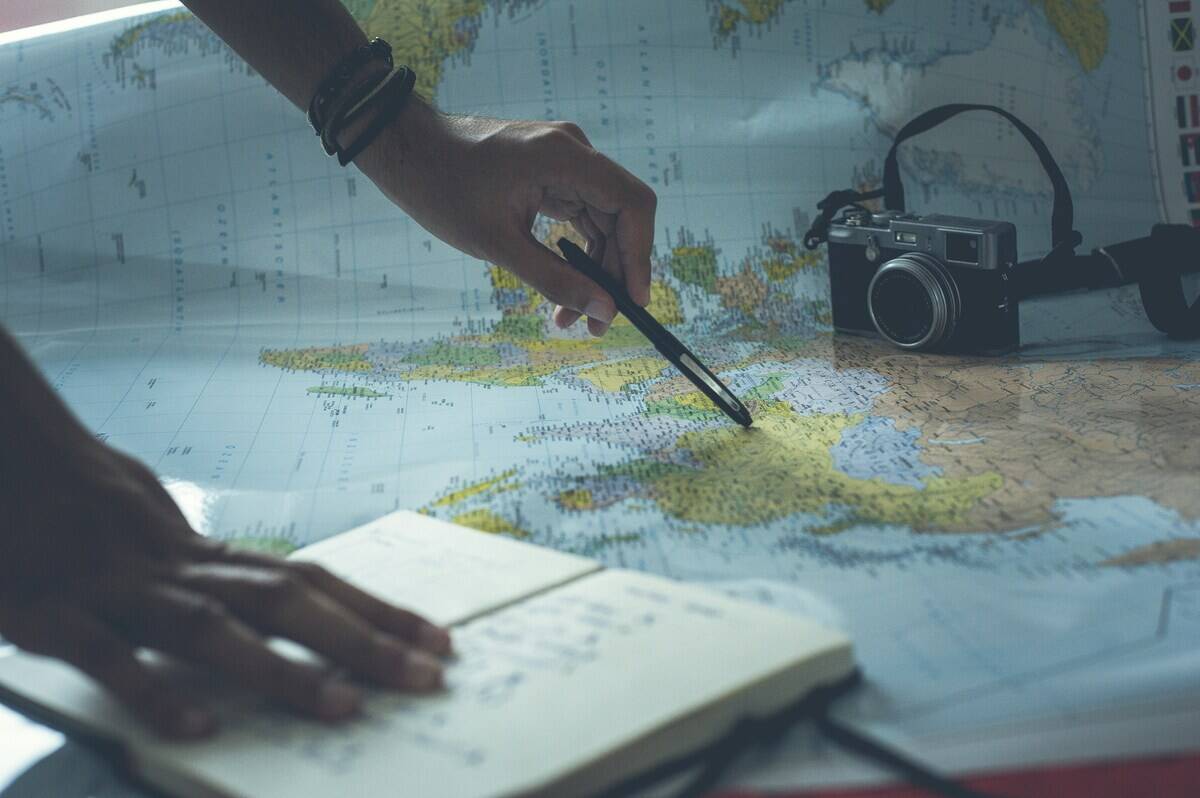
Stress and anxiety can significantly impact our ability to navigate. High stress levels can impair memory and spatial processing, making it difficult to find our way. Research has shown that anxious individuals may avoid exploring new areas, which can limit their spatial knowledge.
However, stress management techniques and gradual exposure to new environments can help mitigate these effects, allowing individuals to improve their navigational skills over time.
The Role of Visualization in Navigating
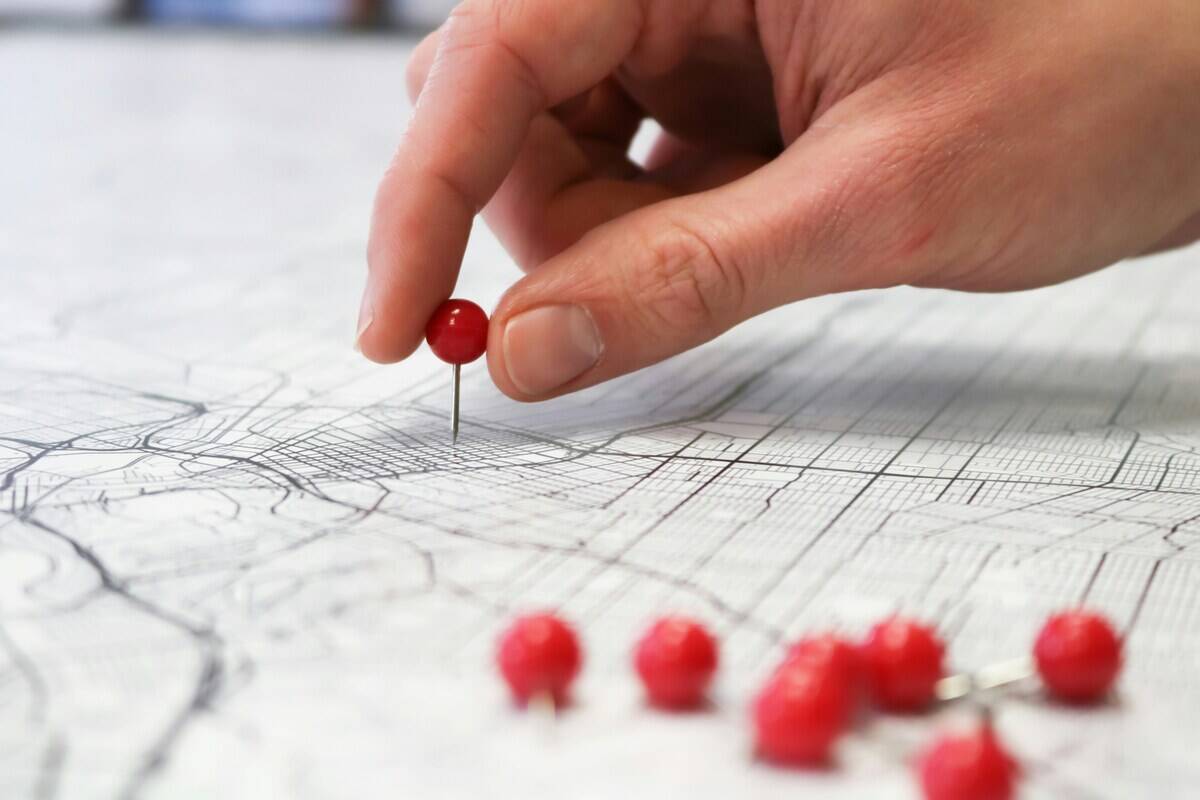
Visualization is a powerful tool for navigation. By imagining routes and landmarks, individuals can enhance their spatial memory and planning abilities. Athletes often use visualization techniques to prepare for events, and the same principles apply to navigation.
Practicing mental maps and visualizing journeys can improve one’s ability to navigate unfamiliar areas, turning abstract spatial information into a tangible guide for real-world exploration.
Famous People Known for Their Navigational Prowess
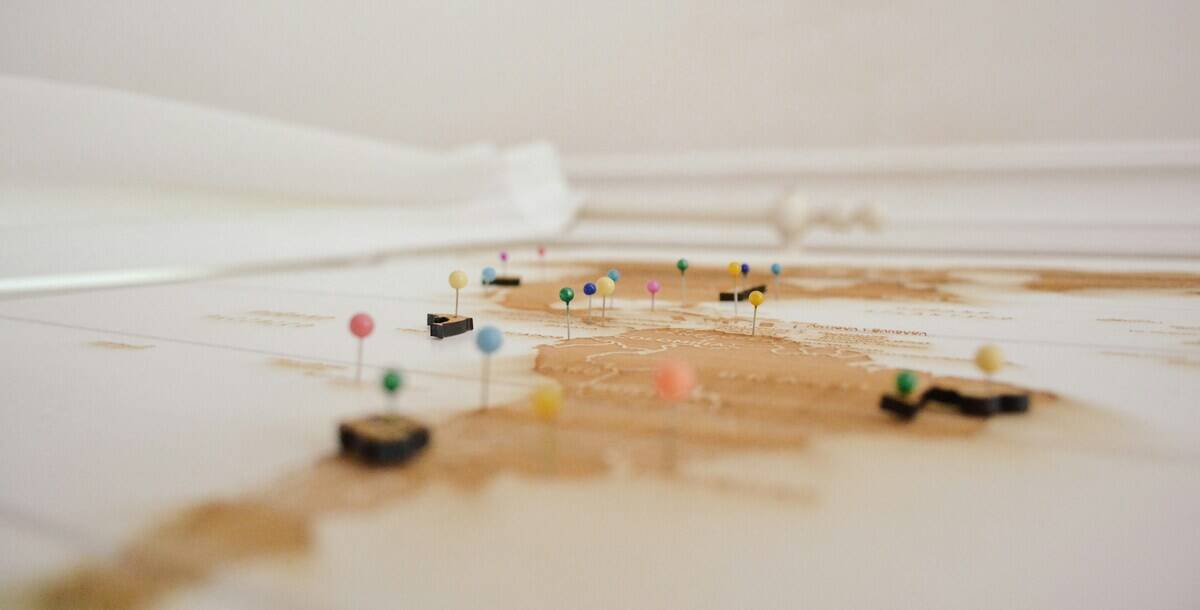
Throughout history, many famous figures have been celebrated for their navigational skills. Vasco da Gama, the Portuguese explorer, was renowned for finding a sea route to India. Amelia Earhart, an aviation pioneer, was known for her daring flights across the globe.
These individuals demonstrated extraordinary navigational prowess, often venturing into uncharted territories with nothing but the stars and their instincts to guide them.
Fun Tests to Determine Your Directional Abilities

If you’re curious about your navigational skills, several fun tests can help you find out. Online quizzes and apps offer challenges that test your spatial reasoning and memory. Some involve navigating virtual environments, while others focus on recalling routes or landmarks.
These tests provide a light-hearted way to assess your abilities and identify areas for improvement, encouraging you to explore and engage with the world around you.