The invention that made reading at night possible

Trending Now
The simple act of flipping a switch to illuminate a room is a convenience often taken for granted. Yet, it’s a marvel how artificial light has transformed our daily lives. Imagine a world where work ceases when the sun sets.
This article will journey through the fascinating evolution of lighting, a bright idea that has forever changed the way we live, work, and play, especially when it comes to reading after dark.
A Twinkle in the Dark: The Problem with Reading at Night
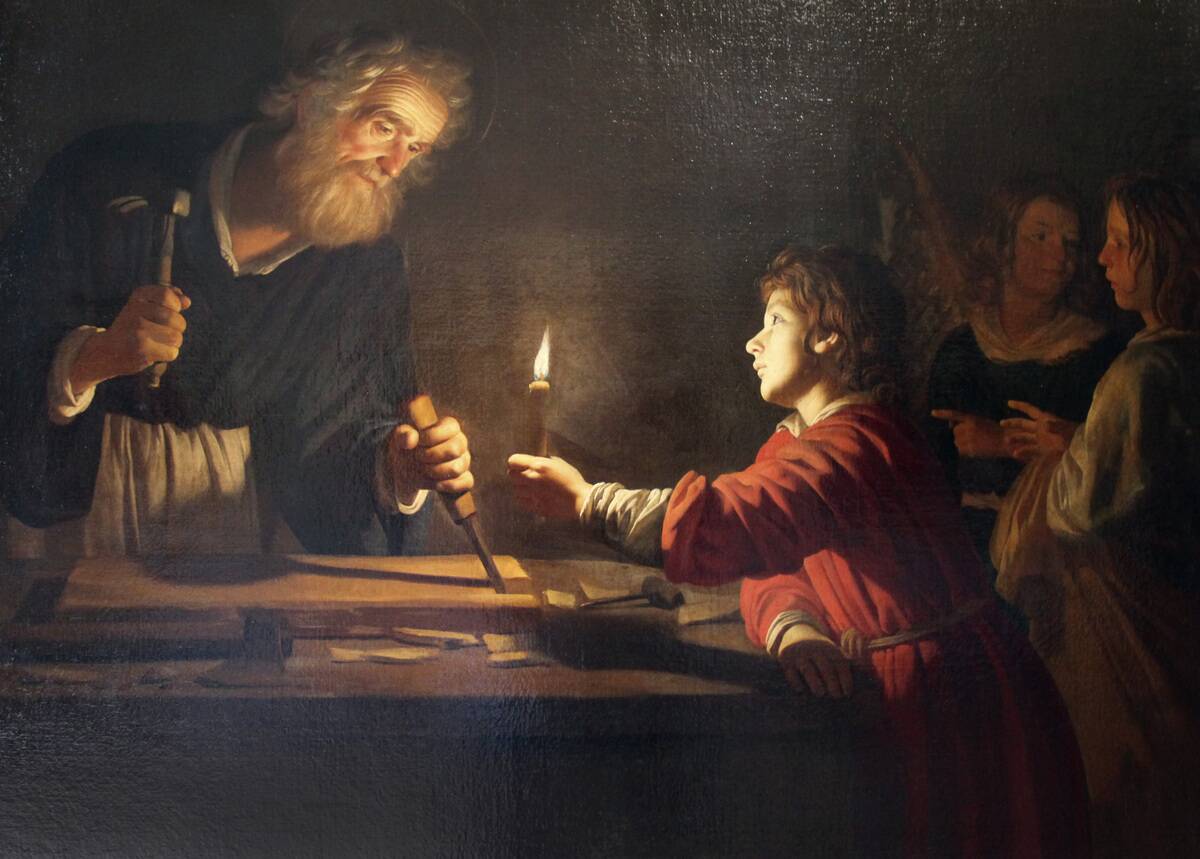
Long before the invention of artificial light, reading after sunset was quite the challenge. Candlelight, often the only option, flickered unpredictably and strained the eyes. This limitation meant that many a book lover had to cut their nighttime reading short.
The desire for a more reliable and brighter light source was a driving force behind many innovations, ultimately leading to the development of more effective lighting solutions.
A Flash of Genius: The Accidental Discovery
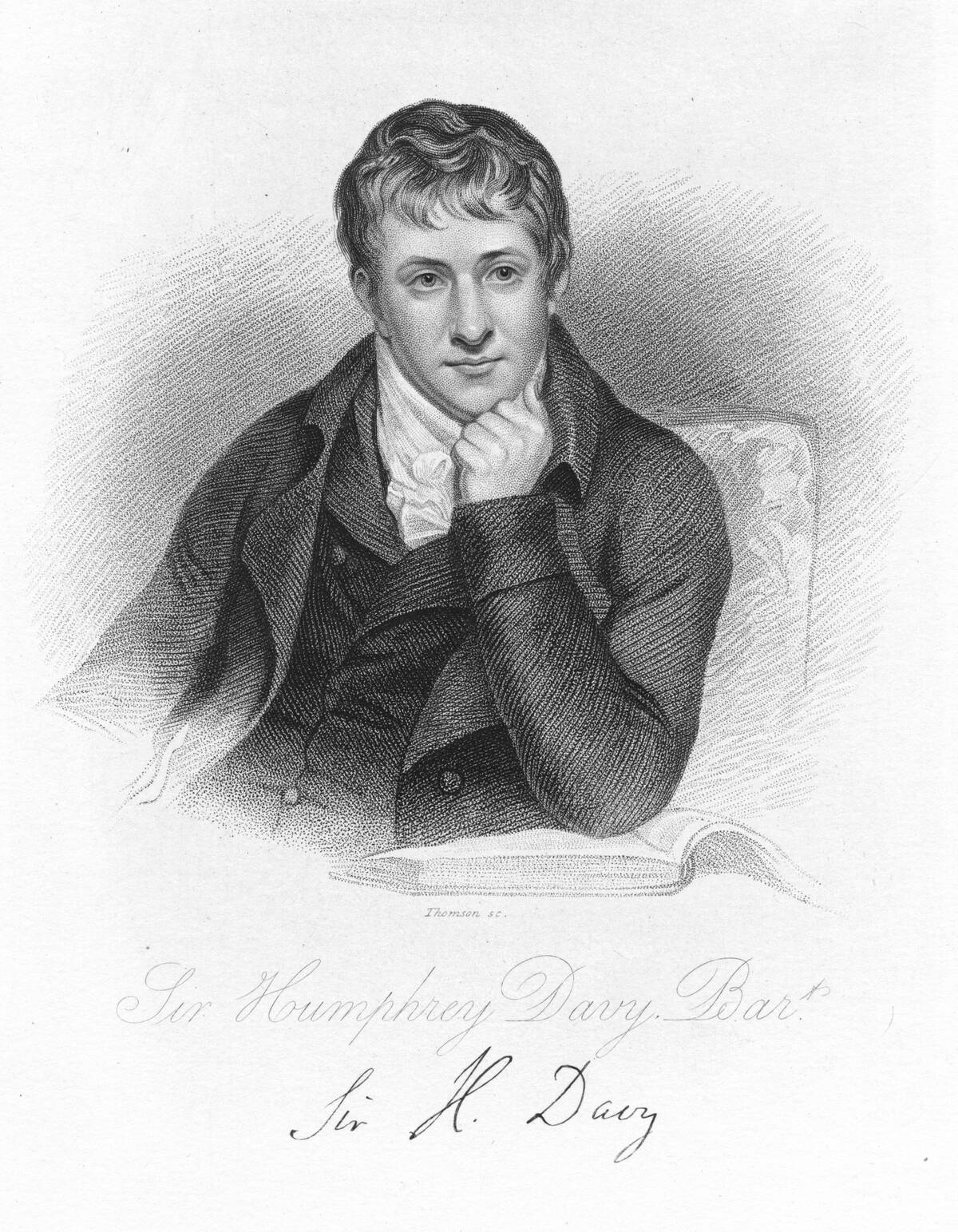
Interestingly, the path to artificial light was paved with serendipity. Humphry Davy, while experimenting with electricity, demonstrated the electric arc in 1802.
Though too bright and impractical for home use, this discovery ignited interest in harnessing electricity for illumination. It was a spark of genius that set inventors on a journey to tame electricity for everyday lighting.
Lighting the Way: Who Was Responsible?
![[redacted] Exhibits First Successful Incandescent Lamp](http://media.didyouknowfacts.com/wp-content/uploads/2023/01/thomas-edison-exhibits-first-successful-incandescent-lamp.-24215.jpeg)
The journey to modern lighting involved many brilliant minds. Thomas Edison is often credited with inventing the light bulb, but many others, including Joseph Swan and Hiram Maxim, made significant contributions.
Edison’s genius lay in creating a practical and affordable bulb, but it was truly a collaborative effort across continents. This collective ingenuity ensured that electric lighting became accessible to the masses.
A Spark of Innovation: The Early Days of Artificial Light
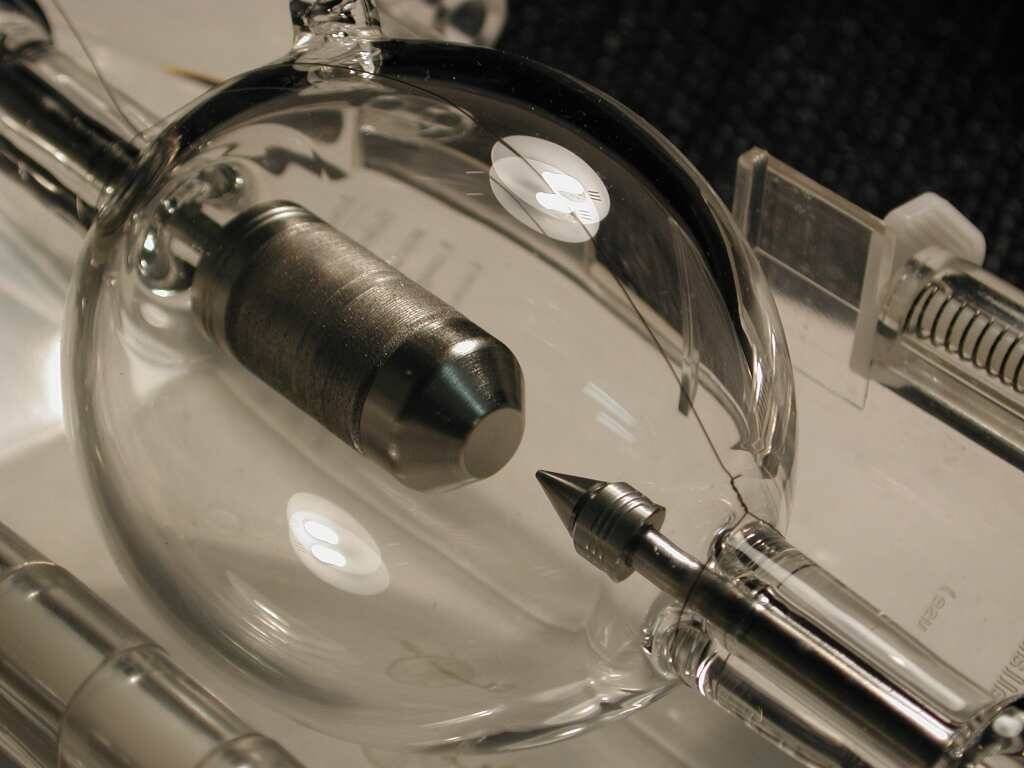
The early days of artificial light were marked by rapid experimentation and innovation. In the 19th century, inventors across the globe were racing to develop a reliable light source. Arc lamps were among the first breakthroughs, though their intense brightness limited their use to outdoor settings.
These early innovations laid the groundwork for the incandescent bulb, which would ultimately revolutionize indoor lighting.
Enlightening Experiments: Trial and Error in Lighting
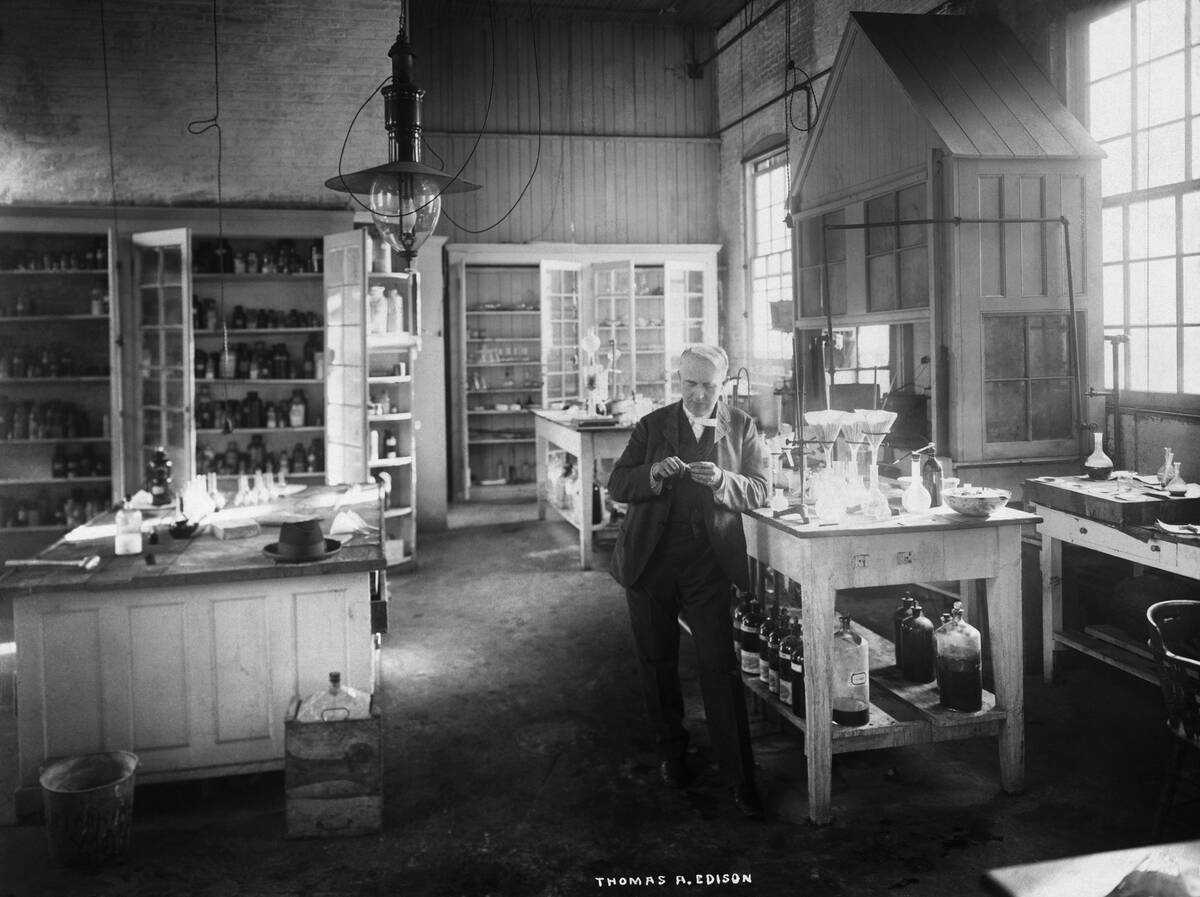
Creating a practical light bulb was not a straightforward process. Inventors experimented with various materials for filaments, including platinum and bamboo. Edison famously tested over a thousand materials before finding carbonized bamboo to be the most effective.
This arduous process of trial and error was crucial in creating a bulb that was not only bright but also long-lasting, paving the way for widespread adoption.
From Candles to Lamps: A Brief History of Illumination
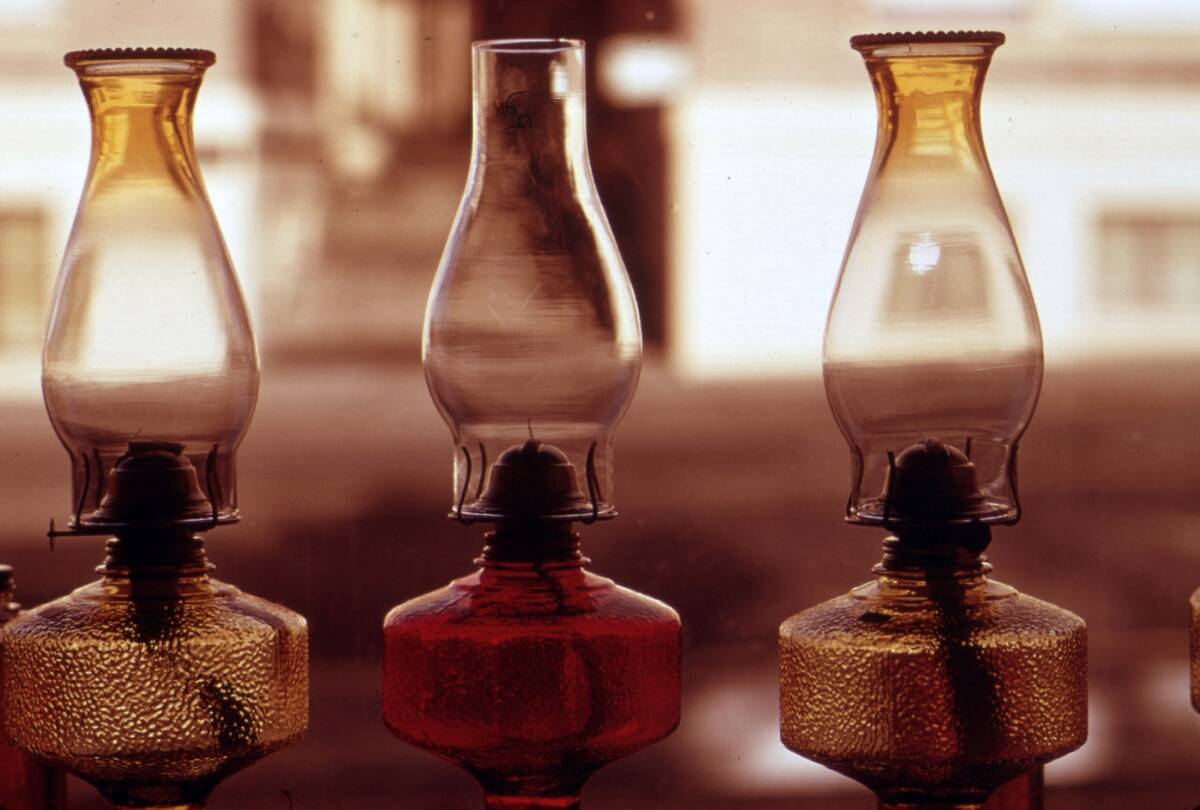
Before the electric bulb, candles and oil lamps were the primary sources of light. Candles, made from tallow or beeswax, provided limited illumination and required constant maintenance.
Oil lamps, fueled by whale oil or kerosene, offered a step up in brightness but were still far from ideal. The transition from these rudimentary sources to electric bulbs marked a significant leap in convenience and efficiency.
Gaslight Glory: A Step Closer to Reading Comfort
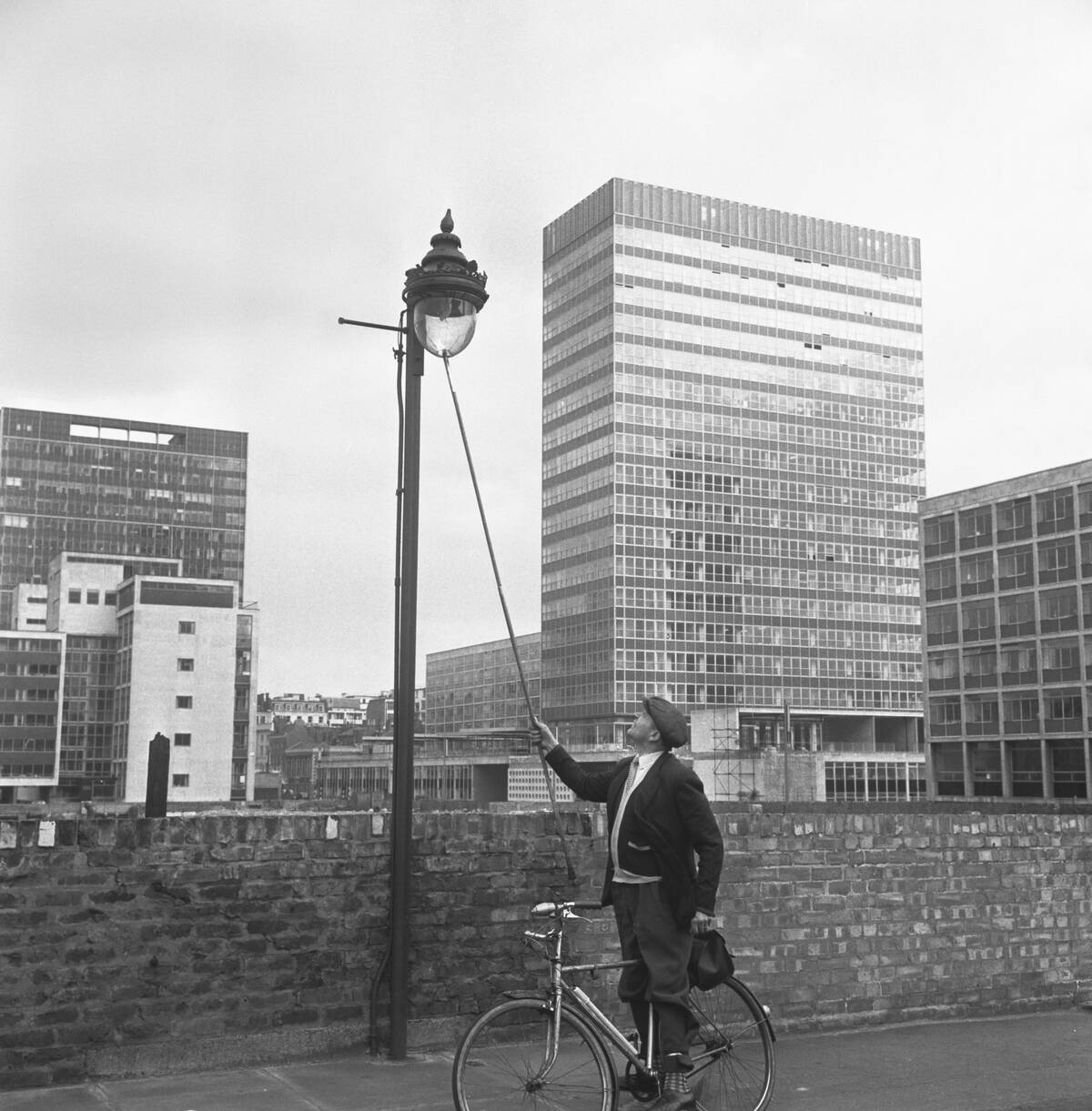
The introduction of gas lighting in the early 19th century was a game-changer for urban areas. Streetlights illuminated cities, transforming nightlife and improving public safety.
Indoor gas lamps provided a more stable light source than candles, making reading at night more comfortable. However, gas lighting came with its own challenges, such as the risk of gas leaks and the need for proper ventilation.
The Electric Revelation: Enter Thomas Edison
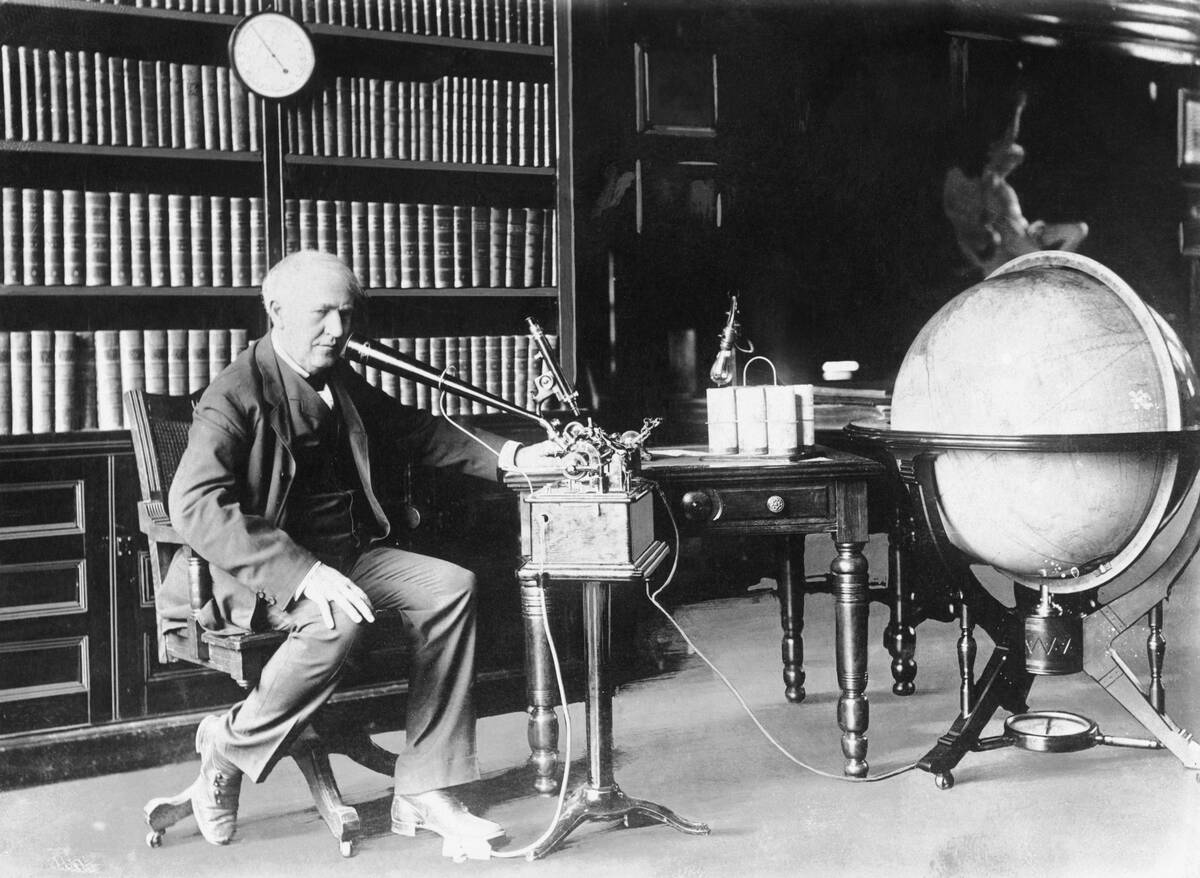
Thomas Edison’s entry into the lighting scene marked a turning point. In 1879, he unveiled the first practical and commercially viable incandescent light bulb, a feat achieved through a combination of innovation and persistence.
Edison’s bulb, with its carbon filament, was not only longer-lasting but also more affordable than its predecessors. His work led to the establishment of the Edison Electric Light Company, which played a crucial role in electrifying the nation.
Filament Fumbles: The Quest for a Better Bulb
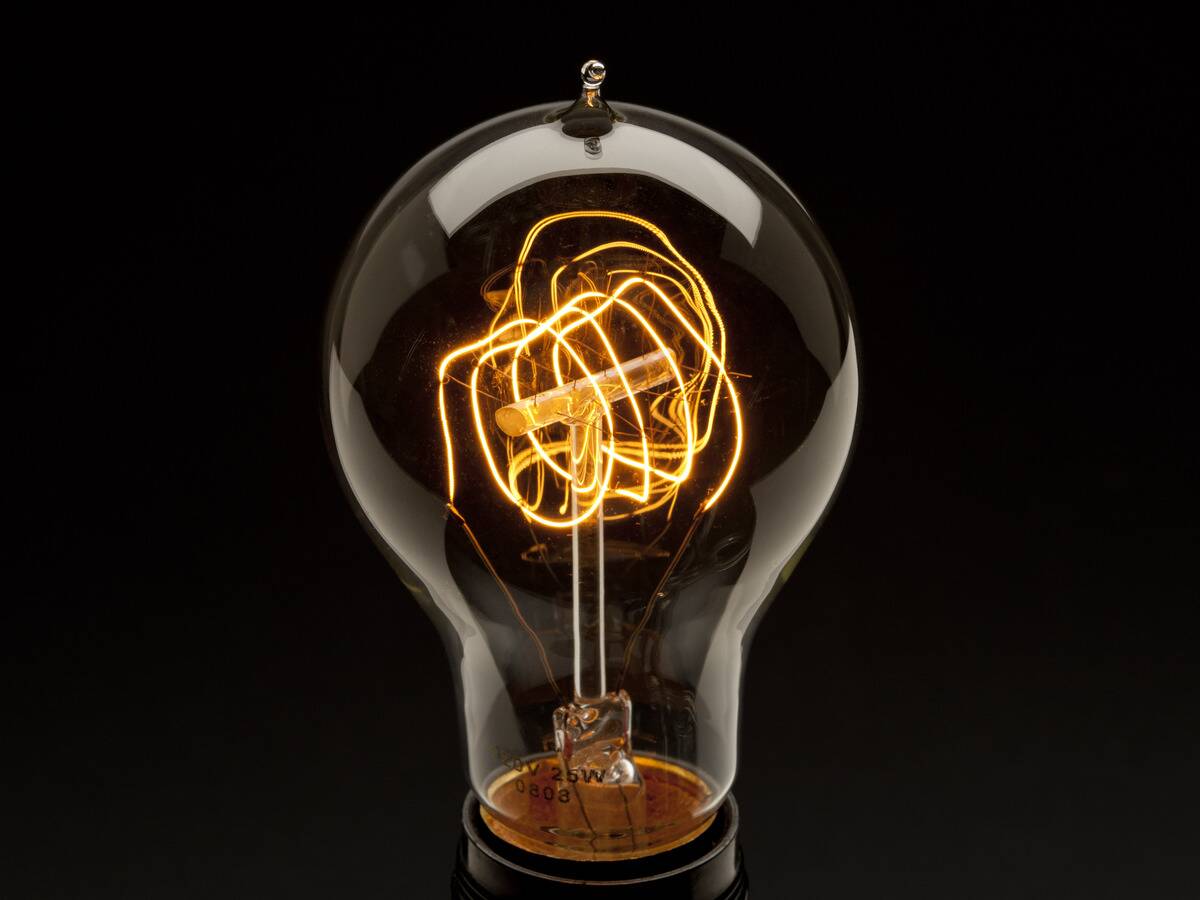
Developing the perfect filament was no easy task. Edison’s initial success with carbonized bamboo was a breakthrough, but the quest for improvement continued. Tungsten filaments eventually replaced carbon, offering greater efficiency and durability.
This evolution was essential for the widespread adoption of electric lighting, as it made bulbs more reliable and cost-effective for everyday use.
How Bright is Too Bright? Adjusting to New Light Sources
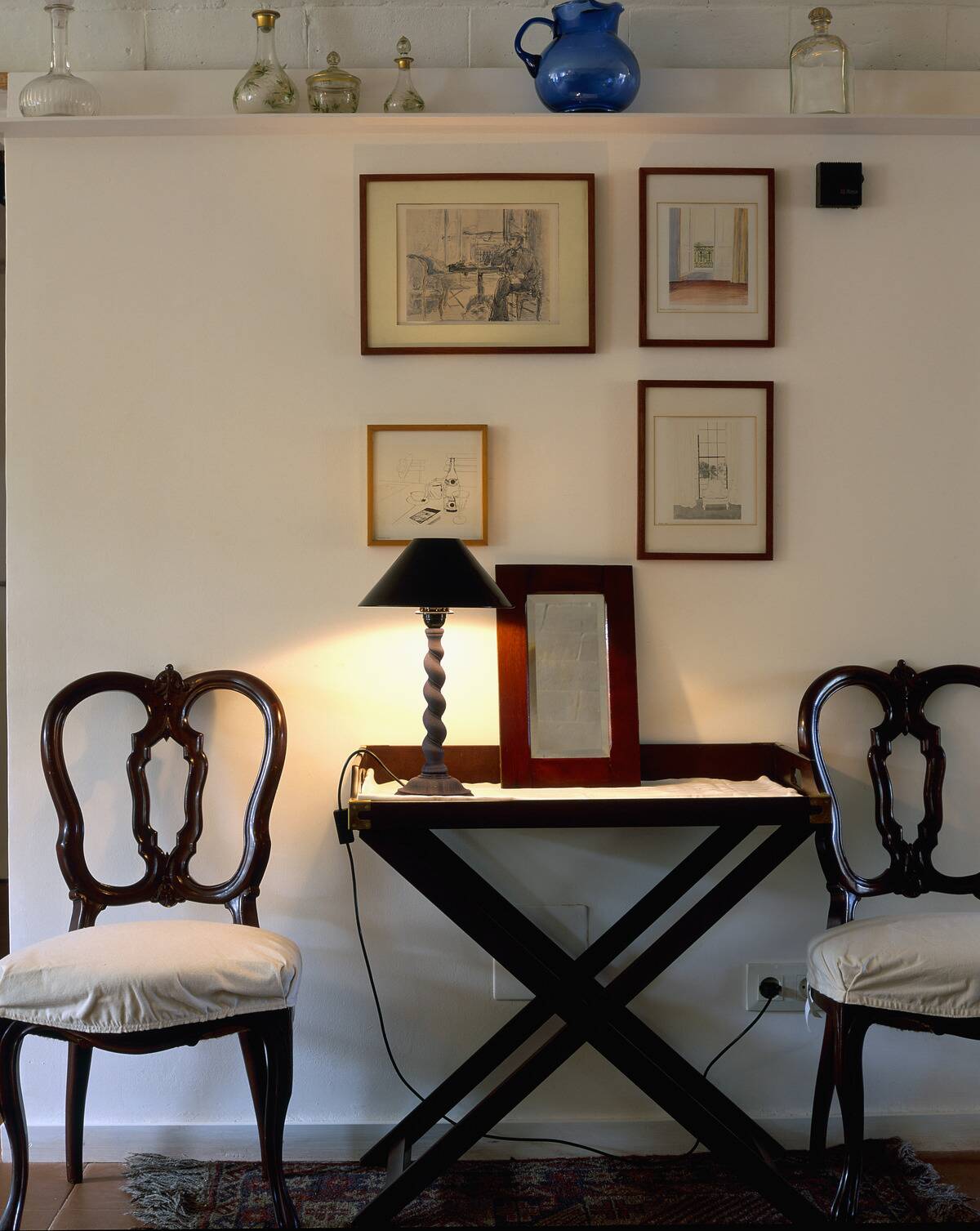
As electric lights became commonplace, society faced new challenges in adjusting to artificial brightness. The transition from flickering candles to steady electric light was dramatic. People had to learn how to manage lighting to avoid eye strain and ensure comfort.
This period saw the introduction of dimmers and lampshades to help control light levels, making spaces more adaptable to different activities.
Lighting Up the World: The Spread of Light Bulbs
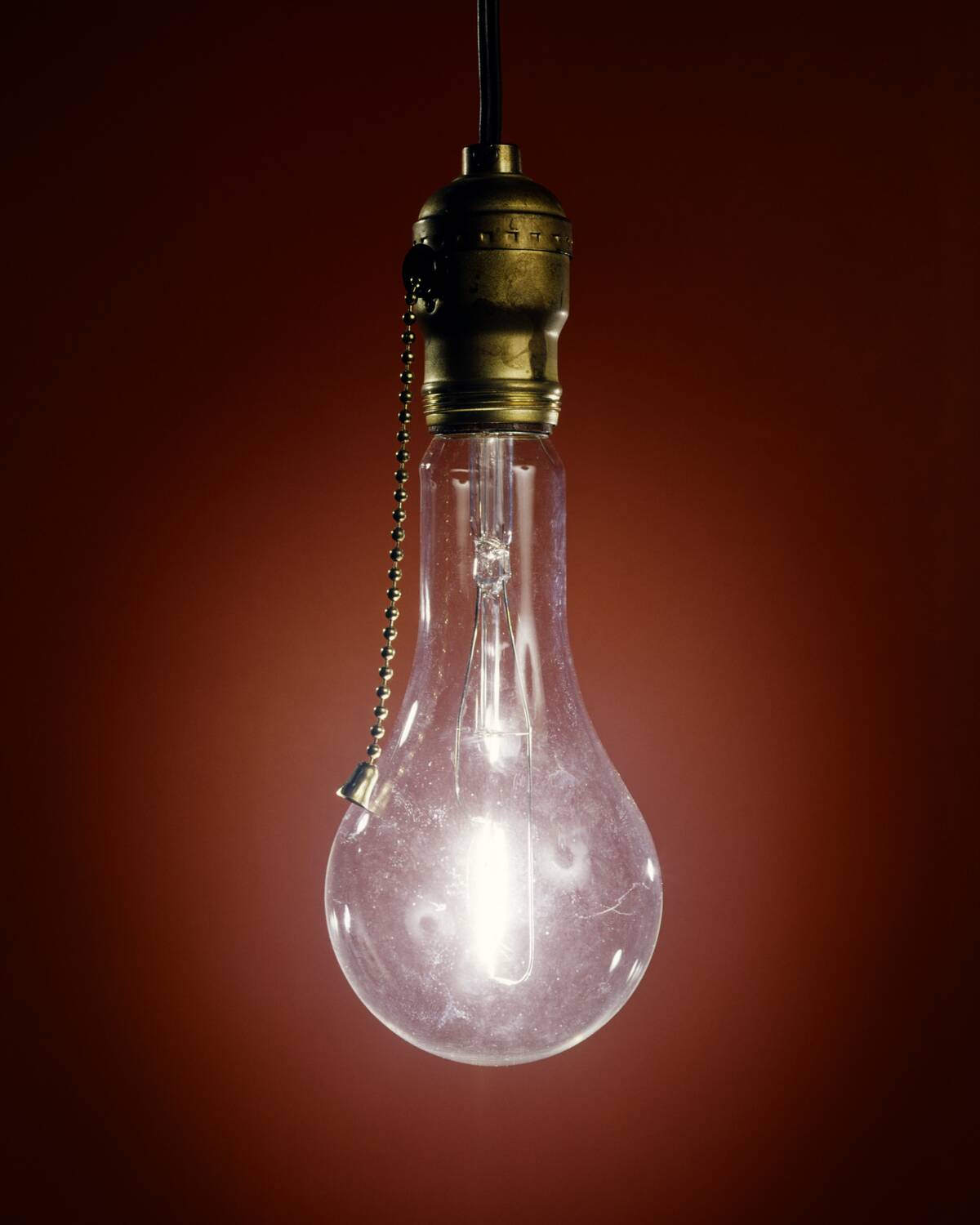
Once the electric light bulb proved its worth, it quickly spread across the globe. Cities were electrified, and homes were transformed.
The ability to light up rooms at the flick of a switch revolutionized industries, extended work hours, and enhanced quality of life. This rapid adoption illustrated the profound impact that a simple invention could have on society at large.
Night Owls Rejoice: The Impact on Nighttime Reading

The advent of electric lighting was a boon for book lovers everywhere. Suddenly, reading after dark was no longer a struggle. Bright, stable light made it possible to enjoy books late into the night without eye strain.
This newfound freedom transformed the reading habits of many, allowing night owls to indulge in their favorite pastime without limitation.
More Than a Bulb: The Broader Implications of Artificial Light
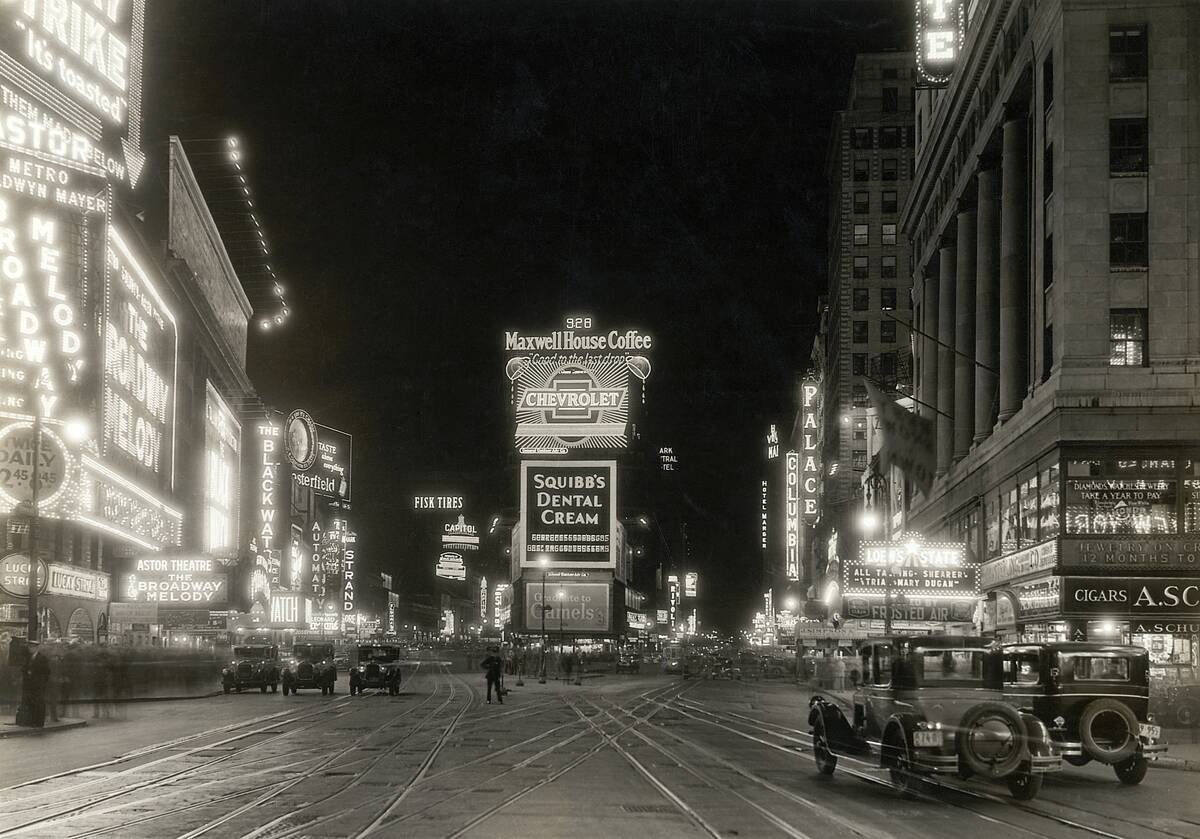
The impact of artificial light extends far beyond reading. It has reshaped entire industries, from manufacturing to entertainment. Night shifts became feasible, increasing productivity. Public spaces became safer and more accessible after dark.
This fundamental change in how we experience time and space underscores the profound influence of artificial lighting on modern society.
The Cozy Corner: Creating Perfect Reading Atmospheres
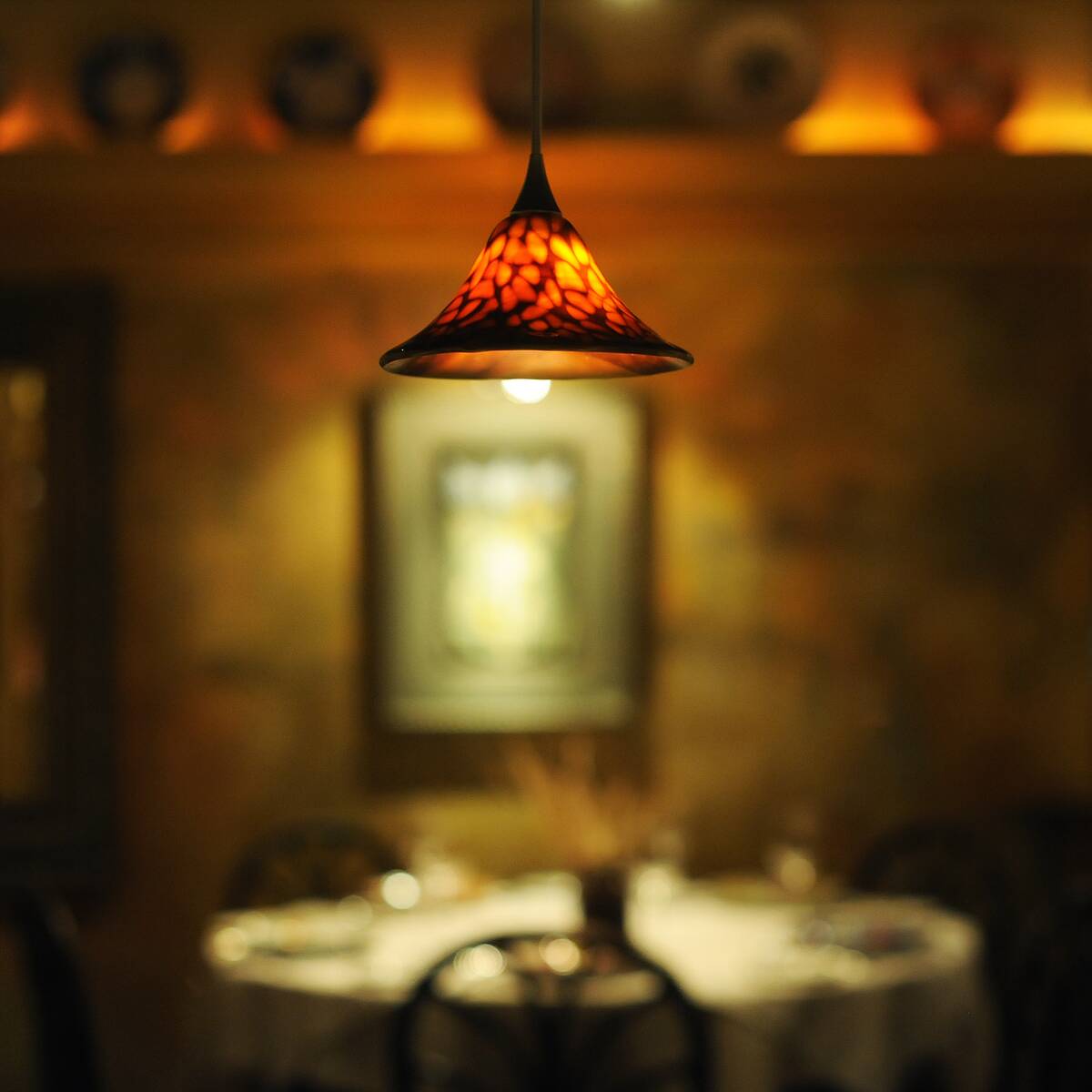
Creating a cozy reading nook involves more than just a comfortable chair. Lighting plays a crucial role in setting the right mood. Soft, warm lights are ideal for creating a relaxing atmosphere, while adjustable lamps allow readers to tailor brightness to their liking.
With the right setup, a reading corner can become a personal sanctuary, perfect for diving into a good book.
The Digital Age: E-readers and Backlit Screens

The digital revolution has brought new lighting considerations with devices like e-readers and tablets. These gadgets often feature backlit screens, allowing for reading in low-light conditions without additional lamps.
However, the blue light emitted by screens can affect sleep patterns, leading to the development of features like night mode to reduce eye strain and promote better sleep.