How nature helps reset the brain from stress

Trending Now
Have you ever noticed how a simple walk in the park can lift your spirits? Nature has a unique way of soothing our minds and bodies. The calming power of nature is something we’ve all experienced, but science is starting to explain why this natural connection exists.
By understanding the profound effects nature has on us, we can harness its power to enrich our daily lives and improve our mental well-being.
The Science Behind Stress and Its Impact on the Brain

Stress affects the brain by triggering the release of cortisol, a hormone that, in high levels, can impair cognitive function and lead to anxiety. Chronic stress can even change the brain’s structure, reducing the size of the hippocampus, which is crucial for memory and learning.
Understanding these impacts highlights why finding effective stress relief is important for maintaining both mental and physical health.
Nature’s Instant Stress Relief: A Quick Overview
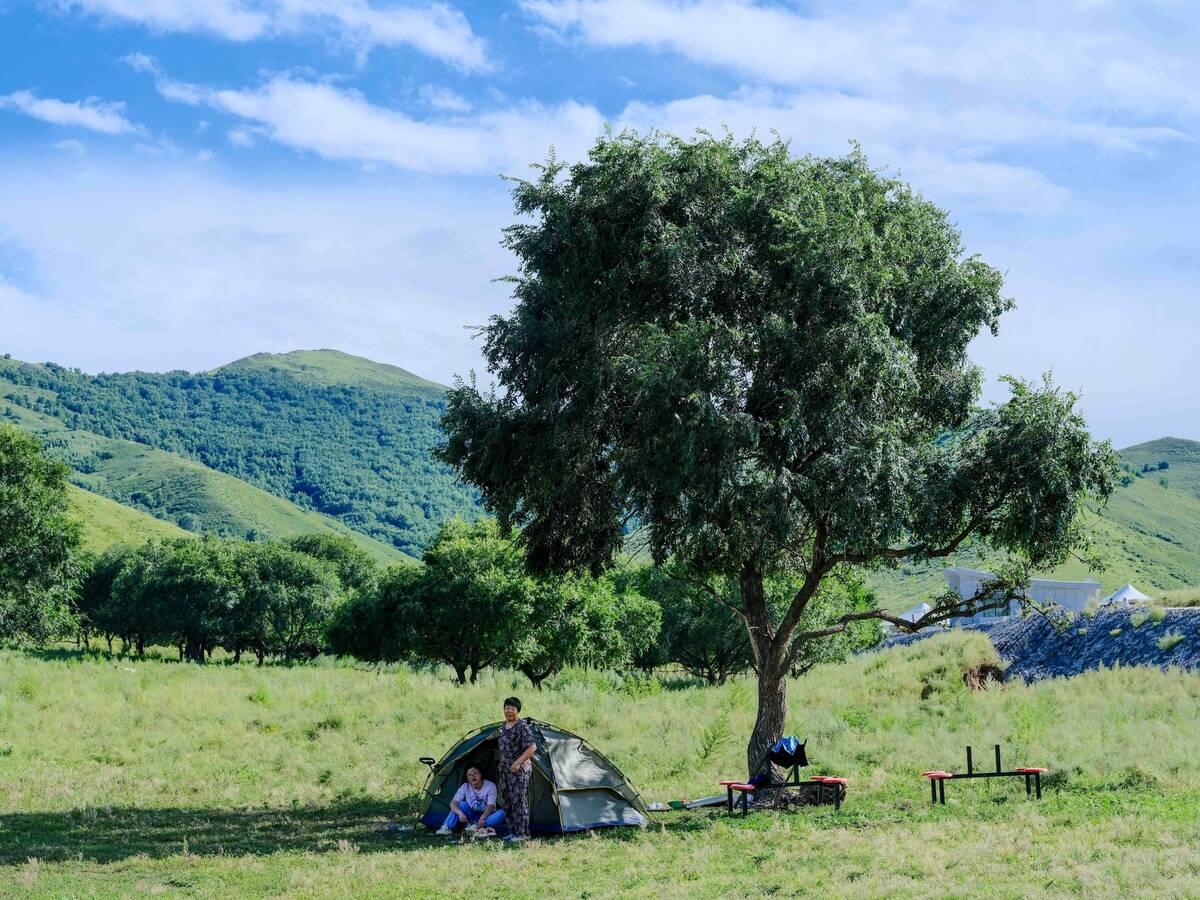
Stepping outside and immersing yourself in nature can provide immediate stress relief. Studies show that just 20 minutes in a natural setting can significantly lower cortisol levels.
This quick turnaround is one reason why nature is often recommended as a tool for reducing stress and enhancing overall well-being. From gardens to greenways, the natural world offers a soothing balm for the stressors of modern life.
The Role of Natural Landscapes in Mental Health
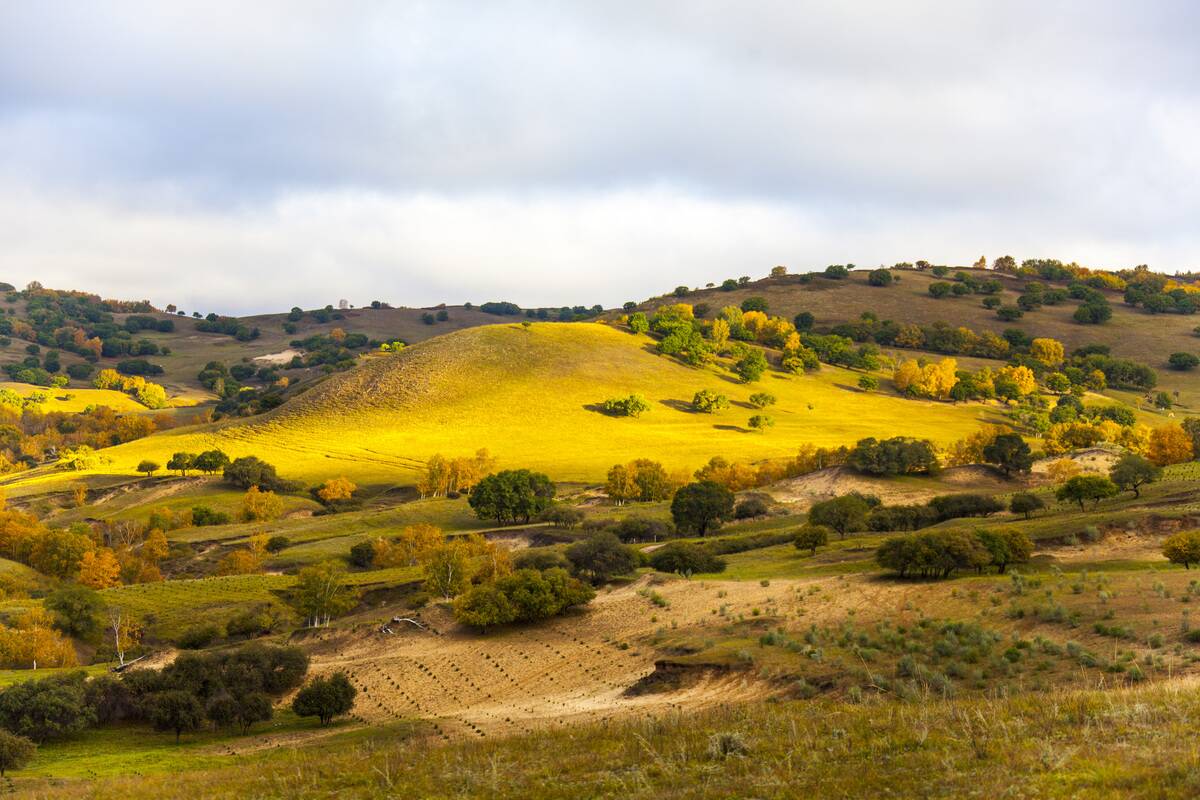
Natural landscapes, such as forests and meadows, play a vital role in supporting mental health. They provide a serene environment that encourages relaxation and reflection.
Research indicates that people living near green spaces experience lower rates of depression and anxiety. These landscapes offer a sanctuary from urban pressures, allowing individuals to reconnect with themselves and the world around them.
How Green Spaces Influence Brain Activity
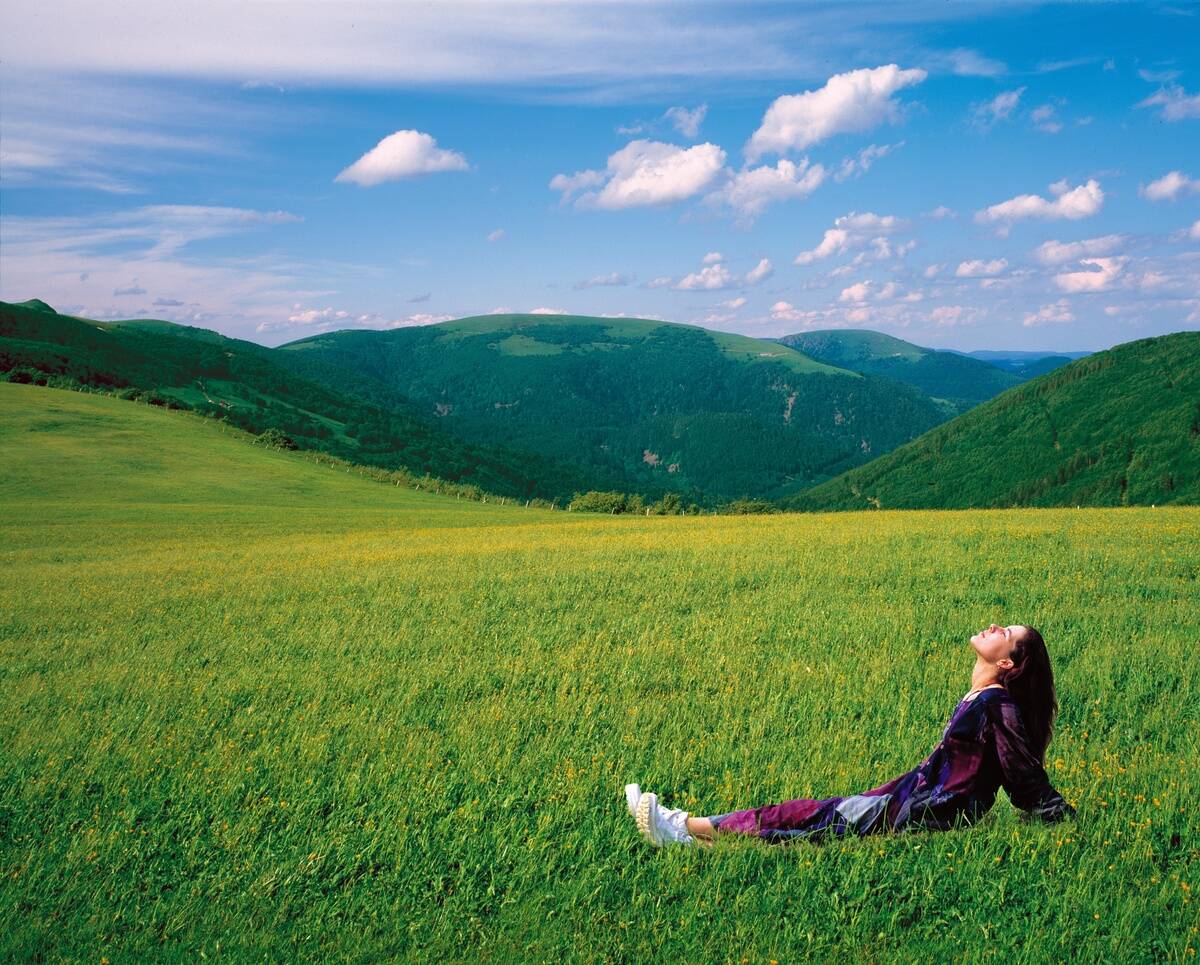
Green spaces have a remarkable influence on brain activity. Exposure to greenery has been shown to enhance brain function, leading to better focus and improved memory.
MRI scans reveal increased activity in the prefrontal cortex, the area of the brain associated with decision-making and emotions, after spending time in nature. This suggests a strong association between green spaces and cognitive enhancement.
The Magic of Water: Oceans, Rivers, and Lakes

Water bodies like oceans, rivers, and lakes possess a unique allure, often linked to psychological benefits. The rhythmic sound of waves or a babbling brook can lower heart rates and reduce stress.
The presence of water is also known to promote feelings of tranquility and happiness. Whether it’s the sound, sight, or even the smell of water, these elements collectively contribute to a sense of peace and relaxation.
Forest Bathing: A Japanese Secret to Stress Reduction
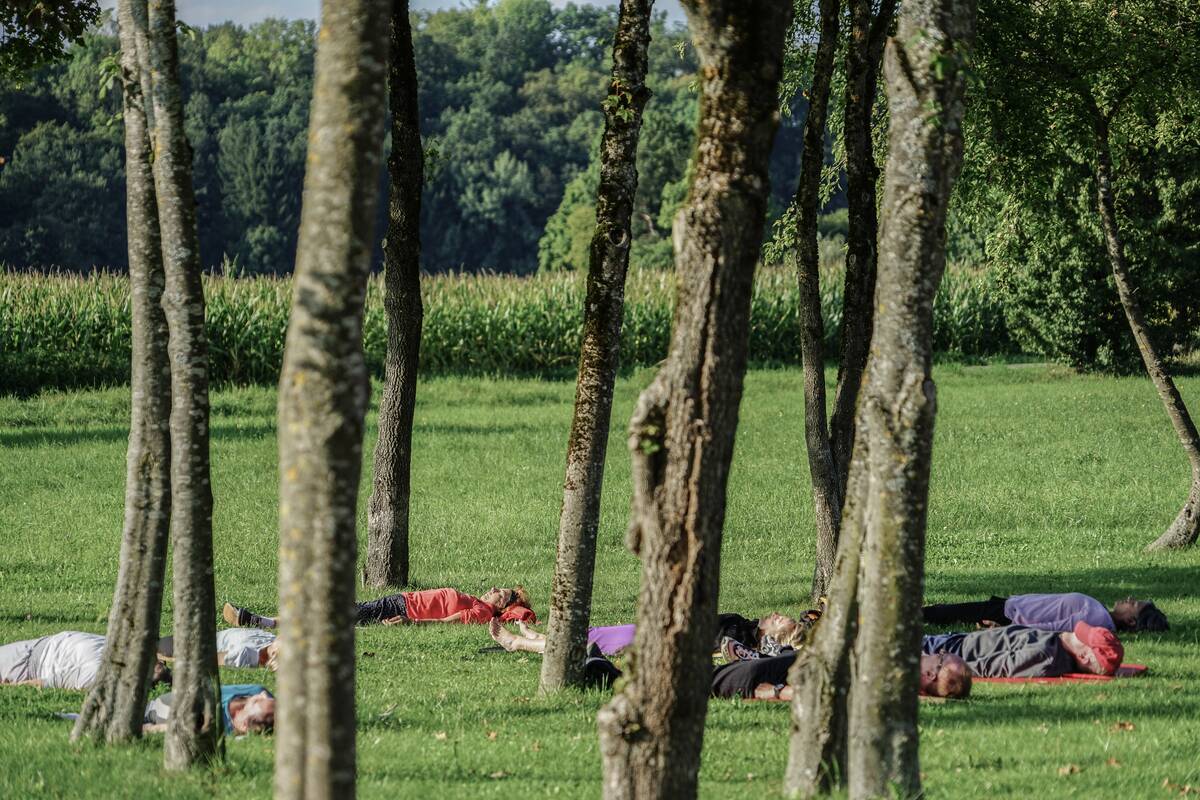
Forest bathing, or ‘shinrin-yoku,’ is a Japanese practice that involves immersing oneself in a forest environment to promote well-being. This practice has been shown to lower blood pressure and reduce cortisol levels significantly.
It’s more than just a walk; it’s about connecting with nature through all the senses. The practice has gained popularity worldwide as an effective way to combat stress and improve mental clarity.
The Calming Effect of Mountains and Hills

Mountains and hills offer a majestic backdrop that can have a calming effect on the mind. The expansive views and fresh air promote a sense of awe and meditation.
Studies suggest that these landscapes can help reduce feelings of stress and anxiety, offering a natural environment for reflection and personal growth. The physical challenge of hiking also releases endorphins, further enhancing mood and mental health.
The Healing Power of Natural Sounds

Natural sounds, such as birdsong or rustling leaves, have a profound impact on our mental state. These sounds can decrease stress levels and promote relaxation by activating the parasympathetic nervous system.
Listening to nature’s symphony can also improve mood and cognitive performance, making it a simple yet effective way to enhance mental well-being. The next time you’re outdoors, take a moment to tune into these calming sounds.
Why Fresh Air is a Natural Mood Booster
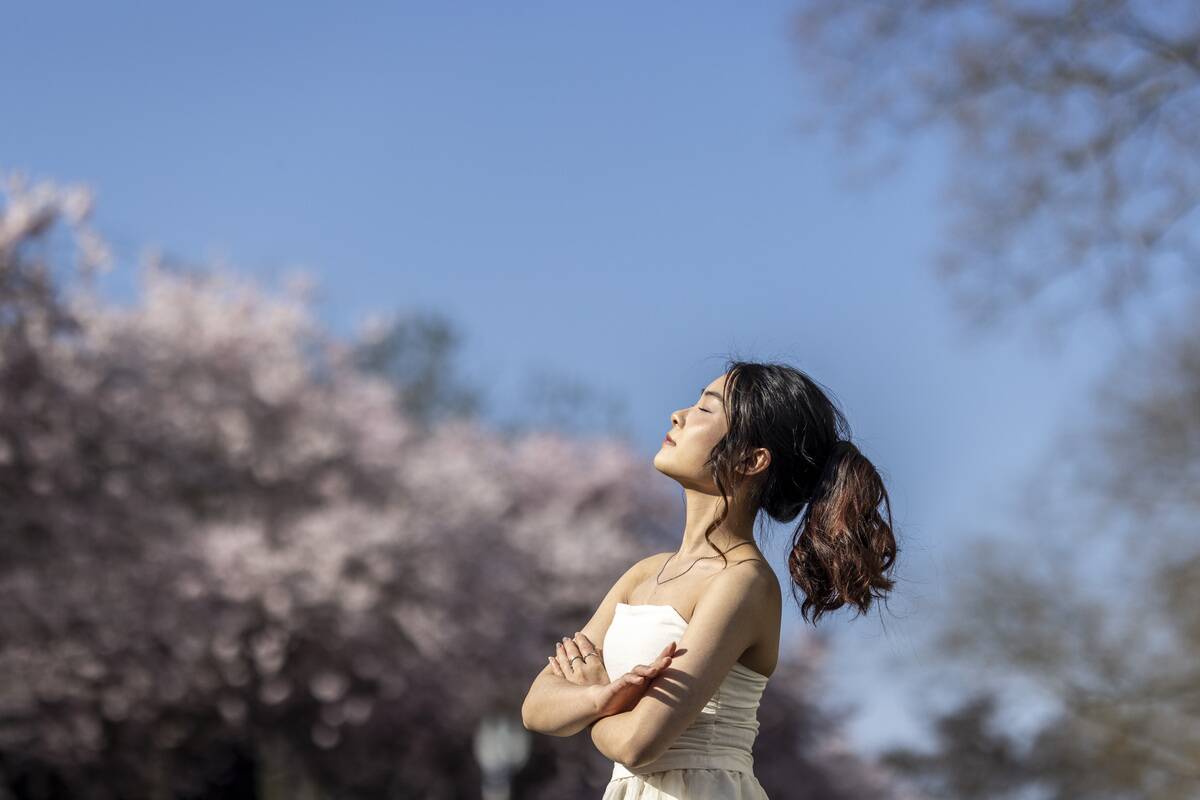
Fresh air is more than just a breath of relief—it’s a natural mood booster. Increased oxygen levels can enhance brain function and energy, while exposure to natural scents like pine or lavender can elevate mood.
Venturing outside for even a brief period can help clear the mind and invigorate the senses, serving as a simple remedy for stress and fatigue. The benefits of fresh air are a testament to nature’s nurturing power.
The Psychological Benefits of Open Spaces
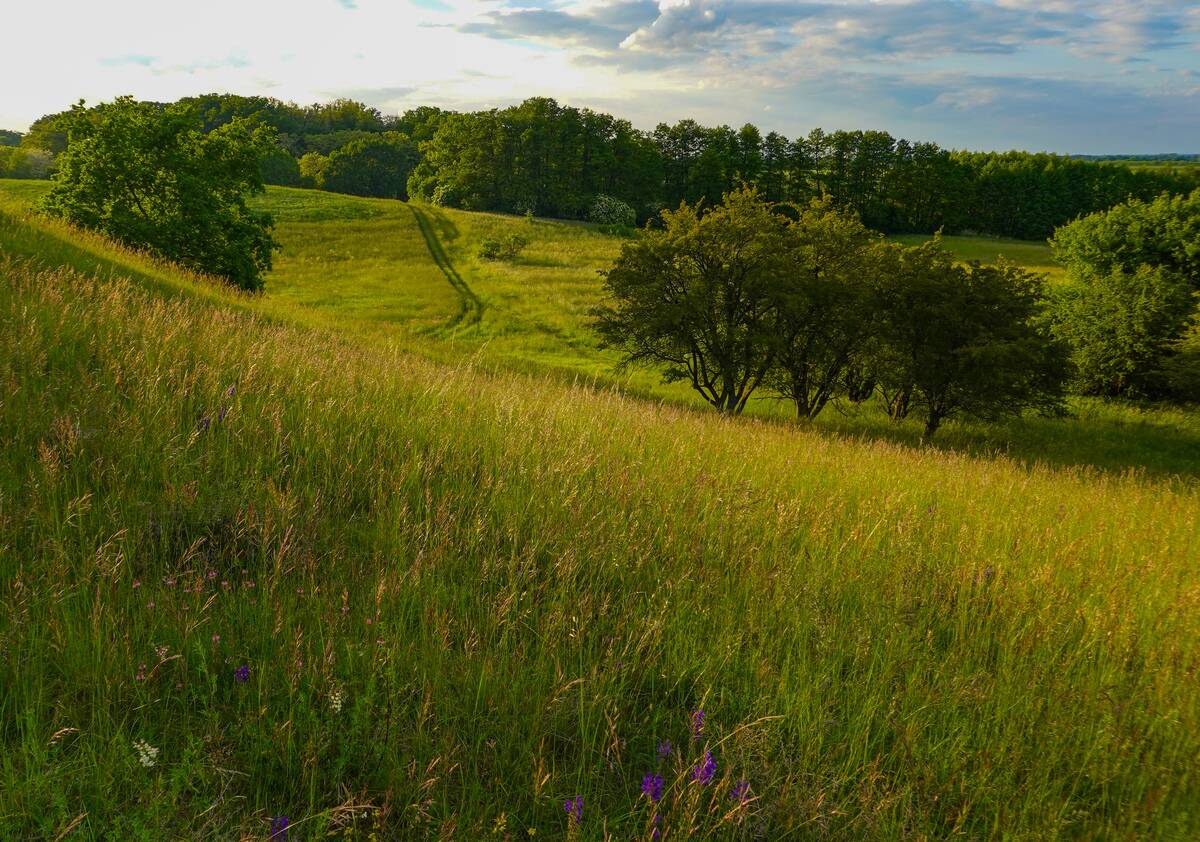
Open spaces provide a sense of freedom and expansion, which can positively affect mental health. They offer a break from the claustrophobia of urban living, encouraging creative thinking and problem-solving.
Research has shown that people who spend time in open spaces report feeling less stressed and more at peace. These environments allow for physical activity and social interaction, both of which are crucial for emotional well-being.
The Connection Between Nature and Mindfulness
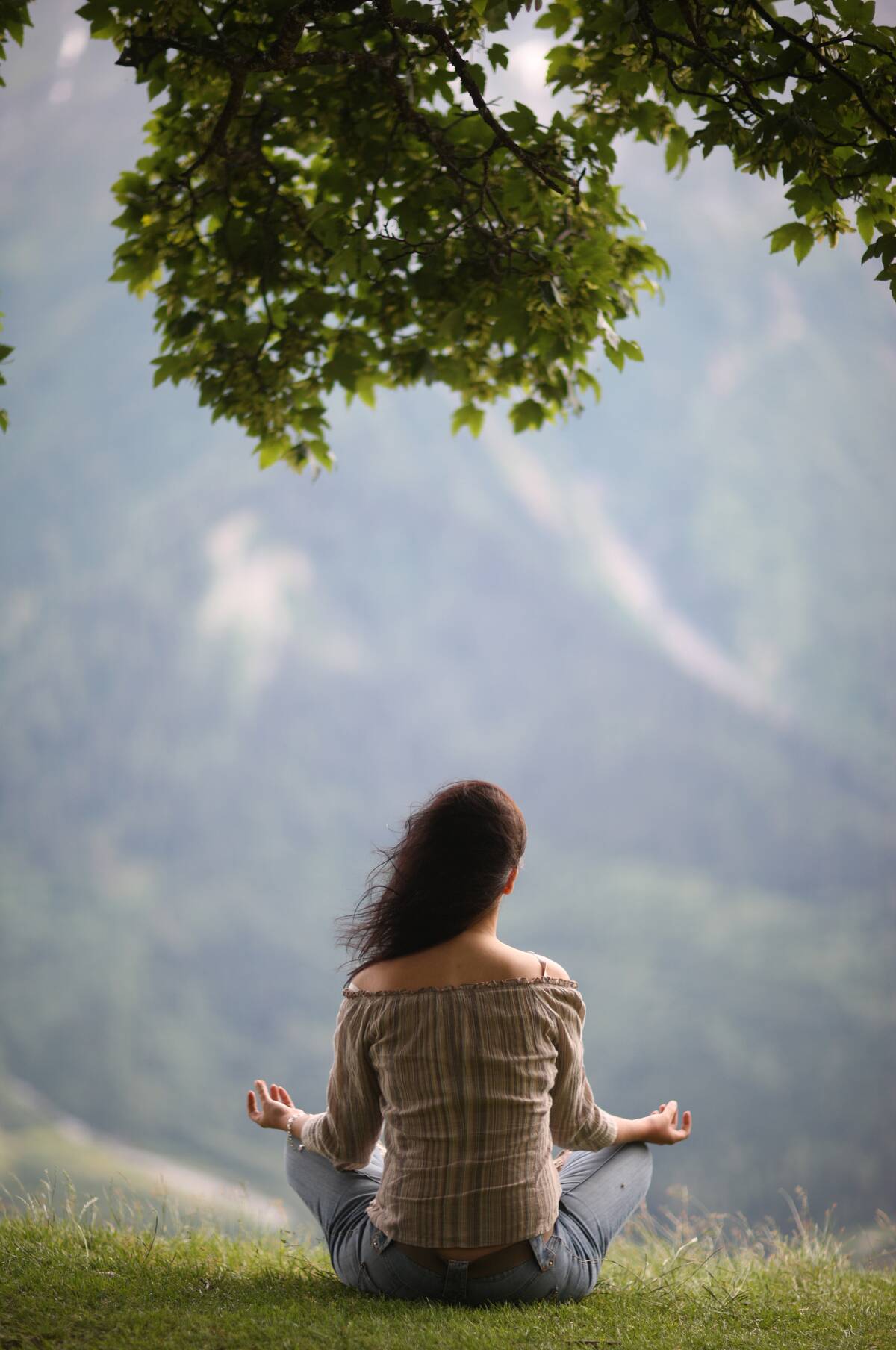
Nature and mindfulness go hand in hand, offering a pathway to heightened awareness and tranquility. Being in nature encourages individuals to focus on the present moment, reducing rumination and anxiety.
Mindful practices in natural settings, such as walking meditation or focused breathing, can deepen the sense of connection with the environment. This synergy enhances mental clarity and emotional balance, fostering a holistic approach to stress management.
How Sunlight Affects Your Brain and Mood

Sunlight plays a crucial role in regulating mood and brain function. Exposure to natural light increases the production of serotonin, a neurotransmitter linked to feelings of happiness and well-being.
It also helps regulate the body’s internal clock, improving sleep patterns and overall mental health. Sunlight is a natural antidepressant, making outdoor activities during sunny days a great way to boost mood and energy levels.
The Importance of Natural Colors in Stress Relief

Natural colors, such as the greens of forests or blues of the sky, have a soothing effect on the mind. These colors are often associated with calmness and serenity, helping to reduce stress and anxiety.
Studies suggest that exposure to natural color palettes can lower blood pressure and improve mood. Incorporating these colors into everyday life, whether through interior design or clothing, can promote a sense of peace and well-being.
Urban vs. Natural Environments: A Contrast in Stress Levels
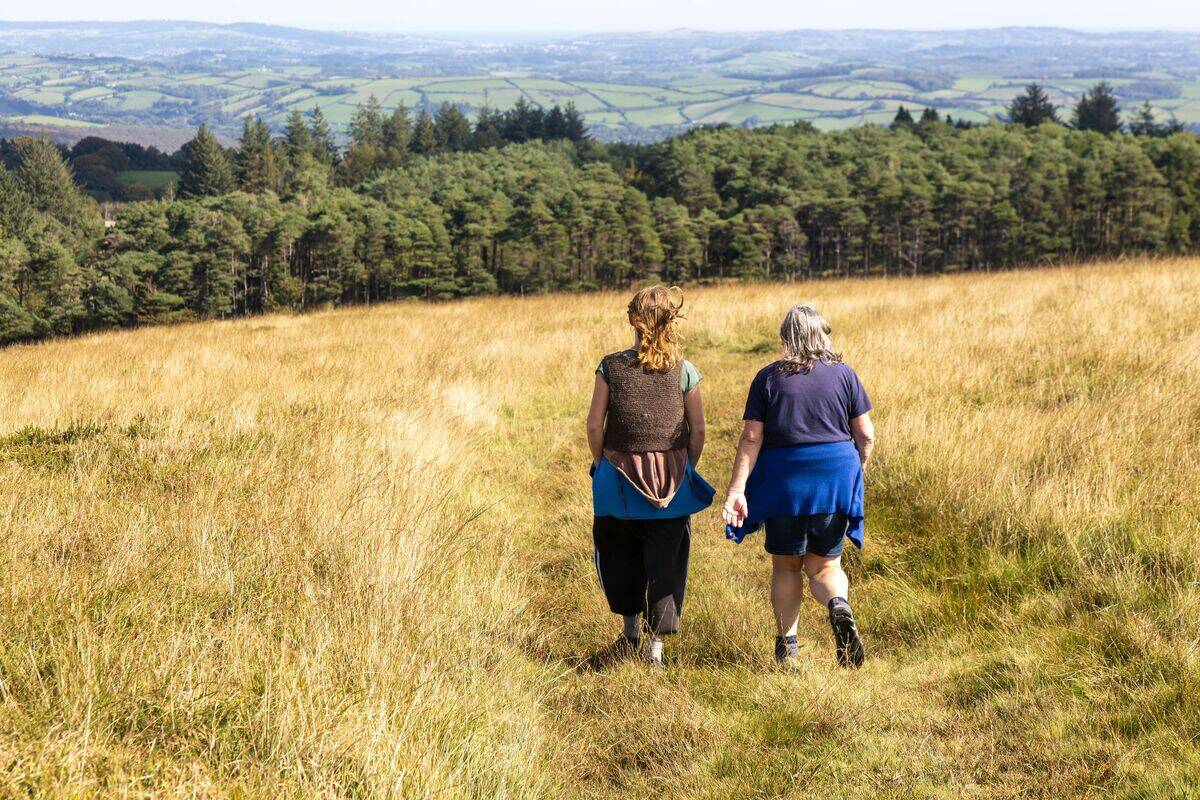
Urban environments, with their noise and congestion, often contribute to higher stress levels compared to natural settings. Studies show that people living in urban areas have a 20% higher risk of anxiety disorders and a 40% higher risk of mood disorders.
In contrast, natural environments offer a refuge from these stressors, providing a tranquil backdrop that promotes relaxation and mental restoration. The difference is stark and highlights the importance of integrating nature into urban planning.
Real-Life Stories: People Transformed by Nature

Many individuals have experienced life-changing transformations through their connection with nature. For example, veterans suffering from PTSD have found solace and healing in wilderness therapy programs.
Others have discovered newfound creativity and inspiration through regular hikes or nature retreats. These real-life stories underscore the powerful impact of nature on mental health, offering hope and encouragement to those seeking relief from stress and anxiety.
Tips for Incorporating Nature into Your Daily Routine
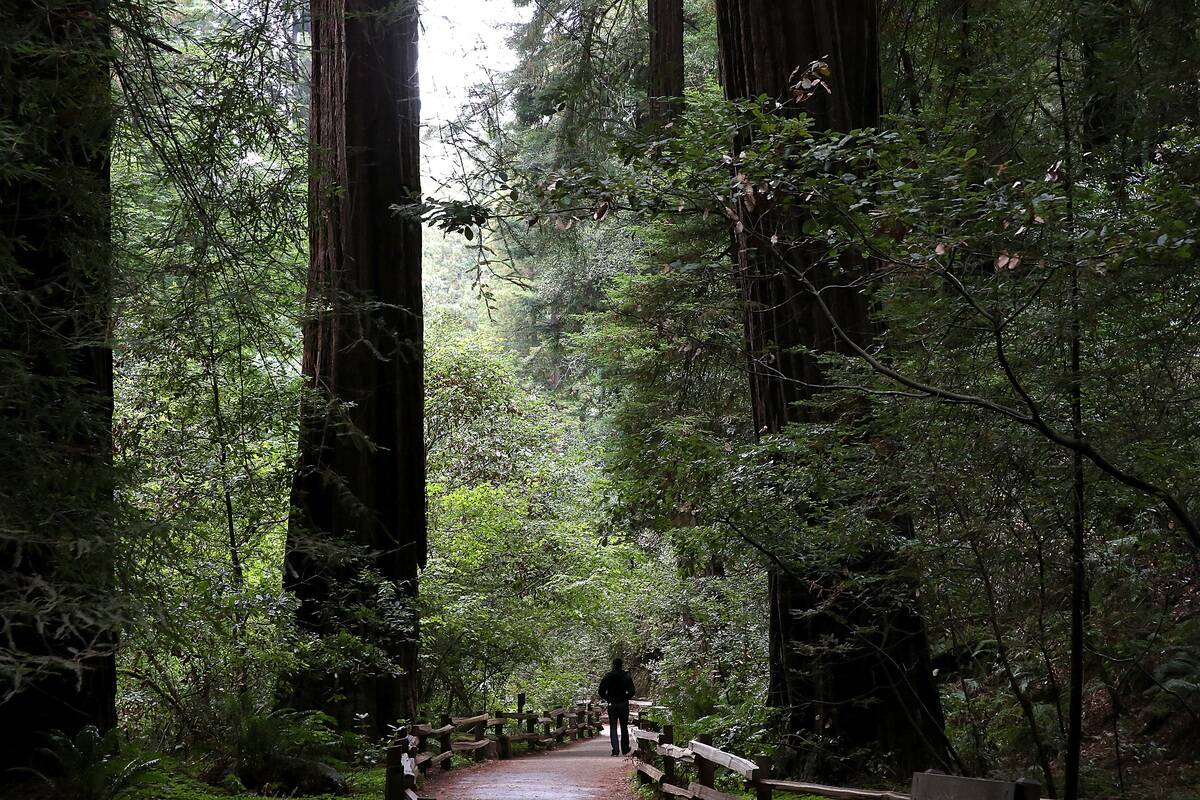
Incorporating nature into your daily routine can be as simple as taking a walk in a local park or tending to a garden. You might also consider bringing nature indoors with houseplants or nature-inspired décor.
Set aside time each day to enjoy natural light, fresh air, or the sounds of nature, even if just for a few minutes. These small actions can have a significant impact on your mood and overall well-being, making nature an integral part of a balanced lifestyle.