How stars form, evolve, and eventually die

Trending Now
The universe is a stunning expanse of celestial wonders, with stars being among the most captivating of all. These luminous bodies are not just twinkling dots in the sky; they are complex entities with a life cycle as intriguing as any epic tale.
Their journey from birth to death is a testament to the vast and dynamic nature of the cosmos, one that has fascinated humans for millennia.
The Birth of Stars: Nebulae and Stellar Nurseries
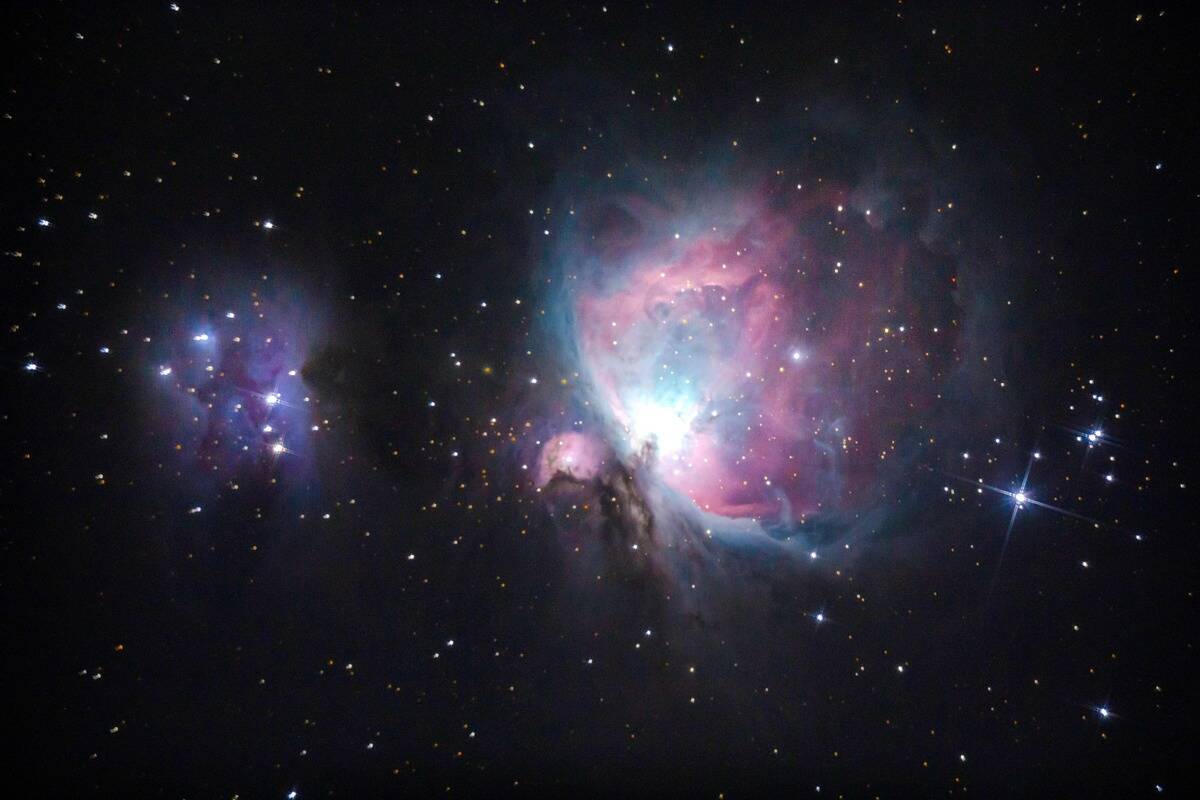
Stars are born in vast clouds of gas and dust known as nebulae, which serve as stellar nurseries. The Orion Nebula, for instance, is a well-known star-forming region located about 1,344 light-years away from Earth.
These nebulae provide the essential ingredients for star formation, with hydrogen being the most abundant element. Gravity begins to pull these particles together, sparking the incredible process of stellar birth.
The Role of Gravity in Star Formation
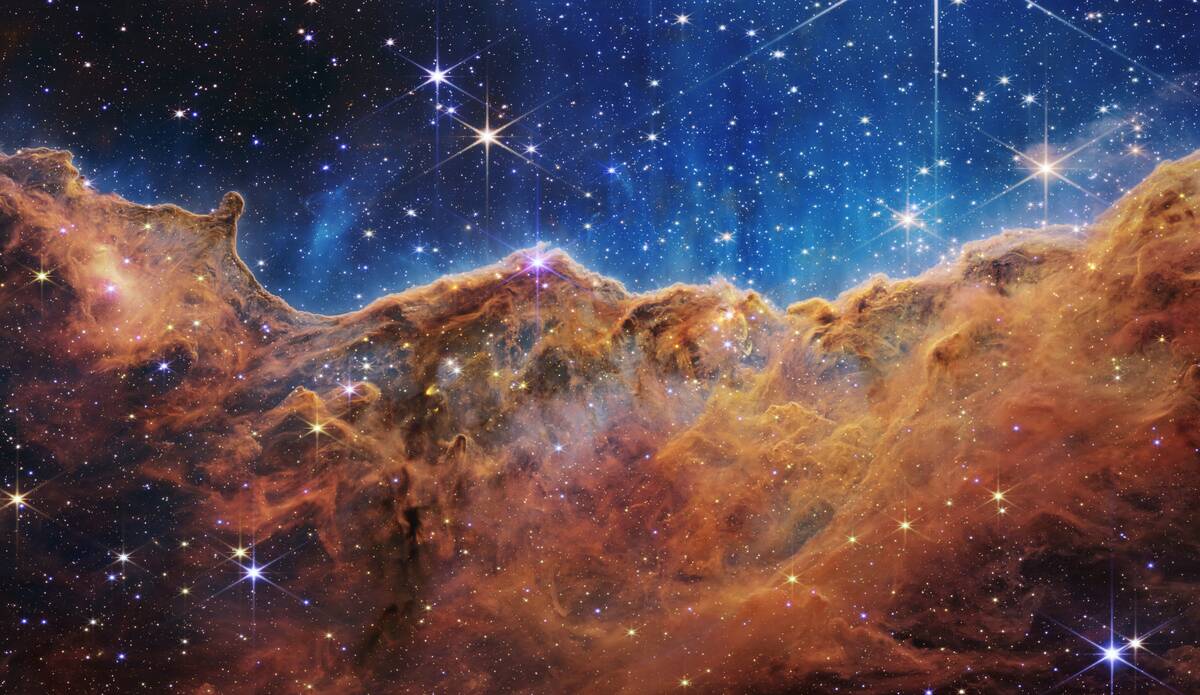
Gravity is the unsung hero in the story of star formation, drawing together the scattered particles within a nebula. As these particles coalesce, the core temperature increases, leading to the formation of a protostar.
This gravitational pull is not only crucial for the birth of stars but also influences their entire lifecycle. Without gravity, the beautiful dance of star creation would be impossible, leaving the universe a darker place.
Protostars: The Early Stages of a Star’s Life
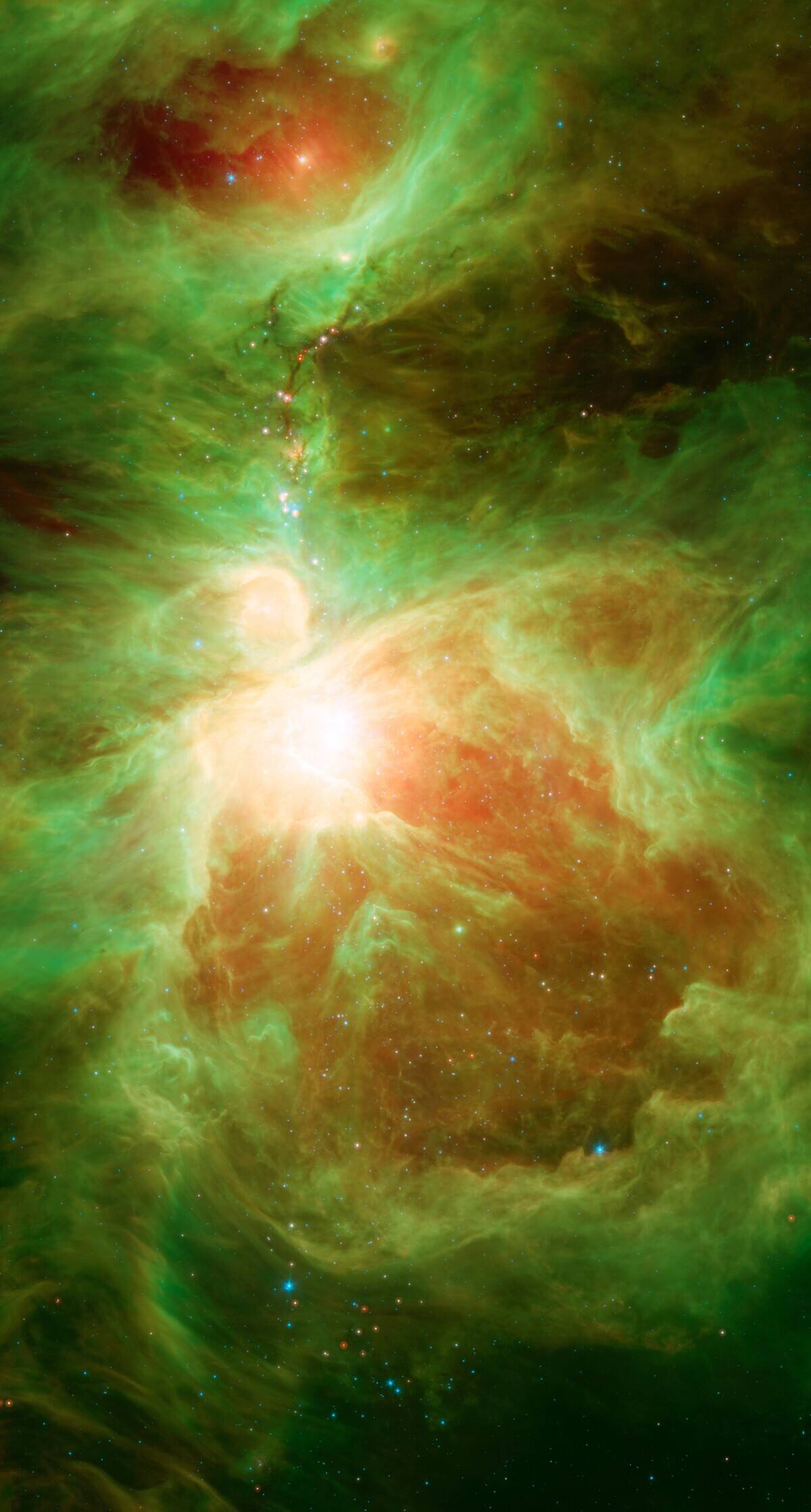
In its infancy, a star is known as a protostar, a stage marked by rapid growth and change. Protostars are shrouded in dust, making them difficult to observe directly. However, infrared telescopes can penetrate these dusty veils to reveal their secrets.
During this period, the protostar continues to accumulate mass from its surrounding nebula, gradually heating up and preparing for the next phase of its life.
Main Sequence Stars: The Longest Phase
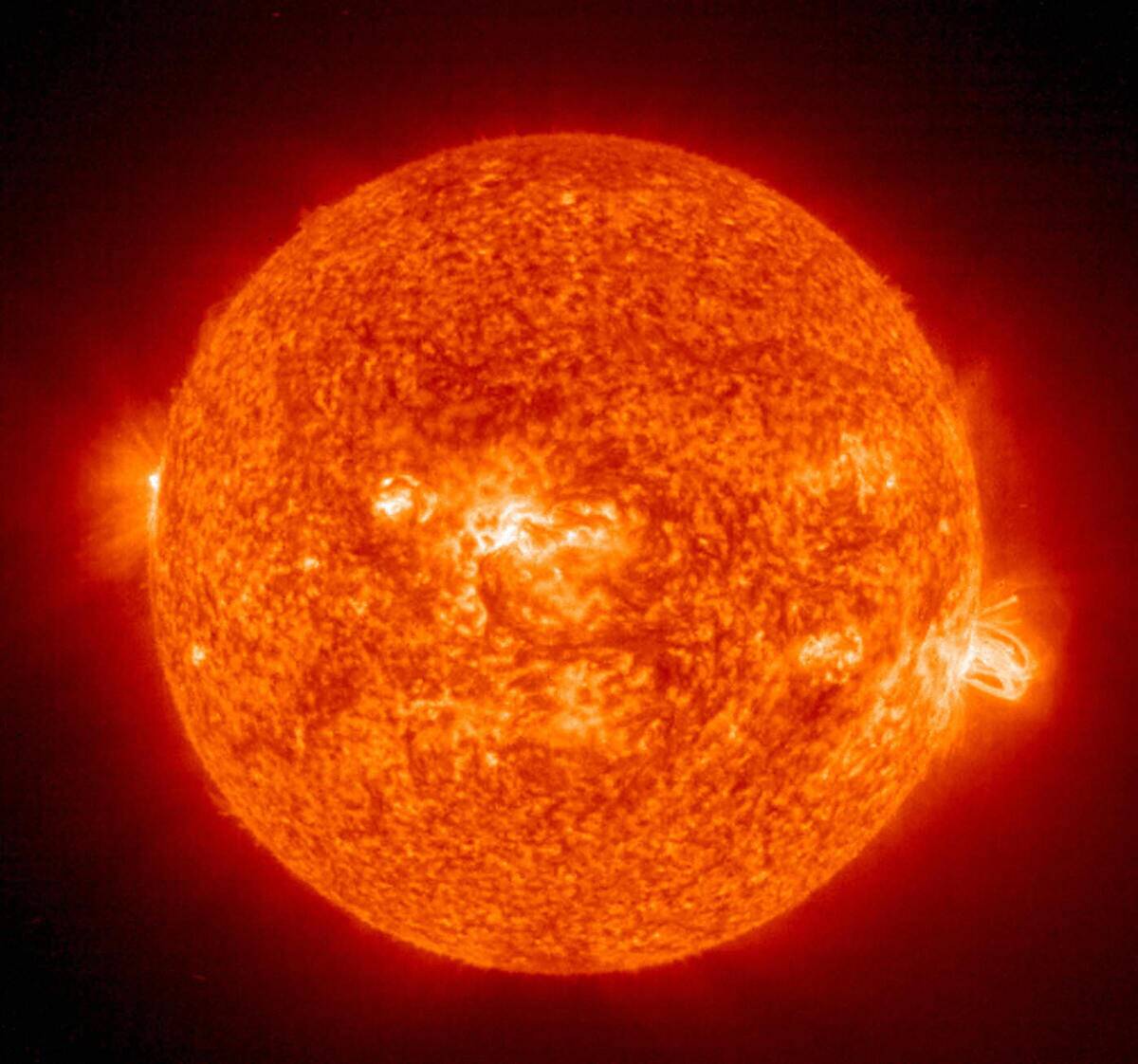
Main sequence stars, like our Sun, spend the majority of their lives in this stable phase. During this time, they efficiently convert hydrogen into helium through nuclear fusion in their cores.
This phase can last billions of years, with stars like the Sun having an estimated main sequence lifespan of about 10 billion years. It’s during this stage that stars shine with steady light, providing warmth and light to any orbiting planets.
The Importance of Hydrogen Fusion

Hydrogen fusion is the powerhouse process that fuels stars during their main sequence. By fusing hydrogen nuclei into helium, stars release immense amounts of energy, which radiates outwards as light and heat.
This process sustains the star by releasing immense energy. The synthesis of heavier elements occurs later in a star’s life cycle, after hydrogen fusion ends, particularly in more massive stars. It’s a delicate balance; if fusion stops, the star’s life is headed for dramatic changes.
How Mass Determines a Star’s Fate
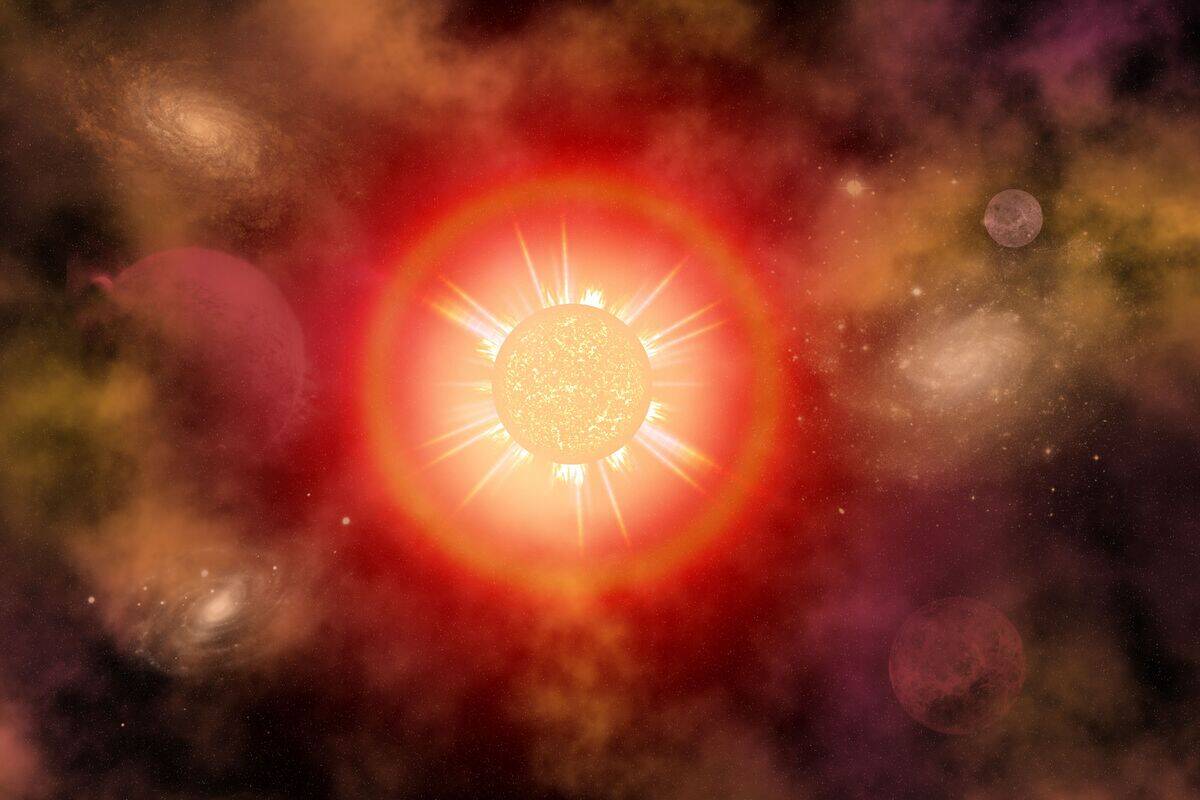
A star’s mass is the key factor that determines its ultimate fate. Massive stars, those with more than eight times the mass of the Sun, tend to live fast and die young. In contrast, smaller stars, like red dwarfs, can burn their fuel slowly and live for trillions of years.
This mass-dependent destiny means that the initial conditions of a star’s formation set the stage for its entire life cycle and eventual demise.
Red Giants: The Swelling Phase
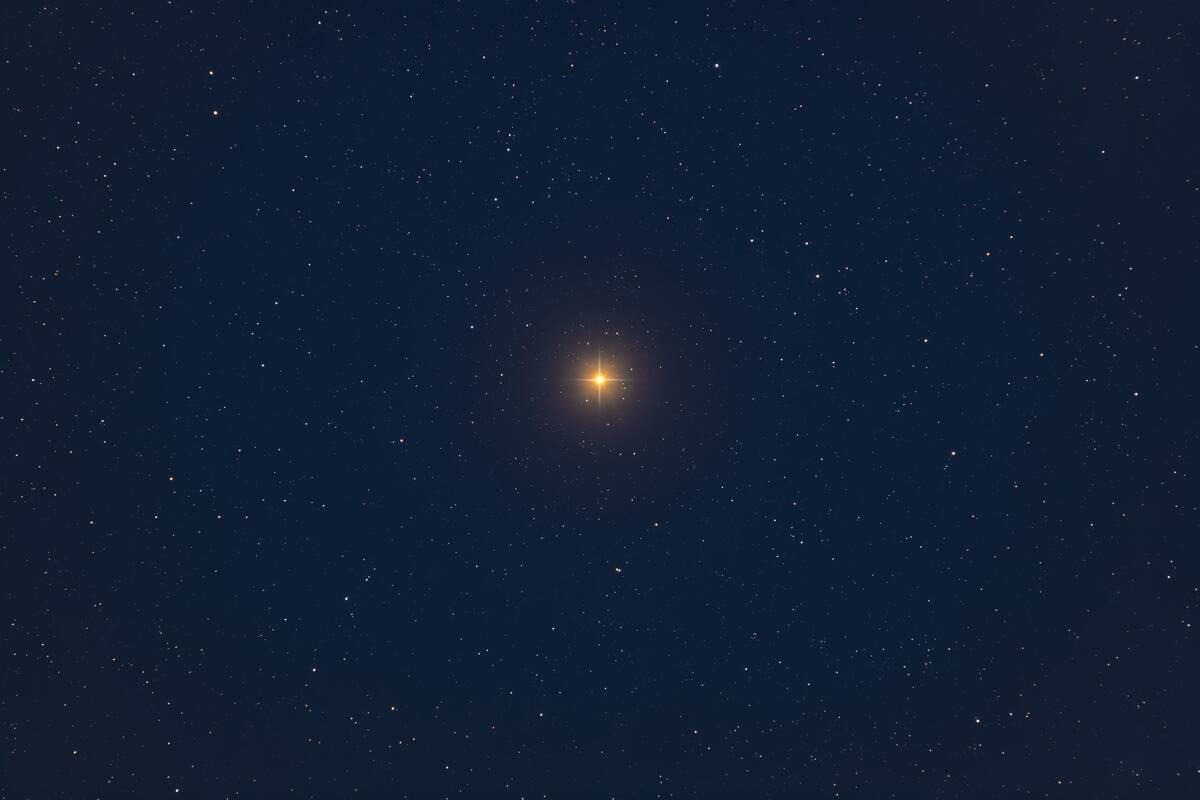
When stars like the Sun exhaust their hydrogen fuel, they enter the red giant phase. During this stage, the core contracts while the outer layers expand, causing the star to swell dramatically.
Betelgeuse, a red supergiant in the constellation Orion, is a prime example of this stage, with its diameter being about 764 times that of the Sun. Red giants are a stunning sight, heralding the end of a star’s stable life.
Planetary Nebulae: Shedding Outer Layers
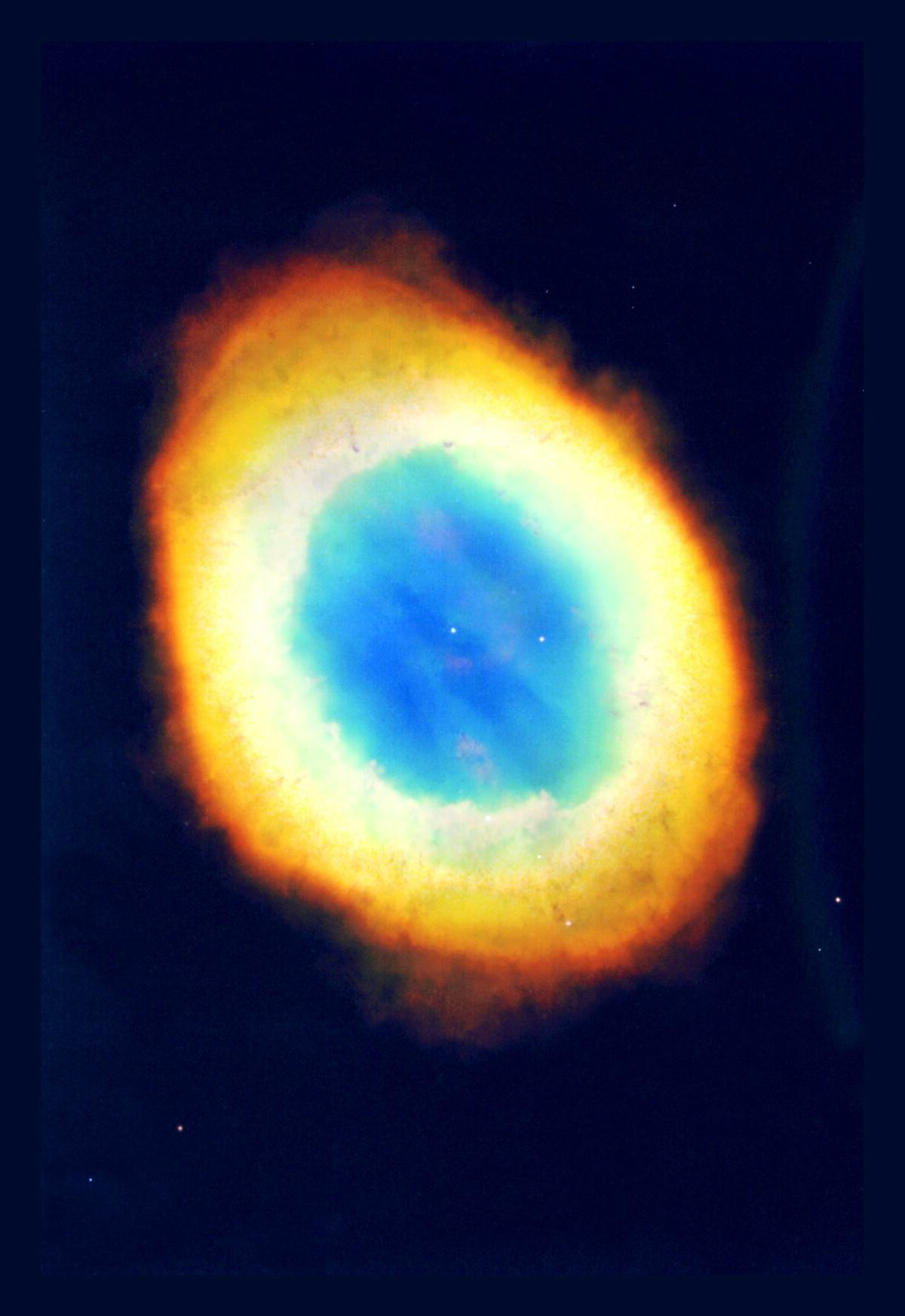
As red giants reach the end of their life, they shed their outer layers, creating beautiful planetary nebulae. These nebulae are often symmetrical and can display a wide range of colors due to the ionization of different elements.
The Ring Nebula in the constellation Lyra is a classic example of this process, showcasing the remnants of a star’s outer layers in a dazzling display. This phase marks the transition to a quieter stellar existence.
The Dramatic Death of Low-Mass Stars
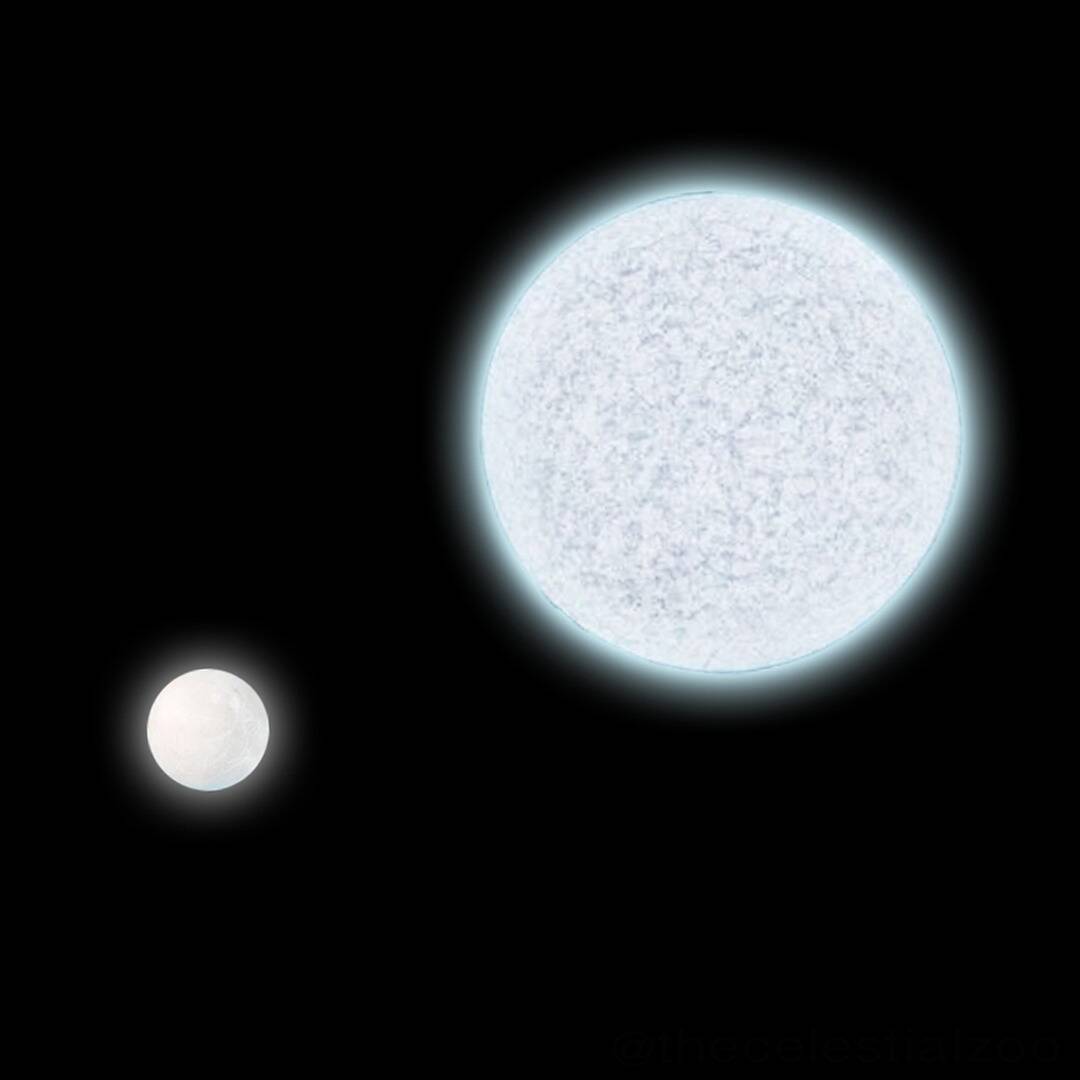
Low-mass stars, like the Sun, meet their end with less drama than their massive counterparts. After shedding their outer layers, they leave behind a core that becomes a white dwarf. This transformation is gentle compared to the explosive end of massive stars.
White dwarfs are incredibly dense, with a mass comparable to the Sun but packed into a volume similar to Earth. They quietly cool and fade over billions of years.
White Dwarfs: The Quiet End
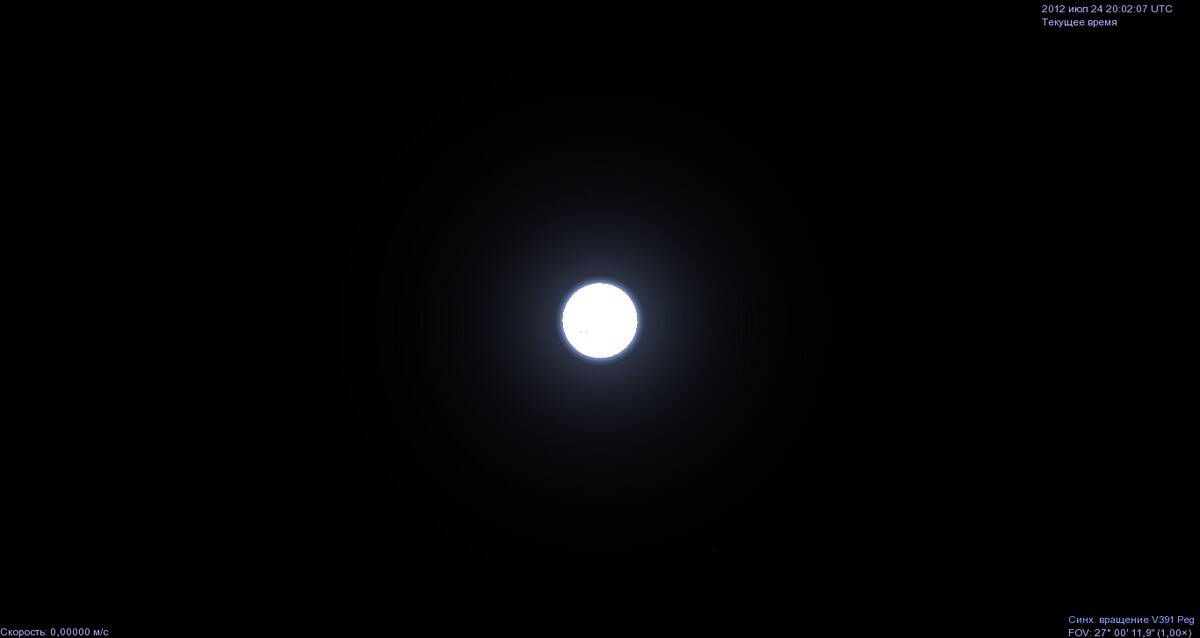
White dwarfs represent the final, peaceful chapter in the life of low-mass stars. They no longer undergo fusion reactions but radiate leftover heat from their past lives. These stellar remnants are incredibly dense and can have surface gravities 100,000 times that of Earth.
Over billions of years, they cool and dim, eventually becoming black dwarfs, an end state that the universe has yet to witness due to its young age.
Supergiants and Their Short-Lived Brilliance

Supergiant stars are the behemoths of the stellar world, with masses more than 10 times that of the Sun. Due to their immense size and energy output, they burn through their nuclear fuel at a rapid pace, leading to relatively short lifespans.
Rigel, a blue supergiant in the constellation Orion, exemplifies this category, shining with a luminosity tens of thousands of times greater than the Sun. Their brilliance is both magnificent and fleeting.
Supernovae: A Star’s Explosive Demise
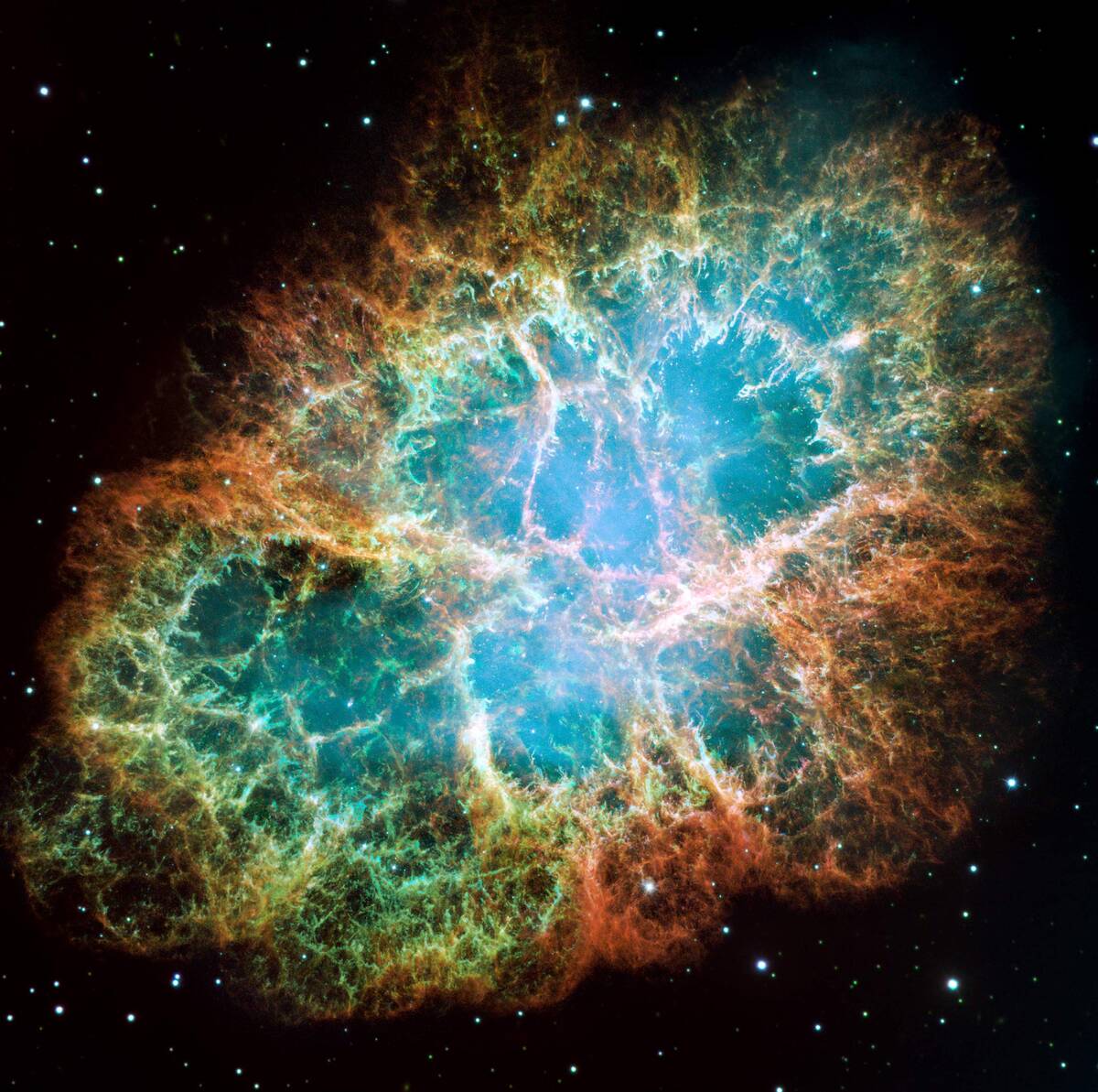
When supergiants run out of fuel, they end their lives in spectacular supernovae explosions. These events are among the most energetic in the universe, briefly outshining entire galaxies.
The Crab Nebula, a remnant of a supernova observed in 1054 AD, is a stunning example of this explosive demise. The core of the star collapses, leading to either a neutron star or a black hole, depending on the remaining mass.
Neutron Stars and Pulsars: The Dense Remnants
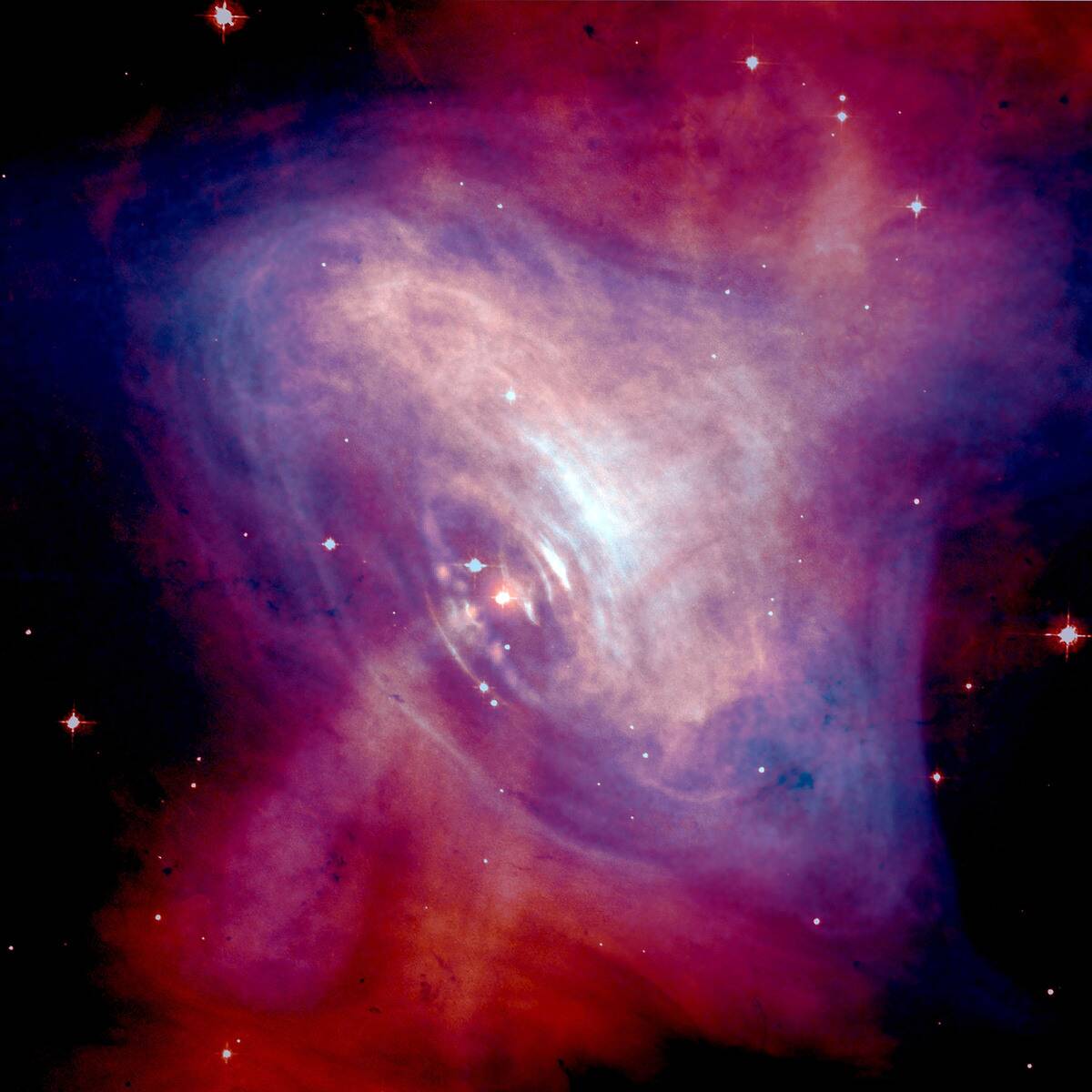
Neutron stars are the remnants left after a supernova, incredibly dense with a mass greater than the Sun but only about 20 kilometers in diameter. These stars are composed almost entirely of neutrons, hence their name.
Pulsars are a type of neutron star that emits beams of radiation from their magnetic poles. As they spin, these beams sweep across space, creating a pulsing effect observed from Earth, much like a cosmic lighthouse.
Black Holes: The Mysterious Endgame
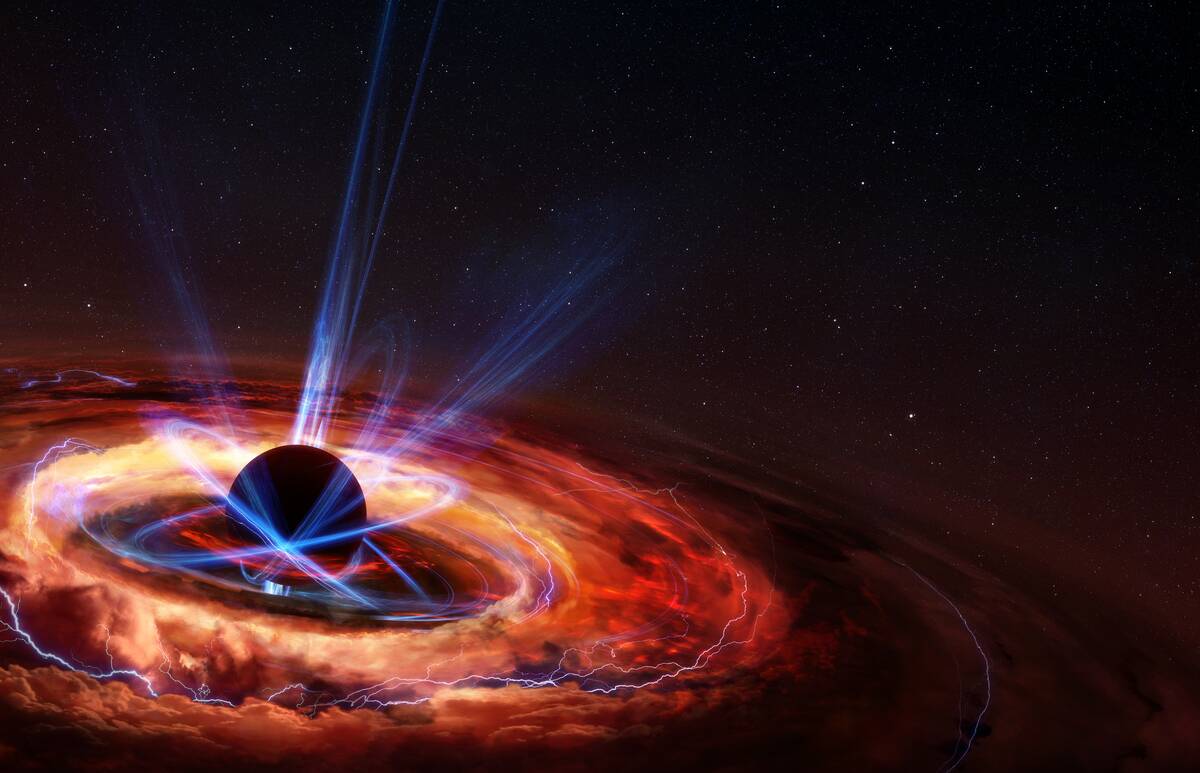
For the most massive stars, the endgame is the formation of a black hole, an entity with gravity so strong that not even light can escape. Black holes are formed when a massive star’s core collapses beyond the neutron star stage.
The boundary surrounding a black hole is called the event horizon, beyond which nothing can return. Despite their name and nature, black holes play a crucial role in the structure and evolution of galaxies.
The Role of Stars in Creating Elements
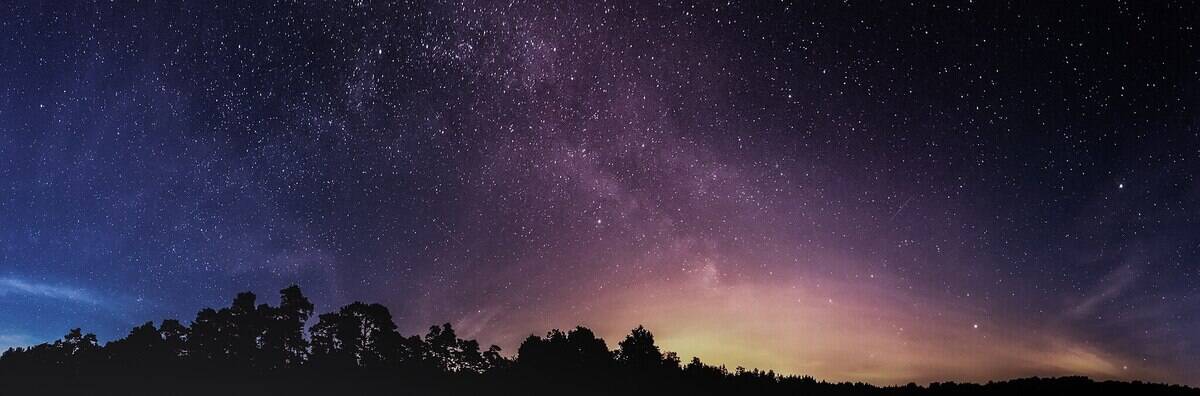
Stars are the cosmic forges where elements are created through nuclear fusion. In their cores, stars fuse lighter elements into heavier ones, a process that produces elements like carbon, oxygen, and iron.
The heavier elements are scattered into space during supernovae, enriching the interstellar medium. This stellar alchemy is responsible for the diverse array of elements that make up planets, life, and everything we see around us.
Stars as Cosmic Recycling Centers
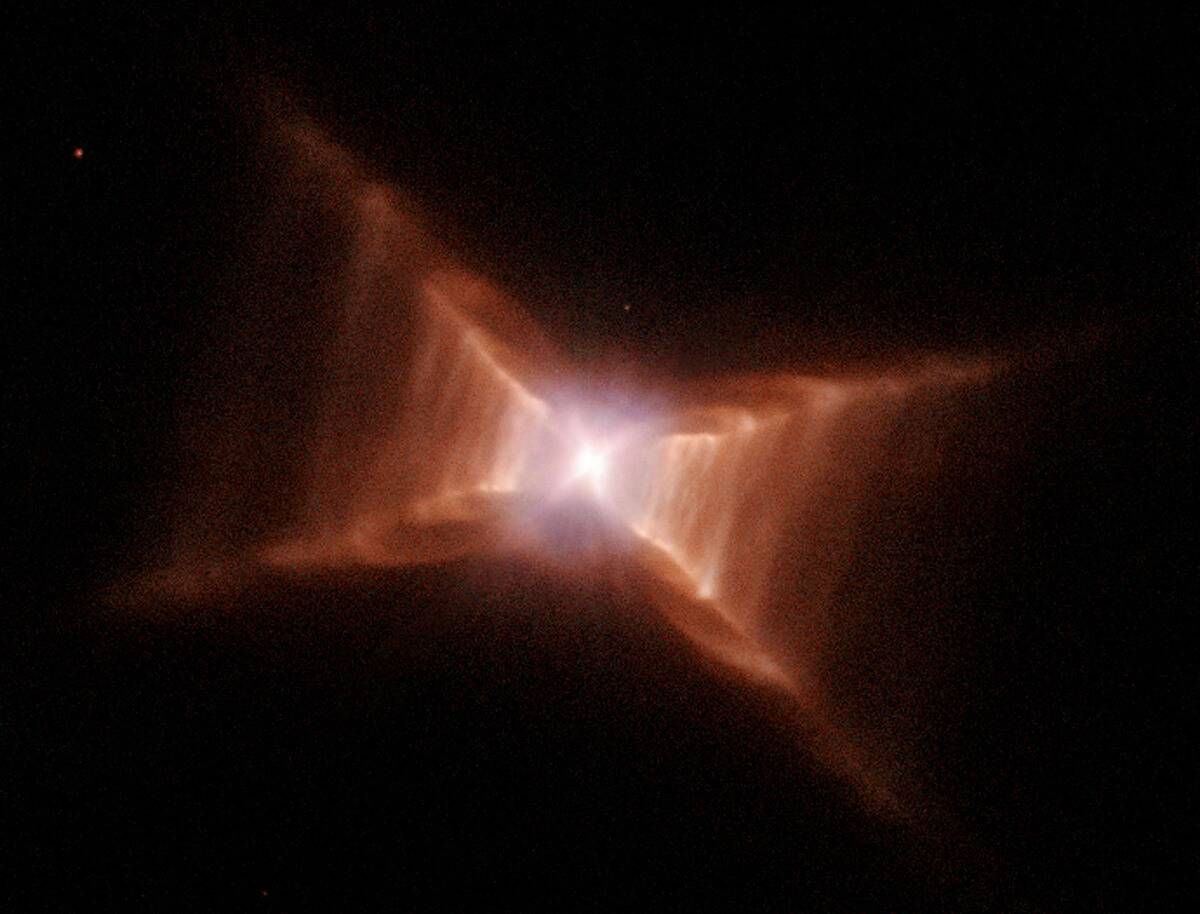
Stars play a vital role in the cosmic recycling process, taking in raw materials and returning enriched matter to the universe. When stars die, they release elements into space, where they become part of new stars, planets, and even life itself.
This cycle of birth, death, and rebirth ensures that the universe is continually evolving and that the elements necessary for life are distributed throughout the cosmos.
The Impact of Star Deaths on Galaxies
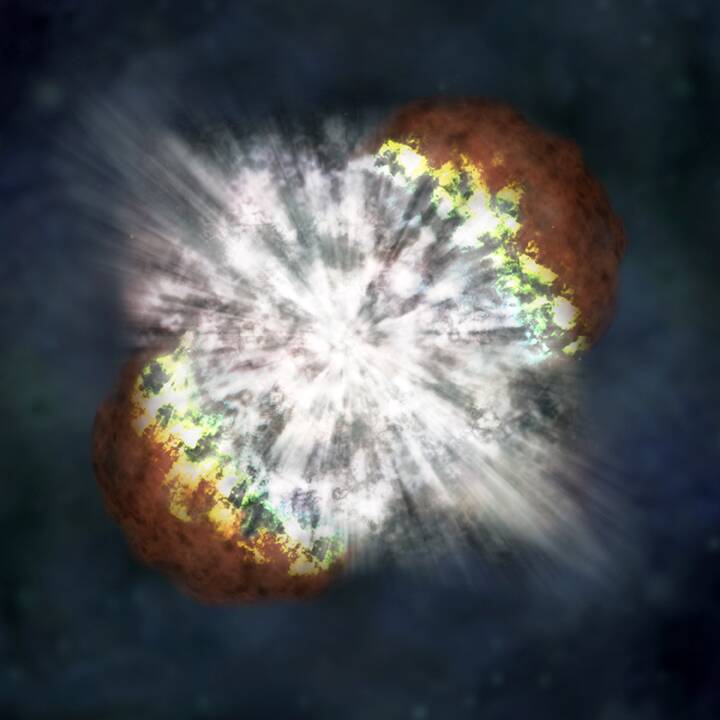
The deaths of stars, particularly in supernovae, have significant effects on their host galaxies. These explosive events can trigger the formation of new stars by compressing nearby gas clouds.
They also distribute heavy elements throughout the galaxy, contributing to the chemical evolution of the galaxy. The energy and material from dying stars influence galactic dynamics, playing a key role in the life cycle of galaxies.
How Astronomers Study Star Life Cycles
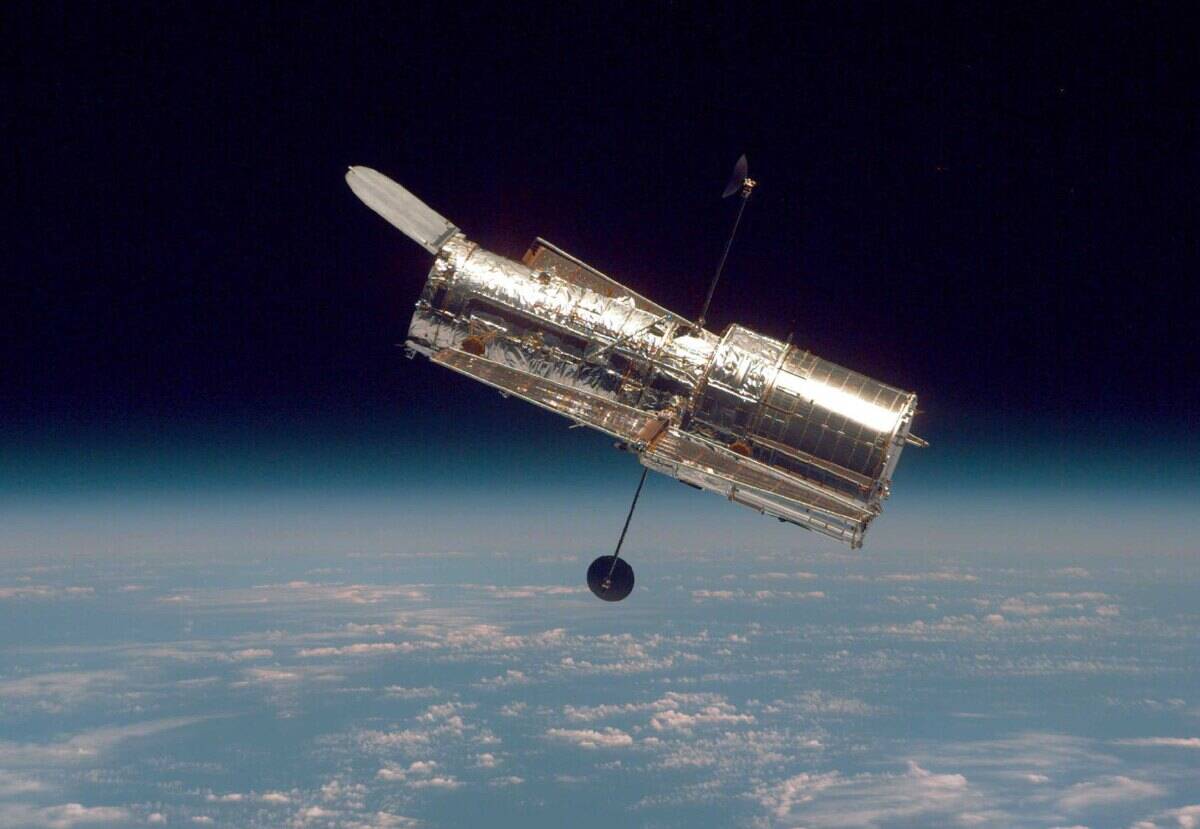
Astronomers use a variety of techniques to study the life cycles of stars, from telescopic observations to computer simulations. Telescopes equipped with different instruments can observe stars in various wavelengths, revealing details about their composition, temperature, and motion.
Space missions like the Hubble Space Telescope have provided invaluable data on stellar phenomena. Through these methods, astronomers piece together the intricate story of how stars live and die.