Species that keep family bonds for life

Trending Now
Family bonds are one of the most captivating aspects of the animal kingdom. From the majestic elephants to the industrious beavers, many animals form strong family units that help them thrive.
These bonds aren’t just for survival; they often entail complex social structures and emotional connections. Observing these relationships offers a fascinating glimpse into how different species navigate the world and emphasize the importance of family in their lives.
The Importance of Family in the Animal World
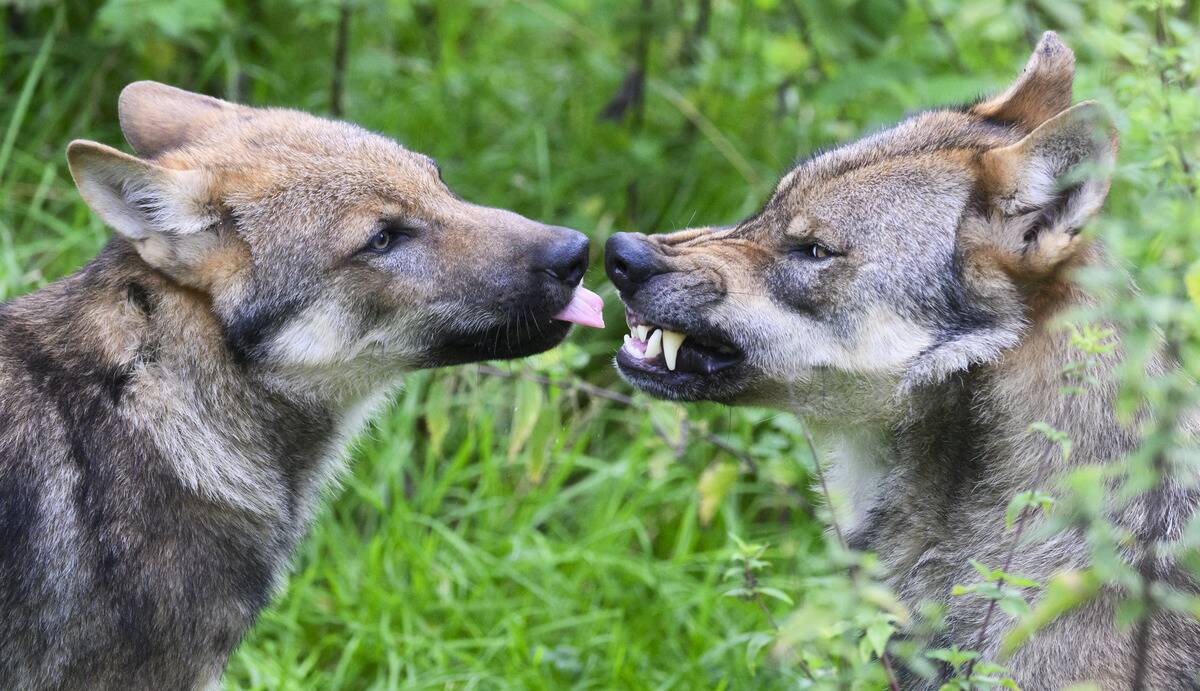
In the wild, family ties can mean the difference between life and death. Many animals rely on their families for protection, food, and learning essential survival skills. For instance, young wolves learn to hunt under the watchful eye of their pack, while elephant calves are nurtured by a matriarch-led family.
These bonds not only ensure survival but also facilitate the transmission of knowledge across generations, playing a pivotal role in the continuation of species.
Elephants: The Gentle Giants with Tight-Knit Families
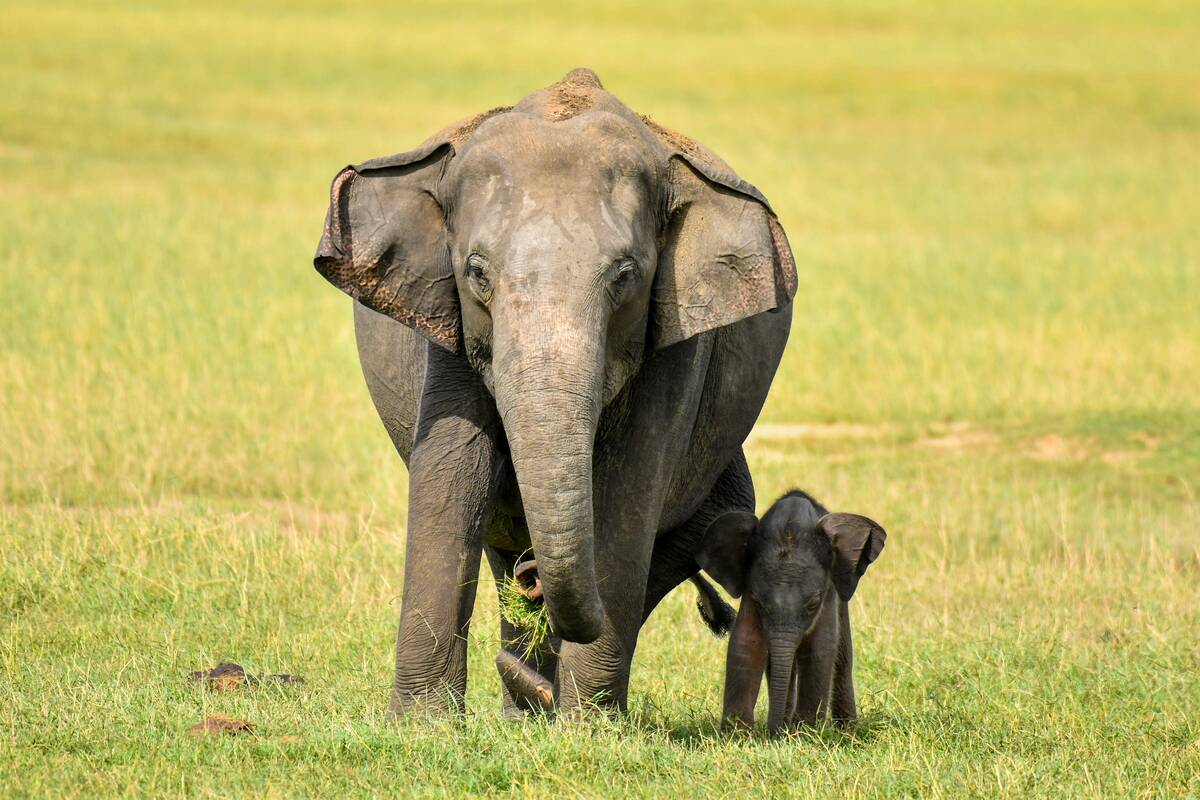
Elephants are renowned for their strong family structures, typically led by a wise matriarch. These gentle giants live in groups called herds, which are composed of mothers, daughters, and young males.
Communication within the group is key, with elephants using a range of vocalizations and even low-frequency sounds to stay connected over long distances. The family unit provides not only protection but also a network of emotional support, reflecting their high intelligence and social nature.
Wolves: Packs That Stay Together Through Thick and Thin
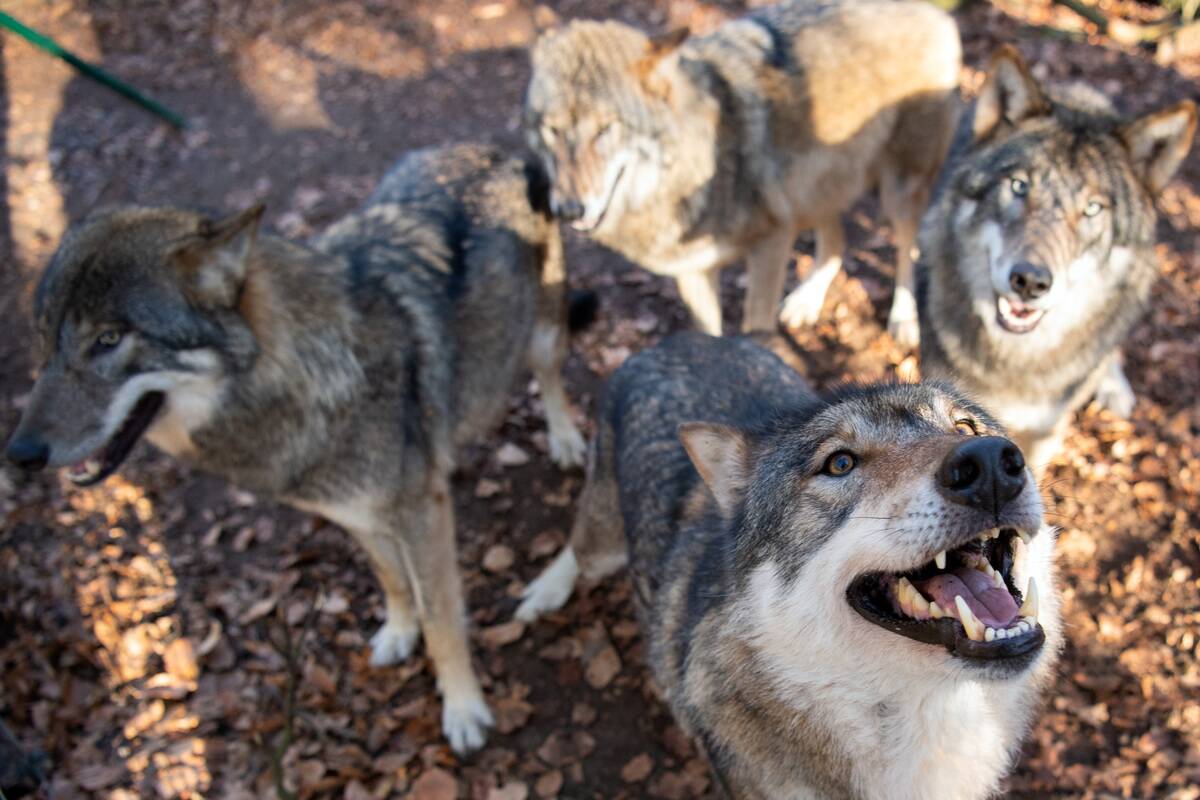
Wolves are the epitome of loyalty and cooperation, living in packs that resemble close-knit families. Each pack is a complex social unit, usually led by a pair, with roles and responsibilities distributed among members.
The pack works together to hunt, care for the young, and defend their territory. This unity ensures that even in the harshest conditions, wolves can rely on each other for survival and success, demonstrating the power of teamwork.
Gibbons: Swinging Through Life with Strong Family Ties
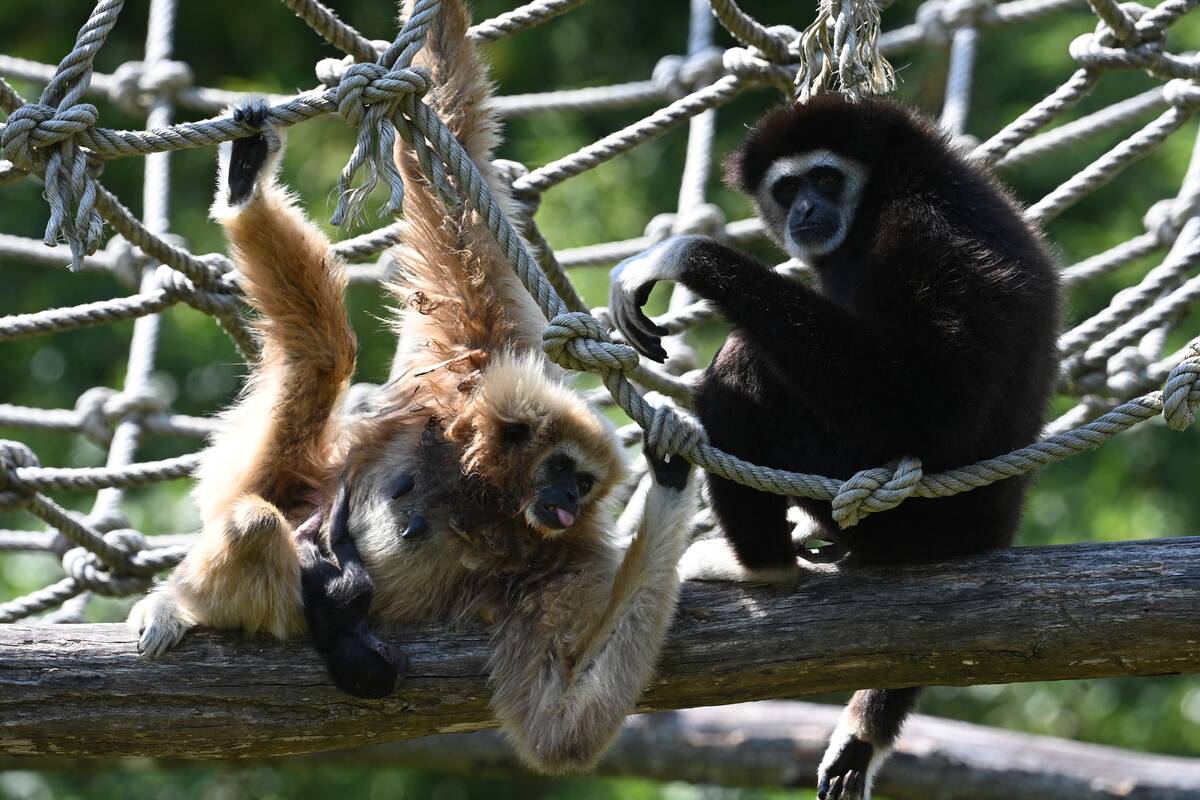
Gibbons, often found swinging through the forests of Asia, are known for their monogamous family units. A typical gibbon family consists of a mated pair and their offspring, living harmoniously in a defined territory.
These small apes are renowned for their vocal duets, which serve as both a bonding exercise and a territorial signal. The strong family bonds among gibbons ensure that young ones are well-protected and taught the skills they need to thrive in the treetops.
Orcas: The Ocean’s Social Butterflies
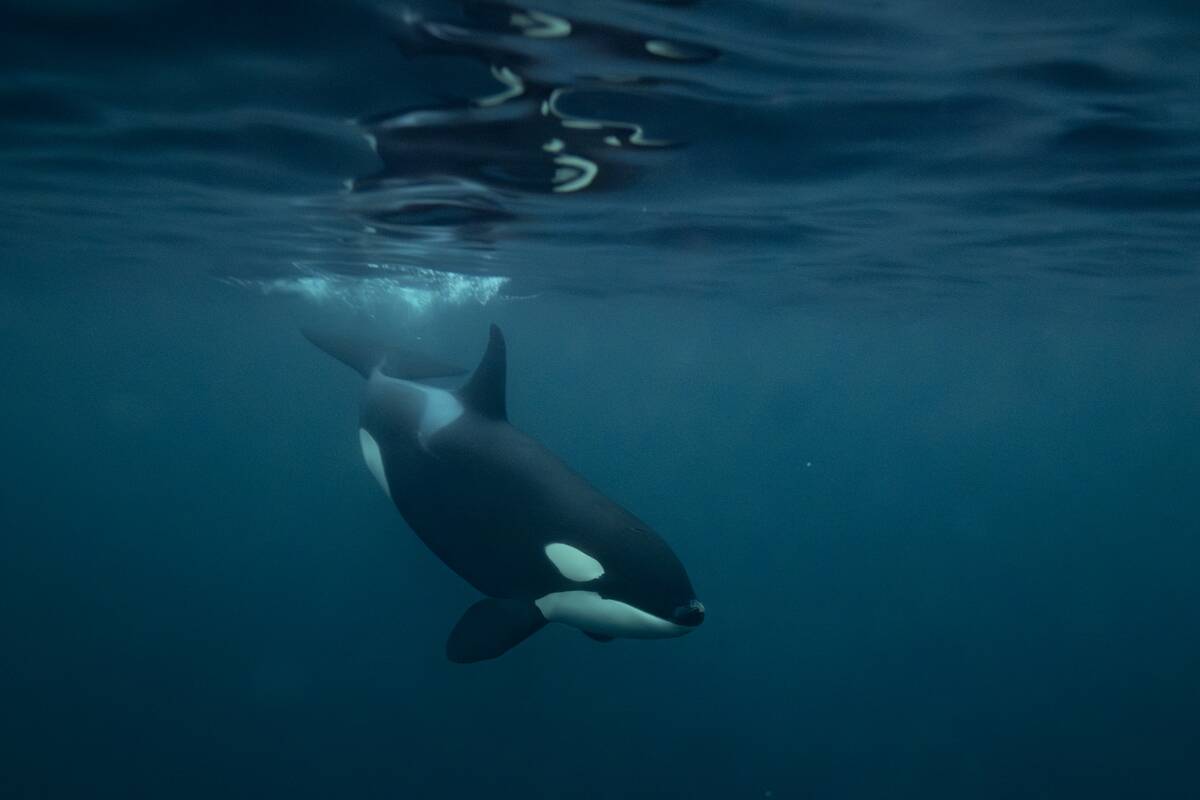
Orcas, or killer whales, are social creatures that live in pods, often made up of extended family members. These intelligent mammals are matrilineal, meaning the family is centered around the mothers and their calves. Communication within pods is highly sophisticated, involving a variety of clicks, whistles, and pulsed calls.
These lifelong bonds are crucial for hunting, as orcas work together in coordinated strategies to catch prey, showcasing their intelligence and cooperative nature.
African Wild Dogs: Hunting and Living as a Family
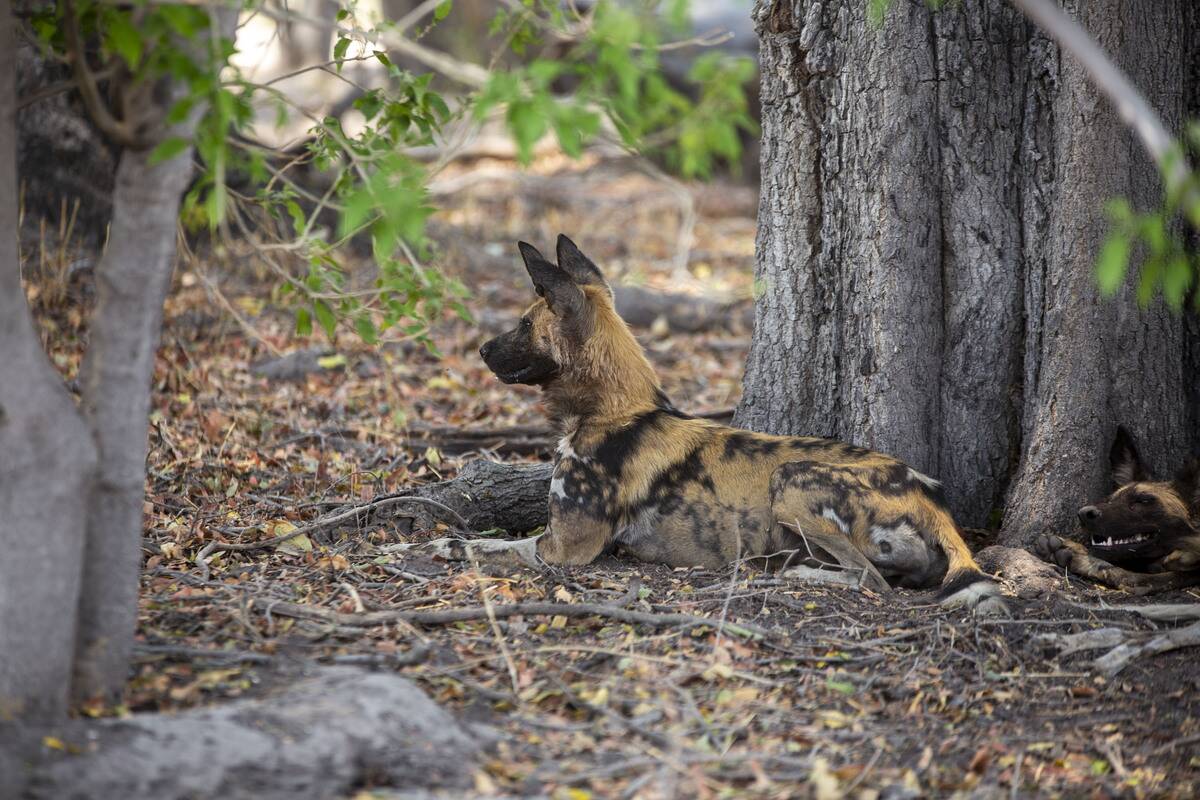
African wild dogs are known for their exceptional teamwork and social structure. Living in packs led by a dominant breeding pair, these dogs are some of the most efficient hunters in the animal kingdom.
Cooperation is key, with each member playing a role in tracking and capturing prey. The care for their young is communal, with all pack members taking part in feeding and protecting the pups. This tight-knit family structure ensures their survival in the wild.
Beavers: Nature’s Engineers with a Close-Knit Clan
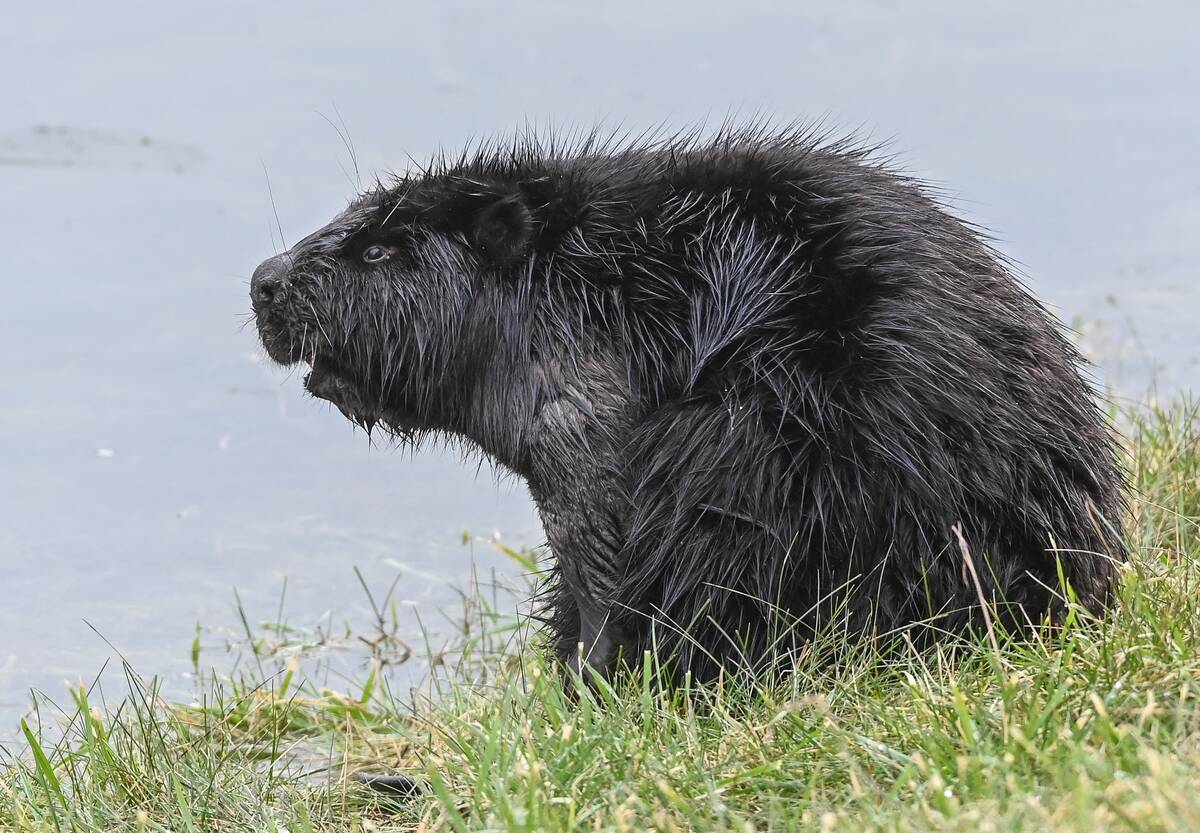
Beavers are not only master builders but also dedicated family members. These industrious rodents live in family units, often consisting of a monogamous pair and their offspring. Together, they construct elaborate lodges and dams that serve as both homes and protection against predators.
The young beavers play an integral role, learning essential skills from their parents. This family cooperation highlights the importance of teamwork and shared responsibilities in the natural world.
Penguins: Waddling Together Through Life’s Challenges
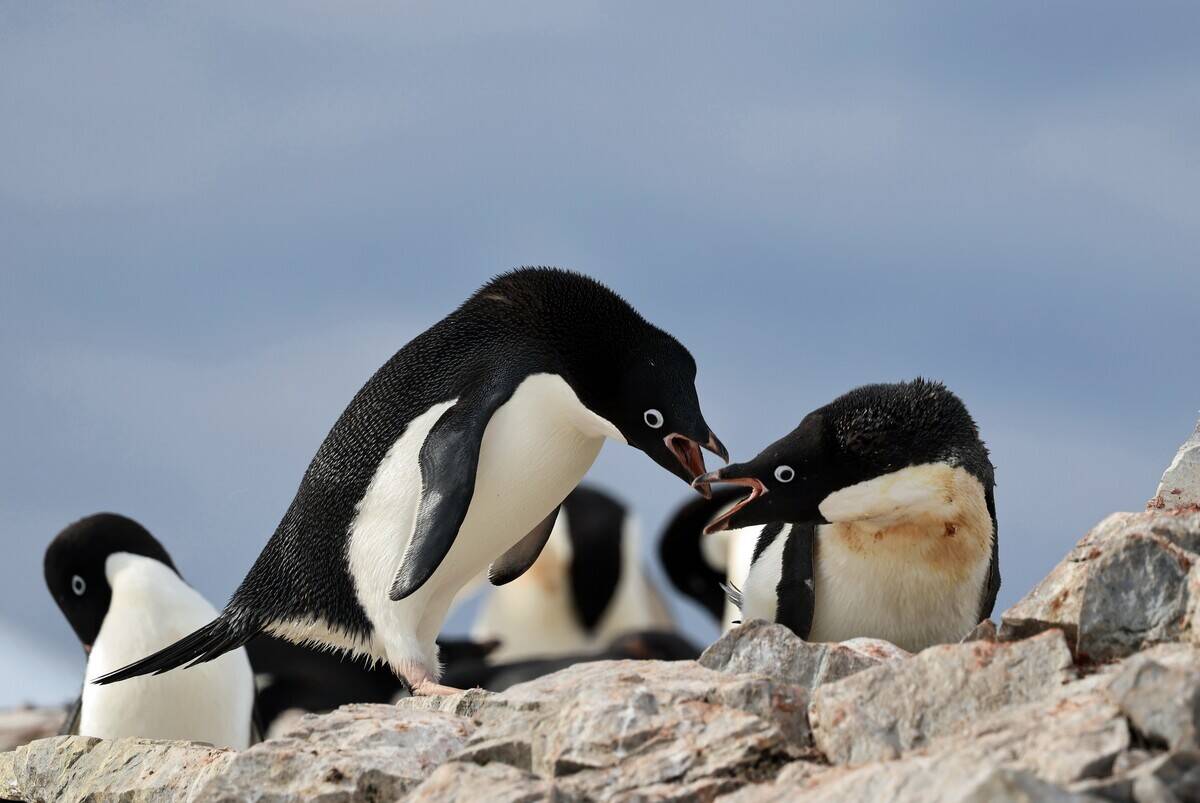
Penguins are iconic for their endearing waddles and strong family bonds, particularly during the harsh breeding seasons. Emperor penguins, for example, are known for their incredible dedication as parents.
Males endure harsh Antarctic winters balancing eggs on their feet to keep them warm, while females venture out to sea for food. Their unwavering commitment to their family and each other ensures the survival of their chicks in one of the world’s most unforgiving environments.
Bald Eagles: Symbolic Birds with Lifelong Partnerships
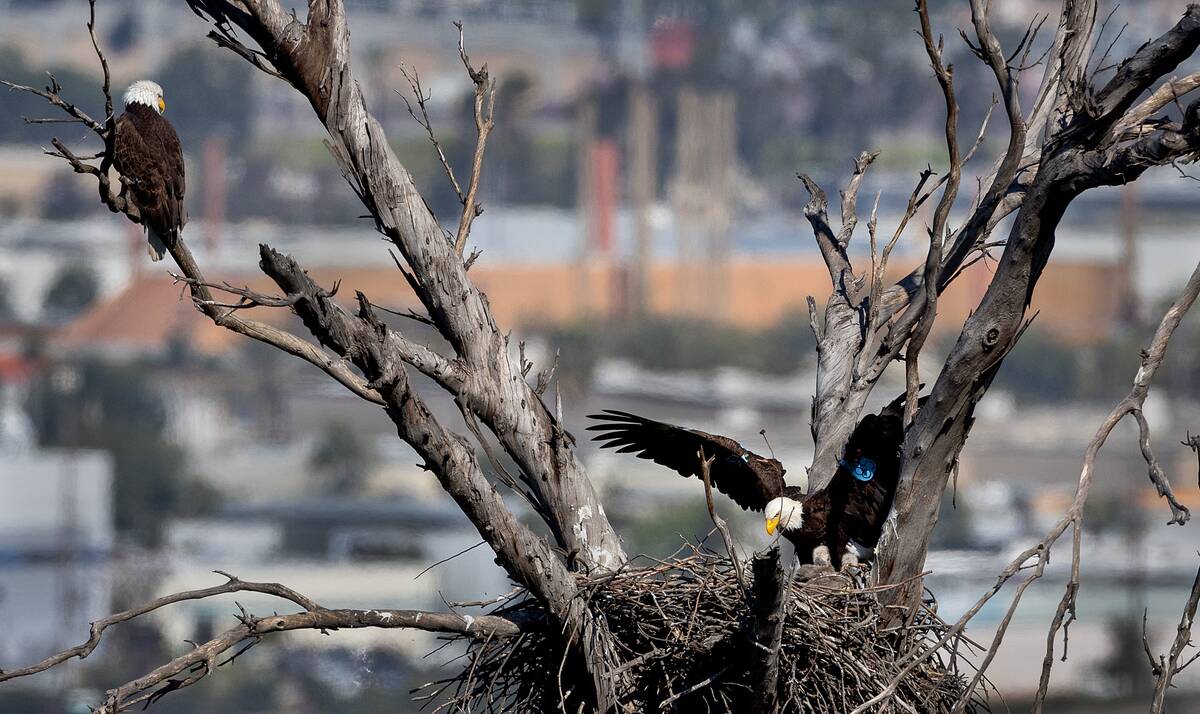
Bald eagles are known for their majestic appearance and strong familial bonds. These birds often form lifelong monogamous pairings, working together to build large nests, called eyries, which they return to annually.
Both parents share responsibilities, with the female primarily incubating the eggs while the male provides food. This partnership extends to raising their young, ensuring the eaglets are well-fed and protected until they are ready to soar on their own.
Prairie Dogs: Underground Communities of Cooperation
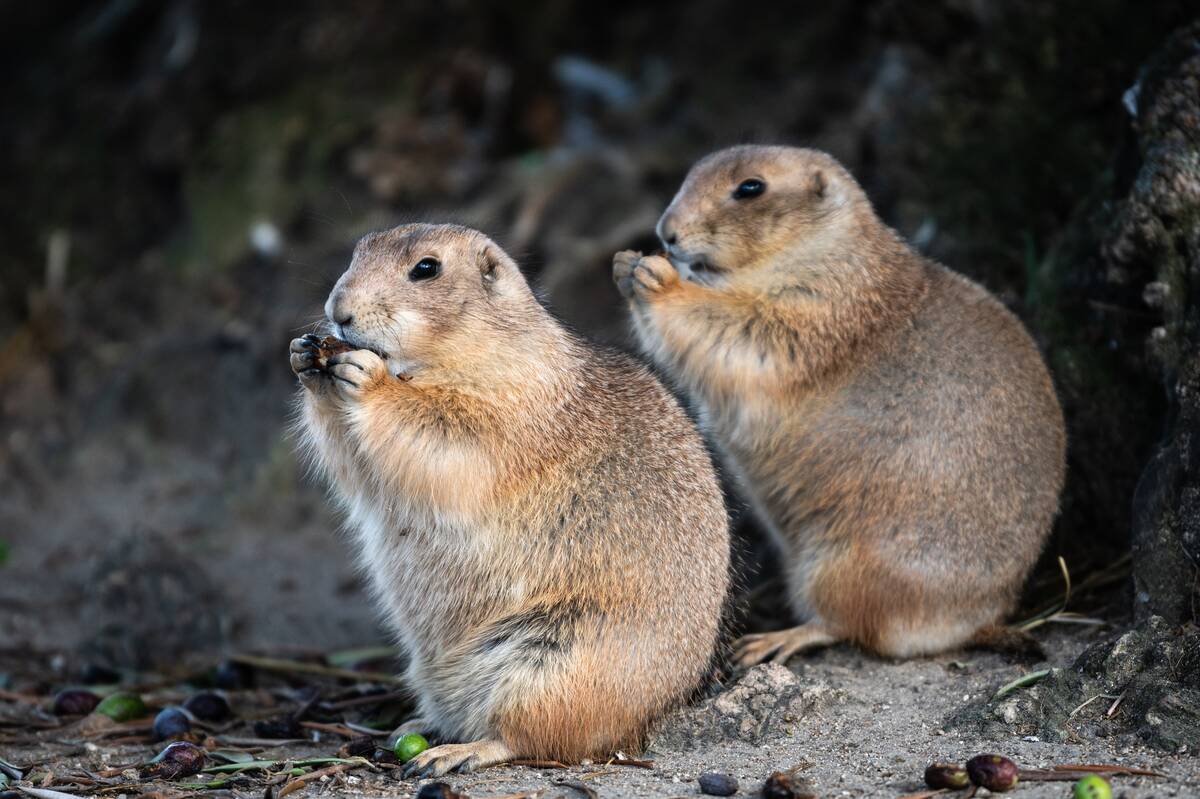
Prairie dogs are not just adorable burrowers; they are highly social animals living in complex underground colonies. These colonies, known as towns, are made up of family groups that cooperate to maintain their homes and watch out for predators.
Communication is key, with prairie dogs using a range of vocalizations to alert each other to dangers. This cooperative living arrangement not only ensures the safety of the group but also fosters a sense of community.
Meerkats: Standing Tall with Their Extended Families
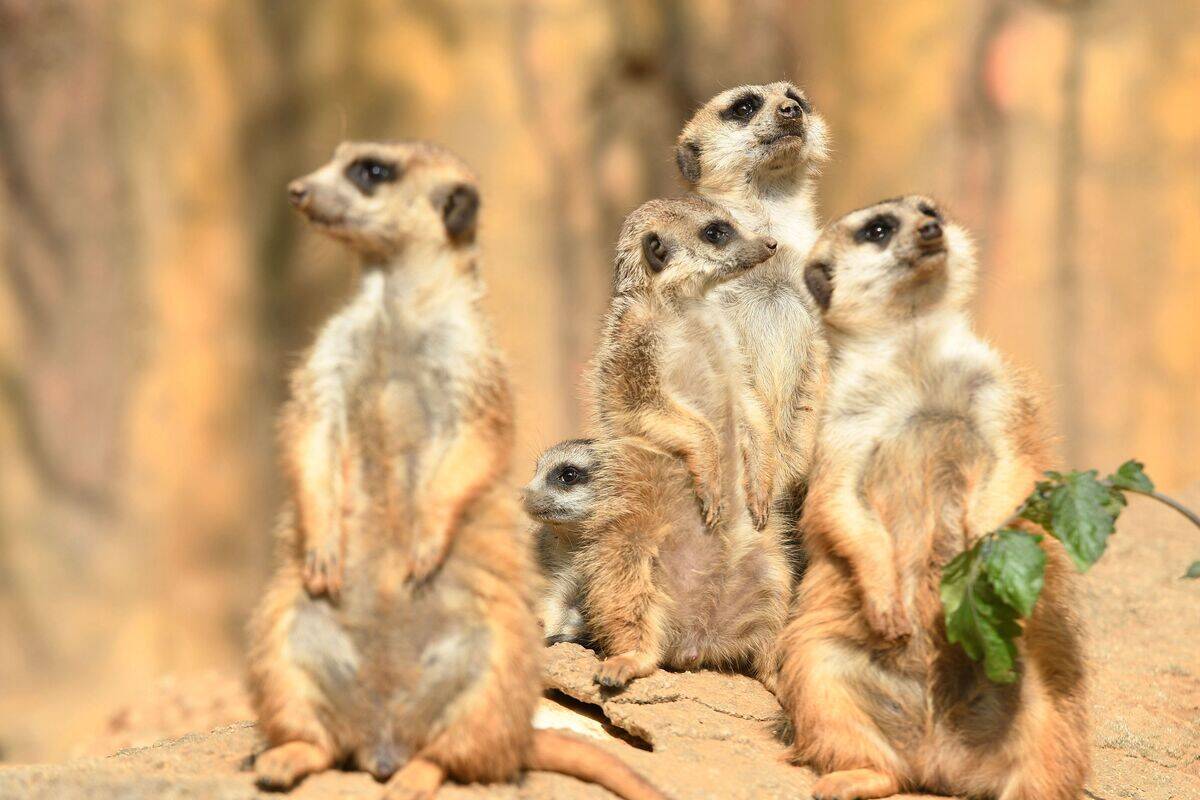
Meerkats are well-known for their vigilant stance and strong family ties. Living in groups called mobs or clans, meerkats work together to forage for food and protect each other from predators. A unique aspect of meerkat society is their babysitting behavior, where non-breeding members help care for the young.
This extended family structure ensures that each member plays a role in the survival and prosperity of the group, making them a model of cooperation.
Albatrosses: Long-Distance Flyers with Lasting Bonds
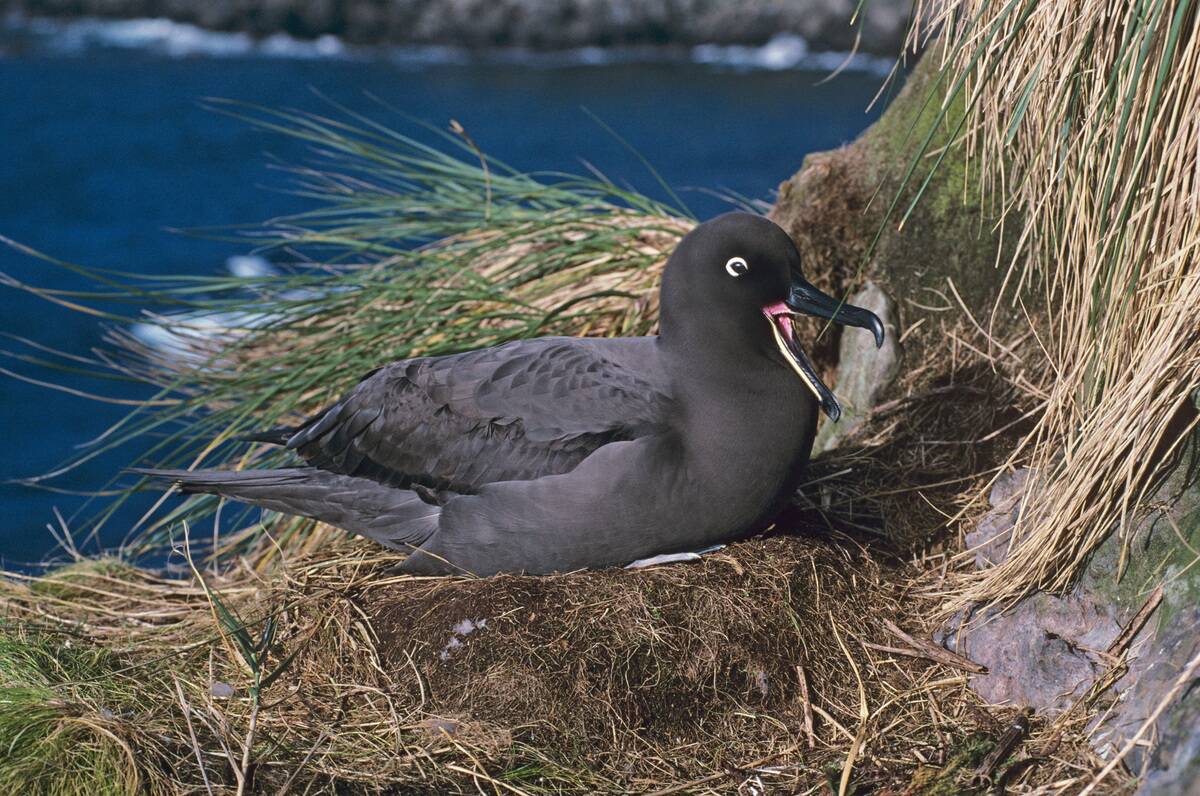
Albatrosses are renowned for their long-distance flights and enduring pair bonds. These seabirds often form monogamous partnerships that last for life, demonstrated through elaborate courtship dances. Both parents are involved in raising their chick, taking turns foraging over vast ocean distances.
The commitment of albatrosses to their partners and offspring showcases the significance of stable family units, even amidst the vast and challenging oceanic environment they call home.
Termites: Complex Societies with Strong Family Connections
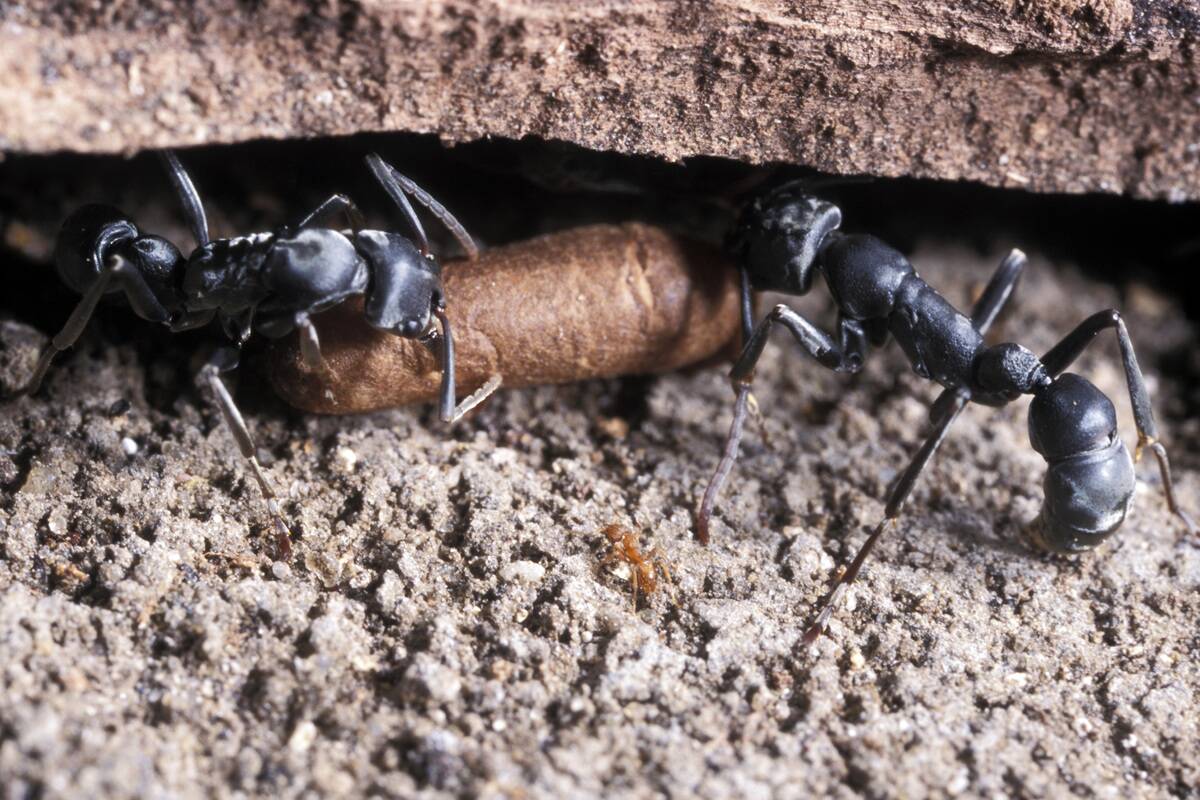
Termites might not be everyone’s favorite insects, but their sophisticated family structures are truly impressive. Living in large colonies, termites organize themselves into a caste system, with each member playing a specific role.
The queen and king form the reproductive core, while workers and soldiers maintain the colony and protect it from threats. This division of labor and cooperation ensures the survival and efficiency of the colony, highlighting the strength of their social bonds.
Bonobos: Peaceful Primates with Close Family Ties
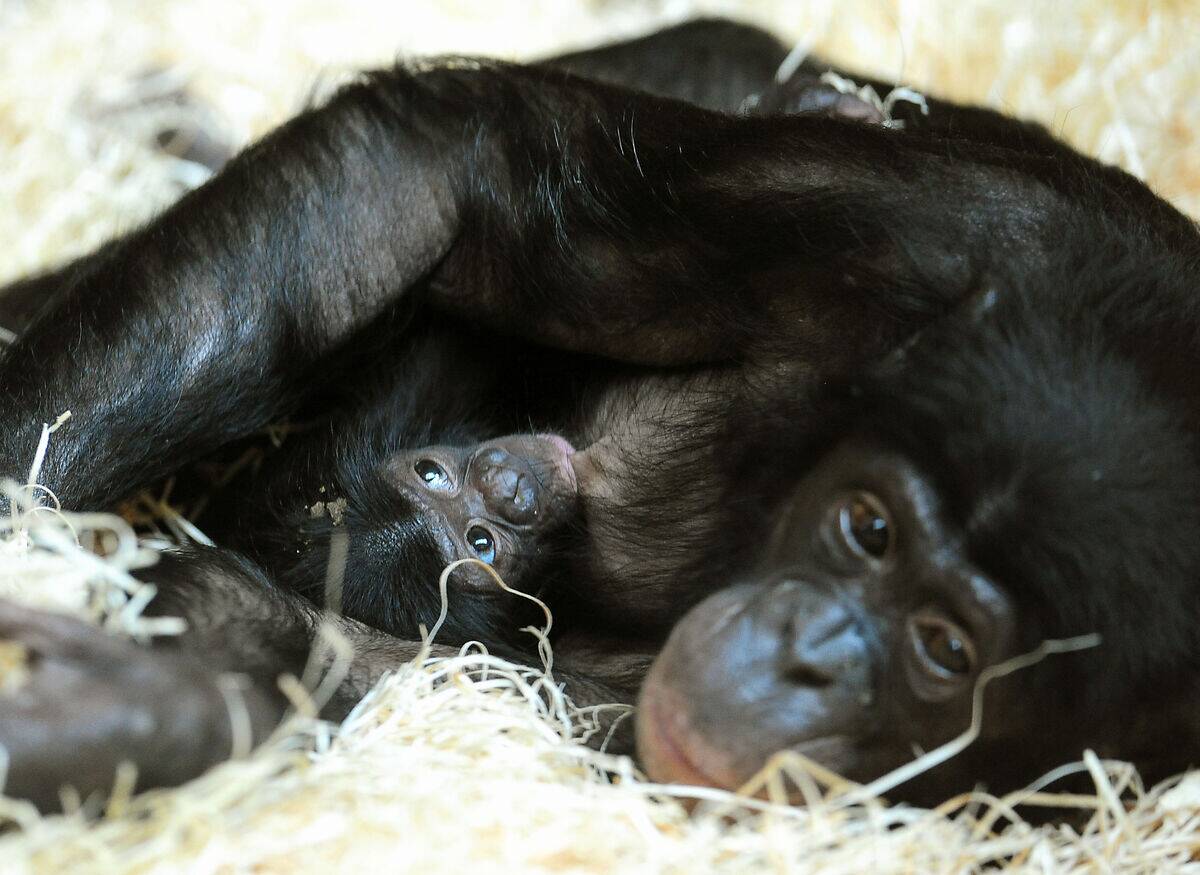
Bonobos, our close primate relatives, are known for their peaceful nature and strong family connections. These primates live in communities where females lead and social bonds are reinforced through grooming and play.
Unlike their more aggressive relatives, bonobos resolve conflicts through social interactions rather than aggression. Their harmonious way of living underscores the importance of cooperation and empathy, providing insights into the dynamics of family and community in the animal kingdom.
Red Foxes: Adaptable Animals with Family at Heart
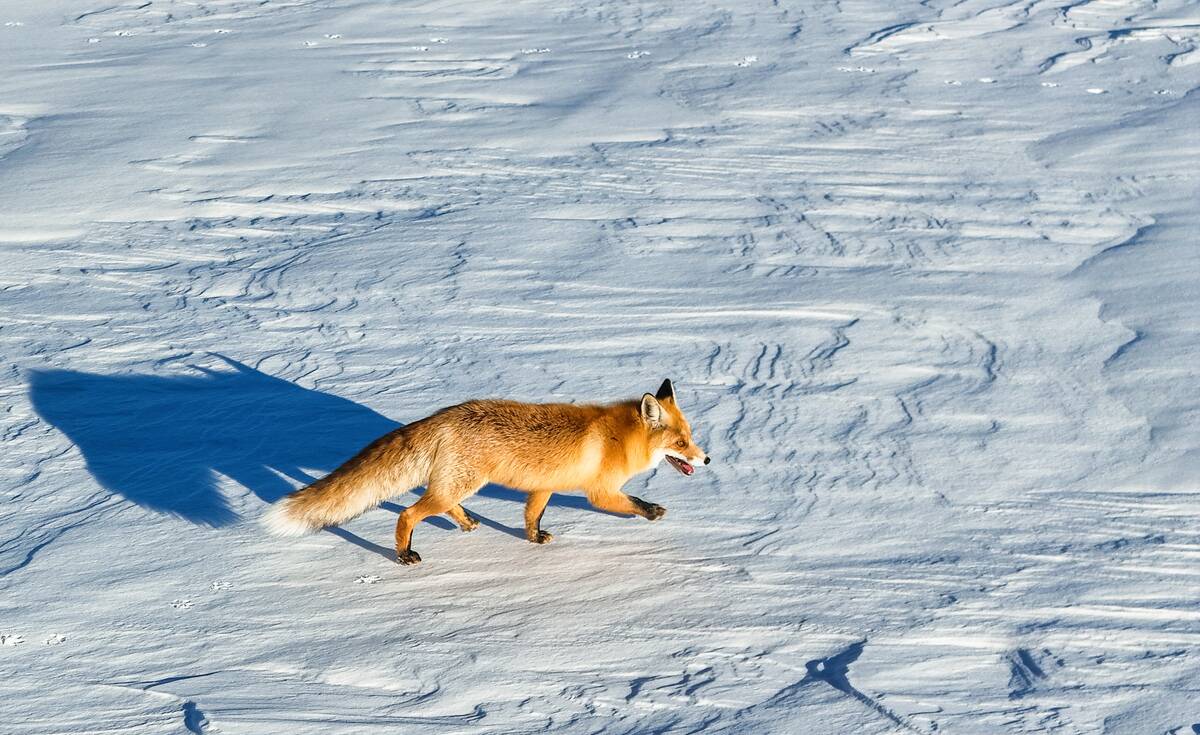
Red foxes are highly adaptable creatures, thriving in diverse environments, from forests to urban areas. At the core of their adaptability is their strong family structure. A typical red fox family, or skulk, consists of a mated pair and their young, with older siblings often helping to care for the new litter.
This cooperative family dynamic allows red foxes to effectively navigate and survive in varying conditions, showcasing the importance of family bonds in their success.
Baboons: Trooping Through Life with Family Support
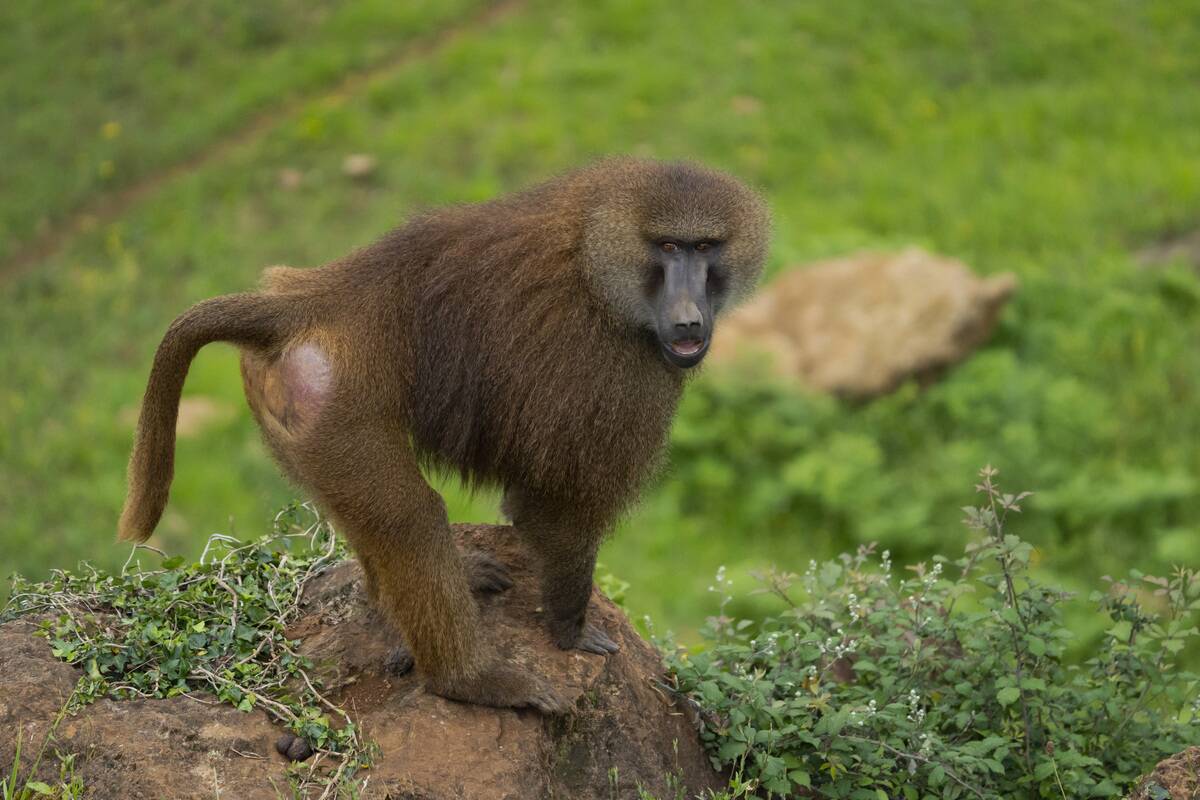
Baboons are social primates that live in large groups known as troops. These troops are complex social structures, with relationships forming the backbone of their society. Family ties are strong, with baboons grooming and supporting each other to maintain social harmony.
The protection and learning provided by the troop ensure that young baboons grow up with the skills needed to thrive. This familial support system highlights the critical role of social bonds in their daily lives.