Creatures that survive without sunlight

Trending Now
Welcome to the enigmatic realm where sunlight never reaches, and creatures have evolved in the most fascinating ways. This mysterious world is home to an array of species that have adapted to life without light, revealing nature’s incredible ingenuity.
From the pitch-black depths of the ocean to the shadowy crevices of caves, these organisms thrive in conditions that would baffle most life forms. Let’s embark on a journey to explore these remarkable adaptations and the creatures that exemplify them.
What Lies Beneath: The Realm of the Deep Sea
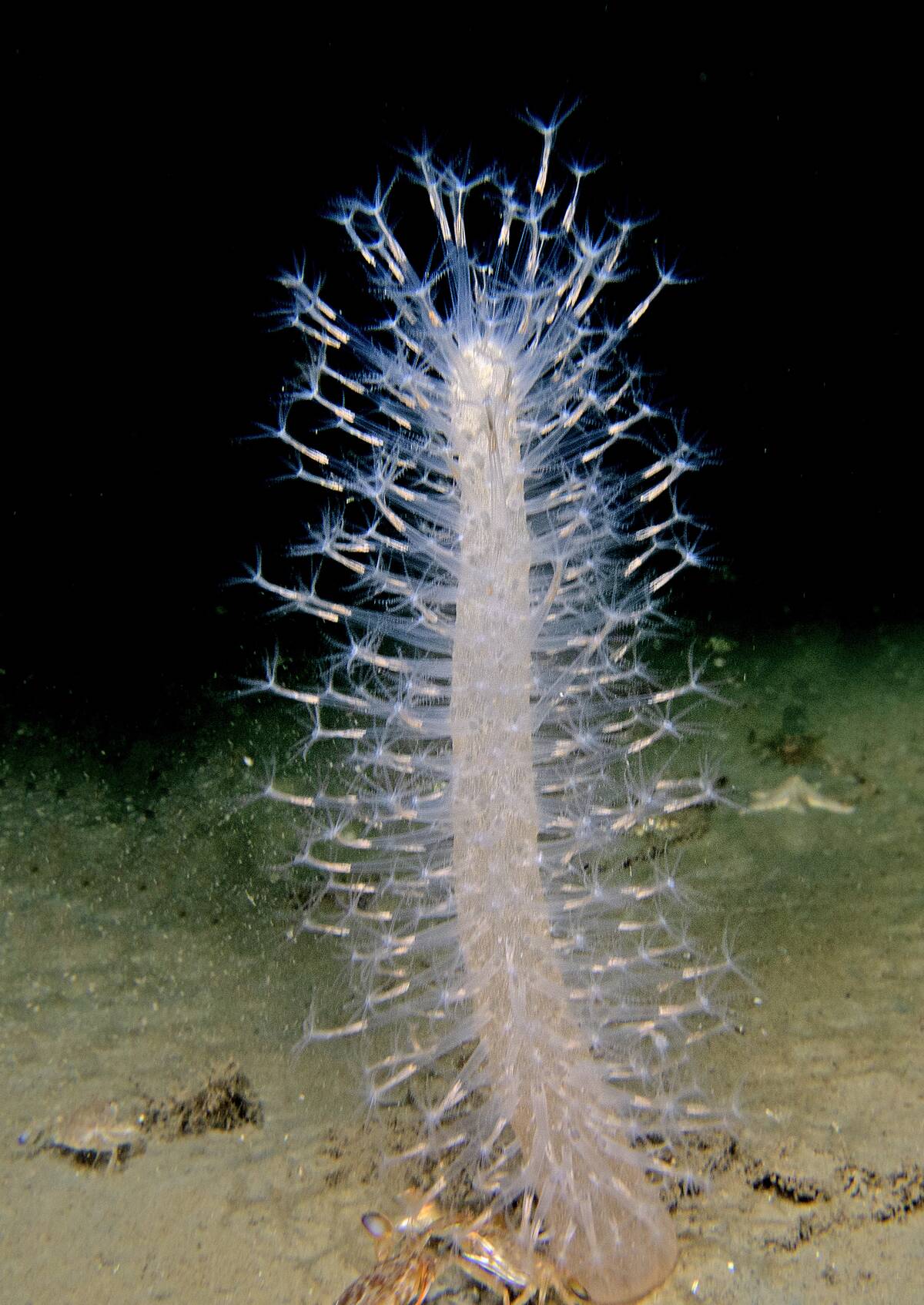
The deep sea is a vast and largely unexplored frontier, covering around 40% of the Earth’s surface. With pressures so intense they can crush submarines, and temperatures near freezing, these waters are a realm of extremes.
Yet, life flourishes here, with organisms uniquely adapted to survive. For instance, the deep-sea anglerfish uses a bioluminescent lure to attract prey in the darkness. These adaptations highlight the resilience of life even in the harshest environments.
The Enigmatic Blind Fish: Masters of the Dark Waters
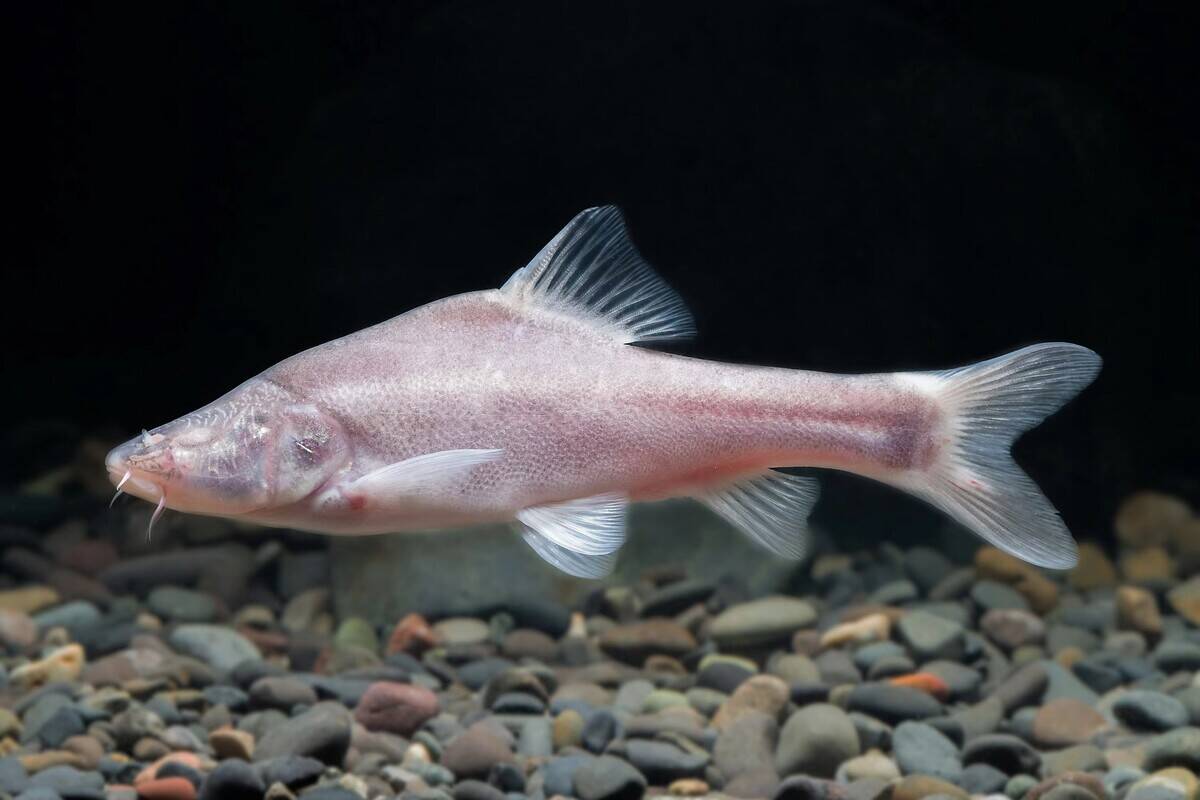
Blind fish, like the Mexican tetra, have adapted to complete darkness by losing their eyesight entirely, relying instead on heightened senses of smell and touch. These fish often inhabit caves, where light is nonexistent.
Their skin is often translucent, and they have evolved to conserve energy by reducing unnecessary bodily functions. It’s a testament to the power of evolution, showcasing how life can thrive without one of the senses so crucial to many other species.
Glowing Wonders: Bioluminescent Creatures of the Abyss
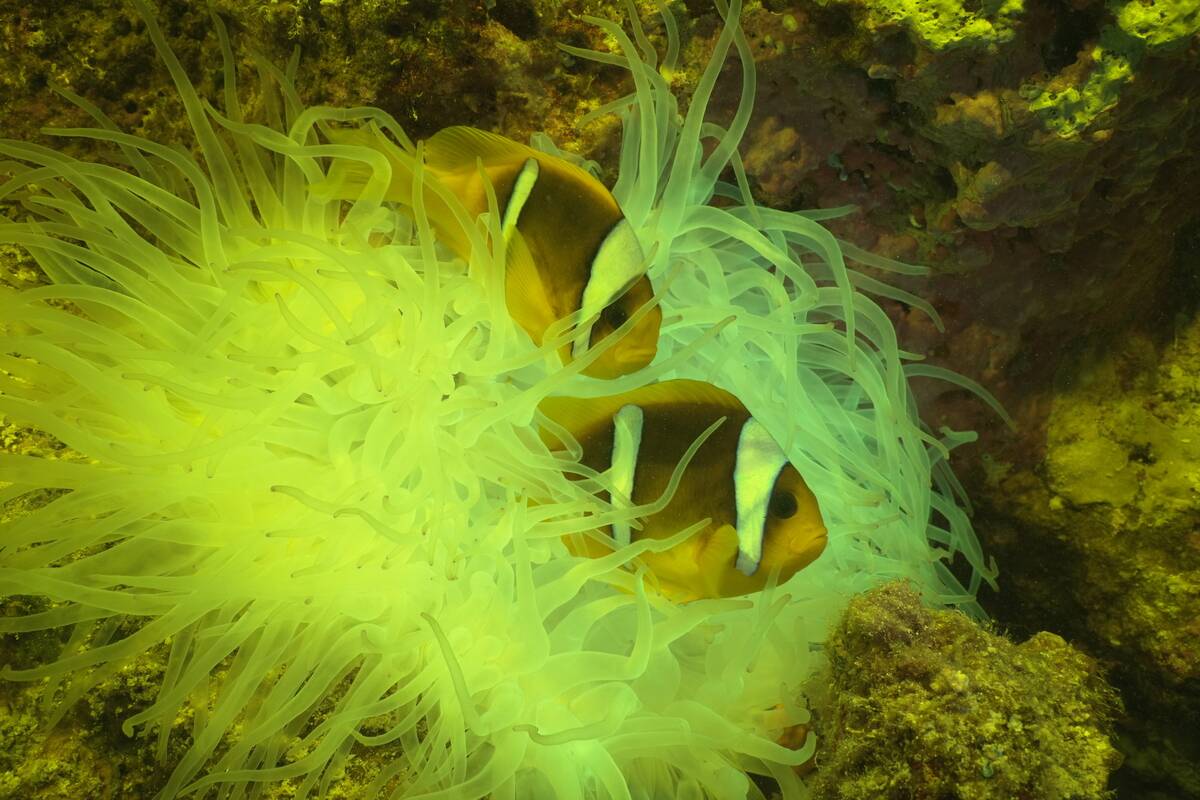
Bioluminescence is a breathtaking adaptation that many deep-sea creatures possess, serving purposes from attracting mates to deterring predators. The anglerfish, for instance, uses its glowing lure to attract both prey and potential partners in the abyss.
Another example is the jellyfish, which can emit a radiant glow to startle predators or communicate with others. These glowing wonders illustrate how light can manifest even in the darkest places on Earth.
The Resilient Tube Worms: Surviving on Hydrothermal Vents
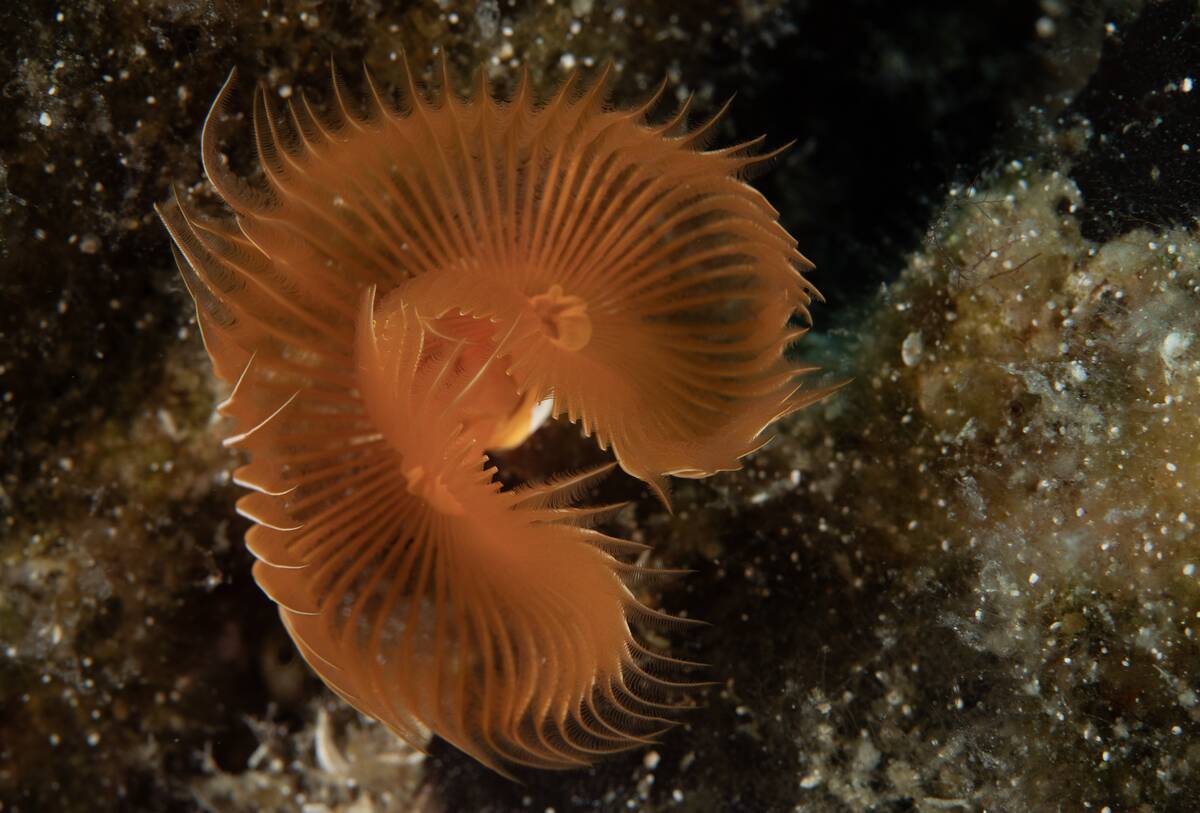
Tube worms are an extraordinary example of life flourishing in extreme environments. Found near hydrothermal vents on the ocean floor, these worms can withstand toxic chemicals and extreme heat.
Lacking a digestive system, they rely on symbiotic bacteria to convert vent chemicals into organic molecules, a process known as chemosynthesis. This unique adaptation allows them to thrive in one of the most inhospitable habitats on Earth, highlighting the incredible versatility of life.
Cave Dwellers: The Secretive Life of Troglobites
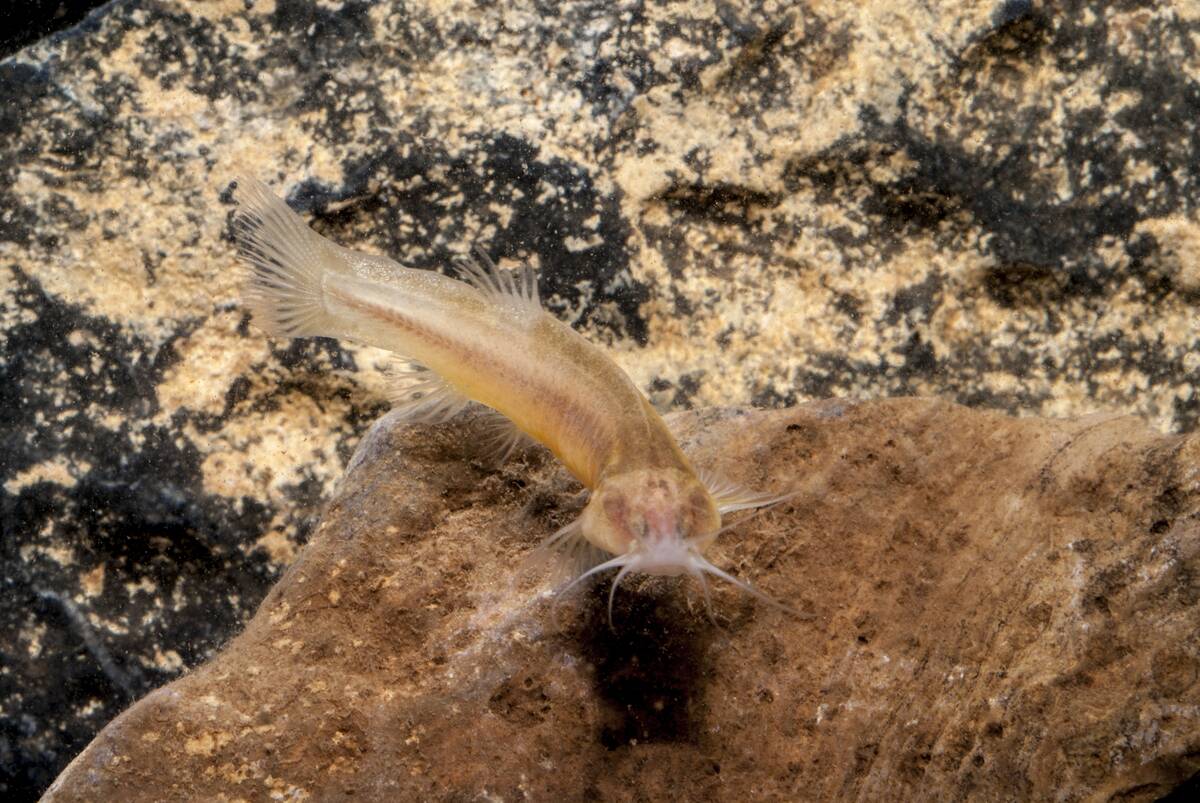
Troglobites are creatures that have adapted to live exclusively in caves, such as the blind cavefish and cave crickets. With no need for eyesight, many have lost their vision entirely, developing other enhanced senses to navigate their dark habitats.
These creatures often exhibit pale or translucent skin, an adaptation to the absence of light. Their existence underscores the diverse strategies life employs to adapt to the unique challenges of subterranean environments.
The Resourceful Bacteria: Champions of Chemosynthesis
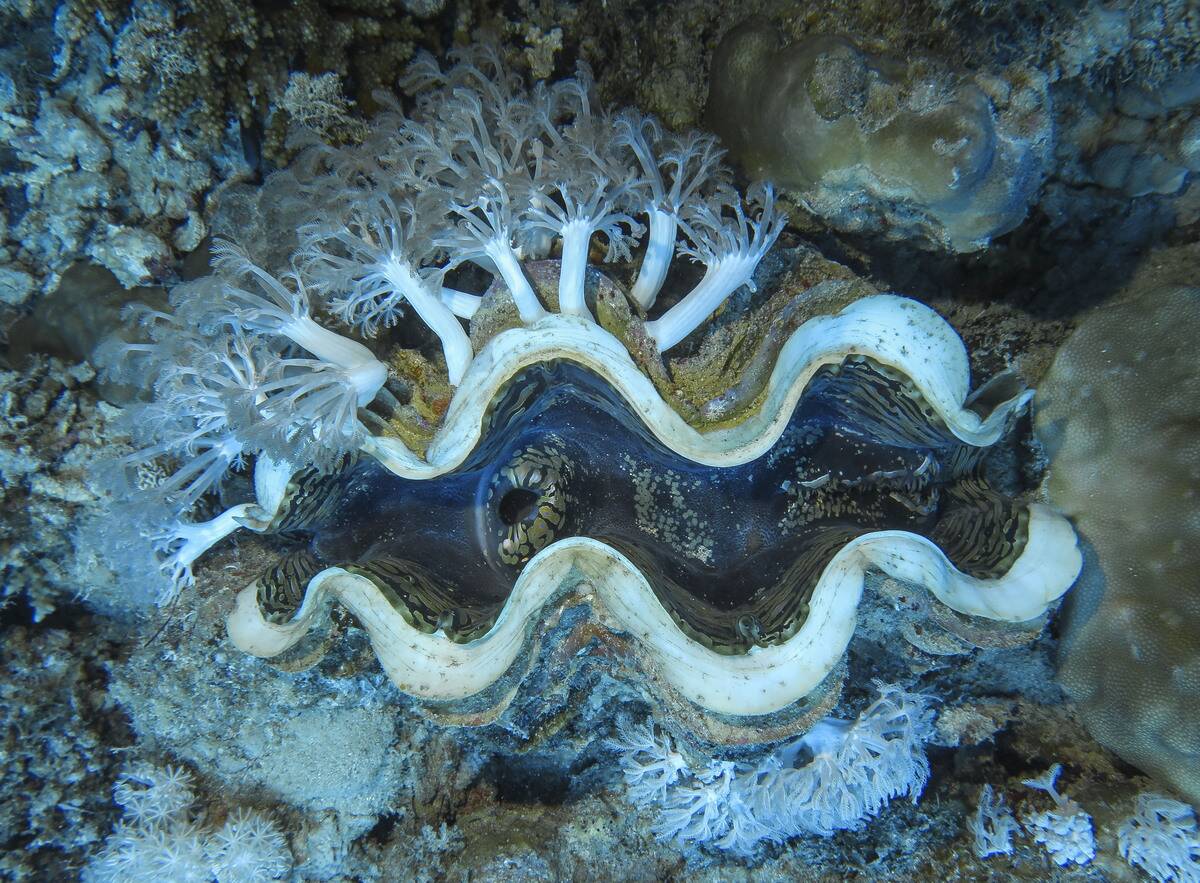
In the absence of sunlight, some bacteria have mastered the art of chemosynthesis, using chemical reactions to produce energy. Found near hydrothermal vents and cold seeps, these bacteria form the foundation of unique ecosystems.
By converting sulfur and other chemicals into organic matter, they support a diverse range of organisms, from giant tube worms to clams. This process showcases the adaptability of life and the varied strategies organisms use to harness energy.
Spelunker’s Surprise: The Cavefish That Thrive in Darkness

Certain species of cavefish, like the Amblyopsidae, have honed their other senses to navigate in complete darkness. These fish rely on a keen sense of touch and smell to find food and avoid obstacles.
With reduced or absent eyes, they conserve energy that would otherwise be used for vision. This fascinating adaptation allows them to thrive in environments where light has never penetrated, illustrating the diverse ways life can adapt to extreme conditions.
The Invisible Shrimp: Adapting to Life in the Depths
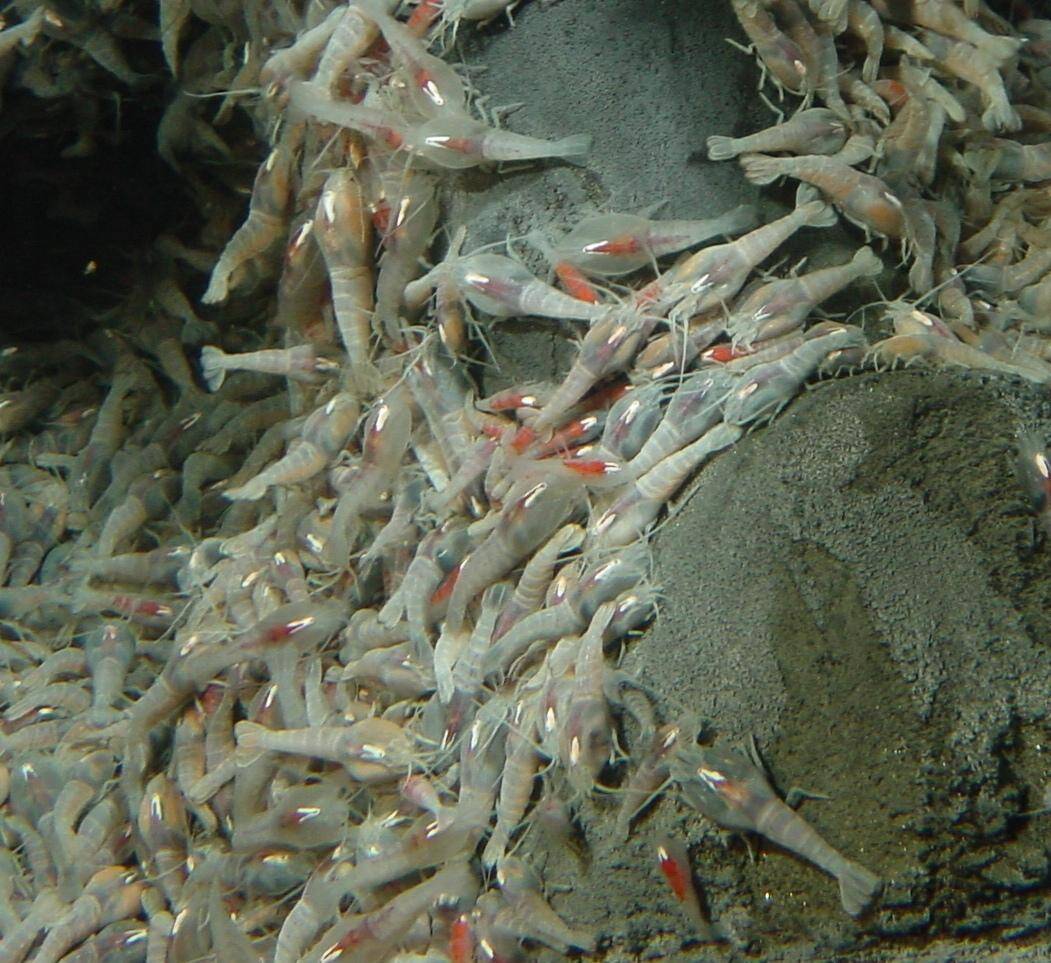
Deep-sea shrimp, such as Rimicaris exoculata, have developed unique adaptations to survive in the dark depths of the ocean. This species has specialized light-sensing organs instead of eyes, allowing it to detect faint traces of bioluminescence and hydrothermal vent light.
Other deep-sea shrimp species have evolved to be transparent, making them nearly invisible to predators. These adaptations are a testament to the innovative solutions life has devised to thrive in environments devoid of sunlight.
The Ghostly Crustaceans: Pale Perfection in Subterranean Waters
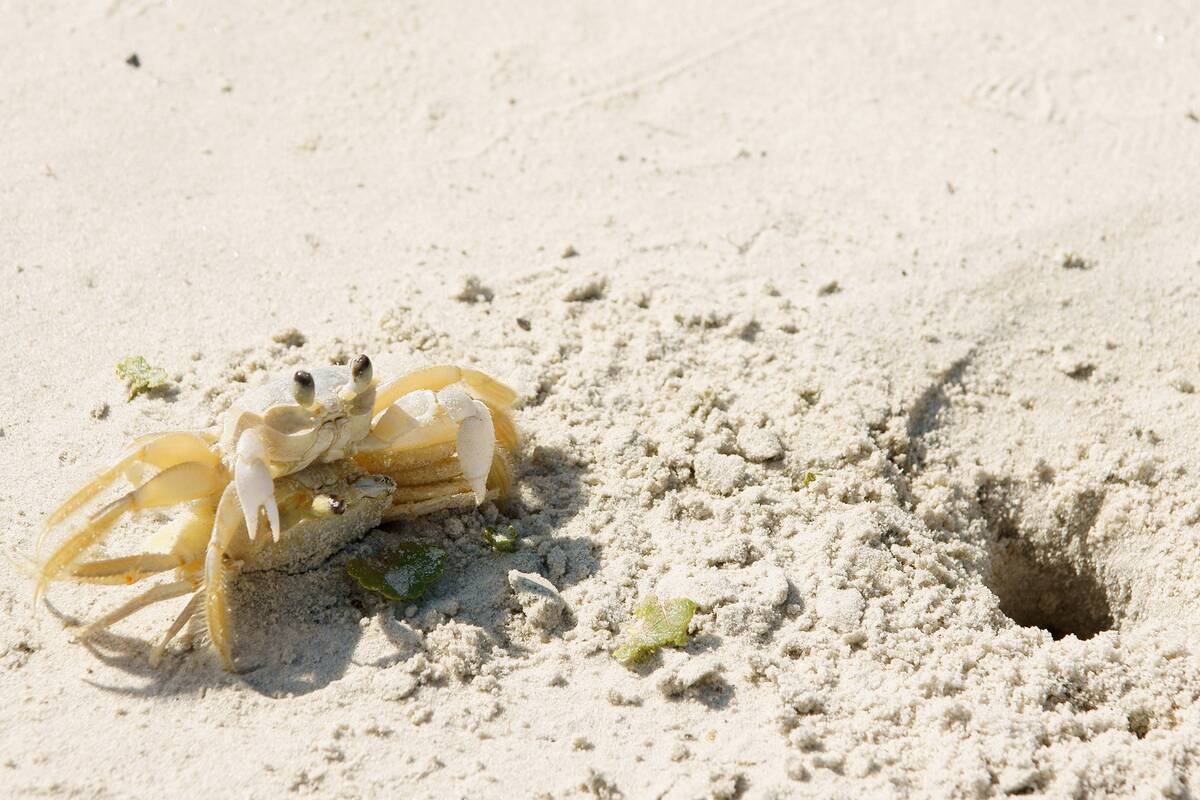
Ghostly white crustaceans, like the subterranean amphipods, are perfectly adapted to life in dark, underwater caves. Their lack of pigmentation is a result of living in environments where camouflage is unnecessary.
Instead, they’ve developed highly sensitive antennae and other sensory organs to navigate their murky world. This pale perfection demonstrates the fascinating ways in which life can evolve to meet the challenges of its surroundings, even in perpetual darkness.
Deep Sea Giants: The Mysterious Colossal Squid
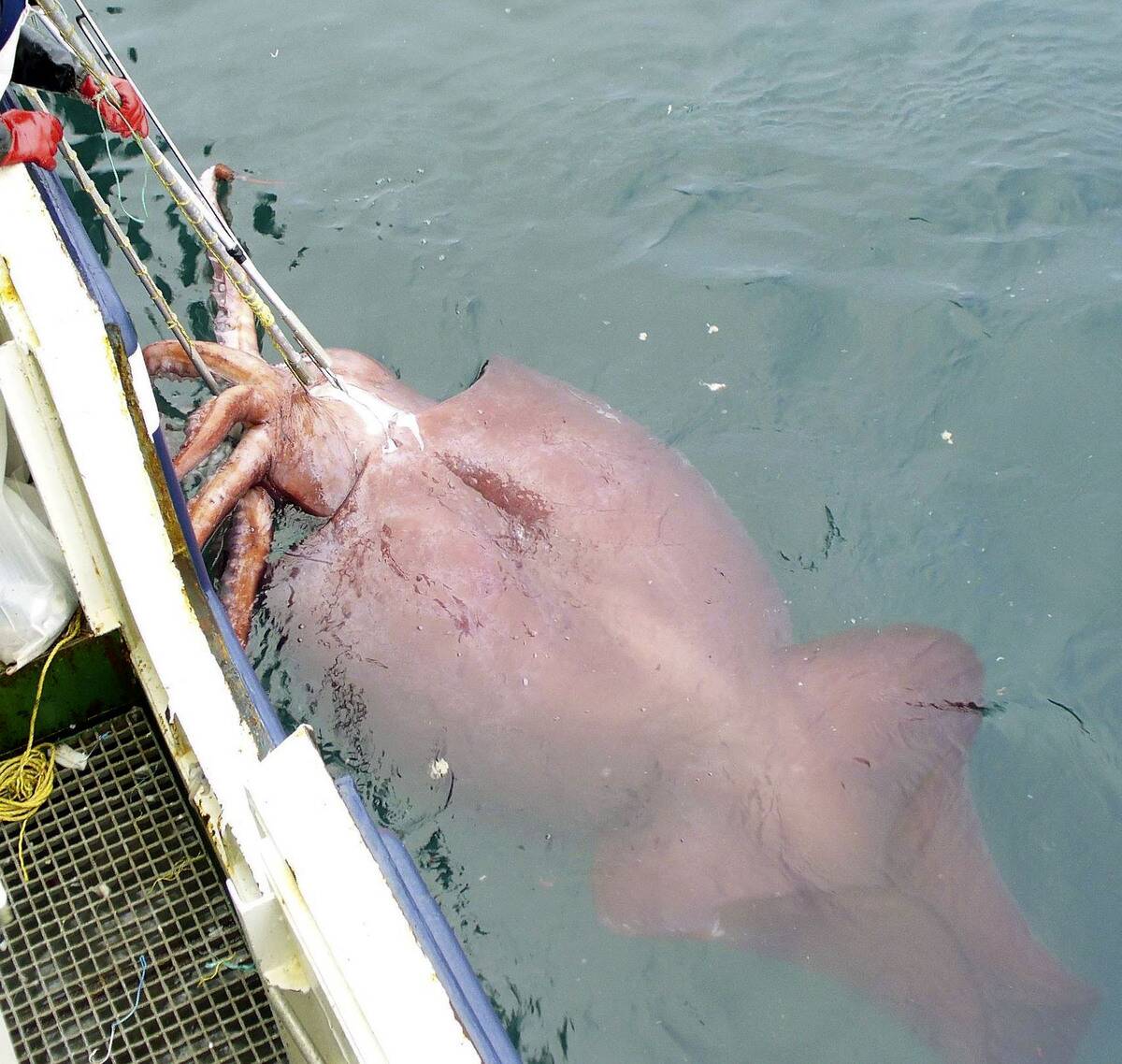
The colossal squid is one of the ocean’s most elusive inhabitants, reaching lengths of up to 14 meters. Unlike many deep-sea creatures, it possesses large eyes to detect the faintest glimmers of light in the dark depths.
Its massive size and mysterious nature have made it a subject of fascination and speculation. Only a handful of specimens have been studied, leaving much to discover about these enigmatic giants of the deep.
The Ancient Bristle Worms: Thriving in the Deep Ocean Trenches
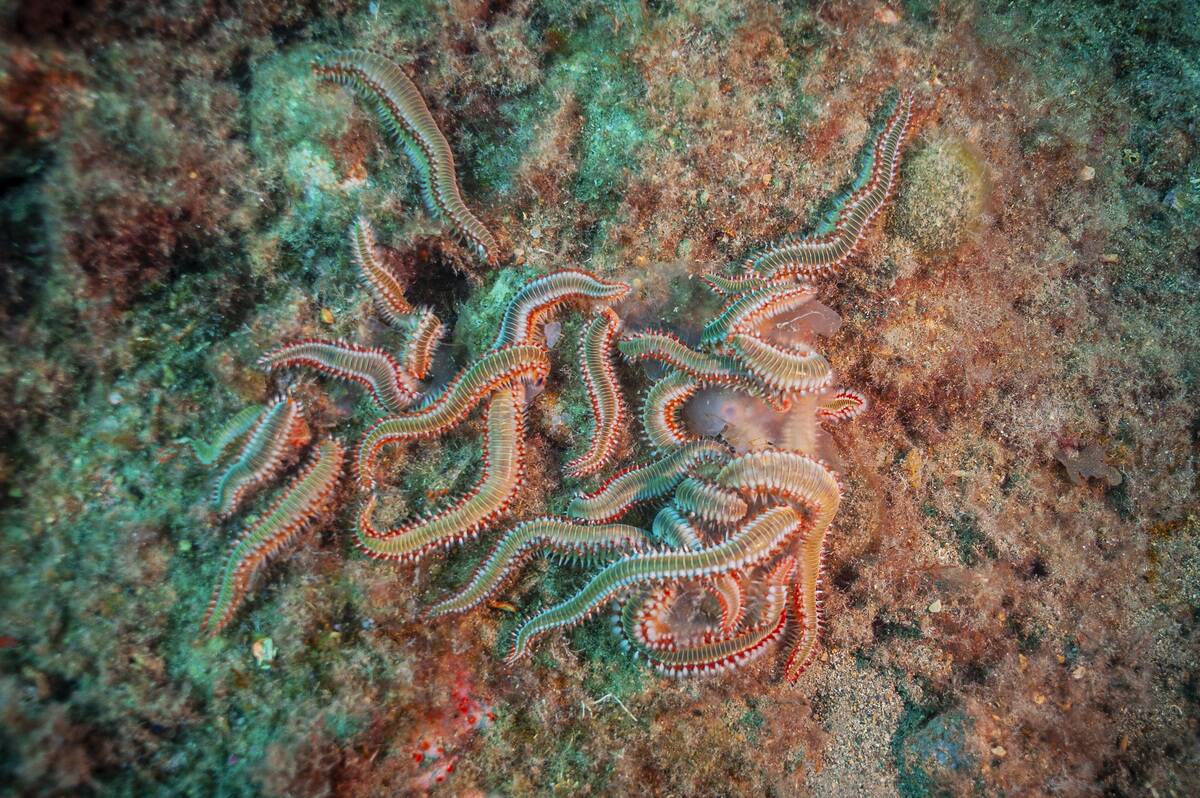
Bristle worms, like the Alvinella pompejana, inhabit the extreme environments of deep-sea hydrothermal vents. These ancient creatures have evolved to withstand high temperatures and toxic chemicals, thriving where few others can.
Their segmented bodies and bristly appendages help them navigate and anchor themselves in turbulent waters. This resilience is a testament to the enduring adaptability of life, capable of surviving in some of the most challenging conditions on Earth.
Vampire Squid: The Delicate Balance of Life Without Light
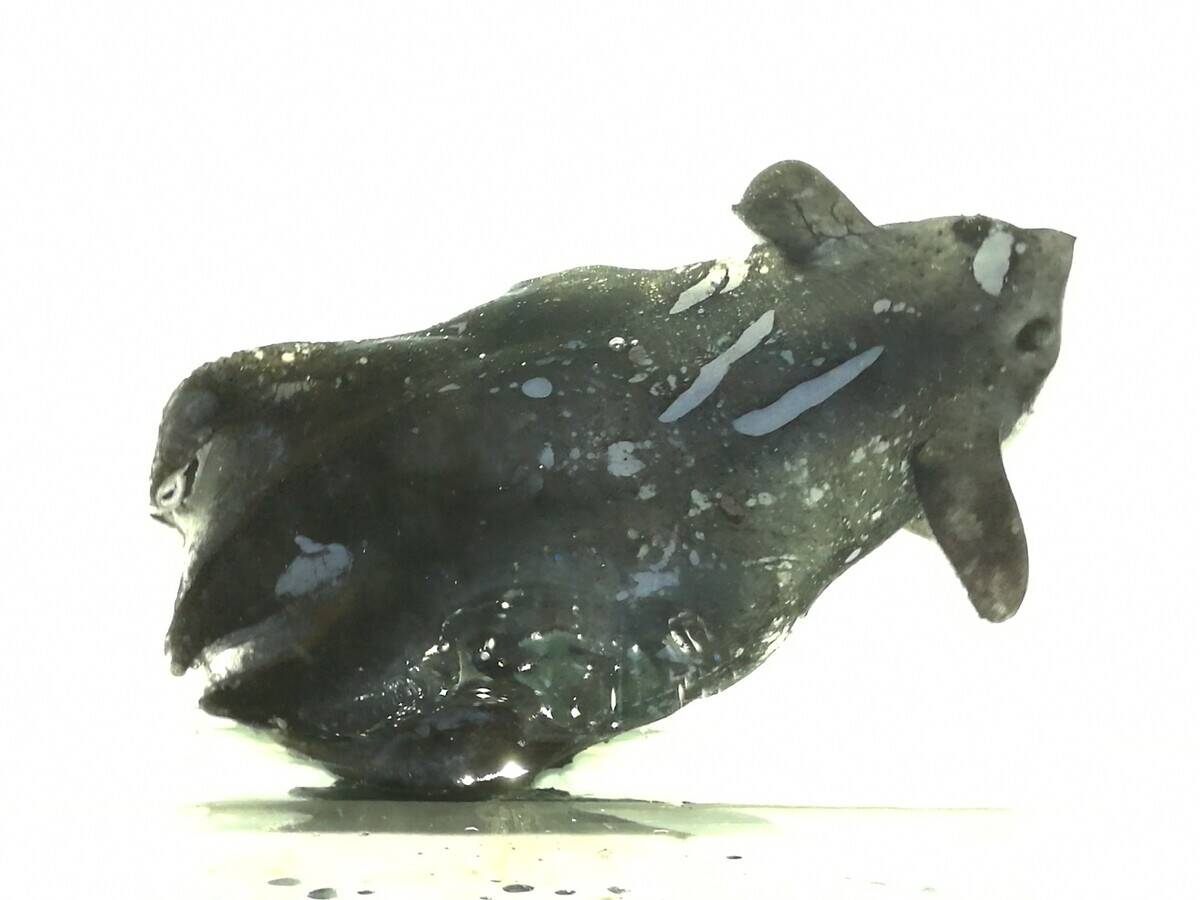
The vampire squid, with its cloak-like webbing and eerie appearance, is a master of survival in the deep sea. Contrary to its name, it doesn’t feed on blood but rather collects marine snow—organic debris that drifts down from above.
It can invert its cape-like arms to protect itself from predators, a unique adaptation for survival. This delicate balance of life without light underscores the diverse strategies employed by deep-sea organisms to thrive in darkness.
The Elusive Dumbo Octopus: Cute and Clever in the Dark
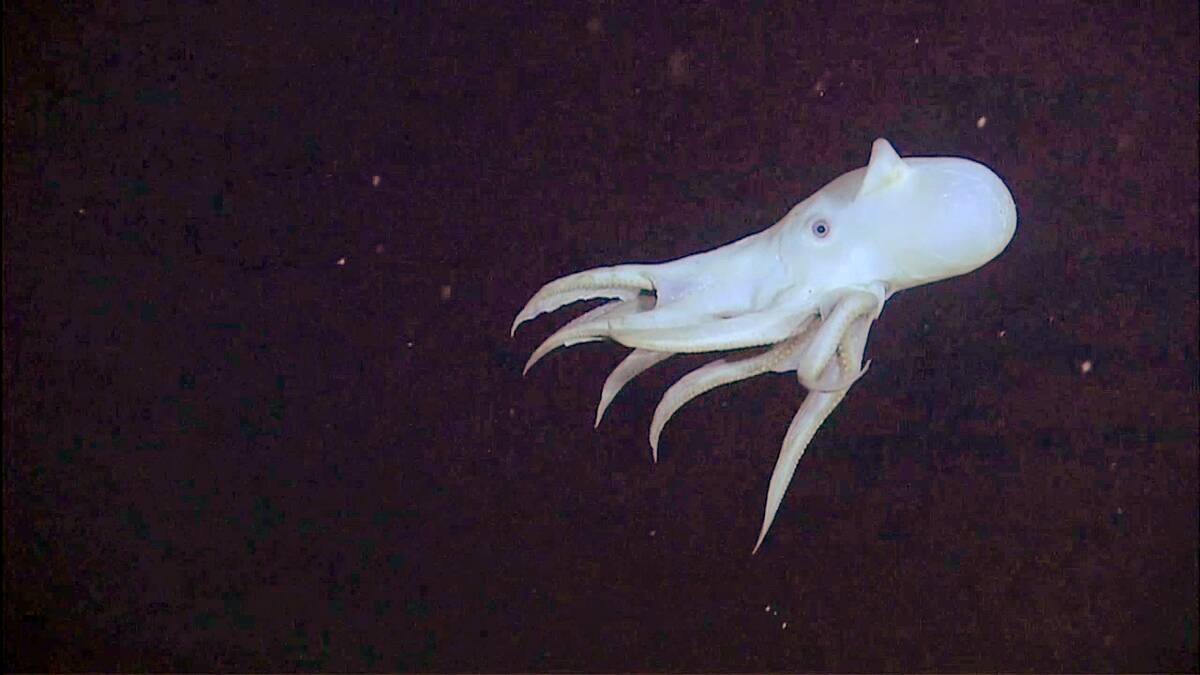
The dumbo octopus, named for its ear-like fins, is as adorable as it is elusive. Found at depths of up to 7,000 meters, it has adapted to life in the dark with a gelatinous body that withstands high pressures.
Using a method known as fin propulsion, it glides gracefully through the water. Its charming appearance and clever adaptations make it a favorite among deep-sea explorers and a symbol of the wonders that lie beneath the waves.