Why time passes differently depending on speed

Trending Now
Time is a concept that governs our daily lives, yet it remains one of the most puzzling phenomena in the universe. From the ticking of a clock to the orbit of planets, we perceive time as a constant flow.
But is it really that simple? Scientists and philosophers have long debated the nature of time, delving into its mysteries and attempting to unravel its secrets. With advancements in technology and physics, our understanding of time continues to evolve, opening doors to new possibilities and questions.
The Science Behind Time Dilation Explained Simply
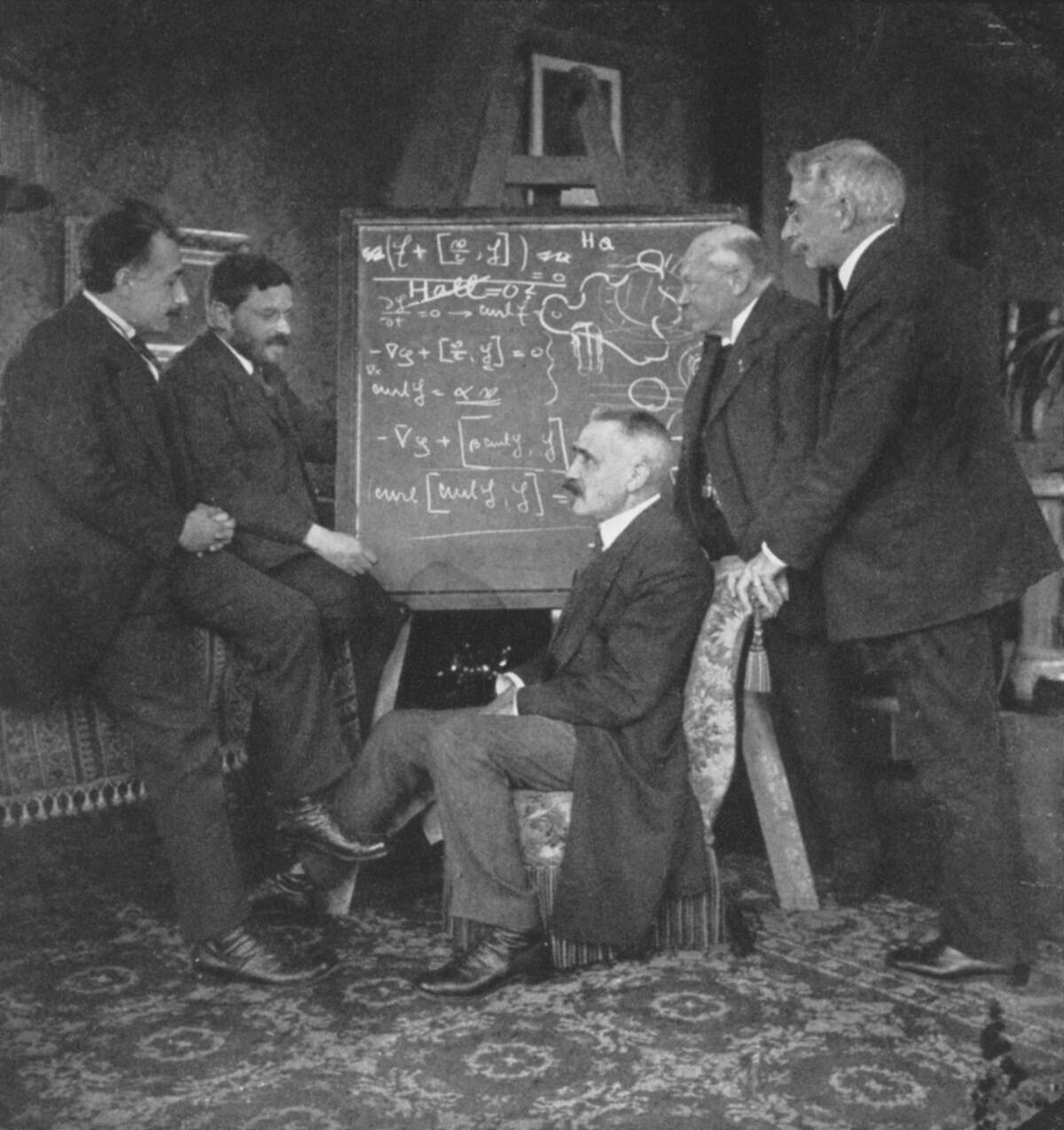
Time dilation is a mind-bending concept that arises from Einstein’s theory of relativity. In simple terms, it suggests that time can slow down or speed up depending on factors like speed and gravity. Imagine two clocks: one on Earth and the other on a fast-moving spaceship.
The clock on the spaceship would tick slower compared to the one on Earth. This phenomenon has been confirmed by experiments using highly accurate atomic clocks.
Einstein’s Theory of Relativity: A Quick Overview
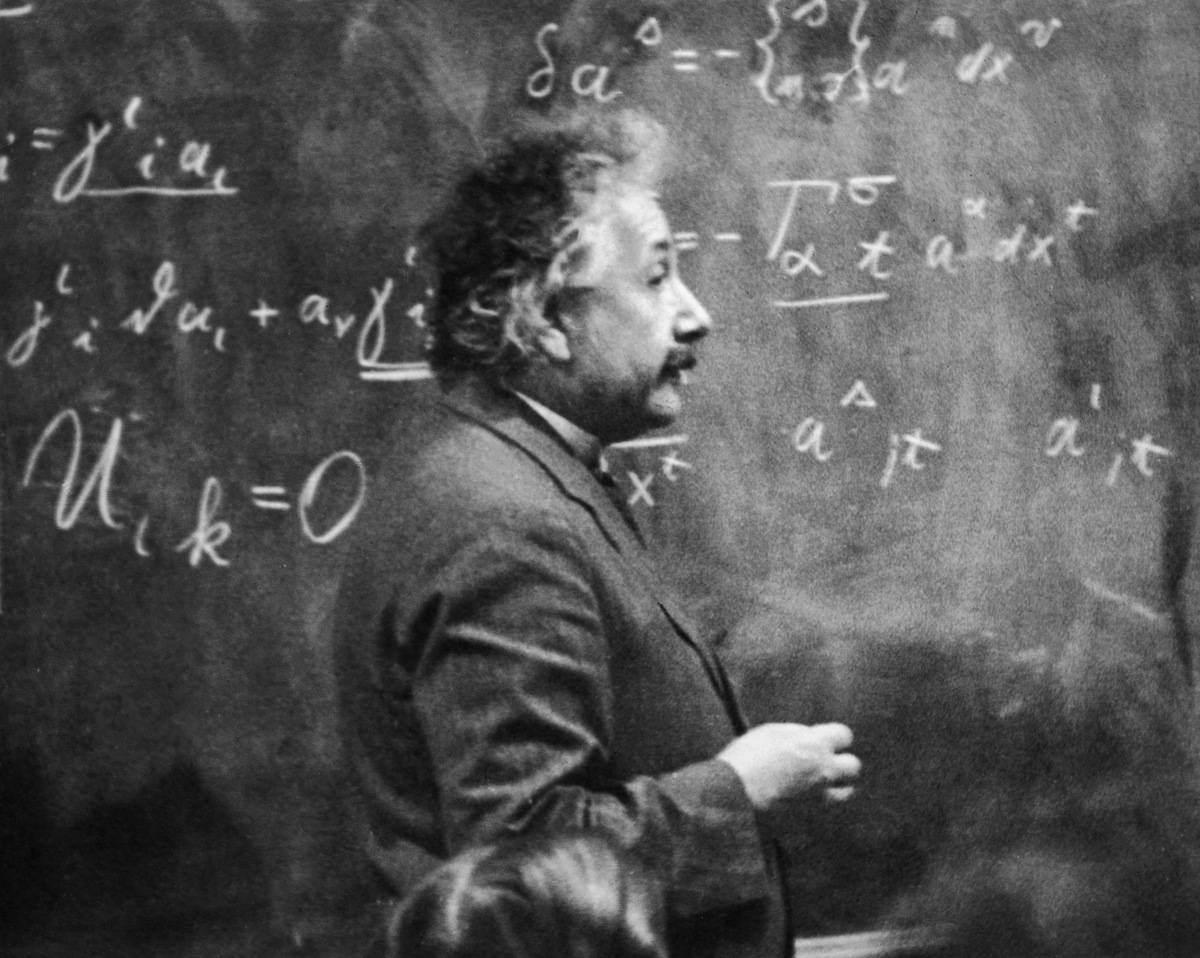
Albert Einstein’s theory of relativity revolutionized our understanding of time and space. The theory is divided into two parts: special relativity and general relativity. Special relativity introduced the idea that the laws of physics are the same for all non-accelerating observers, and it brought us the famous equation E=mc².
General relativity further expanded these ideas, describing how massive objects like planets warp space-time, affecting the passage of time itself.
How Speed Affects Time: The Basics
Speed plays a crucial role in how we experience time. According to relativity, as an object approaches the speed of light, time for that object slows down relative to a stationary observer.
This isn’t just sci-fi; astronauts traveling at high speeds in space experience marginal time dilation compared to people on Earth. While the effects are minuscule at typical speeds, they become significant at velocities approaching the speed of light.
Time Travel in Movies vs. Real Life Physics

Time travel has been a staple of science fiction for decades, capturing our imaginations with stories of paradoxes and alternate realities. In movies, characters often hop effortlessly through time, but real-life physics paints a different picture.
While time dilation suggests some form of “travel” to the future is possible, the concept of traveling back in time remains purely theoretical, with numerous paradoxes and unanswered questions.
Famous Experiments Demonstrating Time Dilation
One of the most famous experiments demonstrating time dilation is the Hafele-Keating experiment conducted in 1971. Scientists flew atomic clocks on commercial airliners around the world and compared them to stationary clocks on the ground. The results showed that the airborne clocks experienced different amounts of time depending on their direction of travel.
Some clocks lost time and others gained time relative to ground-based clocks, in agreement with the predictions of special and general relativity. This experiment provided concrete evidence that time dilation isn’t just a theoretical concept but a measurable reality.
Time Dilation in Our Everyday Lives: Is it Possible?
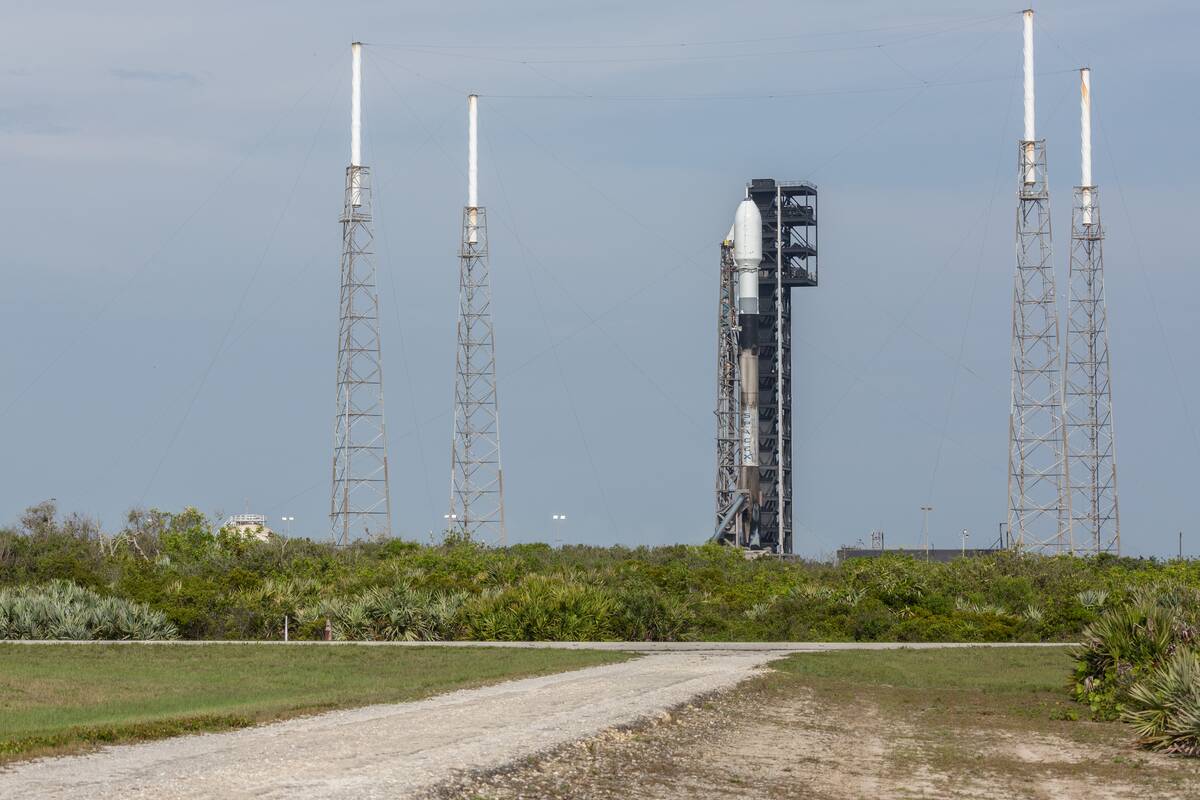
While time dilation might seem like a distant concept, it actually impacts our daily lives more than we realize. GPS satellites orbiting the Earth experience time at a slightly different rate due to their speed and altitude.
Engineers account for this time difference to ensure our navigation systems provide accurate data. Without this correction, GPS would quickly become unreliable, showcasing how time dilation plays a practical role in modern technology.
The Cosmic Scale: Time and Speed in Space Exploration
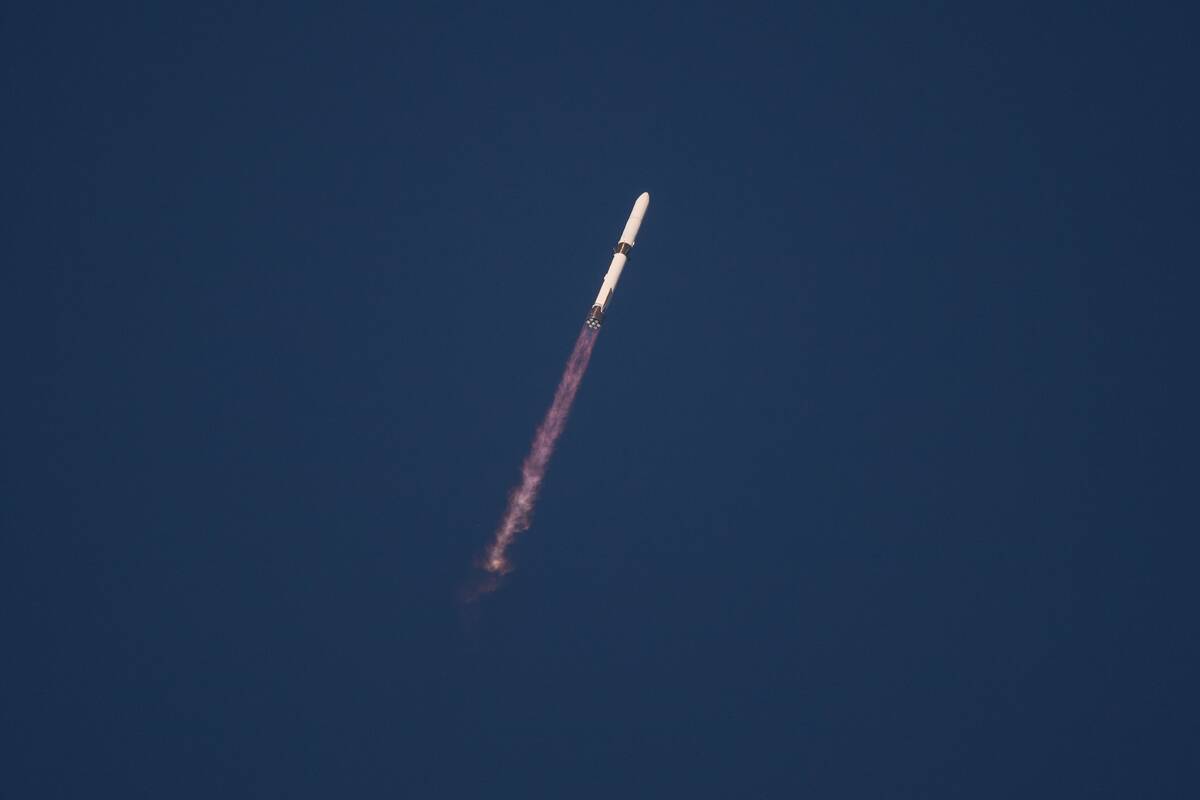
In the vastness of space, time and speed intertwine in fascinating ways. As spacecraft travel at high speeds through the cosmos, they experience time differently compared to Earth-bound observers.
This is particularly relevant for long-duration missions, where astronauts could age slightly less than their counterparts on Earth. Understanding these effects is crucial for planning future interstellar travel, ensuring that astronauts remain in sync with mission objectives and Earth communication.
Satellites and GPS: Practical Examples of Time Dilation
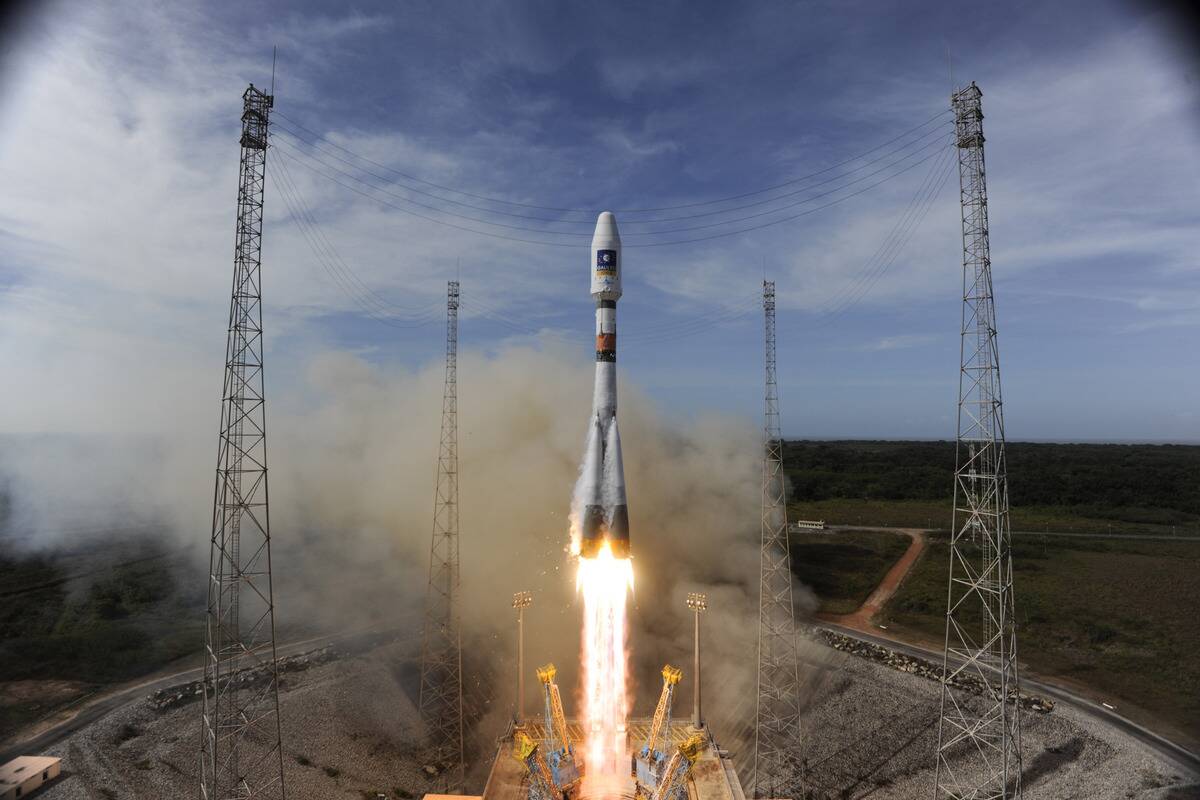
Time dilation isn’t just a concept for theoretical physicists; it’s a practical consideration for satellite technology. GPS satellites, for instance, orbit the Earth at high speeds and altitudes, experiencing time differently than we do on the ground.
Engineers must precisely adjust for these differences to maintain accuracy. Without these corrections, GPS systems would drift by several kilometers each day, highlighting the essential role of relativity in navigation technology.
The Twin Paradox: A Thought Experiment in Time
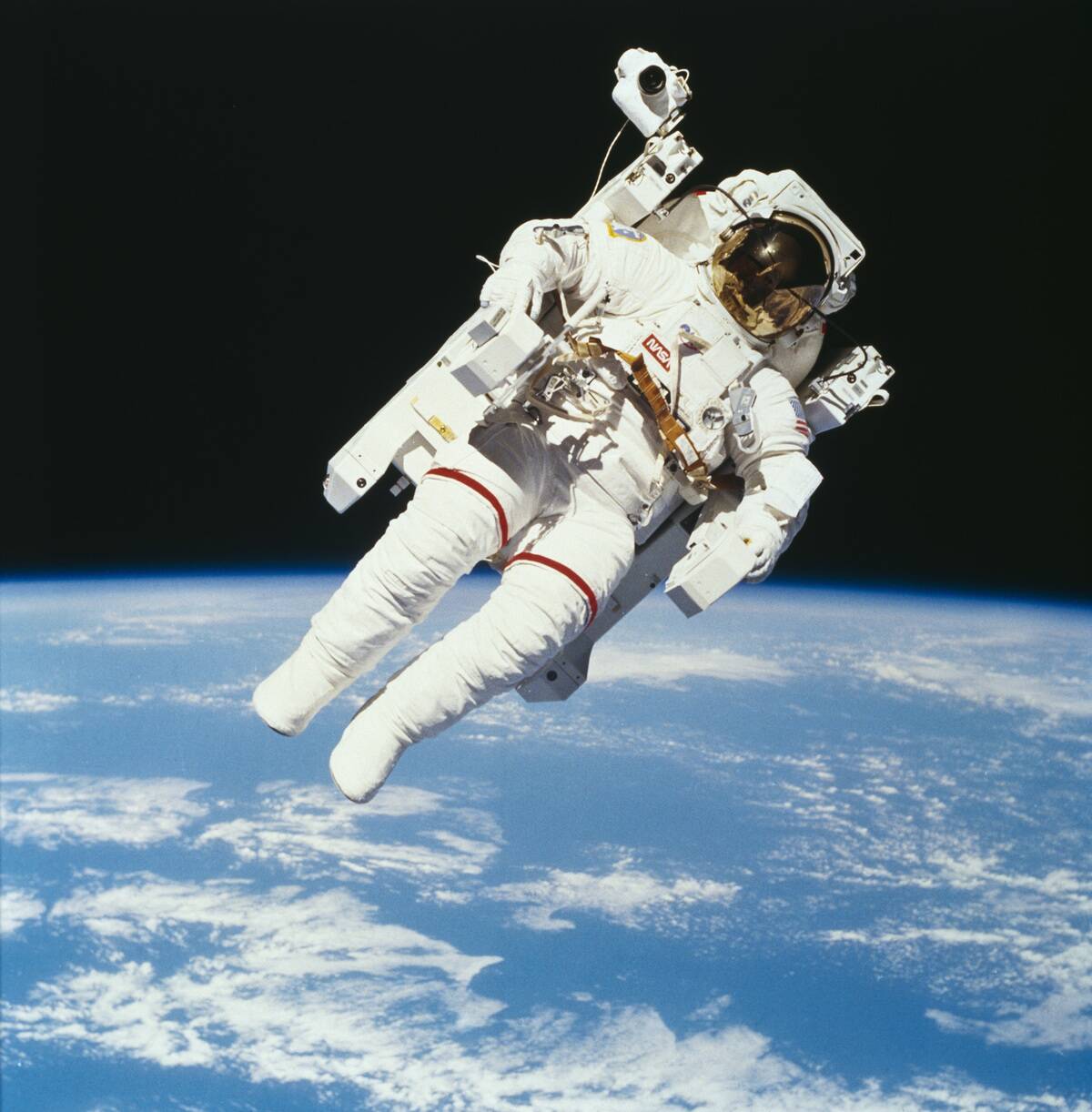
The Twin Paradox is a famous thought experiment in relativity that illustrates time dilation. Imagine identical twins; one stays on Earth, while the other travels into space at near-light speed.
Upon returning, the space-faring twin would be younger than the Earth-bound twin due to the effects of time dilation. While purely hypothetical, this paradox highlights the non-intuitive nature of time and the fascinating consequences of traveling at relativistic speeds.
High-Speed Adventures: What Would Time Feel Like?
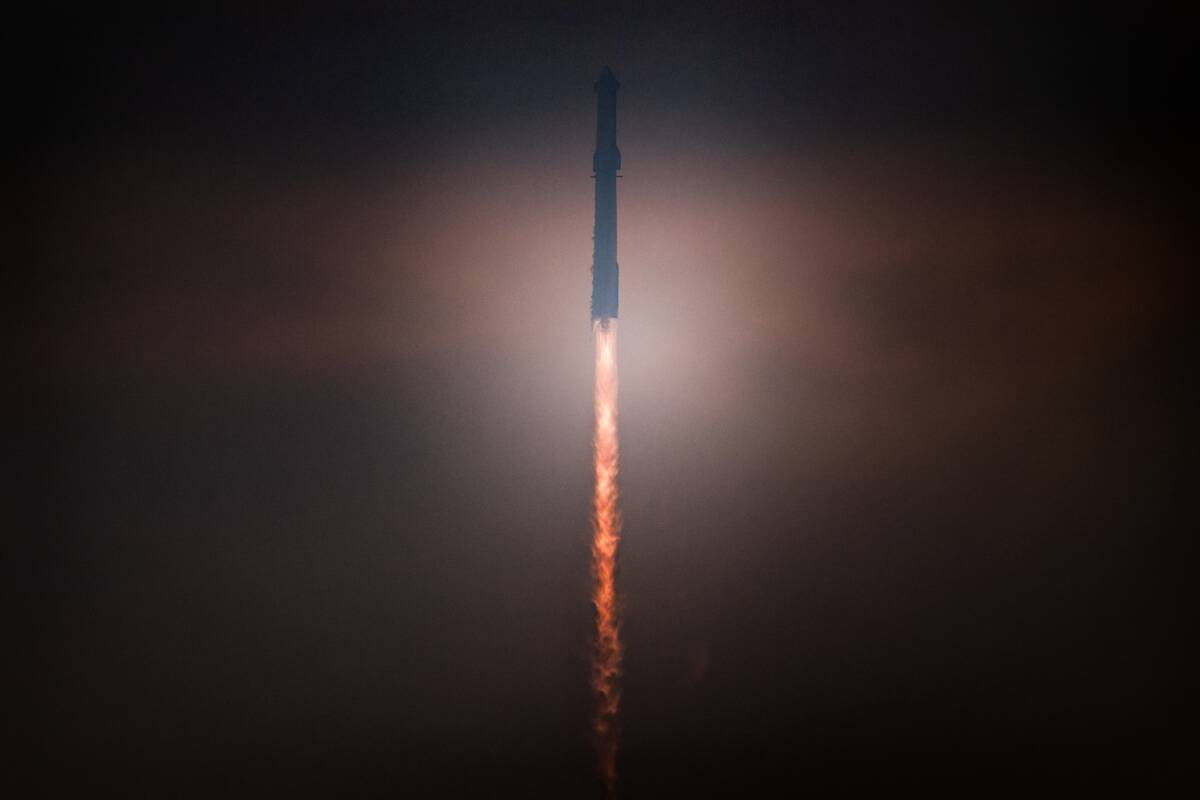
Have you ever wondered what time would feel like if you were traveling at near-light speed? In theory, you would experience time more slowly than those on Earth, making a journey across the galaxy seem shorter from your perspective.
However, upon returning, you’d find that more time had passed on Earth than you experienced. This mind-boggling concept challenges our everyday understanding of time and offers a glimpse into the possibilities of high-speed travel.
The Role of Gravity in the Passage of Time
Gravity doesn’t just keep us anchored to Earth; it also influences the passage of time. According to general relativity, time runs slower in stronger gravitational fields. This means that clocks at sea level tick slightly slower than those at higher altitudes.
While the difference is minuscule, it’s measurable and has important implications for technologies like GPS, which rely on precise timekeeping to function correctly.
Time on Earth vs. Time in Space: A Mind-Bending Comparison
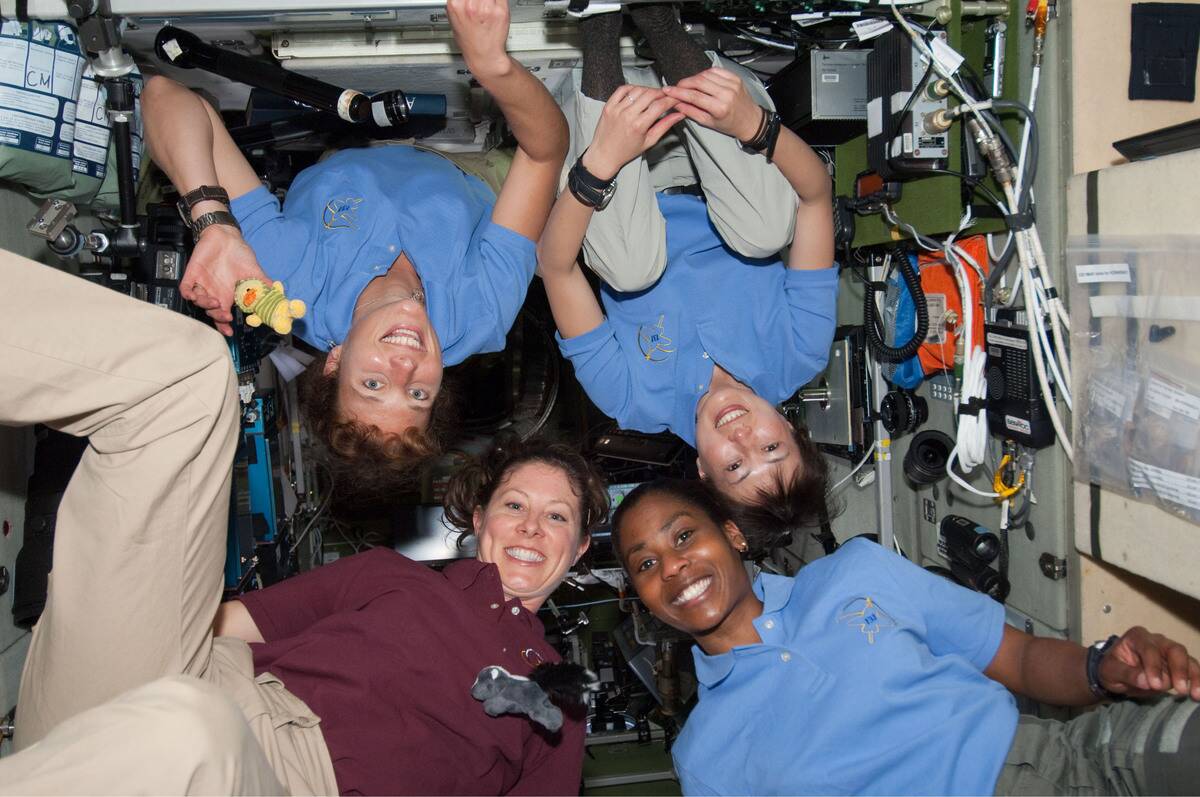
Time behaves differently on Earth compared to space, a concept that becomes crucial in the realm of space exploration. For astronauts aboard the International Space Station, time moves just a bit slower due to their speed and lower gravitational field.
Over long missions, this difference accumulates, meaning astronauts age slightly less than people on Earth. Such differences, while small, are pivotal for understanding the dynamics of time in space travel.
Cultural Interpretations of Time Across the World
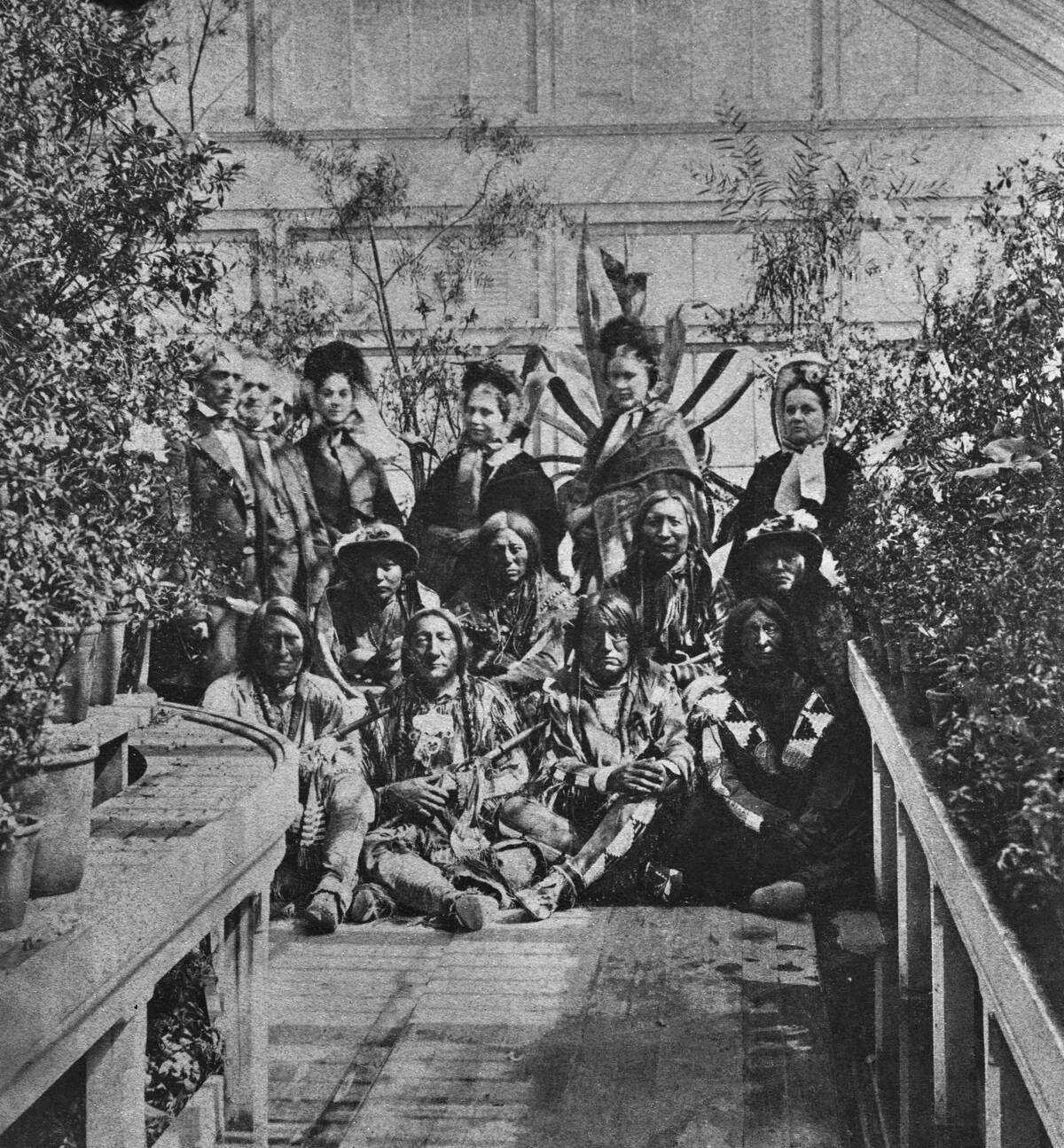
Time isn’t just a scientific concept; it’s also a cultural one. Different cultures perceive and interpret time in unique ways. In Western societies, time is often viewed linearly, emphasizing schedules and deadlines. I
n contrast, many Indigenous cultures see time as cyclical, focusing on natural rhythms and cycles. These cultural interpretations influence how societies organize activities and perceive the passage of time, highlighting the richness and diversity of human experience.
How Our Perception of Time Changes with Age

As we age, our perception of time shifts, often making it feel like the years fly by more quickly. This phenomenon is attributed to several factors, including changes in attention, memory, and the ratio theory, which suggests that as we accumulate more experiences, each new one seems shorter in comparison.
Understanding these changes can help us appreciate the moments we have, encouraging us to savor experiences and cherish the present.
Embracing the Mystery: Why Time Keeps Us Guessing
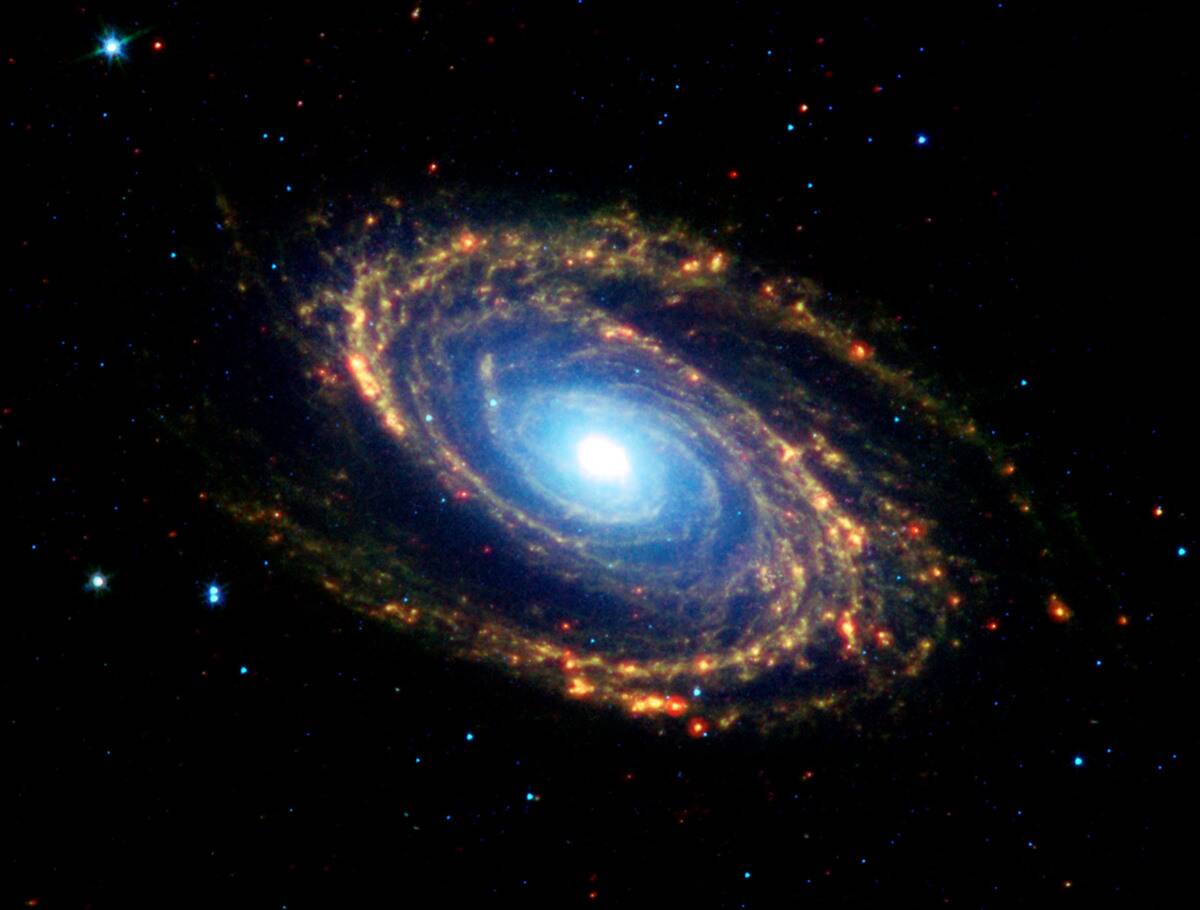
Time remains one of the universe’s greatest mysteries, challenging our understanding and sparking endless curiosity. Despite significant scientific advancements, questions about the true nature of time, its passage, and its implications for the universe continue to puzzle us.
This mystery is part of what makes time so intriguing, driving scientific inquiry and philosophical debate. As we continue to explore the complexities of time, we embrace its enigmatic nature, knowing that it will always keep us guessing.