How we misjudge rare dangers and ignore everyday risks

Danger is a concept deeply embedded in the human psyche, often dictating behavior in both everyday and extraordinary situations. Our perception of danger is shaped by a variety of factors, including psychology, evolution, and social influences.
It’s fascinating how what we perceive as dangerous can differ so drastically from person to person. This article explores the intriguing reasons behind our fears and how they shape our understanding of risk.
The Psychology Behind Fear: Why We Worry
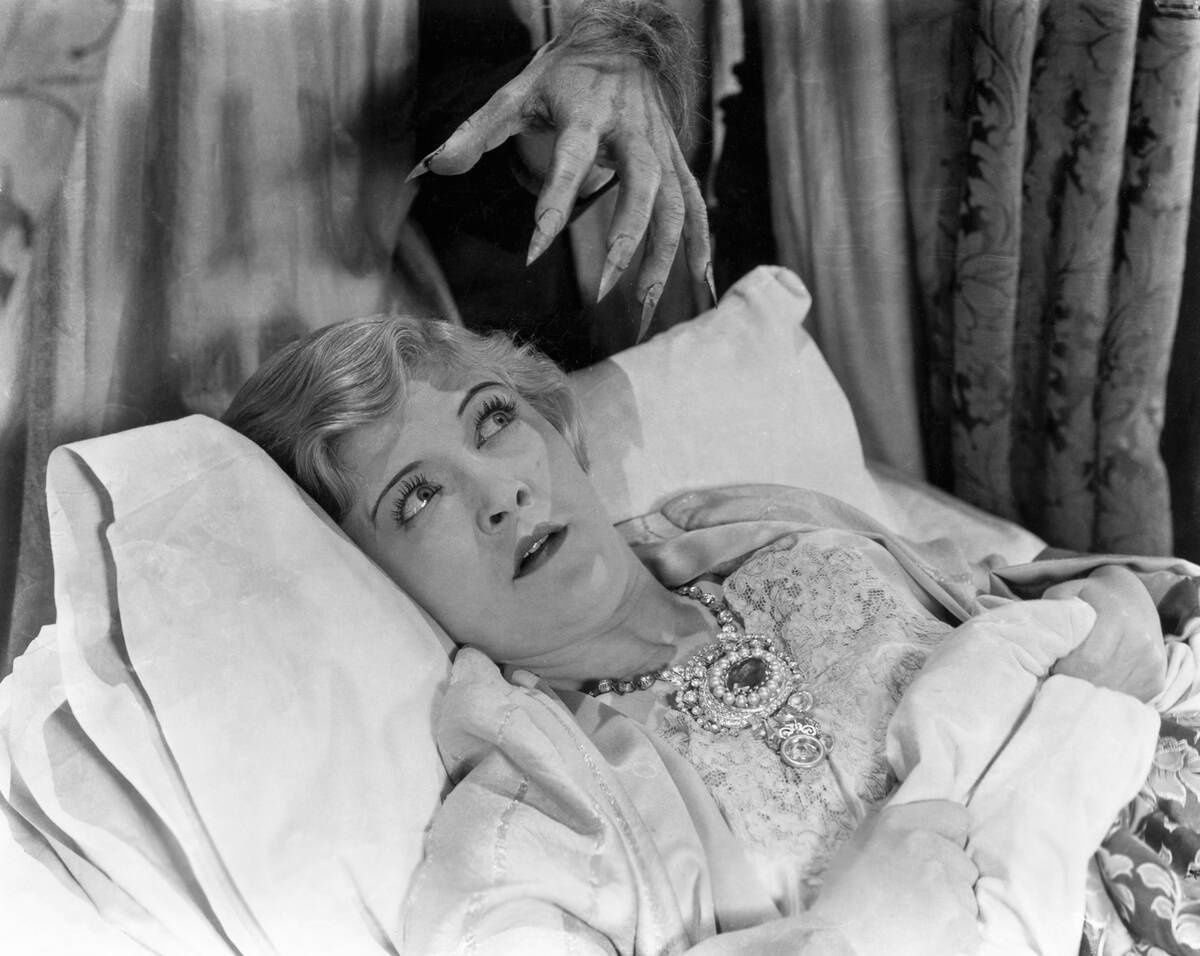
Fear is a natural response that serves as an alert to potential threats. Psychologists explain that fear can be both rational and irrational, influenced by past experiences and cultural background.
Our brains are wired to prioritize survival, which is why fear can sometimes seem disproportionate to the actual threat. Worry often stems from the unknown, as our imagination tends to fill gaps with worst-case scenarios, fueling anxiety.
The Evolutionary Perspective: Fight or Flight
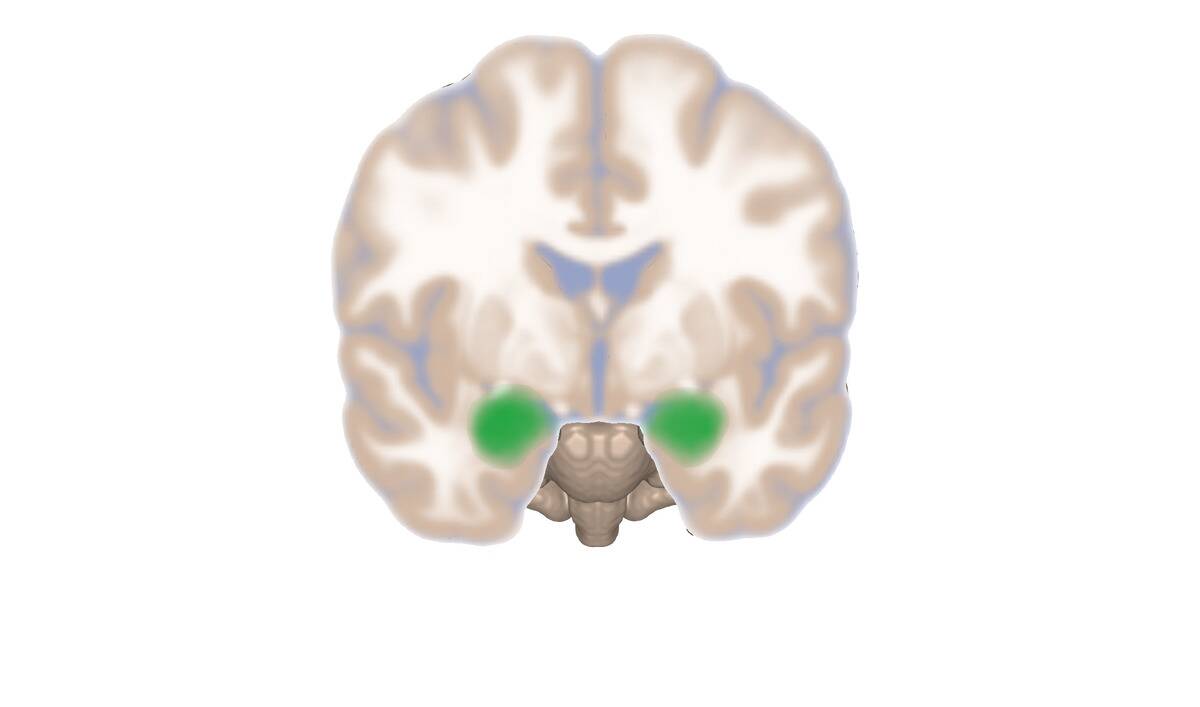
The fight or flight response is an evolutionary mechanism that prepares the body to either confront or flee from danger. This response is triggered by the amygdala, which sends signals to release adrenaline, increasing heart rate and alertness.
While this reaction was crucial for our ancestors facing immediate threats, it can still be activated in modern situations where physical danger is not present, causing undue stress.
Rare vs Common Dangers: What’s the Difference?
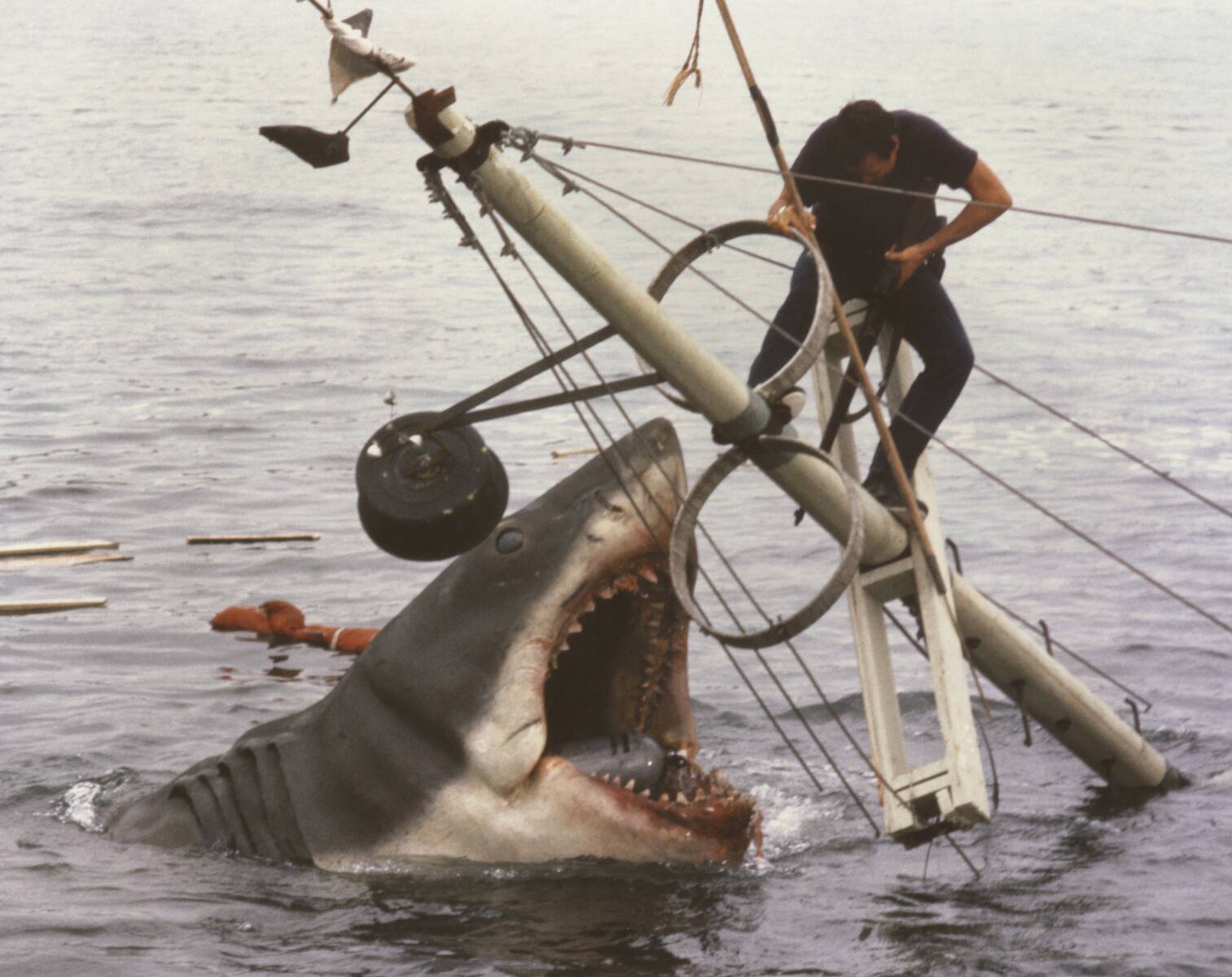
Common dangers, like car accidents, are statistically more likely to occur than rare events, such as shark attacks. However, our perception often flips these probabilities, giving more weight to less likely scenarios.
This discrepancy is partly due to the emotional impact and vividness associated with rare dangers, which capture our attention more readily than mundane risks. Understanding this difference helps in assessing risks more accurately.
Media Influence: How News Shapes Our Perceptions
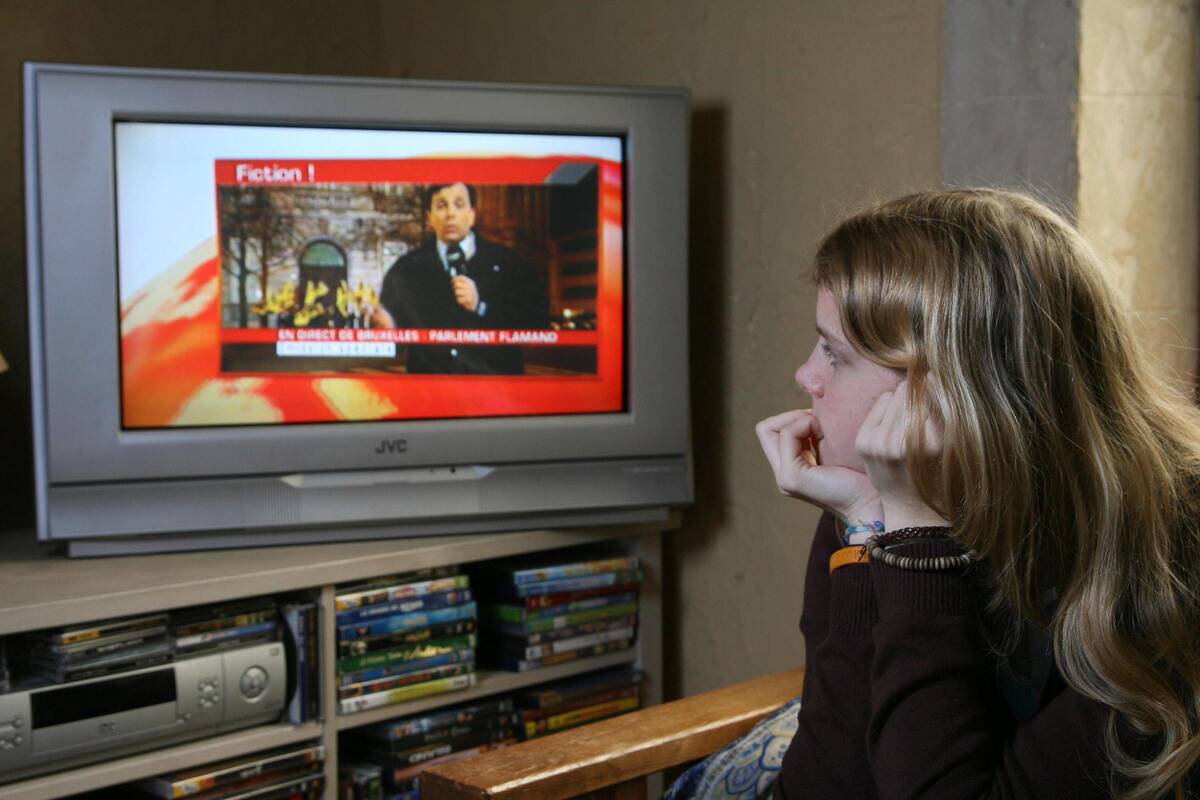
Media has a powerful role in shaping public perception of danger by highlighting rare and dramatic events. News outlets prioritize sensational stories, often leading to a skewed understanding of risk.
This focus on the extraordinary can amplify fears and create a sense of urgency, impacting how individuals perceive their own safety. Understanding the media’s influence is crucial in developing a balanced view of potential dangers.
The Role of Movies and TV: Thrills on the Big Screen
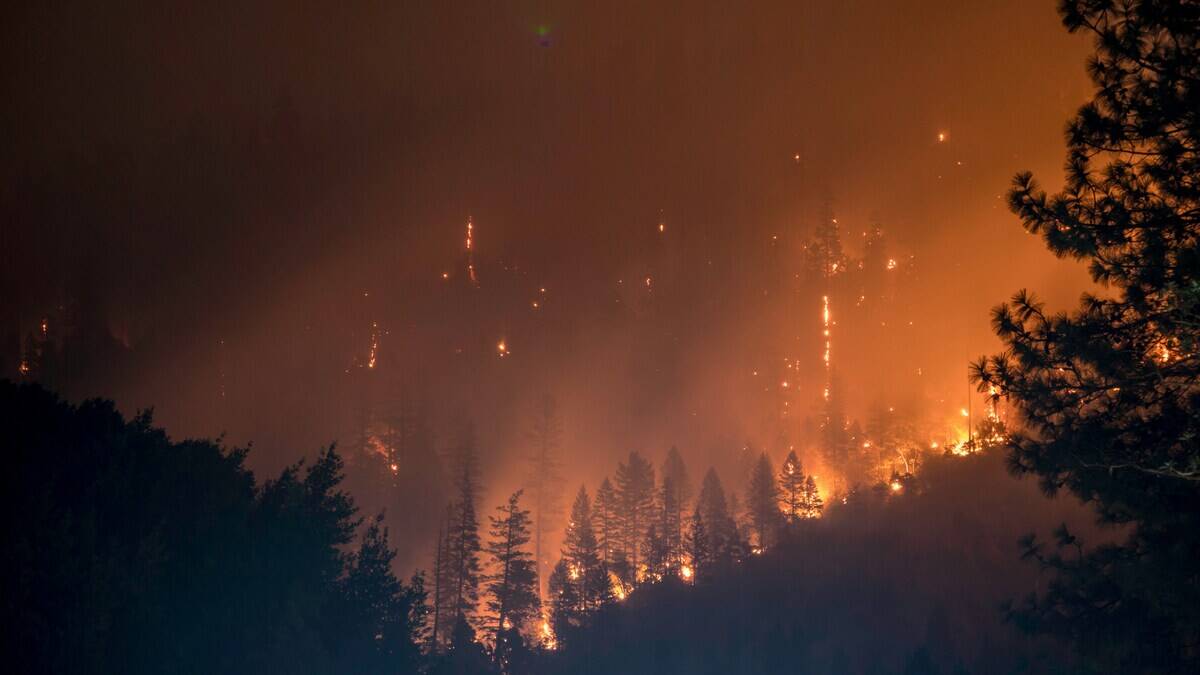
Movies and TV shows often exaggerate real-life dangers for entertainment purposes, enhancing the thrill factor. This portrayal can lead audiences to overestimate the likelihood of dramatic scenarios, such as natural disasters or criminal activities.
The entertainment industry taps into our fear of the unknown, creating suspense and excitement. While these depictions are fictional, they can shape our perceptions of reality, influencing how we assess risk.
Social Media’s Amplification of Fear
Social media platforms can amplify fear by rapidly disseminating information, both accurate and misleading. Viral posts and sensational headlines can create a distorted view of danger, as they are often designed to evoke strong reactions.
The speed and reach of social media can exacerbate anxiety, making it essential to critically evaluate the information we encounter online. By doing so, we can mitigate the impact of fear-mongering content.
Availability Heuristic: A Cognitive Shortcut

The availability heuristic is a mental shortcut that relies on immediate examples that come to mind when evaluating the likelihood of an event. This cognitive bias can lead to overestimating the frequency of rare dangers simply because they are more memorable.
Events that are dramatic or have received extensive media coverage are more readily recalled, skewing our perception of their commonality. Recognizing this bias is key to accurate risk assessment.
The Impact of Personal Experience on Risk Assessment
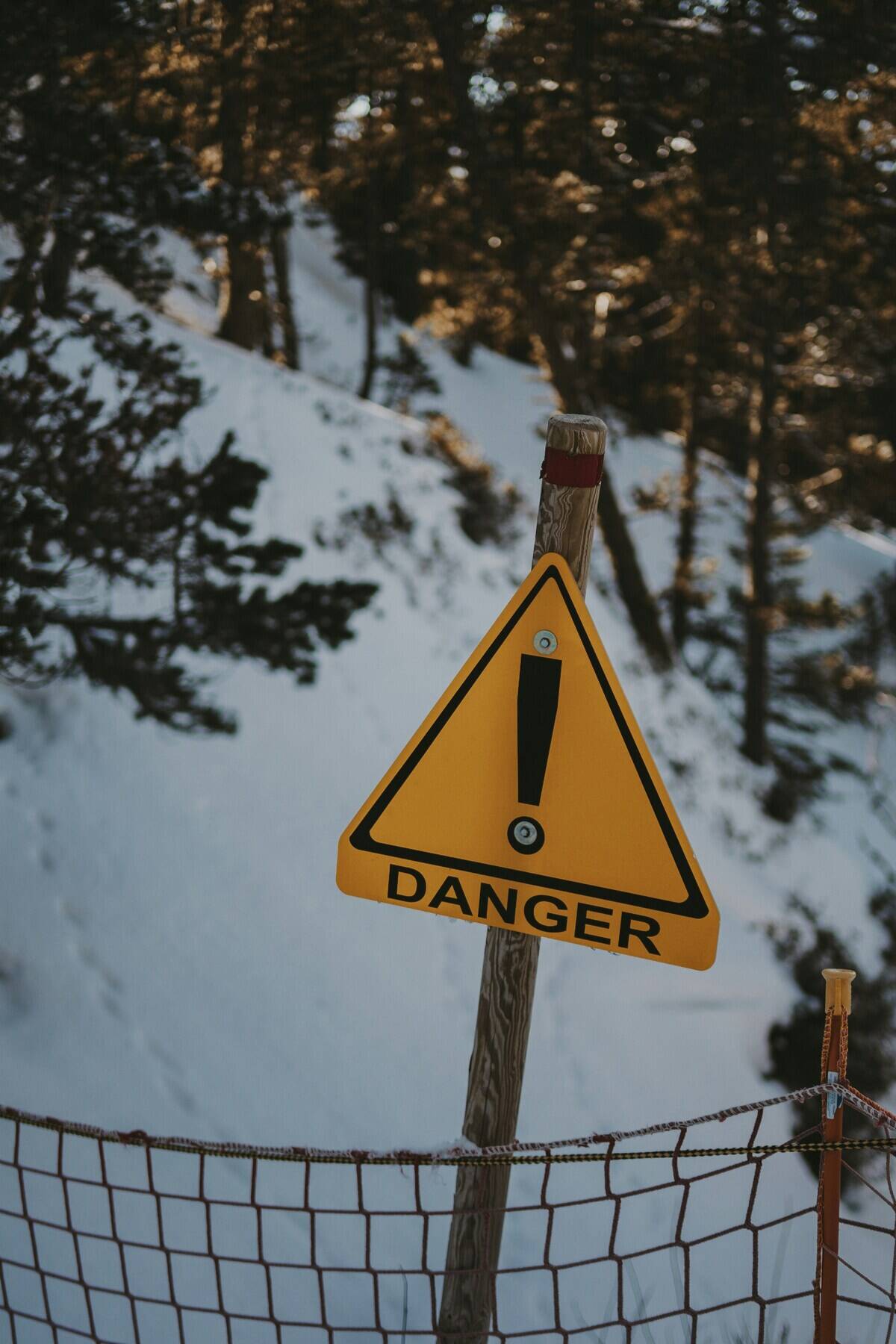
Personal experiences can heavily influence how we perceive risk. If an individual has encountered a specific danger, they are likely to be more cautious about it in the future. Conversely, a lack of experience with certain risks may lead to underestimating their severity.
This subjective view highlights the importance of balancing personal experiences with factual information when assessing potential threats, ensuring a more rational approach to risk.
Why We Ignore the Mundane: Common Dangers Overlooked

Everyday dangers often go unnoticed because they lack the excitement and drama of rarer threats. For instance, heart disease is a leading cause of death, yet it doesn’t capture public attention like more sensational risks.
The familiarity of common dangers can lead to complacency, as they don’t evoke the same emotional response. Acknowledging these risks can encourage proactive measures to mitigate them, promoting overall safety and well-being.
The Illusion of Control: “It Won’t Happen to Me” Mentality
The illusion of control refers to the belief that we can influence outcomes, leading to an underestimation of certain risks. This mentality is often seen in individuals who engage in risky behaviors, believing they are less likely to face consequences.
This cognitive bias provides a false sense of security, potentially leading to negligence. Acknowledging this mindset can help individuals make more informed decisions regarding their safety.
Cognitive Dissonance: Balancing Fear and Reality

Cognitive dissonance arises when there’s a conflict between beliefs and actions, such as acknowledging a danger but not taking preventive steps. This psychological tension can lead to rationalizing risky behavior, often downplaying the severity of threats.
Balancing fear and reality requires confronting this dissonance and aligning actions with informed beliefs, fostering a more realistic approach to danger management and personal safety.
The Role of Statistics: Numbers vs. Emotions

Statistics provide a factual basis for understanding risk, but emotions often overshadow these numbers. People tend to rely on feelings rather than data when assessing danger, leading to misconceptions.
For example, flying is statistically safer than driving, yet many fear air travel more than car rides. Bridging the gap between statistics and emotions can help create a more balanced perception of risk, enhancing decision-making processes.
Common Dangerous Habits We Overlook Daily

Many routine activities carry hidden risks that we often overlook, such as distracted driving or not wearing seatbelts. These behaviors, while seemingly benign, contribute to significant injury and fatality rates.
It’s crucial to recognize and address these habits to prevent unnecessary harm. By raising awareness about the dangers of everyday actions, individuals can adopt safer practices, reducing the likelihood of accidents and promoting well-being.
The Consequences of Misjudging Risk

Misjudging risk can lead to various adverse outcomes, from unnecessary anxiety to physical harm. Overestimating rare dangers can cause undue stress and prevent individuals from engaging in beneficial activities.
Conversely, underestimating common threats may result in inadequate precautions, increasing vulnerability. Understanding the consequences of misjudging risk underscores the importance of accurate risk assessment, encouraging more informed and balanced decision-making.