Which man-made structures are visible from space

Trending Now
Exploring the wonders of our world from a vantage point in space is an awe-inspiring experience. While natural phenomena like the Grand Canyon and Mount Everest are often highlighted, human-made structures also make their mark on our planet.
From ancient feats of engineering to modern-day marvels, these creations are visible from the vastness of space, telling stories of human ingenuity and ambition. Let’s embark on a journey to discover these incredible man-made wonders that can be seen from above.
The Pyramids of Giza: Ancient Marvels in the Modern World
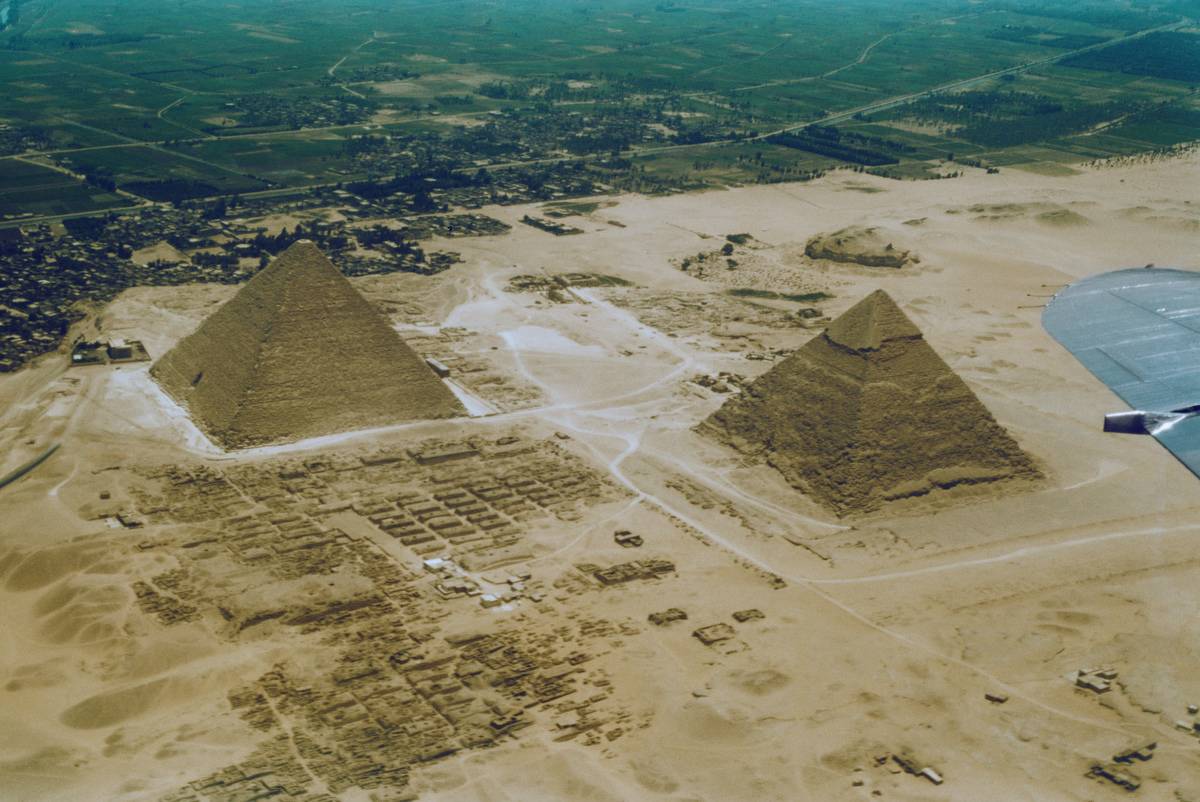
The Pyramids of Giza, with their massive scale and precise alignment, have fascinated humanity for centuries. These ancient structures were built as tombs for the Egyptian pharaohs and have stood the test of time as a testament to the engineering prowess of the ancient Egyptians.
The Great Pyramid, the largest of the trio, was originally about 481 feet tall and made from approximately 2.3 million blocks of stone. They continue to captivate visitors from around the globe, both on the ground and from space.
The Amazon Rainforest: Engineering Feats Amidst Nature
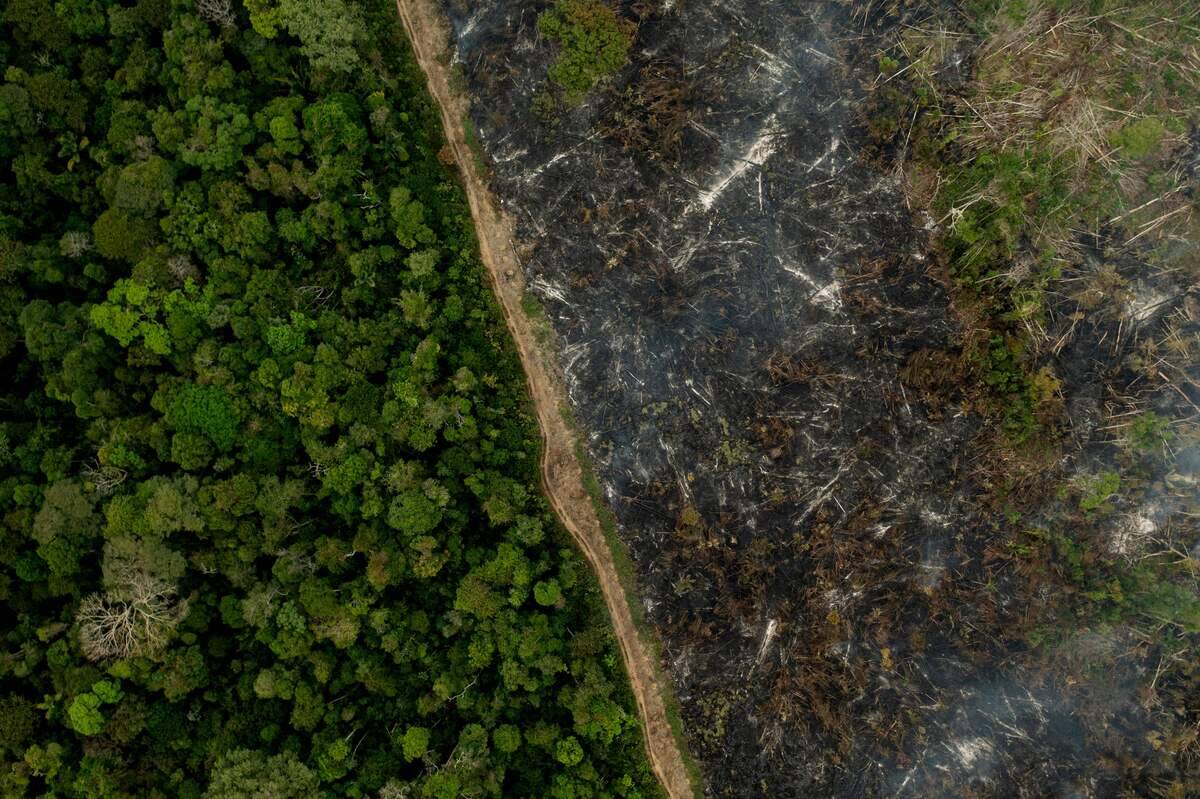
While the Amazon Rainforest is primarily a natural wonder, human intervention has carved out visible marks in this expansive jungle. Projects like the Trans-Amazonian Highway and various mining and logging operations have created visible clearings in the dense forest.
The vast canopy of the Amazon, covering about 2.1 million square miles, plays a crucial role in Earth’s oxygen and carbon cycles. Viewing these areas from space highlights the impact of human activity on one of the world’s most vital ecosystems.
The Palm Islands of Dubai: Luxurious Landmarks from Above
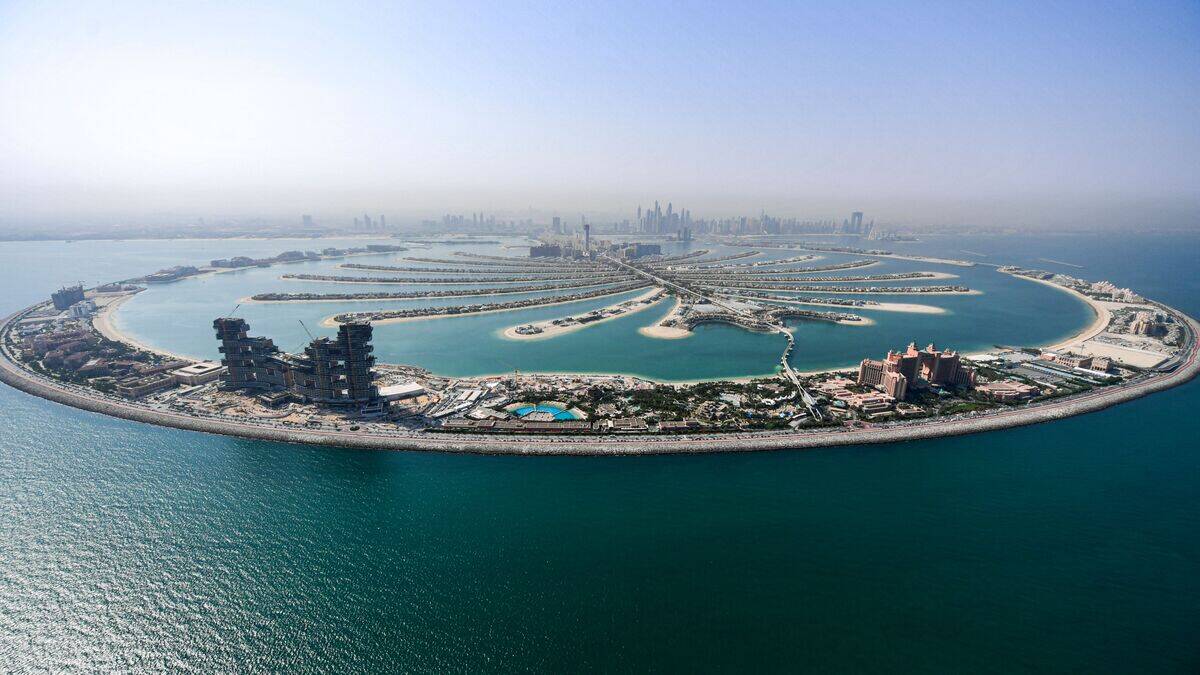
Dubai’s Palm Islands are a stunning example of human creativity and engineering. Constructed from millions of tons of sand and rock, these man-made archipelagos are designed to resemble palm trees when viewed from above.
Palm Jumeirah, the most famous of the islands, is home to luxury hotels, villas, and shopping centers. From space, the distinct palm shape is easily recognizable, symbolizing Dubai’s ambition to create a paradise of luxury and leisure in the Persian Gulf.
The Bright Lights of Las Vegas: A City That Never Sleeps
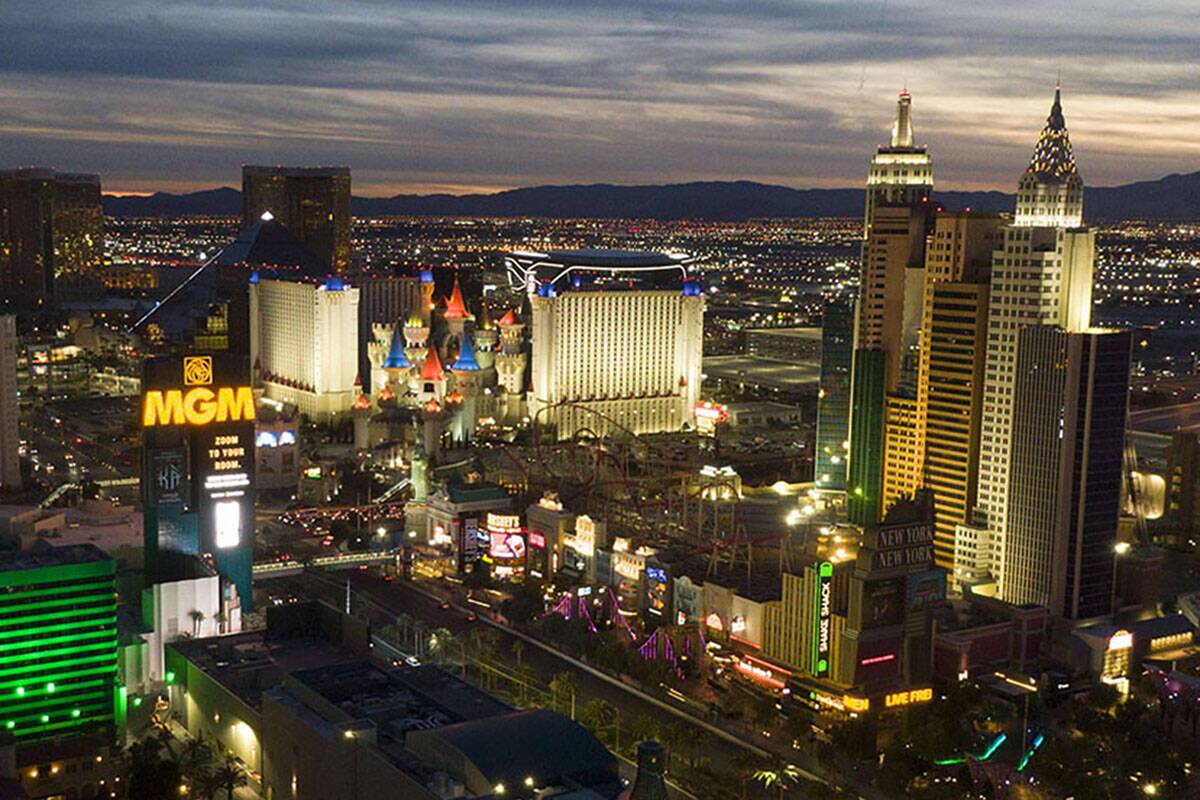
Las Vegas, a city renowned for its vibrant nightlife and entertainment, is a beacon of light visible from space. The famous Las Vegas Strip, with its dazzling array of neon lights and illuminated casinos, stands out in the dark Nevada desert.
Every year, millions of tourists flock to this city, drawn by its promise of excitement and spectacle. From space, the glowing lights of Las Vegas highlight its reputation as a city that never sleeps.
The Bingham Canyon Mine: A Gigantic Man-Made Hole
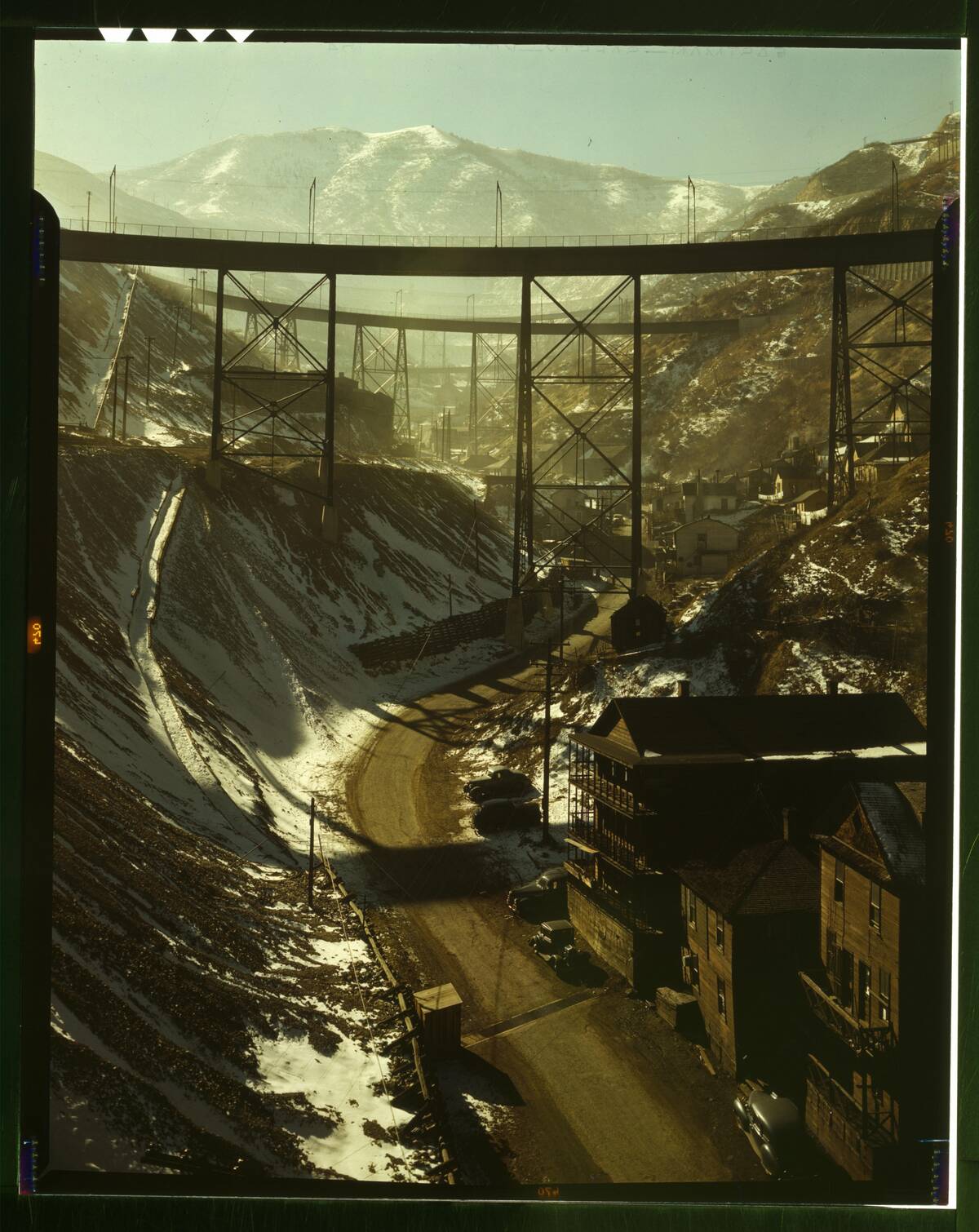
The Bingham Canyon Mine, also known as the Kennecott Copper Mine, is a colossal open-pit mine located in Utah, USA. It is one of the largest man-made excavations on earth, stretching over 2.5 miles wide and reaching depths of nearly 4,000 feet.
This impressive site has been in operation since 1906 and continues to produce significant amounts of copper. From space, the scale of the mine is evident, showcasing the extent of human industrial activity.
The Netherlands’ Tulip Fields: A Patchwork of Color
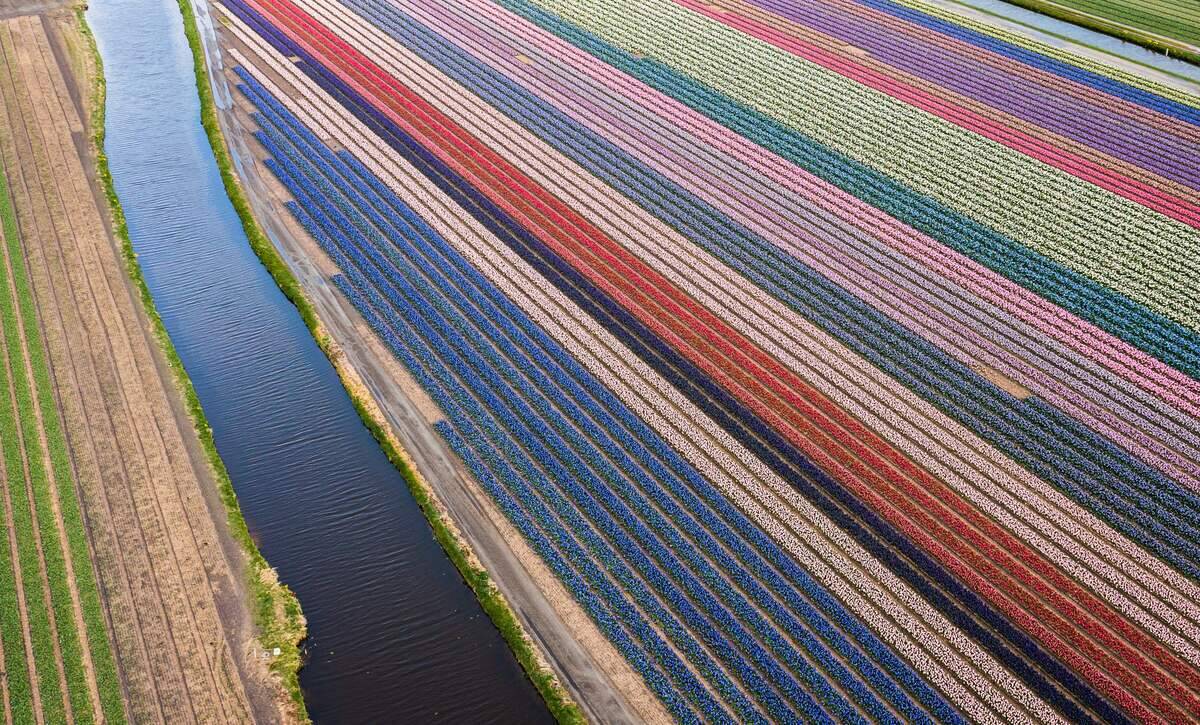
The tulip fields of the Netherlands transform the landscape into a vibrant quilt of color every spring. These fields are meticulously cultivated, creating stunning patterns that are easily visible from space.
The Netherlands is the world’s largest exporter of flowers, and its tulip fields are a major attraction for tourists and botanists alike. From above, the vivid hues of red, yellow, and purple tulips create a breathtaking sight, illustrating the beauty of human cultivation.
The Hoover Dam: A Monumental Powerhouse
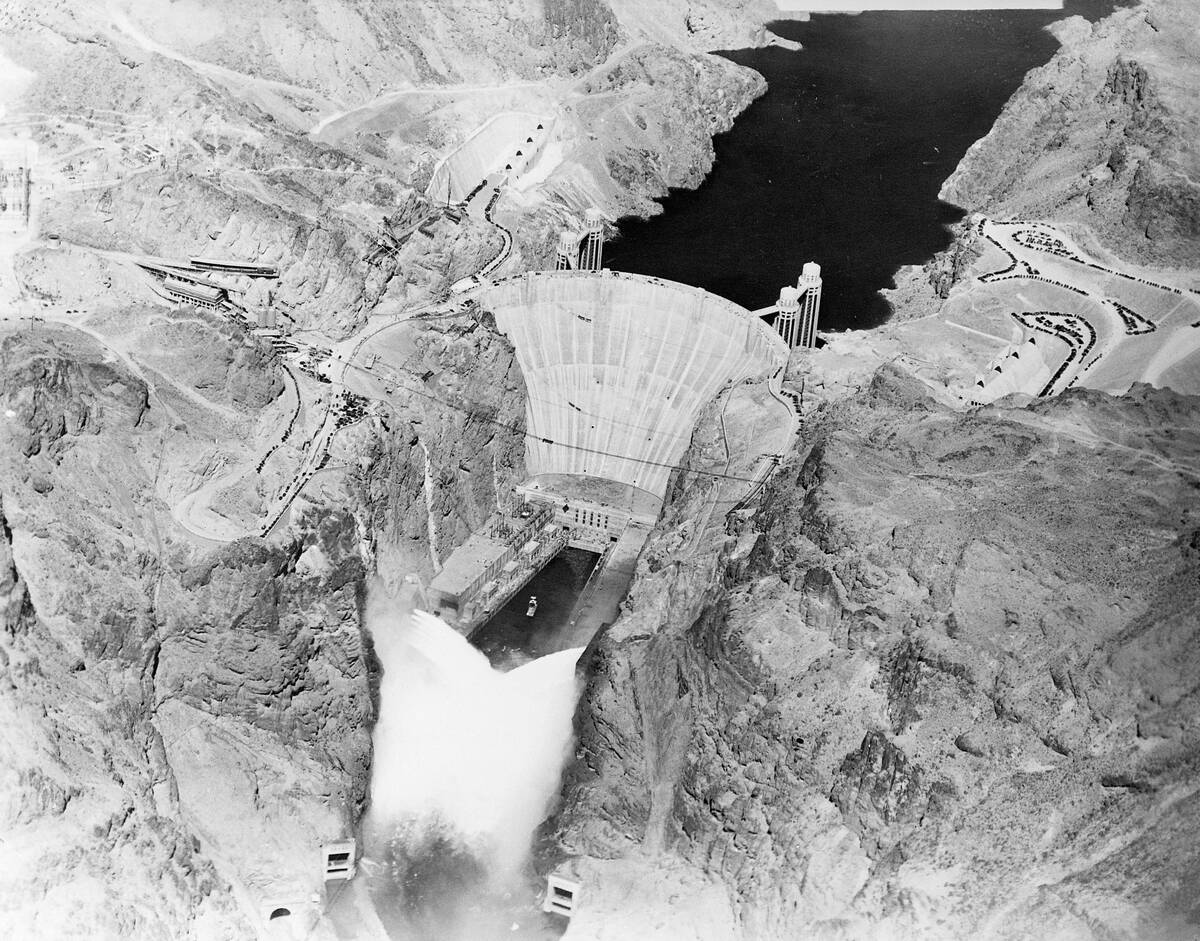
The Hoover Dam, an iconic symbol of American engineering, stands as a testament to human ingenuity and ambition. Built during the Great Depression, this concrete arch-gravity dam spans the Colorado River, providing hydroelectric power and water to millions in the southwestern United States.
The dam rises over 700 feet high and is 1,244 feet long. From space, the structure appears as a slender line holding back the immense waters of Lake Mead, underscoring its monumental scale.
The Panama Canal: A Waterway Bridging Oceans
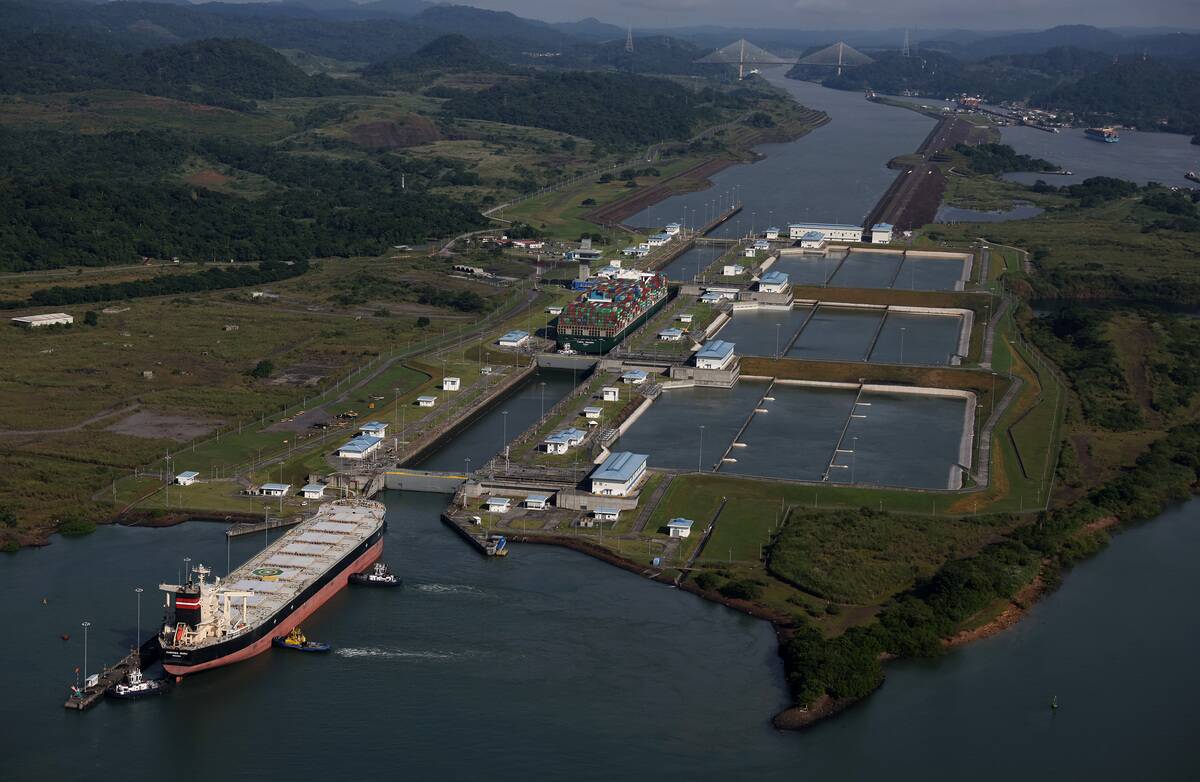
The Panama Canal is one of the most significant engineering feats of the 20th century, connecting the Atlantic and Pacific Oceans. Completed in 1914, this artificial waterway spans about 50 miles, allowing ships to bypass the long and treacherous route around the southern tip of South America.
From space, the canal’s serpentine route is visible as it slices through the Isthmus of Panama, highlighting its role as a critical artery for global maritime trade.
The Canadian Oil Sands: Industrial Giants in the Wilderness
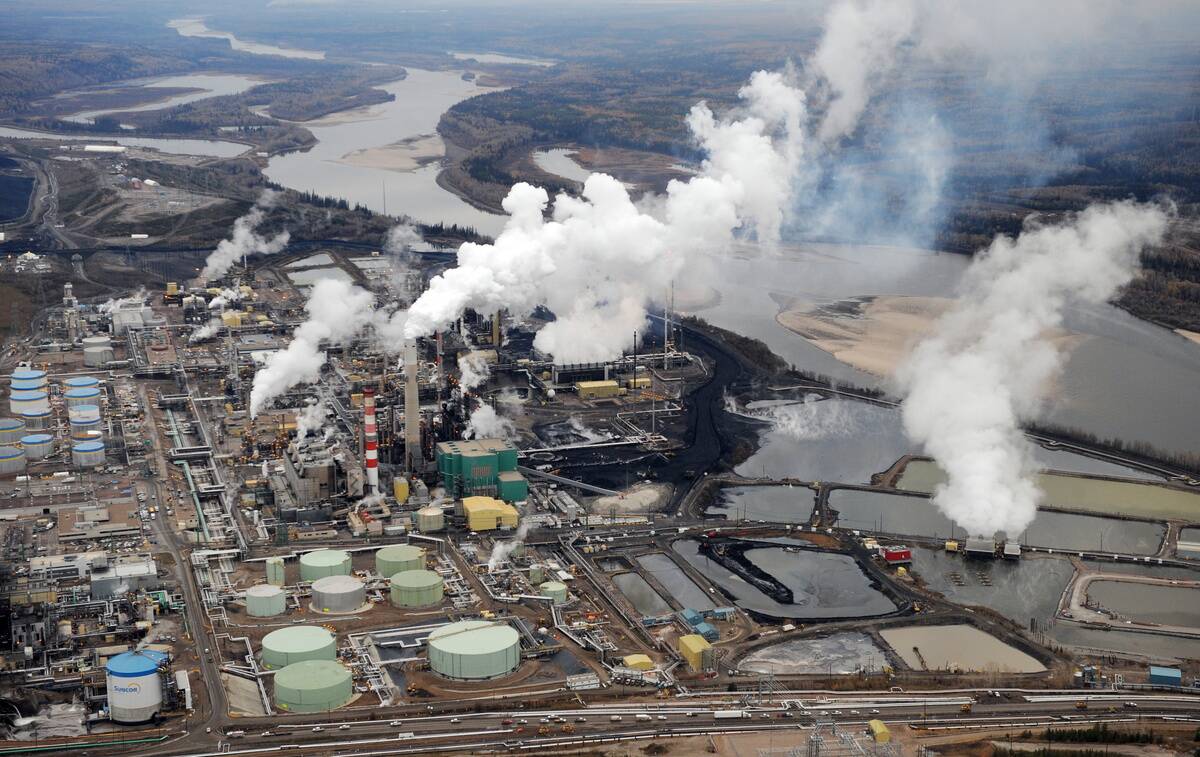
The Canadian Oil Sands, located primarily in Alberta, represent a major industrial hub for oil extraction. This area is one of the largest reserves of crude oil, and its development has transformed the landscape into a network of open-pit mines and processing facilities.
From space, the oil sands are visible as a series of dark patches against the surrounding wilderness, illustrating the extensive scale of human impact in the pursuit of energy resources.
The International Space Station: Humanity’s Outpost in Orbit
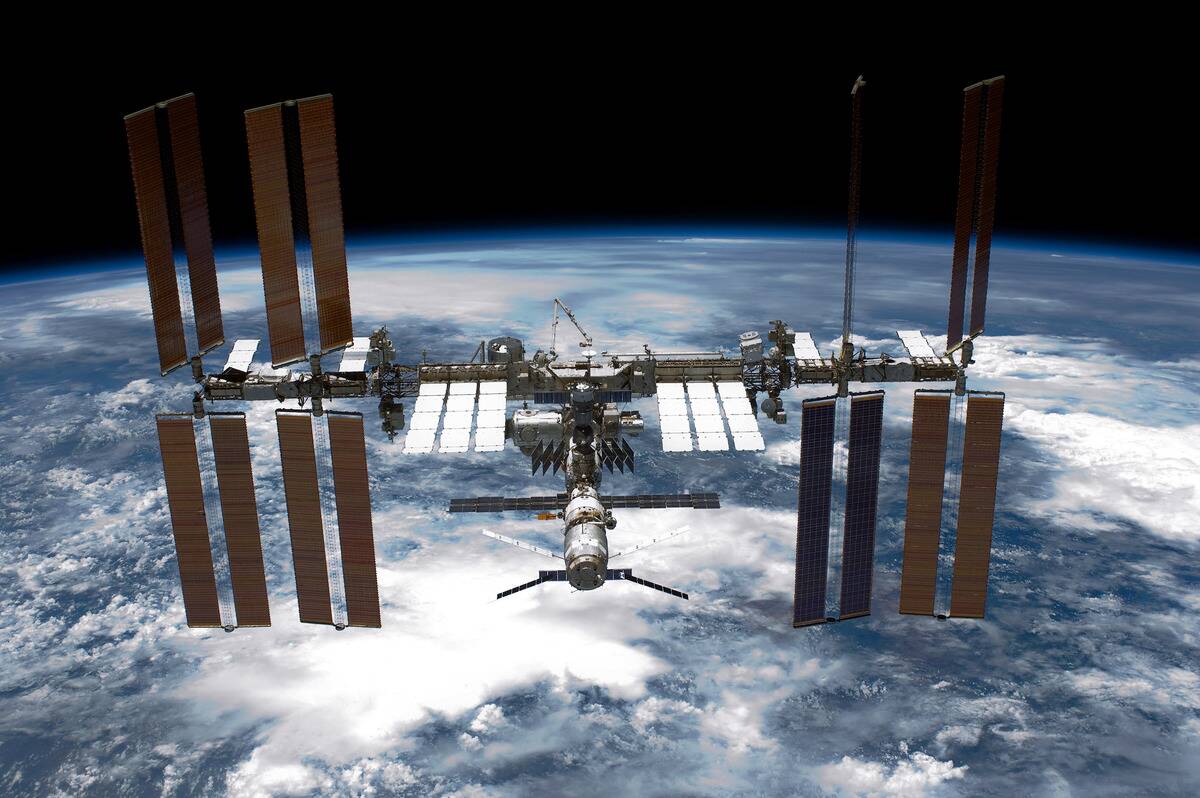
The International Space Station (ISS) is a marvel of modern engineering and international collaboration. Orbiting Earth at an average altitude of 248 miles, the ISS serves as a research laboratory and living space for astronauts from around the world.
It travels at a speed of about 17,500 miles per hour, completing multiple orbits of the Earth each day. From the ground, the ISS can be seen as a bright moving point of light, symbolizing humanity’s presence in space.
The Berlin Brandenburg Airport: A Modern Architectural Feat
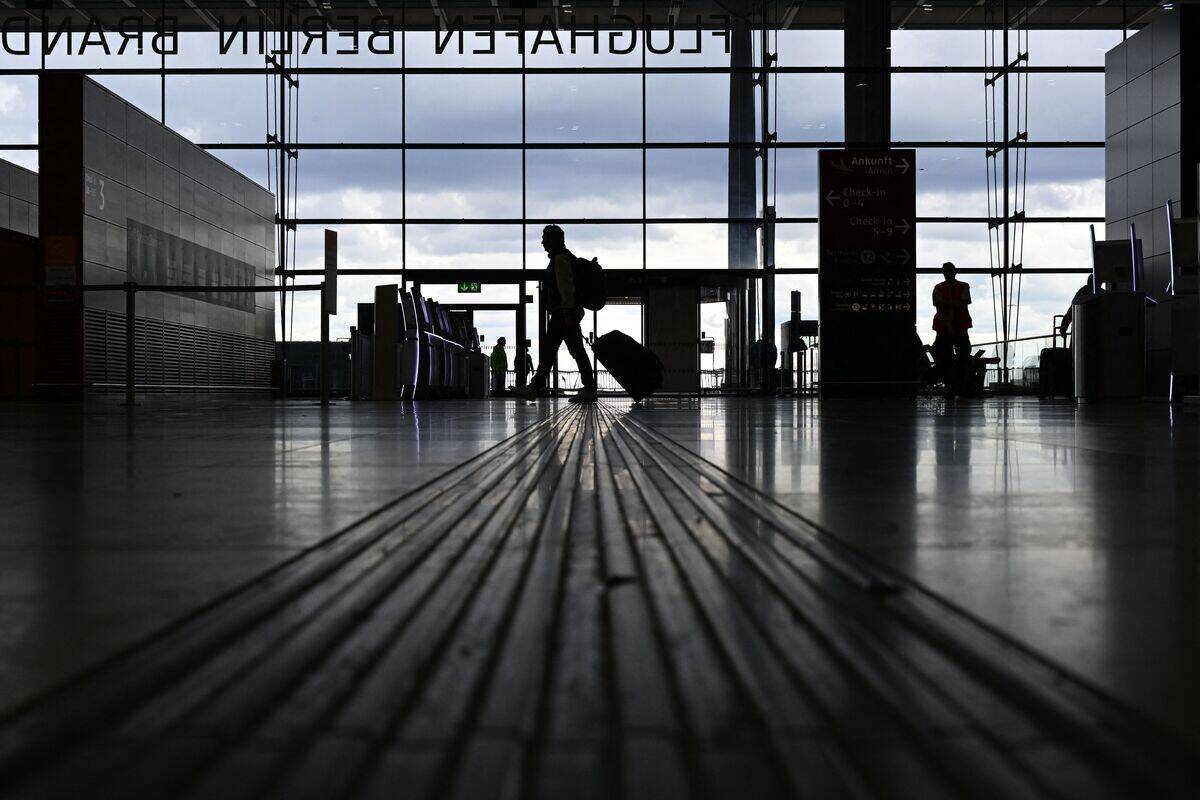
The Berlin Brandenburg Airport, despite its turbulent construction history, stands as a significant modern architectural project. Officially opened in 2020, the airport was designed to be a major hub for air travel in Germany, combining contemporary design with state-of-the-art facilities.
From space, the airport’s expansive runways and terminal buildings are visible, showcasing the scale and ambition of modern infrastructure projects. It’s a testament to persistence and innovation in the realm of transportation.
The Burj Khalifa: Soaring to New Heights

The Burj Khalifa, towering over Dubai’s skyline, is the tallest building in the world, reaching a height of 2,722 feet. Completed in 2010, this architectural marvel is a symbol of Dubai’s rapid growth and ambition.
Its sleek design and height make it visible from space, standing as a beacon of human achievement. The Burj Khalifa houses luxurious residences, corporate suites, and observation decks that offer panoramic views of the city and beyond.
The Three Gorges Dam: A Colossus of Hydroelectric Power
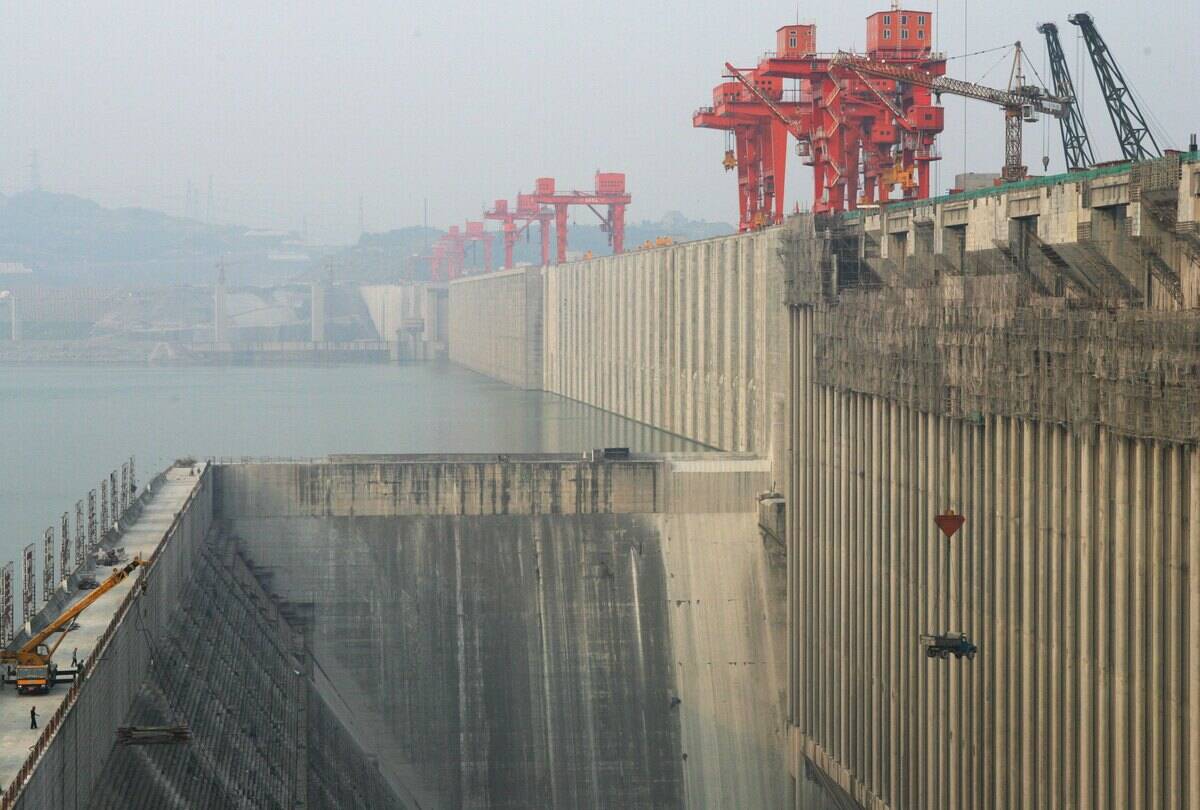
The Three Gorges Dam, located on the Yangtze River in China, is the world’s largest hydroelectric power station. Completed in 2012, the dam stretches over 7,660 feet and stands 607 feet tall. It has significantly improved flood control, river navigation, and power generation in the region.
From space, the dam appears as a massive barrier across the river, emphasizing its role as a critical infrastructure project in China’s energy strategy.
The Aalsmeer Flower Auction: A Blooming Enterprise
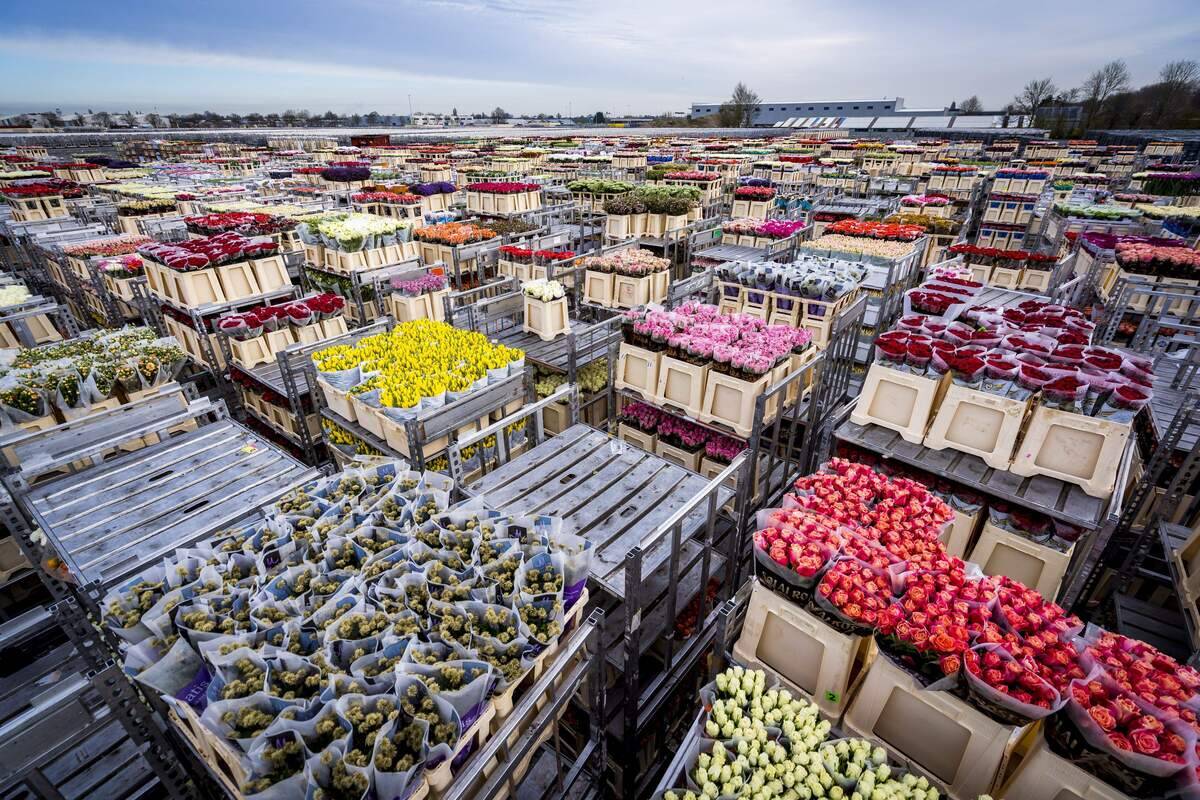
The Aalsmeer Flower Auction, located in the Netherlands, is the largest flower auction in the world. Covering an area equivalent to about 220 football fields, this bustling marketplace is where millions of flowers are traded daily.
From space, the sheer size of the auction complex is notable, underscoring its importance to the global flower trade. The vibrant activity within is a testament to the Dutch mastery of horticulture and commerce.
The Beijing National Stadium: An Olympian’s Dream
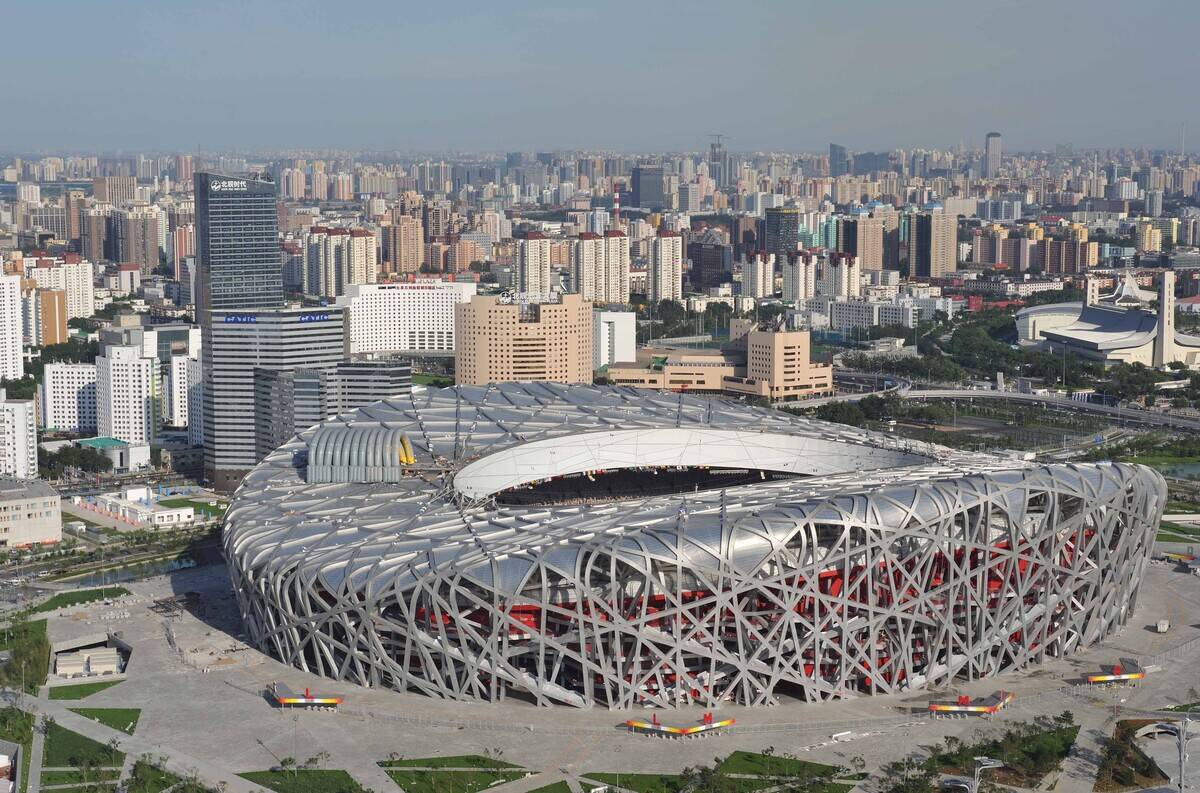
The Beijing National Stadium, often referred to as the Bird’s Nest, is an architectural wonder created for the 2008 Summer Olympics. Designed by Swiss architects Herzog & de Meuron, the stadium features a unique steel lattice design.
It can seat up to 80,000 spectators and has hosted numerous international sporting events since. From space, the stadium’s distinctive shape stands out, symbolizing the spirit of the Olympics and China’s dedication to world-class sporting venues.
The Tokyo Skytree: Towering Over the Skyline

The Tokyo Skytree is a broadcasting and observation tower in the Sumida City area of Tokyo, Japan. Standing at 2,080 feet, it is the tallest structure in Japan and the second tallest in the world.
Completed in 2012, the Skytree serves as a major tourism hub, offering sweeping views of Tokyo and its surrounding areas. Its futuristic design and towering presence make it a distinctive landmark that is visible from space, showcasing Japan’s technological advancements.