Facts about animals with extraordinary senses

Trending Now
Welcome to the fascinating realm of animal super senses! Nature has equipped various creatures with extraordinary abilities that seem almost otherworldly to us. From detecting electric fields to seeing ultraviolet light, these senses help animals navigate their environments in intriguing ways.
As we dive into this captivating world, get ready to be amazed by the diversity and specialization of these unique sensory powers.
The Master of Electricity: The Electric Sense of the Platypus
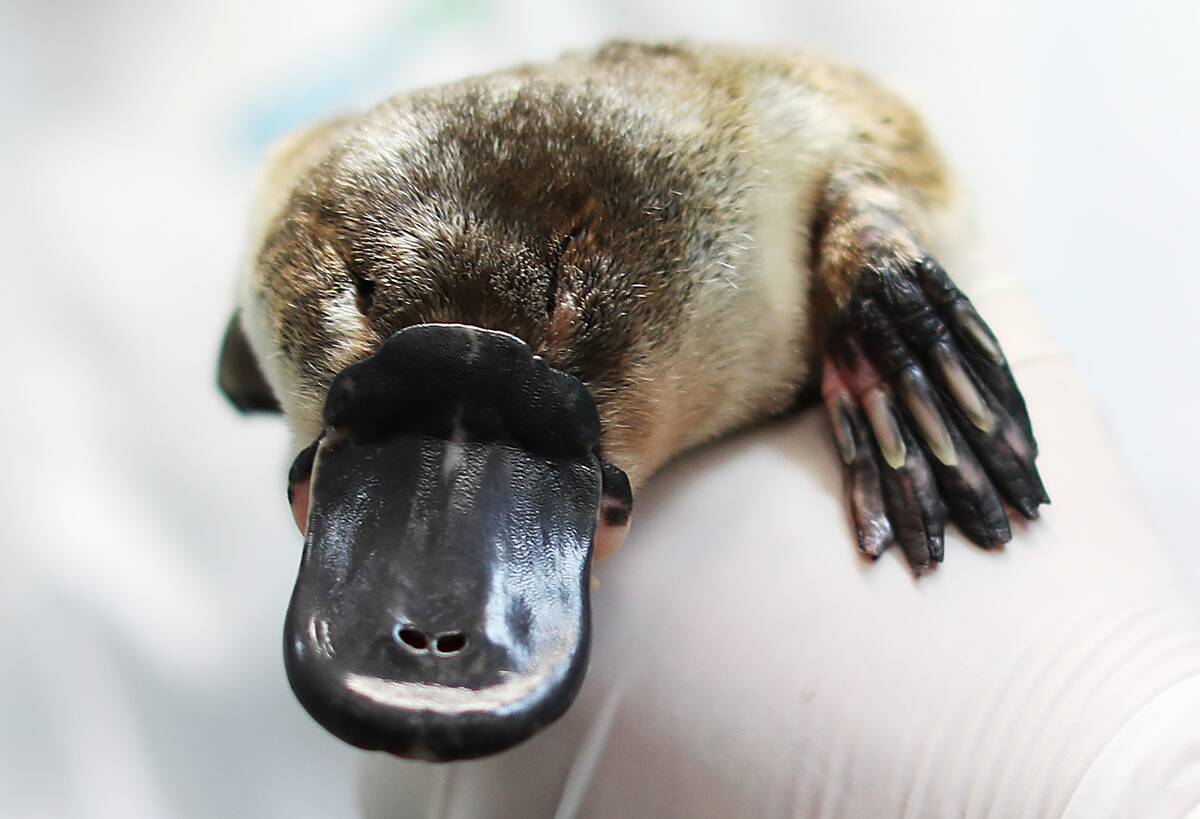
The platypus is a peculiar creature with a set of skills that would impress any superhero. Its bill is packed with electroreceptors that allow it to detect electric fields produced by the movements of its prey underwater.
This ability helps the platypus hunt in murky waters where visibility is low. As it glides effortlessly beneath the surface, this monotreme uses its electric sense to locate food with precision.
Echolocation Extraordinaire: How Bats See with Sound
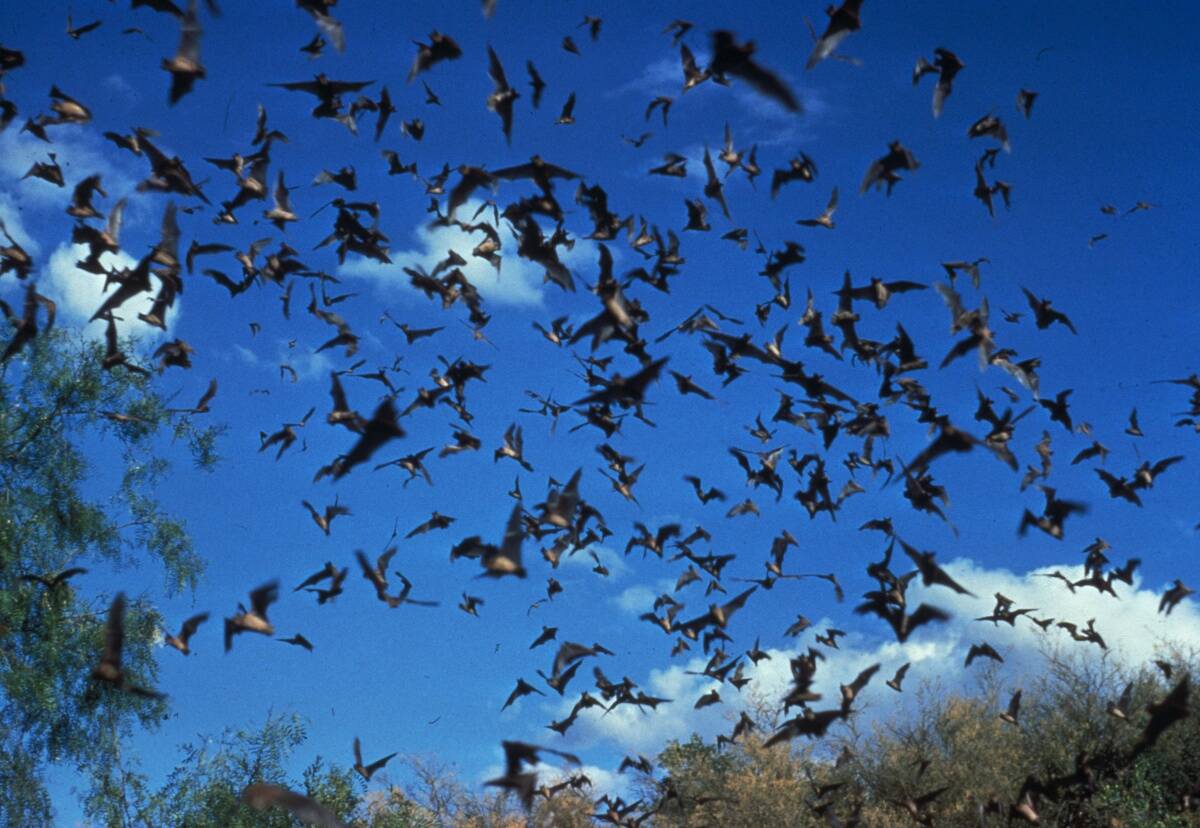
Bats have mastered the art of echolocation, enabling them to visualize their surroundings using sound waves. By emitting high-pitched calls and listening to the echoes that bounce back, bats can determine the size, shape, and distance of objects around them.
This remarkable sense allows them to hunt for insects in complete darkness, maneuvering through the night sky with unmatched agility and accuracy.
The Ultraviolet Vision of Bees: A Whole New World of Colors
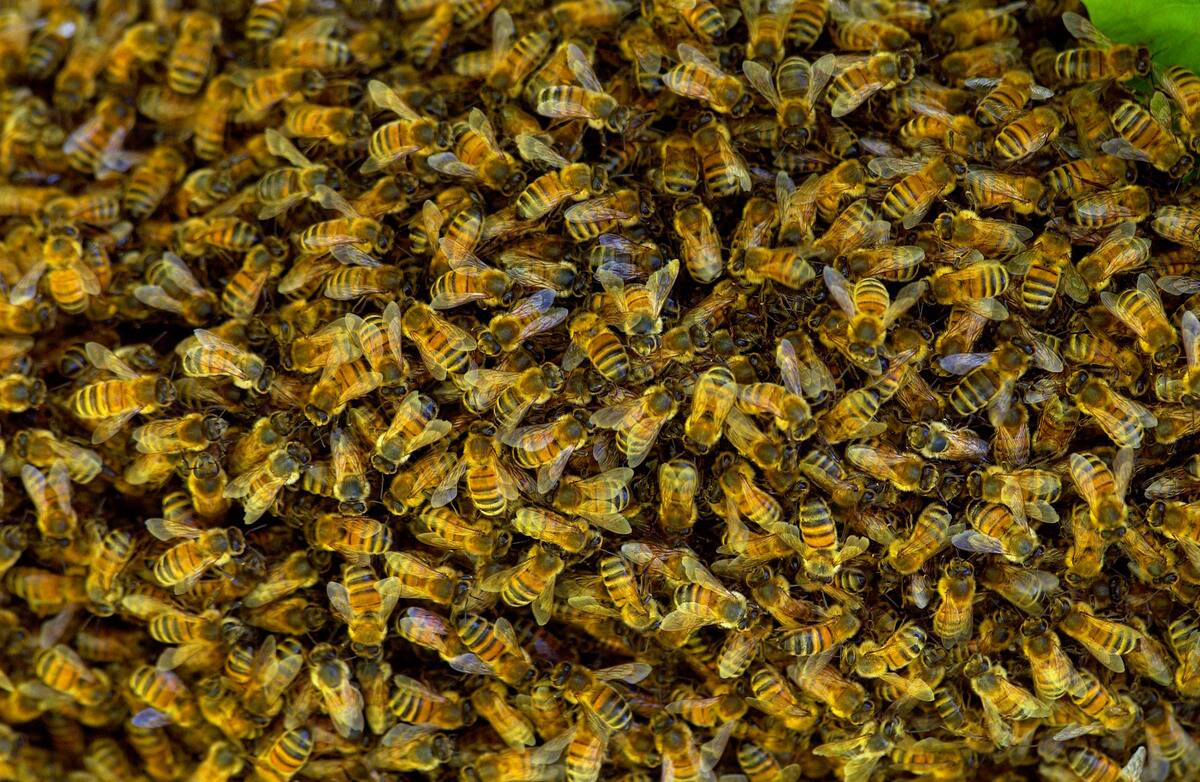
Bees perceive a vibrant spectrum of colors thanks to their ability to see ultraviolet light. This unique vision enables them to spot patterns on flowers that are invisible to the human eye, guiding them to nectar-rich blooms.
The world through a bee’s eyes is a psychedelic display of colors, highlighting the intricate designs that plants use to attract these crucial pollinators.
The Magnetic Marvels: Pigeons and Their Internal GPS

Pigeons possess an internal navigation system that allows them to sense the Earth’s magnetic field. This magnetic sense acts like a biological GPS, helping pigeons find their way home over long distances.
Researchers believe that iron-rich cells in their beaks aid in detecting magnetic fields, guiding these birds with remarkable precision even in unfamiliar territories.
Sharks and Their Sixth Sense: The Ampullae of Lorenzini
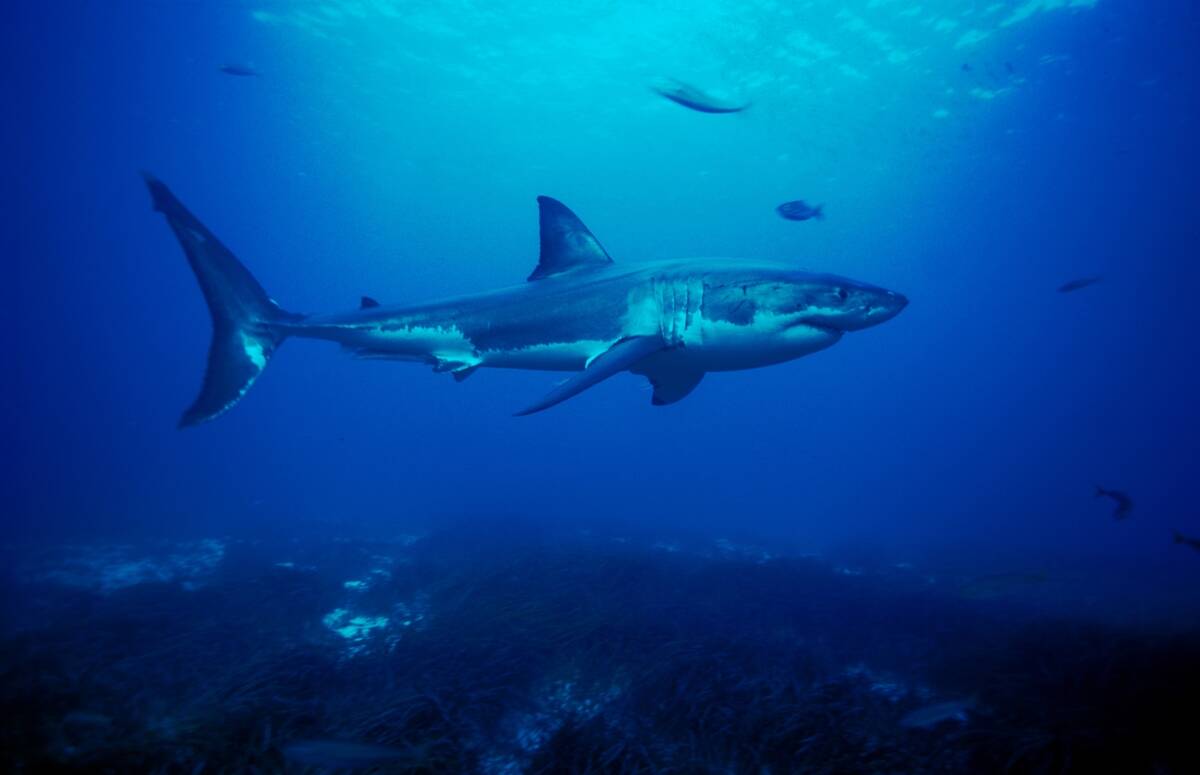
Sharks are equipped with the ampullae of Lorenzini, a network of jelly-filled pores that detect weak electric fields in the water. This sixth sense is essential for locating prey, navigating the ocean, and even sensing changes in the environment.
Sharks can detect the faint electric signals emitted by the muscle contractions of nearby animals, making them formidable hunters in the deep blue sea.
Snakes and Infrared Heat Detection: Seeing in the Dark
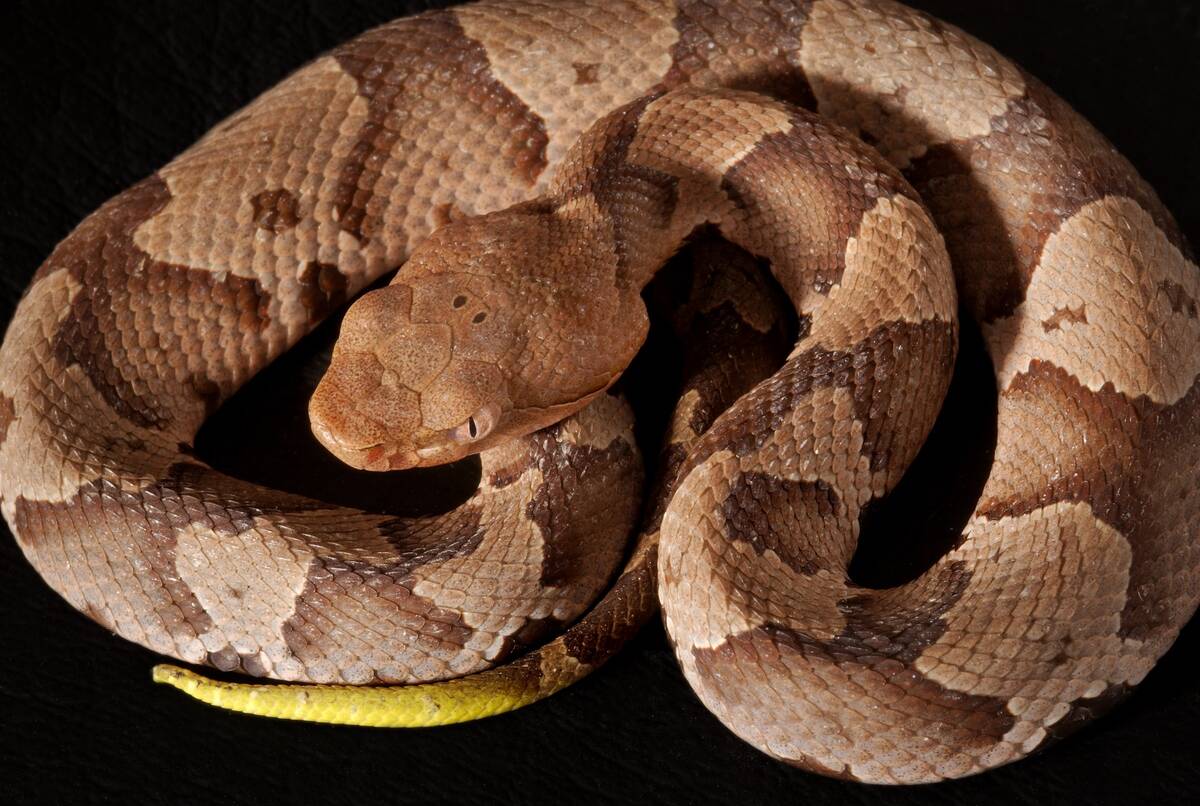
Certain snakes, such as pit vipers, have specialized heat-sensing pits on their faces that allow them to detect infrared radiation. This capability enables them to ‘see’ the heat signatures of warm-blooded prey, even in complete darkness.
The ability to sense thermal radiation gives these snakes a significant advantage in hunting, as it helps them strike with deadly accuracy.
The Super Smellers: Bloodhounds and Their Extraordinary Noses

Bloodhounds are renowned for their incredible sense of smell, capable of detecting scents that are days old. Their noses contain around 300 million scent receptors, compared to a human’s 5 million.
This exceptional olfactory ability allows them to track people or animals over vast distances, making them invaluable in search and rescue missions.
The Polarized Light Vision of Mantis Shrimp: A Color Kaleidoscope
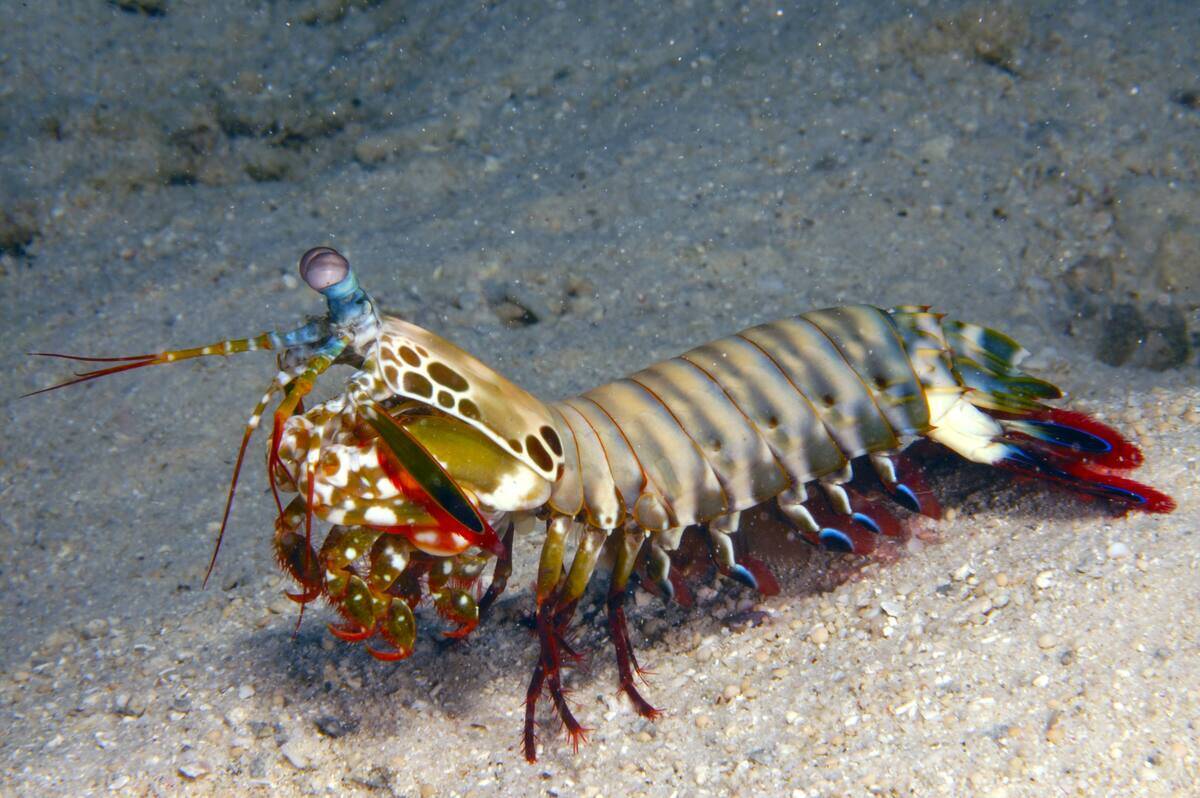
Mantis shrimp boast one of the most complex visual systems in the animal kingdom, capable of detecting polarized light. This ability helps them in hunting and communication, as they can see a spectrum of colors far beyond human capabilities.
Their eyes contain 16 types of photoreceptors, compared to the three found in humans, creating a visual experience that resembles a living kaleidoscope.
Catfish and Their Tactile Taste Buds: Sensing with Every Whisker
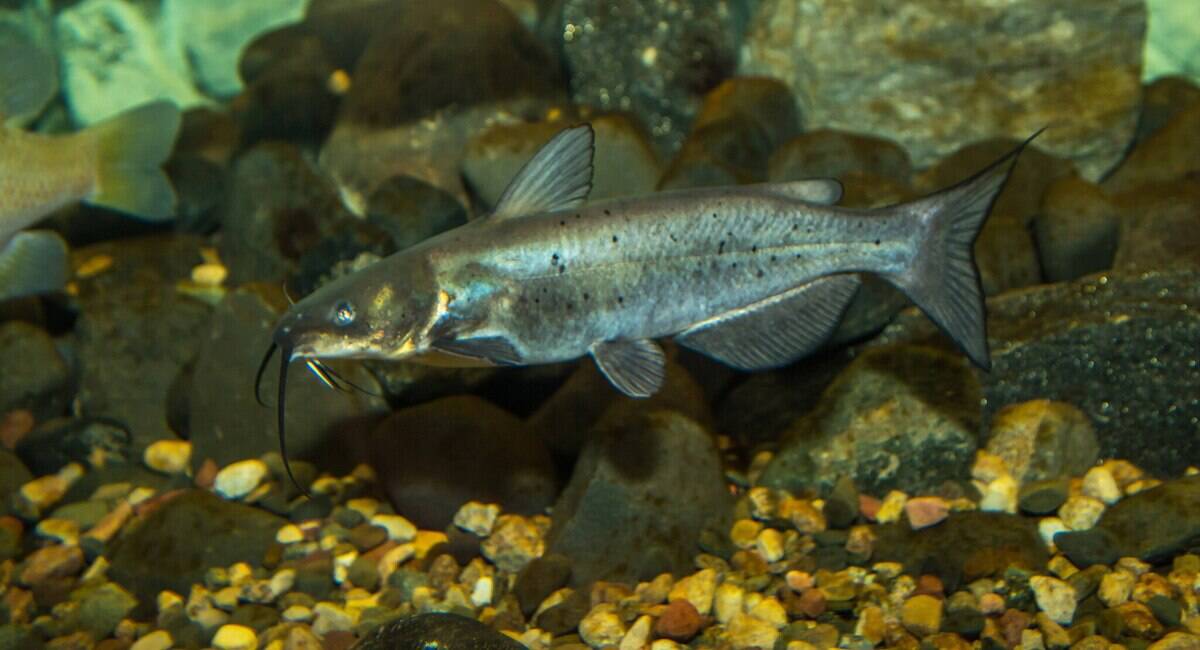
Catfish are equipped with barbels, whisker-like organs covered in taste buds, allowing them to taste their environment. These sensory organs help them locate food in murky waters where visibility is limited.
As they swim along riverbeds, catfish use their tactile taste buds to identify edible prey, making their whiskers a crucial tool for survival.
The Vibration Detection Skills of Elephants: Feeling the Earth Move
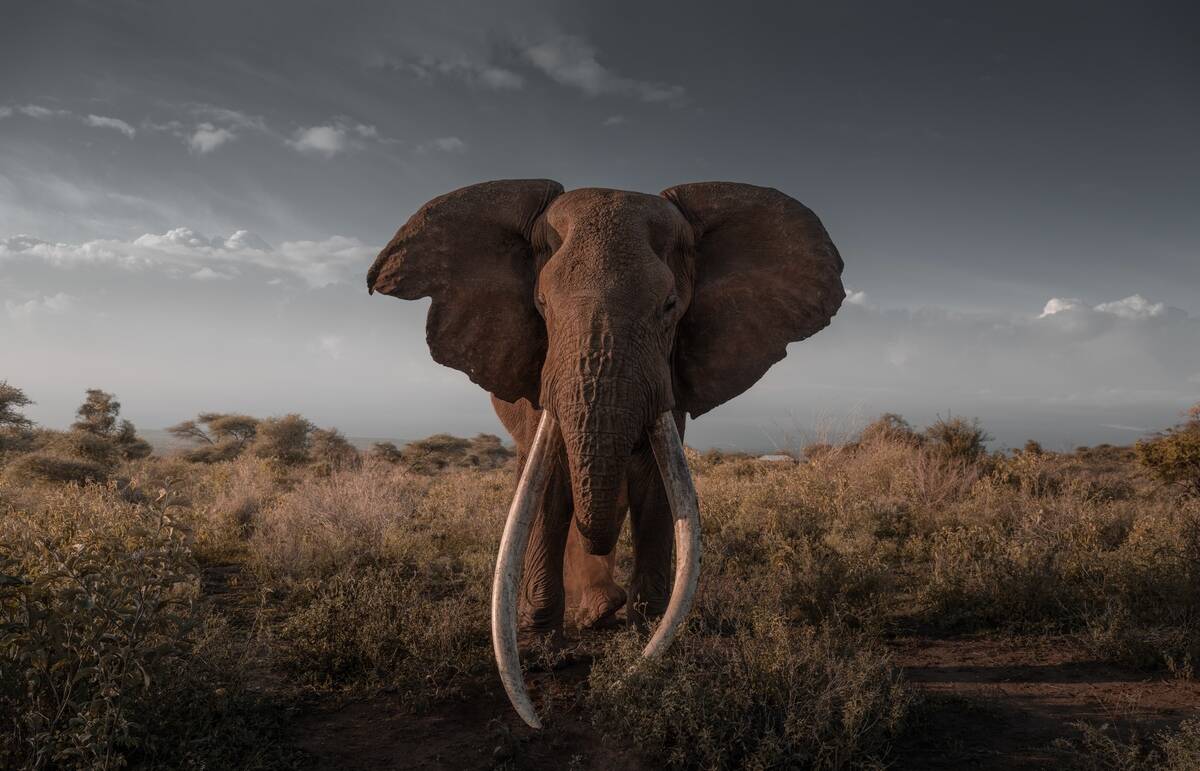
Elephants have an extraordinary ability to detect vibrations through the ground, a skill crucial for communication and navigation.
They use sensitive cells in their feet to feel seismic waves, allowing them to detect distant thunderstorms or the movement of other elephants. This seismic sensitivity enables them to stay connected across vast distances in the wild.
The Stellar Navigation of Dung Beetles: Following the Milky Way
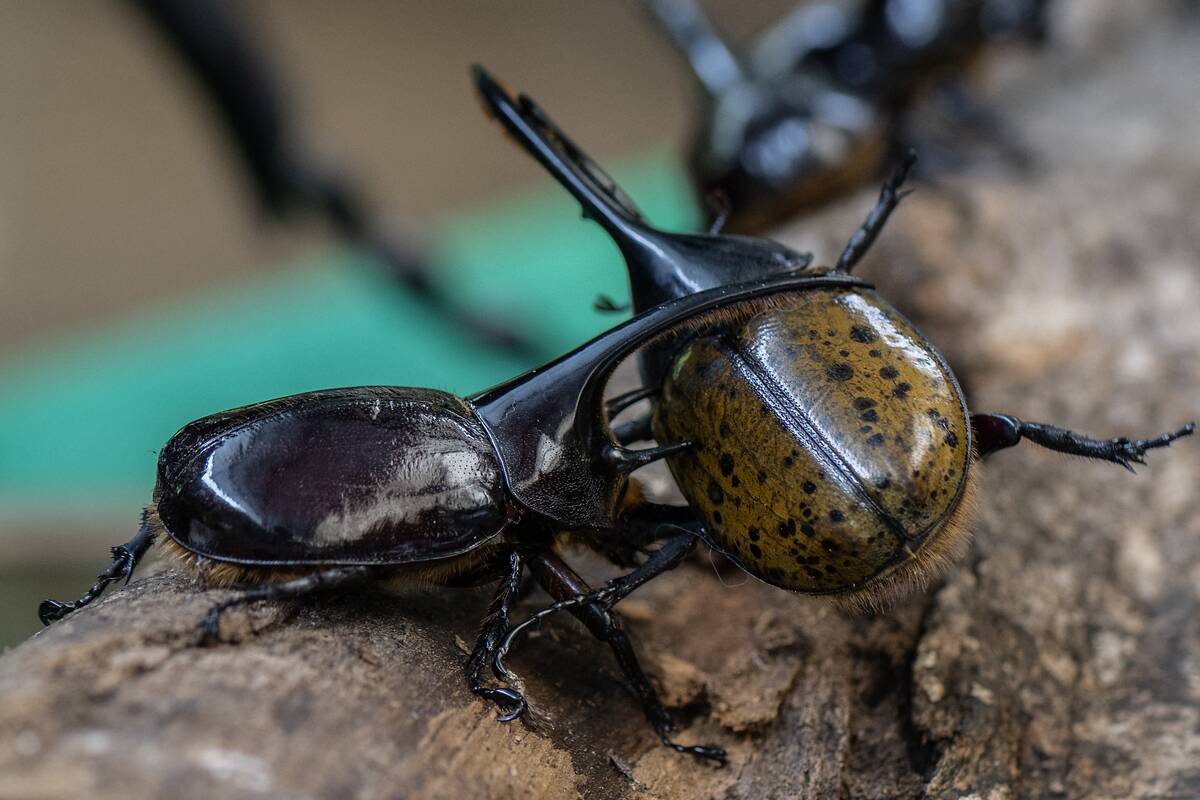
Dung beetles are one of the few insects known to navigate using the stars. They use the Milky Way as a guide to move in straight lines while rolling their dung balls.
This celestial navigation ensures they efficiently transport food to their burrows, reducing the risk of theft by other beetles. The night sky serves as a reliable map for these industrious insects.
Octopuses and Their Chemoreception: Tasting with Their Arms
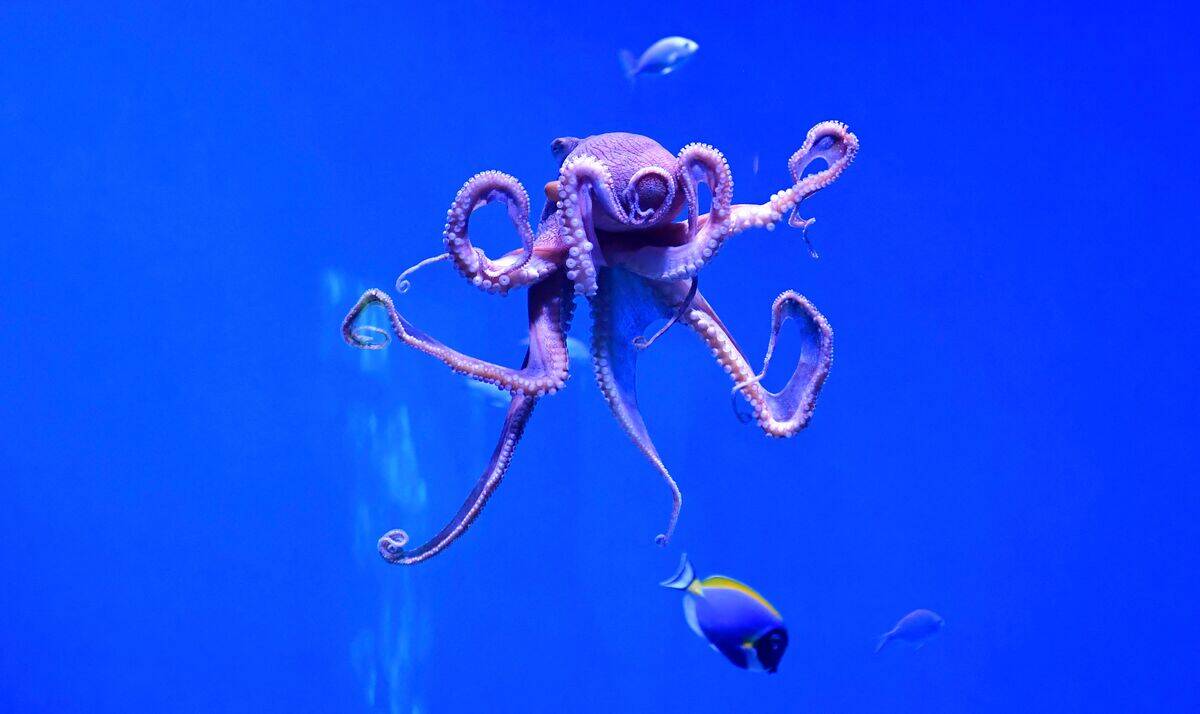
Octopuses possess a unique chemosensory ability that allows them to taste their surroundings with their arms. Each arm is lined with chemical receptors that help them detect the flavors of nearby objects.
This tactile tasting ability enables octopuses to explore their environment and identify prey or potential dangers, showcasing their remarkable adaptability in the underwater world.
The Incredible Ears of Owls: Pinpointing Prey with Precision
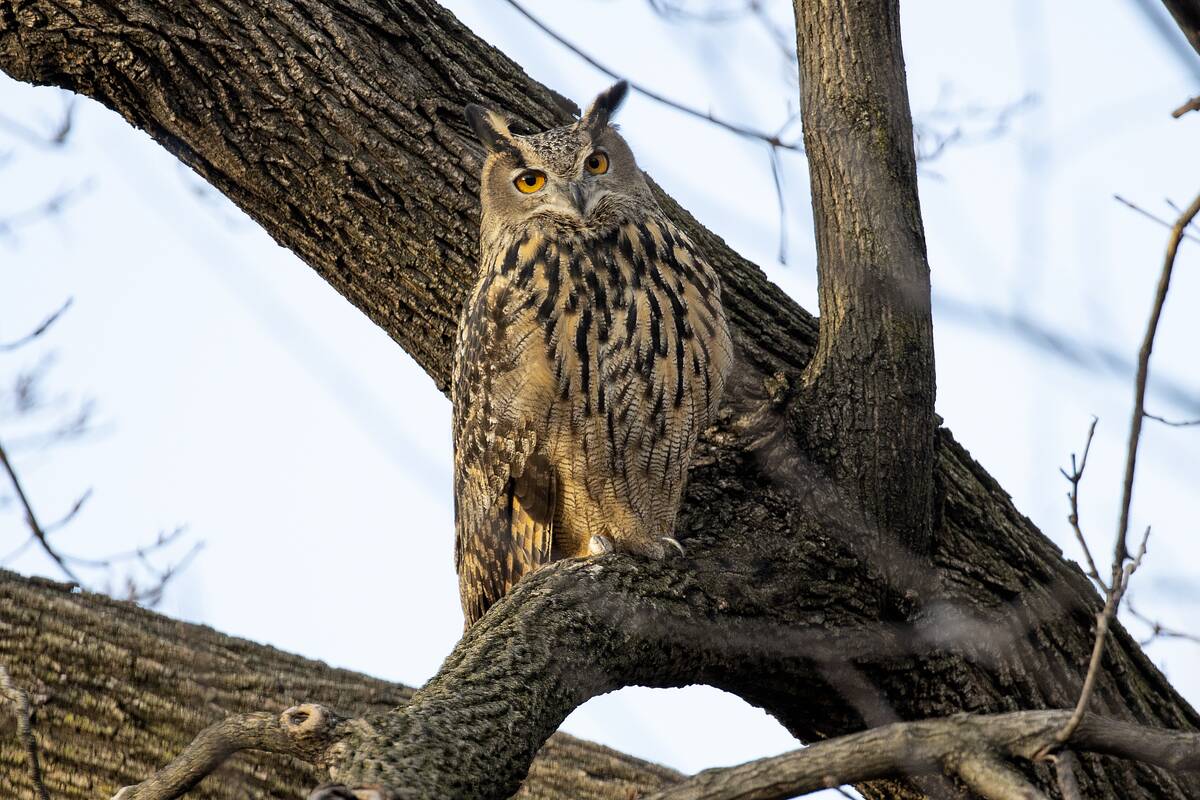
Owls are equipped with asymmetrical ears that enable them to pinpoint the exact location of their prey. This adaptation allows for acute hearing, aiding them in hunting small mammals in the dark.
The difference in ear placement helps owls detect the direction of sounds with remarkable accuracy, making them silent yet deadly predators of the night.
The Electroreception of Knifefish: Communicating in Electric Currents
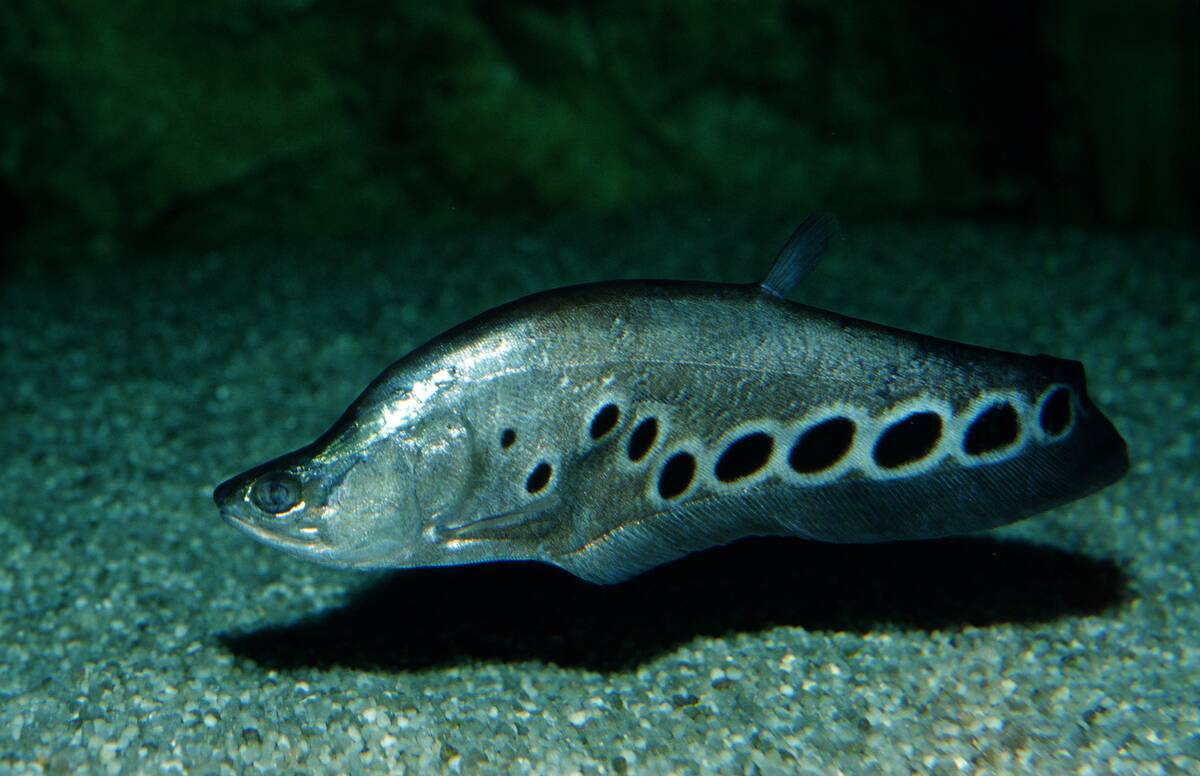
Knifefish navigate and communicate using electric fields generated by their own bodies. This electroreception allows them to send and receive signals in murky waters where visibility is low.
By producing electric pulses, knifefish can identify obstacles, locate prey, and even communicate with each other, showcasing a sophisticated form of interaction beneath the water’s surface.
The Seismic Sensitivity of Spiders: Catching Prey with Vibrations
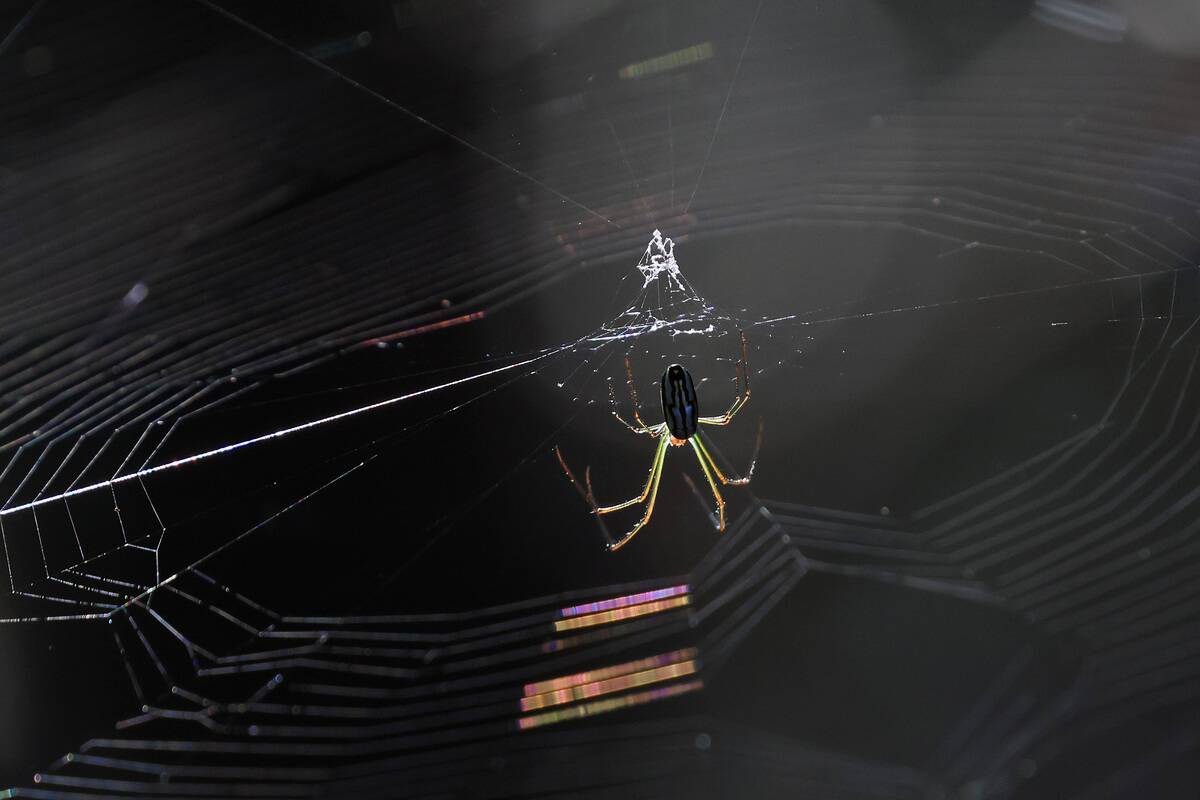
Spiders are adept at detecting vibrations through their webs, a skill crucial for capturing prey. Sensitive hairs on their legs pick up even the slightest movements, alerting them to the presence of potential food.
This seismic sensitivity allows spiders to respond swiftly, ensuring they capitalize on every opportunity to secure a meal in their intricate webs.
The Unique Underwater Hearing of Dolphins: Sound as Sight

Dolphins utilize echolocation to ‘see’ underwater, sending out clicks and listening for the returning echoes. This ability helps them navigate, hunt, and communicate in the ocean’s depths.
Their sophisticated sonar system allows dolphins to form a detailed mental map of their surroundings, enabling them to thrive in the vast and often murky marine environment.