Oceans that hold more gold than land reserves

Trending Now
The ocean is a vast, mysterious expanse that covers about 71% of the Earth’s surface. It’s often said that we know more about the surface of the moon than the ocean depths.
Beneath the waves lies a wealth of resources, including precious metals like gold. Although the idea of sunken treasure might seem like the stuff of legends, the truth is that the ocean holds a surprising amount of this coveted metal, hidden in its depths.
The Myth and Reality of Sunken Treasures
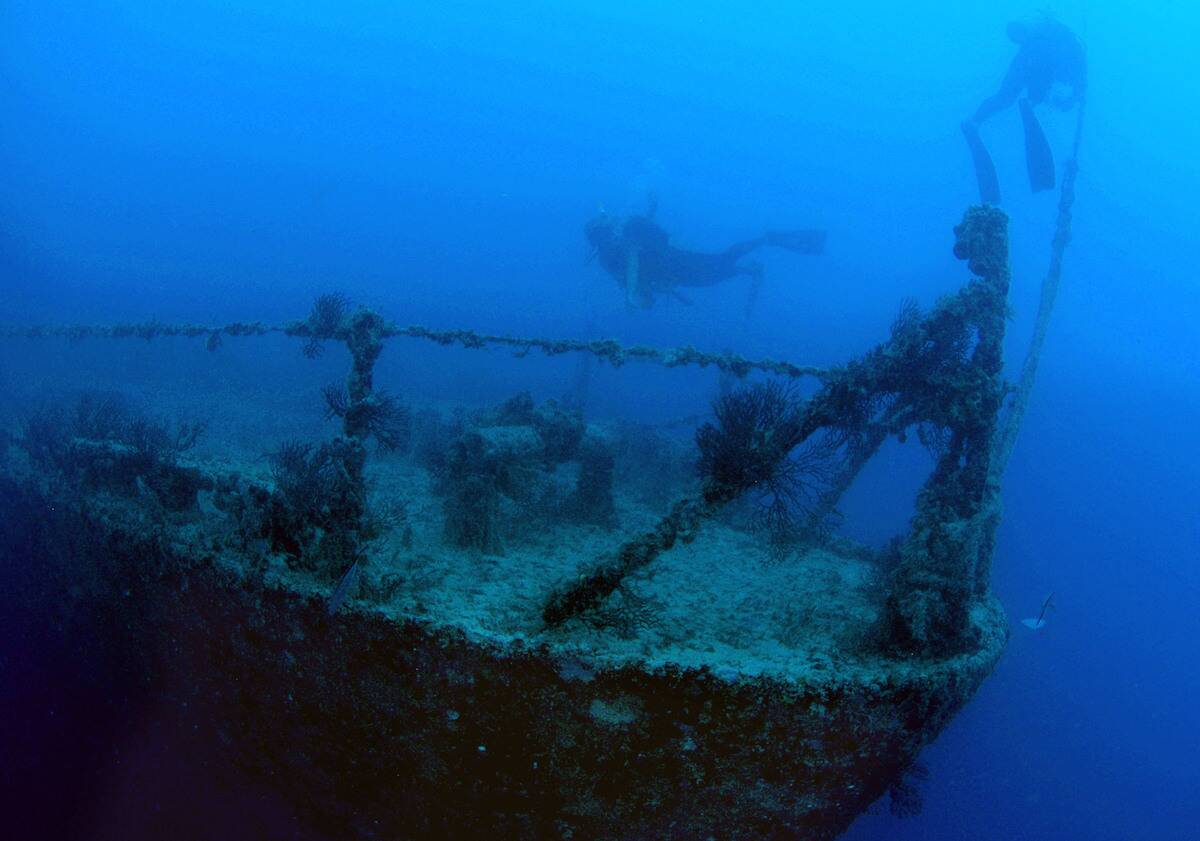
Tales of sunken pirate ships filled with gold have captured imaginations for centuries. While these stories are often romanticized, there is some truth to them. Shipwrecks from historical sea routes can indeed carry quantities of gold.
For instance, the Spanish galleon San José, which sank in 1708, is believed to hold billions of dollars worth of treasure. However, the majority of oceanic gold isn’t found in shipwrecks but dispersed throughout the sea.
Understanding Oceanic Gold: What Lies Beneath?
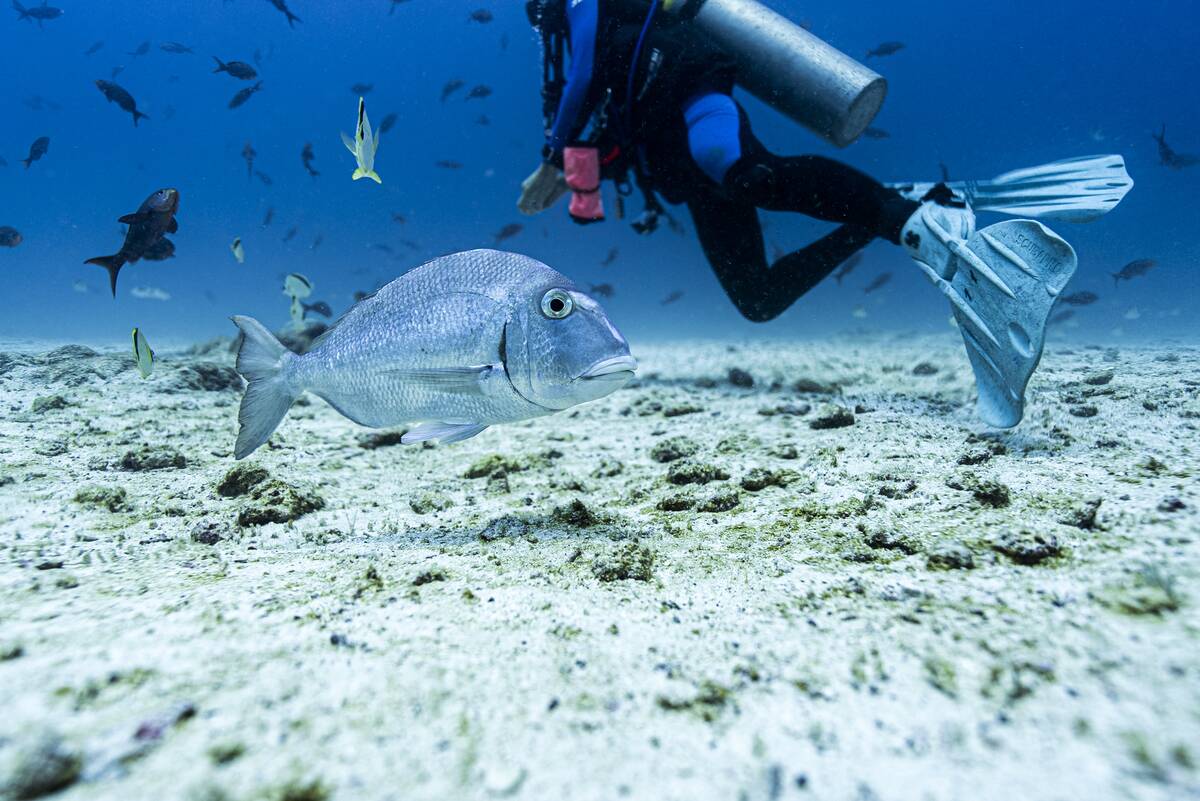
Oceanic gold isn’t a matter of finding a hidden chest but rather understanding the diverse ways it exists in the marine environment. It’s dissolved in seawater, embedded in sediments, and even locked within the structures of hydrothermal vents.
These deposits form over millennia, shaped by geological processes. Unlike gold nuggets on land, oceanic gold is often microscopic, requiring advanced technology for detection and extraction.
How Gold Ends Up in Ocean Waters
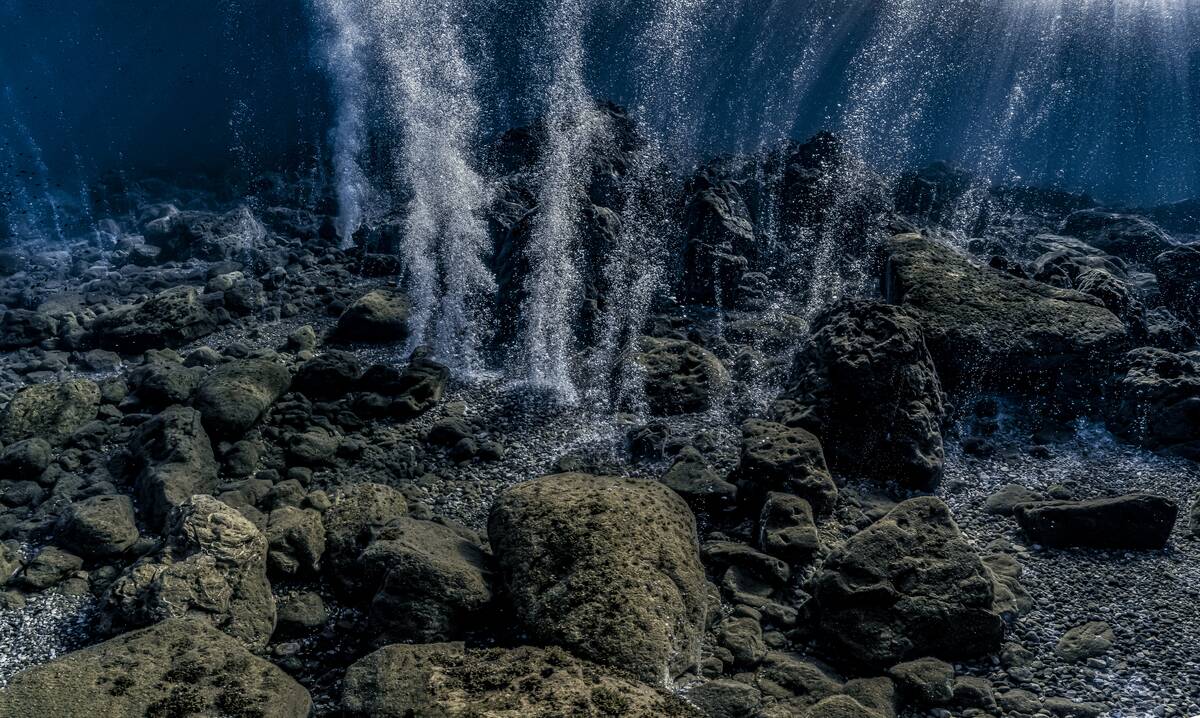
Gold reaches the ocean through the erosion of rocks on land, carried by rivers and streams. It’s a natural process that has been occurring for billions of years. As continents erode, tiny particles of gold are washed into the ocean, where they become part of the marine ecosystem.
Underwater volcanic activity also plays a role, as hydrothermal vents can release gold into the surrounding waters, contributing to the ocean’s hidden wealth.
The Ocean: Earth’s Largest Gold Reservoir
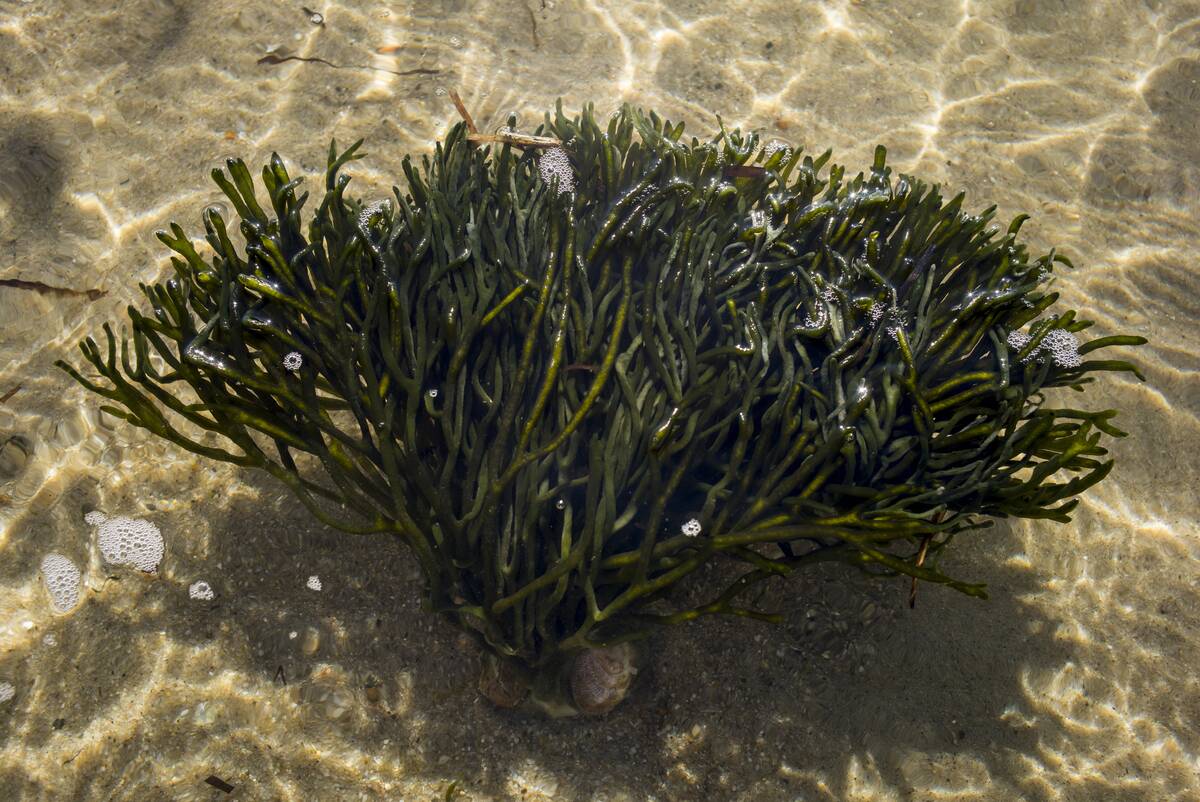
It’s estimated that the ocean contains around 20 million tons of gold, though not in the form of easily retrievable nuggets. This immense amount is dissolved throughout the vast seawater, making it the largest single reservoir of gold on the planet.
The concentration of gold in the ocean is about 10-11 billionths of a gram per liter of seawater, which is quite minuscule but adds up given the ocean’s sheer volume.
Comparing Oceanic Gold and Land Mined Gold
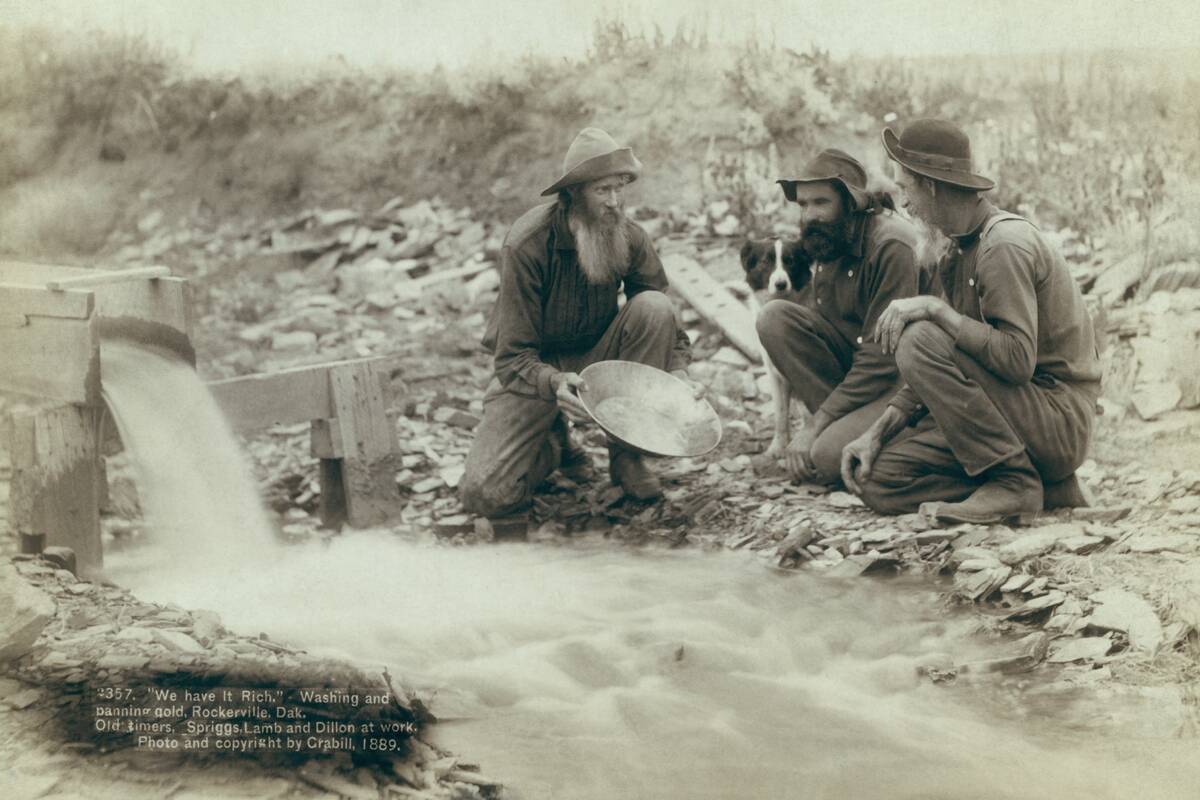
Gold mined from land and that found in the ocean differ significantly. Terrestrial gold is typically found in veins and alluvial deposits, making it relatively easy to extract. Oceanic gold, however, is scattered in minuscule quantities throughout seawater and sediments.
This dispersion makes extraction challenging and costly, contrasting with the more concentrated deposits found in traditional mining operations on land.
The Science Behind Detecting Gold in Seawater
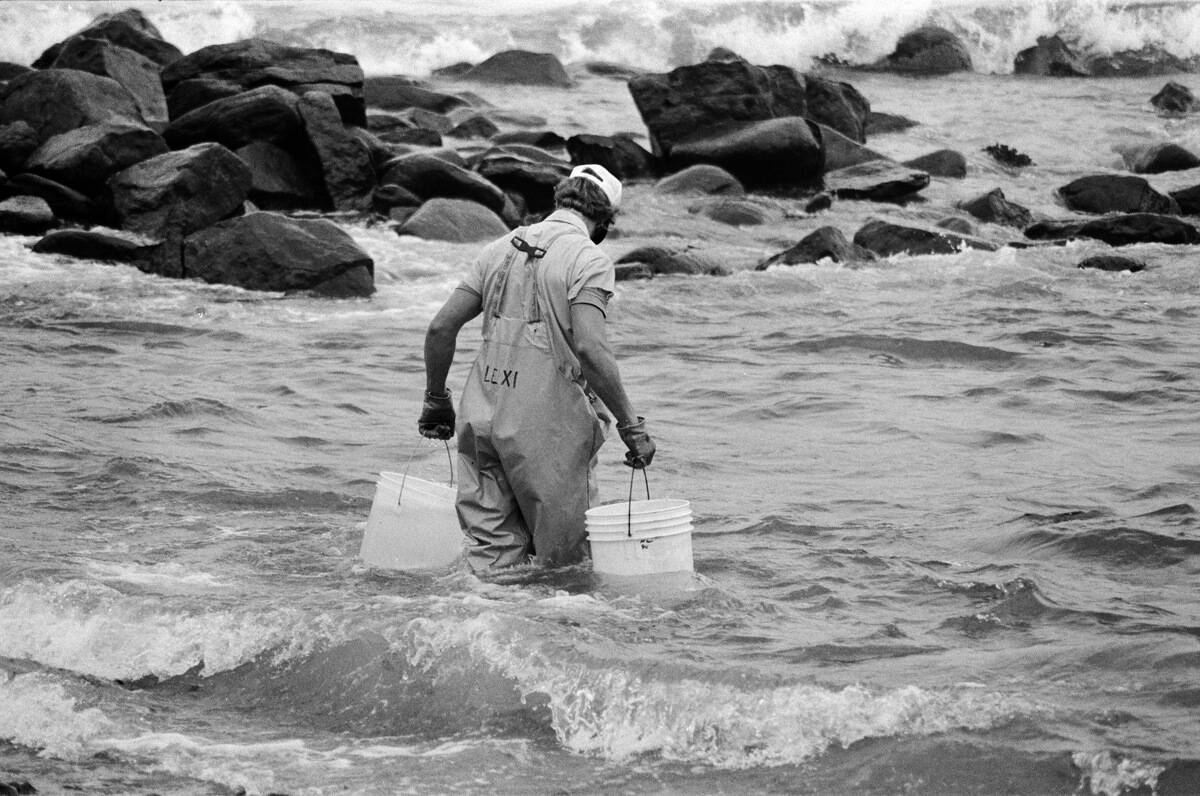
Detecting gold in seawater involves sophisticated techniques. Scientists use methods like mass spectrometry to analyze trace amounts of gold. This technology can identify the presence of gold at incredibly low concentrations, pinpointing areas where extraction might be viable.
Additionally, underwater robots and submersibles equipped with sensors explore the ocean floor, seeking clues about gold distribution and concentration.
Gold Concentration Levels in Different Oceans
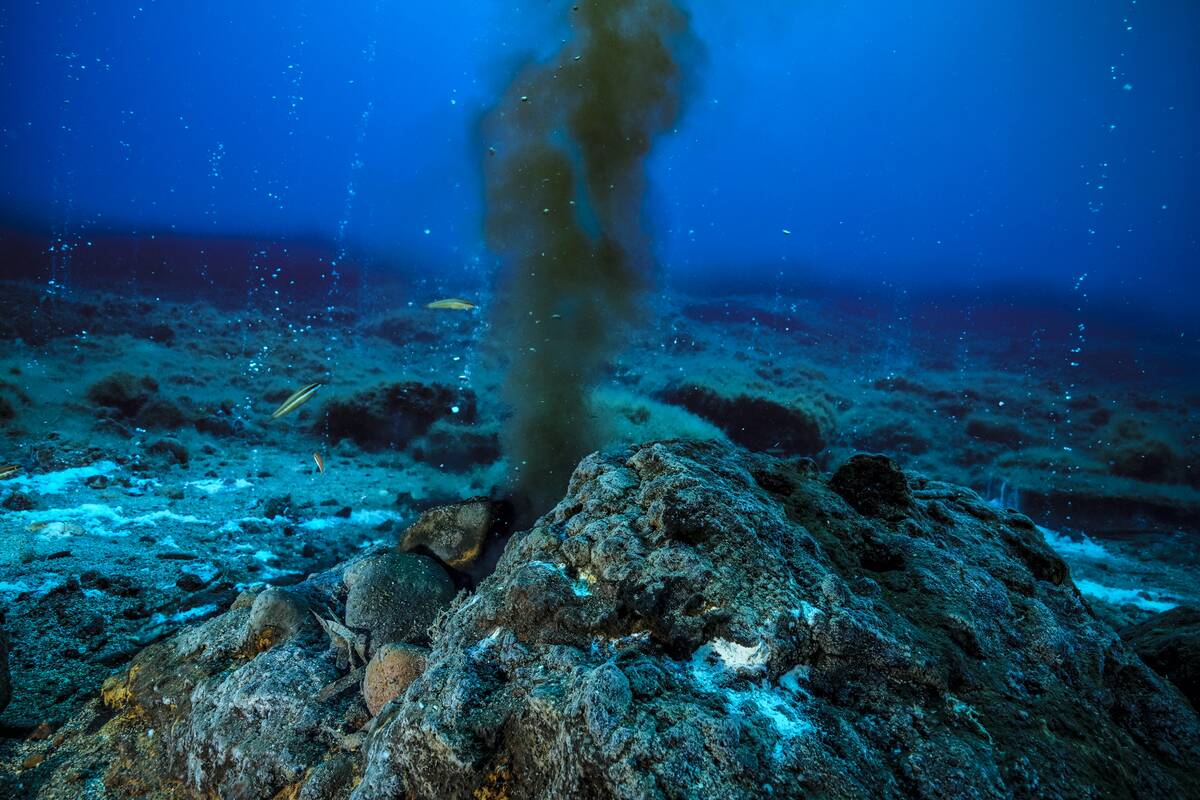
Gold concentration in seawater isn’t uniform across all oceans. Factors like geological activity and proximity to mineral-rich regions influence these levels.
For example, the Pacific Ocean, with its active tectonic plates and hydrothermal vents, can have higher concentrations of gold compared to the Atlantic. However, these differences are still marginal, emphasizing the diffuse nature of oceanic gold.
The Challenge of Extracting Gold from the Sea

Extracting gold from the ocean poses significant challenges due to its low concentration and the vastness of the marine environment. The technology required to filter gold from seawater is expensive and energy-intensive.
Moreover, there’s the issue of environmental impact, as large-scale operations could disrupt marine ecosystems. These hurdles have so far prevented oceanic gold from becoming a major source of the metal.
Historical Attempts at Oceanic Gold Mining

Throughout history, there have been numerous attempts to mine gold from the ocean. In the late 19th century, several inventors filed patents for extracting gold from seawater, but none of these methods proved commercially viable.
Later, in the 20th century, German chemist Fritz Haber explored this idea, but concluded that it was not economically viable with the technology of his time. These early efforts highlight the perennial allure of oceanic gold.
Modern Technology and the Future of Oceanic Gold Extraction

Advancements in technology have reignited interest in oceanic gold extraction. Innovations like drones and remotely operated vehicles (ROVs) allow for precise exploration of the ocean floor.
These tools, combined with improved filtration techniques, may someday make mining the ocean more feasible. However, it’s a delicate balance between technological capability and environmental stewardship, with future prospects still uncertain.
Fascinating Facts About Ocean Gold Deposits

Did you know that if all the gold in the ocean were extracted, it could cover the entire surface of the Earth in a thin layer? Despite its allure, only a tiny fraction of oceanic gold has ever been recovered.
Some researchers speculate that certain underwater mountains and ridges may hold more concentrated deposits. These tantalizing facts continue to intrigue scientists and treasure hunters alike, fueling ongoing exploration efforts.