How some mountains grow taller annually

Trending Now
Mountains, those majestic natural wonders, seem as permanent as the stars. However, many mountains are not as static as they appear. They are actually growing, albeit at glacial speeds.
This fascinating process is driven by powerful geological forces beneath the Earth’s surface. As these forces continue to work their magic, some mountains rise higher, while others change shape, creating a dynamic landscape that’s anything but stagnant.
The Science Behind Mountain Growth
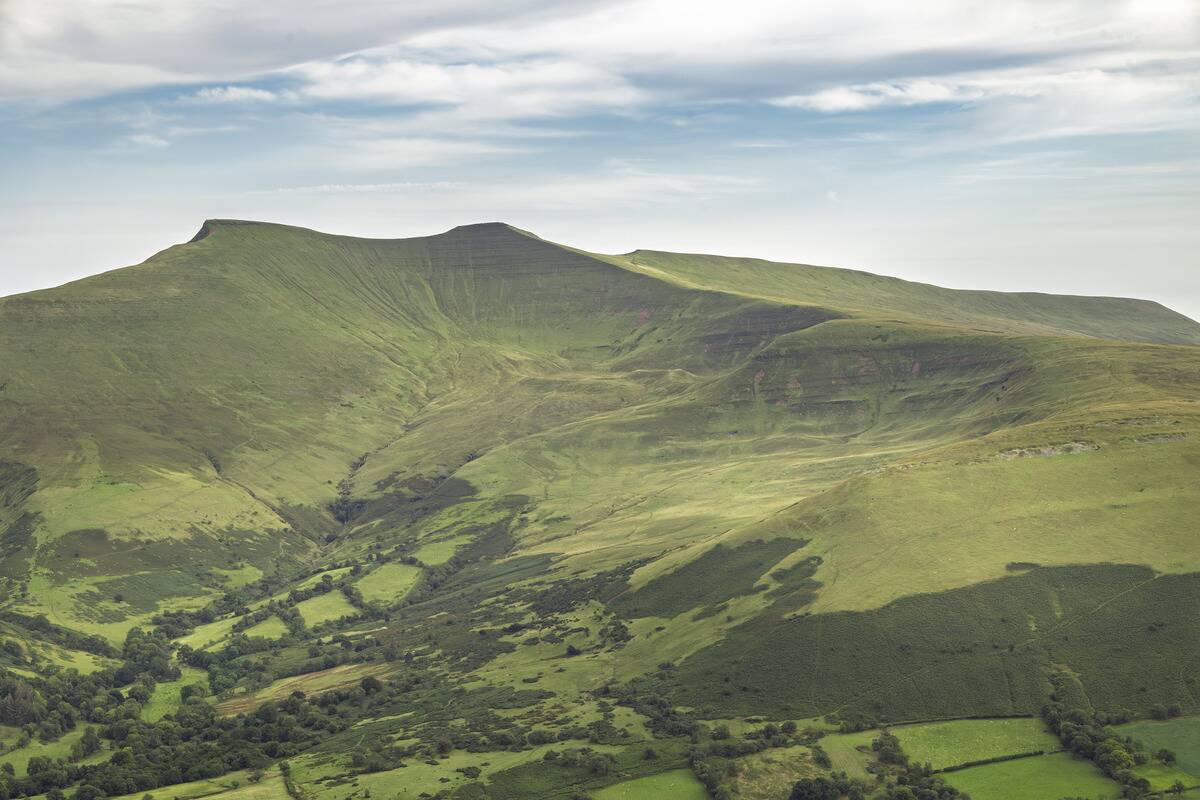
Mountain growth is a complex interplay of geological processes. The driving force behind this phenomenon is tectonic activity, where the Earth’s lithosphere is divided into plates that float on the semi-fluid asthenosphere below.
When these plates collide, the immense pressure can push up the Earth’s crust, forming mountains. This process, known as orogeny, is responsible for the creation and growth of most mountain ranges worldwide.
Tectonic Plate Movements: Nature’s Architects
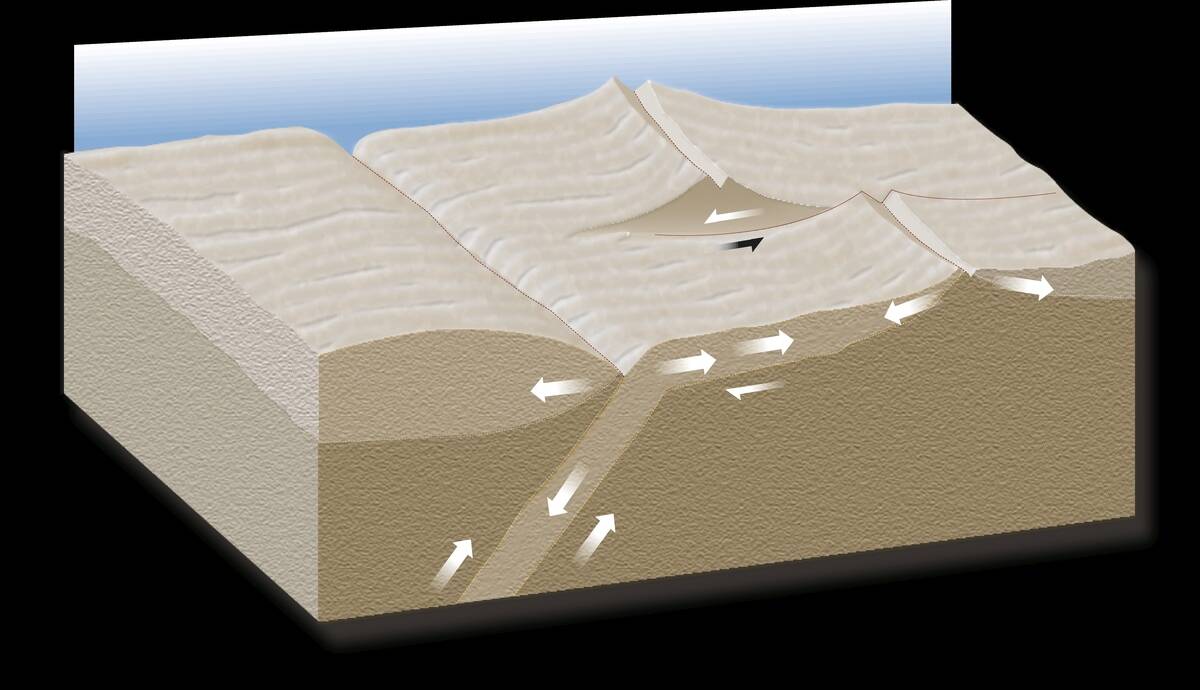
Tectonic plate movements are the architects of mountain ranges. When two continental plates collide, the crust crumples and thickens, pushing up mountain ranges like the Himalayas.
The Indian plate’s collision with the Eurasian plate, for example, is a prime example of tectonic forces at work. These movements are slow, often just a few centimeters per year, but over millions of years, they create towering mountains that dominate the landscape.
Earthquakes: Shaking Things Up for Higher Peaks
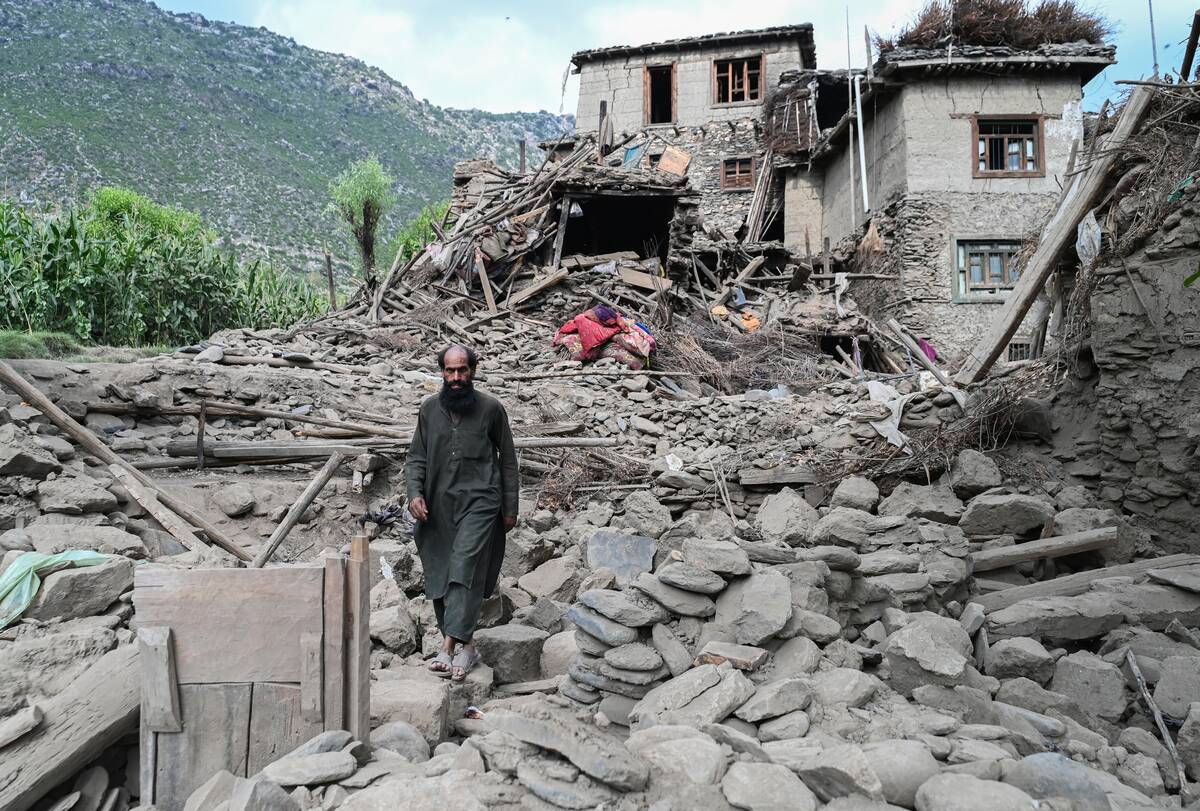
Earthquakes are a visible consequence of tectonic activity, and they can contribute in small ways to mountain growth. When tectonic plates grind against each other, stress builds up until it’s released as an earthquake, causing the Earth’s crust to shift.
While most of a mountain’s height comes from the slow, continuous collision and compression of plates, repeated seismic activity over millions of years can cause minor uplifts that add to the overall growth of mountain ranges.
The Role of Volcanic Activity in Mountain Formation
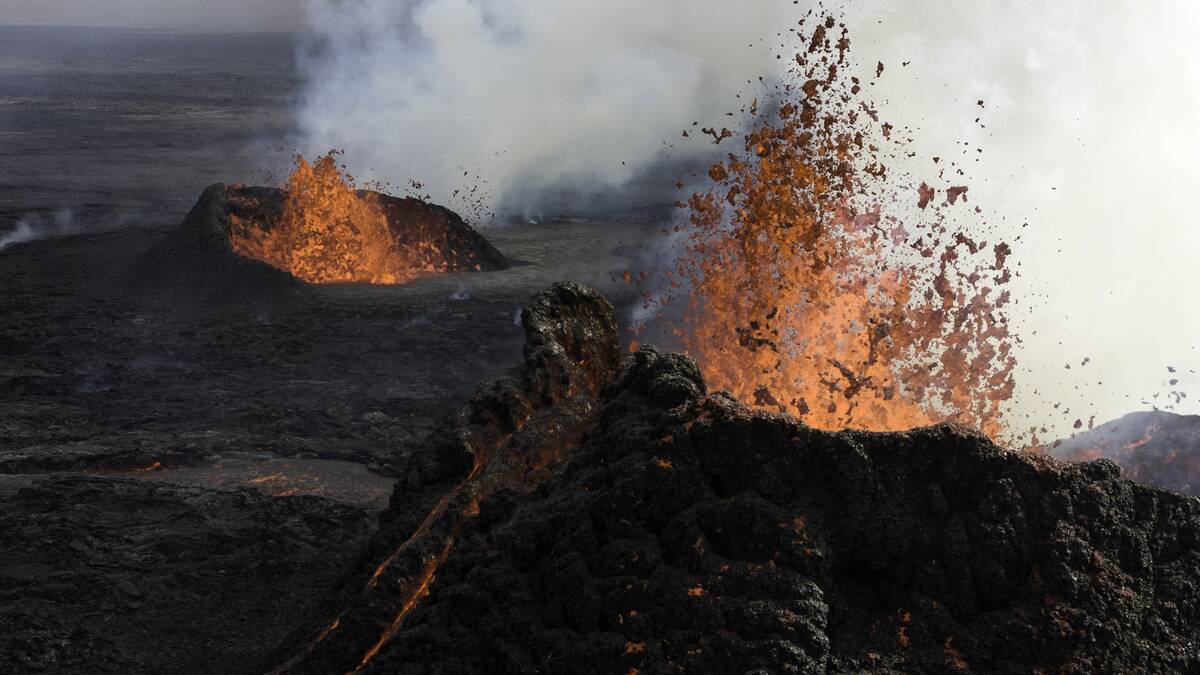
Volcanoes are another key player in mountain formation. When magma from the Earth’s mantle erupts through the crust, it can build up over time, creating volcanic mountains.
The Andes in South America are a prime example, formed by the subduction of the Nazca plate beneath the South American plate. This process not only creates new mountains but also adds to the height of existing ranges through successive eruptions.
The Himalayas: Earth’s Tallest and Still Growing Giants
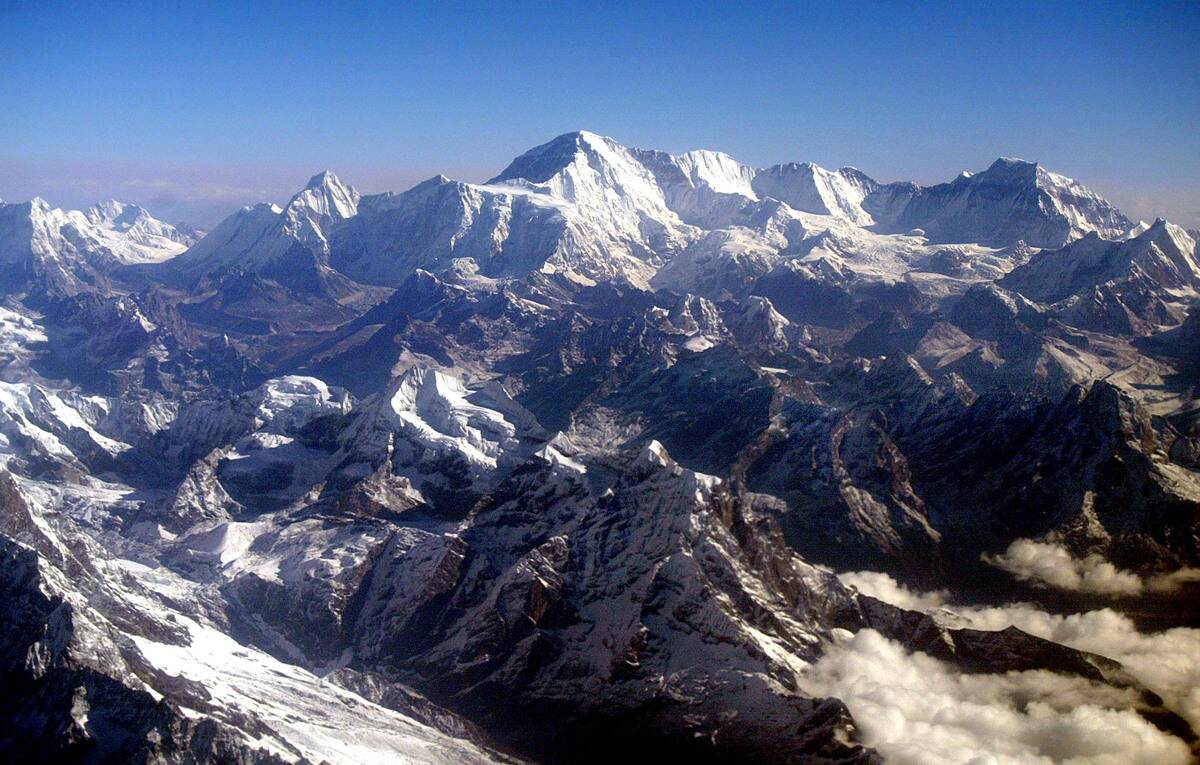
The Himalayas are the tallest mountain range in the world and continue to grow due to the ongoing collision between the Indian and Eurasian tectonic plates. The range rises at an average rate of about 5 to 10 millimeters per year.
This continuous uplift is responsible for the staggering heights of peaks like Mount Everest, which continue to reach new elevations as these continental giants push against each other.
The Andes: A Towering Presence in South America
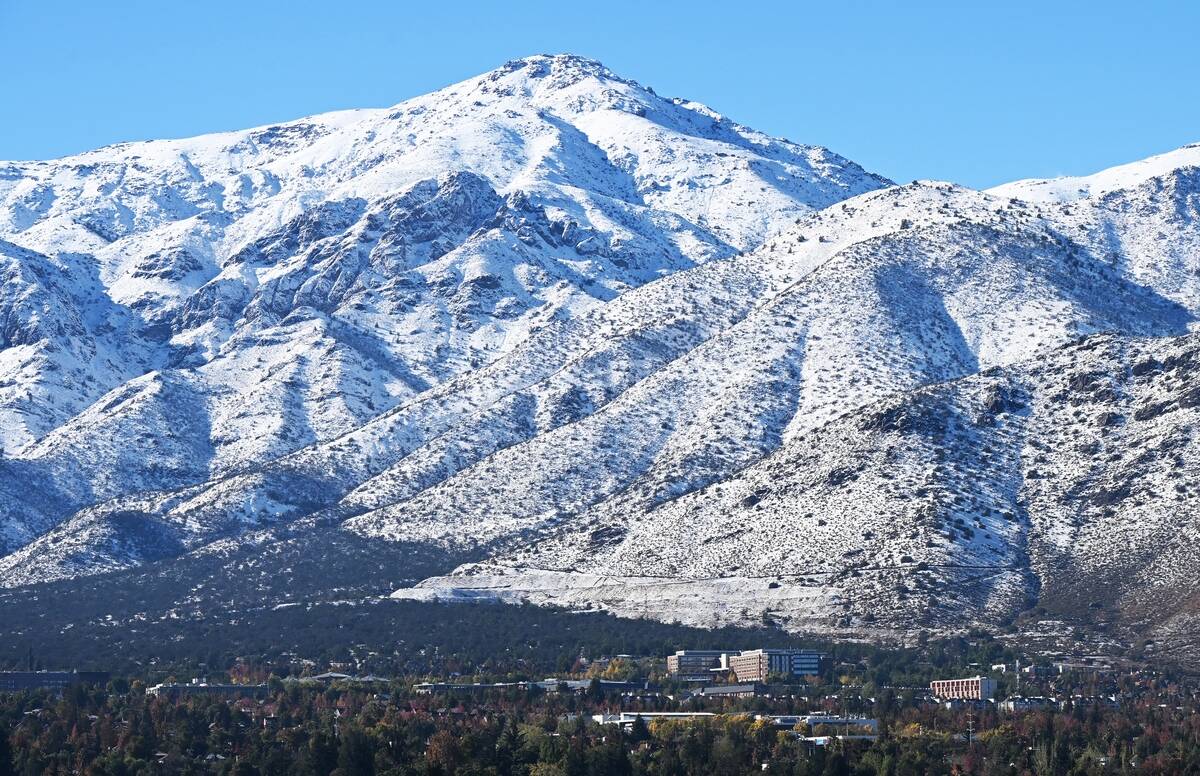
The Andes stretch along the western edge of South America, forming the longest continental mountain range in the world. They are a result of the subduction of the Nazca plate beneath the South American plate.
This ongoing tectonic activity not only formed the Andes but also continues to influence their height and structure. The Andes are a vivid testament to the power of tectonic forces shaping the Earth’s surface.
The Alps: Europe’s Majestic and Expanding Range
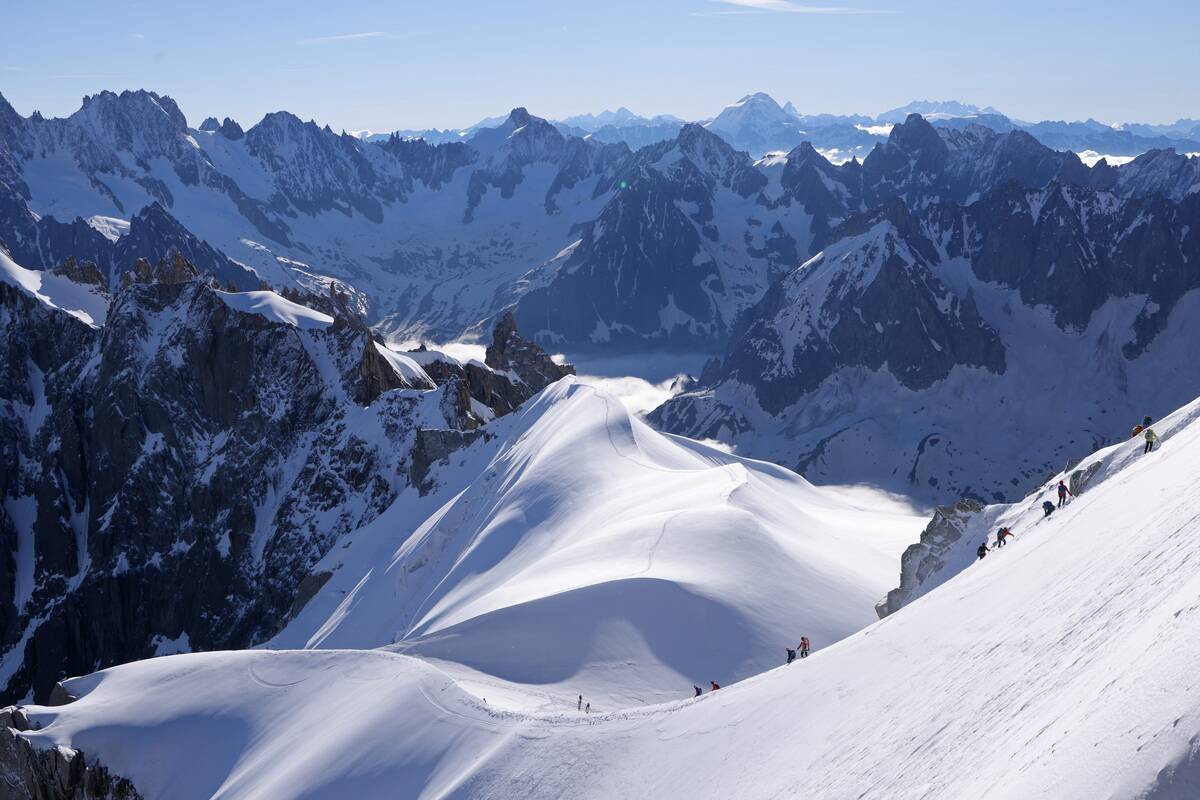
The Alps are Europe’s most famous mountain range, known for their stunning beauty and geological significance. Formed by the collision of the African and Eurasian plates, the Alps continue to grow, albeit slowly.
This growth is evident in the uplift of peaks like Mont Blanc, which stands as a testament to the ongoing geological processes. The Alps are a dynamic range, with their growth continuing to shape Europe’s landscape.
The Role of Erosion in Shaping Mountains
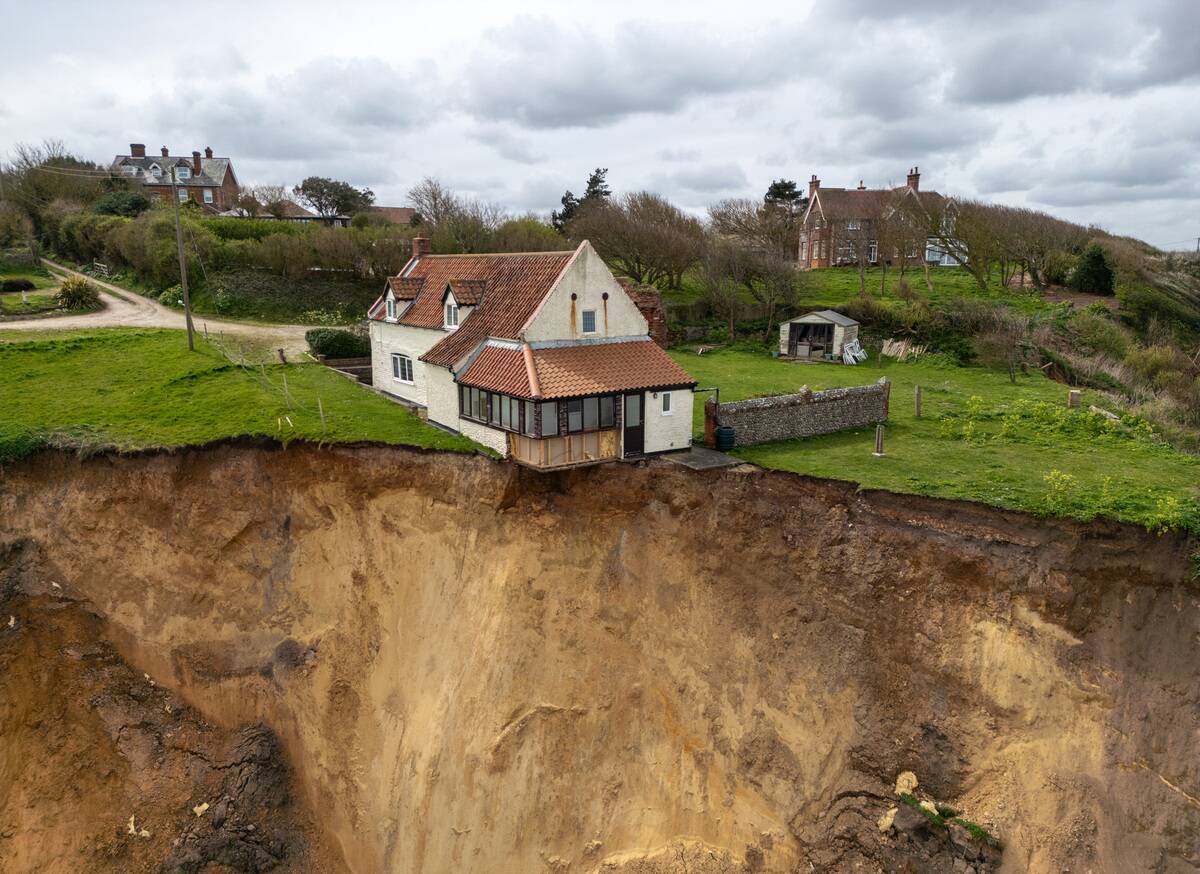
While mountains grow due to tectonic and volcanic activity, erosion plays a crucial role in shaping them. Wind, water, and ice wear down the mountains, carving valleys and creating unique formations.
Erosion can counterbalance the growth of mountains, leading to a dynamic equilibrium. This constant battle between uplift and erosion creates the varied and breathtaking landscapes we associate with mountain ranges.
The Surprising Impact of Climate Change on Mountain Growth
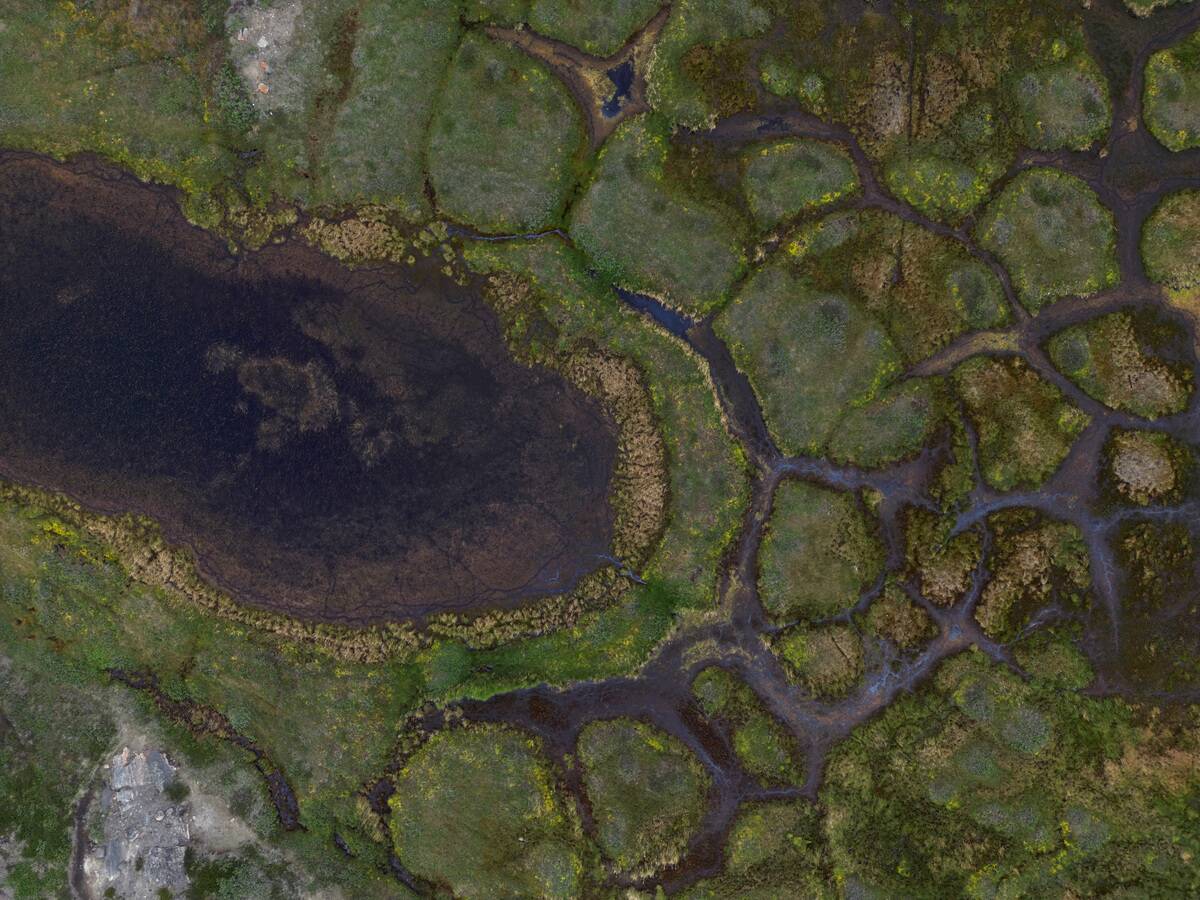
Climate change impacts mountain growth in unexpected ways. As glaciers melt, the reduced weight on the Earth’s crust can lead to crustal rebound, slightly increasing mountain height.
Additionally, increased precipitation can accelerate erosion, reshaping mountain landscapes. While these changes are subtle, they highlight the complex interactions between climate and geology, affecting how mountains evolve over time.
How Glaciers Contribute to Mountain Height Changes
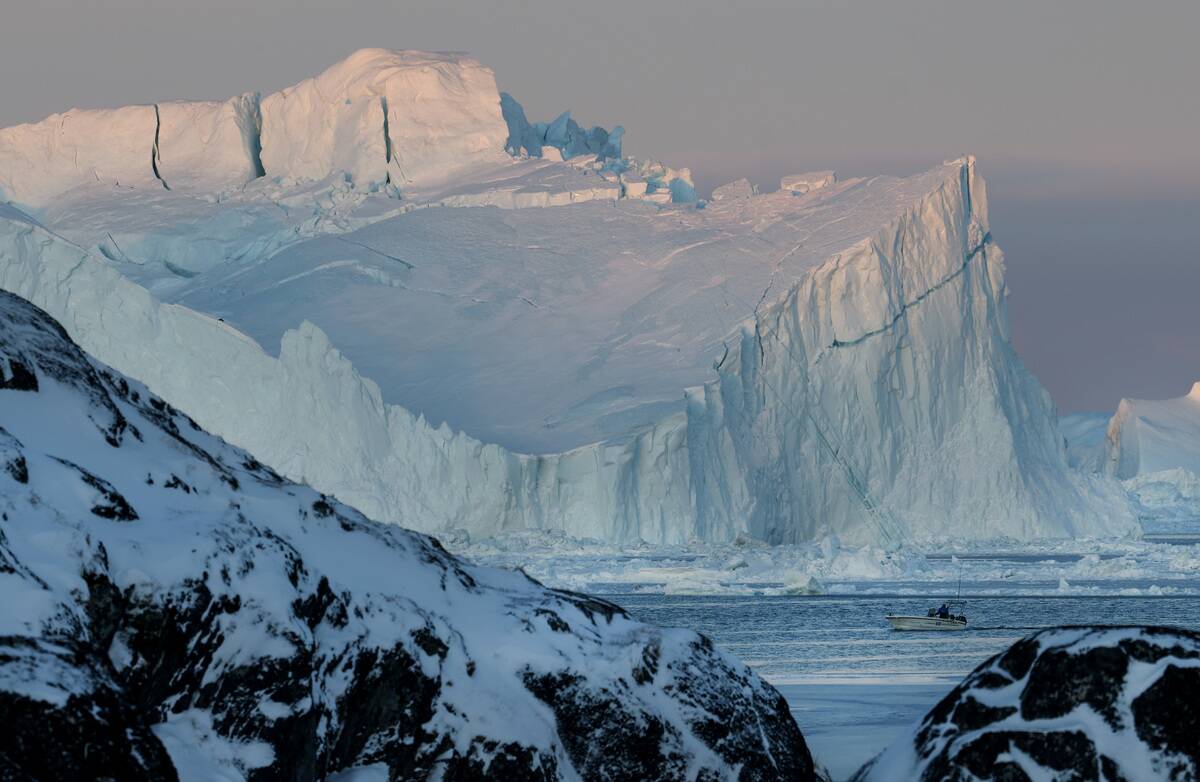
Glaciers, massive rivers of ice, can significantly impact mountain height. As glaciers carve through rock, they reshape the landscape, contributing to both erosion and uplift.
The weight of glaciers compresses the Earth’s crust, and when they melt, the crust can rebound, slightly increasing the mountain’s height. This process, known as isostatic rebound, is a fascinating example of how ice and rock interact over geological timescales.
The Role of Geologists in Measuring Mountain Growth
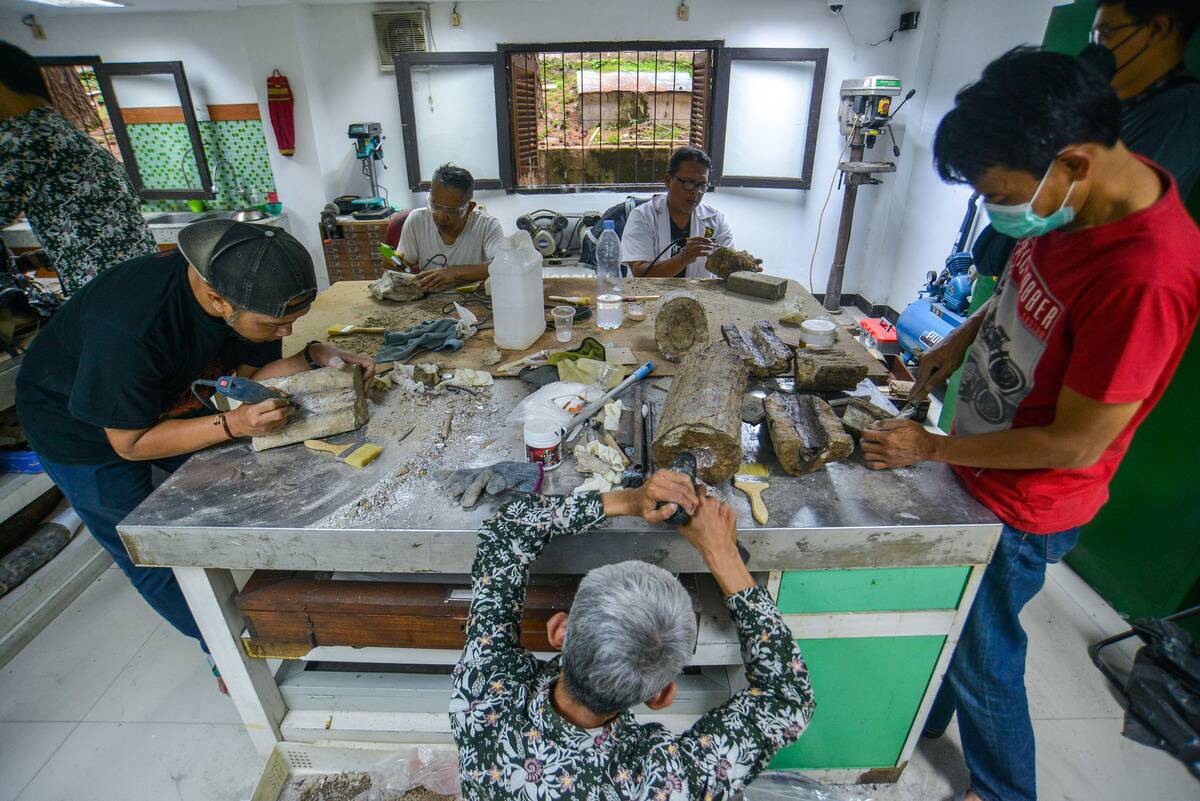
Geologists play a vital role in understanding mountain growth. Using advanced technology like GPS and satellite imagery, they measure changes in mountain height and analyze geological activity.
This data helps scientists track the complex processes that drive mountain growth and provides insights into the Earth’s dynamic systems. Geologists’ work is crucial for predicting natural hazards and understanding the planet’s intricate geological history.
Fun Facts: The Fastest Growing Mountains
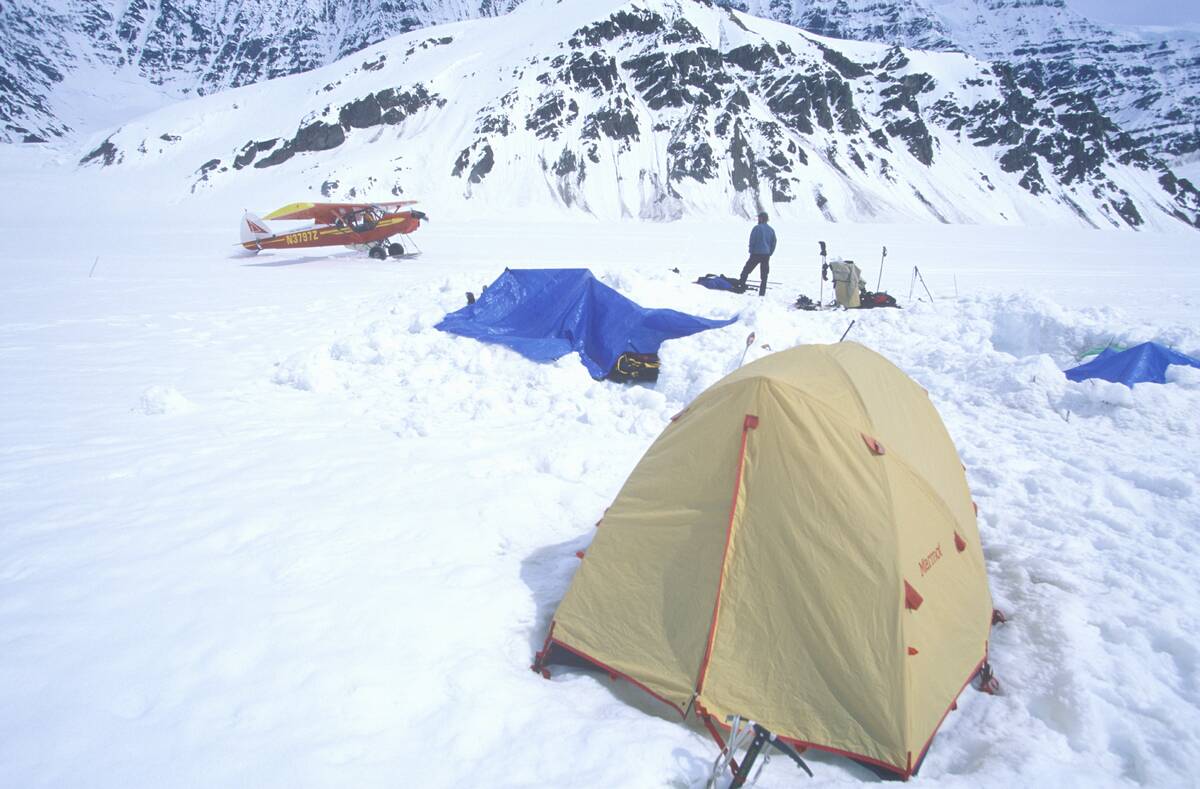
Did you know that the fastest-growing mountains aren’t necessarily the tallest? The St. Elias Mountains in Alaska and Canada’s Yukon are among the fastest, rising at rates of about 3 to 4 millimeters per year.
This rapid growth results from the collision of the Pacific and North American plates, combined with local tectonic and geological factors. These mountains offer a unique glimpse into the dynamic processes that shape our planet, proving that size isn’t everything when it comes to mountain growth.
Myth-Busting: Common Misconceptions About Mountain Growth
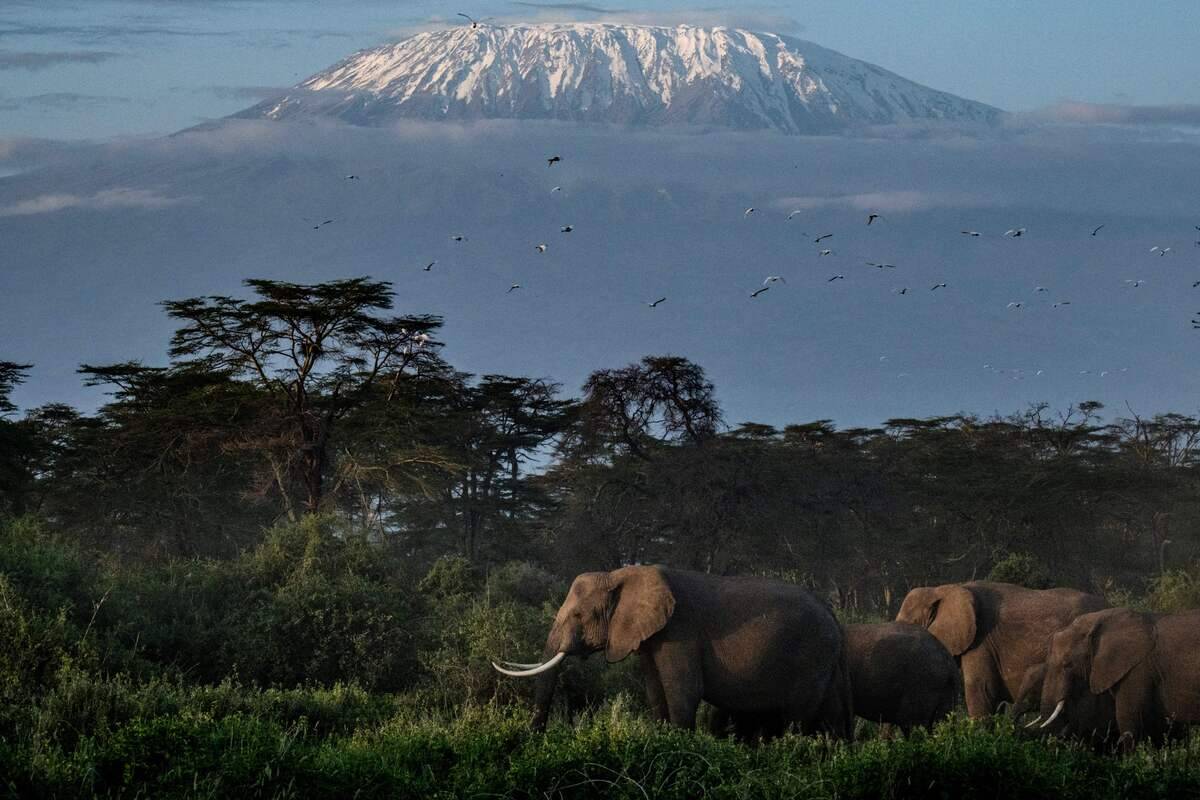
One common misconception is that mountains are static and unchanging. In reality, they are dynamic structures influenced by tectonic activity, erosion, and climate. Another myth is that volcanic mountains are the tallest, but it’s tectonic collision that creates the tallest peaks.
Understanding these processes helps unravel the mysteries of mountain growth, dispelling myths and highlighting the fascinating science behind these natural wonders.