Ancient tools crafted from meteorite metal

Trending Now
Meteorite metal has captivated human imagination for centuries, offering a link between our earthly existence and the vast cosmos. These celestial materials were often used by ancient civilizations to craft tools and artifacts, blending practicality with a touch of the divine.
The allure of meteorite metal lies in its rarity and the cosmic journey it undertakes before reaching our planet, making it a prized material in various cultures throughout history.
The Cosmic Journey: How Meteorite Metal Reaches Earth
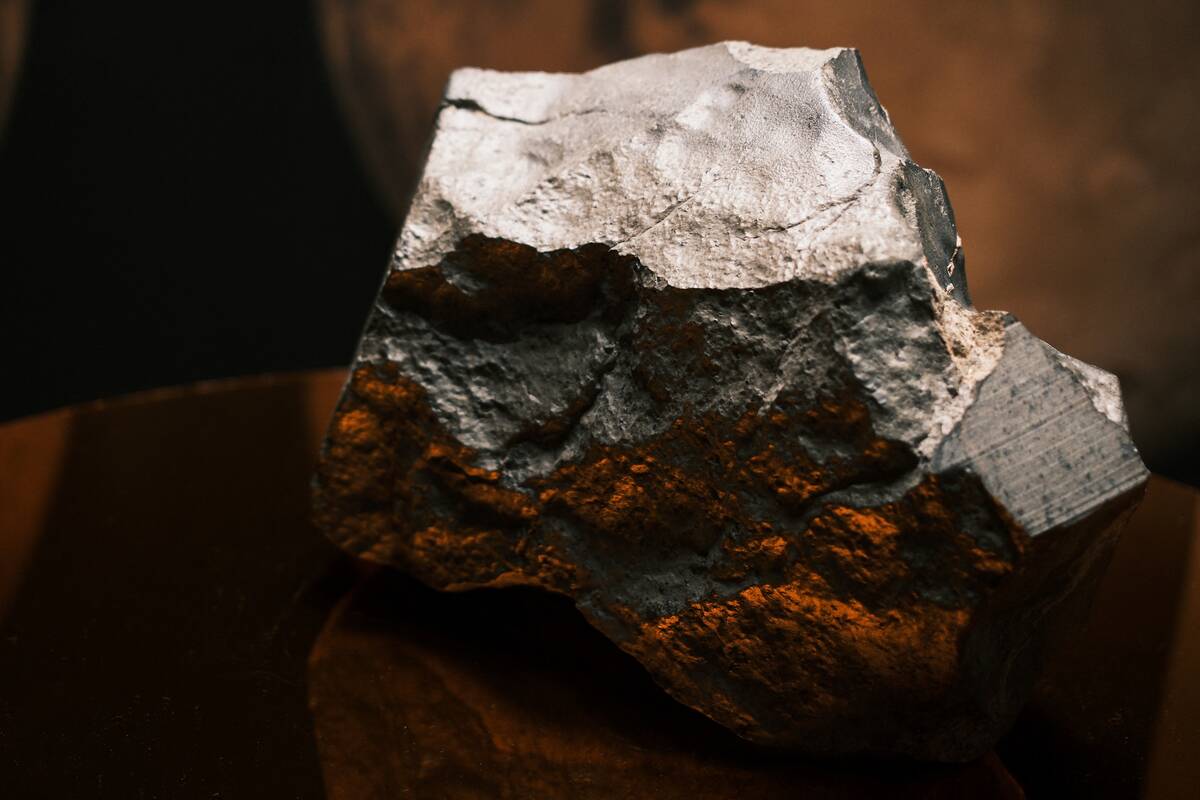
Meteorites are fragments of space rocks, primarily composed of iron and nickel, that survive their fiery descent through Earth’s atmosphere. This journey begins in the asteroid belt between Mars and Jupiter, where collisions send these fragments hurtling towards Earth.
Upon entering our atmosphere, they create a brilliant streak of light known as a “shooting star” before landing on the surface, ready to be discovered by curious minds.
Ancient Civilizations and Their Fascination with Meteorites
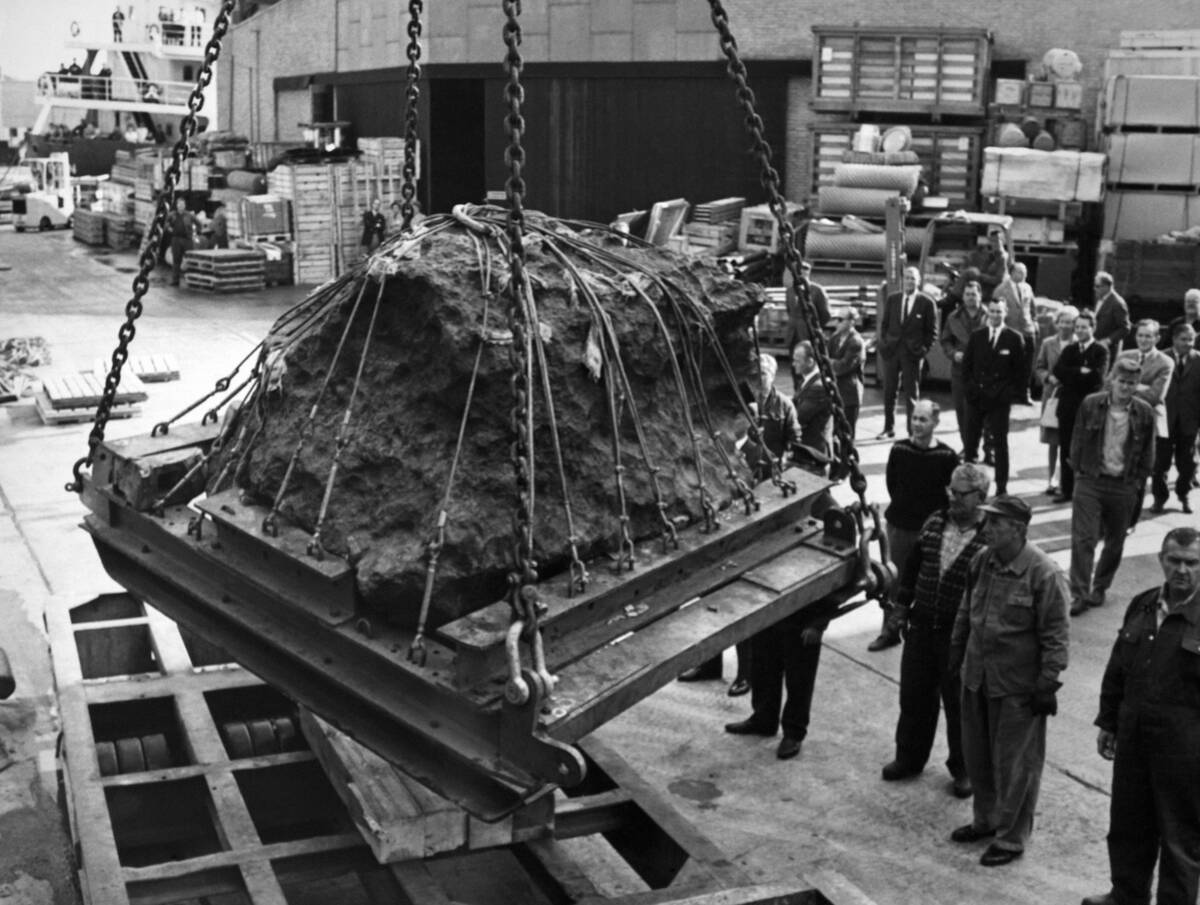
From ancient Egypt to Mesopotamia, civilizations across the globe were intrigued by meteorites, often viewing them as gifts from the gods. Egyptian priests believed that meteorite iron, known as “metal from heaven,” was divine and used it in ceremonial objects.
This fascination spanned continents, as the Inuits of Greenland also crafted tools from these celestial materials, believing they held protective powers.
The Unique Properties of Meteorite Metal
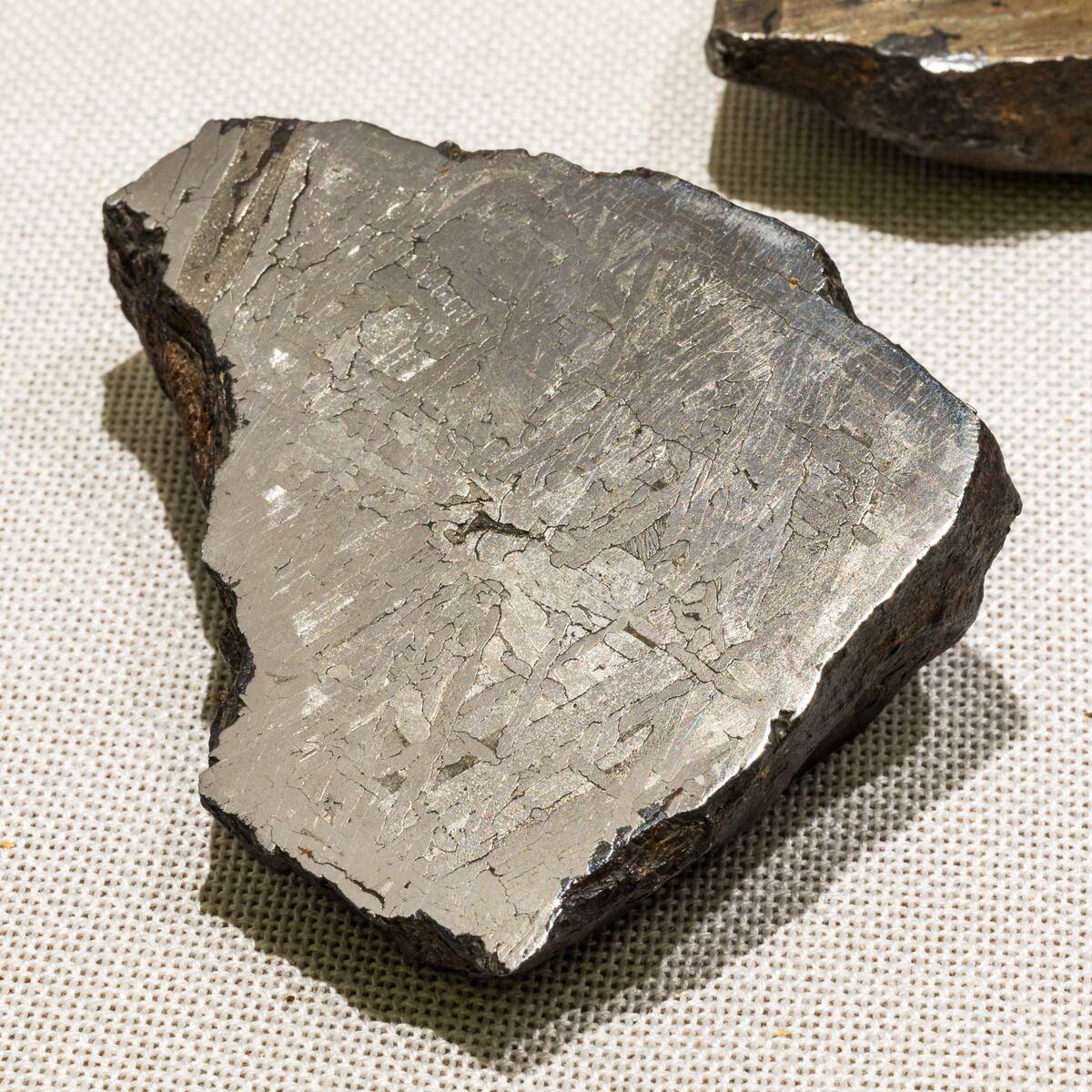
Meteorite metal’s distinct composition sets it apart from terrestrial metals. It predominantly consists of iron and nickel, with a unique crystalline structure known as the Widmanstätten pattern, visible when the metal is etched with acid.
This pattern is a hallmark of meteorite metal, formed over millions of years as the metal cooled slowly in space, giving it an otherworldly beauty and making it a sought-after material for ancient artisans.
Early Discoveries of Meteorite Metal Artifacts

One of the earliest known meteorite artifacts is the “Iron Bead” from Gerzeh, Egypt, dating back to 3200 BCE. This bead predates widespread iron smelting by more than a millennium and showcases the advanced understanding of materials by ancient Egyptians.
Similarly, the Inuit people ingeniously used meteorite metal from the Cape York meteorite to create tools for hunting and daily life, highlighting their resourcefulness and connection to the natural world.
The Role of Meteorite Metal in Ancient Cultures
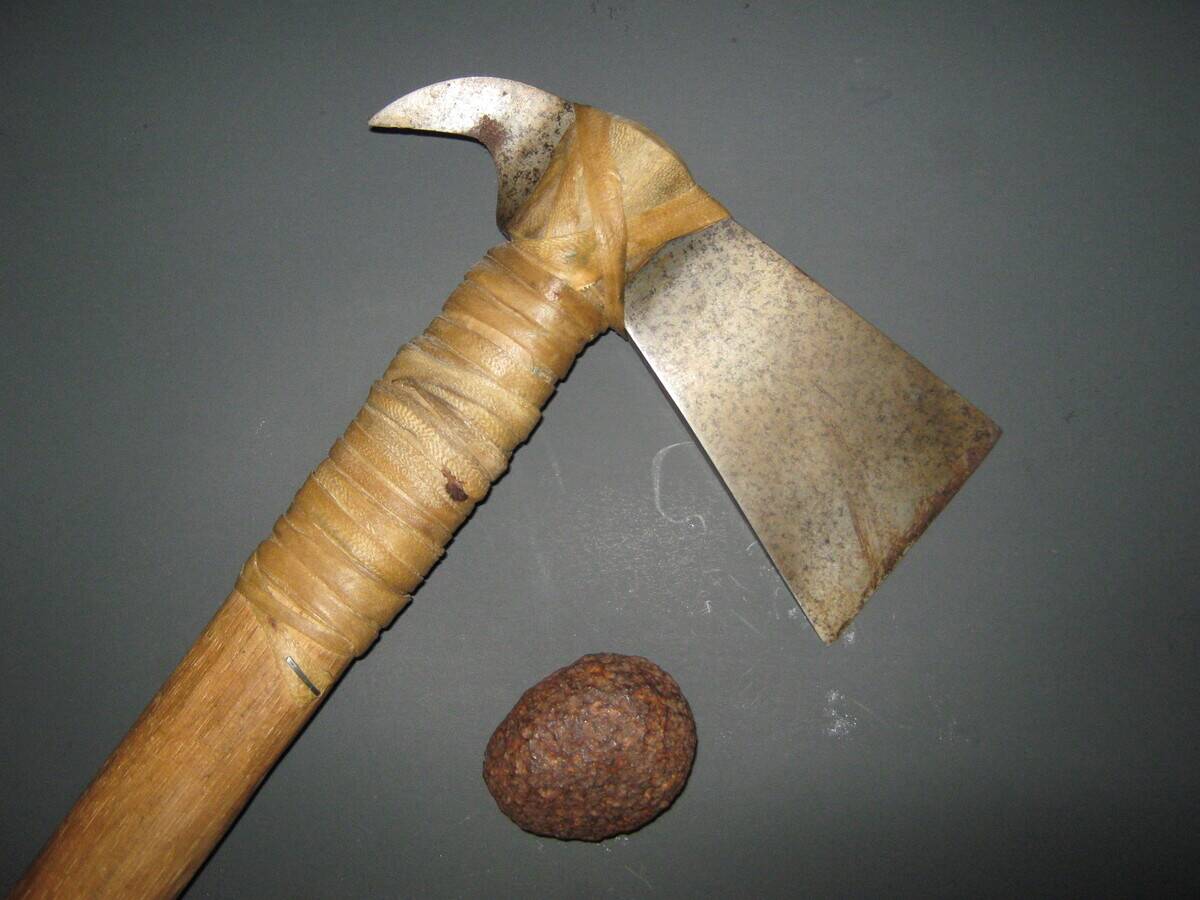
Meteorite metal played a significant role in ancient cultures, often associated with divine power and used in religious artifacts. The Egyptians crafted knives and other ceremonial objects believed to possess protective qualities.
In China, meteorite iron was sometimes used in the creation of mirrors, symbolizing a connection to the heavens. These artifacts were not merely tools but vessels of spiritual significance, bridging the earthly and celestial realms.
Crafting Techniques: Turning Cosmic Material into Tools
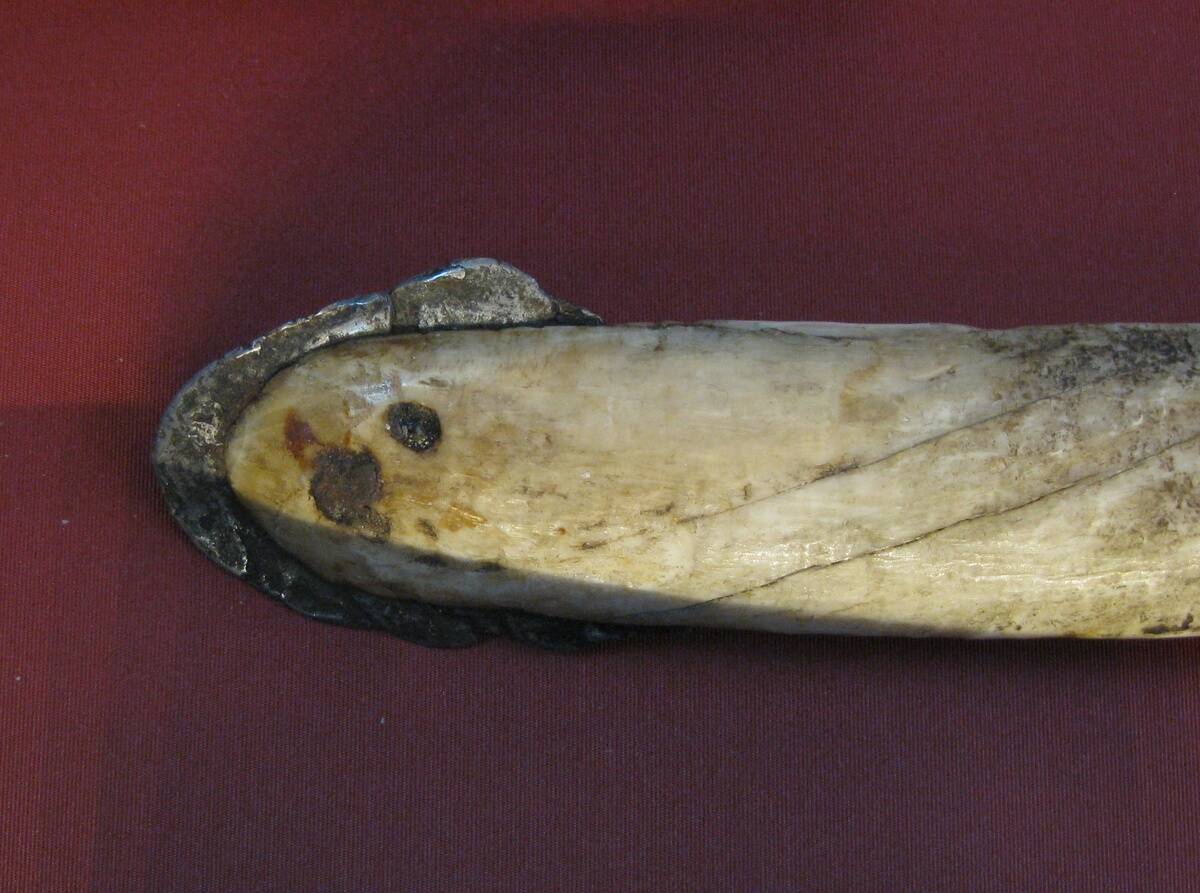
Crafting meteorite metal into tools required skill and ingenuity. Ancient artisans shaped meteoritic iron primarily through cold hammering and careful working, as its high nickel content made it difficult to smelt or cast with early technologies.
The process was labor-intensive, but the result was highly durable tools that were both functional and aesthetically pleasing. By blending traditional craftsmanship with the unique properties of meteorite metal, these artisans created objects of both practical and spiritual value.
Famous Meteorite Metal Artifacts in History
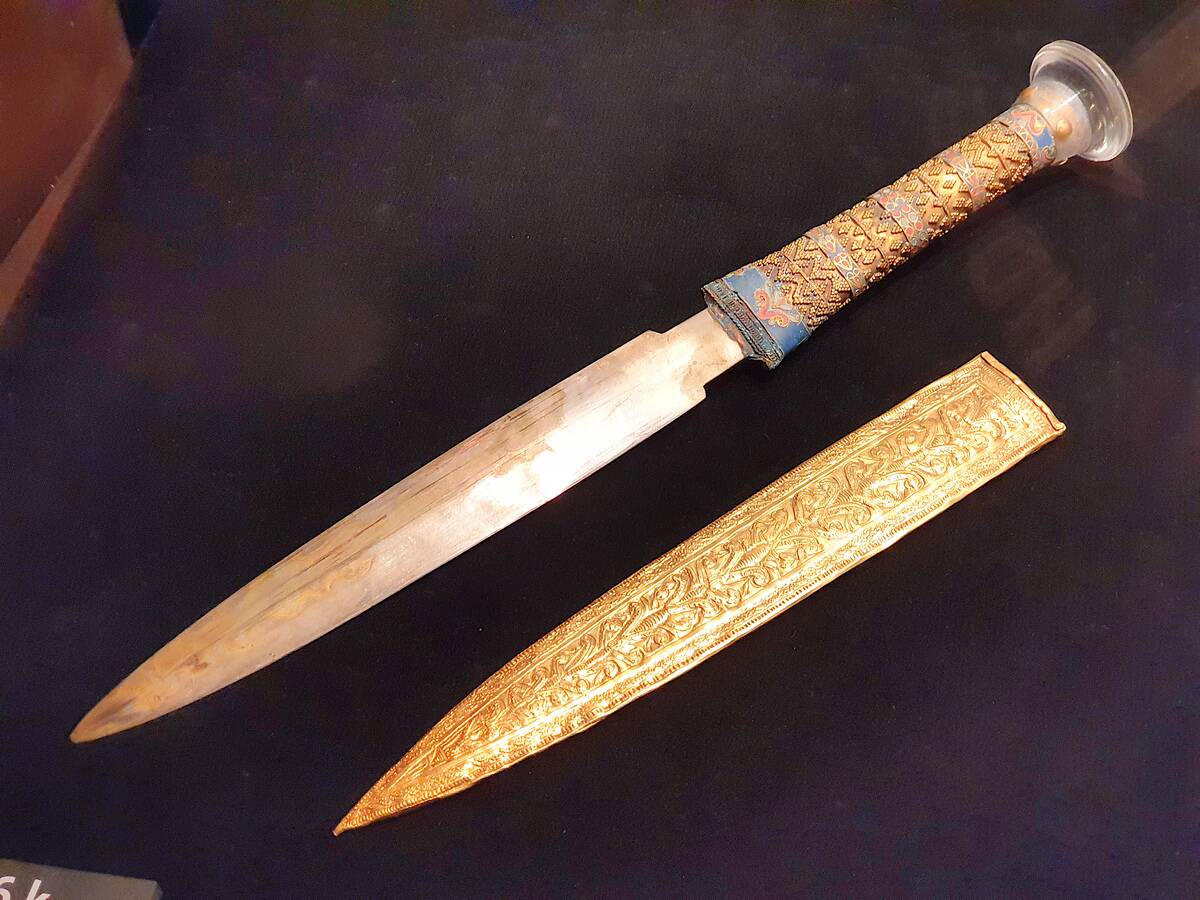
One of the most famous meteorite metal artifacts is the “Tutenkhamun’s Dagger,” discovered in the young pharaoh’s tomb. This exquisite piece features a meteoritic iron blade, reflecting the Egyptians’ ability to work rare celestial iron before widespread iron smelting.
Another notable artifact is the “Cape York Meteorite,” used by the Inuit people to craft knives and harpoons, demonstrating the enduring legacy of meteorite metal across different cultures and periods.
The Preservation Challenges of Meteorite Metal Artifacts
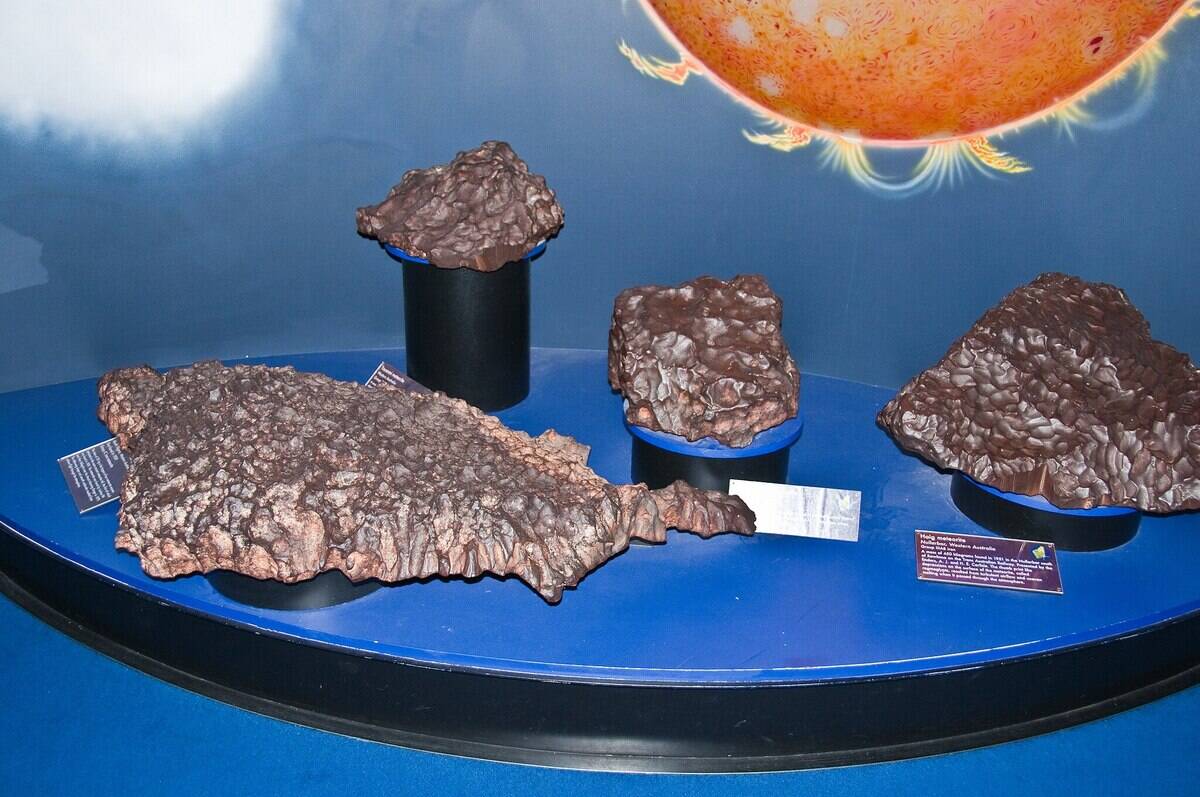
Preserving meteorite metal artifacts poses unique challenges due to the metal’s susceptibility to rust and corrosion. The high iron content makes it vulnerable to environmental factors, requiring careful conservation efforts.
Museums and archaeologists employ specialized techniques, such as climate-controlled storage and chemical treatments, to protect these precious artifacts. These efforts ensure that the cosmic legacy of meteorite metal endures for future generations to study and appreciate.
Meteorite Metal in Ancient Myths and Legends
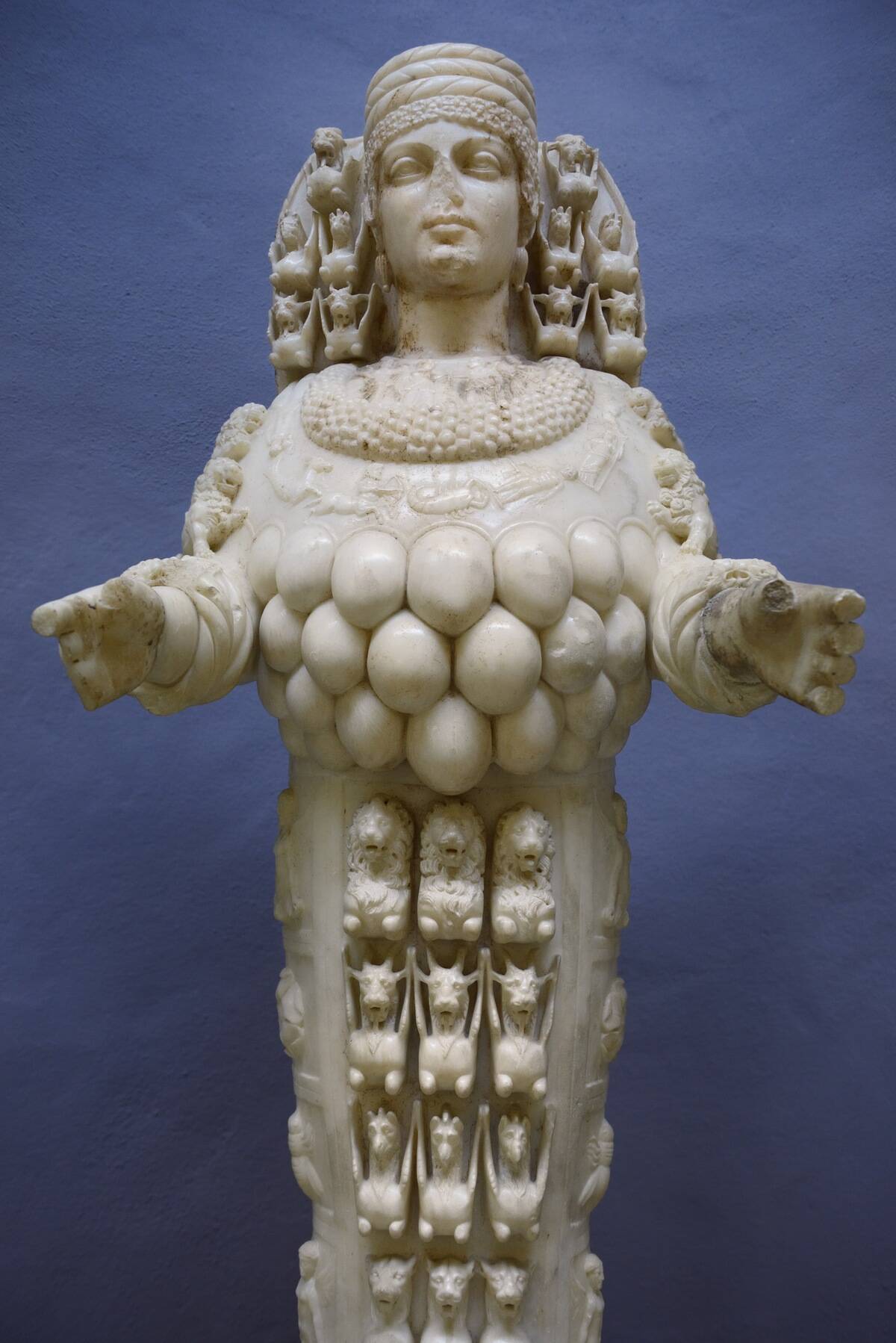
Meteorite metal often features prominently in ancient myths and legends, symbolizing the heavens’ power and mystery. In some cultures, it was believed that meteorites were the tears or weapons of gods.
In ancient Greece, certain meteorites were revered as sacred objects believed to have fallen from the heavens and associated with the gods (for example, the stone of Artemis at Ephesus). In Norse mythology, meteors were sometimes interpreted as signs or omens. These stories highlight the deep cultural significance of meteorite metal, weaving it into the fabric of ancient folklore.
The Legacy of Meteorite Metal: From Ancient Times to Modern Fascination

The legacy of meteorite metal continues to captivate us today, bridging ancient traditions with modern science. Jewelers and artists incorporate meteorite fragments into contemporary designs, while scientists study these cosmic materials to understand the history of our solar system.
This enduring fascination highlights the timeless allure of meteorite metal, a testament to humanity’s innate curiosity and the desire to connect with the cosmos in profound and meaningful ways.