Oceans forming surreal ice shapes in winter

Trending Now
Oceans cover over 70% of our planet, but have you ever wondered what happens when these vast expanses of water freeze? Journey with us into the mesmerizing world of freezing oceans, where the interplay of water, salt, and temperature creates a dazzling array of ice forms.
From the poles to the fringes of the Arctic and Antarctic circles, discover the wonders of this chilly frontier and meet the incredible life that thrives in these icy realms.
What Causes Oceans to Freeze: A Brief Overview
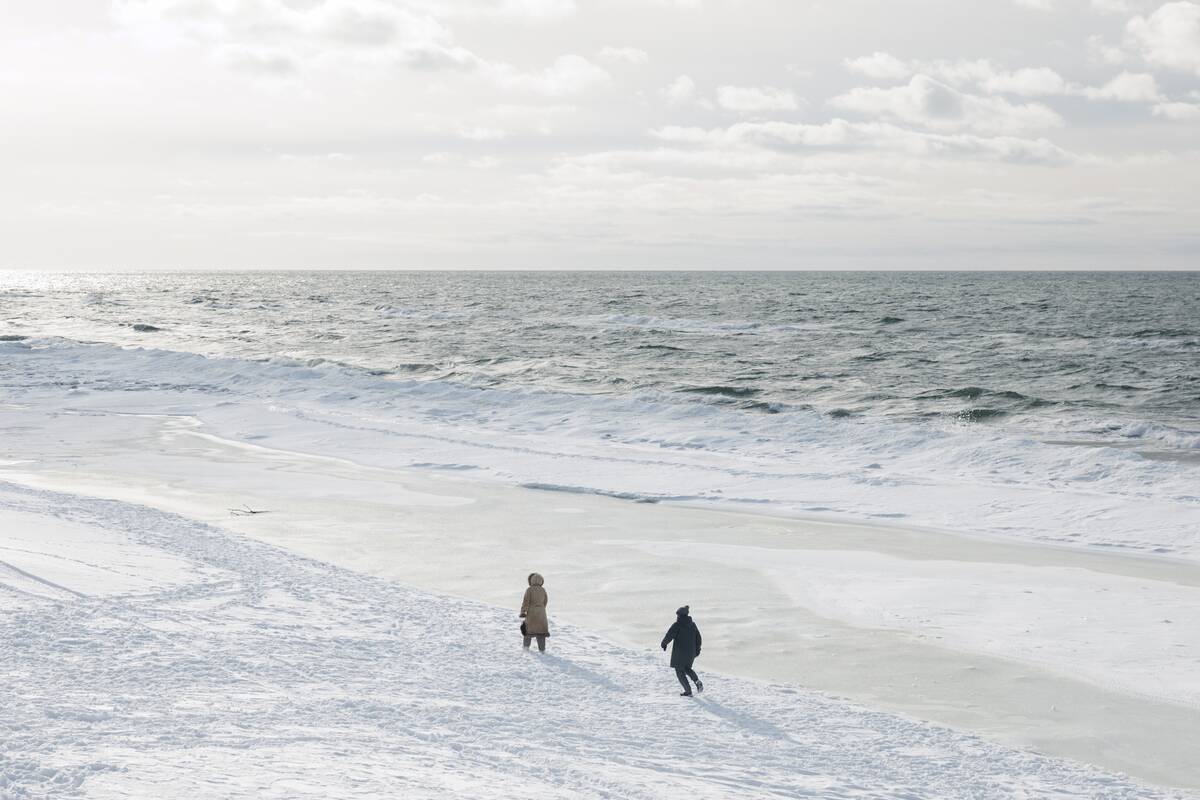
Oceans freeze due to a combination of factors including temperature, salinity, and ocean currents. When the surface temperature of seawater dips below its freezing point, typically around -2°C (28.4°F), ice begins to form.
Unlike freshwater, the freezing point of seawater is lower because salt lowers the freezing temperature. This process is influenced by local weather patterns and the Earth’s axial tilt, which affects the intensity and duration of sunlight exposure in polar regions.
The Science Behind Ice Formation in Saltwater
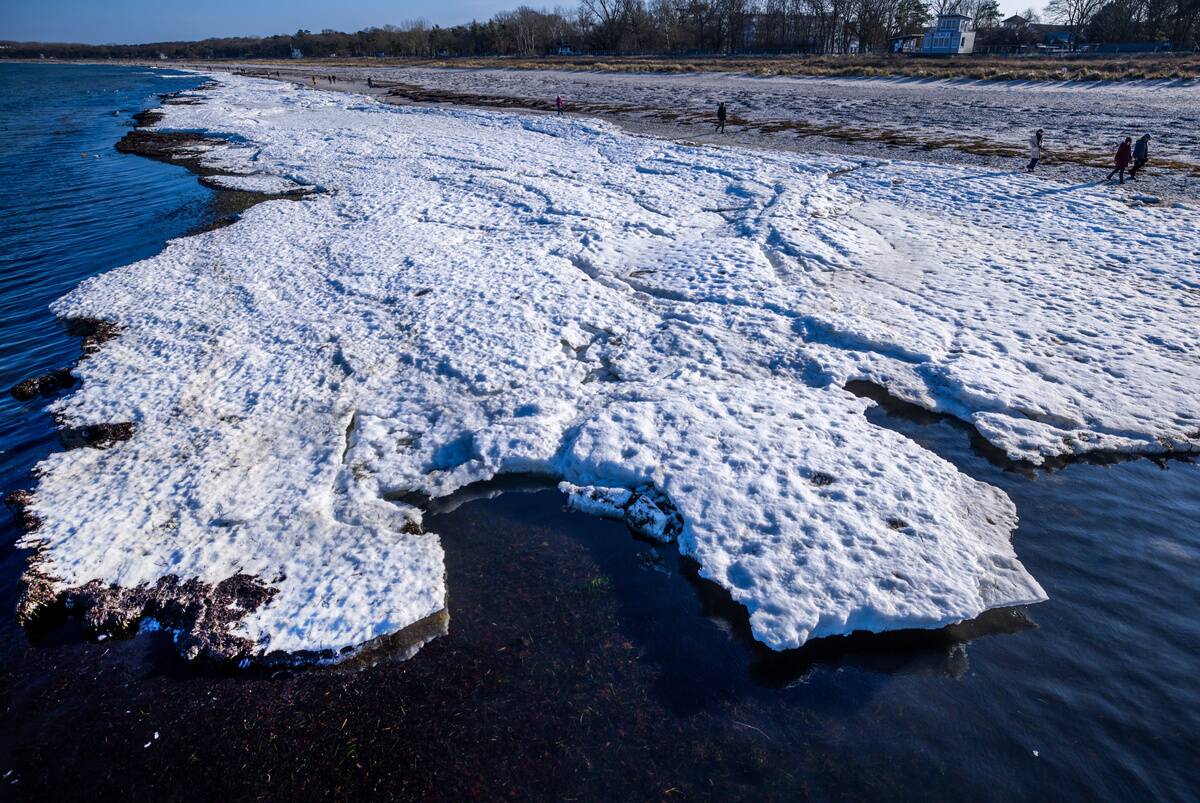
Saltwater ice formation is a delicate dance of physics and chemistry. As the water cools and ice crystals begin to form, they exclude salt, creating brine pockets. This expulsion of salt increases the density of the remaining liquid, causing it to sink.
The cycle repeats, creating a dynamic system that results in the formation of sea ice. This ice, less salty than the water it comes from, has fascinating properties that affect oceanic and atmospheric conditions.
Unique Properties of Saltwater Ice
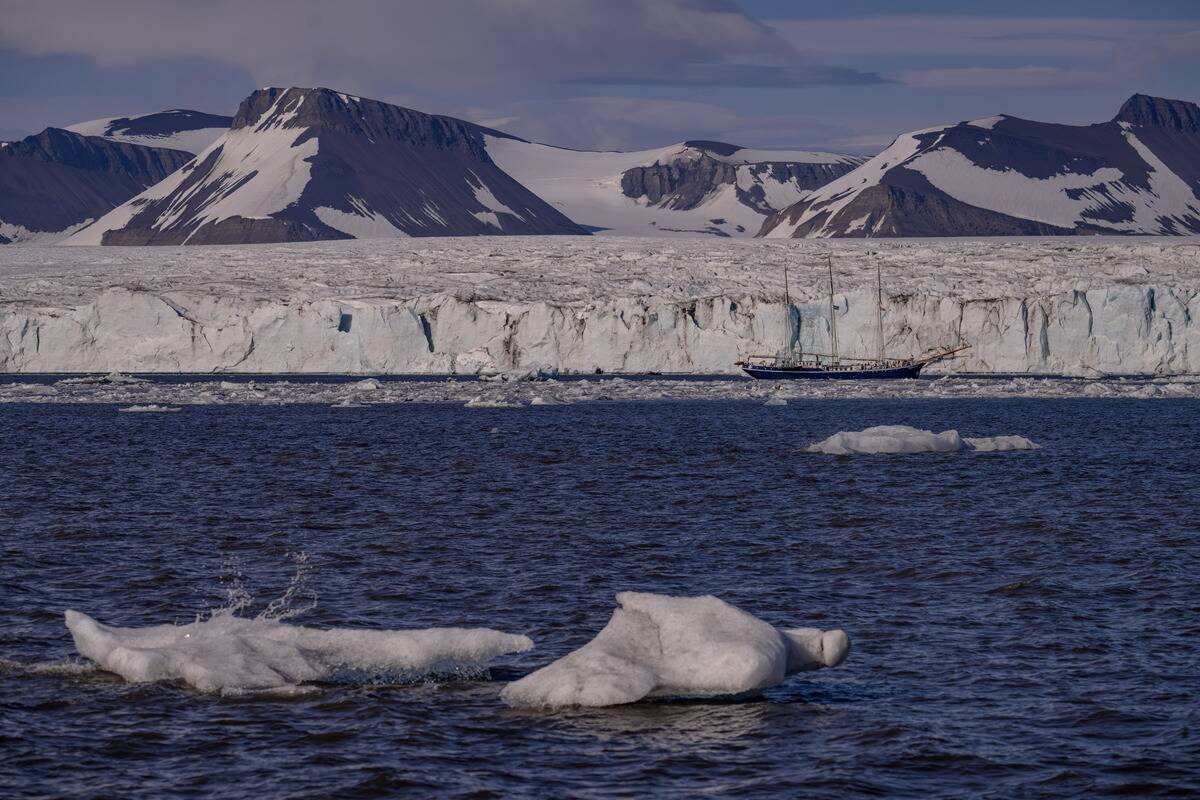
Saltwater ice is quite different from the ice cubes in your freezer. It’s a porous, slushy mass with brine channels running through it. These channels provide a habitat for microorganisms and influence the exchange of gases and nutrients between the ocean and atmosphere.
Moreover, the reflective surface of sea ice plays a critical role in regulating Earth’s climate by reflecting solar radiation, thus contributing to the global energy balance.
Stunning Ice Patterns Found in Polar Regions
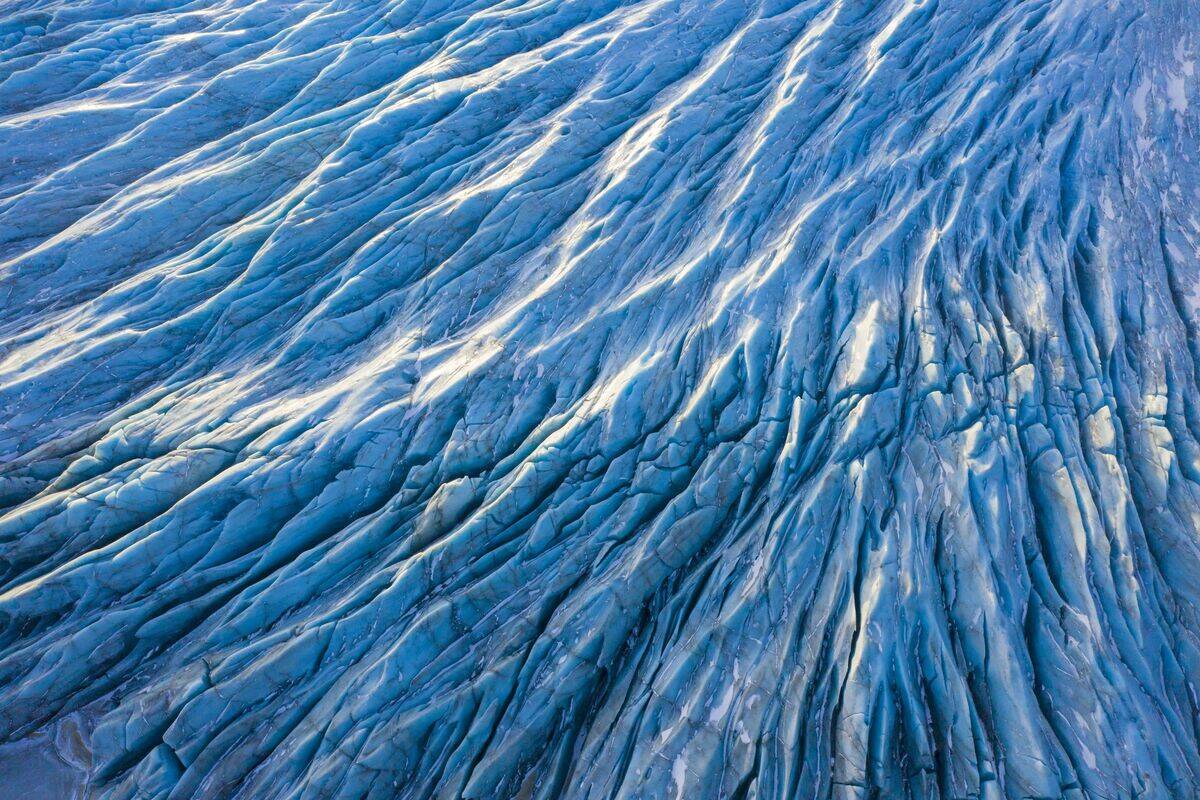
The polar regions showcase some of the most stunning ice patterns on Earth, thanks to the interaction of temperature and ocean currents. Intricate, interlocking sheets of ice form mesmerizing mosaics that blanket the sea.
As ice expands and contracts, it creates pressure ridges, leads, and polynyas — areas of open water surrounded by ice. These formations not only provide breathtaking vistas but also serve as vital habitats for marine life, such as seals and polar bears.
Brinicles: The Ice Stalactites of the Deep
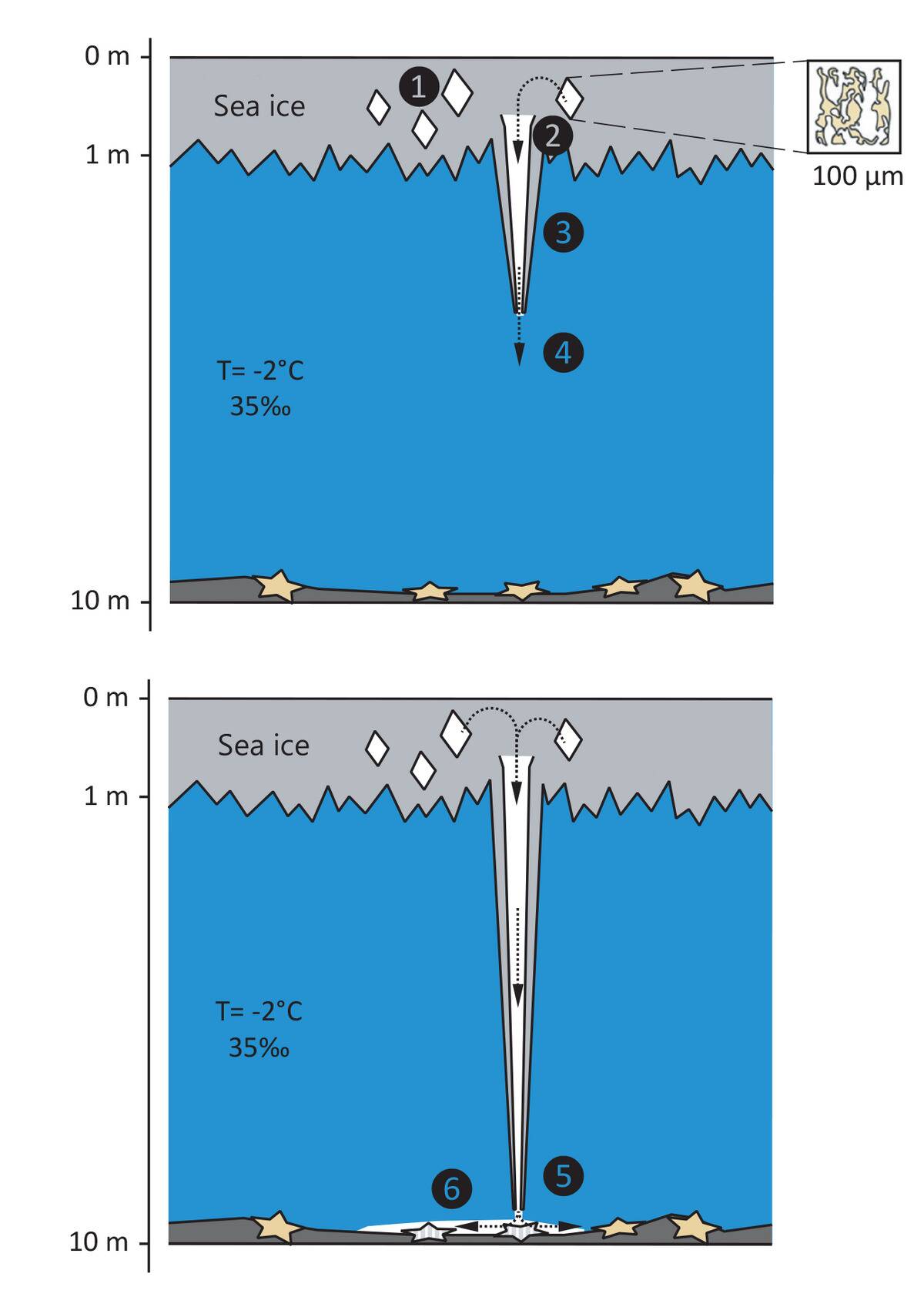
Brinicles are one of nature’s most intriguing wonders, often referred to as “ice stalactites.” These icy fingers form beneath sea ice when super-cooled brine is expelled from the freezing ice sheet and sinks into the warmer ocean below.
As the brine descends, it freezes the water around it, forming a hollow tube of ice. This phenomenon can cause these brinicles to reach the ocean floor, trapping small sea creatures in an icy embrace.
Pancake Ice: Nature’s Frozen Breakfast
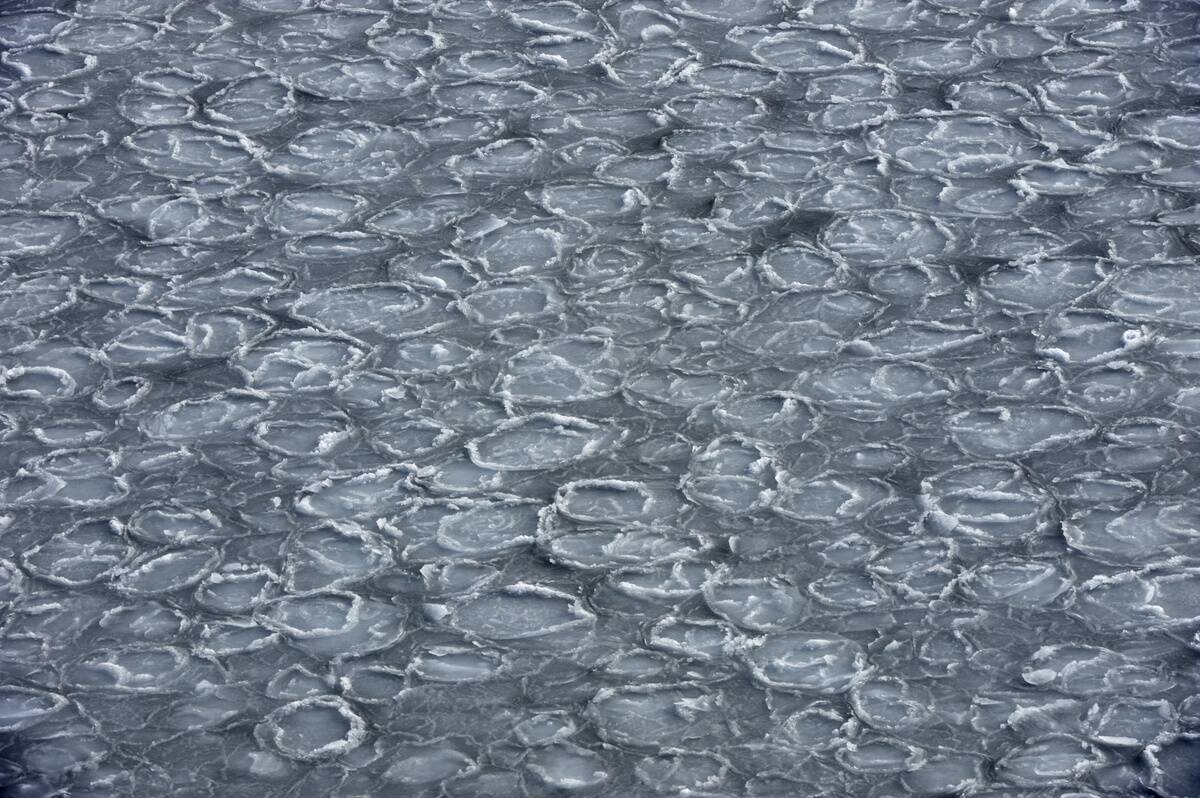
Pancake ice is an adorable and aptly named formation that resembles a breakfast treat floating on the sea. These circular ice discs form when slush or frazil ice is agitated by wind and waves, causing the edges to round off.
As they collide, they grow and thicken, creating a stunning spectacle. Pancake ice is most commonly found in the Arctic Ocean.
Grease Ice: The Slippery Stage of Ocean Freezing
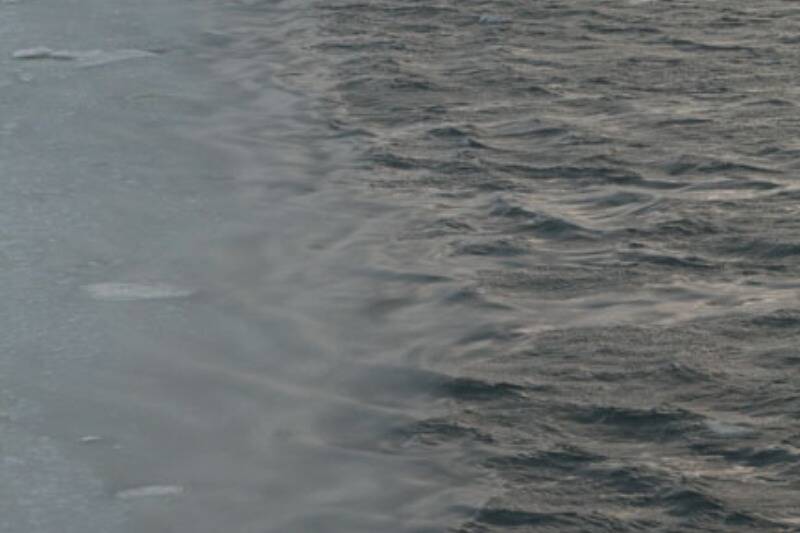
Grease ice is the initial stage of sea ice formation, appearing as a thin, oily layer on the ocean’s surface. It occurs when small ice crystals called frazil ice clump together, creating a slick, soupy consistency.
This stage is crucial as it sets the foundation for solid ice formation. The transformation from grease ice to more stable forms is influenced by wind and wave action, which can either help it consolidate or disperse it.
Frazil Ice: The First Step in Oceanic Freezing
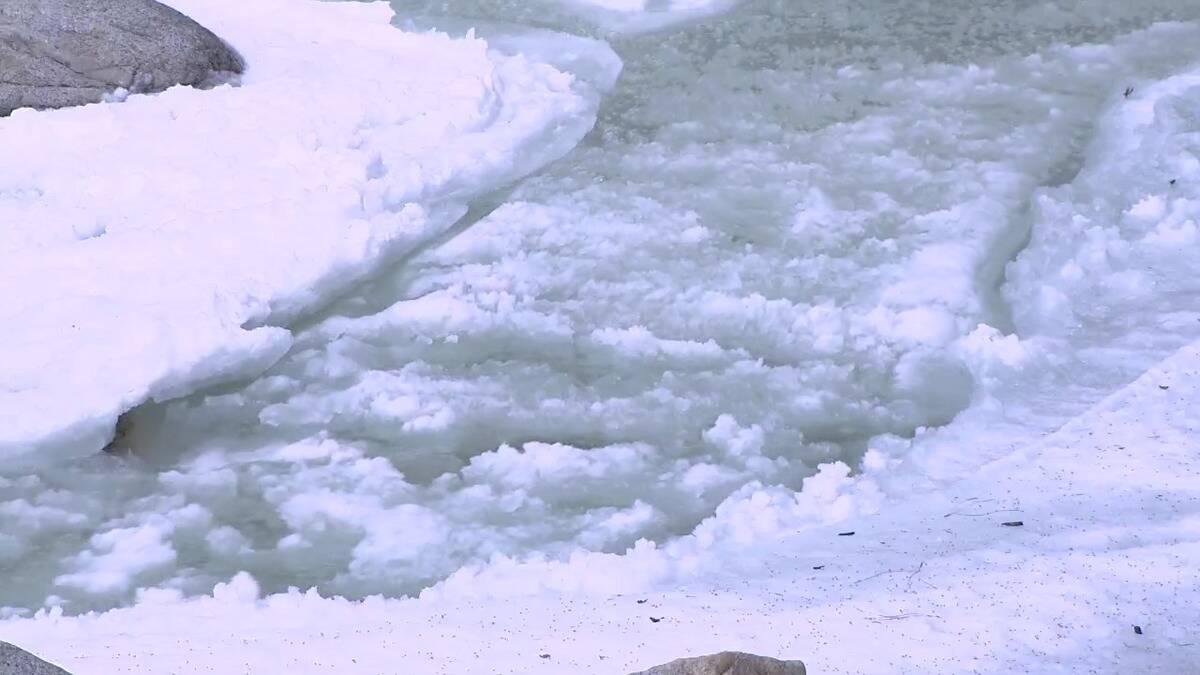
Frazil ice is the first harbinger of winter in the sea, consisting of tiny, needle-like ice crystals suspended in the water. These crystals form in turbulent waters, where the constant motion prevents them from forming a solid sheet.
As more crystals accumulate, they rise to the surface and begin to congeal into grease ice. This initial stage of freezing is crucial, laying the groundwork for thicker ice layers that follow.
The Mysterious Beauty of Anchor Ice
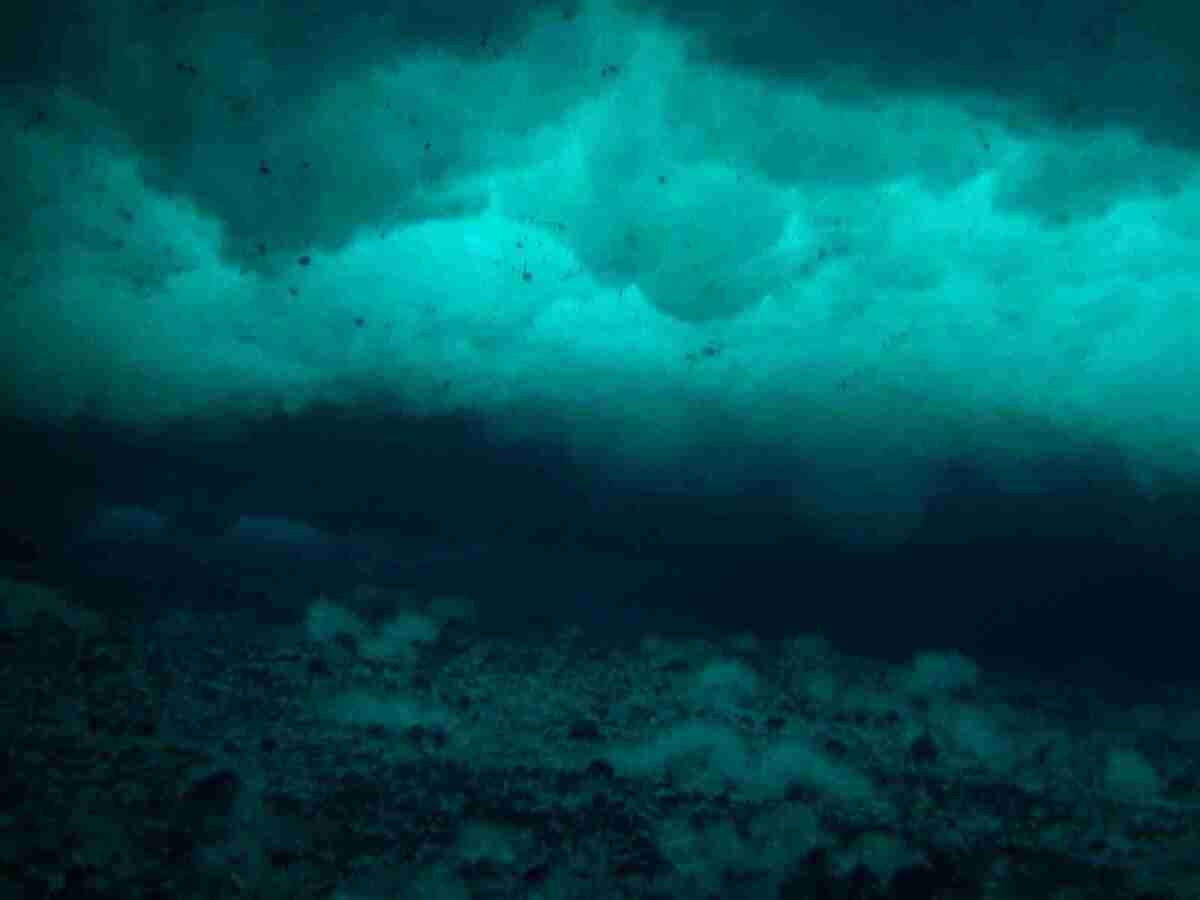
Anchor ice, a lesser-known but fascinating phenomenon, forms on the seabed in super-cooled water. Unlike surface ice, anchor ice grows upward from the ocean floor, attaching to rocks and marine organisms.
This process occurs in shallow, turbulent waters where the temperature is just right. The presence of anchor ice can dramatically alter local ecosystems by trapping organisms and affecting nutrient flow, creating a unique underwater landscape.
Sea Ice vs. Icebergs: What’s the Difference?
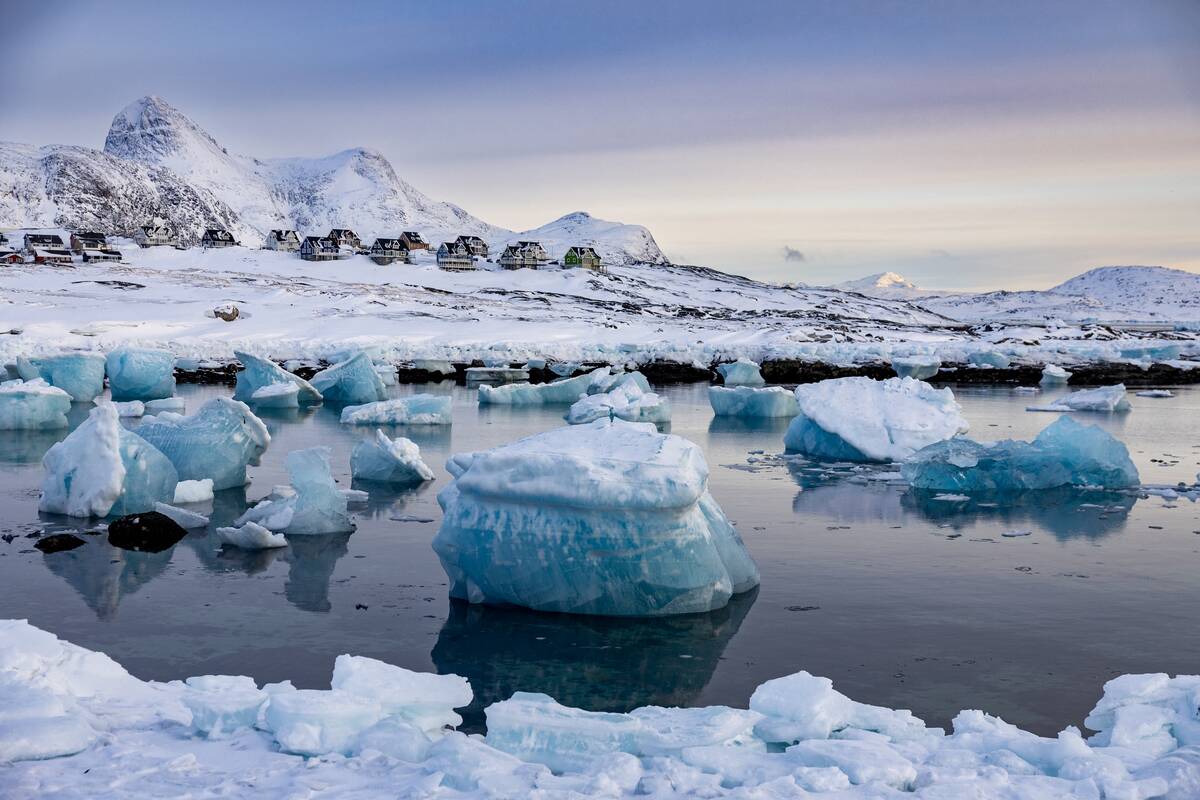
While both sea ice and icebergs are integral parts of polar environments, they are fundamentally different. Sea ice forms from the freezing of seawater, covering vast areas of the ocean’s surface and expanding or contracting with the seasons.
Icebergs, on the other hand, originate from glaciers, breaking off into the ocean as massive chunks of freshwater ice. Their differing origins result in distinct impacts on marine ecosystems and global sea levels.
The Role of Ocean Currents in Ice Formation
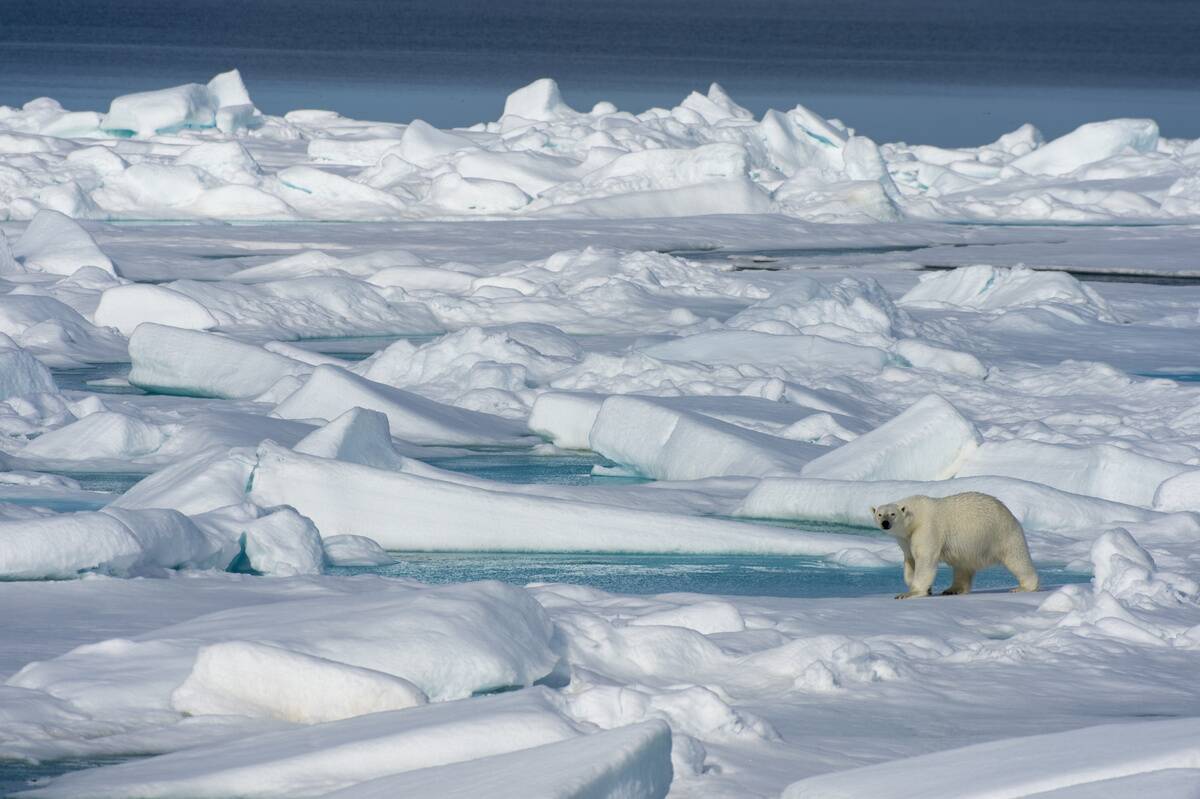
Ocean currents play a pivotal role in the formation and distribution of sea ice. Warm currents can inhibit ice formation, while cold currents promote it by lowering surrounding temperatures.
The interaction between currents and ice also influences global climate patterns, as sea ice acts as an insulator, moderating heat exchange between the ocean and atmosphere. Understanding these dynamics is crucial for predicting changes in ice cover and assessing their implications.
How Climate Change Affects Ocean Ice
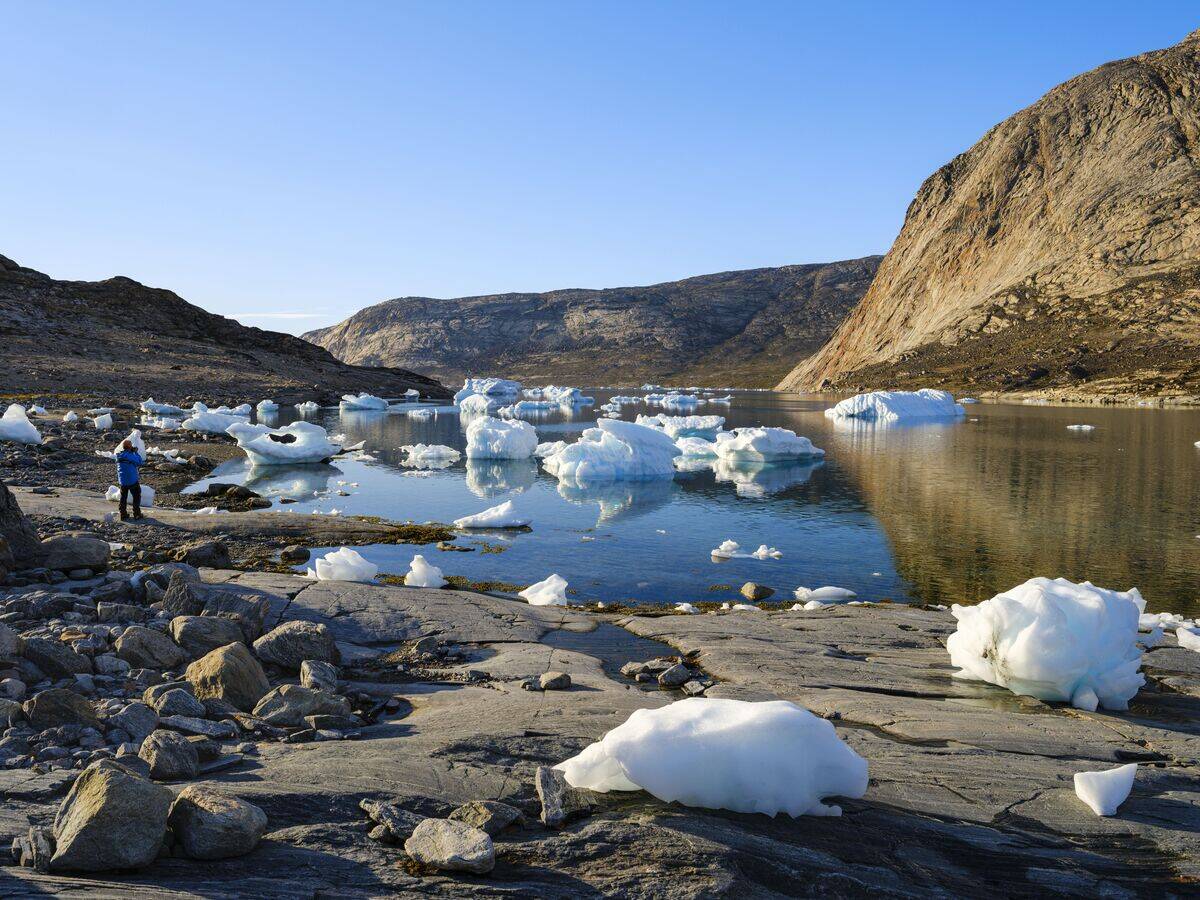
Climate change is profoundly impacting the world’s sea ice, leading to its rapid decline. Rising global temperatures cause ice to melt at an unprecedented rate, reducing its extent and thickness.
This loss not only threatens polar habitats but also accelerates climate change by decreasing albedo, the reflectivity of Earth’s surface. As more solar energy is absorbed by darker ocean waters, a feedback loop is created, further warming the planet and stressing polar ecosystems.
Fascinating Wildlife Adaptations to Freezing Oceans
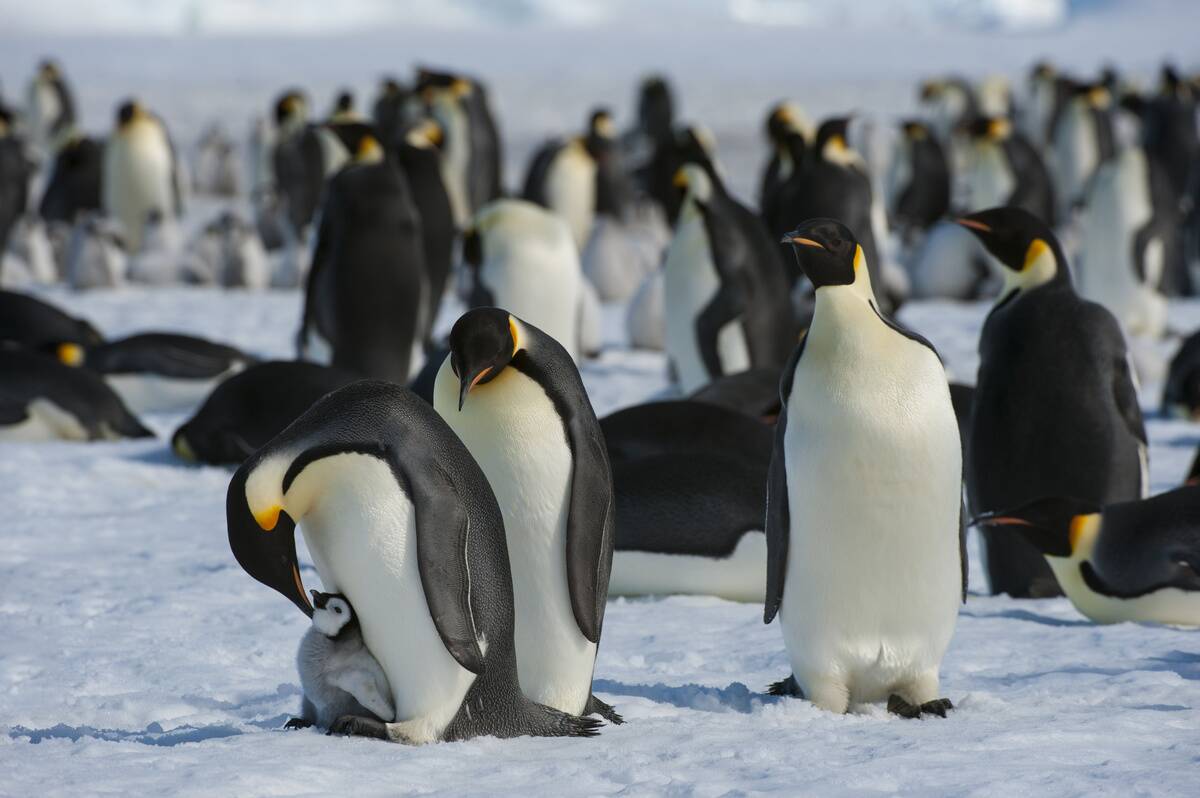
The freezing oceans are home to a myriad of wildlife, each with unique adaptations to survive the harsh conditions. Polar bears rely on thick fur and a layer of blubber for insulation, while seals have evolved to navigate and thrive under the ice.
Penguins, with their streamlined bodies and social behaviors, are adept at withstanding the cold. These adaptations enable life to flourish in environments that seem inhospitable at first glance.
The Cultural Significance of Ice Formations in Indigenous Communities
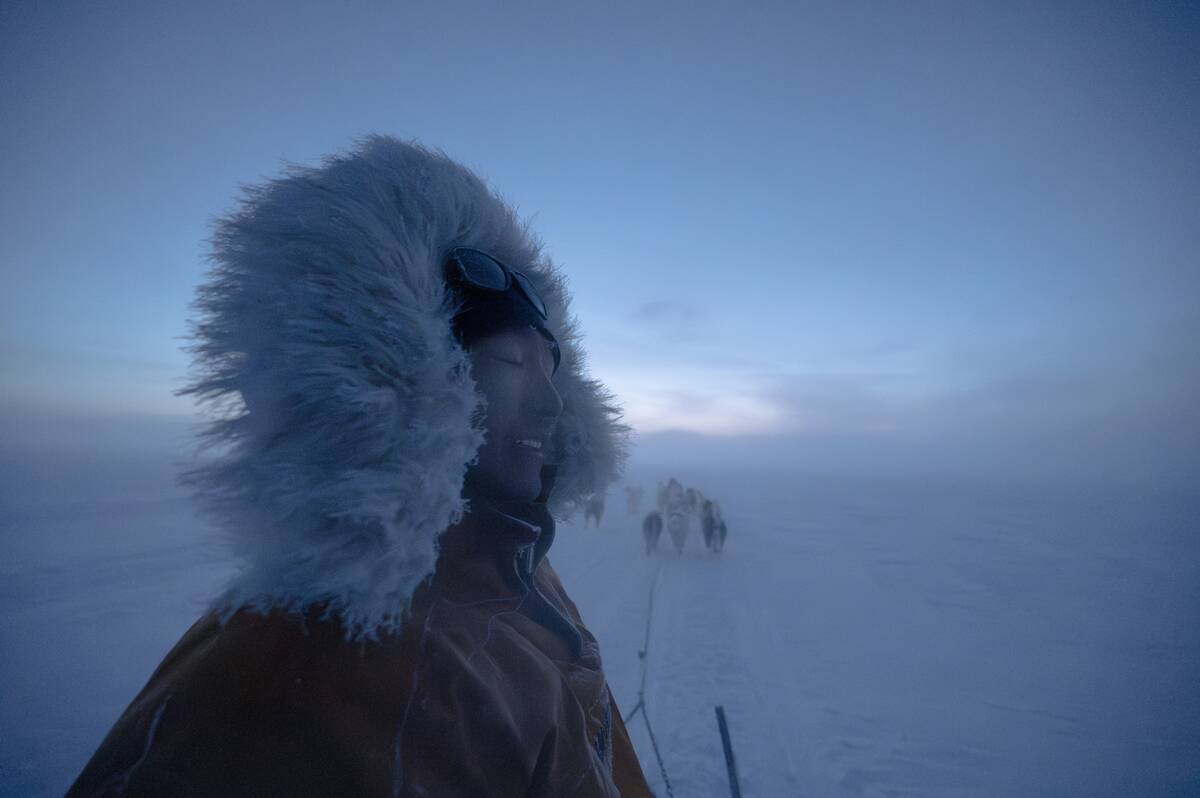
For indigenous communities living in polar regions, ice formations hold profound cultural significance. They serve as markers for navigation and hunting, integral to traditional lifestyles.
Ice conditions are often woven into folklore and oral histories, embodying a deep connection to the land and sea. As climate change alters these environments, it poses challenges to cultural practices and the transmission of knowledge vital for survival in these icy landscapes.
Antarctica’s Ice: A Living Laboratory for Scientists
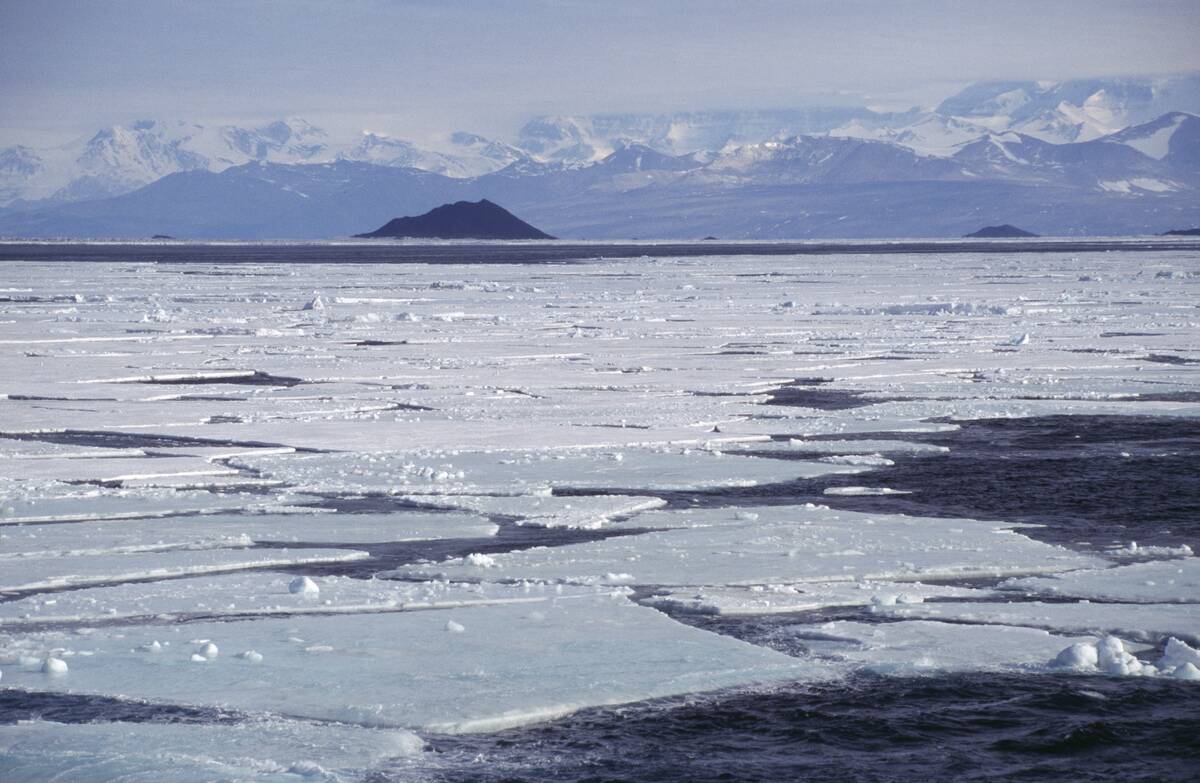
Antarctica serves as a vital laboratory for scientists studying climate change and its global impacts. The continent’s ice sheets hold valuable records of Earth’s climate history, captured in layers of compacted snow.
Researchers drill ice cores to analyze atmospheric conditions from thousands of years ago, providing insights into past climate shifts. These studies are crucial for predicting future changes and understanding the complex interactions between ice, ocean, and climate systems.
How Ocean Ice Influences Global Weather Patterns
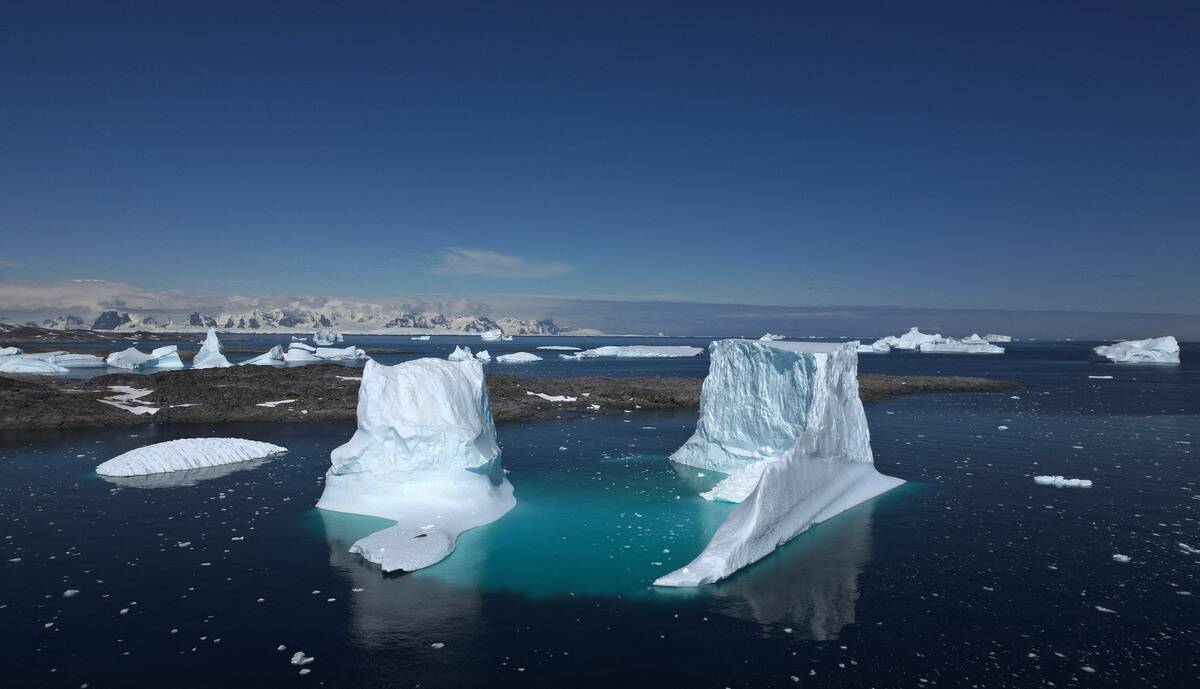
Ocean ice plays a significant role in shaping global weather patterns by influencing atmospheric circulation and temperature distribution. The presence of sea ice affects the jet stream, a fast-moving air current, which can alter weather systems across continents.
As sea ice diminishes, these patterns may shift, leading to more extreme weather events. Understanding the interplay between ocean ice and climate is vital for improving weather forecasts and mitigating the impacts of climate change.