Mountains that trigger catastrophic landslides

Trending Now
Mountains and landslides are two sides of the same coin, each telling a tale of Earth’s dynamic forces. While mountains inspire awe with their towering peaks, landslides remind us of nature’s unpredictable power.
From the majestic Himalayas to the serene Appalachians, mountains have been shaping our planet for millions of years. Yet, despite their grandeur, they are not immune to the forces that can cause them to crumble. Understanding these phenomena can help us appreciate their beauty and respect their might.
What Causes Mountains to Form in the First Place?
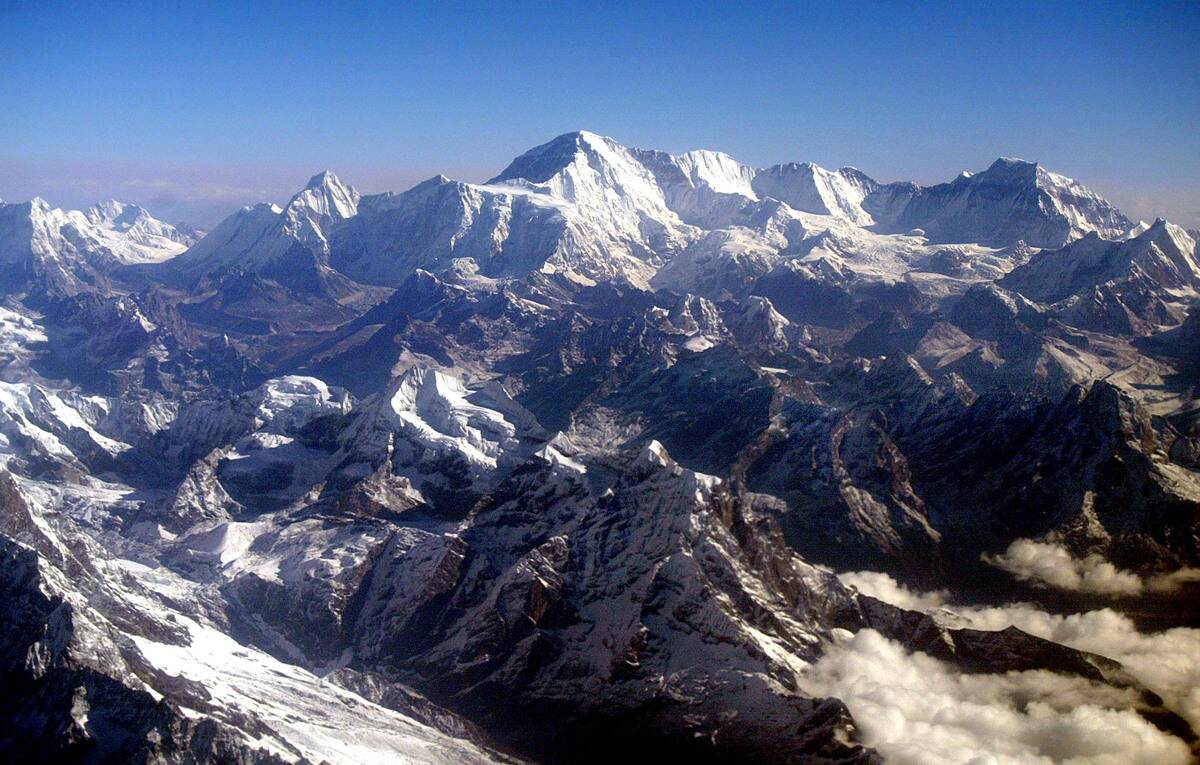
Mountains are born from the pressure and heat of tectonic plates colliding beneath Earth’s crust. When these massive plates push against each other, they force the land upwards, creating the stunning peaks we see today.
The Himalayas, for instance, were formed by the collision of the Indian and Eurasian plates. This process, known as orogeny, can take millions of years. While the peaks seem eternal, they’re constantly changing, albeit at a pace too slow for us to notice in our lifetime.
The Majestic Yet Mysterious Life Cycle of a Mountain
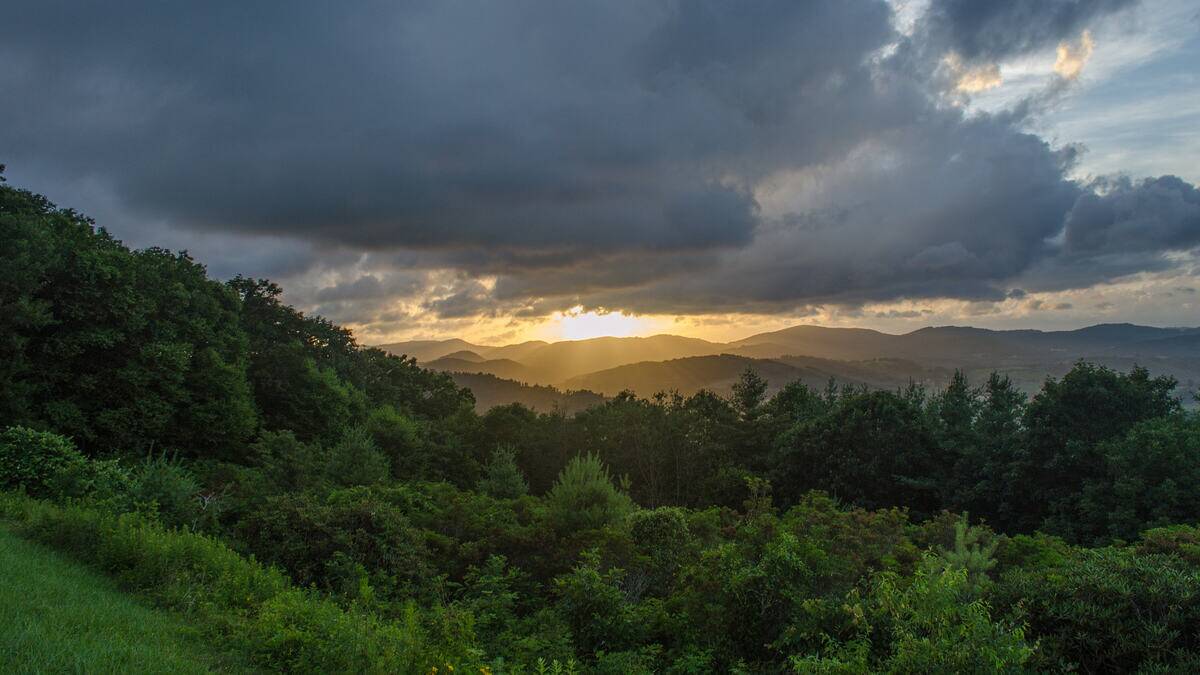
Mountains have a life cycle that spans millions of years, starting as nascent peaks rising from tectonic activity. Over time, they wear down through the relentless forces of weathering and erosion.
The Appalachian Mountains, once as tall as the Rockies, have been eroded over millions of years to their current, gentler form. This cycle of uplift and erosion continues, a testament to the ever-changing face of our planet. Mountains may seem permanent, but they are in a perpetual state of flux.
When Giants Fall: Understanding Mountain Collapses
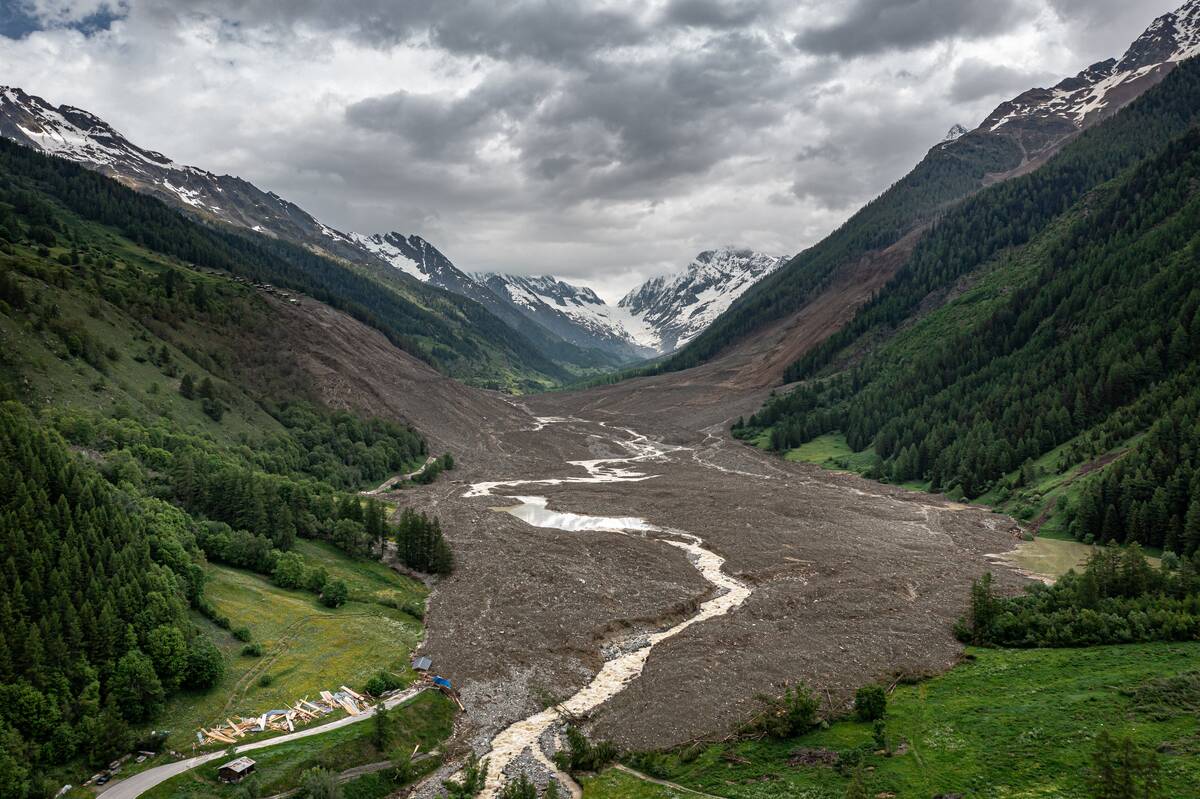
Mountain collapses, or landslides, are a dramatic reminder of nature’s power, occurring when the internal structure of a mountain becomes unstable. Factors like erosion, earthquakes, and volcanic activity can weaken a mountain’s core.
These events, while rare, can have devastating impacts on the surrounding environment and communities, underscoring the importance of monitoring mountain stability.
The Science Behind Landslides: A Quick Overview
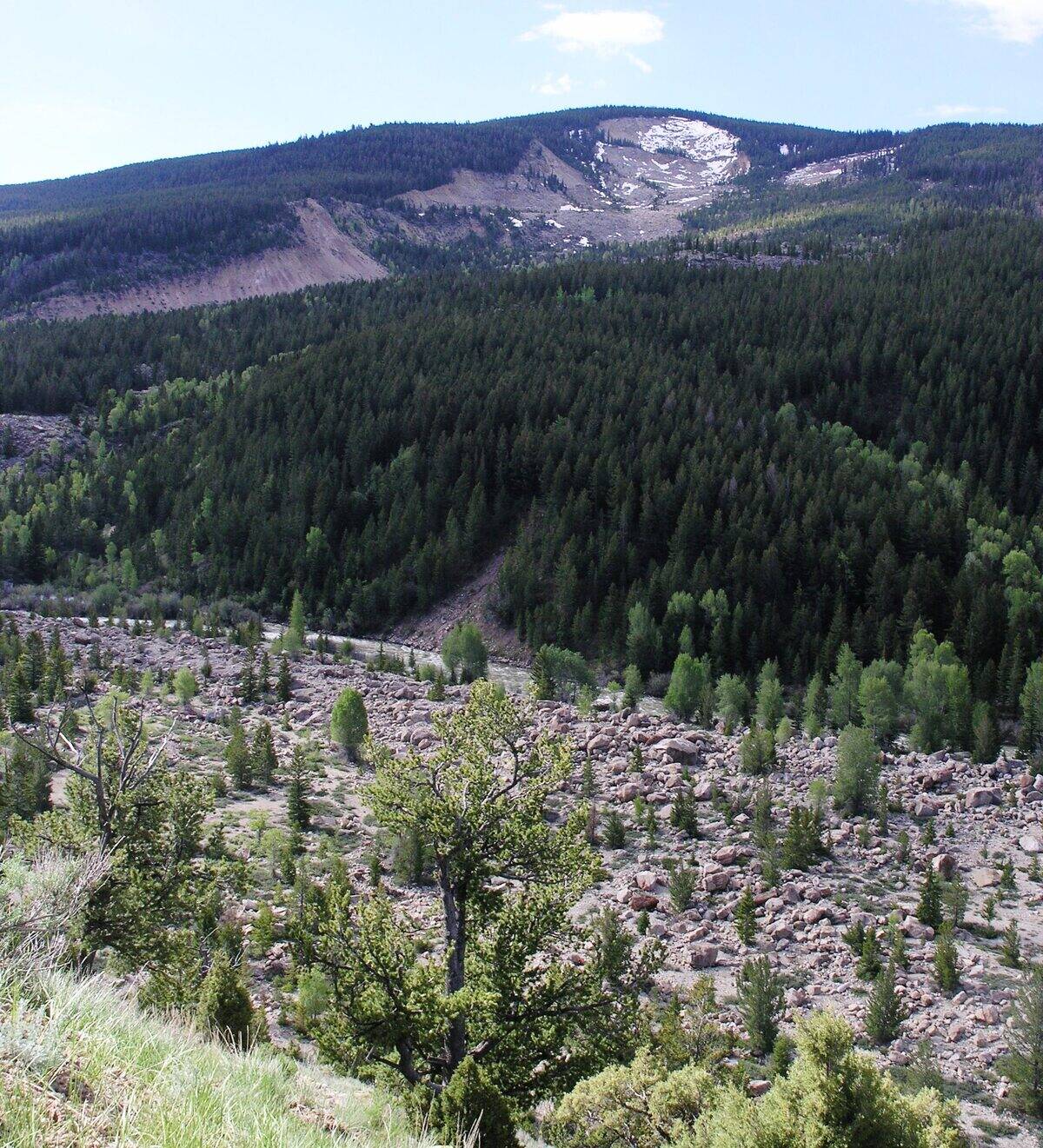
Landslides occur when a mass of earth or rock moves down a slope, driven by gravity. The movement can be triggered by natural events like heavy rainfall, earthquakes, or volcanic eruptions. Landslides are classified by their speed, material involved, and the way they move.
The Gros Ventre landslide in Wyoming is a classic example, where saturated soil from snowmelt led to a massive earth movement. Understanding these triggers helps in predicting and potentially mitigating future landslides.
Famous Mountain Collapses Throughout History
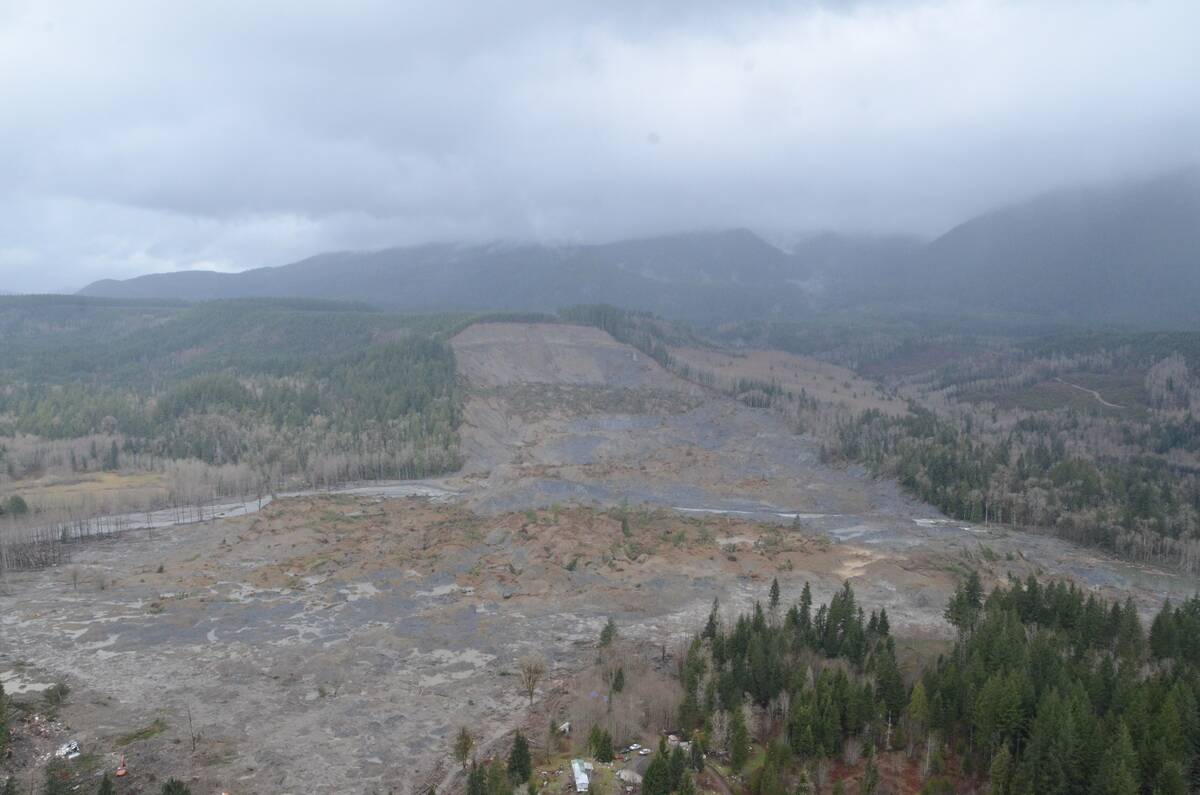
Throughout history, several mountain collapses have left an indelible mark on the earth and its inhabitants. The 1980 eruption of Mount St. Helens is one of the most well-documented examples, where a volcanic eruption triggered a massive landslide.
Another notable event is the 2014 Oso landslide in Washington, which tragically claimed 43 lives. Such events serve as stark reminders of the inherent instability of mountains and the potential for sudden, catastrophic change.
Warning Signs: How to Spot a Potential Landslide
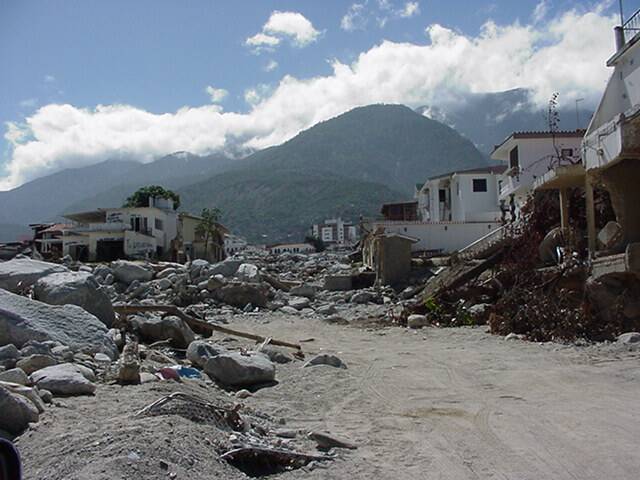
Spotting the warning signs of a landslide can be crucial for safety. Look for cracks in the ground or bulging slopes, which might indicate movement. Leaning trees or fences are also red flags.
In 1999, a landslide in Vargas, Venezuela, was preceded by heavy rains and ground cracks. Pay attention to unusual sounds like trees cracking or boulders knocking together, as these can signal imminent movement. Being aware of these signs can help prevent disaster.
Nature’s Domino Effect: What Triggers a Landslide?
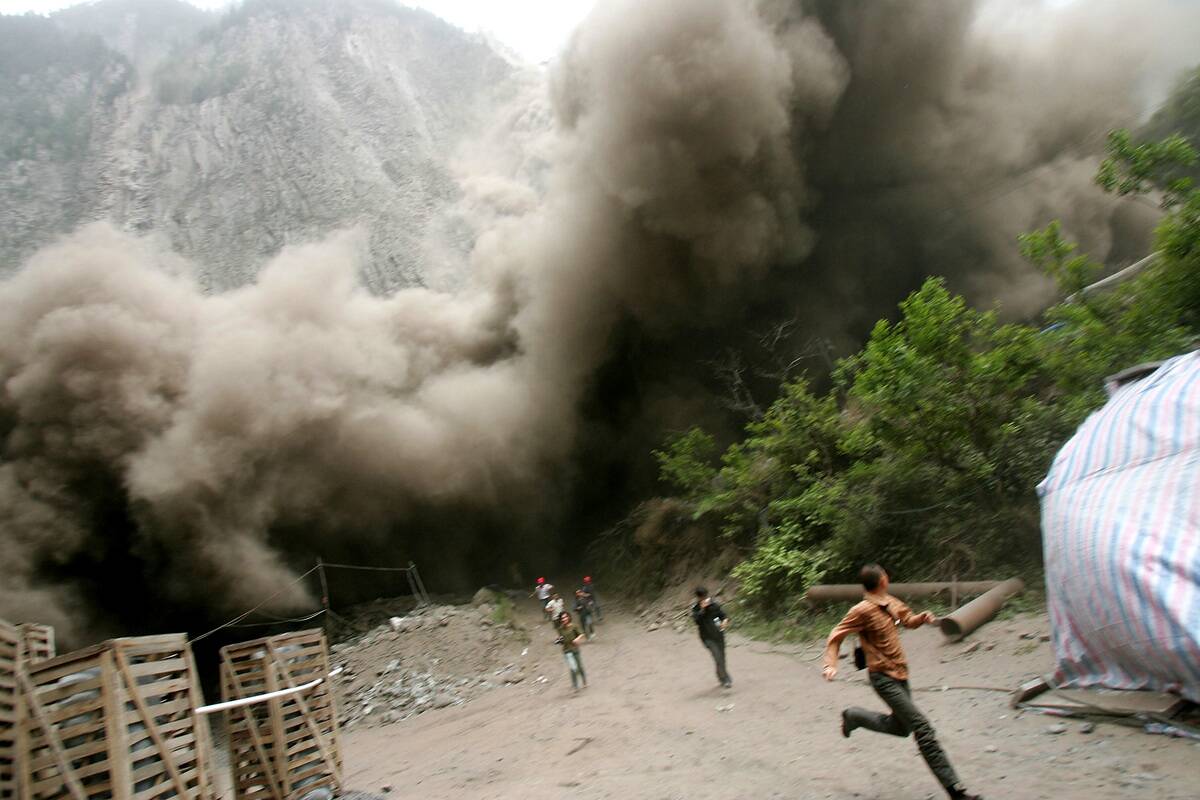
Landslides are often triggered by a combination of factors, creating a domino effect that leads to movement. Heavy rainfall is a common trigger, saturating soil and reducing its stability. Earthquakes can also set off landslides by shaking loose already unstable earth.
In 2008, a massive earthquake in Sichuan, China, triggered numerous landslides. Human activities, like construction and deforestation, can exacerbate these natural triggers, highlighting the need for careful land management.
The Role of Water: Rain, Snow, and Melting Ice
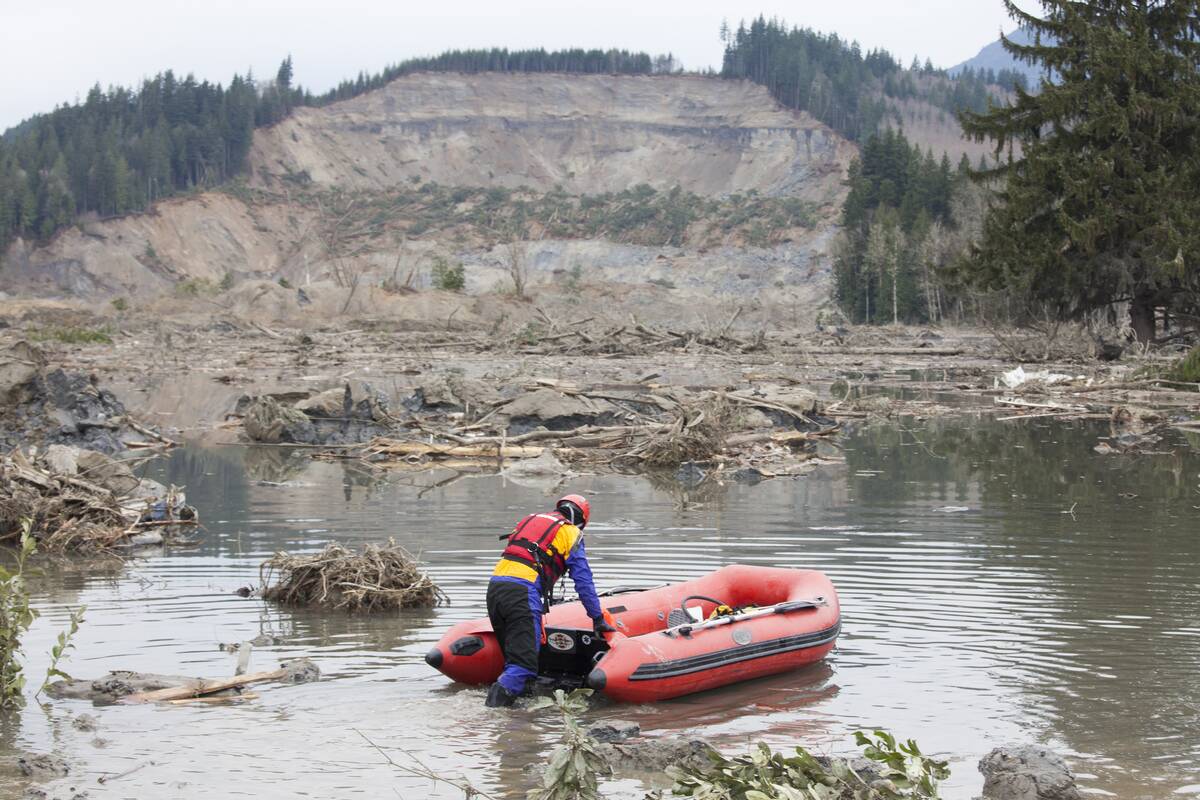
Water plays a pivotal role in landslide dynamics, acting as both a lubricant and a weight. Heavy rainfall can saturate soil, reducing its cohesion and triggering a slide. Similarly, melting snow or ice can increase water content in the soil, leading to instability.
The tragic 2014 Oso landslide was partly attributed to heavy rainfall that saturated the ground. Understanding the hydrological factors involved in landslides is crucial for risk assessment and management.
Human Impact: How We Contribute to Mountain Instability
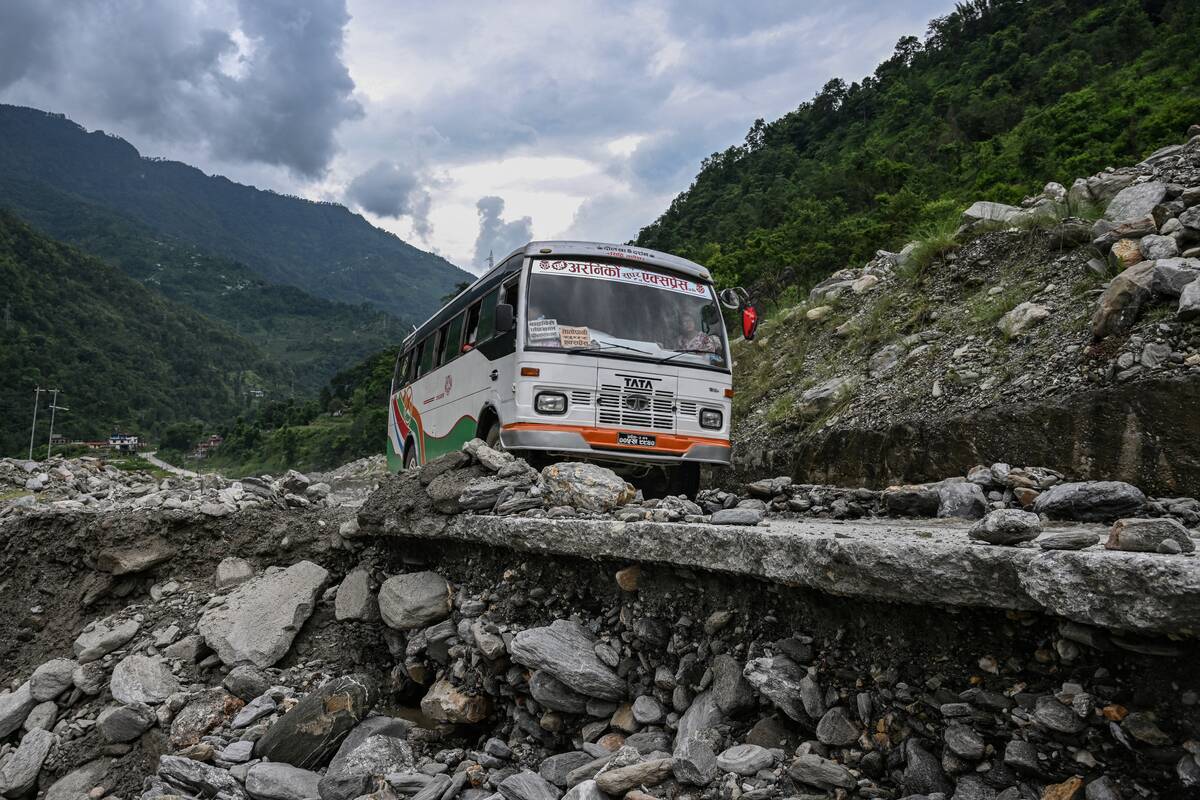
Human activities can significantly contribute to mountain instability. Deforestation removes trees that anchor the soil, while construction alters natural drainage patterns. In Nepal, haphazard road building has increased landslide occurrences.
Mining and quarrying can also weaken mountain structures, making them more susceptible to collapse. By understanding our impact, we can take steps to mitigate these effects, promoting sustainable development in mountainous regions and reducing the risk of landslides.
Landslides by the Numbers: Stats That Might Surprise You
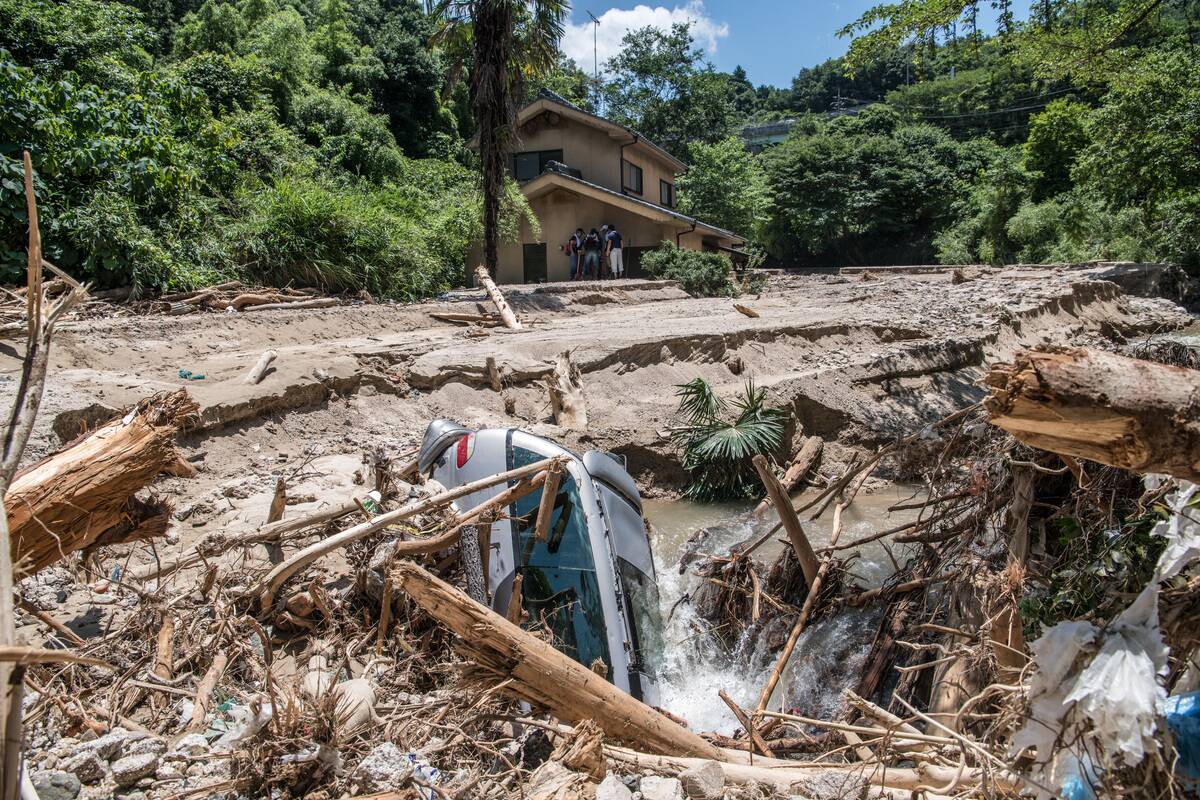
Landslides are more common than you might think, with thousands occurring worldwide each year. The United States alone sees an estimated 25 to 50 fatalities annually due to landslides. Economic losses can be staggering, with at least $2 billion in damages in the U.S. each year.
In Japan, landslides are a regular occurrence, with around 1,500 reported annually. These numbers highlight the importance of landslide awareness and preparedness in vulnerable regions.
The Speed of Destruction: How Fast Can a Landslide Move?
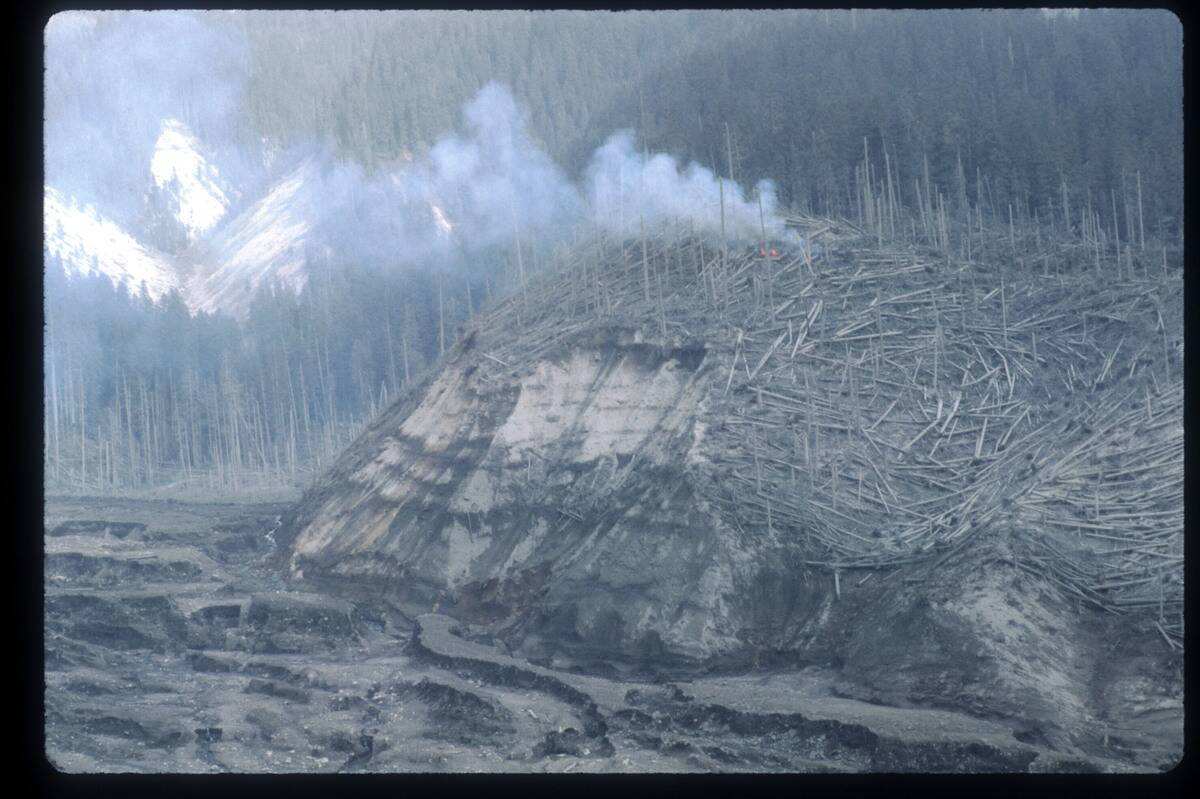
Landslides can vary greatly in speed, from slow-moving earthflows to rapid rockfalls. Some landslides can reach speeds of up to 200 miles per hour, making them incredibly destructive. The 1980 Mount St. Helens landslide moved at up to 150 miles per hour.
Slower landslides can still cause significant damage over time, as they steadily displace earth and structures. Understanding the potential speed of a landslide is crucial for effective warning systems and evacuation plans.
Engineering Solutions: Can We Prevent Mountain Collapses?

Engineering plays a critical role in preventing mountain collapses and landslides. Techniques like terracing, retaining walls, and proper drainage systems can significantly reduce the risk of landslides.
In Hong Kong, extensive slope stabilization projects have helped prevent landslides in the city’s hilly terrain. While we can’t stop natural forces entirely, engineering solutions can mitigate their impacts, safeguarding communities and infrastructure. Continuous research and innovation are key to advancing these protective measures.
The Aftermath: What Happens to the Landscape Post-Landslide?
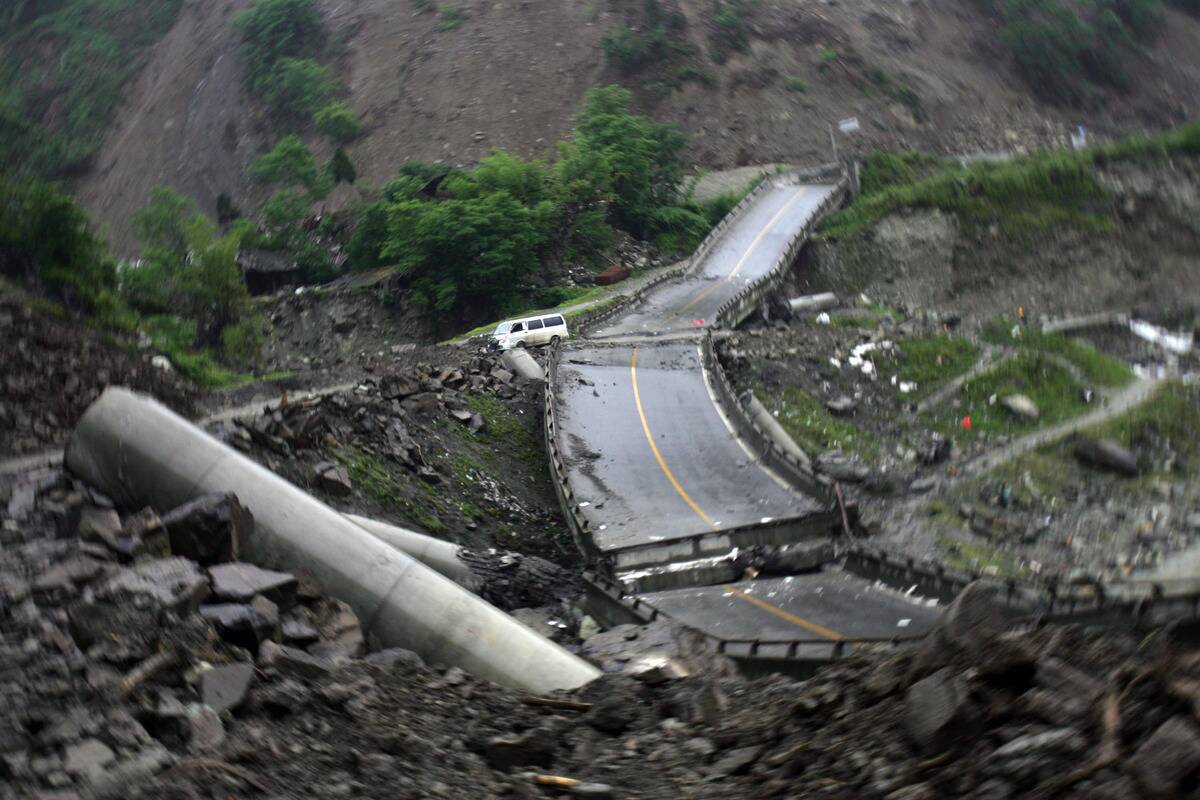
After a landslide, the landscape can be dramatically altered, with scars visible for decades. Debris can block rivers, forming lakes that may pose flood risks. The 2008 Sichuan earthquake in China created over 800 landslide lakes.
Vegetation may take years to recover, affecting local ecosystems and wildlife habitats. However, landslides also create new habitats and can foster biodiversity over time. Understanding these changes helps in planning recovery and rehabilitation efforts post-disaster.
Real-Life Tales: Communities Affected by Mountain Collapses
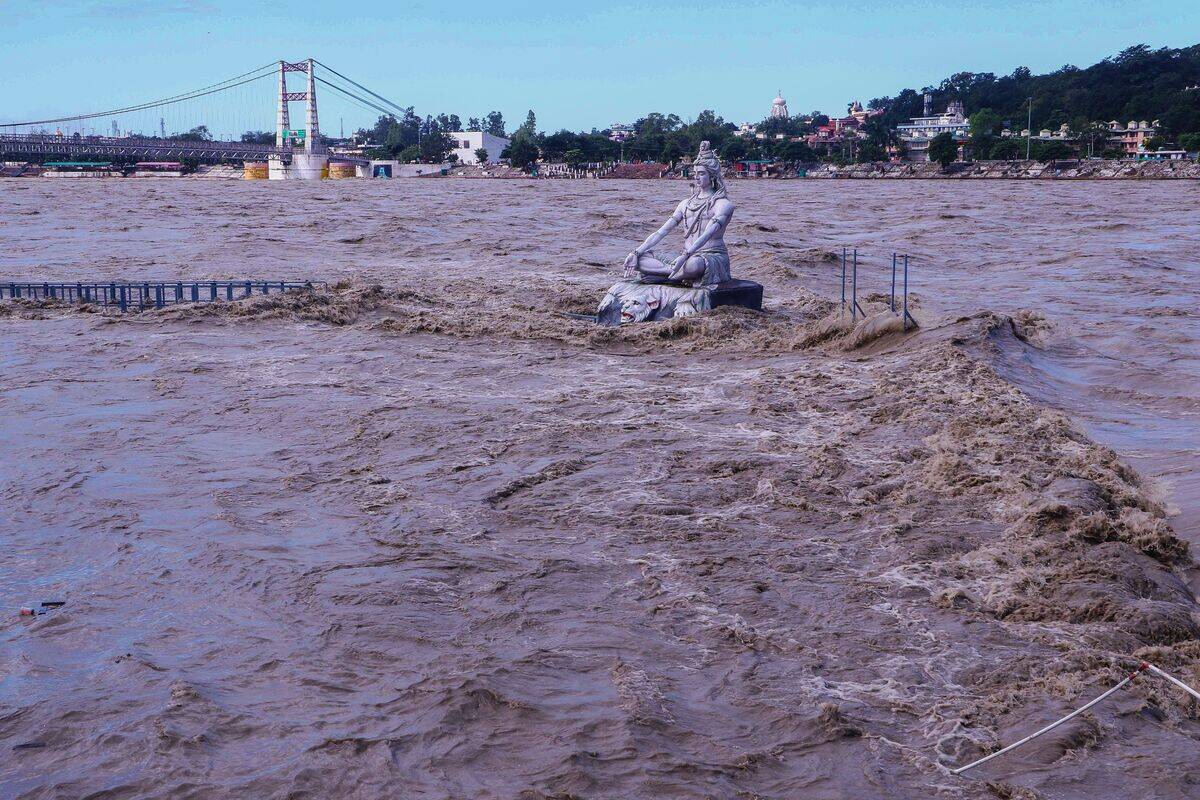
Mountain collapses have left deep impacts on communities worldwide, often with tragic outcomes. The 2013 Uttarakhand floods in India were exacerbated by landslides, displacing thousands and highlighting the region’s vulnerability.
In Colombia, the 1985 Nevado del Ruiz eruption triggered a deadly lahar, devastating the town of Armero. These stories are poignant reminders of the human cost of natural disasters. They emphasize the need for preparedness and resilient infrastructure to safeguard lives and livelihoods.
Staying Safe: Tips for Hiking and Living Near Mountains
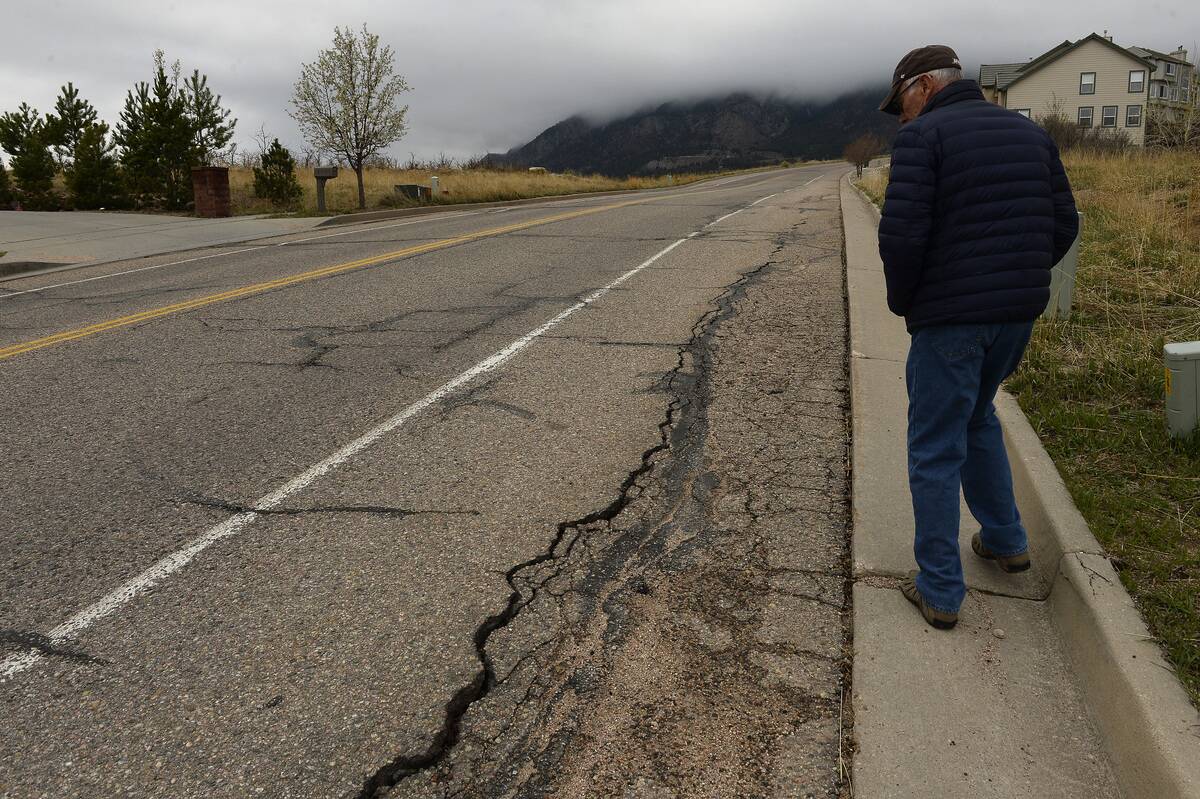
Safety is paramount when living or hiking near mountains prone to landslides. Always check local weather forecasts and landslide advisories before heading out. Be aware of your surroundings: look for warning signs like cracks or shifting terrain.
For residents, maintaining proper drainage around homes can reduce landslide risks. In 2014, hikers in Colorado narrowly avoided disaster by heeding warnings and evacuating before a landslide struck. Staying informed and prepared can make all the difference.