Little-known facts about Morocco

Trending Now
Morocco, a land where ancient history meets vibrant modernity, beckons with its diverse landscapes and rich cultural tapestry. This North African gem offers a unique blend of experiences, from bustling souks to serene deserts. As you journey through its cities and countryside, prepare to be enchanted by the mysteries and wonders that Morocco has to offer. Whether you’re an adventurer or a culture enthusiast, Morocco’s allure is sure to captivate your senses.
The Location: Where in the World is Morocco?
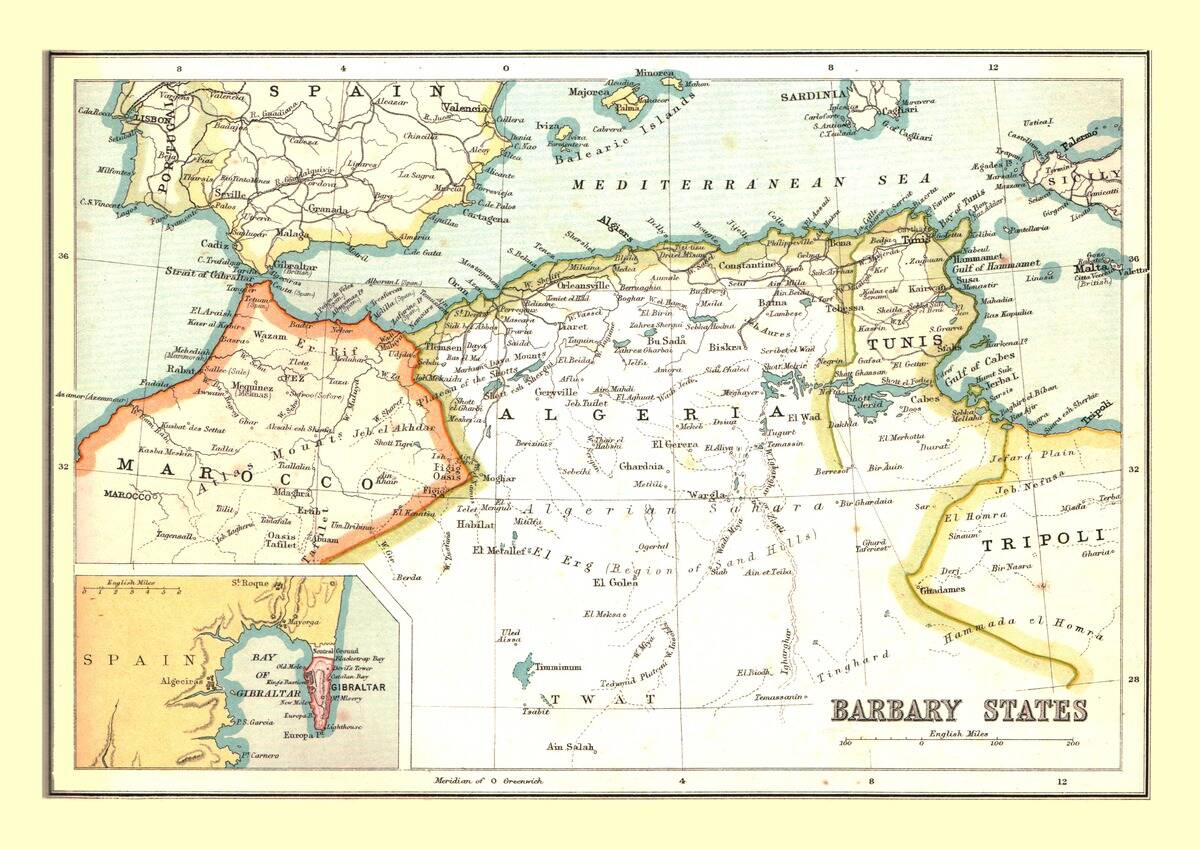
Nestled in North Africa, Morocco boasts a strategic location with coastlines on both the Atlantic Ocean and the Mediterranean Sea. It shares borders with Algeria to the east and southeast, and it is separated from Spain by the Strait of Gibraltar. This positioning has made Morocco a gateway between Europe and Africa, influencing its diverse cultural exchanges. Morocco’s varied geography includes mountains, deserts, and fertile plains, making it a land of contrasts.
A Melting Pot of Cultures: The Rich Tapestry of Moroccan Heritage
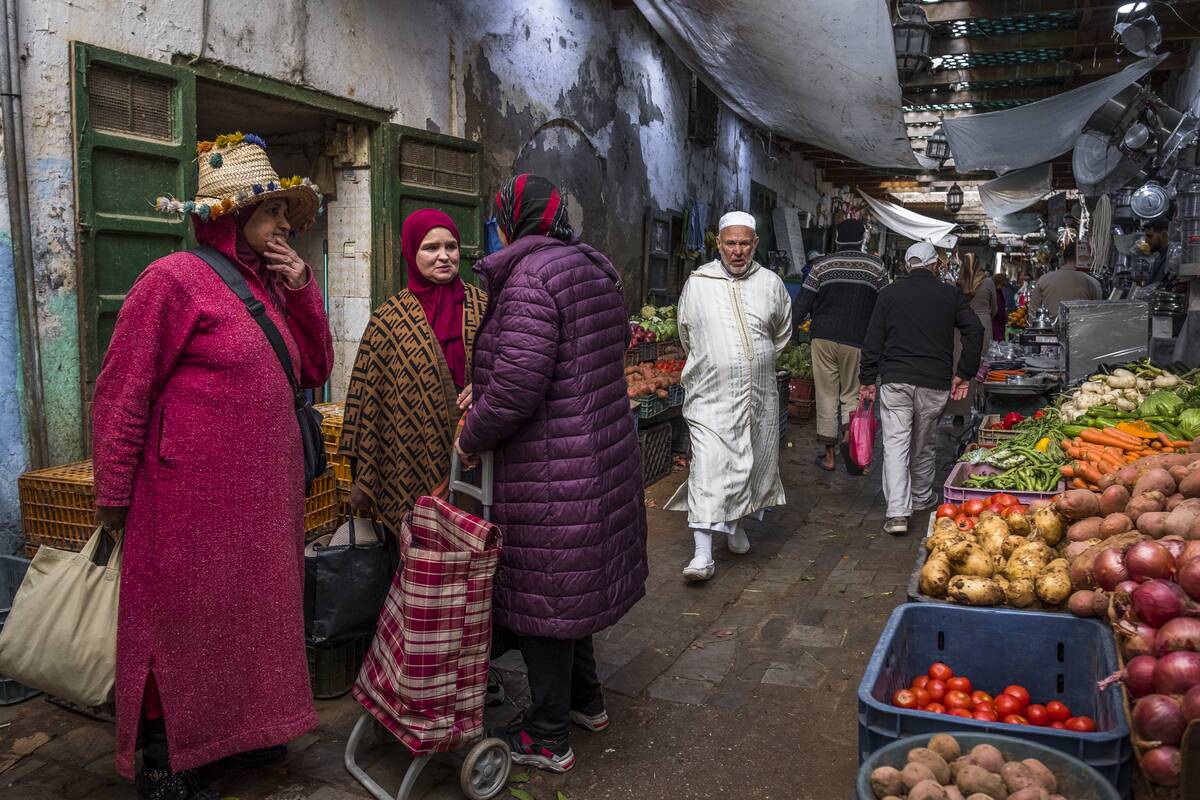
Moroccan culture is a vibrant mosaic of Berber, Arab, and French influences, among others. This blend creates a unique identity that is reflected in the country’s language, architecture, and traditions. The Berbers, or Amazigh, are the indigenous people of Morocco, and their traditions are deeply woven into the country’s cultural fabric. From the medinas to the mountains, Morocco’s heritage is a testament to centuries of cultural fusion and resilience.
Language Wonderland: More Than Just Arabic
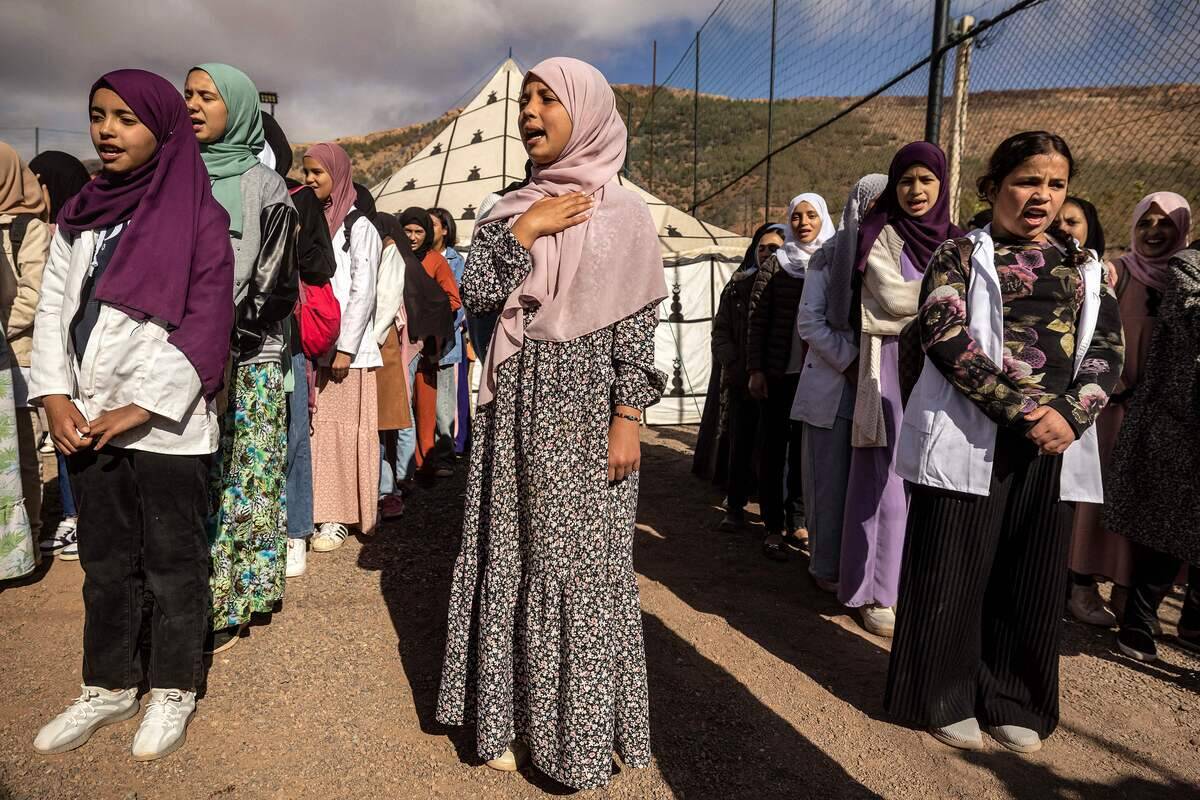
In Morocco, language is an adventure in itself. While Modern Standard Arabic and Standard Moroccan Berber are the official languages, Moroccan Arabic, or Darija, is the most widely spoken. Additionally, Tamazight, the language of the Berber people, is also an official language. French remains prevalent due to Morocco’s colonial past and is widely used in business and education. This linguistic diversity makes Morocco a fascinating place for language enthusiasts and a testament to its multicultural heritage.
The Majestic Atlas Mountains: Nature’s Backbone
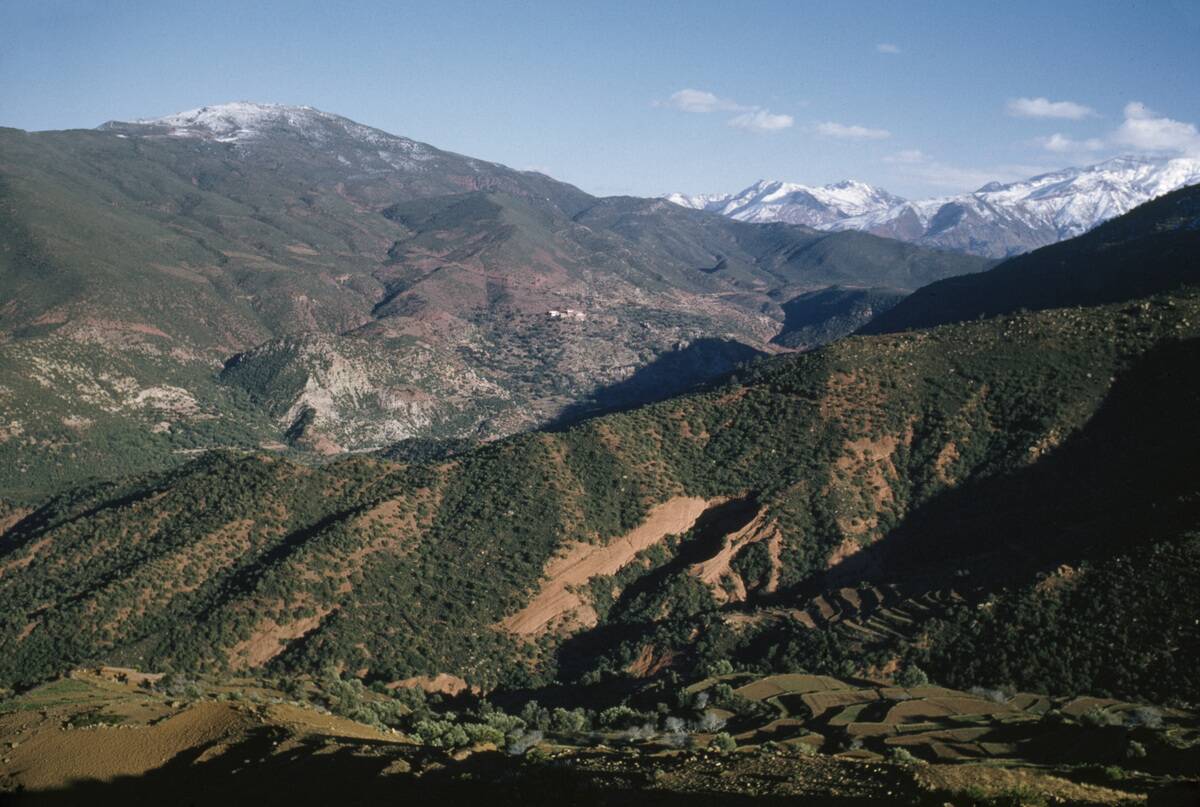
The Atlas Mountains stretch across Morocco, providing a stunning backdrop to the country’s diverse landscapes. These mountains are divided into three distinct ranges: the High Atlas, Middle Atlas, and Anti-Atlas. The High Atlas is home to North Africa’s highest peak, Mount Toubkal, standing at 13,671 feet. The mountains offer endless opportunities for trekking, skiing, and exploring Berber villages, making them a nature lover’s paradise.
The Sahara Desert: Morocco’s Golden Sands
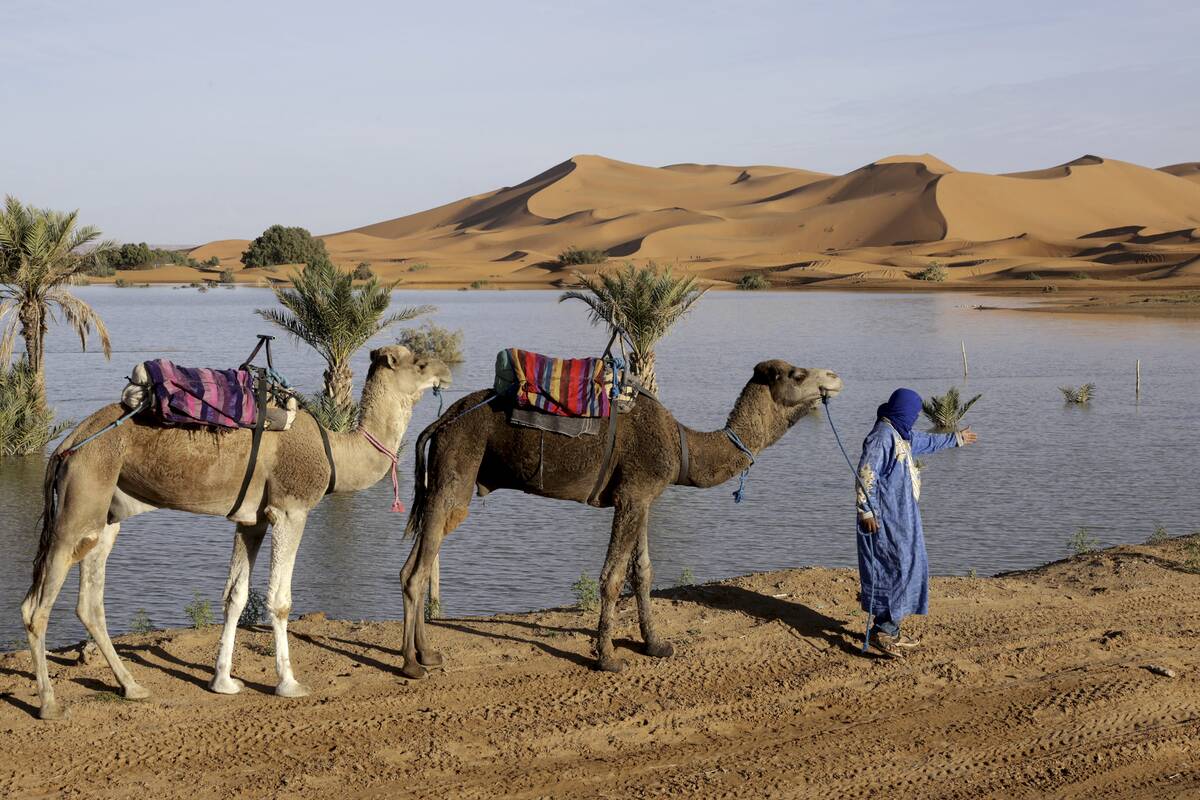
The Sahara Desert, with its vast golden dunes, covers much of eastern Morocco, offering a sense of timelessness and tranquility. Erg Chebbi and Erg Chigaga are two of the most famous dune areas, known for their towering sand formations. Visitors can embark on camel treks, camp under the starry night sky, and experience the unique silence of the desert. The Sahara’s enchanting landscape is a must-see for any traveler seeking adventure and solitude.
Casablanca: More Than Just a Movie
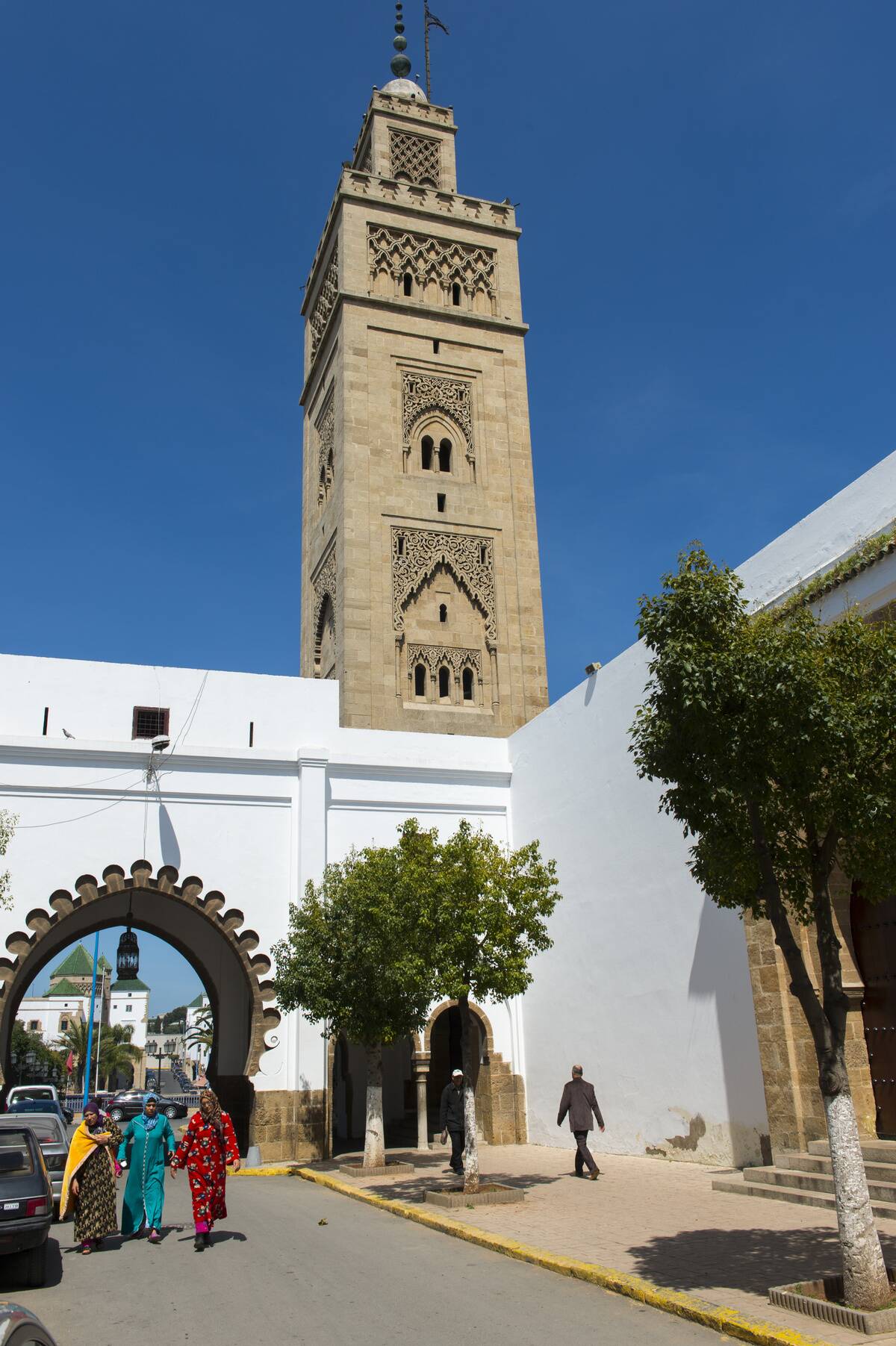
Casablanca, Morocco’s largest city, is often associated with the classic film bearing its name. Beyond the silver screen, Casablanca is a bustling metropolis and economic hub. The city’s architecture is a blend of Moorish and French colonial styles, with the Hassan II Mosque being a standout landmark. As a city of contrasts, Casablanca offers a mix of modernity and tradition, making it a dynamic place to explore beyond its cinematic fame.
The Mystery of the Blue City: Chefchaouen’s Unique Hue
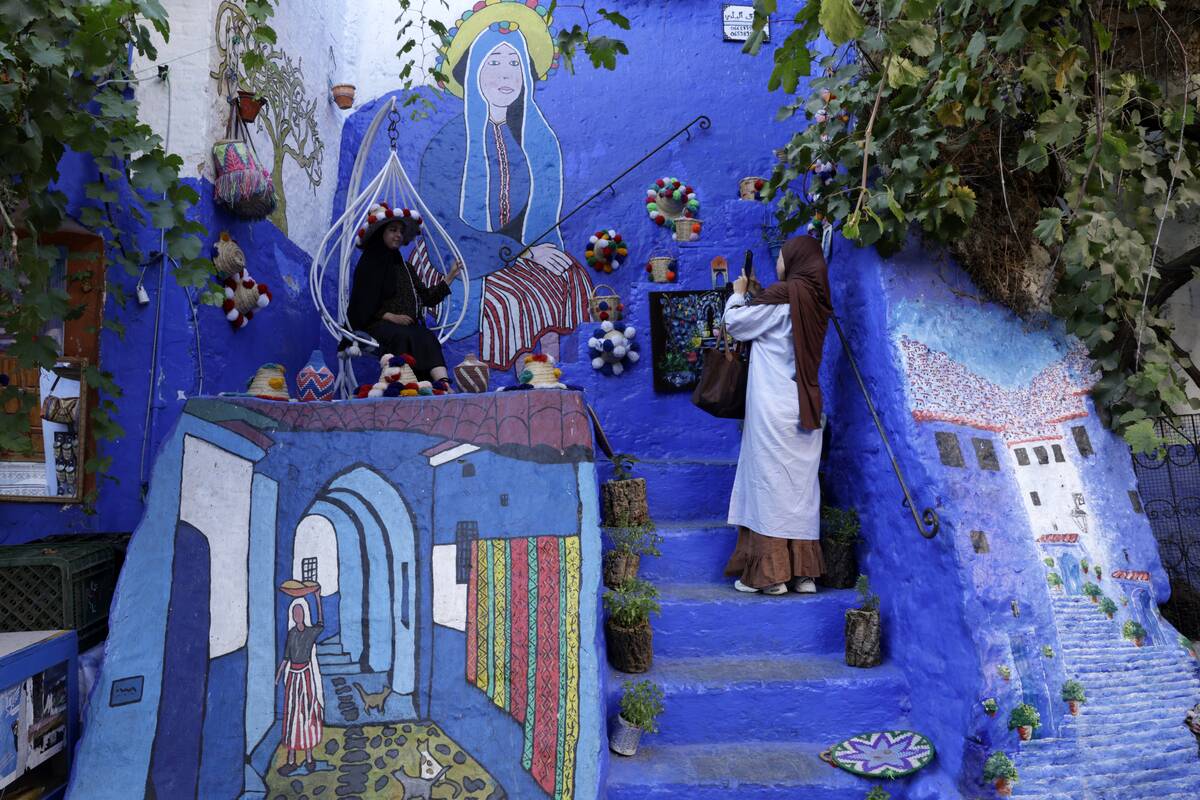
Nestled in the Rif Mountains, Chefchaouen is famous for its striking blue-washed streets and buildings. This charming city exudes a tranquil atmosphere, with its color believed to symbolize the sky and heaven. The origins of Chefchaouen’s blue hue are debated, with theories ranging from Jewish influence to mosquito deterrence. Whatever the reason, the blue city captivates visitors with its dreamy aesthetic and laid-back vibe, making it a photographer’s paradise.
Moroccan Cuisine: A Flavorful Adventure
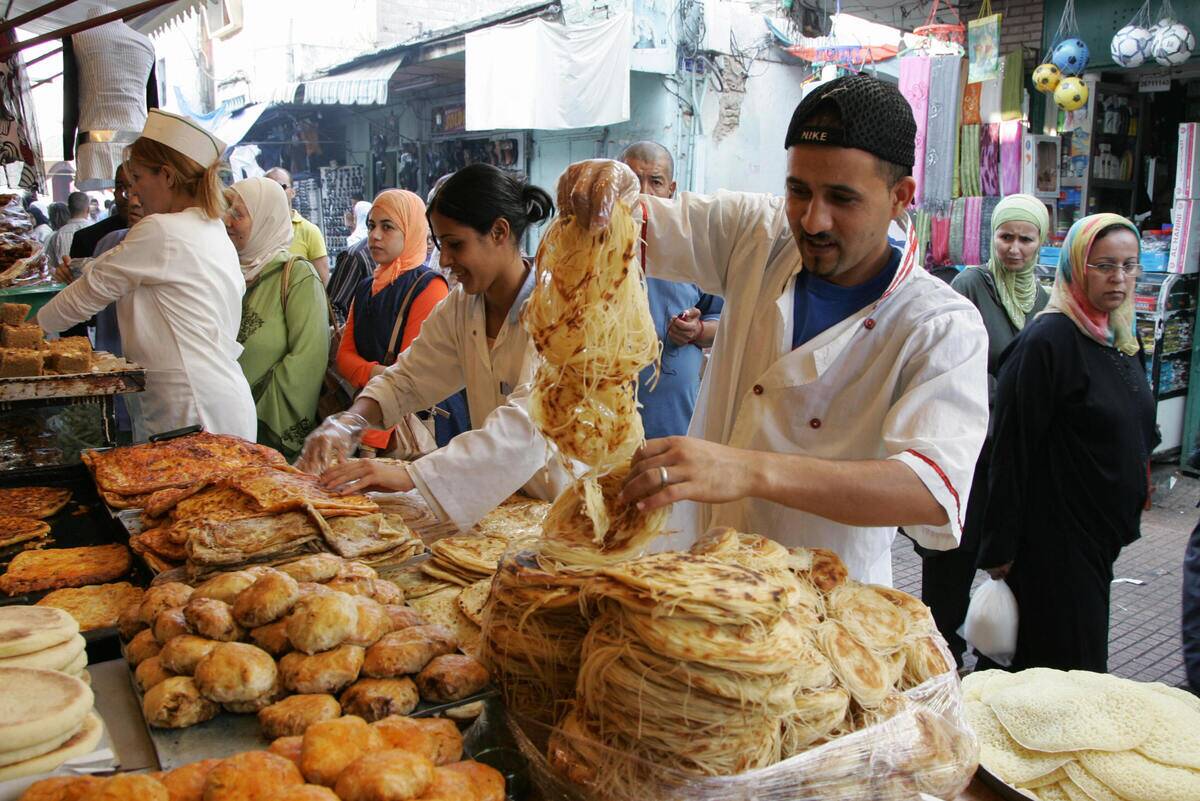
Moroccan cuisine is a delightful blend of spices, flavors, and textures, drawing from Berber, Arab, and French influences. Tagine, a slow-cooked stew named after the earthenware pot it’s cooked in, is a staple dish, often featuring lamb, chicken, or vegetables. Couscous, a semolina-based dish, is another beloved classic. The use of spices like saffron, cumin, and cinnamon adds depth to Moroccan dishes, making each meal an adventure for the taste buds.
Mint Tea: The Symbol of Hospitality
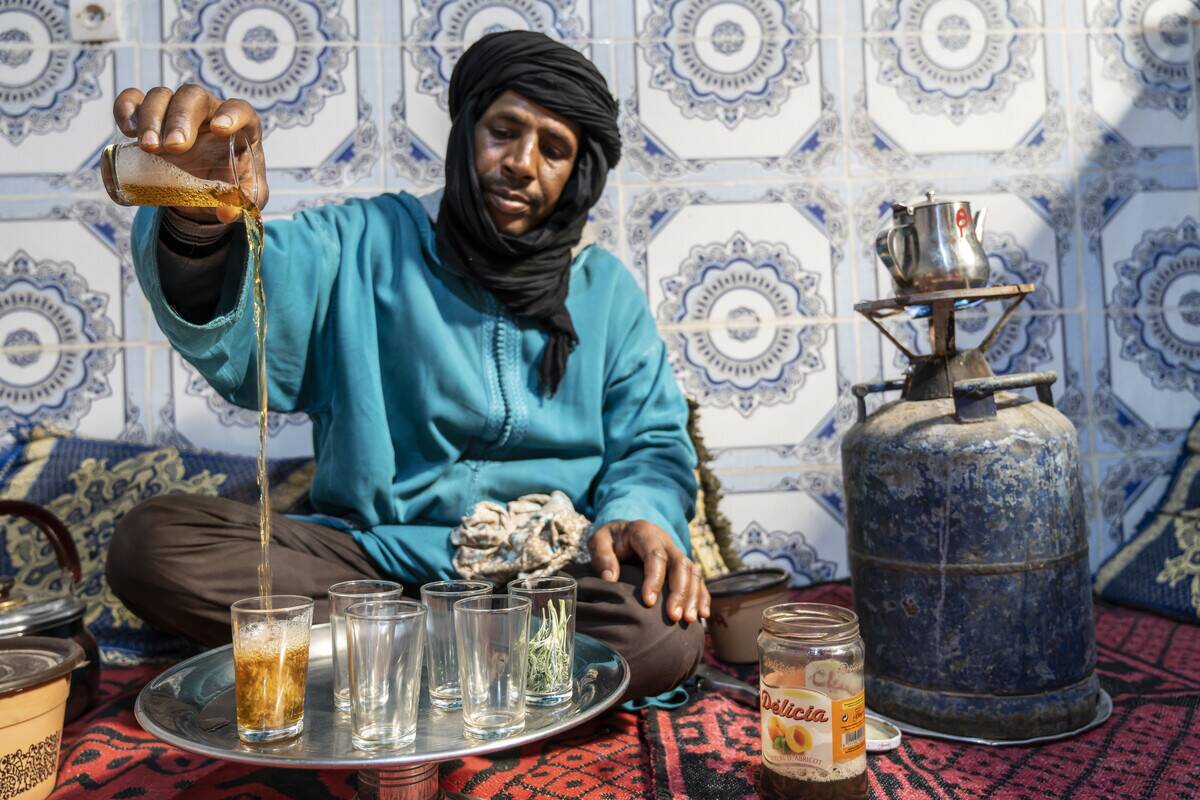
In Morocco, mint tea is more than just a beverage; it’s a symbol of hospitality and friendship. Known as “Moroccan whiskey,” this sweet green tea infused with fresh mint leaves is served throughout the day. The preparation and serving of mint tea is an art form in itself, often accompanied by a graceful pouring technique. Sharing a cup of mint tea is a welcoming gesture, inviting conversation and connection in Moroccan homes and cafes.
The Ancient City of Fes: A Living Museum
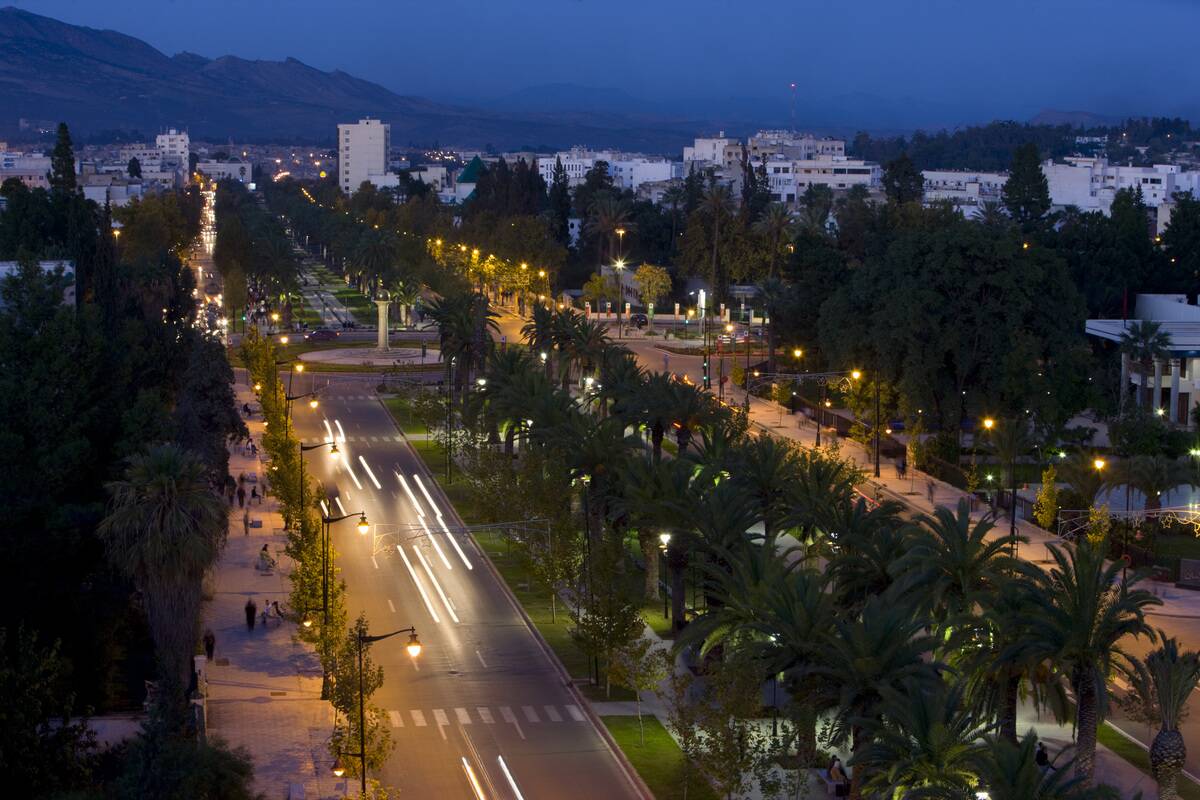
Fes, one of Morocco’s oldest cities, is a labyrinth of history and culture. Its medina, Fes el-Bali, is a UNESCO World Heritage site, boasting narrow alleyways and bustling bazaars. The city is home to the University of al-Qarawiyyin, founded in 859 AD and considered the world’s oldest continuously operating educational institution. Fes is a living museum, where the past and present coexist in a vibrant tapestry of sights and sounds.
The Art of Moroccan Architecture: A Feast for the Eyes
Moroccan architecture is a testament to the country’s rich history and cultural influences, featuring intricate designs and vibrant colors. From the ornate zellige tilework to the iconic horseshoe arches, Moroccan buildings are a feast for the eyes. The riads, traditional homes centered around a courtyard, offer a glimpse into Moroccan life. The architecture of Morocco is not just about aesthetics; it’s a reflection of the country’s diverse heritage and artistic expression.
The Souks of Marrakech: Shop Till You Drop
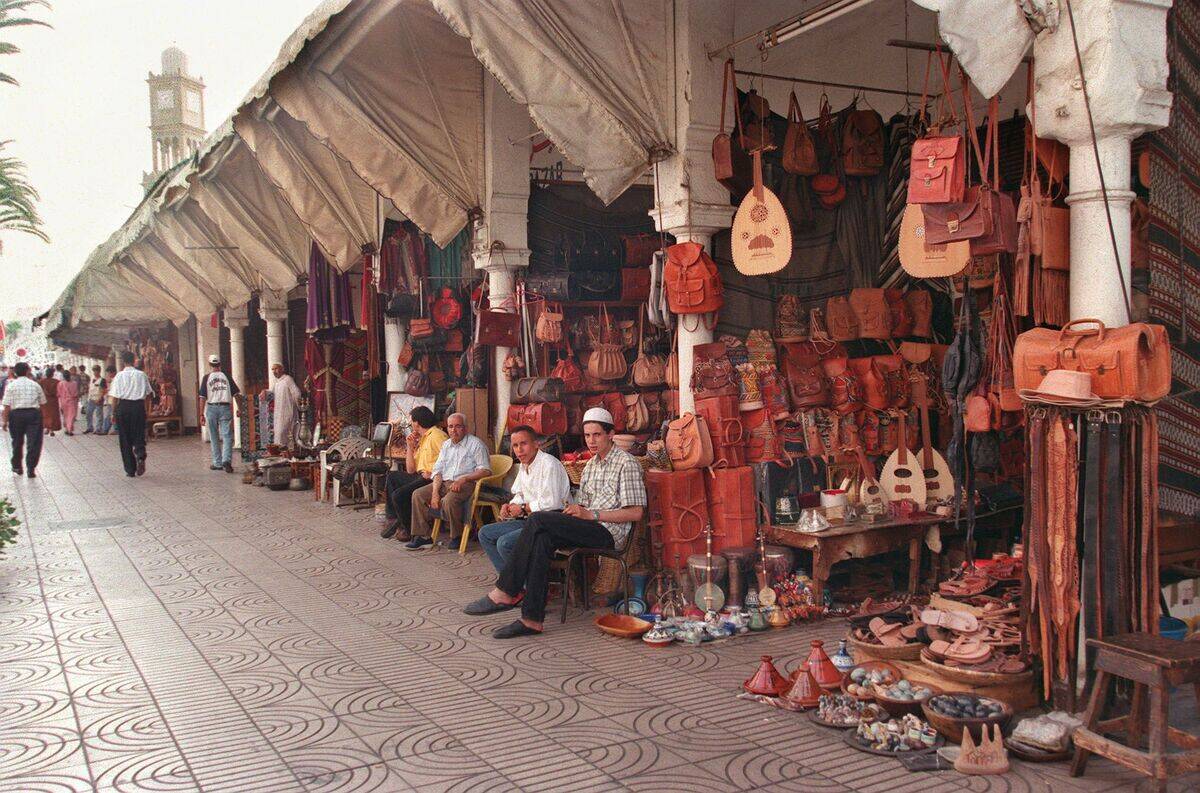
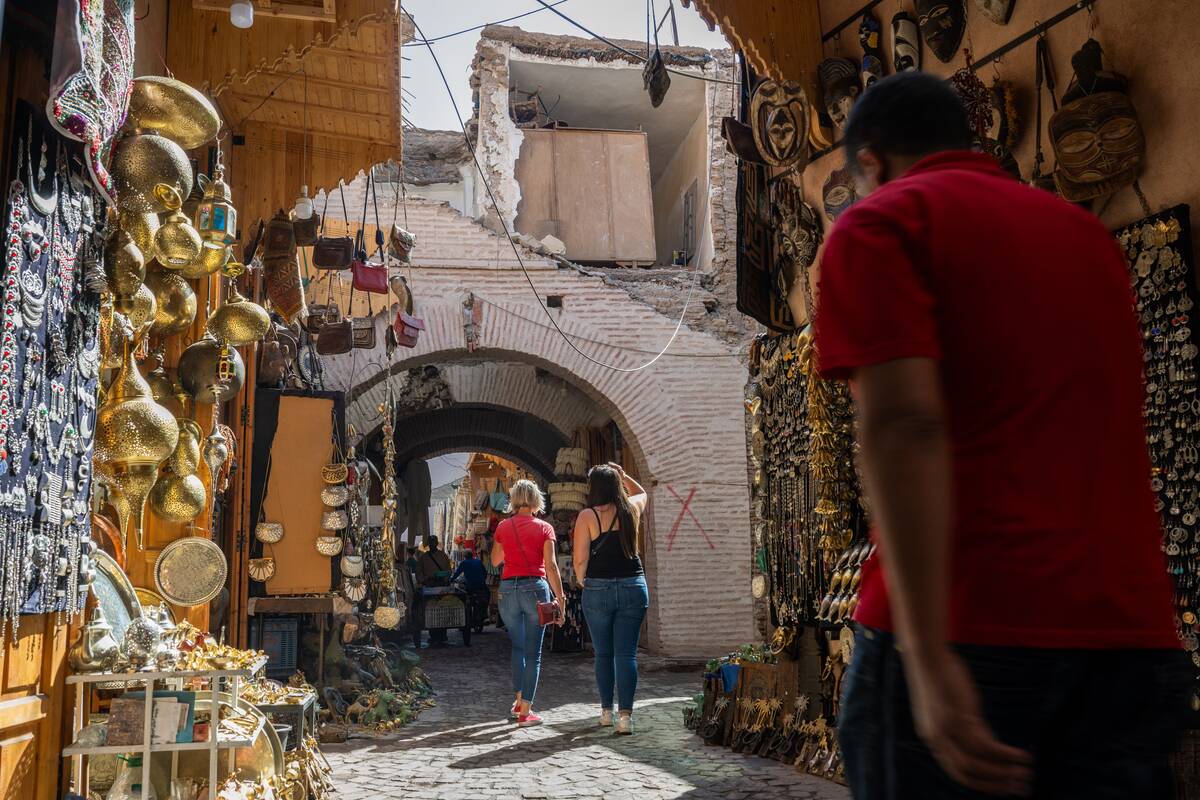
The souks, or bazaars, of Marrakech are a bustling maze of vibrant colors, scents, and sounds, offering a sensory overload for visitors. These traditional markets are a treasure trove of goods, from handcrafted leather items to intricate carpets and spices. Haggling is a common practice, adding an element of excitement to the shopping experience. The souks are not just about commerce; they are a cultural experience, revealing the heart and soul of Marrakech.
Morocco’s Love for Football: Uniting the Nation
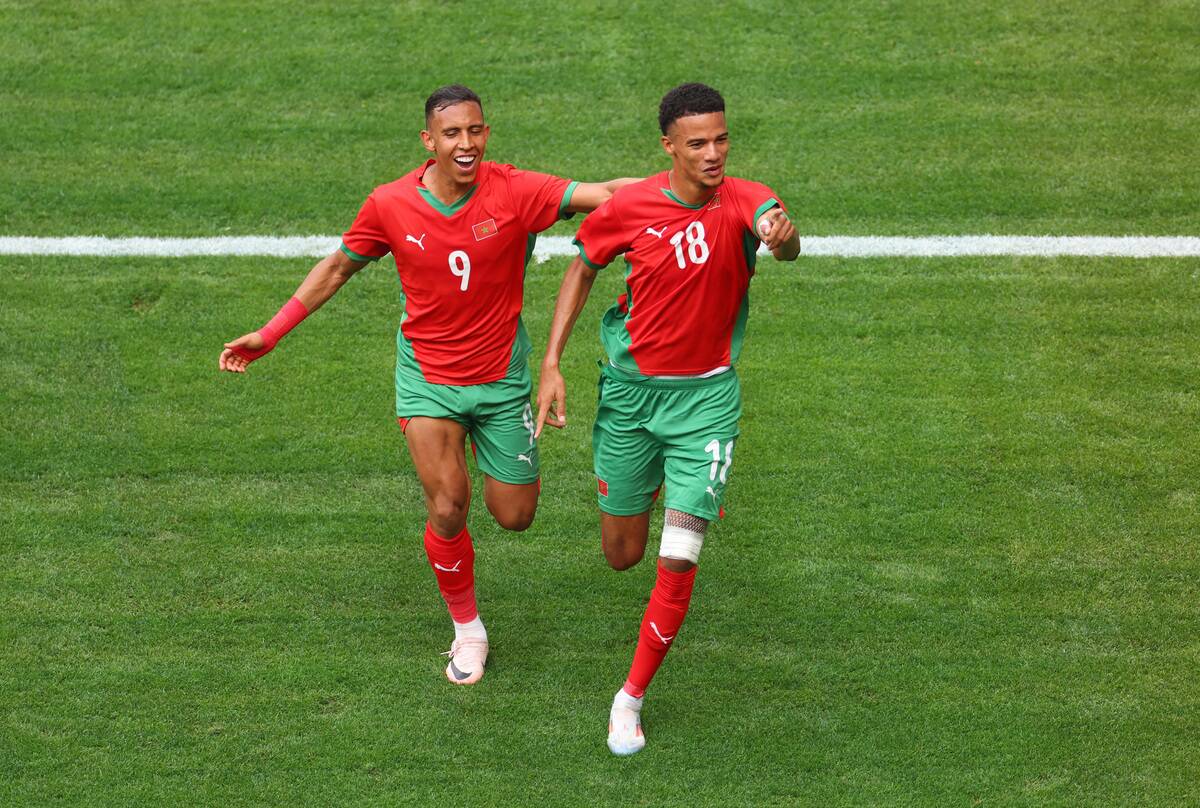
Football, or soccer, is more than just a sport in Morocco; it’s a unifying force that brings people together. The passion for football is evident in the streets, where children play impromptu matches, and cafes fill with fans during international games. The national team, known as the Atlas Lions, enjoys widespread support, especially during tournaments like the Africa Cup of Nations. Football serves as a symbol of national pride and community spirit across Morocco.
Festivals Galore: A Year-Round Celebration
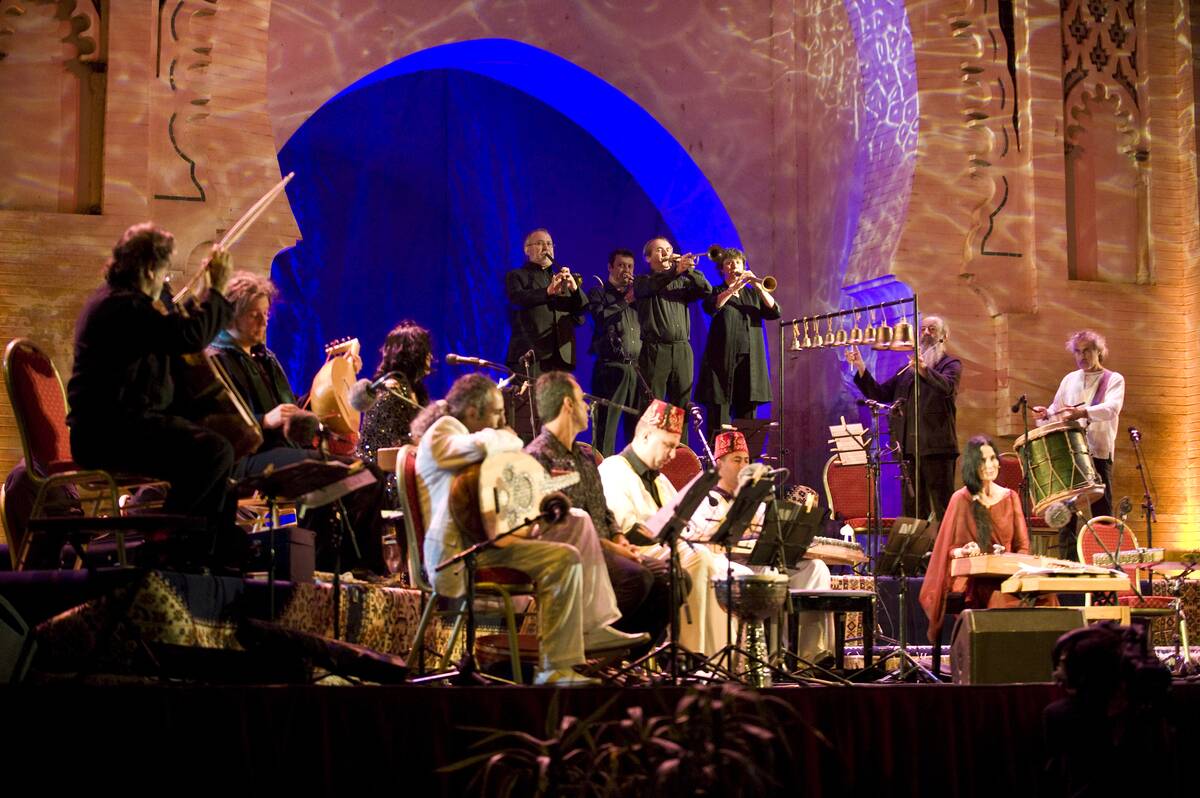
Morocco’s calendar is filled with vibrant festivals that celebrate its rich cultural heritage and traditions. The Fes Festival of World Sacred Music attracts performers and audiences from around the globe, while the Gnaoua and World Music Festival in Essaouira showcases traditional African and Berber music. The Rose Festival in the Dades Valley is a fragrant celebration of the annual rose harvest. These festivals offer a glimpse into Morocco’s diverse cultural tapestry, where music, dance, and community come together.
The Legacy of the Berbers: Morocco’s Indigenous People
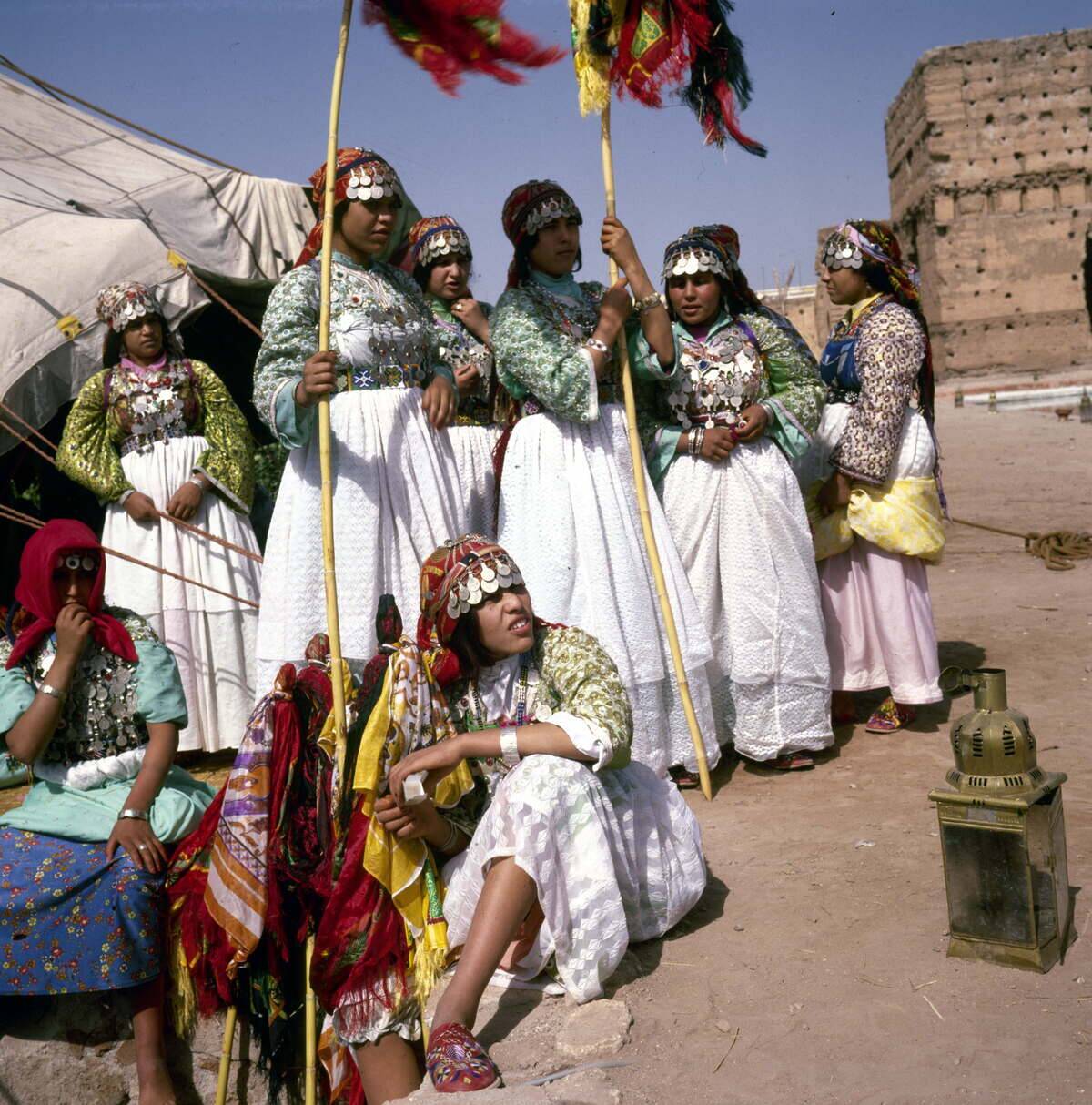
The Berbers, or Amazigh, are the indigenous people of Morocco, with a history dating back thousands of years. They have preserved their distinct language, culture, and traditions despite external influences. The Berbers are known for their craftsmanship, particularly in weaving and jewelry making. Their connection to the land is evident in their traditional agricultural practices and knowledge of the mountains and deserts. The Berber legacy is an integral part of Morocco’s identity, adding depth to its cultural tapestry.
A Royal Connection: The Moroccan Monarchy
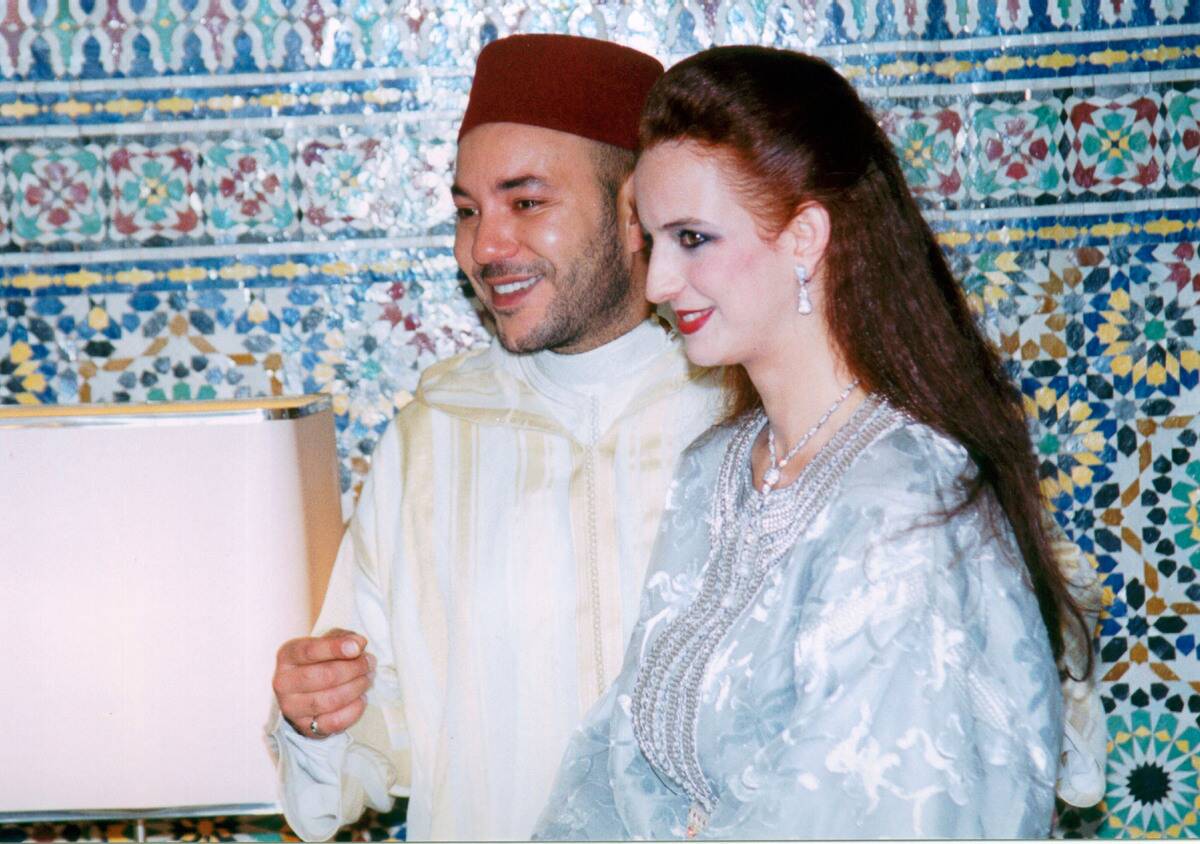
Morocco’s monarchy is one of the oldest in the world, with a lineage tracing back to the 7th century. The current king, Mohammed VI, ascended the throne in 1999 and is a beloved figure in Morocco. The monarchy plays a significant role in the country’s political and cultural life, with the king being seen as a unifying symbol. Royal palaces and events are an integral part of Moroccan society, reflecting the deep-rooted tradition and respect for the monarchy.
The Enigma of the Moroccan Hammam: A Luxurious Tradition
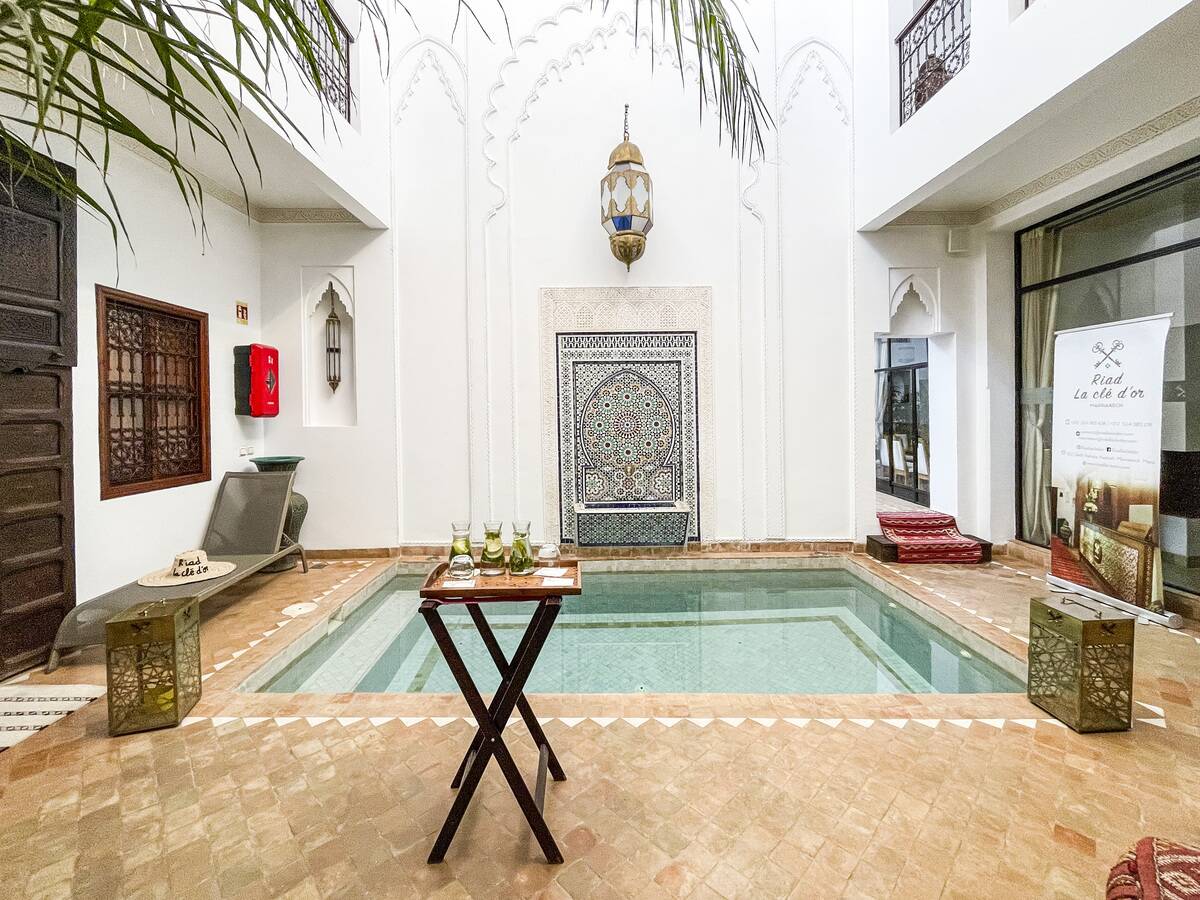
The Moroccan hammam, or traditional bathhouse, offers a luxurious and rejuvenating experience steeped in tradition. These communal baths are an essential part of Moroccan culture, providing a space for relaxation, socializing, and purification. The hammam ritual involves a series of cleansing and exfoliating steps, often using natural products like black soap and argan oil. Visiting a hammam is not only a treat for the body but also an immersion into Moroccan customs and hospitality.
The Argan Tree: Morocco’s Liquid Gold
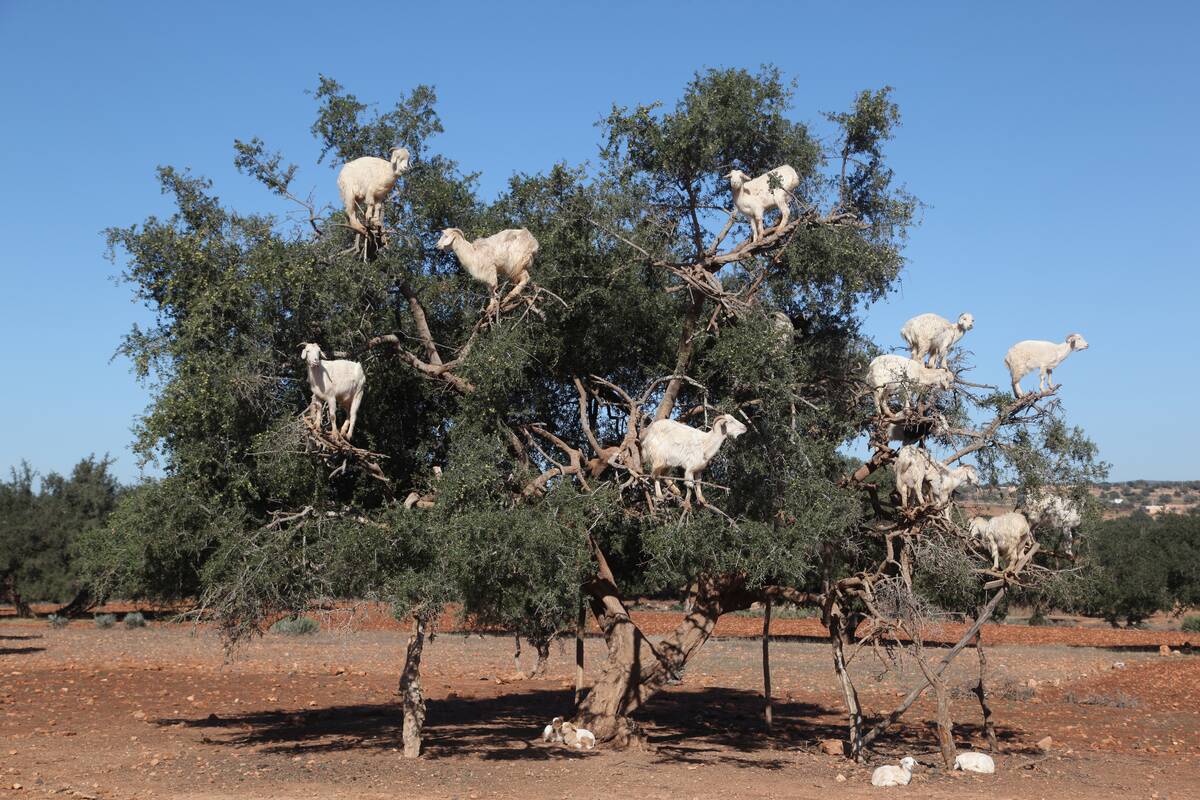
The argan tree, native to Morocco, produces nuts that are used to make argan oil, often referred to as “liquid gold” for its numerous benefits. This precious oil is valued for its culinary and cosmetic uses, rich in vitamin E and essential fatty acids. Argan oil production supports local communities, particularly Berber women who are involved in its extraction. The argan tree’s ecological importance and economic significance make it a treasured resource in Morocco.
The Mysterious Kasbahs: Fortresses of the Past
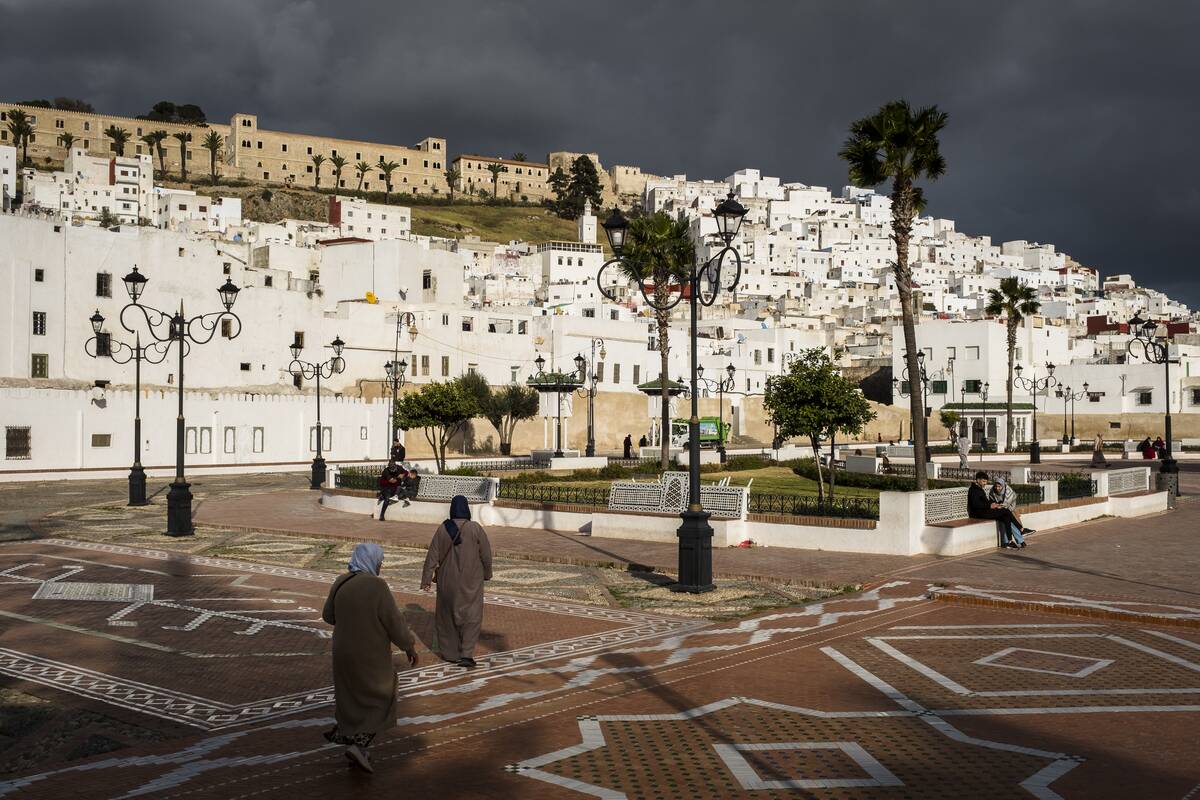
Kasbahs, with their imposing walls and strategic locations, are iconic symbols of Morocco’s historical architecture. These fortified structures were built to protect against invasions and often served as residences for local leaders. The Ait Benhaddou kasbah, a UNESCO World Heritage site, is a stunning example of this architectural style, with its earthen clay buildings blending seamlessly with the landscape. Exploring these kasbahs offers a glimpse into Morocco’s past, where history and legend intertwine.
The Vibrant Moroccan Music Scene: From Gnawa to Rock
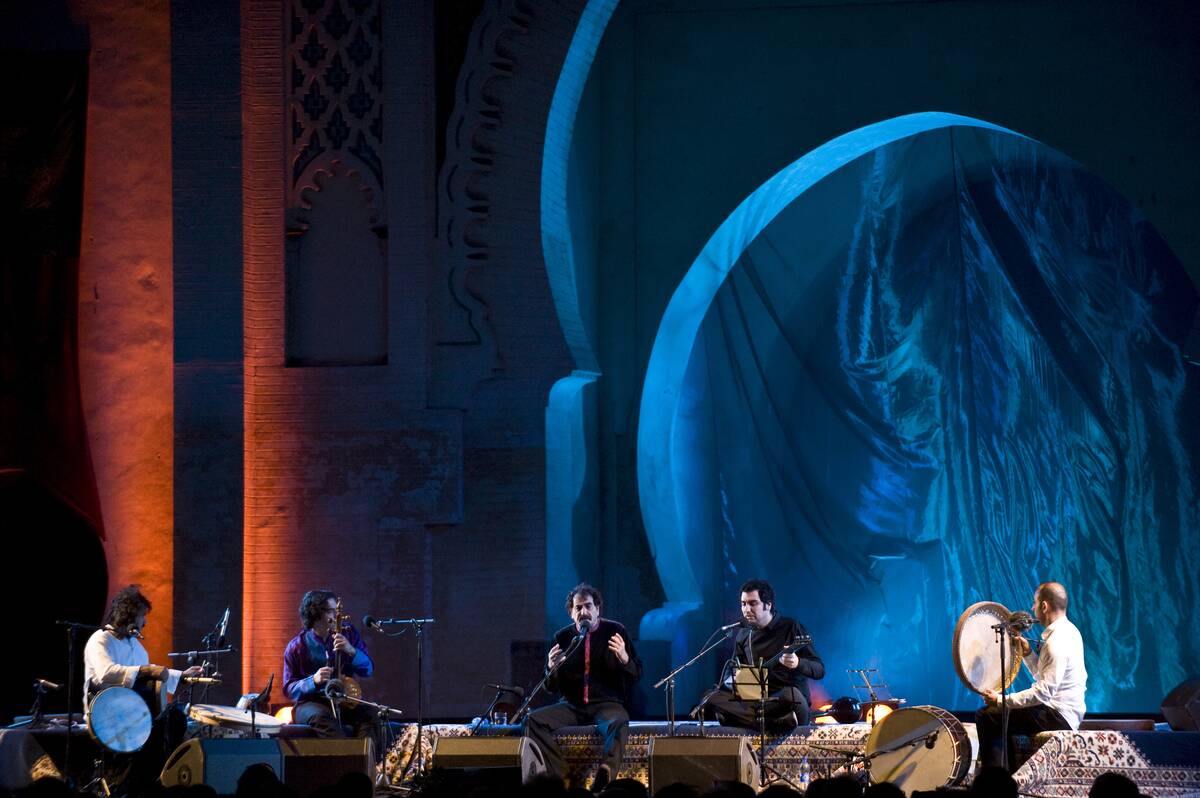
Moroccan music is a vibrant blend of traditional and modern influences, with genres ranging from Gnawa to rock. Gnawa music, with its African roots, is known for its hypnotic rhythms and spiritual significance. Contemporary Moroccan artists are also making their mark, blending traditional sounds with modern styles like hip-hop and rock. Music festivals across the country celebrate this diversity, showcasing the dynamic and evolving nature of Morocco’s music scene, where past and present harmoniously coexist.
A Hollywood Favorite: Morocco as a Filmmaker’s Dream
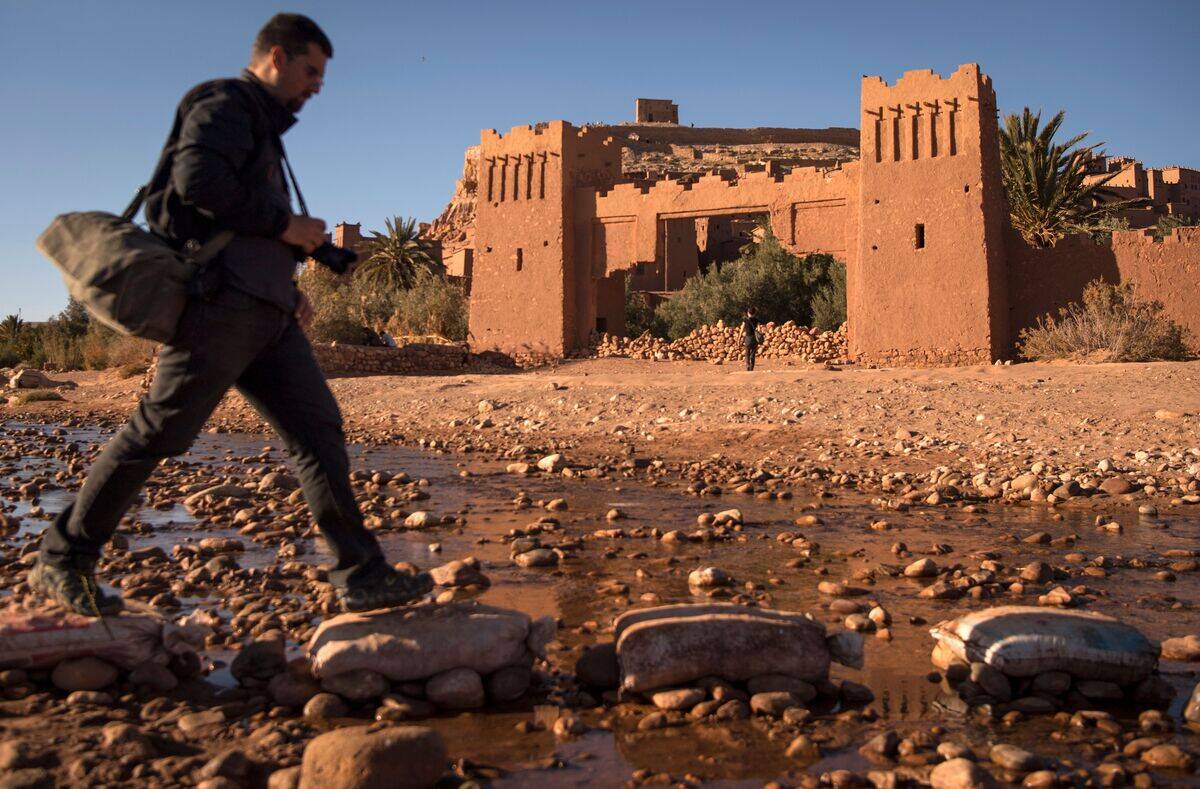
Morocco’s dramatic landscapes and historical architecture have made it a favorite location for filmmakers worldwide. From the rolling dunes of the Sahara to the ancient medinas, Morocco offers a stunning backdrop for a variety of films. Iconic movies like “Lawrence of Arabia,” “Gladiator,” and “Inception” have been filmed here, taking advantage of the country’s diverse scenery. For filmmakers, Morocco is a land of endless possibilities, where cinematic dreams come to life against a backdrop of enchanting beauty.