Stars with unusual size, heat, or magnetic fields

Trending Now
The universe is brimming with stars, each one a glowing ball of gas lighting up the cosmos. But among the millions, some stars stand out due to their bizarre characteristics.
These stellar oddities intrigue astronomers and casual stargazers alike, as they challenge our understanding of astrophysical processes. From stars that flicker like cosmic candles to those that dash through space, the universe never fails to surprise us with its peculiar inhabitants.
What Makes a Star Unusual?
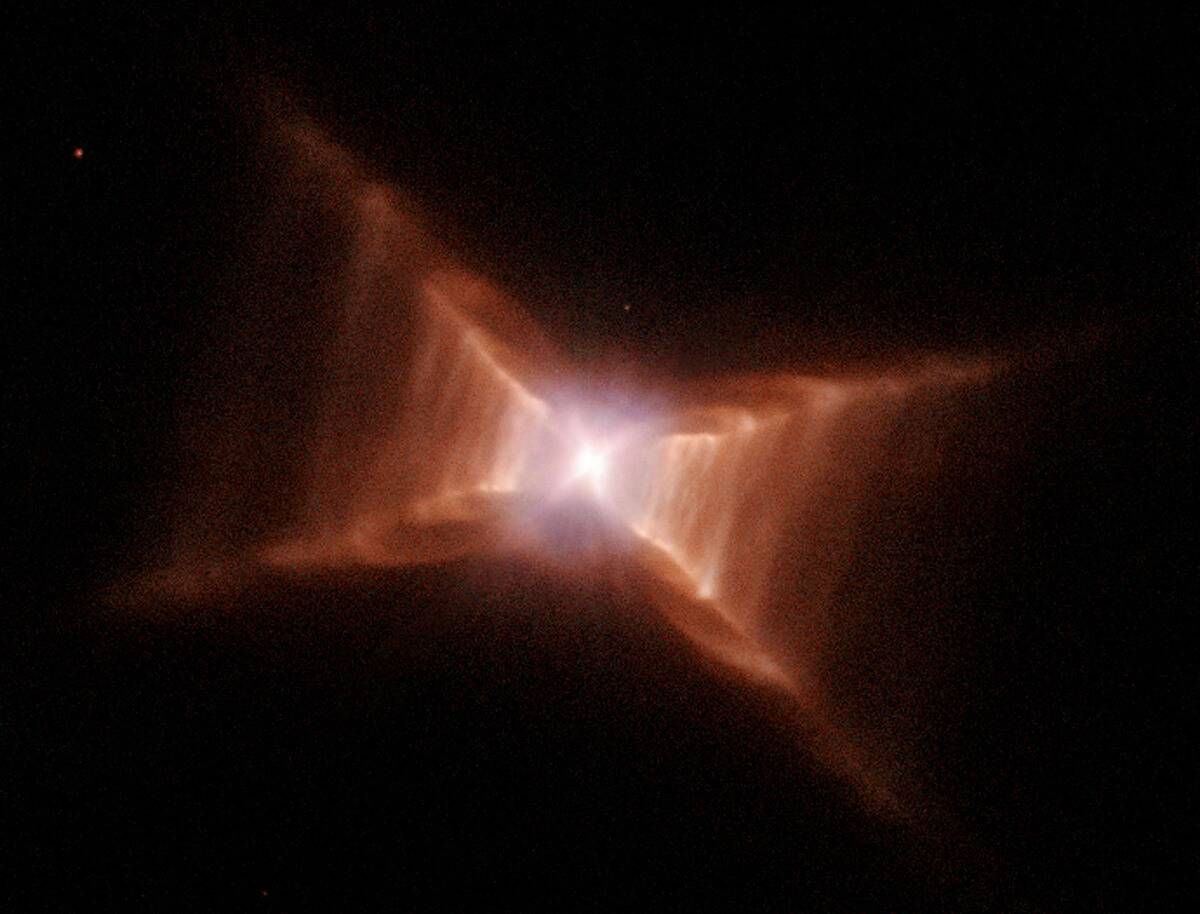
Stars become unusual for a variety of reasons, often due to their size, temperature, or magnetic properties. Some stars might be incredibly large or small compared to typical stars. Others might possess magnetic fields so powerful that they defy comprehension.
Still, others exhibit unusual behavior like pulsating light or unexpected movement. These quirks can result from their unique formation histories or interactions with other celestial bodies.
Gigantic Giants: The Largest Stars in the Universe
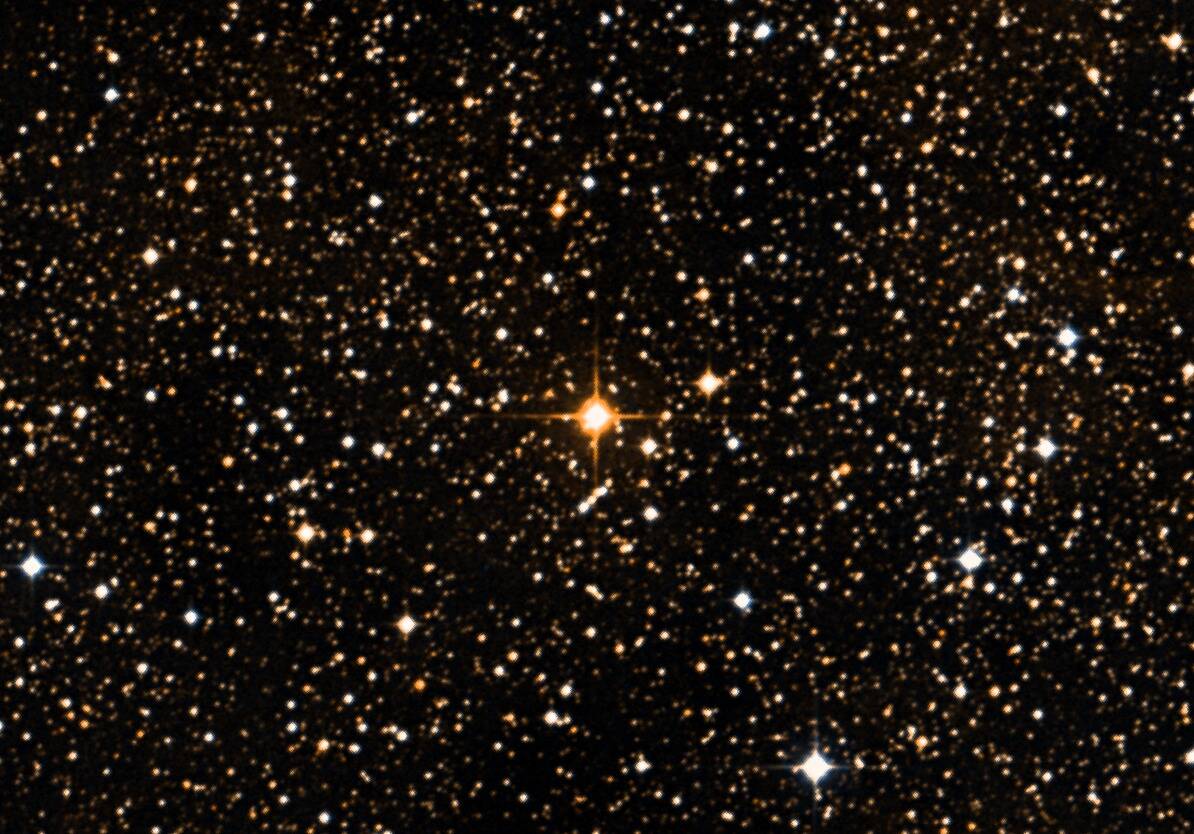
When it comes to size, some stars truly earn the title of giants. The largest known star, UY Scuti, boasts a radius over 1,700 times that of our Sun. These gigantic stars are often found in the later stages of stellar evolution, having expanded to massive sizes.
They burn fuel at a prodigious rate, leading to relatively short lifespans. Despite their size, they often have low densities, making them the cosmic equivalent of fluffy giants.
Tiny Titans: Exploring the Smallest Stars
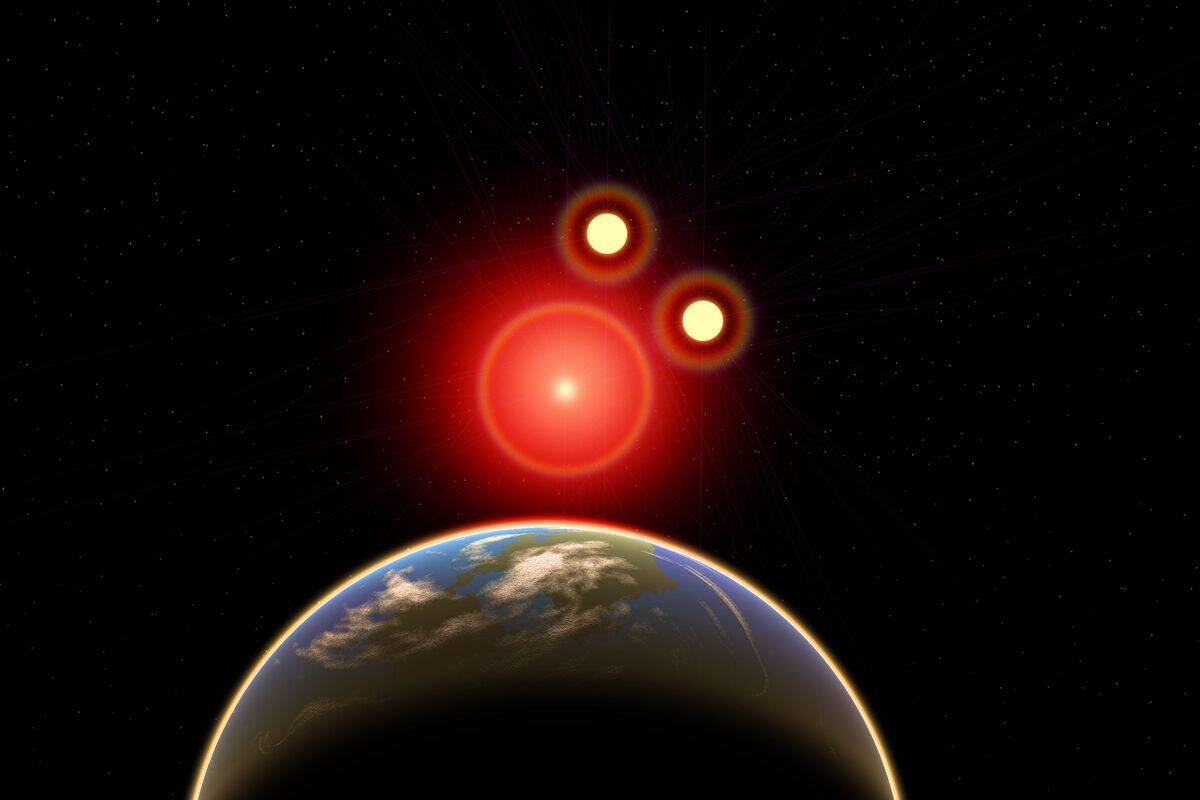
On the opposite end of the scale are the smallest stars, such as red dwarfs. Proxima Centauri, the closest known star to the Sun, is a red dwarf with only about 12% of the Sun’s mass.
These stellar midgets burn their hydrogen fuel slowly, granting them lifespans that can stretch for trillions of years. Their compact size and dim light make them difficult to observe, but they are the most common type of star in our galaxy.
Scorching Suns: Stars with Extreme Temperatures
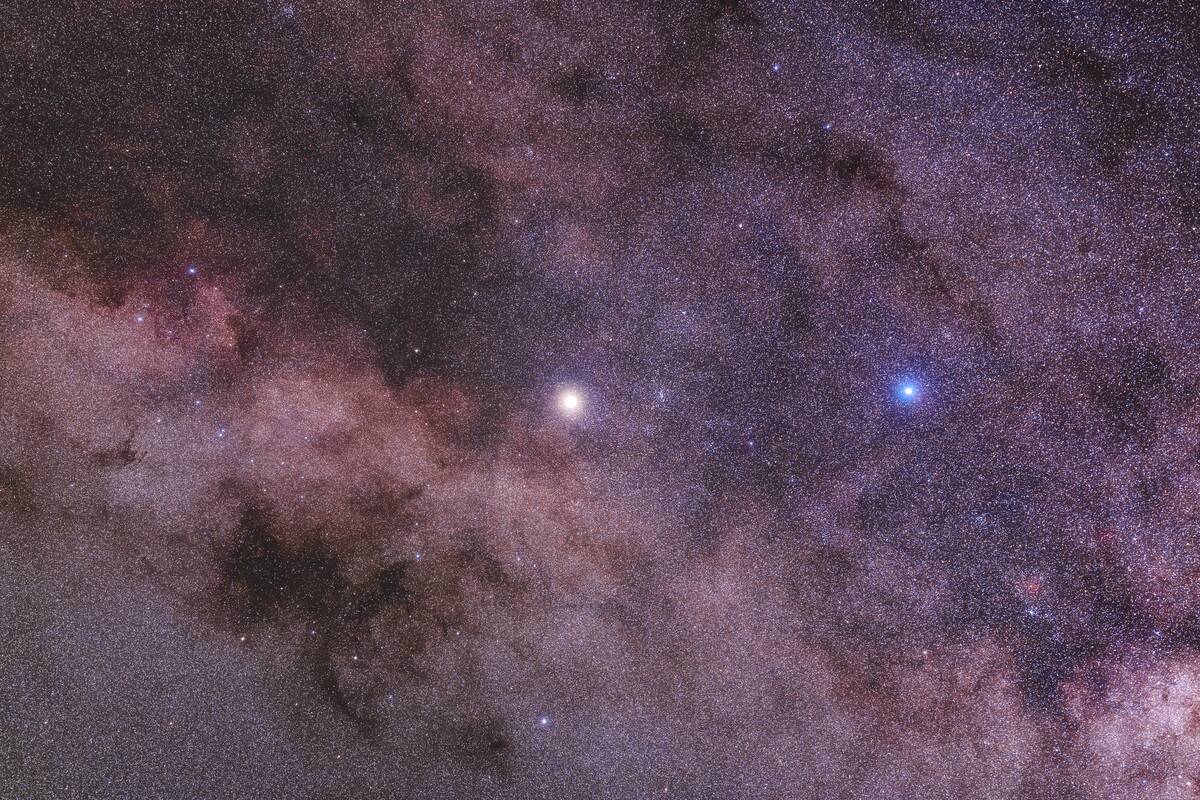
Some stars are known for their blistering temperatures, with surface temperatures reaching tens of thousands of degrees. Stars like the blue supergiant Rigel can have surface temperatures exceeding 12,000 Kelvin.
These scorching suns emit intense ultraviolet radiation and have short, explosive lifespans. Their extreme heat results from their large mass, which accelerates the nuclear fusion processes at their cores.
Cool Customers: Stars that Are Surprisingly Cold
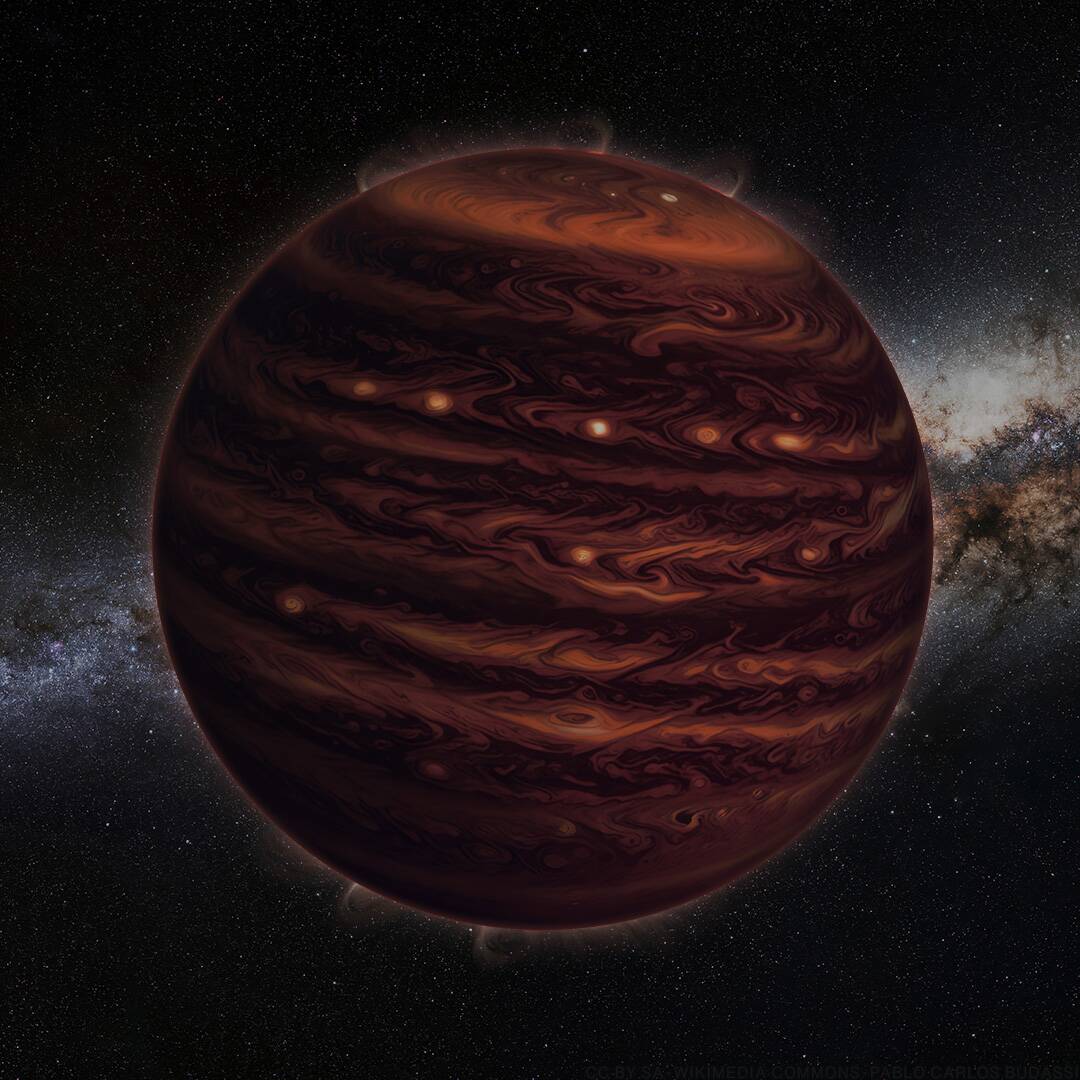
In contrast to their fiery counterparts, some stars have surprisingly cool surfaces. Brown dwarfs, often considered “failed stars,” have surface temperatures as low as 300 Kelvin, cooler than a cup of hot coffee.
These substellar objects are not massive enough to sustain nuclear fusion of hydrogen in their cores. Despite their frigid temperatures, they emit infrared radiation, allowing astronomers to detect them with specialized telescopes.
The Mystery of Magnetic Fields in Stars
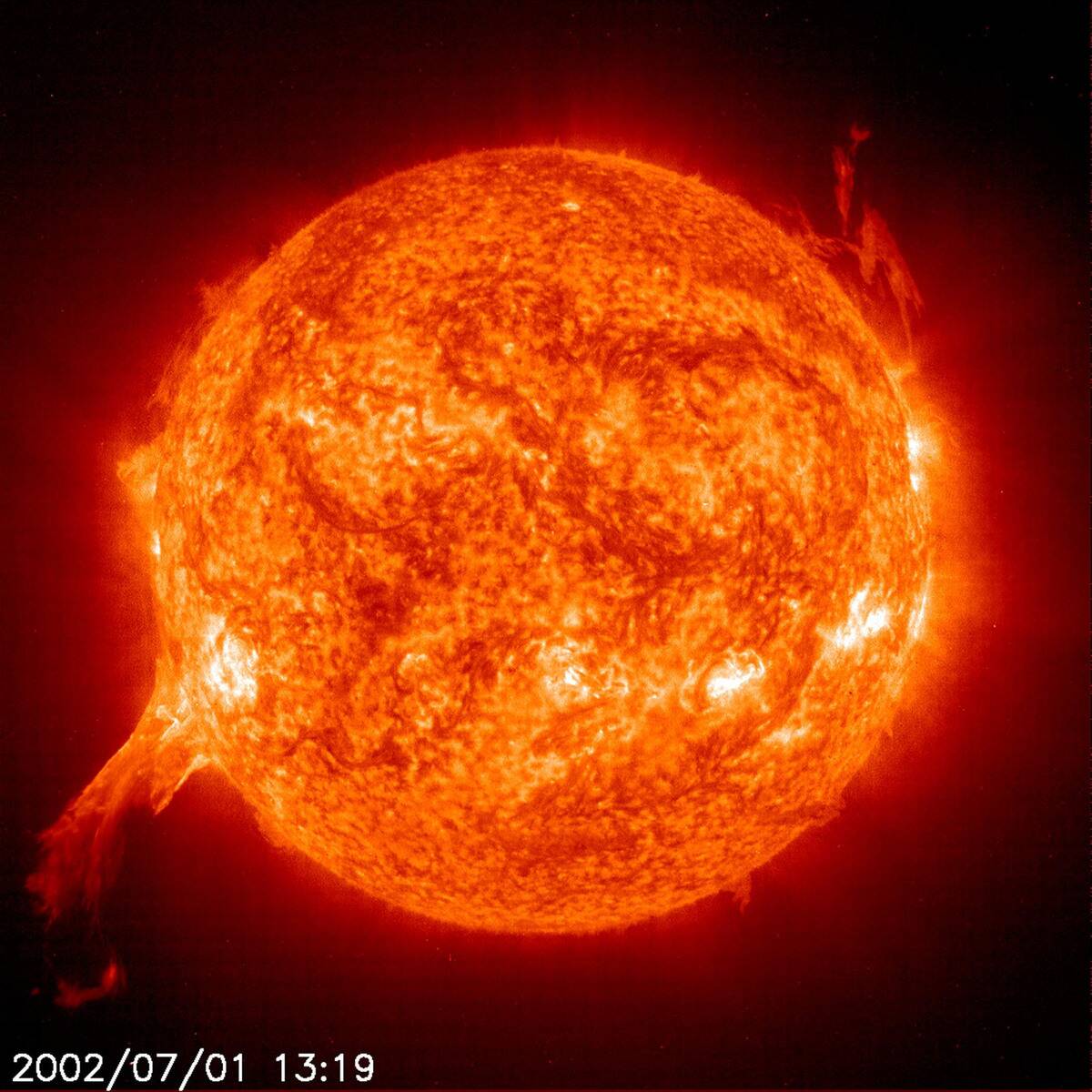
Magnetic fields in stars are a source of ongoing intrigue for astronomers. These fields can influence star formation, surface activity, and even the star’s evolution. The Sun’s magnetic field, for example, is responsible for sunspots and solar flares.
Understanding these fields involves complex physics, as they are generated by the star’s internal motions. Advanced techniques like helioseismology help scientists probe the magnetic mysteries hidden within stars.
Pulsars: The Lighthouse Stars with Unusual Spin
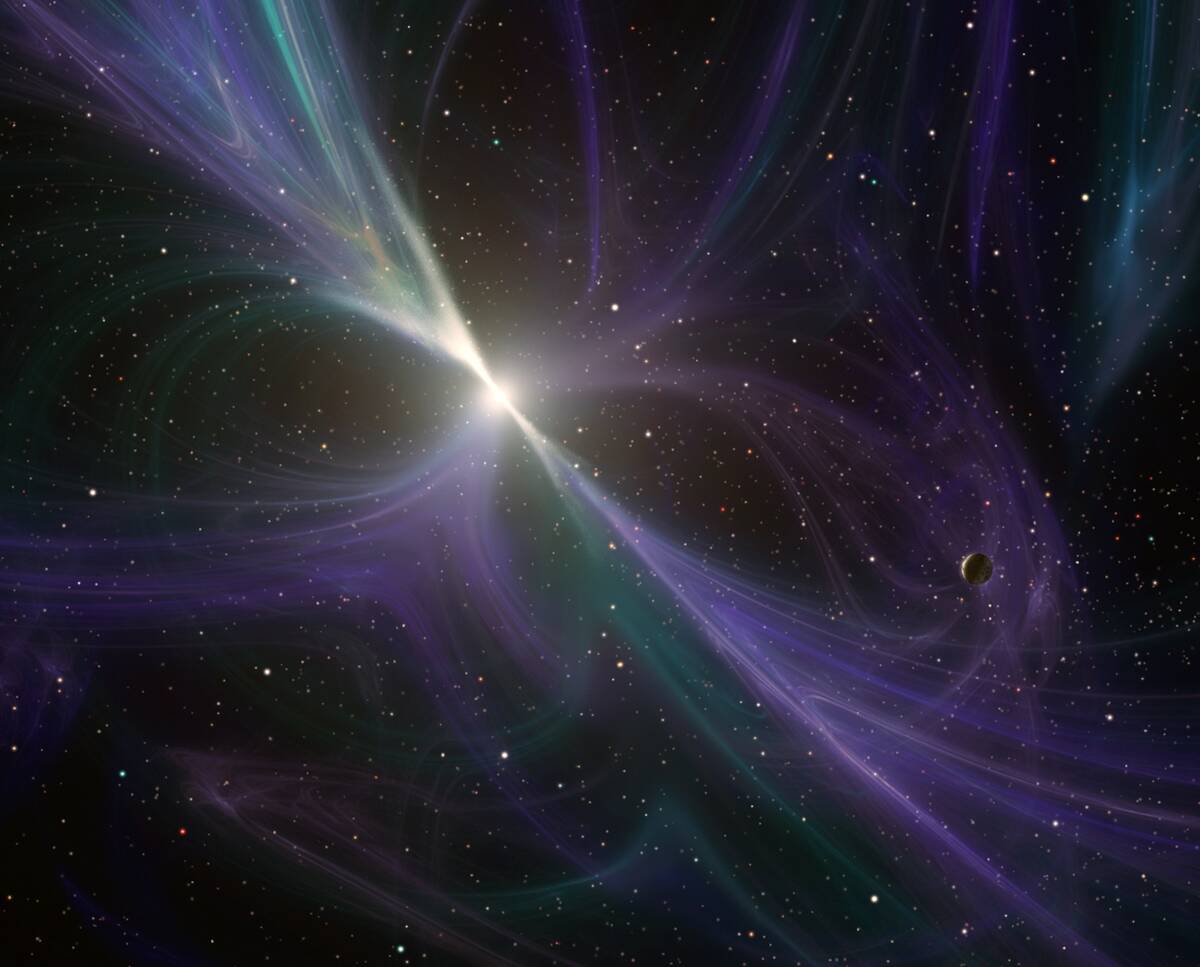
Pulsars are neutron stars with rapid rotation rates, often spinning several hundred times per second. They emit beams of radiation from their magnetic poles, which sweep across space like lighthouse beams. When these beams align with Earth, we detect pulses of radiation.
The precise timing of these pulses makes pulsars excellent cosmic clocks. The first discovered pulsar, PSR B1919+21, has a rotation period of about 1.337 seconds, showcasing its incredible regularity.
Neutron Stars: The Dense Marvels of the Universe
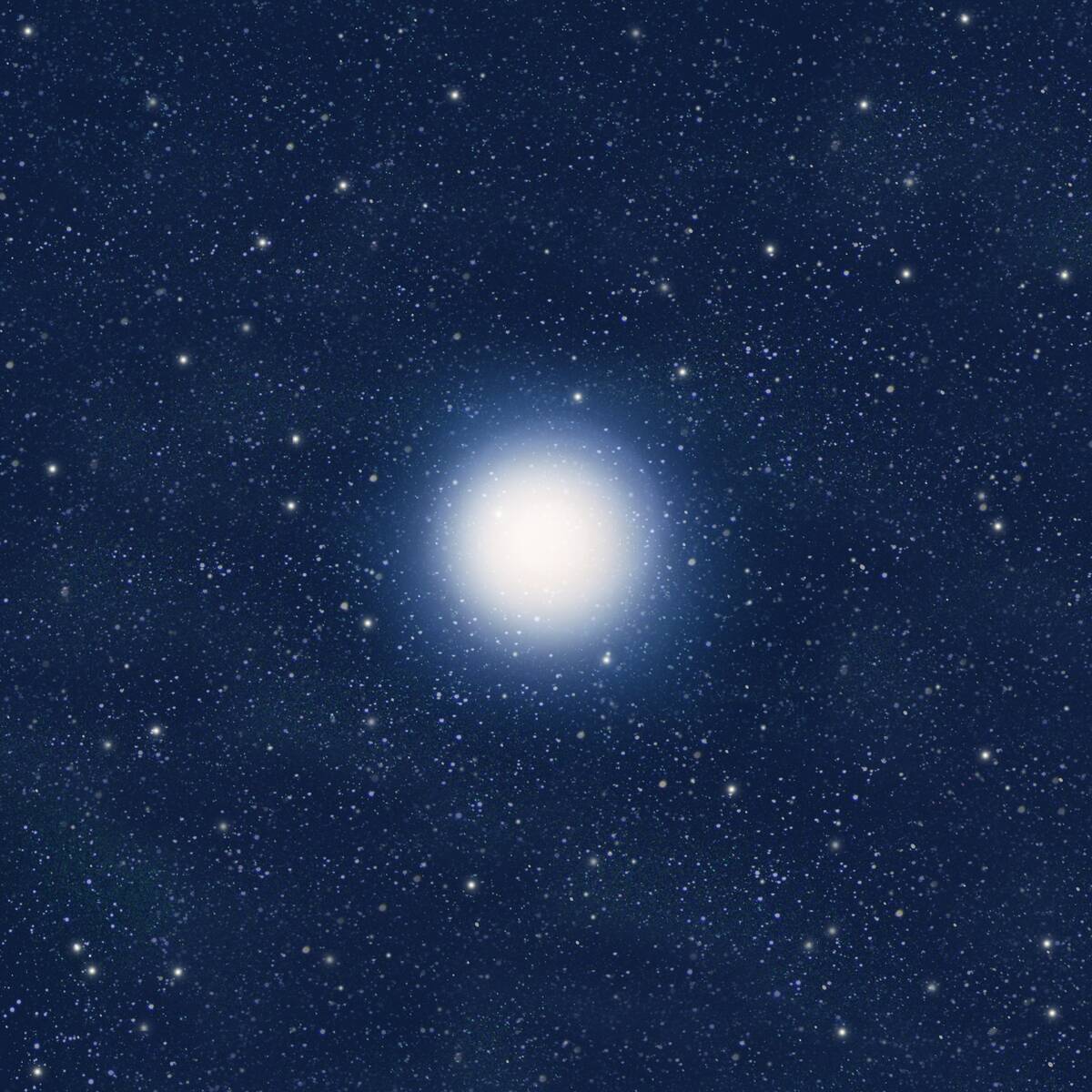
Neutron stars are the remnants of supernova explosions, packing more mass than the Sun into a sphere just 20 kilometers across. Their density is so extreme that a sugar-cube-sized amount of neutron-star material would weigh about six billion tons on Earth.
These dense marvels often possess strong magnetic fields and rapid rotation rates. Neutron stars can also lead to phenomena like pulsars and magnetars, displaying the universe’s most extreme physics.
White Dwarfs: The Final Stage of Stellar Evolution
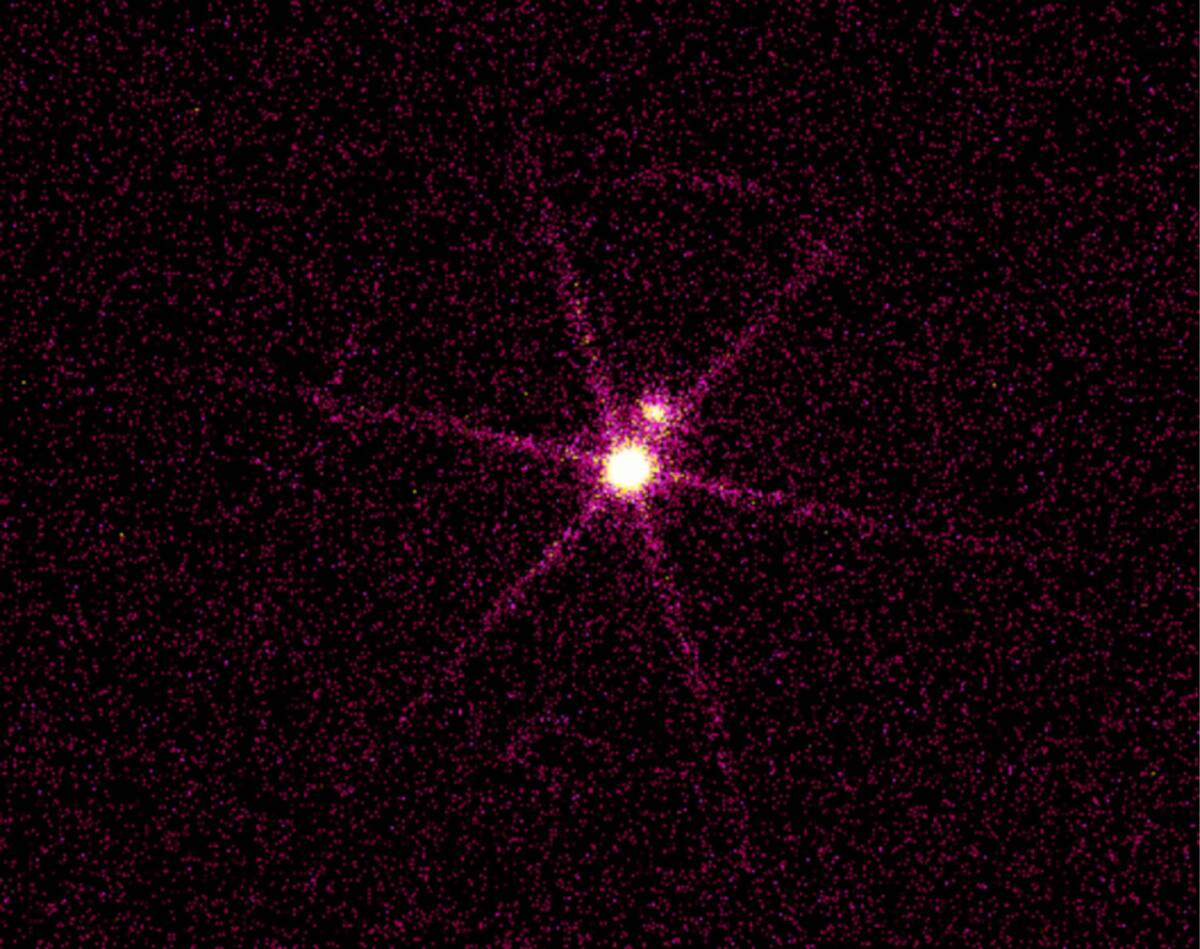
White dwarfs represent the final stages of evolution for stars like our Sun. After exhausting their nuclear fuel, these stars shed their outer layers, leaving behind a hot, dense core.
A typical white dwarf has a mass comparable to the Sun but a size similar to Earth, resulting in incredibly high densities. Over billions of years, they cool and fade, eventually becoming black dwarfs. Sirius B, the white dwarf companion to Sirius, is one of the most famous examples.
Red Supergiants: The True Giants of Our Galaxy
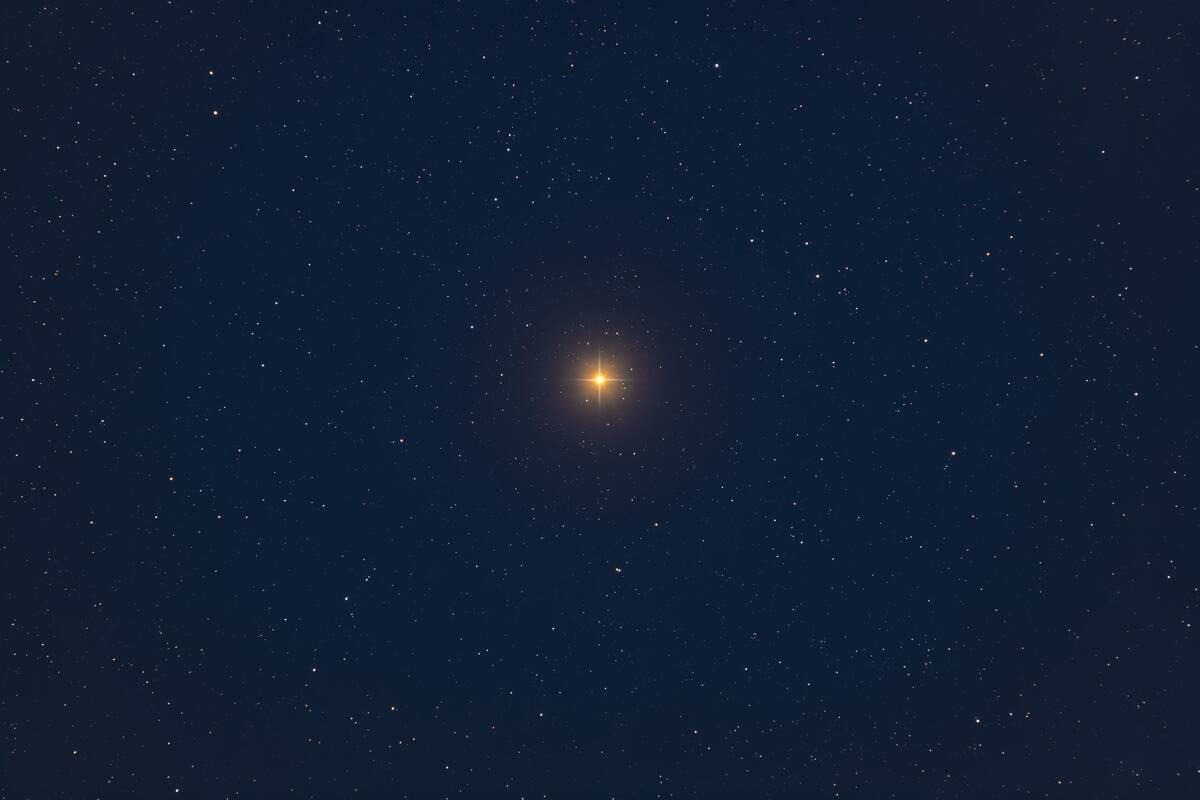
Red supergiants like Betelgeuse are among the largest stars in volume, though not the most massive. They appear red due to their cooler surface temperatures, which are around 3,500 Kelvin.
These stars are in a late stage of stellar evolution, having exhausted the hydrogen in their cores. Despite their immense size, they have relatively low surface gravity. Betelgeuse’s eventual supernova explosion will be a spectacular event in our galaxy.
Blue Supergiants: The Biggest and Brightest Stars
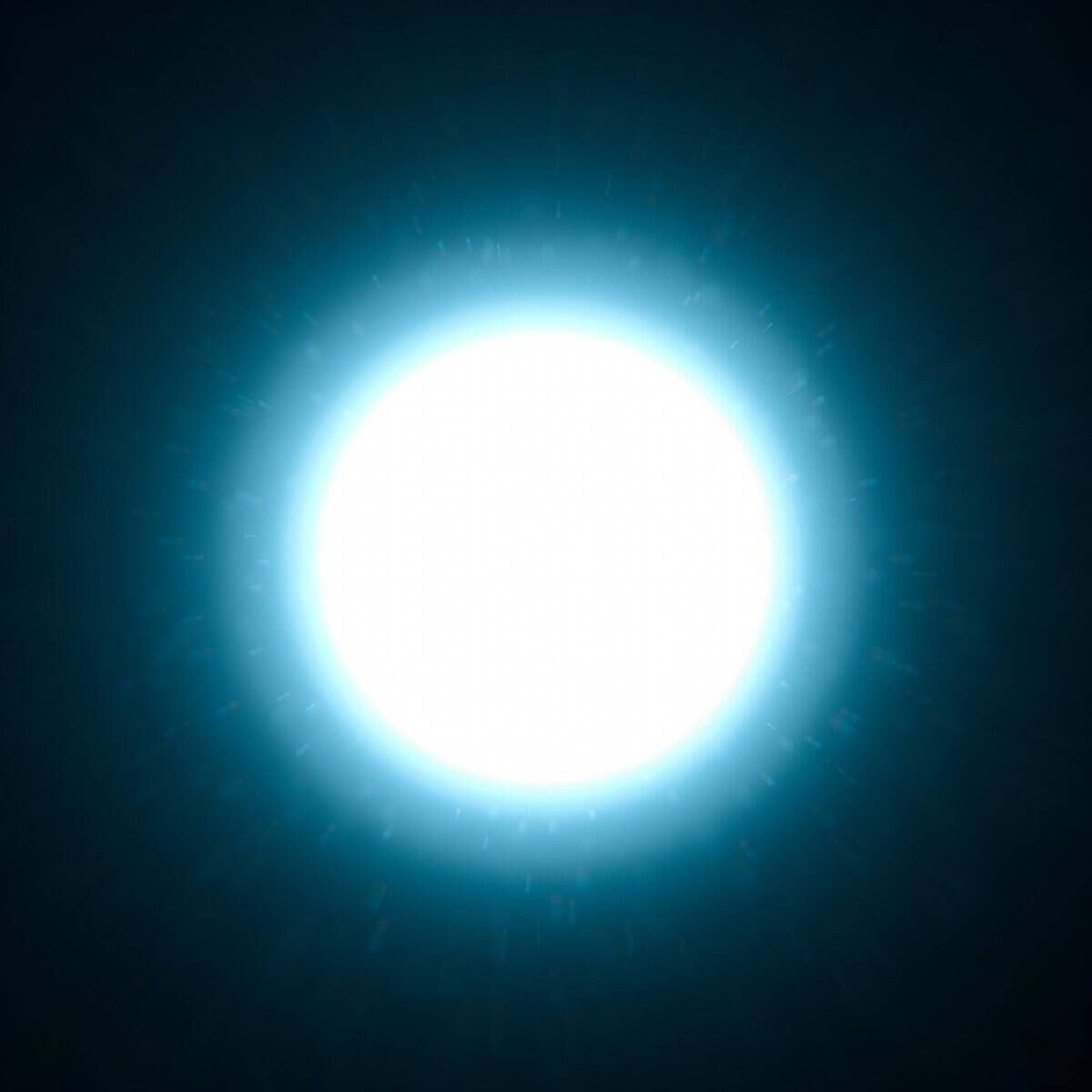
Blue supergiants are some of the most luminous stars, radiating intense light due to their high temperatures and large sizes. These stars often have masses 10 to 100 times that of the Sun and are incredibly bright, with luminosities reaching hundreds of thousands of times that of the Sun.
They are usually found in regions of active star formation and have short lifespans of a few million years. Their brightness makes them visible across vast cosmic distances.
The Curious Case of Brown Dwarfs
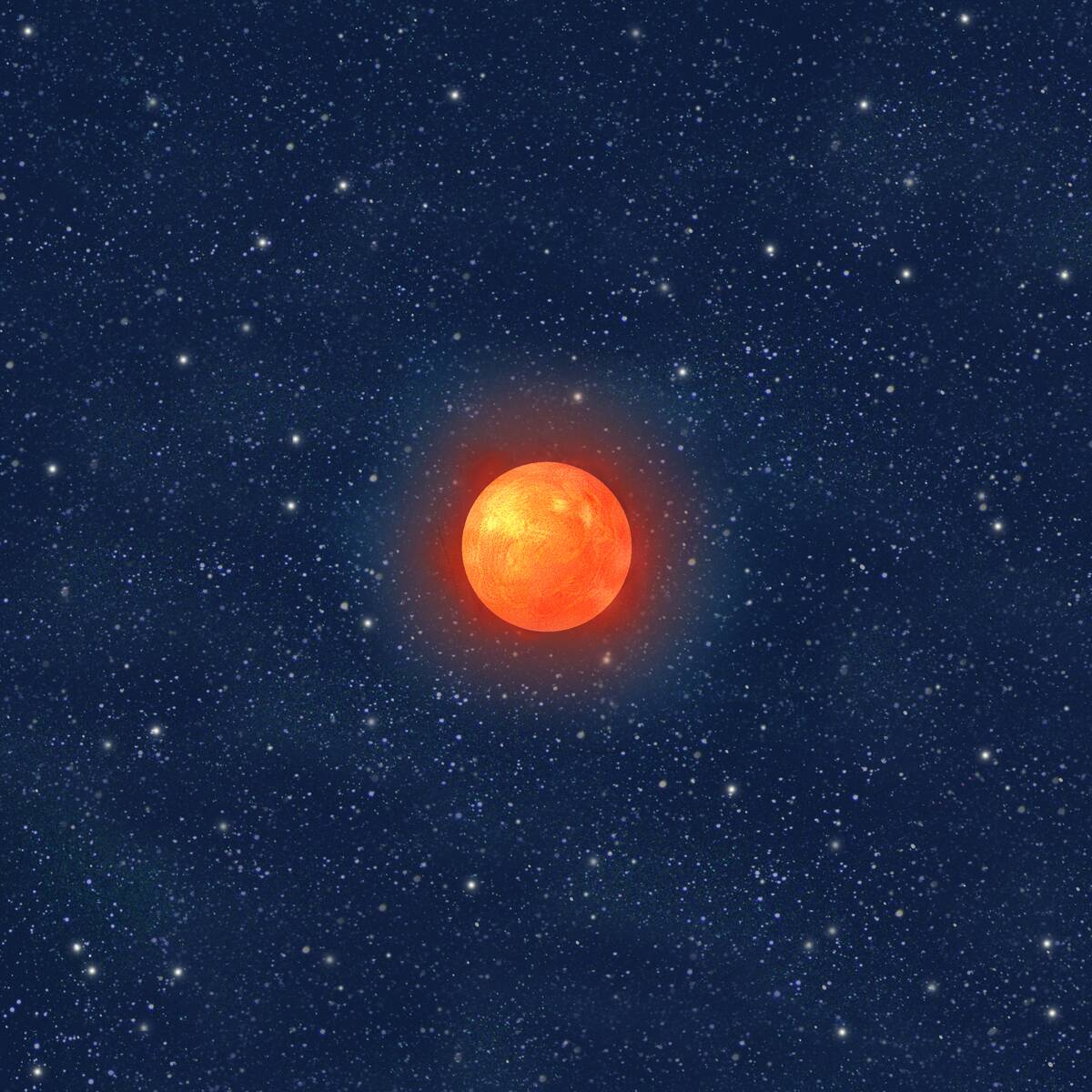
Brown dwarfs straddle the line between the largest planets and the smallest stars. With masses between 13 and 80 times that of Jupiter, they are not massive enough to sustain hydrogen fusion like true stars.
They generate energy through the fusion of deuterium or lithium, but this process wanes over time. Their dimness and relatively cool temperatures make them difficult to detect, but infrared surveys have revealed many lurking throughout the galaxy.
Wolf-Rayet Stars: The Cosmic Fireworks
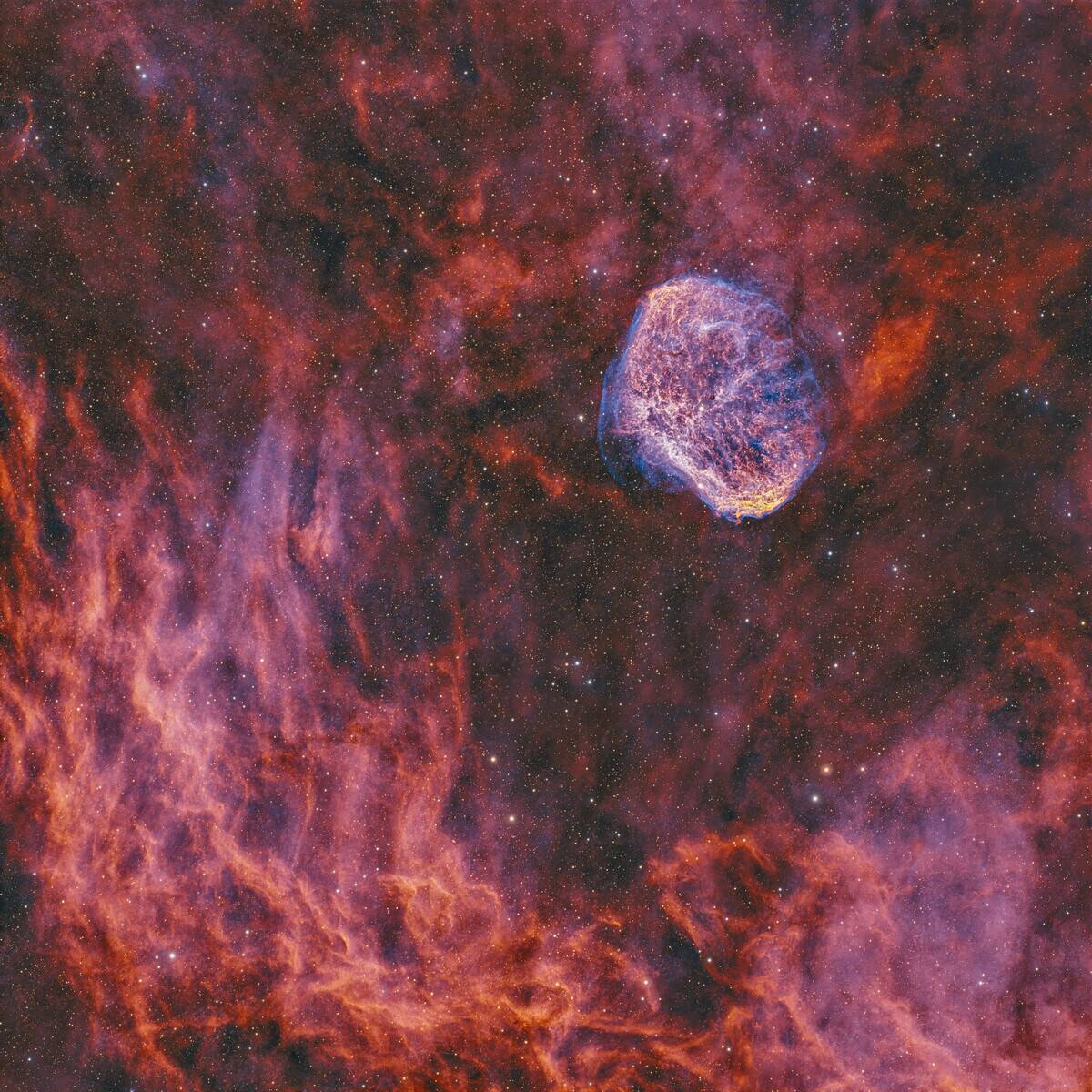
Wolf-Rayet stars are known for their spectacular stellar winds and mass loss, shedding material at rates millions of times greater than the Sun. These massive stars are often in a transitional phase, having lost their outer hydrogen layers to expose their hotter, helium-rich cores.
Their powerful winds create intricate nebulae and contribute to the enrichment of the interstellar medium. Wolf-Rayet stars are often precursors to supernovae and sometimes gamma-ray bursts.
Variable Stars: The Celestial Flicker
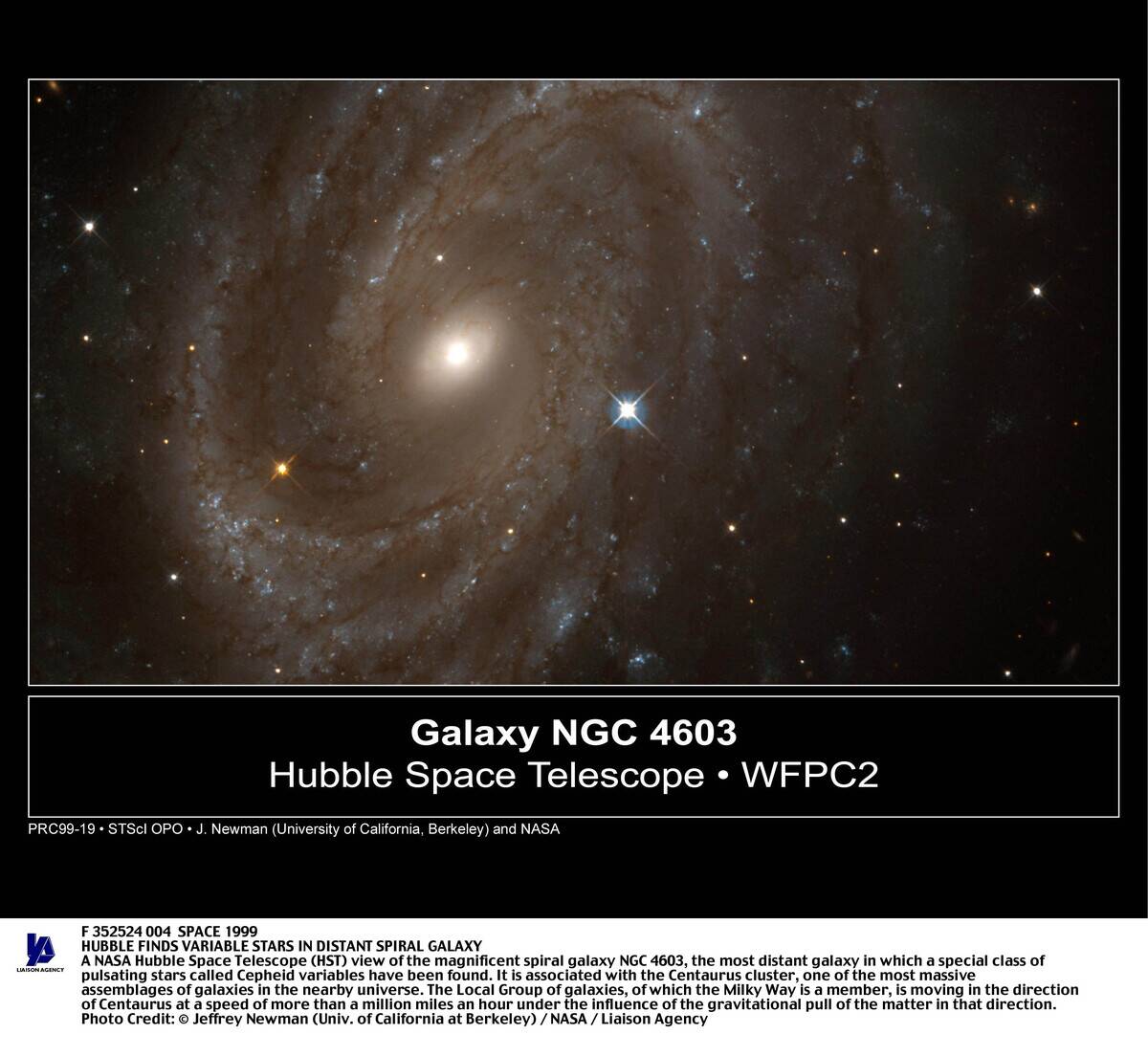
Variable stars exhibit changes in brightness over time, making them fascinating objects of study. These variations can result from pulsations in the star’s outer layers or eclipses by companion stars.
Cepheid variables, for example, pulsate with predictable periods and are used as cosmic distance markers. The study of variable stars has led to significant insights into stellar evolution and the scale of the universe, proving to be valuable tools for astronomers.
The Enigmatic Magnetars

Magnetars are a rare type of neutron star with extraordinarily powerful magnetic fields, capable of reaching strengths of 10^15 gauss. These fields are so strong that they can distort the shape of atoms and produce starquakes.
Magnetars are known for emitting bursts of X-rays and gamma rays, sometimes detected as soft gamma repeaters. The origin of their magnetic fields is not fully understood, and they pose intriguing questions about the physics of extreme environments.
Hypervelocity Stars: The Runaways of the Cosmos
Hypervelocity stars are fascinating objects that have been ejected from their home galaxies at speeds exceeding 1,000 kilometers per second. These cosmic runaways are thought to originate from interactions with supermassive black holes or other gravitational forces in dense star clusters.
Their incredible speeds can propel them out of the galaxy entirely, making them unique tracers of galactic dynamics. The discovery of hypervelocity stars has provided insights into the gravitational forces at play in and around galaxies.
Strange Stellar Life Cycles: A Look at the Unusual Evolution of Stars
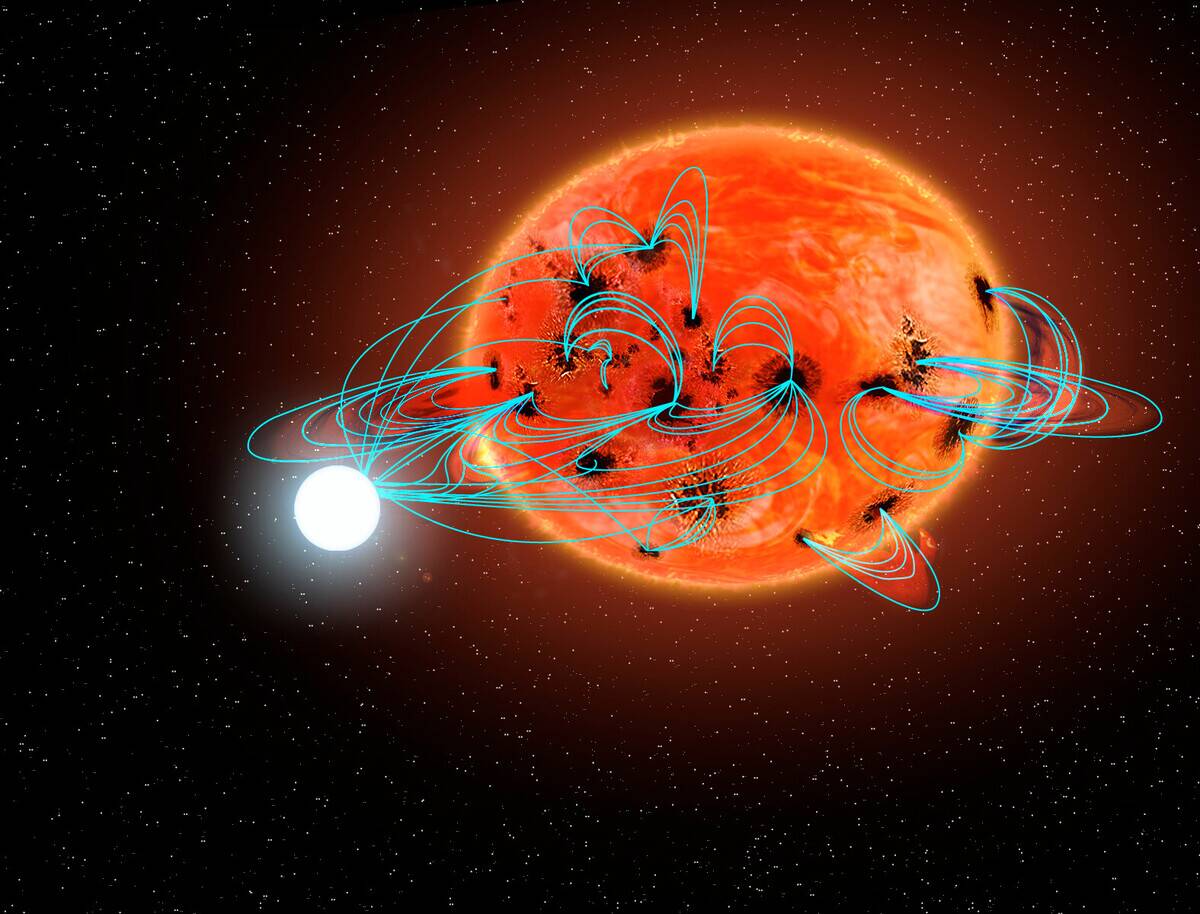
Stars can follow unusual evolutionary paths due to various factors like mass, composition, and environmental influences. Binary interactions, for example, can lead to mass transfer or even mergers, resulting in peculiar objects like blue stragglers.
Stars may also experience periods of rapid mass loss or gain, altering their evolutionary trajectory. Understanding these complex life cycles helps astronomers piece together the broader puzzle of stellar population dynamics and the history of galaxies.
How Astronomers Detect and Study These Unusual Stars

Astronomers employ a range of techniques to detect and study unusual stars, from spectroscopy to astrometry. Telescopes equipped with advanced sensors can capture data across the electromagnetic spectrum, revealing details about a star’s composition, temperature, and motion.
Space-based observatories like the Hubble Space Telescope and the Gaia mission provide high-precision measurements, while ground-based telescopes offer valuable complementary data. Together, these tools enable scientists to unravel the mysteries of the universe’s quirkiest stars.