The Science Behind Why the Sky Isn’t Always Blue

Trending Now
Have you ever gazed up and wondered why the sky isn’t always the same color? From the brilliant blues of midday to the fiery hues of sunset, the sky is a canvas painted by nature.
This article will take you on a journey through the science and wonder behind these ever-changing colors, revealing the secrets that transform our skies into a masterpiece.
The Basics of Light and Color: A Quick Refresher
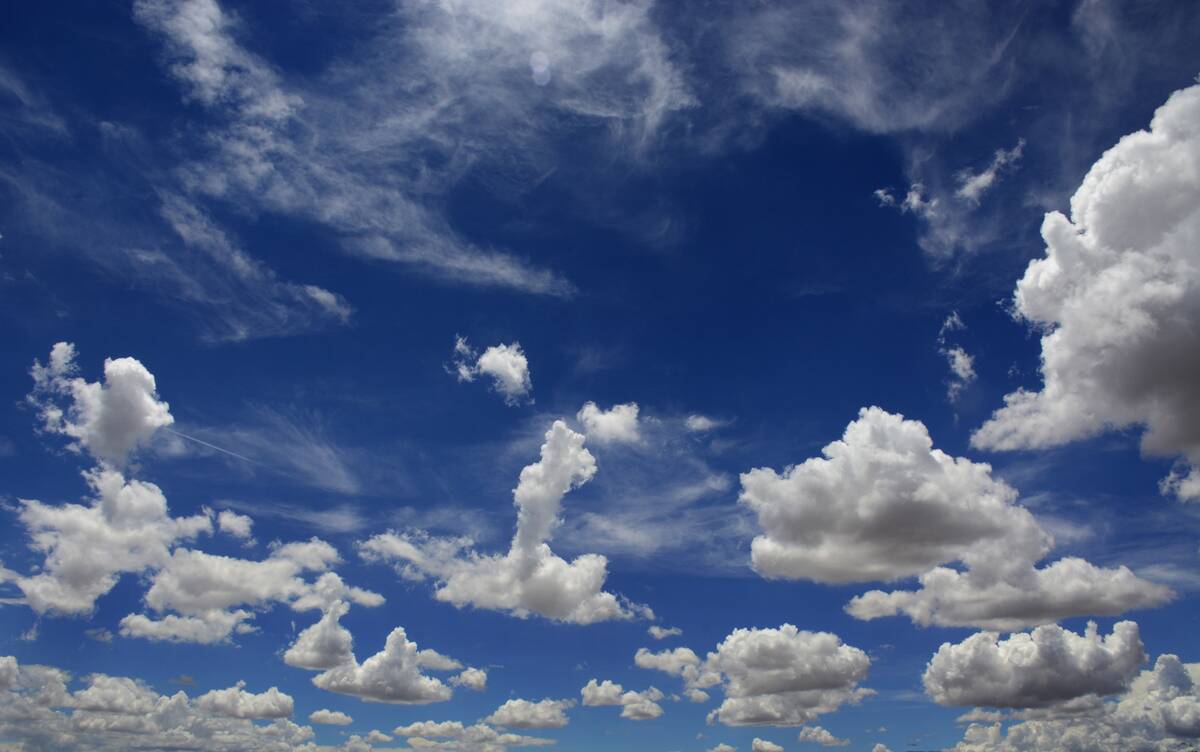
To understand why the sky changes color, we need to revisit the basics of light. White light, like sunlight, is made up of all the colors of the rainbow.
When this light passes through the atmosphere, it interacts with air molecules and particles, resulting in the scattering of different colors. This scattering is what gives the sky its vibrant hues.
Meet Rayleigh Scattering: The Reason for Blue Skies
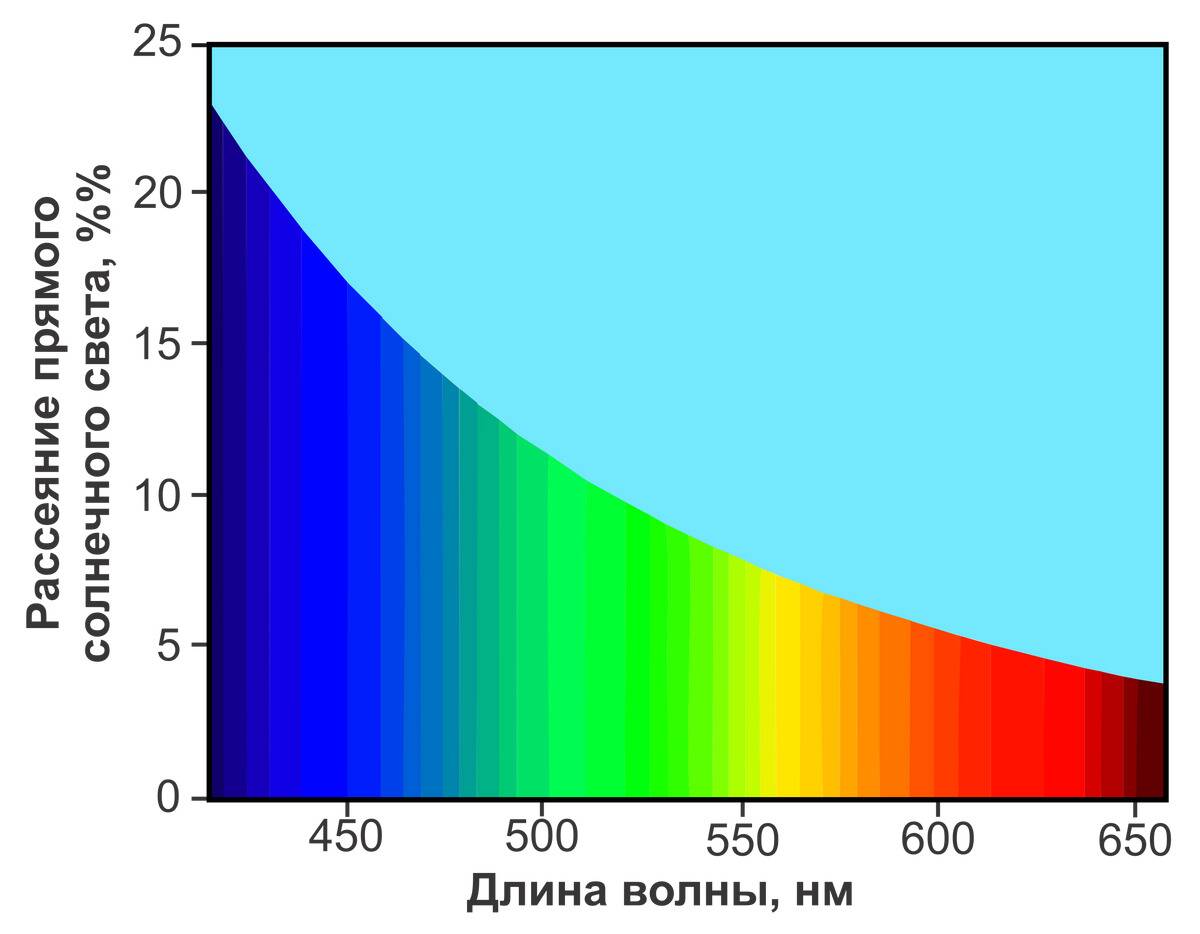
Rayleigh scattering is the scientific principle that explains why our skies are blue. It occurs when the shorter wavelengths of light, like blue and violet, are scattered in all directions by the gases and particles in the atmosphere.
Although violet light is scattered even more, our eyes are more sensitive to blue, making the sky appear predominantly blue.
Why the Sky Changes Colors: A Journey Beyond Blue
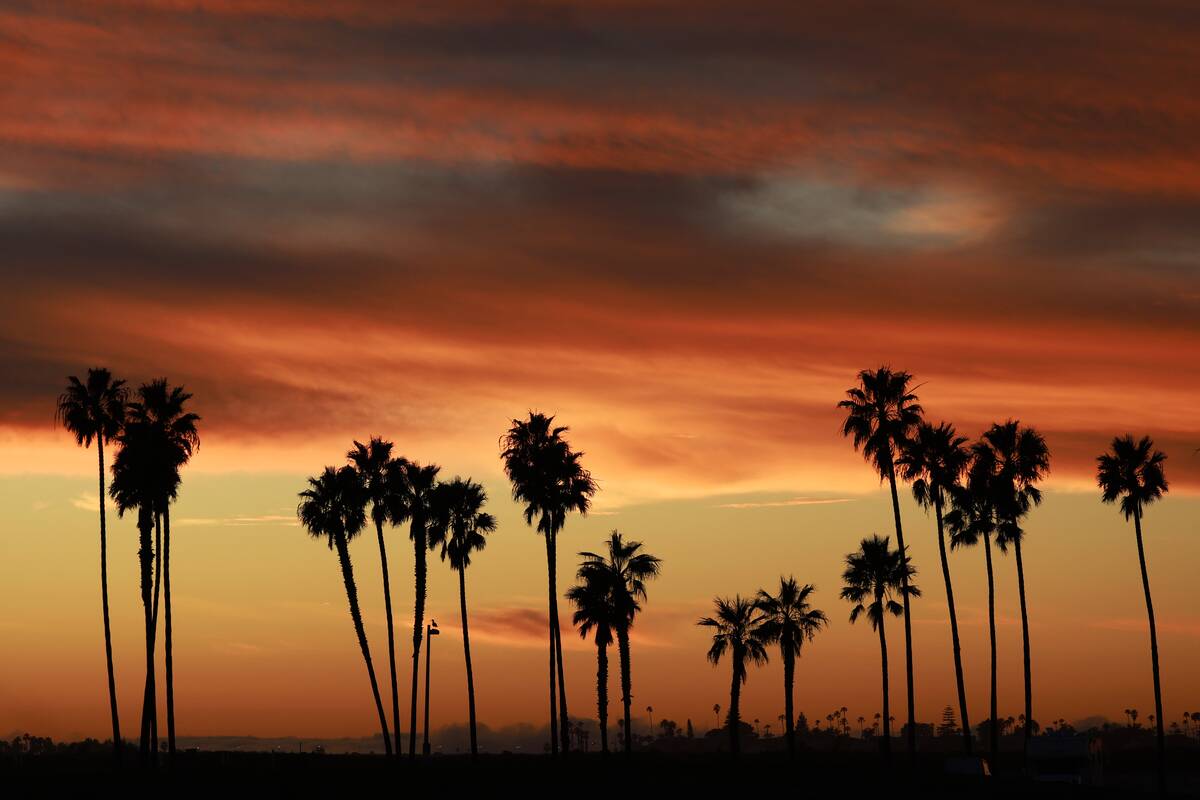
As the sun moves across the sky, the angle at which its light enters our atmosphere changes, altering the way light is scattered.
During sunrise and sunset, the sun’s light travels through more of the Earth’s atmosphere, scattering shorter wavelengths and allowing longer wavelengths like red and orange to dominate, creating those stunning warm colors.
The Role of the Sun’s Position in Sky Colors
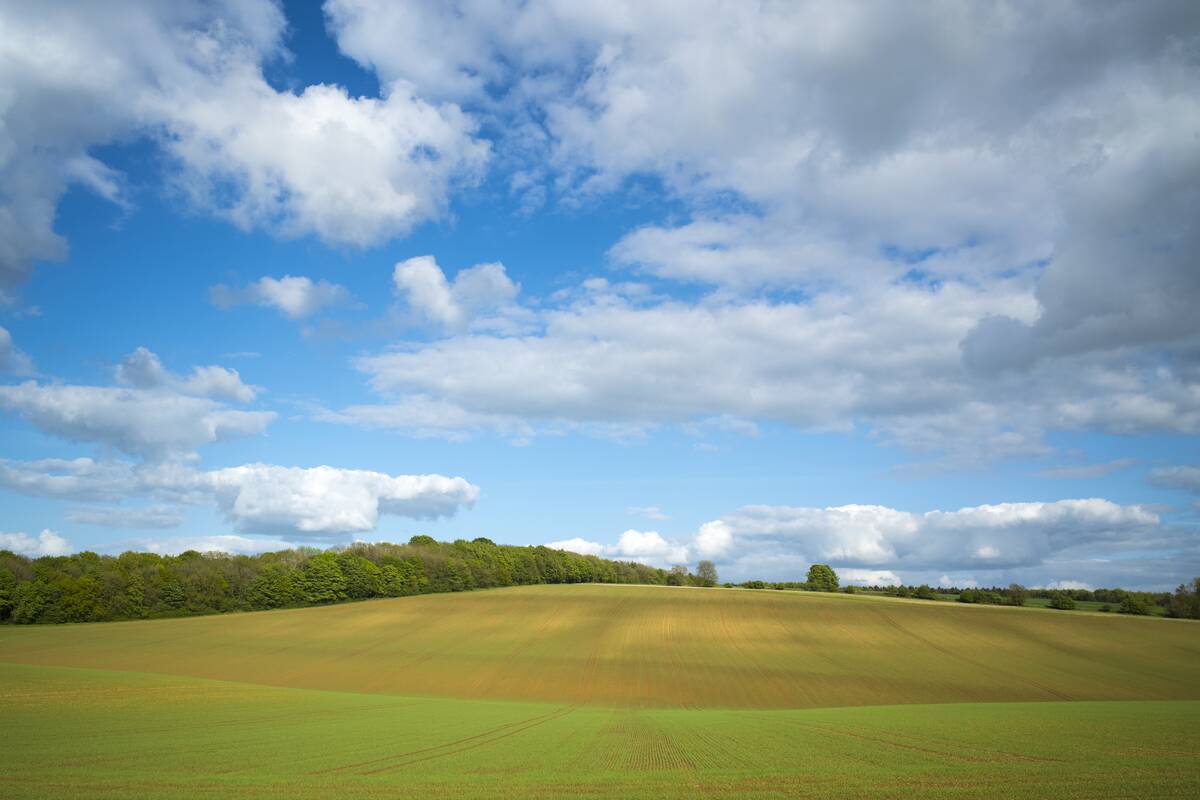
The position of the sun is crucial in determining the color of the sky. When the sun is high, its light takes a shorter path through the atmosphere, resulting in the familiar blue sky.
As it dips lower, the light path lengthens, increasing the scattering of shorter wavelengths and enhancing the reds and oranges of dawn and dusk.
The Science of Twilight: When the Sky Blushes
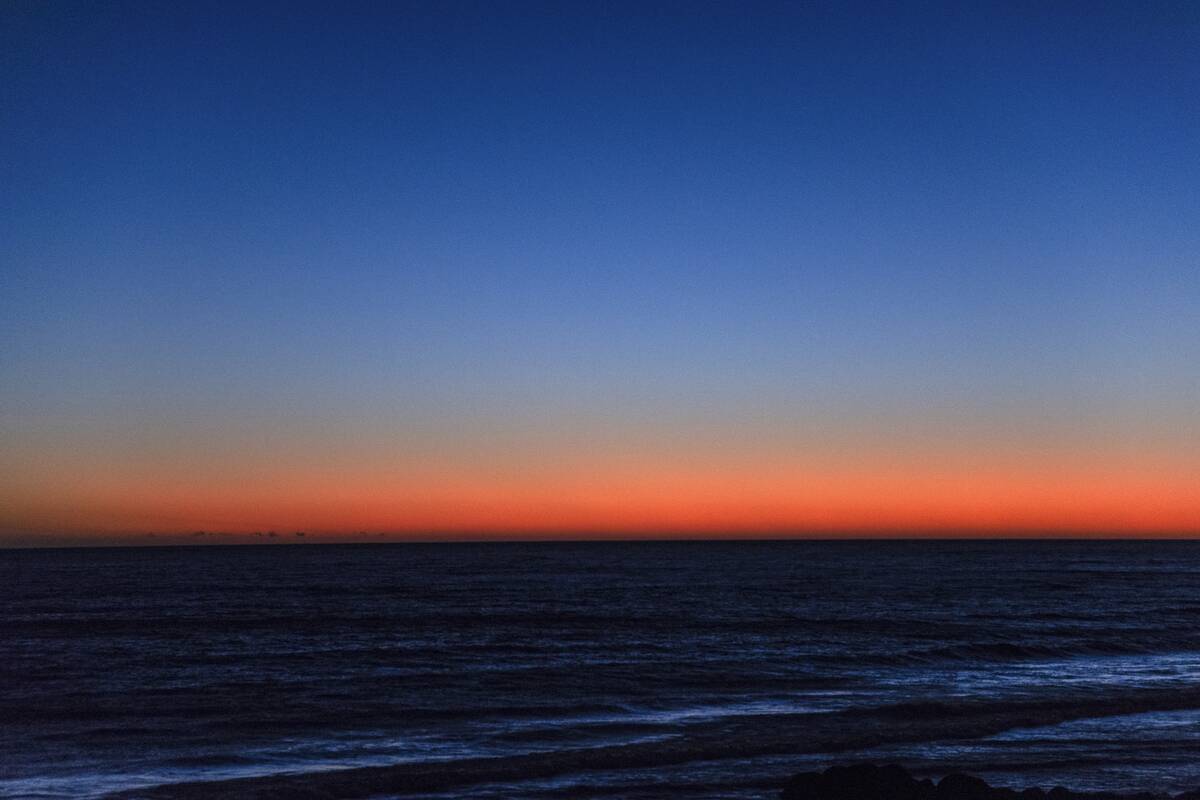
Twilight occurs in the period between day and night when the sky takes on a soft, glowing quality. This is due to the continued scattering of sunlight even after the sun has dipped below the horizon.
The result is a gentle blending of colors, often with pinks and purples, as the atmosphere scatters the remaining light.
Cloudy Days: How Clouds Alter Our Perception of Sky Color
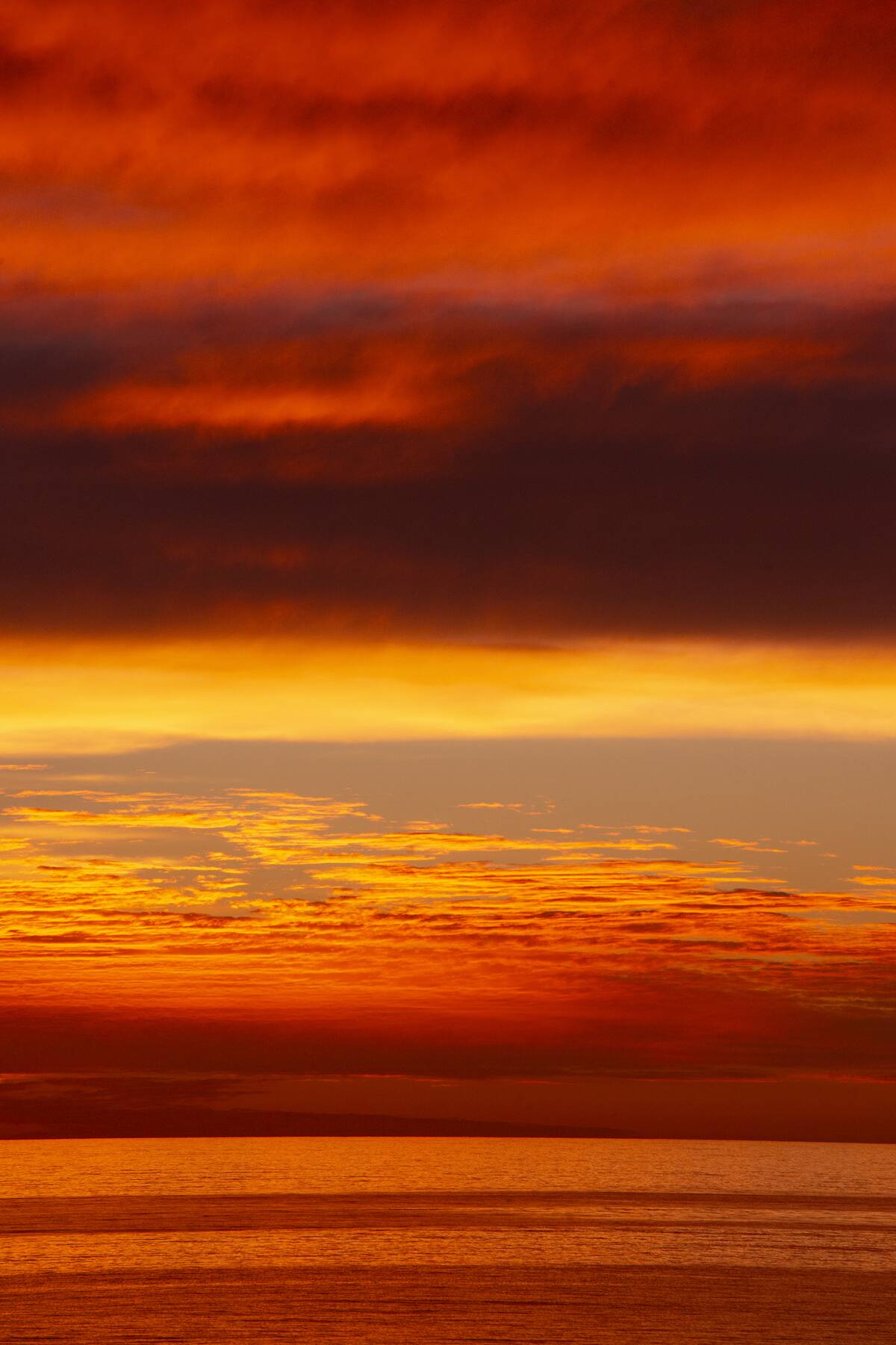
Clouds play a significant role in how we perceive the sky’s color. They can reflect and scatter sunlight, enhancing or muting the colors we see.
On overcast days, clouds scatter all wavelengths of light equally, resulting in a gray sky. However, during sunrise or sunset, clouds can catch the light and create dramatic, colorful displays.
Pollution and Particles: The Unseen Artists of Colorful Skies
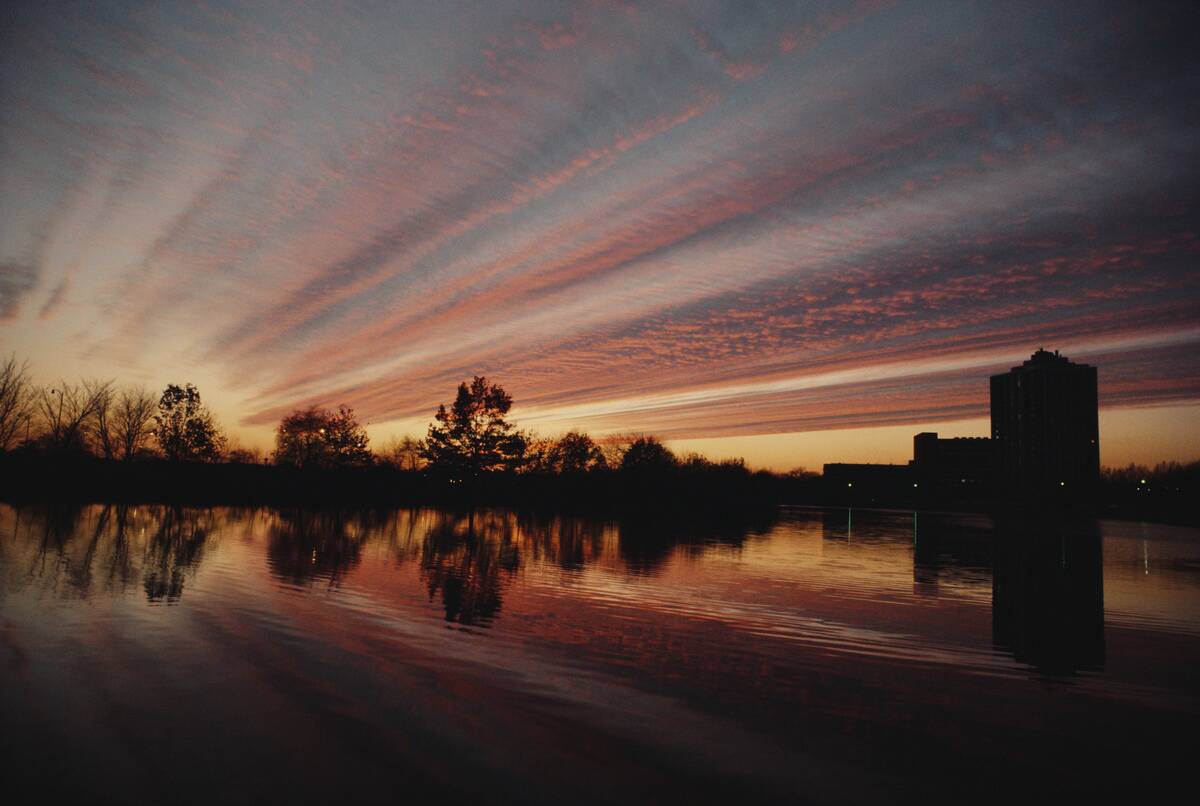
Air pollution and particles can dramatically affect the colors of the sky. Particles like dust and smoke scatter light differently, often intensifying the reds and oranges during sunrise and sunset.
This is why urban areas, with more pollution, sometimes experience more vibrant sunsets compared to rural locations.
The Impact of Weather Conditions on Sky Hues
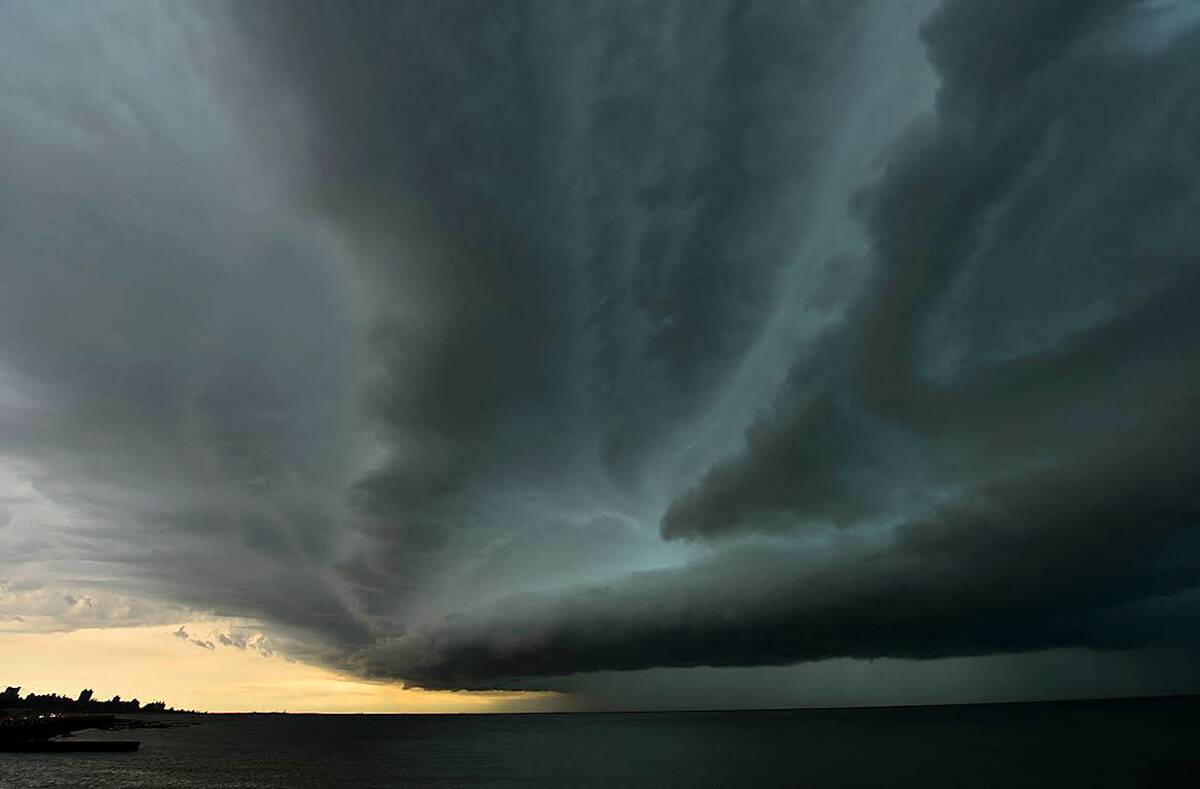
Weather conditions have a profound impact on the sky’s color palette. For instance, after a rainstorm, the sky often appears more vivid due to the cleansing of the atmosphere.
Conversely, humidity can cause a hazy sky, muting colors. Wind can also influence sky colors by dispersing particles, altering the scattering of light.
The Magic of Rainbows: When the Sky Becomes a Canvas
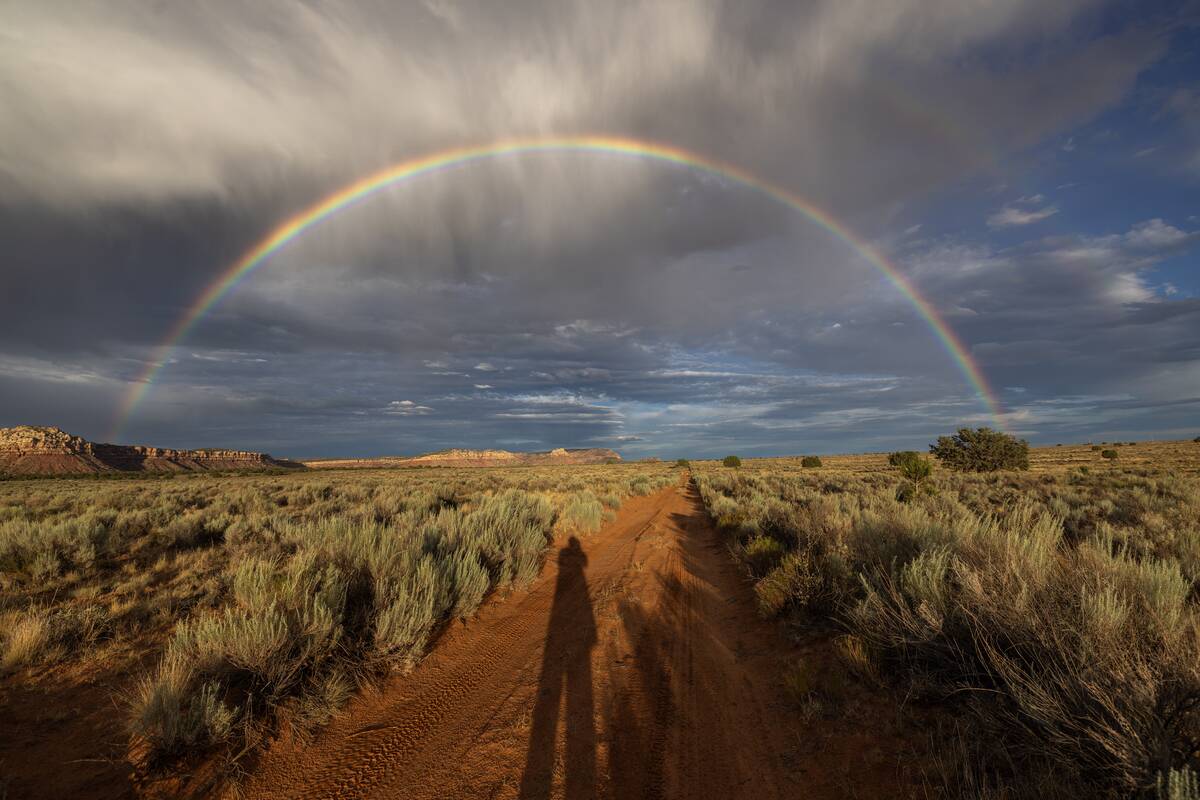
Rainbows are a beautiful example of how the sky can transform into a colorful canvas. They occur when sunlight is refracted, or bent, and then reflected inside raindrops.
This process splits the light into its component colors, creating the circular spectrum of a rainbow. Each raindrop contributes to the overall effect, resulting in this natural wonder.
Northern Lights: A Celestial Phenomenon Beyond Blue
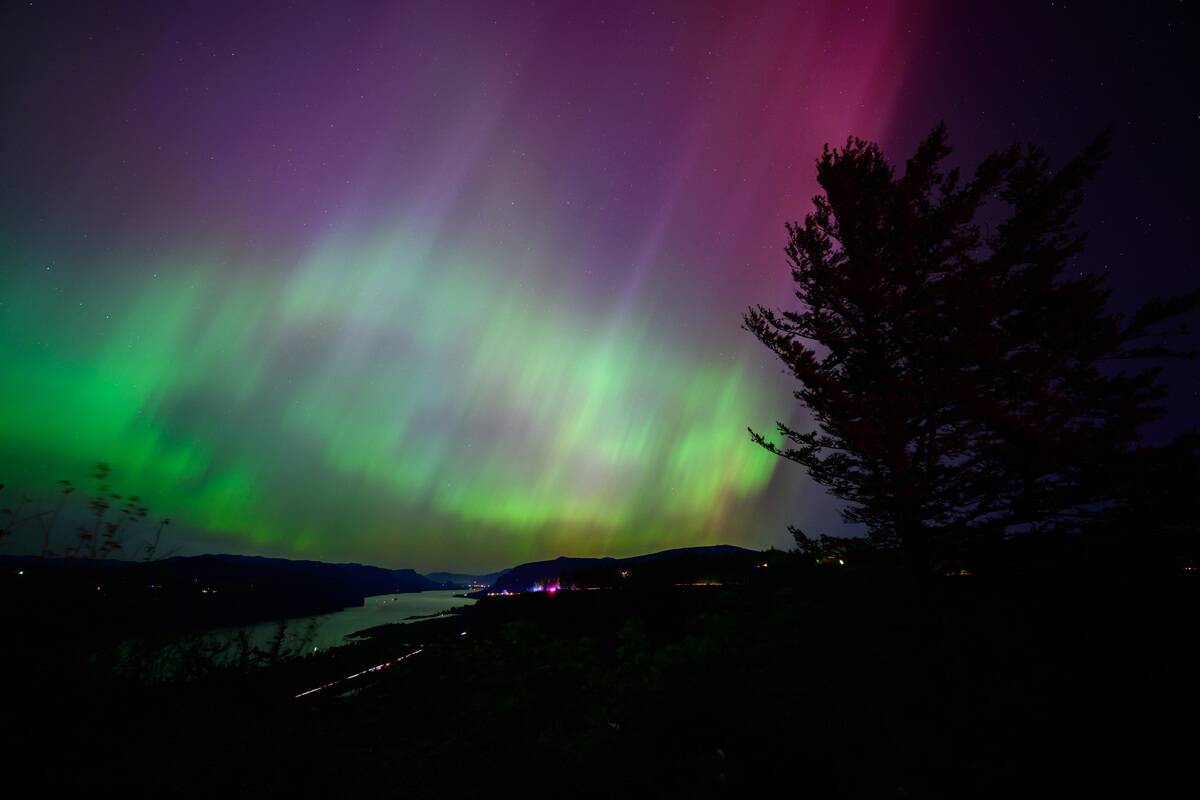
The Northern Lights, or aurora borealis, are a spectacular celestial phenomenon that paints the sky with vibrant colors. This occurs when charged particles from the sun collide with gases in Earth’s atmosphere, creating brilliant displays of green, pink, and sometimes red or purple.
These lights are most visible near the magnetic poles, offering a mesmerizing night-time show.
The Influence of Geography on Sky Colors
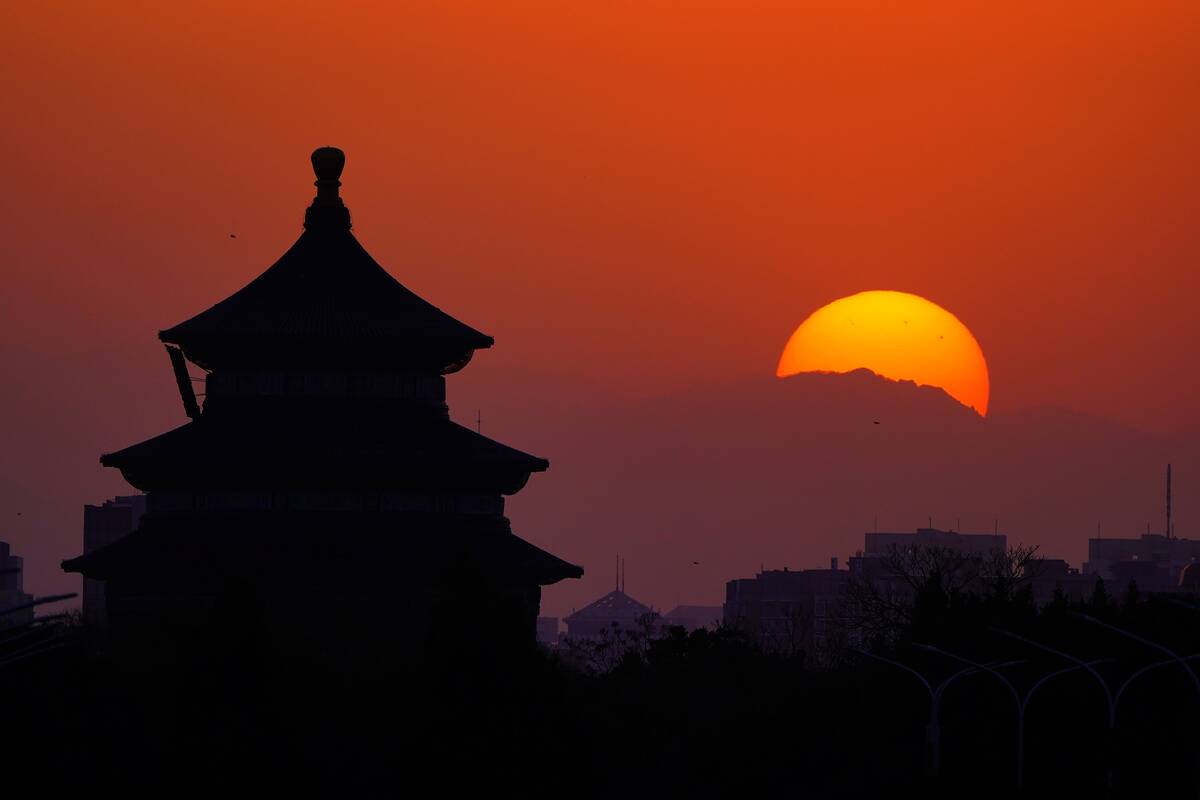
Geography plays a significant role in the colors of the sky. Areas near the equator often experience more intense and vibrant sunsets due to the angle of the sun.
In contrast, polar regions can have prolonged twilight periods, resulting in unique sky colors. Local topography, such as mountains, can also affect how light is scattered and perceived.
How Seasons Affect the Sky’s Palette

Seasons bring changes to the sky’s color palette. In winter, the air is often clearer, leading to crisper, more vivid skies. Summer skies can appear hazier due to increased humidity and pollution.
The angle of the sun also changes with the seasons, affecting the length and intensity of sunrise and sunset colors, adding diversity to our sky views.
Cultural Interpretations of Sky Colors Around the World
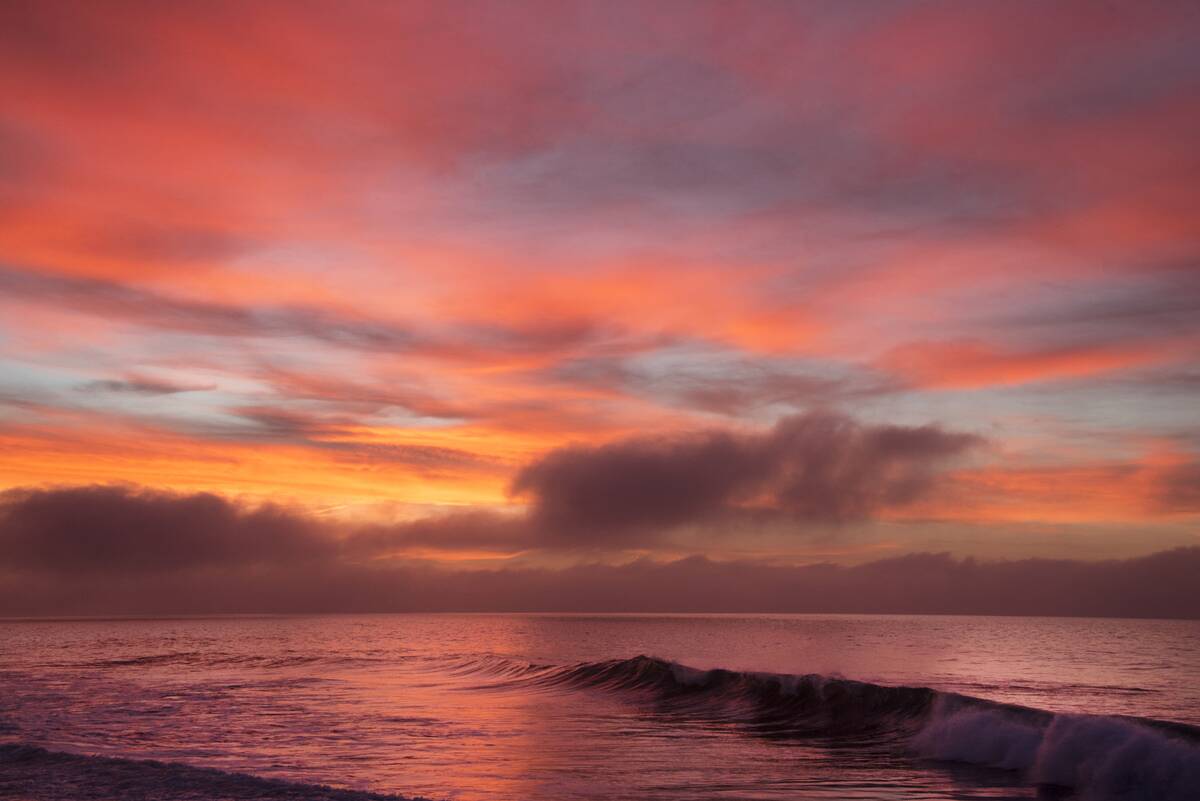
Different cultures have unique interpretations of sky colors. For example, in Japan, the red sky at sunset is seen as a sign of good weather the next day.
In some Native American cultures, the colors of the sky are believed to be messages from the spirits. These cultural perspectives add a rich layer of meaning to our understanding of the sky.
Fun Facts: Surprising Sky Colors You Might Not Know About
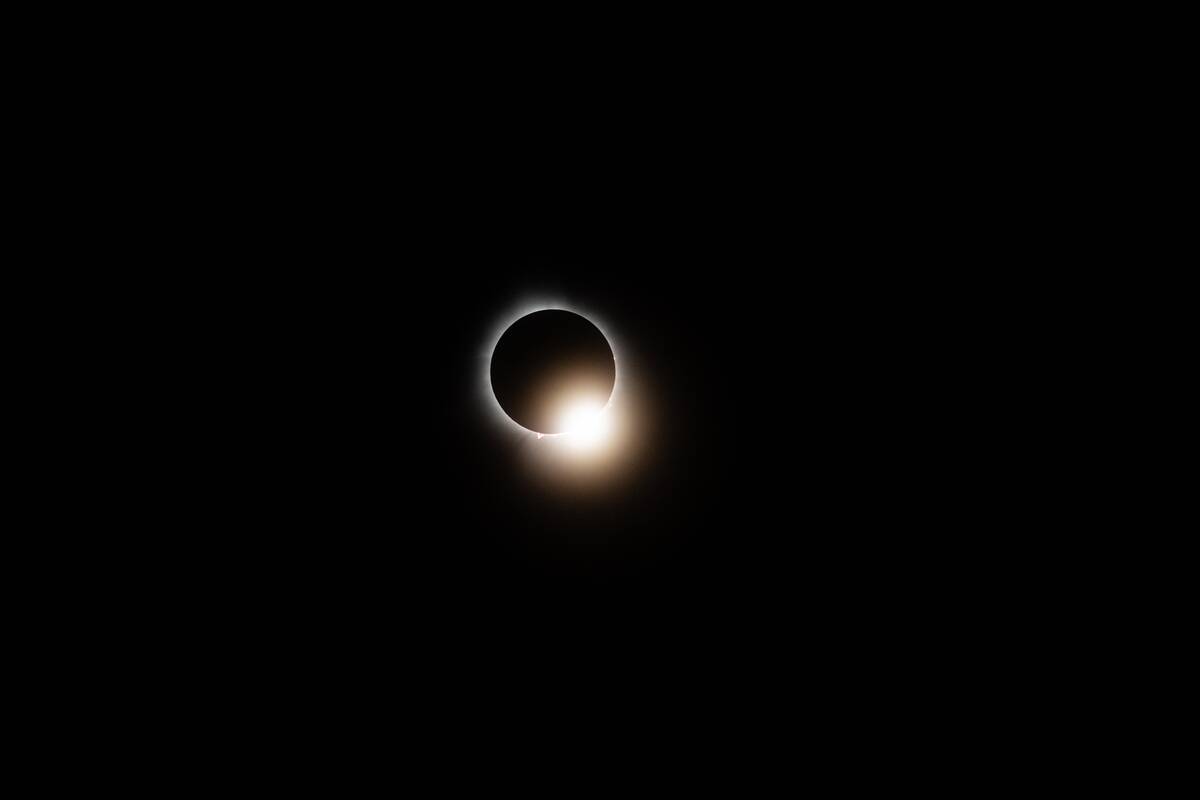
Did you know that the sky on Mars appears red due to iron oxide, or rust, in its atmosphere? Or that during a total solar eclipse, the sky can turn a deep blue-black, revealing stars in the daytime?
These fun facts highlight the diversity and wonder of sky colors, both on Earth and beyond, sparking curiosity and awe.