The most expensive mistakes ever made

Trending Now
Human error can be surprisingly expensive, with some mistakes costing companies millions or even billions of dollars. While everyone makes mistakes, some errors have far-reaching consequences that affect not just the companies involved but also their customers and the economy.
In this article, we’ll explore some of the most costly blunders in history, examining how they happened and what lessons can be learned to prevent similar mishaps in the future.
The $300 Million Typo: A Stock Exchange Nightmare
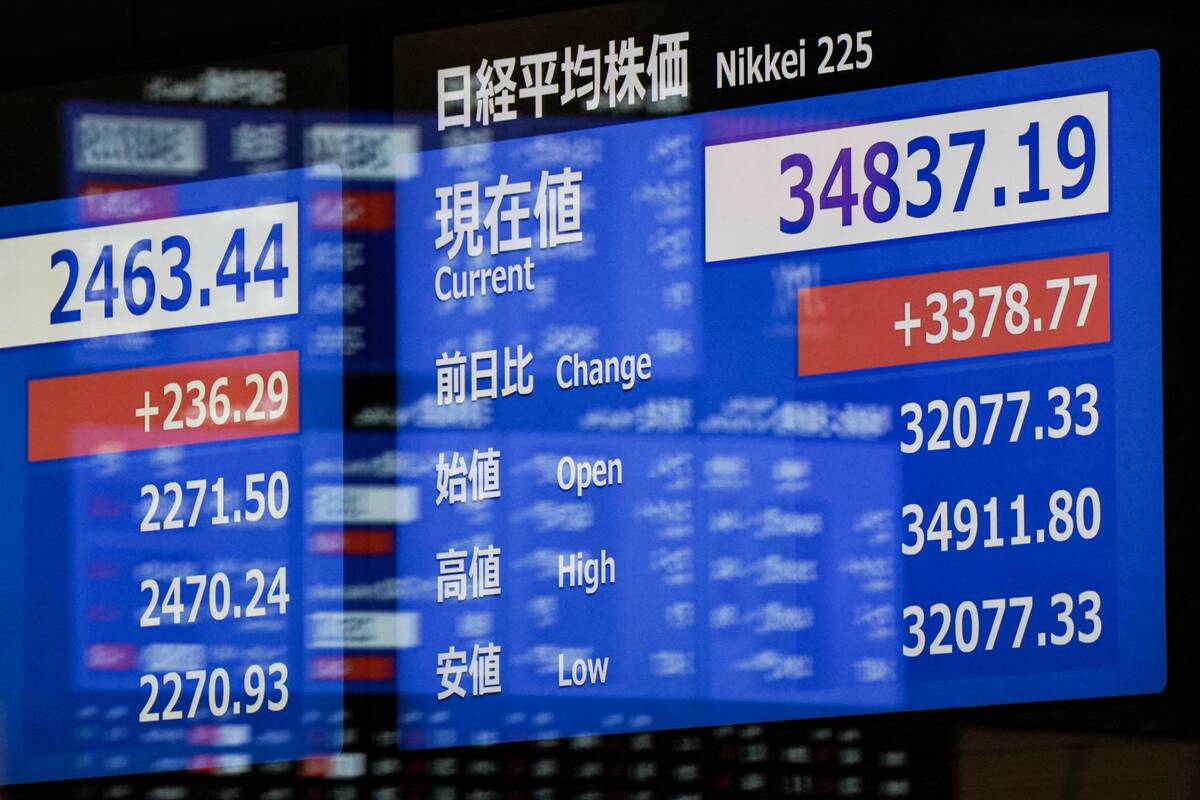
In 2005, a simple typing error on the Tokyo Stock Exchange led to a staggering $300 million loss. A trader at Mizuho Securities mistakenly sold 610,000 shares at 1 yen each instead of selling 1 share at 610,000 yen.
Despite attempts to cancel the order, the exchange’s system wouldn’t allow it, resulting in a massive financial hit. This incident highlights the importance of robust error-checking systems in financial markets.
NASA’s Metric Mishap: The $125 Million Mars Orbiter Loss

In 1999, NASA lost the Mars Climate Orbiter due to a metric conversion error. The spacecraft was designed to use metric units, but a contractor used imperial units in a crucial calculation.
This led to the orbiter entering Mars’ atmosphere at the wrong angle, causing it to disintegrate. This costly mistake underscores the importance of consistent unit usage in international collaborations and engineering projects.
The $1.5 Million Hard Drive: A Bitcoin Fortune in the Trash

James Howells, an IT worker from Wales, accidentally threw away a hard drive containing 8,000 bitcoins in 2013. At today’s prices, those bitcoins would be worth millions of dollars.
Despite extensive searches of the landfill where the drive was discarded, it has never been recovered. This incident serves as a cautionary tale about the importance of backing up digital assets and the potential value of what might seem like obsolete technology.
The Accidental Oil Spill: BP’s $61 Billion Blunder

The Deepwater Horizon oil spill in 2010 is one of the most infamous environmental disasters in history. A blowout preventer failed on BP’s offshore drilling rig, leading to a massive oil spill in the Gulf of Mexico.
The cleanup and legal costs amounted to around $61 billion. This disaster highlights the critical need for stringent safety measures and environmental protections in the oil and gas industry.
The $900 Million Missed Deadline: Airbus A380 Wiring Woes

Airbus faced a costly delay with its A380 superjumbo jet due to wiring issues. The problem arose because different teams used incompatible software versions, leading to misaligned wiring harnesses.
This delay cost Airbus approximately $900 million and resulted in a two-year postponement of deliveries. The incident underscores the importance of communication and standardization in complex engineering projects.
Kodak’s Digital Camera Dilemma: Missing Out on Billions
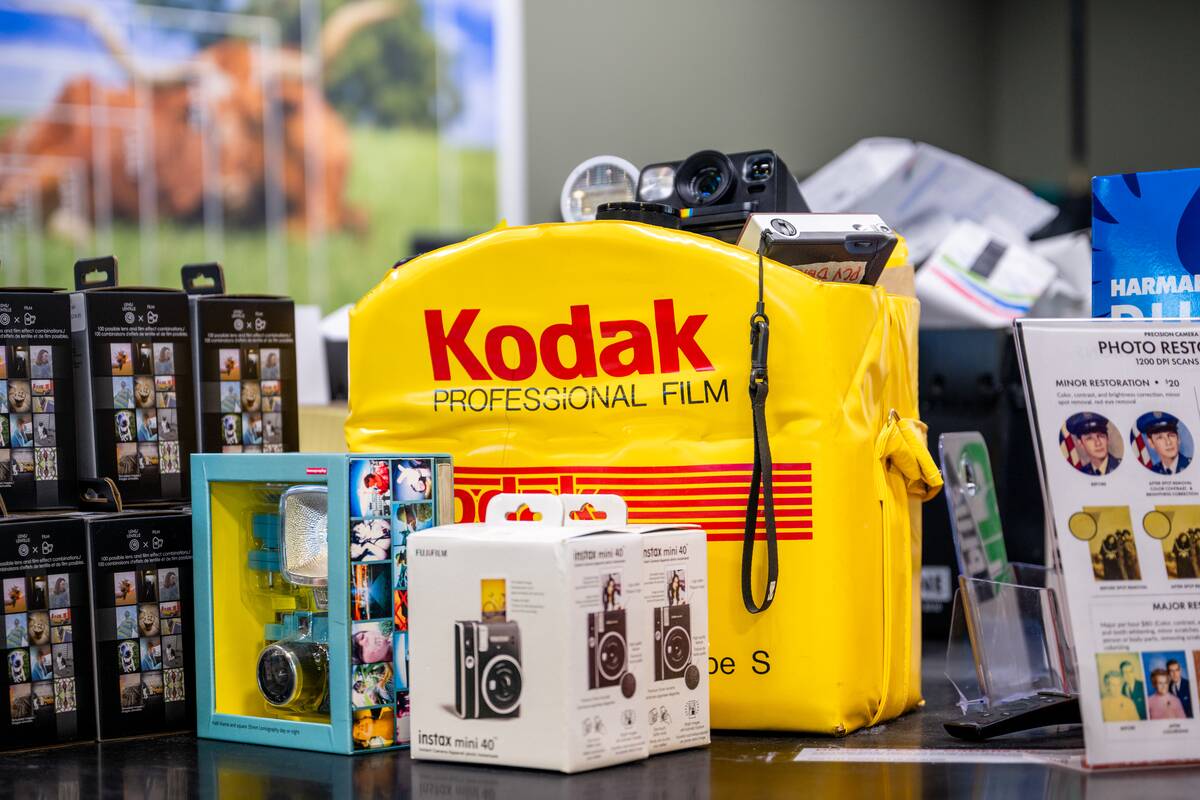
Kodak invented the first digital camera in 1975 but decided not to pursue the technology, fearing it would cannibalize their film business. As digital photography took off, Kodak’s reluctance to adapt led to its bankruptcy in 2012.
This costly oversight highlights the dangers of resisting innovation and the need for companies to embrace technological advancements to remain competitive.
Yahoo’s Pricey Password Problem: A $350 Million Discount
In 2016, Yahoo disclosed two massive data breaches affecting over a billion user accounts. The breaches, which occurred in 2013 and 2014, led to a $350 million reduction in the sale price of Yahoo’s internet business to Verizon.
This incident highlights the critical importance of cybersecurity and the potential financial impact of failing to protect user data adequately.
The $2 Billion Typo: Mizuho Securities’ Trading Turmoil

Mizuho Securities experienced a costly trading error in 2005, when a trader mistakenly entered an order to sell 610,000 shares of J-Com Co. at 1 yen each instead of 1 share at 610,000 yen. The loss was reported in the hundreds of millions of dollars due to the exchange’s inability to cancel the order.
This incident emphasizes the need for effective risk management systems and the potential consequences of human error in high-frequency trading environments.
The Cost of Ignorance: Blockbuster’s $8 Billion Netflix Snub

In 2000, Blockbuster had the opportunity to purchase Netflix for $50 million but declined the offer. Netflix went on to revolutionize the entertainment industry, while Blockbuster filed for bankruptcy in 2010.
This monumental oversight cost Blockbuster billions and serves as a cautionary tale about the dangers of underestimating emerging technologies and the importance of staying ahead of industry trends.
The $500 Million Data Breach: Target’s Costly Cybersecurity Slip

In 2013, Target suffered a massive data breach that exposed the credit card information of 40 million customers. The breach cost the company over $500 million in legal fees, settlements, and security upgrades.
This incident underscores the importance of robust cybersecurity measures and the potential financial and reputational damage that can result from failing to protect sensitive customer data.
The $40 Million Movie Flop: John Carter’s Box Office Bomb

Disney’s “John Carter” was one of the biggest box office flops in history, losing the studio an estimated $200 million. Despite a budget of $250 million, the film failed to resonate with audiences and critics, leading to its commercial failure.
This serves as a reminder of the unpredictable nature of the film industry and the importance of marketing and audience engagement in determining a movie’s success.
The $100 Million Samsung Galaxy Note 7 Recall: A Fiery Fiasco
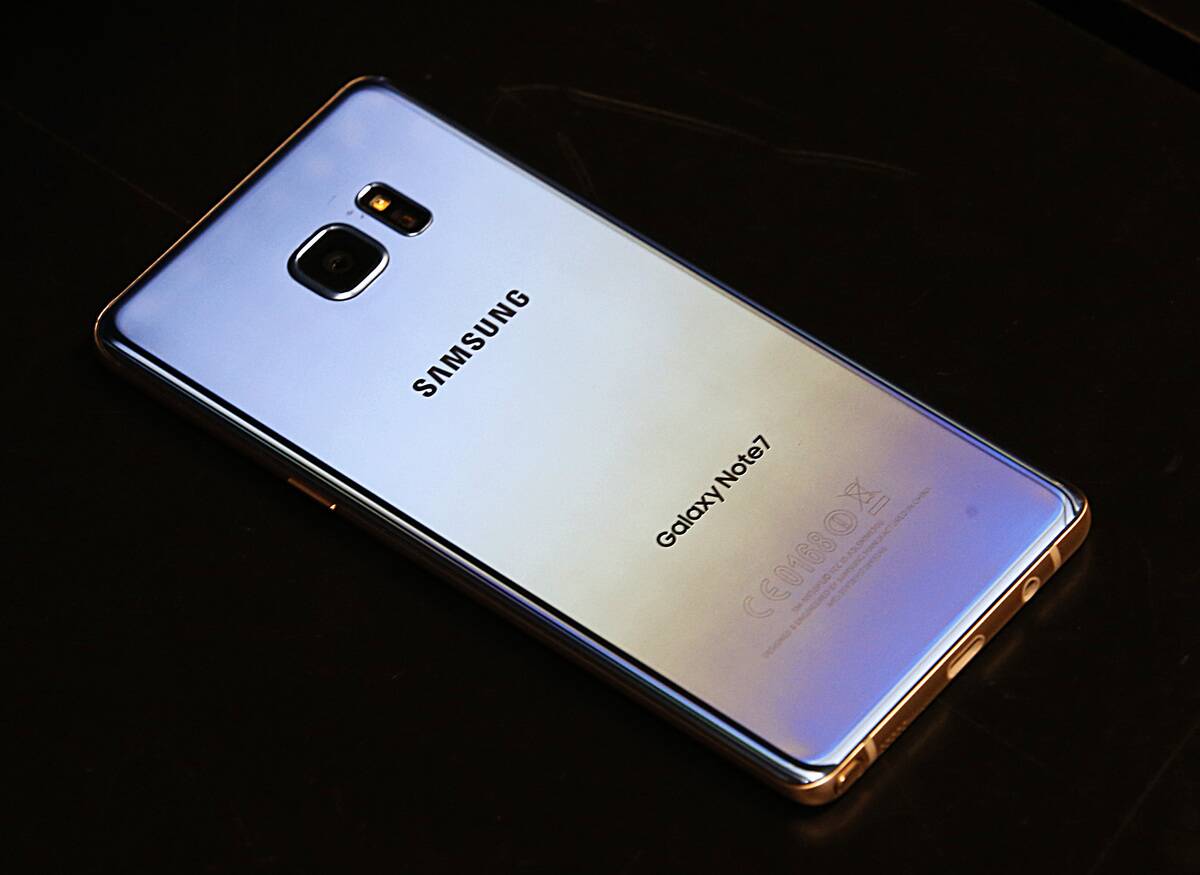
Samsung’s Galaxy Note 7 recall in 2016 was a costly disaster, with the company losing over $5.3 billion. The phones were prone to catching fire due to battery defects, leading to a global recall and significant reputational damage.
This incident highlights the critical importance of quality control in manufacturing and the potential consequences of rushing products to market without thorough testing.