Countries around the world with unique traditions

Trending Now
Every corner of the world has its own unique traditions that reflect the culture and history of its people. These celebrations are not just events; they are vibrant expressions of heritage and community.
From colorful festivals to ancient rituals, these traditions offer a glimpse into the diverse ways people celebrate life. Join us as we explore some of the most fascinating and unique traditions from around the globe.
Sweden: Midsummer Celebrations and Maypole Dancing

Midsummer is one of Sweden’s most cherished holidays, celebrating the summer solstice with traditional festivities. Swedes gather to dance around the maypole, sing folk songs, and enjoy a feast of herring, potatoes, and strawberries.
The celebration is deeply rooted in pagan traditions and is seen as a time to embrace nature and light. Midsummer is celebrated across the country, with rural areas hosting some of the most authentic and lively gatherings.
Spain: The Tomatina Festival and Its Tomato Fights

La Tomatina, held in the town of Buñol, Spain, is perhaps the world’s most famous food fight. Every year, thousands gather to hurl overripe tomatoes at each other in a messy, yet exhilarating, battle.
The festival’s origins are somewhat unclear, but it has been a tradition since the mid-20th century. Participants wear old clothes and goggles to protect themselves from the tomato onslaught, and the streets are washed down by fire trucks after the event.
Nigeria: The Durbar Festival and Its Royal Horse Parades

The Durbar Festival is a vibrant celebration held in northern Nigeria, showcasing the region’s rich cultural heritage. It features grand parades of horsemen dressed in traditional attire, accompanied by drumming and dancing.
The festival is held at the end of Ramadan and during other important occasions. It serves as a display of loyalty to the emir and a celebration of community unity. Cities like Kano and Katsina are known for their spectacular Durbar festivities.
India: The Colorful Celebration of Holi

Holi, known as the festival of colors, is one of India’s most vibrant and joyous celebrations. It marks the arrival of spring and the victory of good over evil. Participants throw colored powders and water at each other, creating a kaleidoscope of hues.
The festival is deeply rooted in Hindu mythology, particularly the story of Prahlad and Holika. Streets across India, especially in cities like Mathura and Vrindavan, come alive with music, dance, and laughter during Holi.
Italy: The Historic Regatta of Venice

The Regatta of Venice, or Regata Storica, is a historic boat race that takes place on the Grand Canal. Held annually on the first Sunday of September, it features a colorful parade of traditional Venetian boats, followed by competitive races.
The event dates back to the 13th century and is a celebration of Venice’s maritime heritage. Spectators line the canal to cheer on the rowers, and the city comes alive with festivities and Venetian pageantry.
New Zealand: Maori Haka – A Dance of Passion and Power
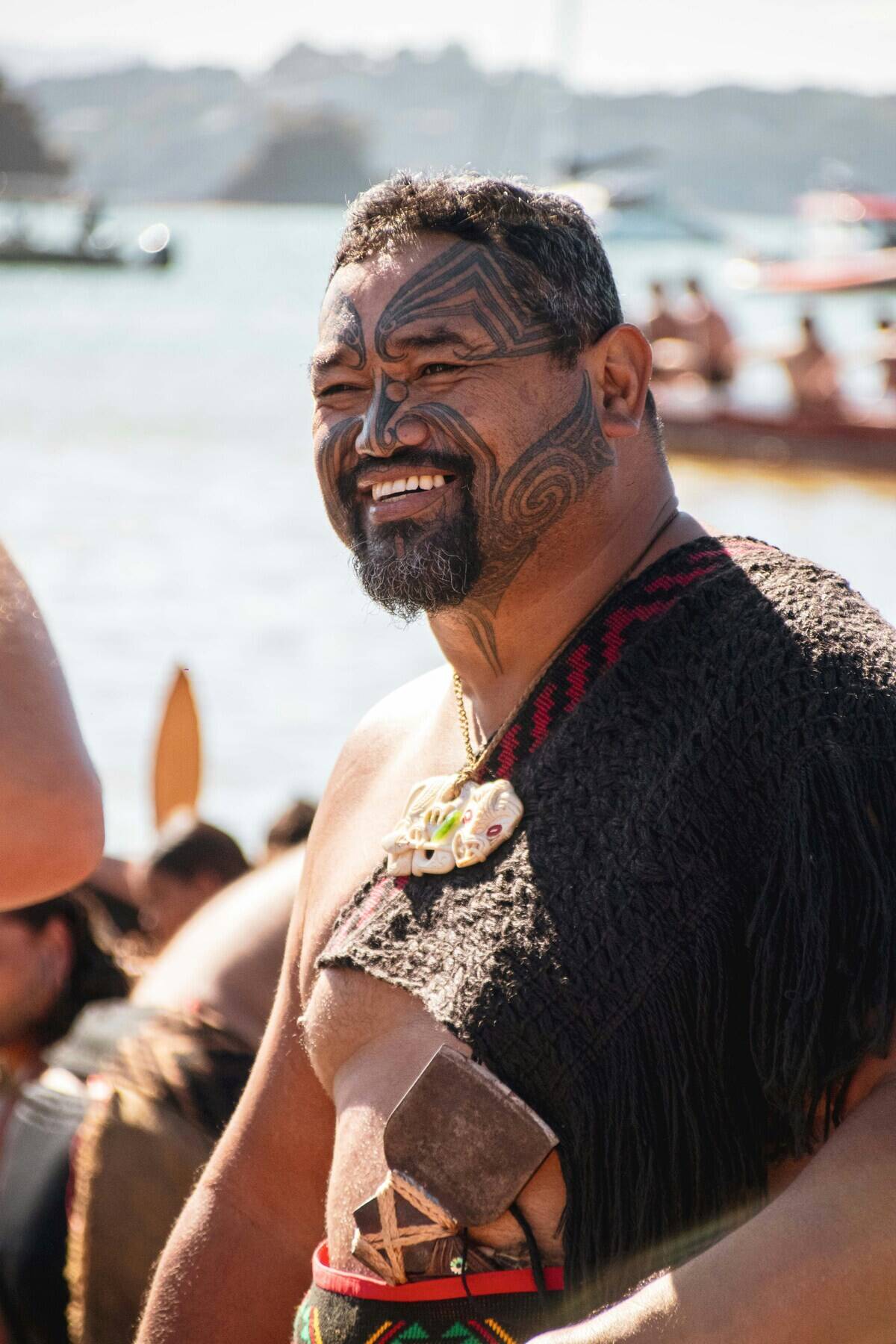
The haka is a traditional Maori war dance that embodies passion, strength, and unity. It is performed by New Zealand’s indigenous Maori people and has become a symbol of national pride.
The haka involves rhythmic chanting, vigorous movements, and fierce facial expressions. While originally used in battle, it is now performed at various cultural events and sports matches, notably by the All Blacks rugby team. The haka is a powerful expression of Maori identity and culture.
Mexico: Dia de los Muertos – Honoring the Dead with Festivity
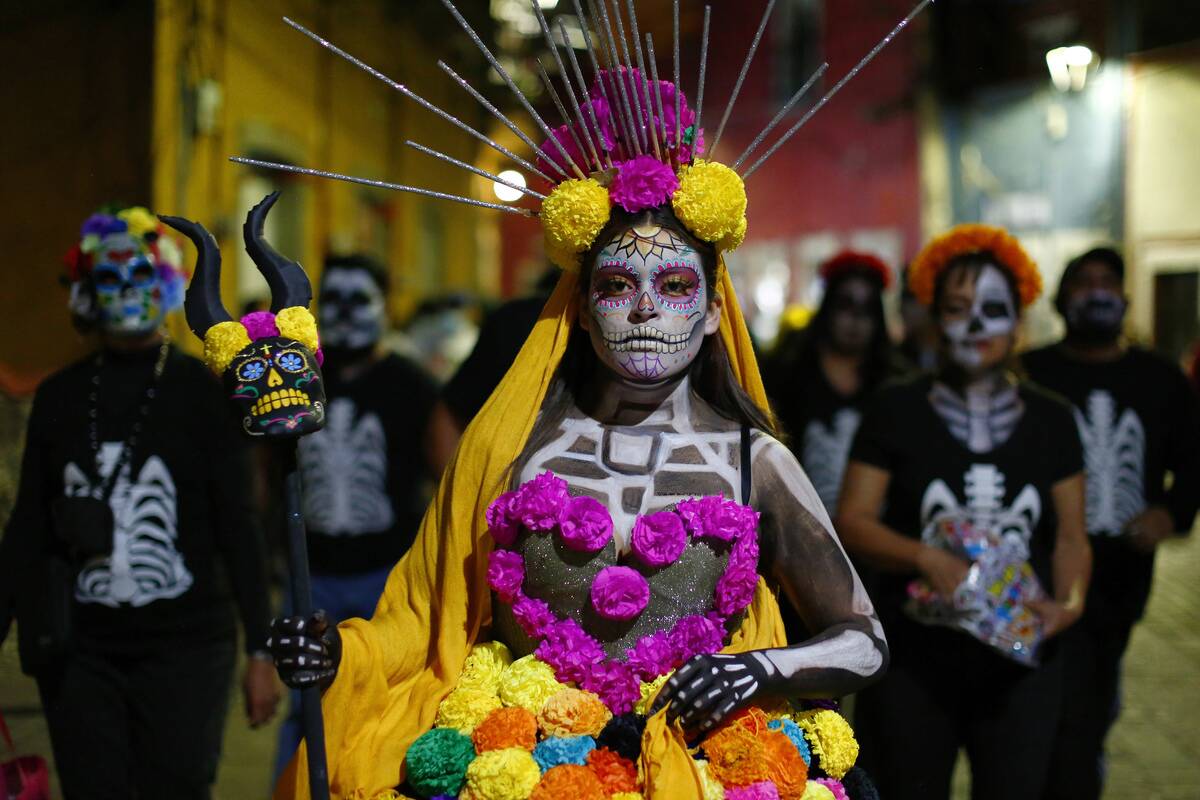
Dia de los Muertos, or Day of the Dead, is a Mexican tradition that honors deceased loved ones with vibrant celebrations. Far from being a somber occasion, it is a joyful time when families create altars with offerings such as marigolds, sugar skulls, and the favorite foods of the departed.
The tradition combines indigenous Aztec rituals with Catholic influences. Cities like Oaxaca and Mexico City host parades and festivities that attract visitors from all over the world.
Russia: Maslenitsa – Pancakes and Farewell to Winter
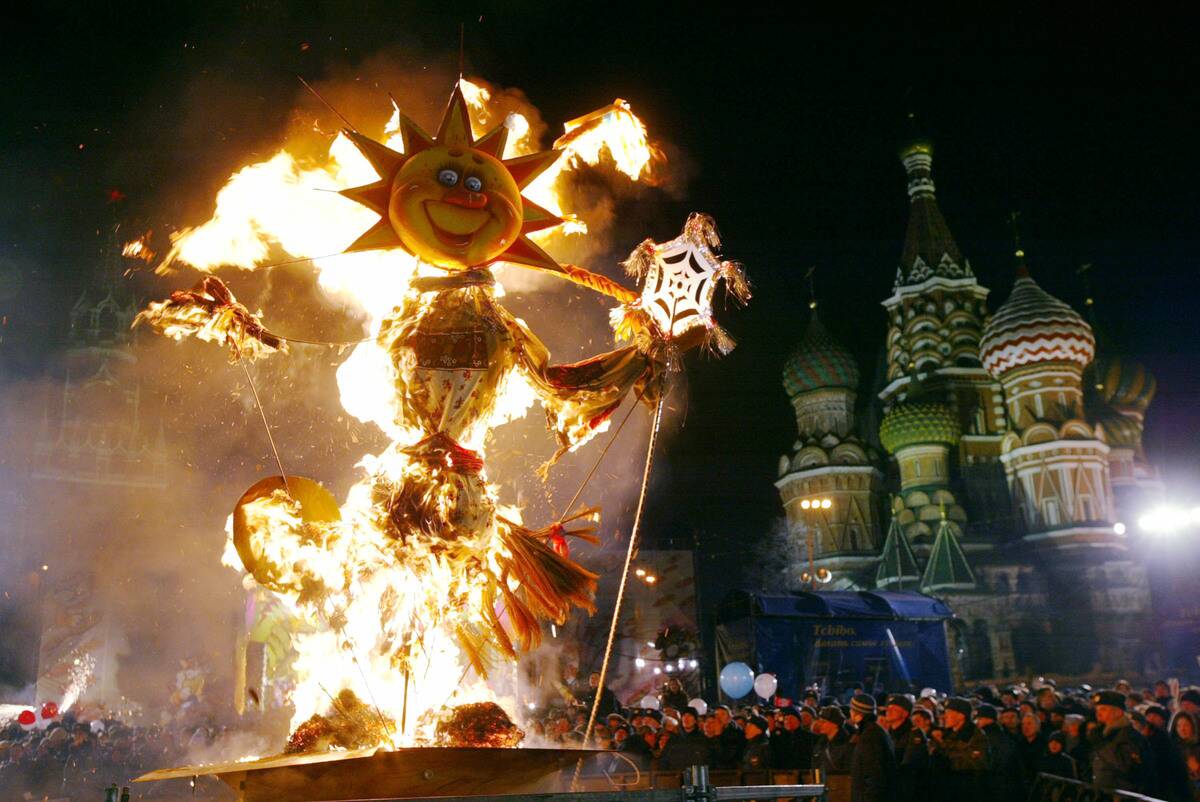
Maslenitsa is a Russian festival that bids farewell to winter and welcomes spring with a week-long celebration. It involves the consumption of blini, thin pancakes symbolizing the sun, as well as traditional games, sledding, and bonfires.
The festival has roots in both pagan and Orthodox Christian traditions, marking the last week before Lent. Cities like Moscow and St. Petersburg host Maslenitsa events, featuring colorful costumes, music, and lively performances.
South Korea: Chuseok and the Ancestral Harvest Festival

Chuseok, often referred to as Korean Thanksgiving, is a major harvest festival in South Korea. Families come together to pay respects to their ancestors, sharing food and stories. Traditional dishes like songpyeon, a type of rice cake, are prepared and enjoyed.
The festival is celebrated on the 15th day of the 8th month of the lunar calendar, coinciding with the full moon. It’s a time for gratitude, reflection, and family bonding.
Japan: The Art of Hanami and Cherry Blossom Festivals
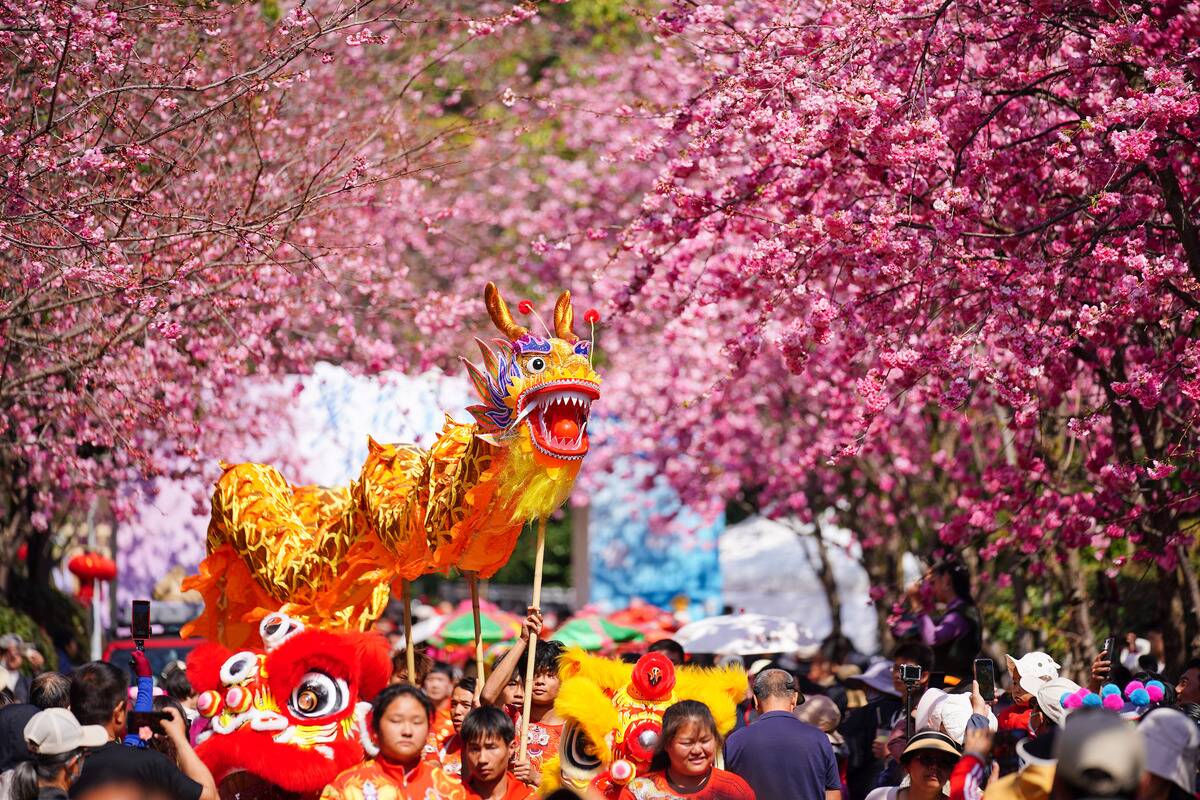
In Japan, the arrival of spring is marked by the breathtaking beauty of cherry blossoms, or ‘sakura’. Hanami, which means ‘flower viewing’, is a cherished tradition where people gather under blooming cherry trees to celebrate the fleeting beauty of these flowers.
This custom dates back to the Nara period (710-794 AD) and has become a symbol of the transient nature of life. Parks across Japan, like Ueno Park in Tokyo, become hotspots for picnics and celebrations during this time.
Brazil: Carnival – A Vibrant Explosion of Dance and Music
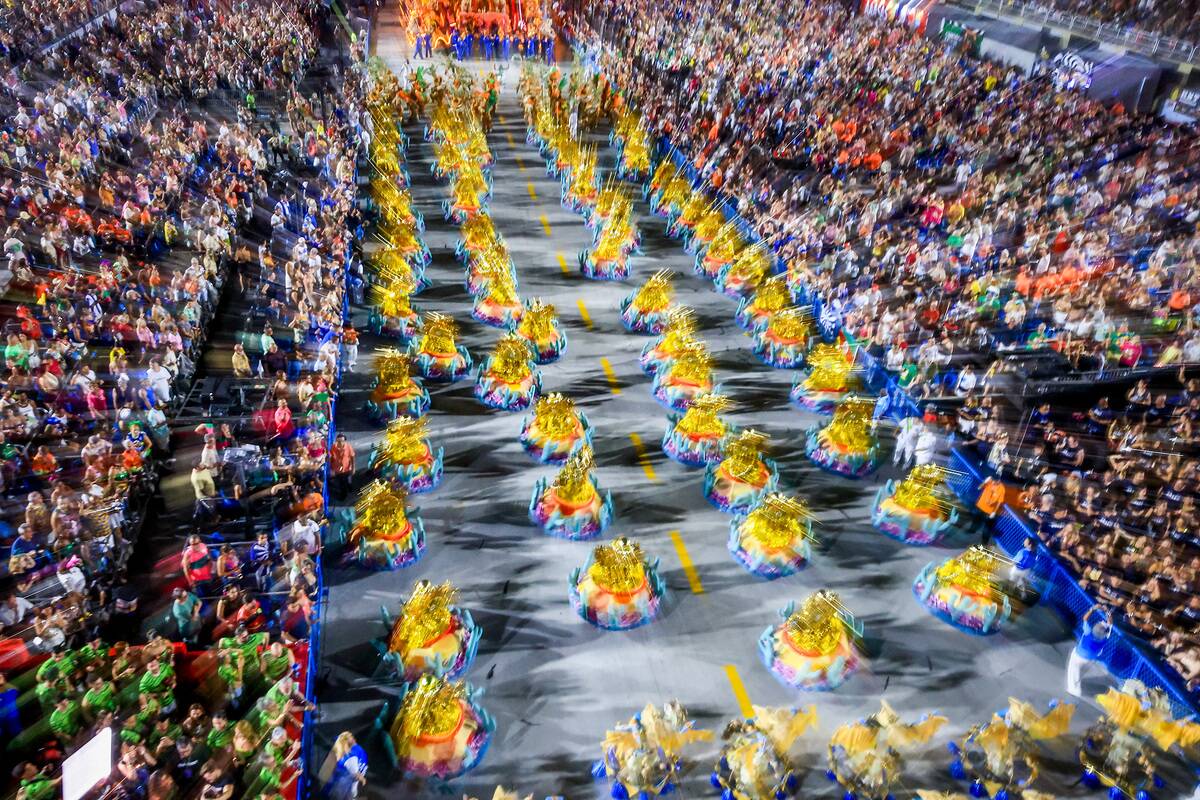
Brazil’s Carnival is a world-renowned festival characterized by its vibrant parades, samba music, and elaborate costumes. Held before Lent, it is a time of joyous celebration and cultural expression.
Cities like Rio de Janeiro and Salvador host massive street parties and parades, attracting millions of visitors. The festival’s roots can be traced back to European and African traditions, and it has evolved into a symbol of Brazilian culture and identity.
China: The Lantern Festival and Its Glowing Beauty

The Lantern Festival marks the end of the Chinese New Year celebrations with a display of glowing lanterns. Held on the 15th day of the first lunar month, it is a time for families to gather and admire the beautiful lanterns, which often depict historical and mythological themes.
The festival also involves eating tangyuan, sweet glutinous rice balls, symbolizing family unity. Cities like Beijing and Shanghai host grand lantern displays that light up the night sky.
Scotland: The Highland Games and Traditional Sports
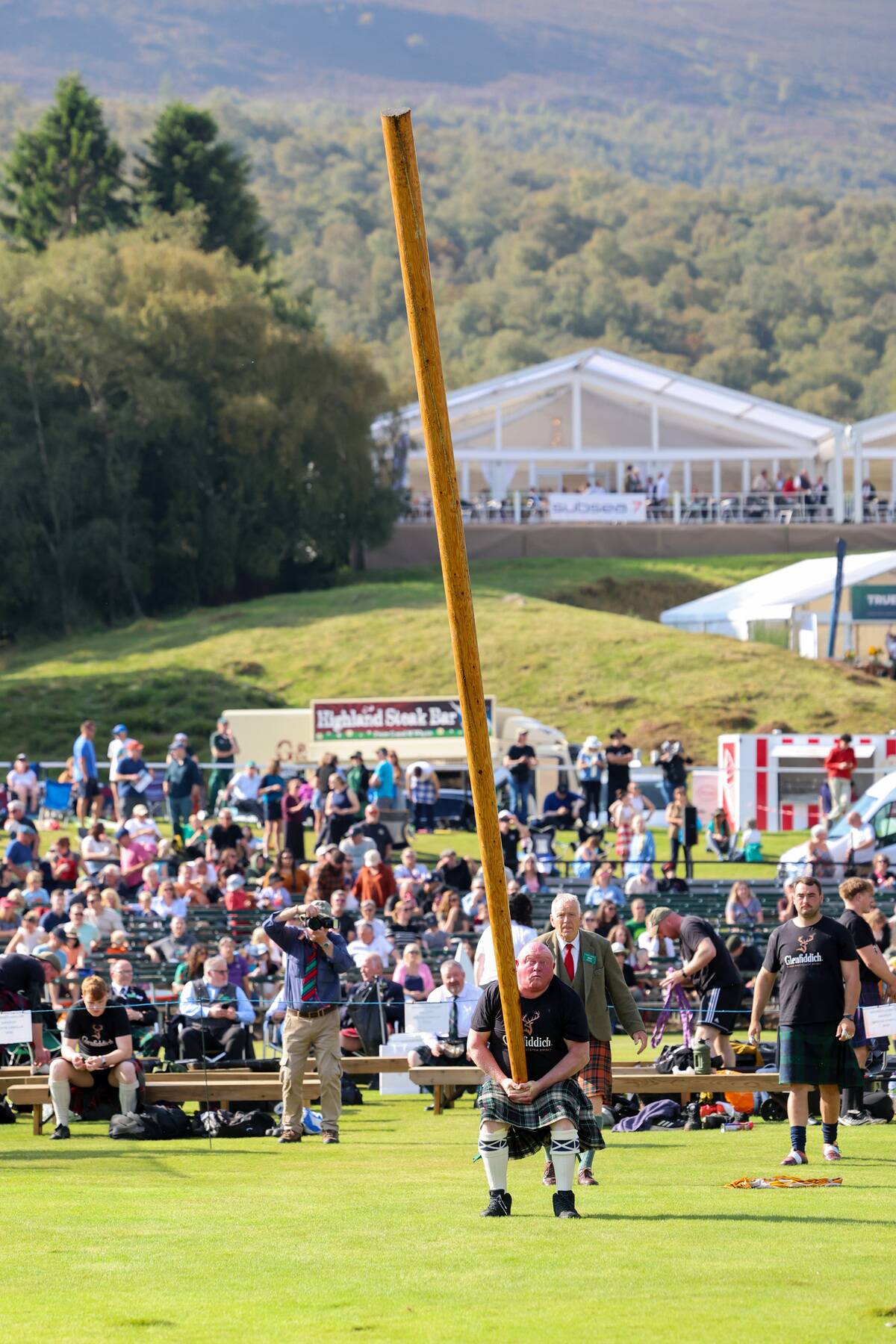
The Highland Games are a celebration of Scottish culture and heritage, featuring traditional sports, music, and dance. Events like caber tossing, tug-of-war, and hammer throwing showcase the strength and skill of the participants.
The games are held across Scotland, with the Braemar Gathering being one of the most famous. In addition to the athletic competitions, visitors can enjoy traditional Scottish music, bagpipes, and Highland dancing, creating a festive atmosphere.
Thailand: The Water-Splashing Fun of Songkran
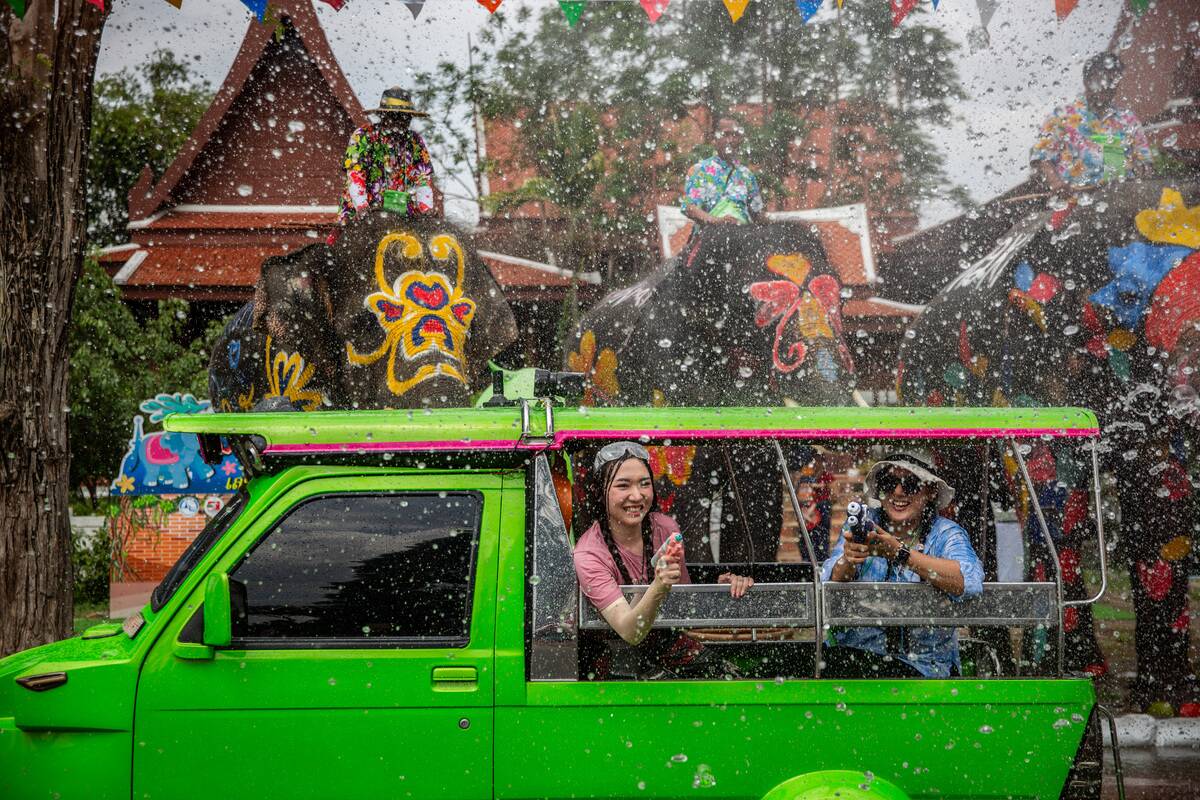
Songkran, the Thai New Year, is celebrated with a nationwide water fight that symbolizes cleansing and renewal. Taking place in April, it is one of Thailand’s most popular festivals.
People splash water on each other using buckets, water guns, and hoses, turning streets into lively battlegrounds. The festival also involves visiting temples, offering food to monks, and paying respects to elders. Cities like Chiang Mai and Bangkok are famous for their exuberant Songkran celebrations.
Peru: Inti Raymi – The Festival of the Sun
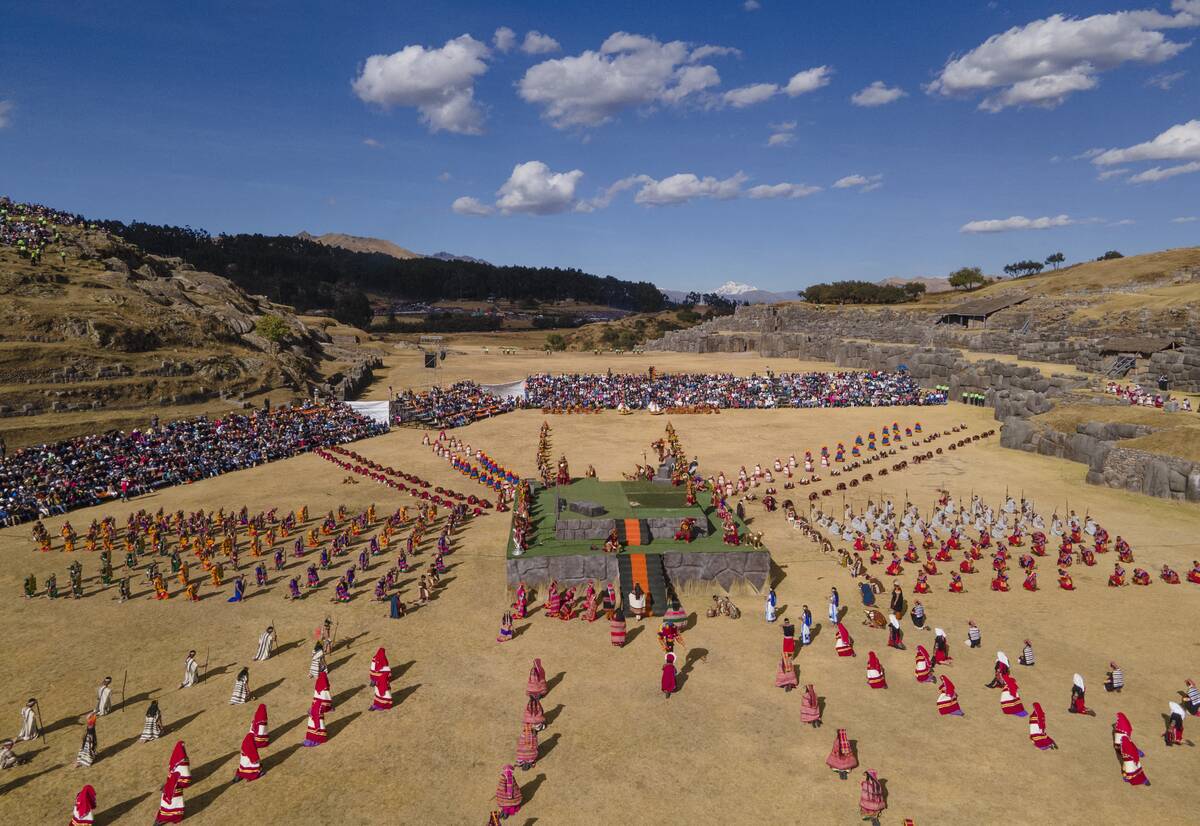
Inti Raymi, or the Festival of the Sun, is a traditional Incan celebration held in Cusco, Peru. It honors Inti, the sun god, and marks the winter solstice in the Southern Hemisphere. The festival features elaborate reenactments of Incan ceremonies, with participants dressed in vibrant costumes.
It attracts thousands of visitors who gather at the historic site of Sacsayhuamán to witness the festivities. Inti Raymi is a testament to Peru’s rich cultural heritage and Incan history.
Ethiopia: Timkat and the Celebration of Epiphany

Timkat is the Ethiopian Orthodox celebration of Epiphany, commemorating the baptism of Jesus in the Jordan River. It is one of Ethiopia’s most important religious festivals, marked by processions, prayers, and the blessing of water.
The festival takes place on January 19th (or 20th in a leap year) and involves the ceremonial reenactment of the baptism. Cities like Gondar and Addis Ababa host grand Timkat celebrations, drawing pilgrims and tourists alike to witness this spiritual event.