The world’s most restricted islands

Trending Now
Islands have always held a certain mystique, especially those shrouded in secrecy or danger. Forbidden islands, in particular, captivate our imaginations with tales of untouched tribes, deadly creatures, and mysterious histories.
These islands, often off-limits to the public, offer a glimpse into worlds that remain largely unexplored. Their allure lies in the unknown, drawing adventurers and dreamers alike to ponder what lies beyond the horizon, hidden from the prying eyes of the modern world.
North Sentinel Island: Home to an Uncontacted Tribe

North Sentinel Island, part of the Andaman and Nicobar Islands in the Bay of Bengal, is home to the Sentinelese, one of the last uncontacted tribes on Earth. The Indian government has established a three-mile exclusion zone around the island to protect both the tribe and outsiders.
The Sentinelese have lived in isolation for thousands of years, and any attempts to contact them have been met with hostility. Their way of life remains a mystery, preserved in isolation from modern civilization.
Surtsey Island: A Natural Laboratory Off-Limits to Tourists
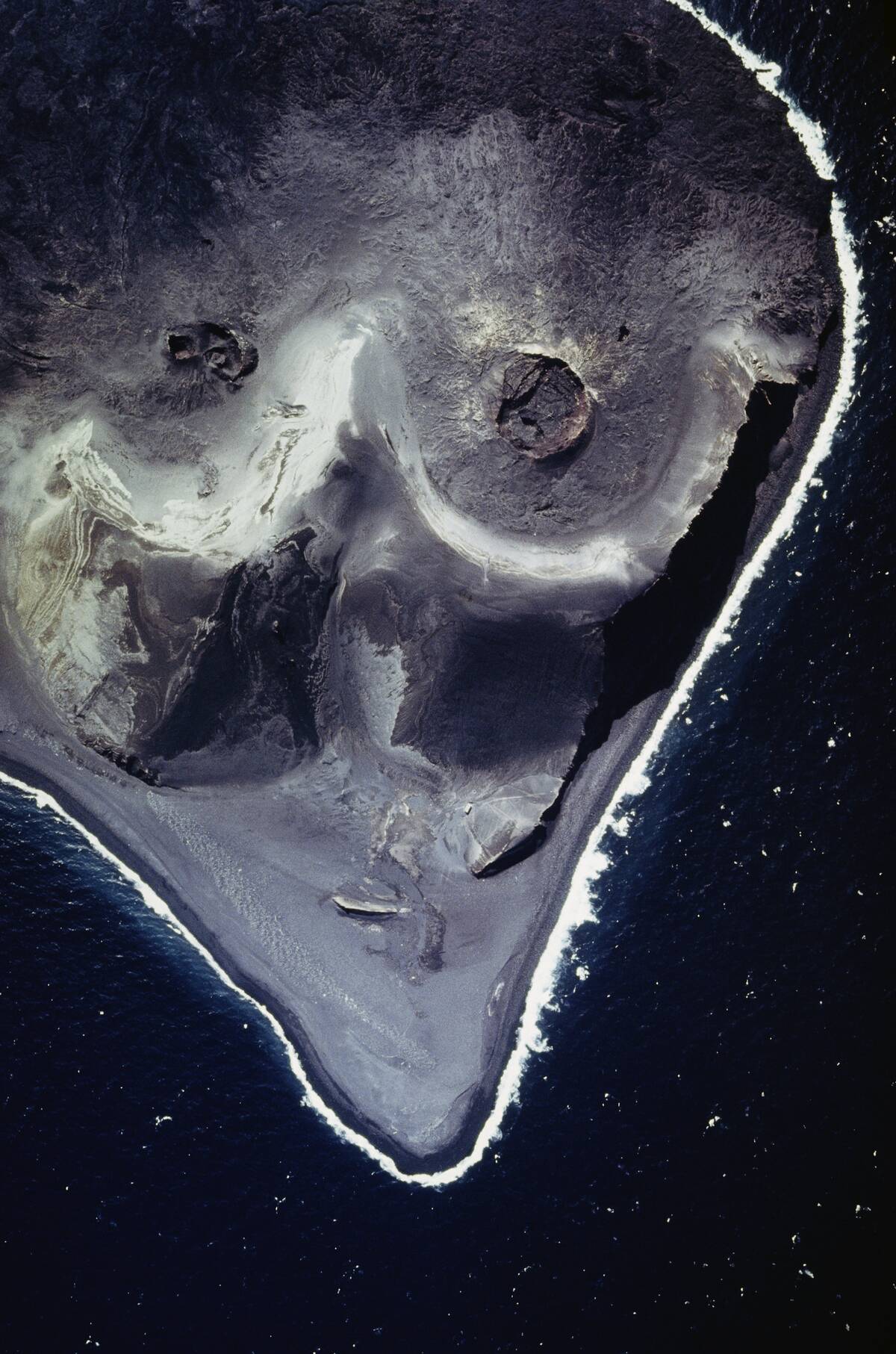
Surtsey Island emerged from the sea off the coast of Iceland in 1963, the result of a volcanic eruption. Declared a UNESCO World Heritage Site, it serves as a natural laboratory for scientists studying ecological succession.
Access is restricted to researchers, allowing them to observe the colonization of plant and animal life without human interference. This pristine environment provides invaluable insights into how life establishes itself on new land, making it a unique and protected site.
Snake Island: The Deadly Paradise

Ilha da Queimada Grande, known as Snake Island, is located off the coast of Brazil and is infamous for its dense population of venomous snakes. The golden lancehead viper, one of the deadliest snakes in the world, calls this island home.
The Brazilian government strictly controls access to the island, permitting only a few scientists to study its unique ecosystem. This deadly paradise remains a place of fascination and fear, a testament to nature’s untamed beauty and danger.
Heard Island: A Volcanic Mystery in the Southern Ocean
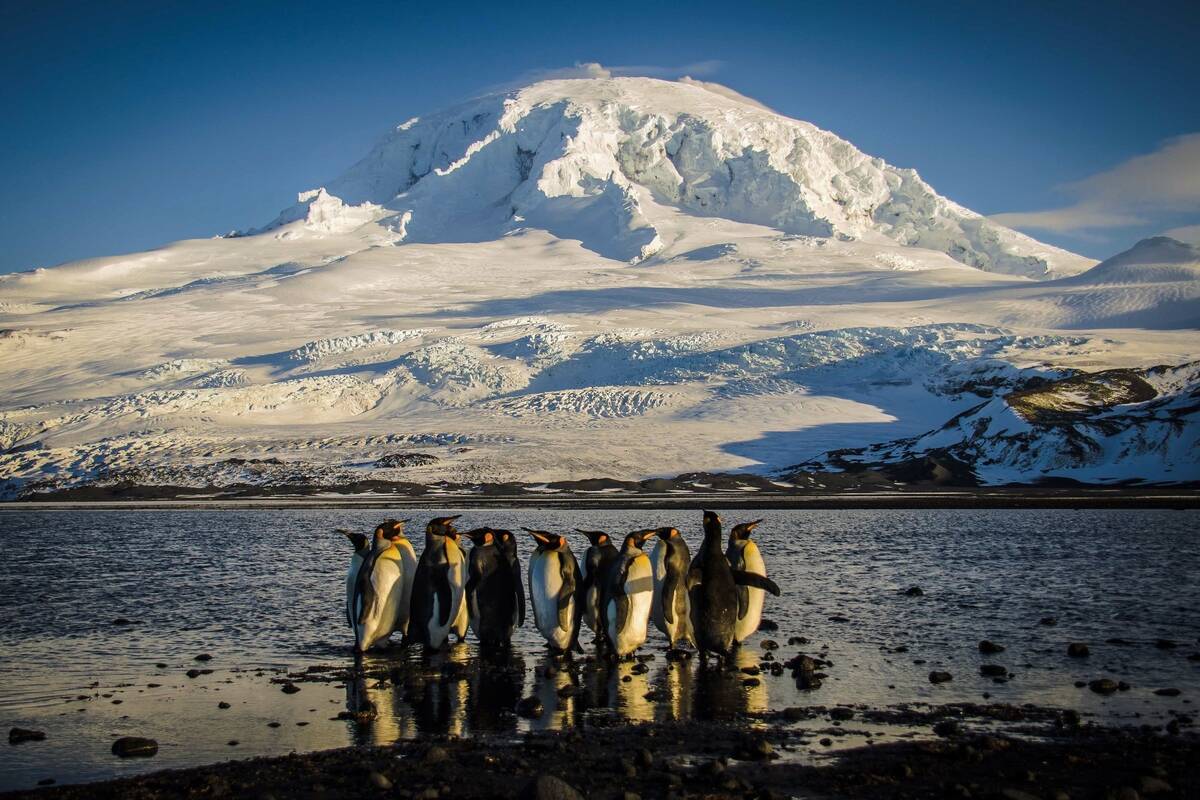
Heard Island, an Australian territory, sits in the remote Southern Ocean and is dominated by the active volcano, Big Ben. Its harsh climate and isolation make it one of the least visited places on Earth.
The island is a haven for wildlife, including seals and penguins, thriving in its untouched environment. Scientists visit occasionally to study its unique geology and ecosystems, but its extreme remoteness ensures Heard Island remains largely mysterious and pristine.
Diego Garcia: A Military Base in the Middle of Nowhere

Diego Garcia, part of the Chagos Archipelago in the Indian Ocean, is a strategic military base operated by the United States and the United Kingdom. Its location makes it a pivotal point for military operations in the region.
The island is off-limits to tourists, and its native Chagossian inhabitants were displaced in the 1960s and 70s to make way for the base. Today, Diego Garcia remains shrouded in secrecy, a vital yet controversial piece of geopolitical strategy.
Poveglia Island: Italy’s Haunted Island

Poveglia Island, located in the Venetian Lagoon, is steeped in eerie legends and ghostly tales. Once a quarantine station for plague victims and later a mental asylum, it is said to be one of the most haunted places in the world.
The Italian government has restricted access, adding to its mystique. Despite its dark history, the island’s haunting beauty continues to intrigue those fascinated by the supernatural, making it a popular subject for ghost hunters and thrill-seekers.
Niihau: Hawaii’s Forbidden Island

Niihau, the smallest of Hawaii’s inhabited islands, is privately owned and known as the “Forbidden Island.” Access is limited to its residents, invited guests, and a few select tours.
The island’s isolation has preserved its traditional Hawaiian culture and language, offering a glimpse into Hawaii’s past. With no paved roads or modern amenities, Niihau remains a unique cultural treasure, a living museum of Hawaiian heritage that few outsiders ever get to experience.
Gruinard Island: Once a Testing Ground for Biological Warfare

Gruinard Island, off the coast of Scotland, was used by the British government during World War II to test anthrax as a biological weapon. The island was contaminated and remained off-limits for decades.
It wasn’t until 1990 that Gruinard was declared safe after extensive decontamination efforts. Today, the island is uninhabited, serving as a stark reminder of the dangers of biological warfare and the lasting impact of human experimentation on the environment.
North Brother Island: New York’s Hidden History

North Brother Island, located in New York City’s East River, has a storied past. It once housed a quarantine hospital and later a rehabilitation center for drug addicts. Most famously, it was where “Typhoid Mary” was quarantined.
The island has been abandoned since the 1960s and is now a bird sanctuary. Its crumbling buildings and overgrown vegetation offer a haunting glimpse into New York’s forgotten history, a hidden gem in the shadow of the bustling city.
Rockall: The Uninhabitable Rock in the North Atlantic

Rockall is a small, uninhabitable granite islet in the North Atlantic Ocean, claimed by the United Kingdom. Its remote location and harsh conditions make it inhospitable to life, yet it has been the subject of territorial disputes due to potential oil and gas reserves in the surrounding waters.
Despite its barren nature, Rockall captures the imagination of adventurers and has become a symbol of the extremes of human exploration and the quest for natural resources.
Bhangarh Fort: India’s Most Haunted Island

While not an island in the traditional sense, Bhangarh Fort in Rajasthan, India, is surrounded by legends of hauntings and curses. The Archaeological Survey of India has placed a sign prohibiting entry after sunset, adding to its eerie reputation.
According to local lore, a sorcerer cursed the fort, leading to its abandonment. Today, it attracts tourists and paranormal enthusiasts eager to explore its ruins and experience the supernatural tales that have made it famous.
Alcatraz Island: Beyond the Infamous Prison
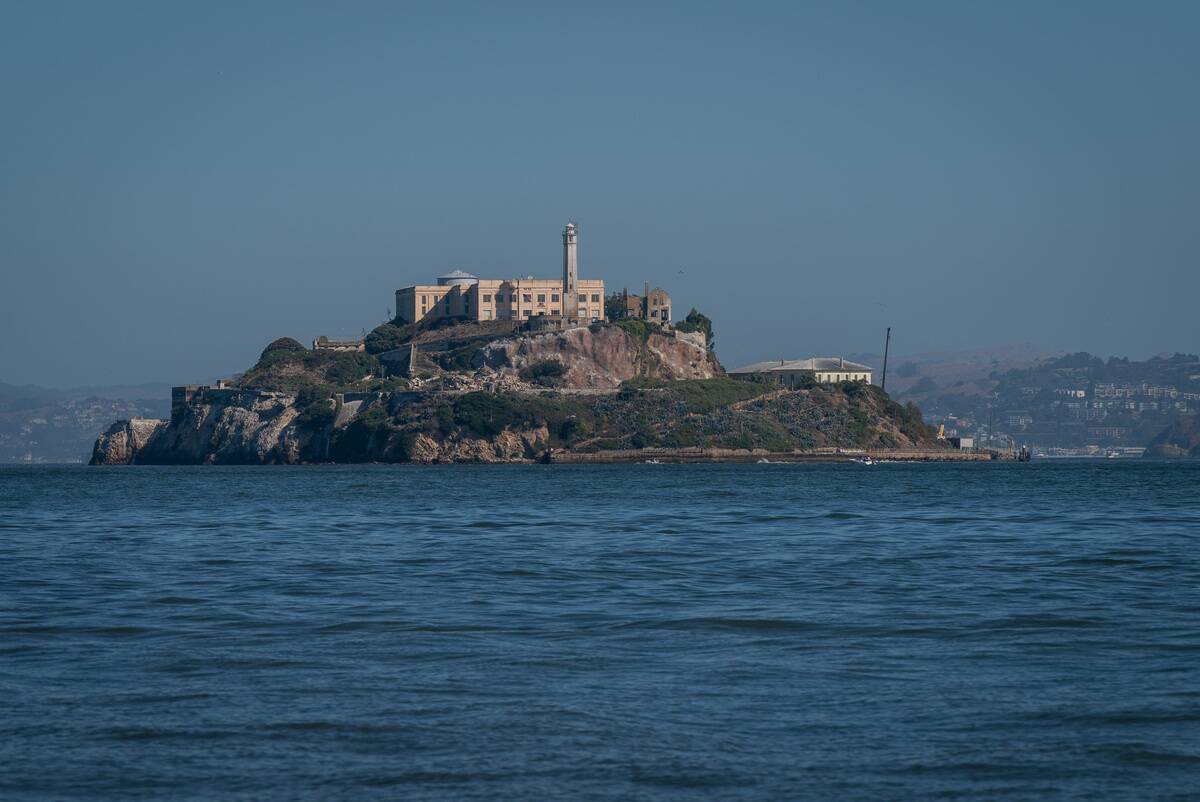
Alcatraz Island, located in San Francisco Bay, is best known for its notorious federal prison that housed infamous criminals like Al Capone. However, the island’s history extends beyond its prison days.
It was once a military fortification and later became a site of Native American protest in the 1960s. Today, Alcatraz is a popular tourist destination, offering visitors a chance to explore its historical buildings and learn about its diverse past, from military stronghold to cultural landmark.
Bouvet Island: The Most Remote Island on Earth

Bouvet Island, a Norwegian dependency, is located in the South Atlantic Ocean and is considered the most remote island on Earth. It is uninhabited and covered by glaciers, with no safe anchorage for ships.
The island’s extreme isolation and harsh weather conditions make it a challenging destination for explorers. Despite its inaccessibility, Bouvet Island is a protected nature reserve, home to seals and seabirds, standing as a testament to the untouched beauty of the natural world.