Why Space Is Completely Silent

Trending Now
Space is often depicted as a vast, echoing void, but in reality, it’s eerily silent. Unlike the bustling sounds of Earth, space lacks the medium to carry sound waves.
This silence can be both unsettling and awe-inspiring, reminding us of the vastness and mystery that lies beyond our planet. It’s a place where silence reigns supreme, offering a stark contrast to the noisy environments we are accustomed to.
How Does Sound Travel?

Sound is a fascinating phenomenon that travels through vibrations. These vibrations move through air, water, or solids, allowing us to hear everything from a whisper to a symphony. Without a medium, however, sound cannot travel.
This fundamental principle explains why space, with its lack of air and other mediums, remains silent. Understanding this helps us appreciate the unique conditions of our own planet.
Mediums in Sound Transmission

Mediums play a crucial role in transmitting sound. On Earth, air molecules vibrate to carry sound waves to our ears. In water, sound travels even faster due to the denser medium.
Solids, like metal or wood, can transmit sound even more efficiently. The absence of such mediums in space means sound waves have no way to travel, leaving the cosmos in silence.
Earth’s Atmosphere is a Conductor for Sound

Our atmosphere is a perfect conductor for sound, filled with gases that allow vibrations to move freely. This is why we can hear birds chirping, cars honking, and music playing.
The density and composition of Earth’s atmosphere make it ideal for sound transmission, a luxury that space does not afford. It’s a reminder of the unique conditions that make life on Earth so vibrant and full of sound.
The Vacuum of Space: A Silent Barrier
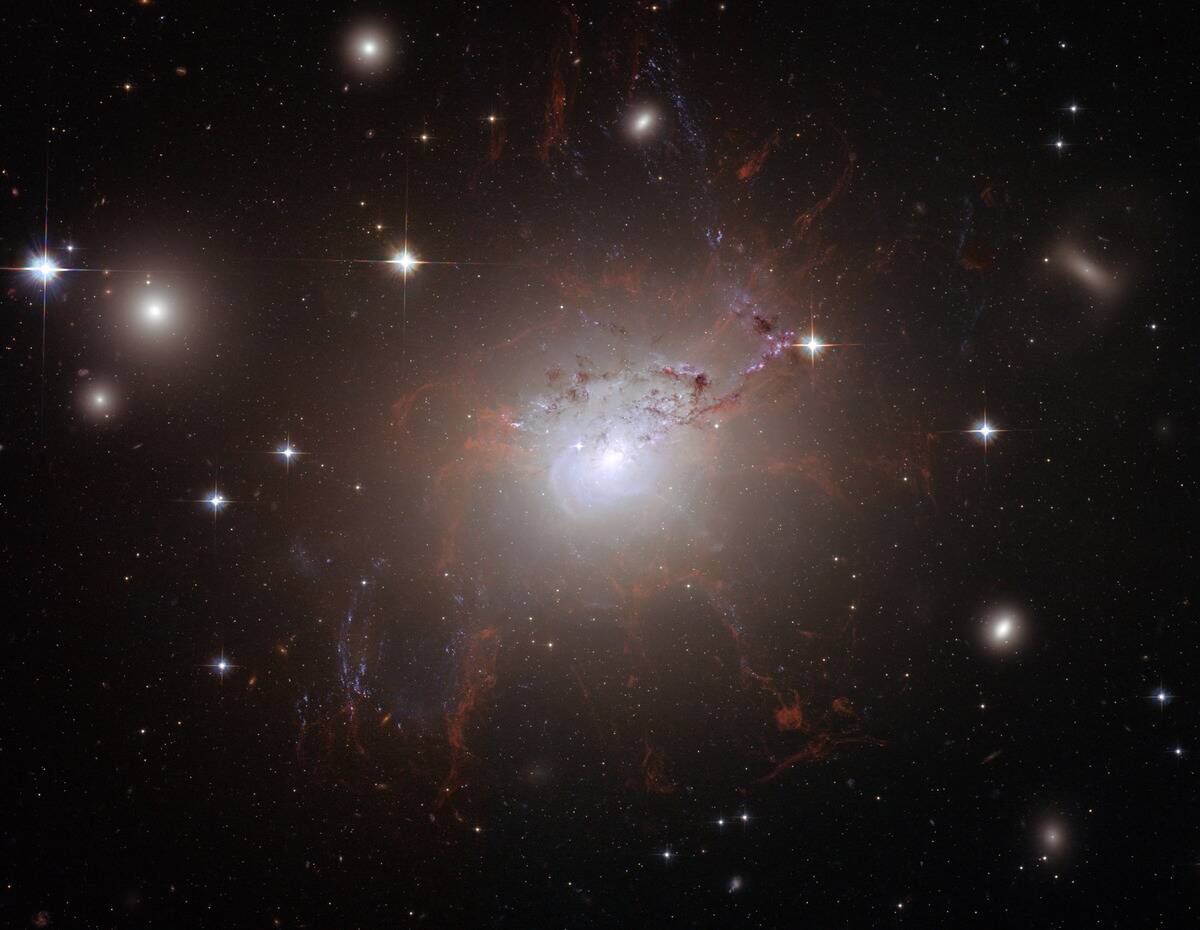
Space is a vacuum, devoid of air and other materials that carry sound. In this vast emptiness, sound waves have no medium to travel through, creating an environment of absolute silence.
This vacuum acts as a barrier, preventing the transmission of sound and highlighting the stark differences between Earth and the cosmos. It’s a silence that speaks volumes about the nature of space.
Why Sound Waves Can’t Travel in Space

Without a medium like air or water, sound waves simply can’t travel. In space, the lack of molecules to vibrate means sound has no way to propagate.
This is why astronauts experience silence when they venture beyond Earth’s atmosphere. It’s a fundamental aspect of physics that underscores the unique and mysterious nature of space, where silence is the norm.
Comparing Space to a Soundproof Room

A soundproof room blocks or absorbs sound waves using materials that reduce noise. Space is different: it is silent not because sound is blocked or absorbed, but because the near-vacuum lacks enough particles to carry ordinary sound waves.
This comparison helps us grasp why space is so silent and why sound, as we know it, cannot exist there.
The Misconception of Noisy Space Battles

Movies often depict space battles with booming explosions and roaring engines. However, these sounds are pure fiction. In reality, space battles would be silent, as sound can’t travel in the vacuum of space.
This misconception persists in popular culture, but understanding the science behind space’s silence reveals the truth: any space battle would be eerily quiet.
The Sounds Astronauts Do Hear in Space

While space itself is silent, astronauts do hear sounds inside their spacecraft. The hum of machinery, the whoosh of air systems, and even the sound of their own breathing are audible.
These sounds travel through the air inside the spacecraft, providing a familiar auditory environment amidst the silent expanse of space. It’s a small reminder of home in the vastness of the cosmos.
Communicating in Space: Relying on Radio Waves

In the silence of space, communication relies on radio waves. These electromagnetic waves can travel through the vacuum, allowing astronauts to stay in touch with each other and mission control.
Radio waves carry voices and data across the cosmos, bridging the silence and ensuring that communication remains possible, even in the most silent of environments.
The Role of Space Suits in Sound Perception

Space suits play a vital role in sound perception for astronauts. Inside the suit, air allows sound to travel, enabling astronauts to hear themselves and their equipment.
The suit’s design ensures that even in the vacuum of space, astronauts can communicate and hear necessary sounds. It’s a crucial aspect of space travel, blending technology with the realities of space’s silence.
Silent But Not Empty: Other Phenomena in Space
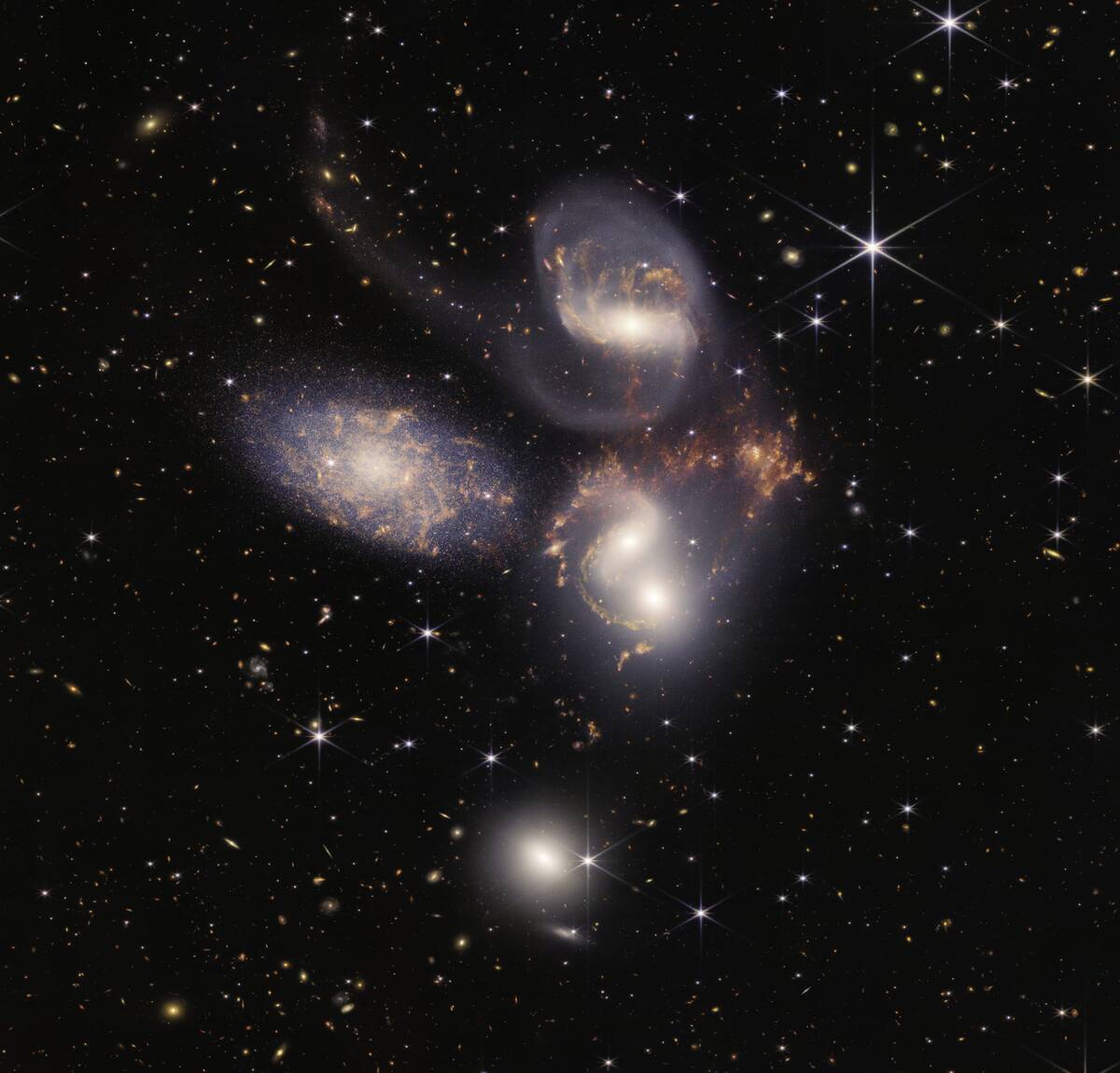
While space is silent, it’s far from empty. Cosmic phenomena like solar winds, magnetic fields, and radiation fill the void. These elements, though silent to our ears, create a dynamic and ever-changing environment.
Space may lack sound, but it is rich with activity, reminding us that silence does not equate to stillness in the vast universe.
Exploring the Universe: Listening to the Silence

Exploring the universe involves listening to the silence of space. Scientists use instruments to detect signals beyond sound, like radio waves and light, to uncover the secrets of the cosmos.
This silent exploration reveals the universe’s wonders, from distant galaxies to cosmic phenomena, offering a deeper understanding of the silent yet vibrant universe we inhabit.
Fun Facts About Space and Sound

Did you know that sound waves can travel through the dense atmosphere of Venus? Or that Jupiter’s intense magnetic field creates radio waves that we can “hear” with the right equipment?
These fun facts highlight the unique relationship between space and sound, showing that while space is silent, it still offers fascinating auditory phenomena for us to explore and understand.