Why tides aren’t the same everywhere in the world

Trending Now
Tides are one of nature’s most mesmerizing phenomena, captivating beachgoers and scientists alike. These rhythmic rises and falls of sea levels are not just a coastal curiosity; they play a crucial role in marine ecosystems and human activities.
Knowing more about how tides work can enhance our appreciation of the ocean’s dynamic nature.
The Basics of Tides

Tides are the periodic rise and fall of sea levels caused by the gravitational forces exerted by the Moon and the Sun, along with the Earth’s rotation. Typically, there are two high tides and two low tides each day.
The difference in height between high and low tides is known as the tidal range. While this might sound straightforward, the factors influencing tides are complex and interwoven, making them a fascinating subject of study.
The Moon’s Gravitational Pull

The Moon’s gravitational pull is the primary force behind tides. As the Moon orbits Earth, its gravity pulls on the ocean, causing water to bulge out on the side closest to the Moon. Interestingly, a similar bulge occurs on the opposite side due to the inertia of the water.
This dual bulge results in the two high tides experienced daily. The Moon’s influence is so significant that it accounts for about 70% of the tidal effect.
The Sun’s Role in Tidal Variations

While the Moon is the dominant force, the Sun also plays a crucial role in shaping tides. Although it is much farther away, the Sun’s gravitational pull is strong enough to affect the tides.
When the Sun, Moon, and Earth align, the combined gravitational forces result in higher tides, known as spring tides. Conversely, when the Sun and Moon are at right angles, their gravitational forces partially cancel each other out, leading to neap tides with lower tidal ranges.
Spring Tides vs. Neap Tides: What’s the Difference?

Spring tides occur during the full and new moons when the Sun, Moon, and Earth are aligned, leading to the highest and lowest tides. These tides are not named after the season but from the concept of ‘springing forth.’
Neap tides, on the other hand, happen during the first and third quarters of the moon. During these times, the gravitational forces of the Sun and Moon are perpendicular, resulting in the least tidal range.
How Earth’s Rotation Affects Tides
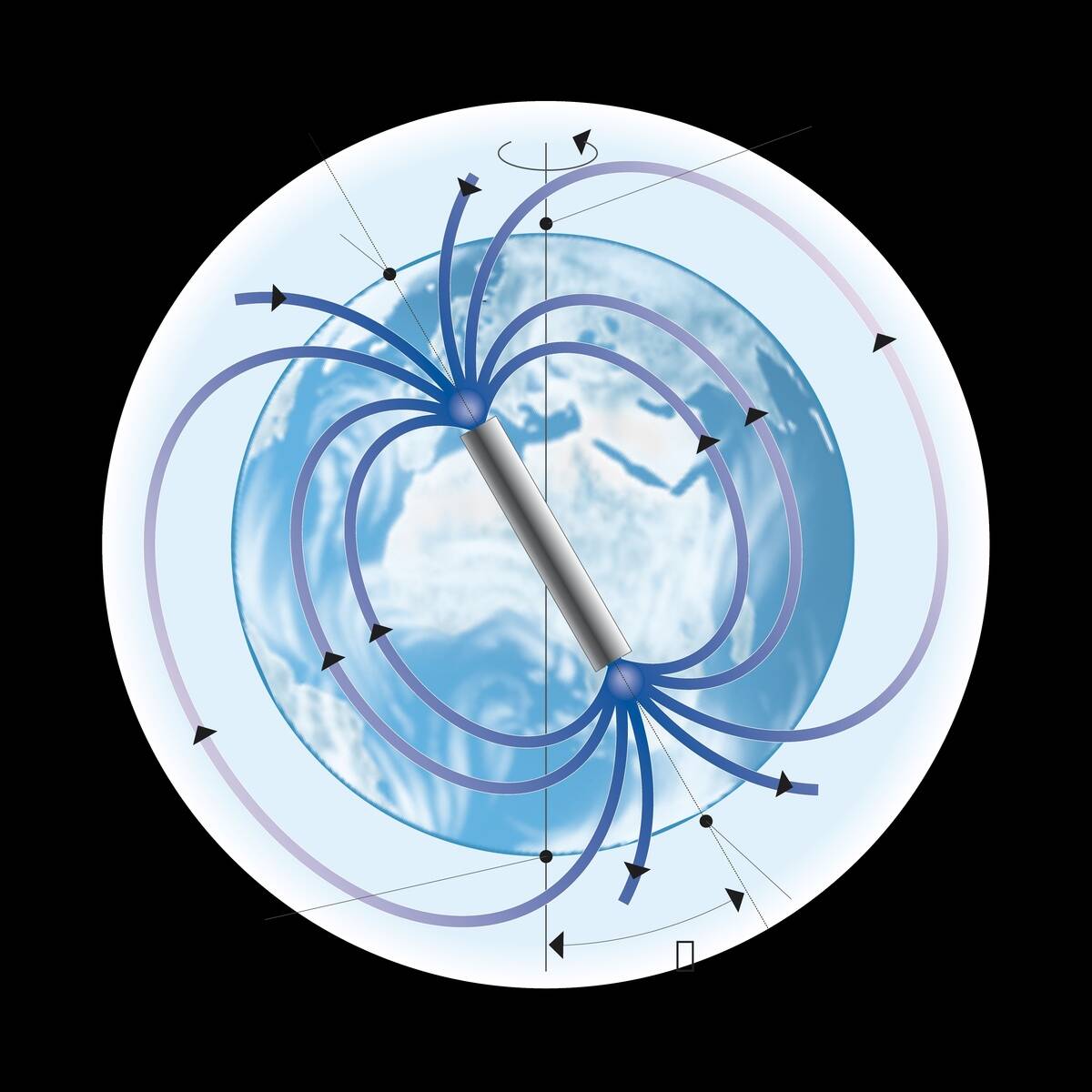
Earth’s rotation plays a significant role in the timing and frequency of tides. As the Earth spins on its axis, different areas of the planet experience the gravitational pull of the Moon and Sun, causing the tides to rise and fall.
This rotation explains why most coastal areas experience two high and two low tides each day. The Coriolis effect, a result of Earth’s rotation, also influences the direction and flow of ocean currents, further affecting tidal patterns.
The Influence of the Moon’s Orbit on Tidal Patterns

The Moon’s elliptical orbit around Earth causes variations in tidal patterns. When the Moon is closest to Earth, known as perigee, its gravitational pull is stronger, leading to higher tides, often referred to as perigean spring tides.
Conversely, when the Moon is farthest from Earth, or at apogee, its pull is weaker, resulting in lower tides. These orbital variations add another layer of complexity to the already intricate dance of the tides.
Ocean Basin Shape and Its Impact on Tides

The shape and depth of ocean basins significantly influence tidal behavior. Narrow bays and estuaries can amplify tidal ranges, leading to dramatic high and low tides. For instance, the Bay of Fundy in Canada, with its funnel-like shape, experiences some of the highest tides in the world.
Conversely, wide and deep ocean basins tend to have more moderate tidal ranges. Understanding these geographical influences helps explain the diversity of tidal patterns worldwide.
The Unique Tidal Patterns of Coastal Geography

Coastal geography, including the coastline’s shape and the ocean floor’s topography, plays a crucial role in determining local tidal patterns. In some areas, the coastline’s configuration can cause tidal bores, where incoming tides create waves that travel up rivers.
The Severn Bore in England is a famous example of this phenomenon. Additionally, the presence of islands and peninsulas can disrupt tidal flows, leading to unique patterns that vary significantly from one location to another.
How Weather Conditions Can Alter Tides

Weather conditions can have a surprising impact on tides. Strong winds and atmospheric pressure changes can cause storm surges, temporarily raising sea levels and altering expected tidal patterns.
For instance, low atmospheric pressure during a storm can lead to higher tides, while high pressure can suppress them. These weather-induced variations can be significant, especially during extreme weather events, and are crucial considerations for coastal planning and safety.
The Role of Ocean Currents in Tidal Changes

Ocean currents, driven by wind, Earth’s rotation, and differences in water density, can influence tidal patterns. These currents can enhance or diminish tidal flows, depending on their direction and strength.
For example, the Gulf Stream in the Atlantic Ocean can affect tidal ranges along the eastern coast of the United States. Understanding the interaction between tides and ocean currents is essential for navigation, as it impacts the movement of ships and marine life.
Tides in Different Parts of the World: A Global Perspective

Tidal patterns vary widely across the globe, influenced by a combination of gravitational forces, geographical features, and ocean currents. In some regions, like the Bay of Fundy, tides can reach heights of over 50 feet, while in others, such as the Mediterranean Sea, tidal ranges are minimal.
These variations highlight the complex interplay of factors that shape tides worldwide, offering a fascinating glimpse into the dynamic nature of our planet’s oceans.
The Mediterranean Sea: Why Tides Are Minimal Here

The Mediterranean Sea experiences minimal tides due to its relatively small size and the narrow connection to the Atlantic Ocean through the Strait of Gibraltar. This limited exchange of water restricts the tidal range, which is typically less than a foot.
Additionally, the sea’s enclosed nature and the surrounding landmasses further dampen tidal effects. Despite the lack of significant tides, the Mediterranean remains a vital region for marine biodiversity and human activity.
The Complex Tidal System of the Indian Ocean

The Indian Ocean’s tidal system is influenced by a variety of factors, including monsoon winds, ocean currents, and the diverse geography of its coastline. These elements create complex and varied tidal patterns across the region.
For instance, the Gulf of Khambhat in India experiences some of the highest tides in the Indian Ocean, while other areas have more moderate tidal ranges. This complexity makes the Indian Ocean a fascinating area of study for oceanographers and marine scientists.
How Human Activities Influence Tidal Patterns

Human activities, such as the construction of dams, levees, and coastal developments, can significantly alter natural tidal patterns. These structures can restrict water flow, change sedimentation patterns, and impact local ecosystems.
For example, the Thames Barrier in London helps protect the city from tidal surges but also affects the river’s natural tidal flow. Understanding the impact of human activities on tides is crucial for sustainable coastal management and environmental conservation.
The Role of Tides in Marine Ecosystems
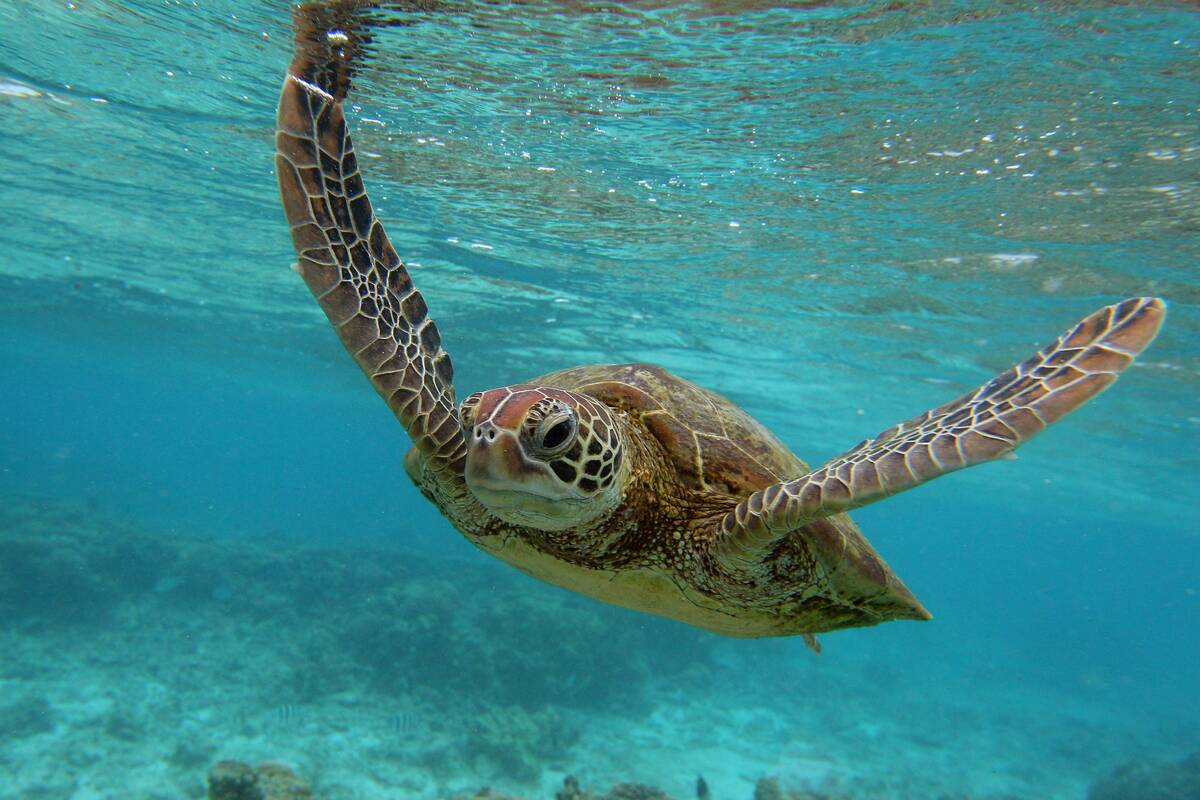
Tides play a vital role in maintaining healthy marine ecosystems. They facilitate nutrient exchange, support the life cycles of various marine species, and help maintain the balance of coastal habitats.
For instance, intertidal zones, which are exposed during low tides, provide critical feeding and breeding grounds for numerous organisms. The dynamic nature of tides ensures that these ecosystems remain productive and resilient, supporting a wide array of marine life.
Tides and Their Impact on Coastal Communities

Coastal communities have long relied on tides for fishing, transportation, and recreation. However, tides can also pose challenges, such as flooding and erosion. Understanding tidal patterns is essential for coastal planning and disaster preparedness.
For instance, accurate tide predictions can help mitigate the impacts of storm surges and protect infrastructure. As climate change continues to affect sea levels, the relationship between tides and coastal communities will become increasingly important.
Fun Facts About Tides You Might Not Know

Did you know that the term ‘tidal wave’ is often incorrectly used to describe tsunamis? Unlike tsunamis, tides are predictable and occur regularly. Another fun fact is that the Earth’s rotation is gradually slowing down due to tidal friction, causing days to lengthen by about 1.7 milliseconds per century.
Additionally, the gravitational pull of the Moon is slowly moving it away from Earth at a rate of about 1.5 inches per year, affecting tidal patterns over millennia.