The story behind Easter Islands infamous Moai statues

Easter Island, known as Rapa Nui to its indigenous people, is home to the iconic Moai statues. These colossal figures, carved from volcanic rock, stand as silent sentinels across the island.
While their stoic expressions captivate visitors, the Moai are more than just impressive sculptures. They embody the rich cultural heritage and enigmatic history of the Rapa Nui civilization. Each statue, with its unique features, tells a story of ancestral reverence and artistic prowess.
The Origins of the Moai Statues

The origins of the Moai statues are shrouded in mystery, sparking curiosity and intrigue among historians and archaeologists alike. It is believed that the statues were constructed between 1250 and 1500 CE.
However, the exact reasons for their creation remain speculative. Some theories suggest they were built to honor important ancestors, while others propose they served as territorial markers. Despite the uncertainty, the Moai continue to fascinate with their enigmatic past.
Who Built the Moai? The Rapa Nui People

The Moai statues were crafted by the Rapa Nui people, the original inhabitants of Easter Island. This Polynesian society is thought to have settled on the island around 1200 CE.
Known for their remarkable stone-carving skills, the Rapa Nui created these statues using simple tools made from basalt and obsidian. The construction of the Moai was a communal effort, reflecting the strong social and cultural bonds within the Rapa Nui community.
The Purpose Behind the Moai

While the Moai are impressive works of art, they served a deeper purpose within Rapa Nui society. Many researchers believe that the statues were erected to represent deified ancestors, acting as intermediaries between the living and the spiritual world.
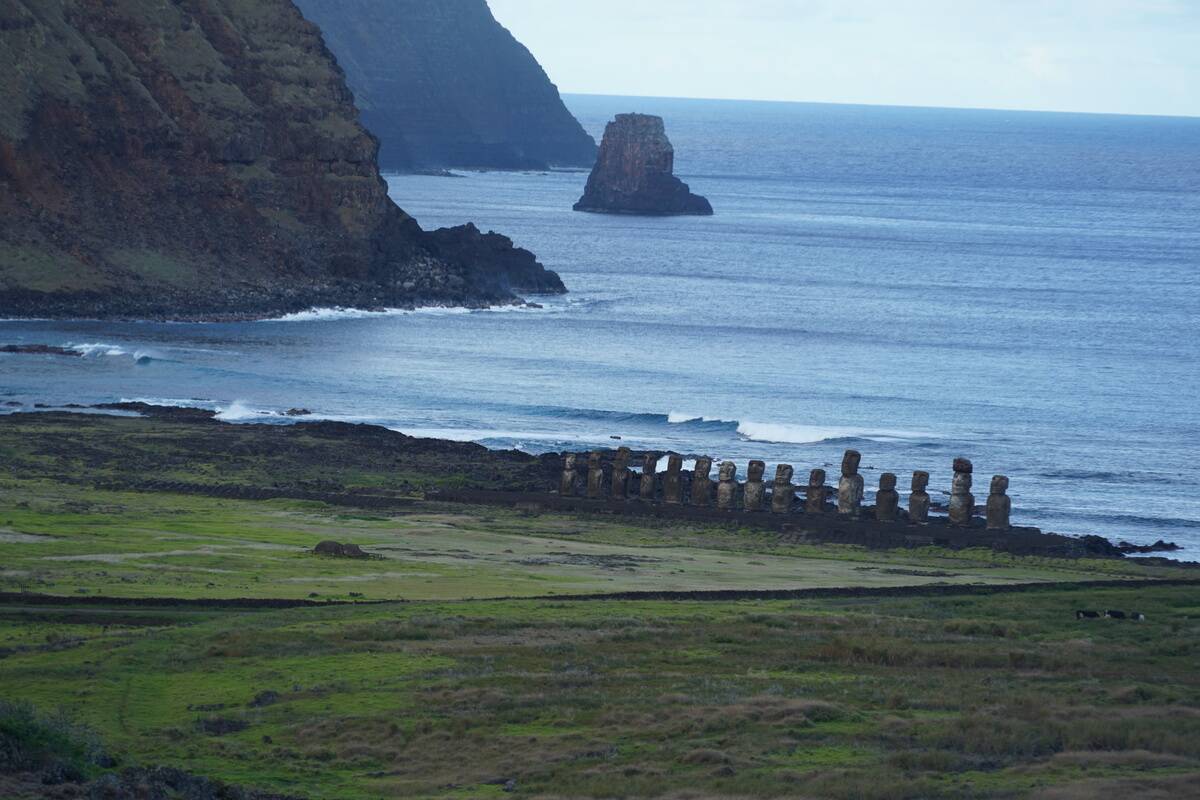
Positioned on stone platforms called ahu, the Moai were believed to bestow protection and prosperity upon the island’s inhabitants. This spiritual significance underscores the Moai’s role as more than mere stone figures.
A Closer Look at Their Majestic Features

Standing up to 33 feet tall and weighing as much as 82 tons, the Moai statues are remarkable feats of engineering. Each statue is characterized by its elongated face, prominent brow, and deep-set eyes.
Some Moai also feature a pukao, a topknot made from red scoria, adding to their grandeur. The intricate details of the statues reflect the Rapa Nui’s exceptional craftsmanship and their ability to work with the island’s natural resources.
The Mysterious Quarry of Rano Raraku

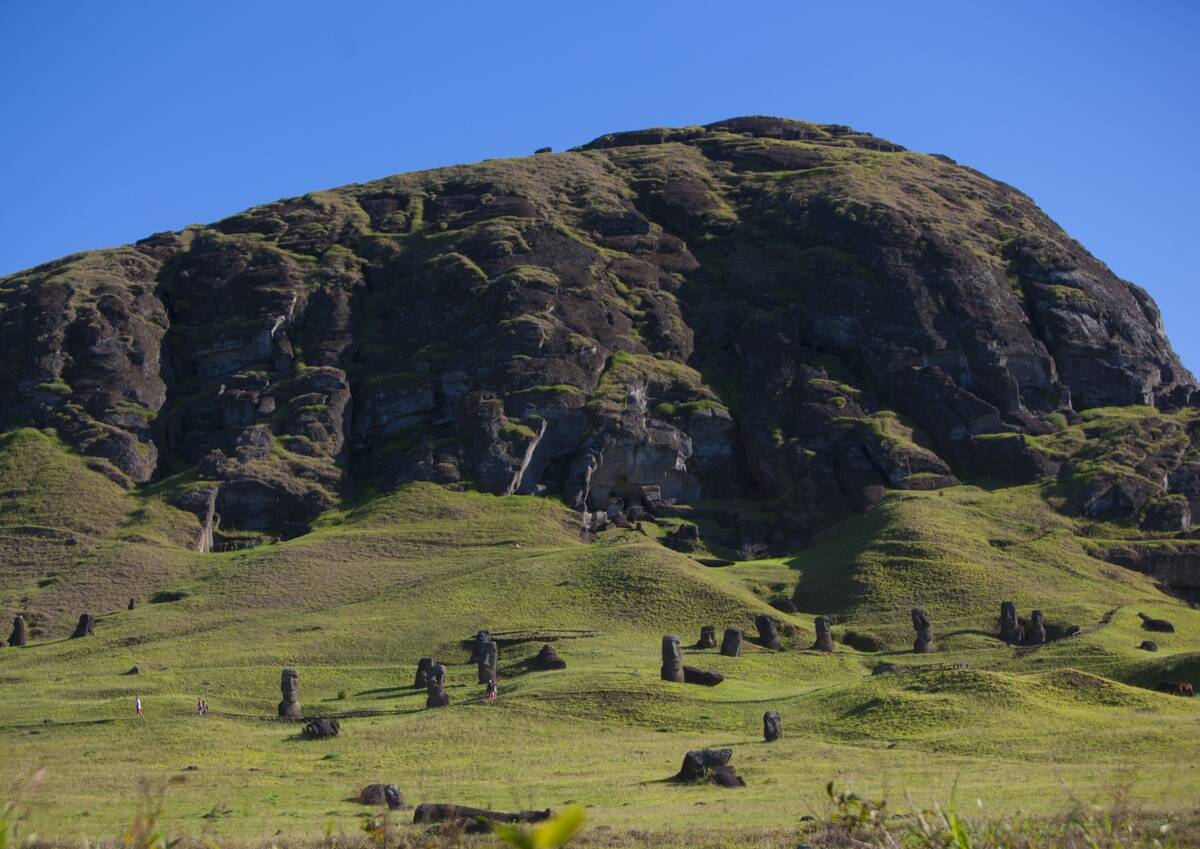
Rano Raraku, a volcanic crater on Easter Island, served as the primary quarry for the Moai statues. This site, often referred to as the Moai factory, is where the majority of the statues were carved.
Astonishingly, nearly 400 unfinished Moai remain at Rano Raraku, offering insight into the statue-making process. The quarry’s unique geology, with its soft volcanic tuff, allowed the Rapa Nui to carve these massive figures with relative ease.
How Were the Moai Statues Transported? Theories and Legends
The transportation of the Moai statues from Rano Raraku to various locations across the island is a topic of much debate. One popular theory suggests that the statues were “walked” to their destinations using a system of ropes and human manpower.
Other theories have proposed wooden sleds, rollers, or other timber-based methods, but these remain debated. The ‘walking theory,’ in which upright statues were rocked forward with ropes, is strongly supported by some experimental and archaeological research and aligns with Rapa Nui oral traditions.
The Role of the Moai in Rapa Nui Culture and Society

In Rapa Nui culture, the Moai held significant social and religious importance. They were believed to embody the mana, or spiritual power, of the ancestors they represented.
The erection of a Moai was a communal event, involving rituals and ceremonies to ensure the statue’s successful placement. The Moai also played a role in demonstrating the wealth and status of different clans, with larger statues indicating greater prestige and influence.
Moai Statues and Their Connection to Ancestral Spirits
The Moai statues are deeply connected to the ancestral spirits of the Rapa Nui people. It is believed that the statues acted as conduits for the spirits, allowing them to watch over and protect the island’s inhabitants.
This connection to the spiritual realm was central to Rapa Nui beliefs, with the Moai serving as a physical manifestation of their ancestors’ presence. This spiritual link underscores the enduring significance of the Moai in Rapa Nui culture.
The Moai Statues’ Fascinating Journey from Erect to Toppled

Many of the Moai statues that once stood proudly on their ahu platforms have since been toppled. This dramatic change is attributed to internal conflicts and societal changes on the island.
During periods of strife, rival clans may have toppled each other’s statues as a display of dominance. Additionally, the arrival of European explorers introduced new challenges, leading to further disruptions in Rapa Nui society and contributing to the statues’ downfall.
Bringing the Moai Back to Their Glory

In recent decades, efforts have been made to restore the Moai statues to their former glory. These restoration projects, often led by international teams in collaboration with the Rapa Nui community, aim to re-erect the statues and preserve them for future generations.
Notable restoration efforts include the work at Ahu Tongariki, where 15 Moai were re-erected in the 1990s. These projects highlight the ongoing commitment to preserving the cultural heritage of Easter Island.
The Moai and Their Unique Placement Facing Inland

One of the intriguing aspects of the Moai statues is their placement, with most facing inland rather than out to sea. This orientation is believed to symbolize the Moai’s role in watching over the island’s inhabitants, rather than protecting them from external threats.
The inland-facing position reinforces the statues’ connection to the community and their function as guardians of the land. This unique placement adds another layer of mystery to the Moai’s enigmatic presence.
The Impact of Time and Weather on the Moai Statues

Over the centuries, the Moai statues have been subjected to the harsh elements of Easter Island’s environment. Wind, rain, and the salty sea air have contributed to the erosion of the statues, wearing away their intricate features.
Preservation efforts are ongoing to mitigate these effects and protect the Moai from further deterioration. Despite the challenges posed by time and weather, the statues continue to stand as resilient symbols of Rapa Nui heritage.
The Rediscovery of the Moai Statues by Western Explorers

The Moai statues were first encountered by Western explorers in 1722 when Dutch navigator Jacob Roggeveen arrived on Easter Island. Subsequent visits by European explorers, including Captain James Cook, further documented the statues and sparked interest in their origins.
These encounters introduced the Moai to the wider world, leading to increased curiosity and research. The rediscovery of the statues marked the beginning of a long-standing fascination with Easter Island’s mysterious past.
Fun Facts About the Moai

Did you know that the Moai statues have bodies buried beneath the ground? While most people recognize the iconic heads, many statues have torsos that extend below the surface.
Another fun fact is that the Moai’s eye sockets were once filled with coral eyes, giving them a striking appearance. These details add to the allure of the Moai, offering fascinating insights into the artistry and cultural practices of the Rapa Nui people.
Visiting Easter Island

For those eager to witness the Moai statues firsthand, a trip to Easter Island is a must. The island is accessible by flights from Santiago, Chile, with the journey offering breathtaking views of the Pacific Ocean.
Once on the island, visitors can explore various archaeological sites, including Rano Raraku and Ahu Tongariki. Guided tours provide valuable insights into the history and significance of the Moai, ensuring an unforgettable experience for all who visit.