The largest labor strikes of the 20th century

Trending Now
The 20th century was a transformative period for labor movements worldwide, marked by numerous strikes that significantly impacted industries and societies. These strikes were not just about wages; they were about dignity, safety, and the future of work.
As workers banded together, they challenged the status quo, demanding fair treatment and better conditions. Through their struggles, they shaped labor laws and set the stage for future generations to continue the fight for workers’ rights.
The 1919 Seattle General Strike

In 1919, Seattle witnessed a historic event when over 65,000 workers walked off the job, effectively bringing the city to a halt. This strike was unique because it wasn’t confined to a single industry; it was a general strike, involving various sectors.
The strike lasted five days and was a response to post-World War I economic instability and wage cuts. Despite its peaceful nature, the strike was met with significant opposition from the government, highlighting the tension between labor and authorities.
The 1926 United Kingdom General Strike

The 1926 General Strike in the UK was a remarkable display of solidarity, involving around 1.7 million workers. It was primarily in support of coal miners who faced wage reductions and worsening conditions.
The strike lasted nine days and included workers from key industries like transport and printing. Though the strike didn’t achieve its immediate goals, it underscored the power of collective action and led to increased awareness of workers’ rights and the need for better labor laws.
The 1984-1985 UK Miners’ Strike

The UK Miners’ Strike of 1984-1985 was a year-long struggle against the closure of coal pits and the loss of jobs. Led by the National Union of Mineworkers and its leader, Arthur Scargill, the strike involved violent confrontations and significant hardships for mining communities.
Despite the miners’ determination, the strike ended without achieving its goals, leading to the decline of the coal industry in the UK. This strike remains a symbol of resistance and the profound impact of industrial decline on communities.
The 1934 West Coast Longshoremen’s Strike

In 1934, the West Coast Longshoremen’s Strike became a pivotal moment in labor history, as dockworkers demanded better wages and working conditions. The strike lasted for 83 days and was marked by violent clashes, including the infamous “Bloody Thursday” in San Francisco.
Despite the violence, the strike resulted in significant gains for the workers, including the establishment of a union hiring hall and improved wages. This strike highlighted the importance of unity and the willingness to fight for justice.
The 1936-1937 Flint Sit-Down Strike
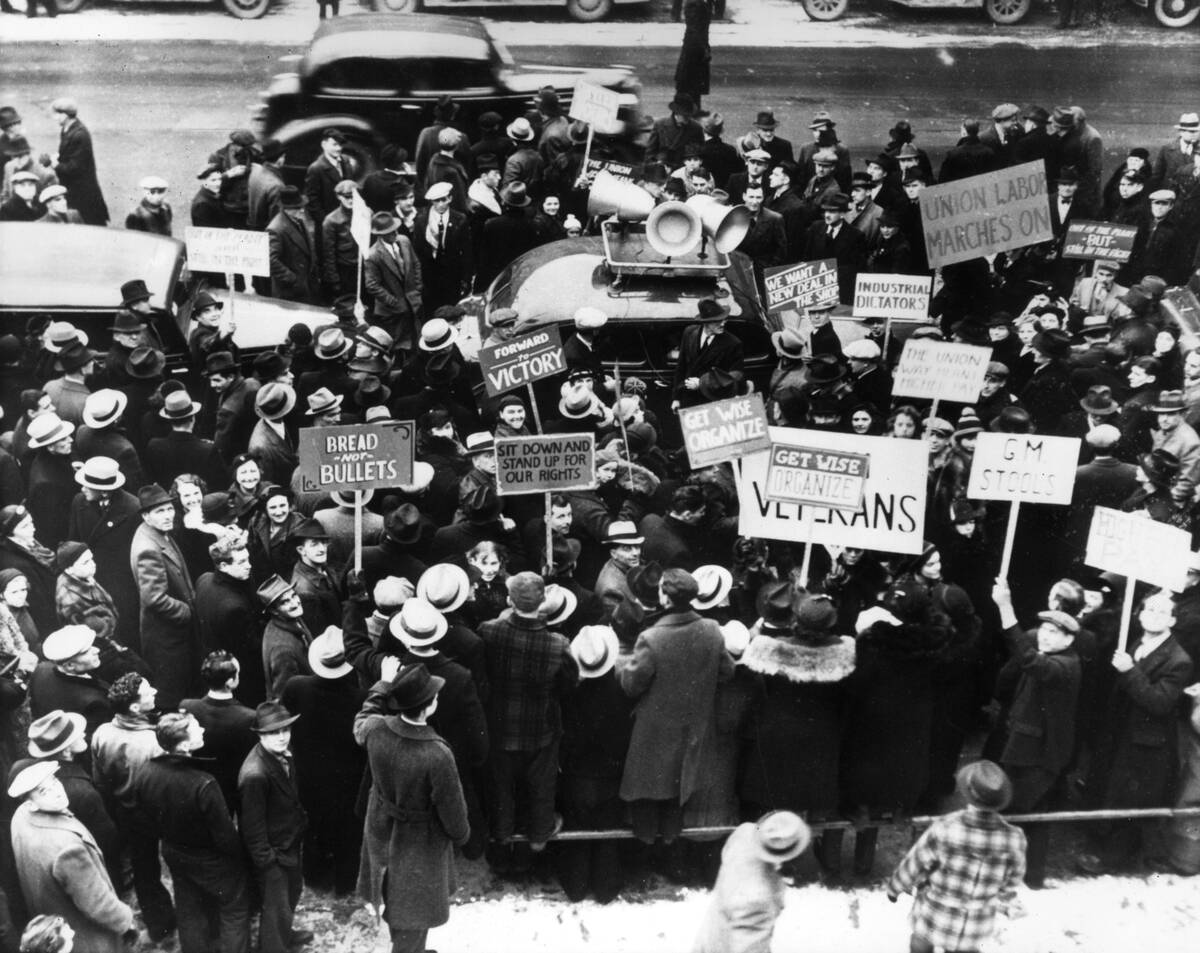
The Flint Sit-Down Strike of 1936-1937 was a groundbreaking event that led to the formation of the United Auto Workers (UAW). Workers at General Motors in Flint, Michigan, occupied the factory for 44 days, demanding recognition of their union and better conditions.
This strike was notable for its non-violent approach and strategic planning. The success of the sit-down strike forced GM to recognize the UAW, setting a precedent for labor negotiations and union recognition in the auto industry.
The 1946 Bituminous Coal Strike

In 1946, the Bituminous Coal Strike saw over 400,000 miners walk out, demanding safer working conditions and better pay. Led by John L. Lewis of the United Mine Workers, the strike lasted for 59 days and significantly impacted coal production.
The miners’ determination paid off, as they secured a contract that included health and safety improvements and wage increases. This strike emphasized the critical role of coal miners in the economy and the necessity of addressing their grievances.
The 1997 UPS Strike
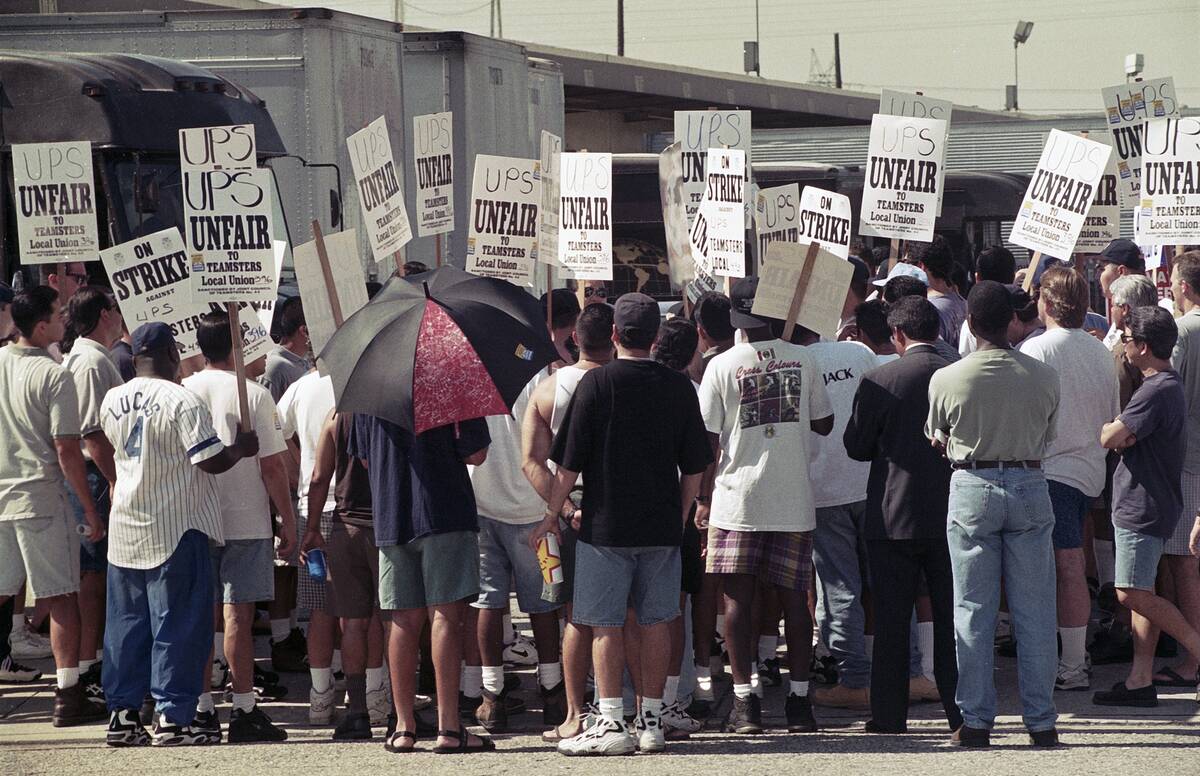
The 1997 UPS Strike was a major labor action involving 185,000 Teamsters, who demanded job security and full-time positions. Lasting 15 days, the strike disrupted package deliveries nationwide and drew significant public support.
The workers’ demands were largely met, resulting in the creation of thousands of full-time jobs and improved wages. This strike demonstrated the power of public support and media attention in achieving labor goals, as well as the importance of job security in an evolving economy.
The 1952 Steel Strike

The 1952 Steel Strike was a significant labor dispute involving 650,000 steelworkers seeking wage increases to match inflation. Lasting 53 days, the strike led to President Truman seizing the steel mills to keep production going, a move later deemed unconstitutional by the Supreme Court.
Eventually, the workers secured a wage increase and other benefits. This strike highlighted the ongoing struggle between labor demands and government intervention, showcasing the complexities of labor relations in the post-war era.
The 1962 New York City Newspaper Strike

The 1962 New York City Newspaper Strike lasted 114 days, causing a significant media blackout in one of the world’s largest cities. The strike involved over 17,000 workers from various newspaper unions, demanding better wages and working conditions.
The prolonged strike forced newspapers to shut down, disrupting the flow of information and highlighting the critical role of media workers. Although the strike resulted in wage increases, it also accelerated the decline of the newspaper industry as advertisers sought alternative platforms.
The 1970 U.S. Postal Strike
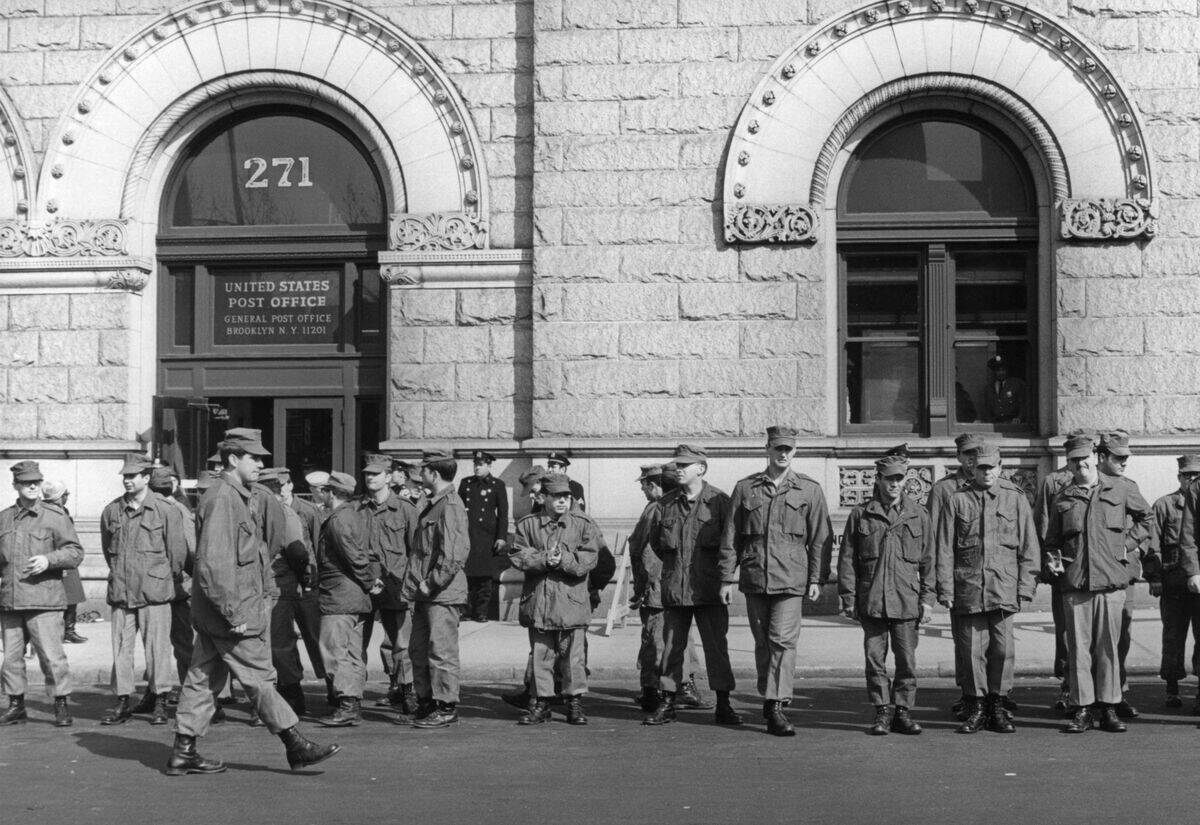
In 1970, the U.S. Postal Strike became the first nationwide strike of federal employees, involving over 200,000 postal workers. Frustrated by low wages and poor working conditions, the workers walked out, disrupting mail service across the country.
The strike led to the passage of the Postal Reorganization Act, transforming the Post Office Department into the United States Postal Service, an independent agency. This strike underscored the power of collective action and the need for reform in federal employment practices.
The 1980 Polish Solidarity Strike
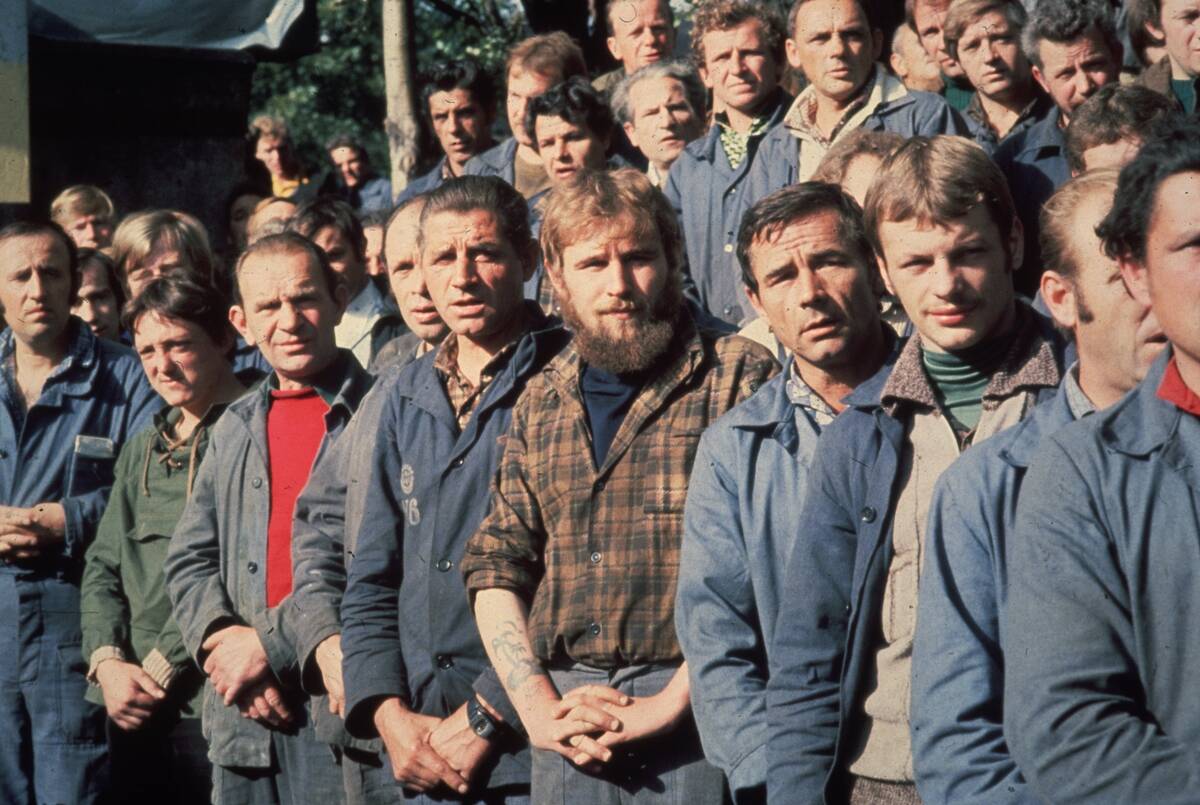
The 1980 Solidarity Strike in Poland was a landmark event that transcended labor issues, becoming a catalyst for political change. Led by Lech Wałęsa, the strike began at the Gdańsk Shipyard and quickly spread, involving over 700,000 workers.
The movement demanded not only better working conditions but also greater political freedoms. The strike led to the formation of the Solidarity trade union, which played a crucial role in the eventual fall of communism in Poland, showcasing the power of organized labor in effecting societal change.
The 1981 PATCO Strike

The 1981 PATCO Strike was a defining moment in U.S. labor history, as over 13,000 air traffic controllers walked out, demanding better pay, working conditions, and a 32-hour workweek. President Reagan responded by firing the striking workers, a move that had long-lasting implications for labor relations and union power in the United States.
The strike highlighted the challenges faced by public sector unions and the government’s willingness to take a hard stance against labor demands, reshaping the landscape of labor negotiations.