Fascinating things you never knew about the world of insect migration

Insect migration is one of nature’s most fascinating phenomena. These tiny travelers embark on epic journeys across continents, driven by ancient instincts. From butterflies to bumblebees, insects play a crucial role in ecosystems worldwide.
While not every insect migrates, those that do exhibit remarkable endurance and navigational skills. Their travel patterns can span thousands of miles, showcasing the intricate balance of nature’s cycles. Understanding these journeys helps us appreciate the complexities of our natural world.
The Wonders of Monarch Butterflies: A 3,000-Mile Journey
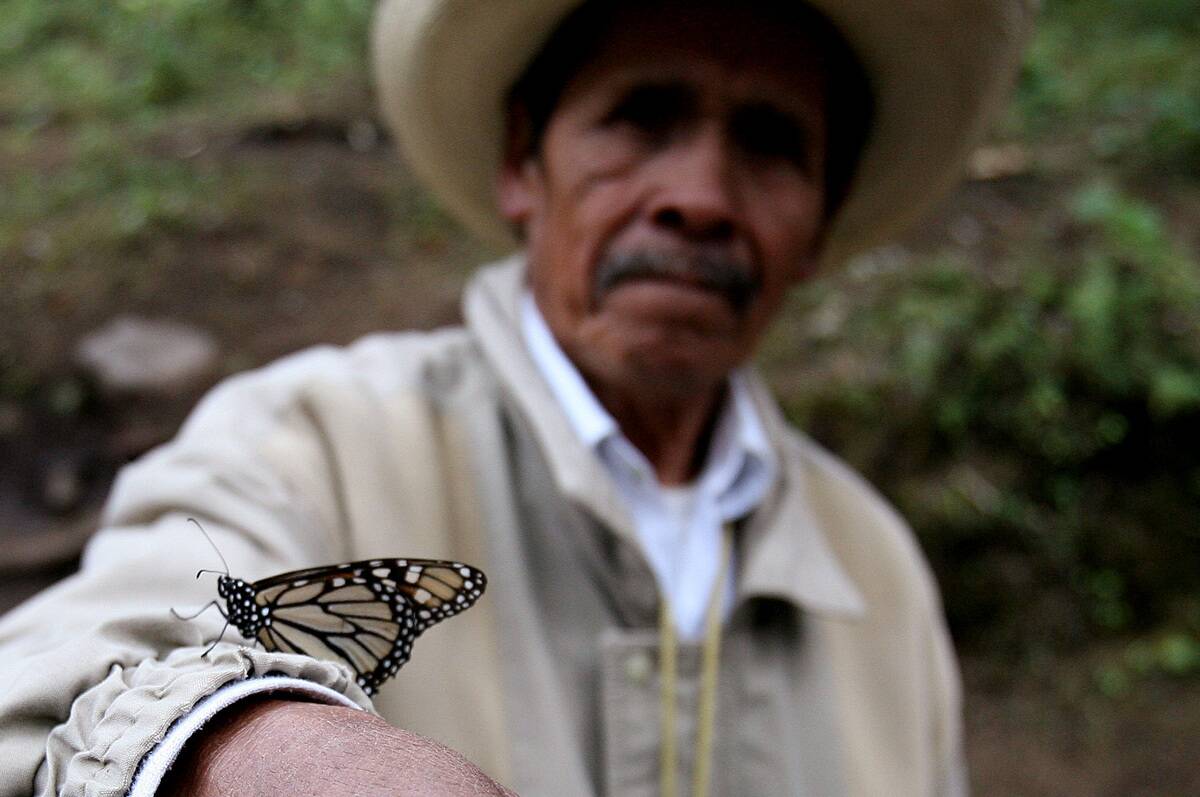
Monarch butterflies are renowned for their incredible 3,000-mile migration. Traveling from North America to central Mexico, these delicate creatures follow a path that spans multiple generations.
Each year, millions of monarchs make this trek, guided by internal compasses and environmental cues. Their journey is so iconic that it has become a symbol of endurance and transformation. Conservation efforts are crucial, as habitat loss threatens their migration route, making every flutter of their wings a testament to nature’s resilience.
Dragonflies: The Sky’s Miniature Globetrotters
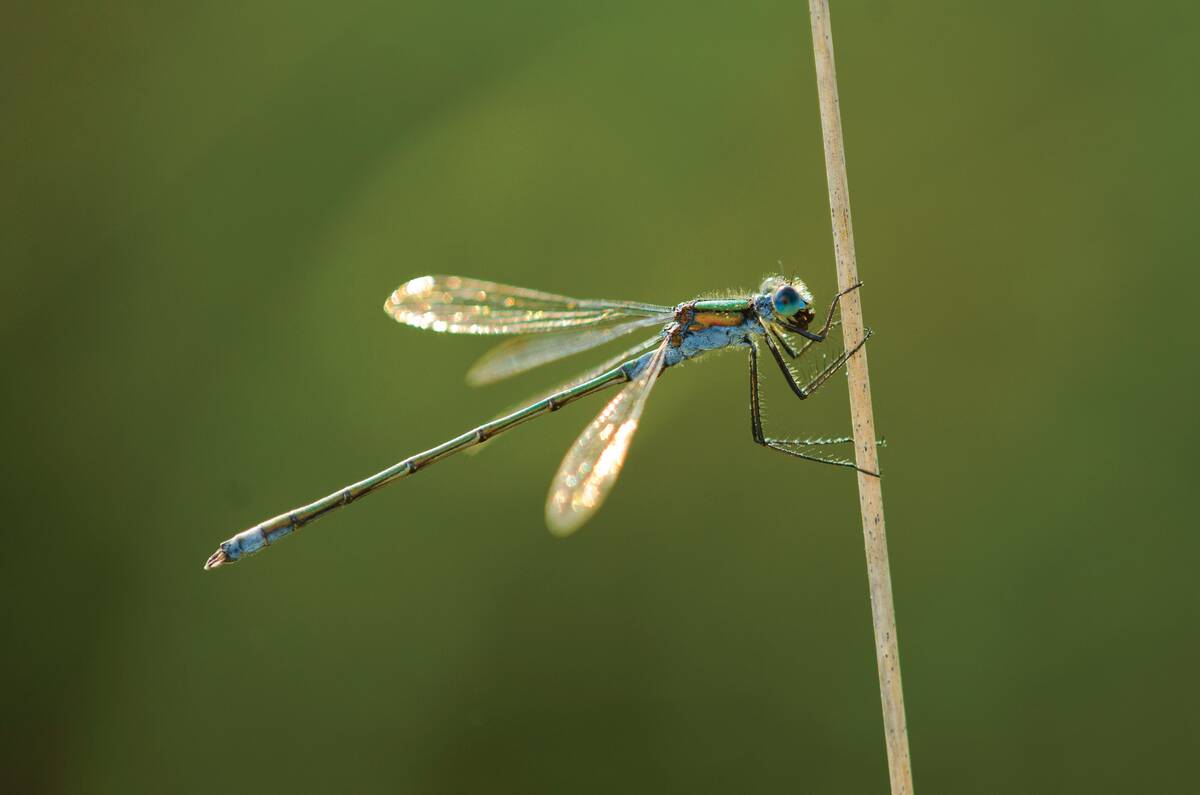
Dragonflies are not just skilled fliers; they are also remarkable migrators. Some species, like the globe skimmer, can travel over 11,000 miles across oceans and continents. They follow monsoon patterns, which help them find abundant resources along their route.
These agile insects have been found to cross the Indian Ocean, making them one of the farthest-traveling insects. Their impressive journeys are a testament to their adaptability and the sophisticated navigation systems they possess, even with their tiny brains.
Bumblebee Migrations: Short but Sweet Travels
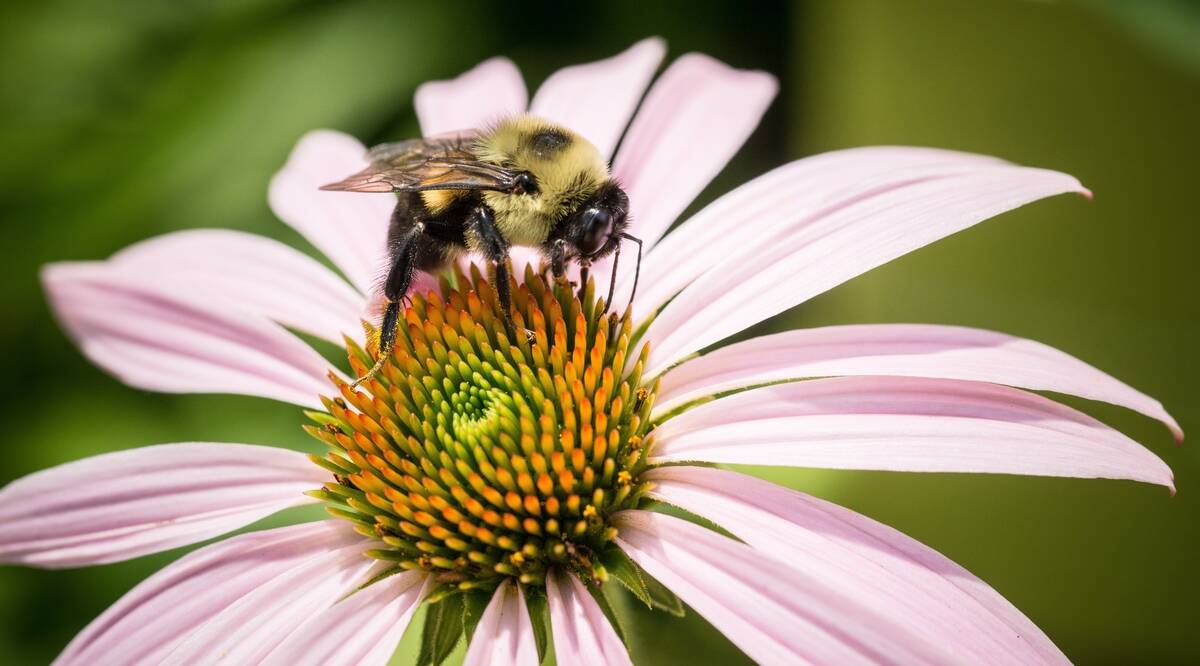
Bumblebee migrations might not cover long distances like butterflies or dragonflies, but they are no less important. Some species, such as the buff-tailed bumblebee, migrate seasonally to find new foraging grounds.
These short migrations are driven by the need for food and suitable nesting sites. Bumblebees play a vital role in pollination, and their movement helps maintain plant diversity. Understanding their migration patterns can aid in conservation efforts and ensure the health of ecosystems.
The Great Locust Swarms

Locust swarms are a spectacle of nature, with millions of insects moving as one. These swarms can travel over 90 miles a day in search of food. Locusts are notorious for their sudden population explosions and devastating impacts on agriculture.
Their migrations are triggered by changes in weather patterns, particularly after periods of drought. Despite their destructive potential, locusts play a role in nutrient cycling and serve as a reminder of the delicate balance in ecosystems.
Moths on the Move

Moths are mostly nocturnal creatures, and many species undertake significant migrations. The silver Y moth, for example, travels from North Africa to Europe and back. They use the moon and stars to navigate, covering hundreds of miles each season.
Moth migrations are crucial for pollination, as they often visit flowers that open at night. Their journeys highlight the importance of nighttime ecosystems and the need to protect these often-overlooked travelers from habitat destruction.
Painted Ladies: The Long-Distance Flyers

Painted lady butterflies are known for their extensive migratory routes. Found on every continent except Antarctica, they travel thousands of miles from Europe to Africa and back. These butterflies rely on favorable winds to aid their journey, covering up to 100 miles a day.
Their migrations are not just long but also incredibly complex, involving multiple generations. This annual movement is one of the longest butterfly migrations and reflects the dynamic nature of insect travel patterns.
The Role of Instinct in Insect Migration

Instinct plays a pivotal role in insect migration, guiding them on their epic journeys. Many insects inherit migratory routes from previous generations, relying on genetic memory. This innate behavior ensures that they find food sources and suitable climates.
While environmental cues also influence migration, instinct remains a driving force. Understanding this balance of instinct and environmental factors helps scientists predict migratory patterns and develop conservation strategies to support these vital travelers.
How Do Insects Know Where to Go?

Insects navigate their migratory paths using a combination of environmental cues and internal mechanisms. They rely on the sun’s position, polarized light patterns, and the Earth’s magnetic fields. Some, like monarch butterflies, use a time-compensated sun compass to maintain direction over long distances.
Additionally, olfactory cues and learned routes play a role. This sophisticated navigation system, embedded in their tiny brains, allows insects to undertake journeys that are astonishing in both scale and precision.
The Impact of Weather on Insect Journeys

Weather significantly influences insect migration, affecting both timing and routes. Wind patterns can either aid or hinder their progress, with many insects waiting for favorable conditions to begin their journey. Rain and temperature changes also impact migration, as insects often rely on specific climate conditions.
Extreme weather events, possibly exacerbated by climate change, present challenges for migrating insects. Understanding these impacts helps in predicting migration patterns and developing strategies to mitigate adverse effects.
The Role of Magnetic Fields in Migration Guidance

Many insects, like monarch butterflies and honeybees, are believed to use the Earth’s magnetic fields for navigation. This ability, known as magnetoreception, helps them maintain direction over long distances. The mechanism involves specialized cells in their bodies that detect magnetic fields, akin to an internal compass.
Although the exact process is still under study, it is clear that magnetic fields play a crucial role in guiding these tiny travelers. This fascinating adaptation underscores the complexity of insect migration.
The Importance of Stopover Sites for Migrating Insects
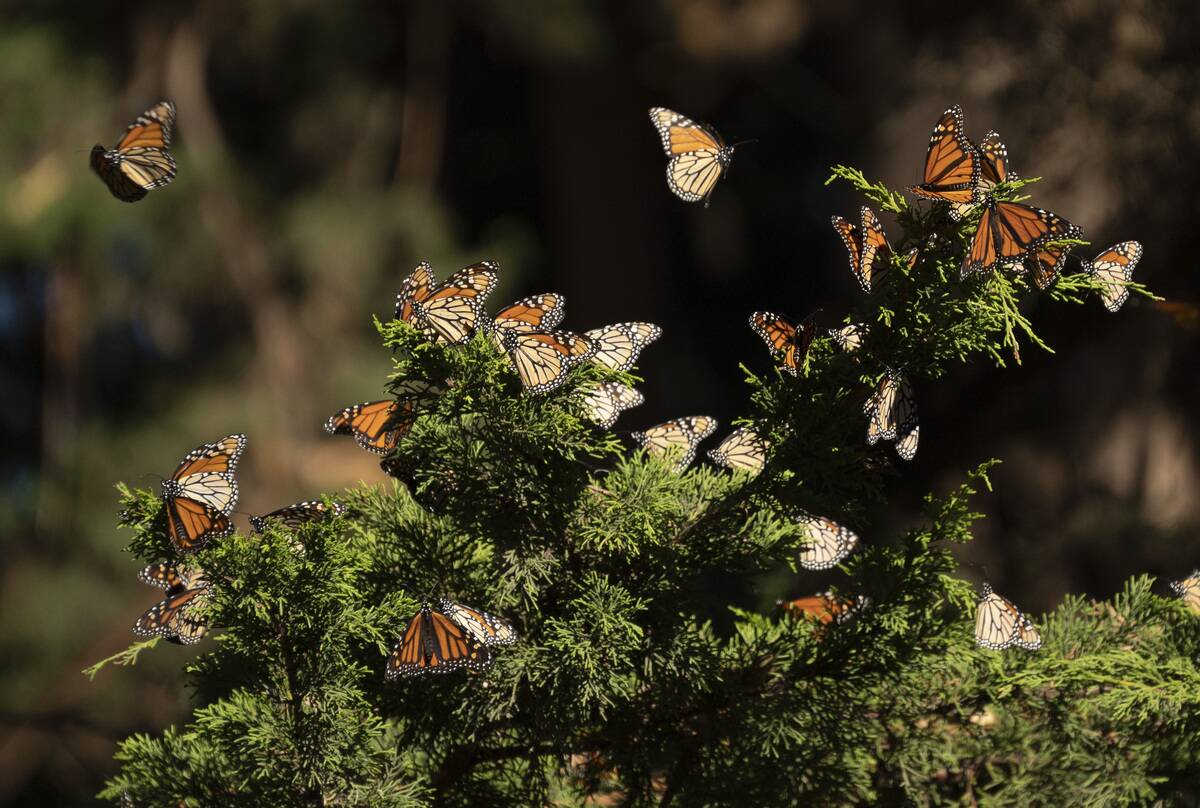
Stopover sites are essential for migrating insects, providing rest and resources along their journey. These sites offer food and shelter, allowing insects to refuel before continuing their travels. For species like monarch butterflies, stopover sites are critical for survival, as they depend on specific plants like milkweed.
The loss of these habitats due to agriculture and urban development poses a significant threat. Protecting and restoring stopover sites is crucial for supporting healthy insect populations and maintaining biodiversity.
The Science Behind Insect Navigation: Tiny Brains, Big Journeys

Insects may have tiny brains, but their navigational abilities are nothing short of extraordinary. They use a combination of genetic programming and environmental cues to find their way. Studies have shown that insects like bees and butterflies can learn and remember complex routes.
Their brains, though small, are highly efficient in processing sensory information. This remarkable adaptability allows them to undertake migrations that are both precise and vast, highlighting the intricate wonders of insect life.
Human Impact on Insect Migration Patterns

Human activities have a profound impact on insect migration. Urbanization, agriculture, and pollution disrupt migratory routes and reduce available habitats. Light pollution affects nocturnal insects like moths, interfering with their navigation.
Pesticides also pose a threat, reducing insect populations and altering ecosystem dynamics. Conservation efforts are essential to mitigate these impacts, ensuring that migratory insects can continue their vital roles in pollination and ecosystem balance. Understanding our influence is key to fostering a more sustainable coexistence.
Fun Facts About Insect Migration You Didn’t Know

The painted lady butterfly’s journey can involve up to six generations before completing a round trip. The globe skimmer dragonfly holds the record for the longest insect migration, covering over 11,000 miles.
These fascinating facts showcase the incredible capabilities of migrating insects, whose journeys continue to inspire awe and curiosity in both scientists and nature enthusiasts alike.
Insect Migration and Climate Change

Climate change is altering the landscapes that insects depend on for migration. Changing temperatures and shifting weather patterns affect the availability of food and breeding sites. For some species, this means adjusting their migratory routes, while others face the threat of extinction.
As habitats transform, insects may also encounter new predators and competition. Understanding these changes is vital for developing conservation strategies that support resilient ecosystems and ensure the survival of migratory species.
How Scientists Track Insect Migrations: Tiny Tags and Big Data

Tracking insect migration is a complex task, but scientists have developed innovative methods. Tiny tags, like RFID chips, are attached to insects to monitor their movements. Combined with satellite data and computer models, researchers can analyze migration patterns on a large scale.
Citizen science projects also contribute valuable data, with enthusiasts reporting sightings to help track movements. These technologies and collaborations are crucial for understanding insect migration and developing strategies to protect these essential travelers.
Why Insect Migration Matters: Ecosystem Impacts

Insect migration plays a vital role in maintaining ecosystem health. Migrating insects, like bees and butterflies, are key pollinators, supporting plant reproduction and food production. Their movements also help control pest populations, contributing to natural pest management.
Insects serve as food for many animals, forming an integral part of the food web. Protecting migratory insects ensures the balance and resilience of ecosystems, highlighting the interconnectedness of species and the importance of biodiversity conservation.
How You Can Help Support Migrating Insects

Supporting migrating insects starts with creating insect-friendly environments. Planting native flowers and shrubs provides essential resources for pollinators. Reducing pesticide use and supporting organic farming practices help maintain healthy insect populations.
Participating in citizen science projects and spreading awareness about the importance of insect migration can also make a difference. By taking these steps, you contribute to the conservation of vital insect species and the ecosystems that depend on them, ensuring a thriving natural world for future generations.