What makes Moroccan cuisine unique

Trending Now
Moroccan cuisine is a vibrant tapestry of flavors and aromas, reflecting the country’s rich cultural heritage. Known for its bold use of spices and fresh ingredients, Moroccan food offers a sensory journey like no other.
From the bustling markets of Marrakech to the coastal towns of Essaouira, each region brings its own twist to traditional dishes. Whether you’re a seasoned foodie or a curious traveler, Moroccan cuisine promises an unforgettable culinary adventure.
A Melting Pot of Cultures: The Historical Influences on Moroccan Food
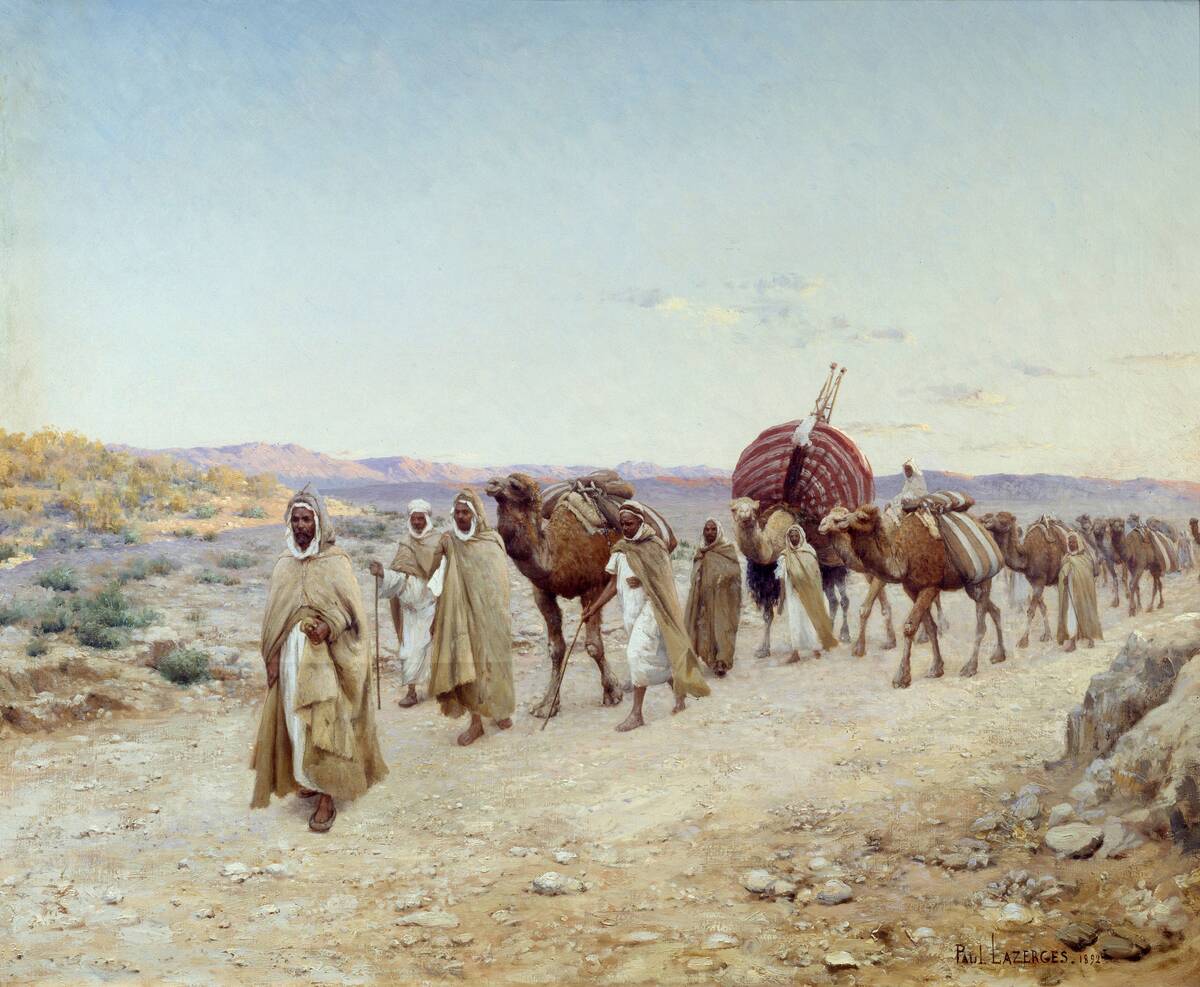
Moroccan cuisine is a delicious amalgamation of Berber, Arab, Andalusian, and French influences. The Berbers, the indigenous people of North Africa, laid the foundation with staple ingredients like grains and olives.
Arab invaders introduced exotic spices such as saffron and cinnamon, while the Moors from Andalusia brought sweet and savory combinations. French colonization in the 20th century added a touch of European flair, resulting in the diverse and flavorful dishes we enjoy today.
The Art of Spices: A Symphony of Flavors
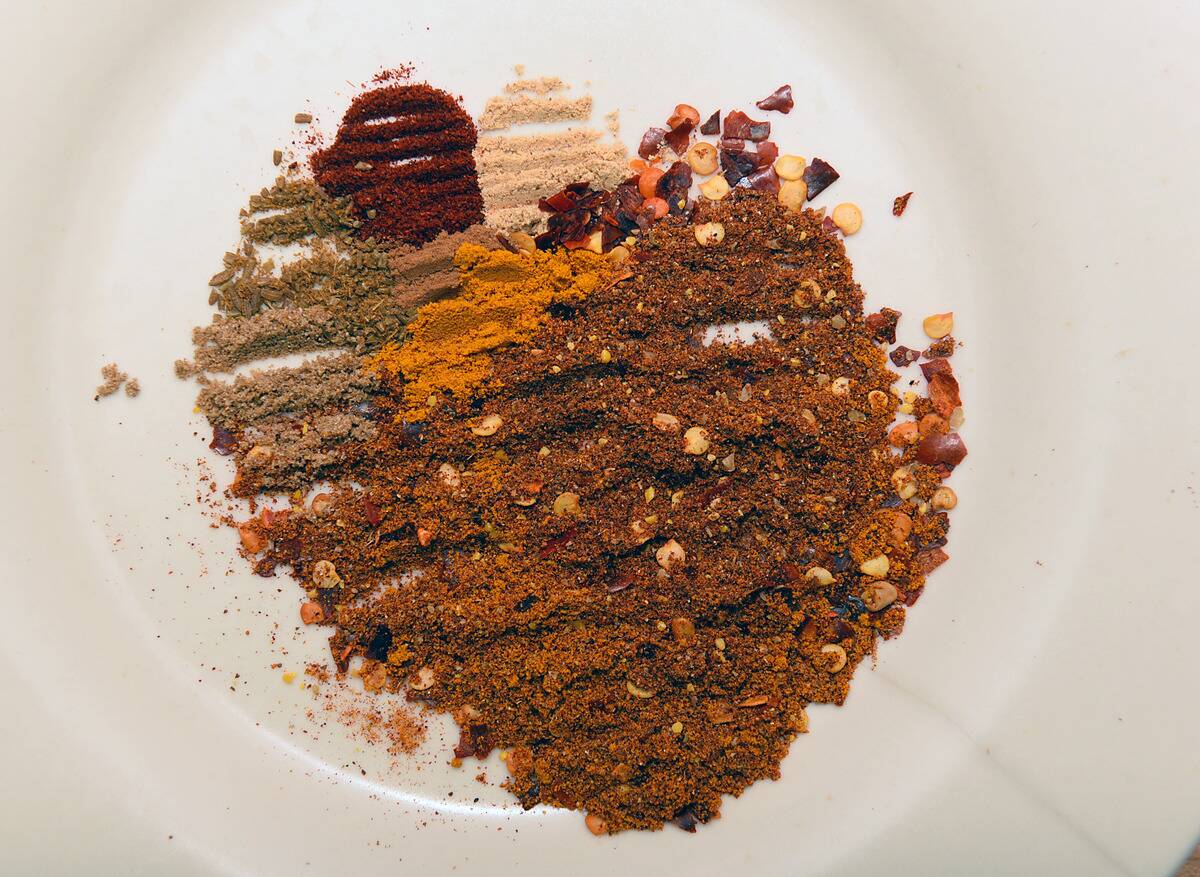
Spices are the heart and soul of Moroccan cooking, transforming simple ingredients into complex, aromatic dishes. Ras el hanout, a blend of over 30 spices, is a staple in many recipes, offering a warm, earthy flavor profile.
Cumin and coriander are frequently used to add depth, while paprika and turmeric provide vibrant color. The careful balance of these spices creates a harmonious symphony of flavors that is both bold and nuanced.
Couscous: The Quintessential Moroccan Staple

Couscous is a beloved staple in Moroccan cuisine, often served as the centerpiece of family gatherings. Made from semolina wheat, these tiny granules are steamed to fluffy perfection and typically paired with vegetables, meats, and a rich broth.
Traditionally, couscous is prepared on Fridays, the holy day in Islam, symbolizing abundance and hospitality. Its versatility and comforting texture make it a favorite among locals and visitors alike.
Tagine: The Iconic Slow-Cooked Delight

Named after the earthenware pot in which it is cooked, tagine is a quintessential Moroccan dish known for its tender, slow-cooked meats and aromatic sauces. The conical lid of the tagine pot allows steam to circulate, infusing the ingredients with rich flavors.
Common combinations include lamb with apricots, chicken with preserved lemons and olives, and beef with prunes. Each bite offers a delightful blend of savory and sweet, making tagine a true culinary masterpiece.
Harira: The Hearty Soup with a Story
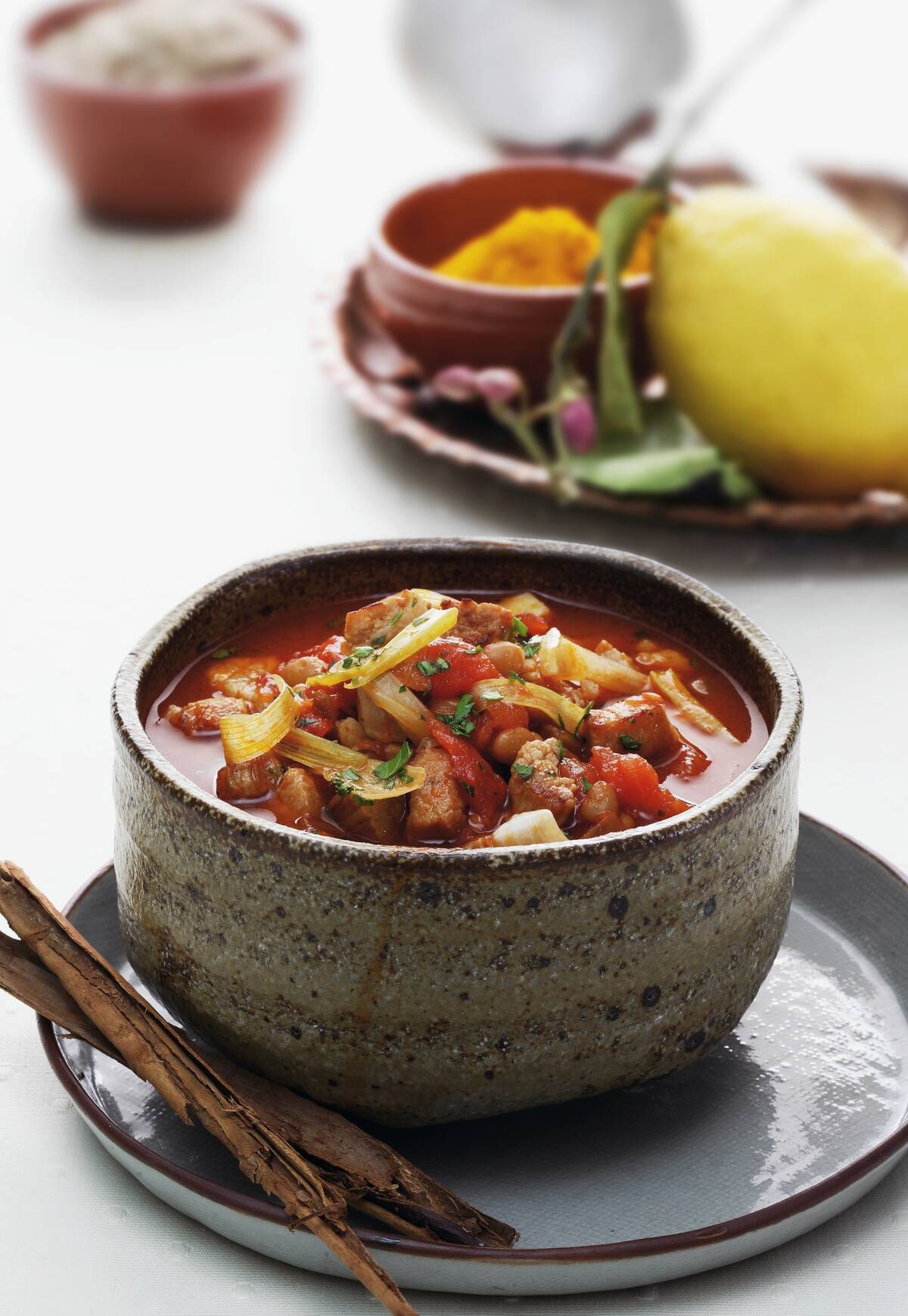
Harira is a traditional Moroccan soup that holds a special place in the hearts of many, especially during Ramadan. Made with tomatoes, lentils, chickpeas, and a medley of spices, harira is both nourishing and satisfying.
It is often served to break the fast at sunset, accompanied by dates and pastries. The soup’s rich, velvety texture and comforting flavors make it a beloved dish, enjoyed by families across Morocco year-round.
The Sweet Side: Moroccan Pastries and Desserts
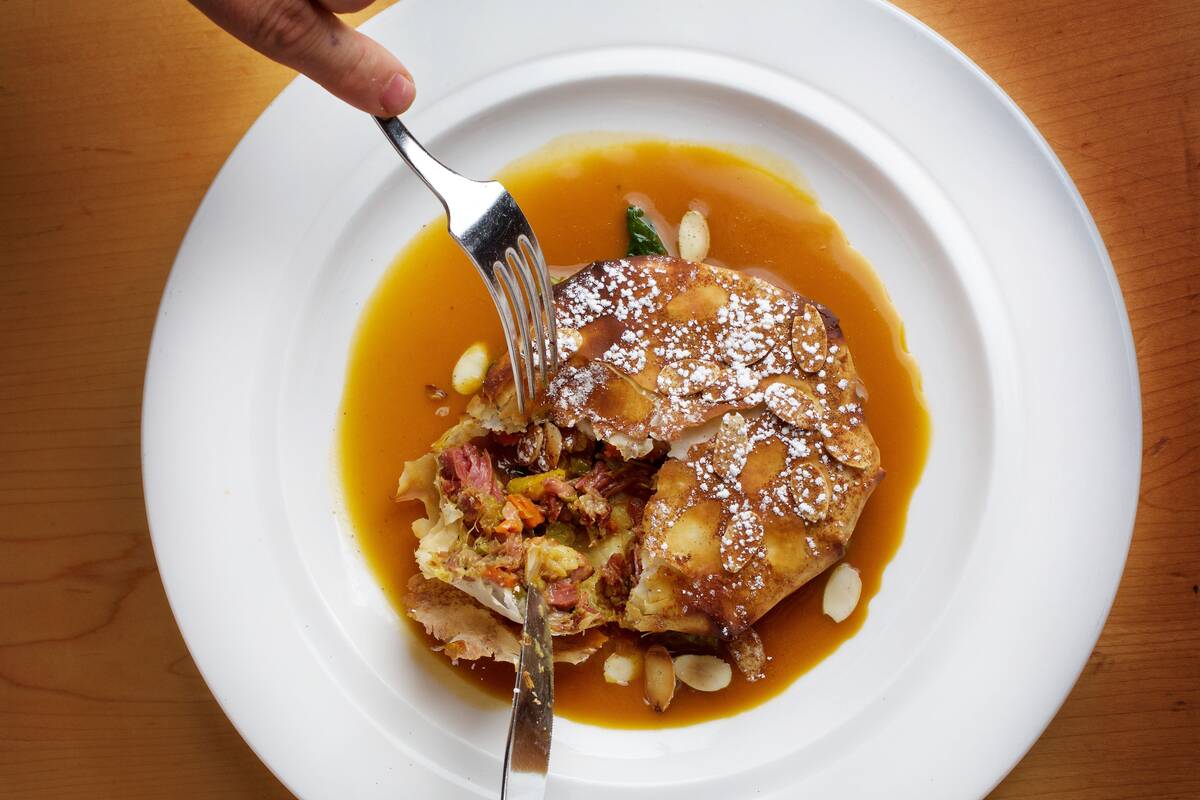
Moroccan desserts are a delightful indulgence, offering a sweet conclusion to any meal. Almonds, honey, and orange blossom water are common ingredients, lending a fragrant sweetness to pastries like kaab el ghazal and chebakia.
Pastilla, a unique pastry filled with spiced meat and dusted with powdered sugar, showcases the Moroccan love for sweet and savory pairings. These treats are often enjoyed with a cup of mint tea, creating a perfect balance of flavors.
Mint Tea: The Ritual of Moroccan Hospitality

Mint tea, or “atay,” is more than just a beverage in Morocco; it’s a symbol of hospitality and friendship. Made with green tea, fresh mint leaves, and sugar, this refreshing drink is served throughout the day.
The preparation of mint tea is an art form, with hosts pouring the tea from a height to create a frothy top. Sharing a pot of mint tea is a cherished tradition, inviting conversation and connection among friends and family.
Street Food Adventures: Exploring Morocco’s Vibrant Markets

Moroccan street food offers a tantalizing array of flavors and textures, best experienced in the lively markets, or “souks,” across the country. From savory kebabs and spicy merguez sausages to sweet pastries and fresh juices, there’s something to satisfy every craving.
One must-try is the “b’stilla,” a flaky pastry filled with pigeon meat, almonds, and spices. Exploring these bustling markets is a feast for the senses, offering a glimpse into the vibrant culinary culture of Morocco.
The Role of Bread: A Moroccan Meal Essential

Bread, or “khobz,” is a staple of Moroccan meals, often used as a utensil to scoop up food. Baked fresh daily, Moroccan bread is typically round and crusty, with a soft interior.
It accompanies nearly every dish, from stews to salads, and is essential for soaking up flavorful sauces. In Moroccan culture, bread is considered a gift from God, and it is treated with great respect, never to be wasted or thrown away.
Preserved Lemons: A Tangy Twist

Preserved lemons are a unique ingredient in Moroccan cuisine, adding a distinctive tangy flavor to many dishes. Made by fermenting lemons in salt and their own juices, they develop a soft texture and intense citrusy aroma.
Preserved lemons are commonly used in tagines and salads, where their bright, zesty notes enhance the overall flavor profile. This simple yet transformative ingredient is a testament to the ingenuity of Moroccan cooking.
The Influence of Berber Cuisine: A Taste of Tradition

Berber cuisine forms the backbone of Moroccan culinary traditions, emphasizing simplicity and the use of local ingredients. Dishes like “tajine” and “couscous” have Berber roots, showcasing the community’s resourcefulness and connection to the land.
Berber cooking often features hearty stews, flatbreads, and grilled meats, seasoned with aromatic herbs and spices. This rustic, flavorful cuisine reflects the enduring legacy of the Berber people and their contributions to Moroccan culture.
Aromatic Herbs: The Secret Ingredient

Aromatic herbs play a crucial role in Moroccan cuisine, adding depth and freshness to a variety of dishes. Parsley and cilantro are frequently used to garnish salads and stews, while mint is a key ingredient in both savory and sweet recipes.
These herbs not only enhance flavor but also provide a burst of color and fragrance. Their presence in Moroccan cooking highlights the importance of fresh, vibrant ingredients in creating memorable meals.
The Importance of Communal Dining: Sharing Meals and Stories

In Morocco, dining is a communal experience, with meals often shared from a single large platter. This tradition fosters a sense of togetherness and community, as family and friends gather to enjoy food and conversation.
Eating with one’s hands is customary, symbolizing a connection to the food and those around you. This practice of communal dining reflects the Moroccan values of hospitality, generosity, and the joy of sharing life’s simple pleasures.