Animals with abilities that seem like superpowers

Trending Now
Welcome to the wild world of extraordinary animals! Nature is full of creatures with incredible abilities that seem to defy logic. From the depths of the ocean to the skies above, these animals showcase nature’s creativity and adaptability.
Each one has evolved unique traits that not only help them survive but also fascinate us with their remarkable skills. Let’s dive into the fascinating lives of these extraordinary beings and discover what makes them so special.
The Electric Eel: Nature’s Living Battery

The electric eel is a shocking wonder of nature, literally! Found in the waters of the Amazon and Orinoco basins, this creature can generate electricity up to 860 volts, enough to knock a horse off its feet.
This ability helps it navigate, communicate, and stun prey. Despite its name, the electric eel is actually a type of knifefish, not a true eel. Its electric organs, which make up about 80% of its body, are a marvel of biological engineering.
The Mantis Shrimp: The Underwater Boxer
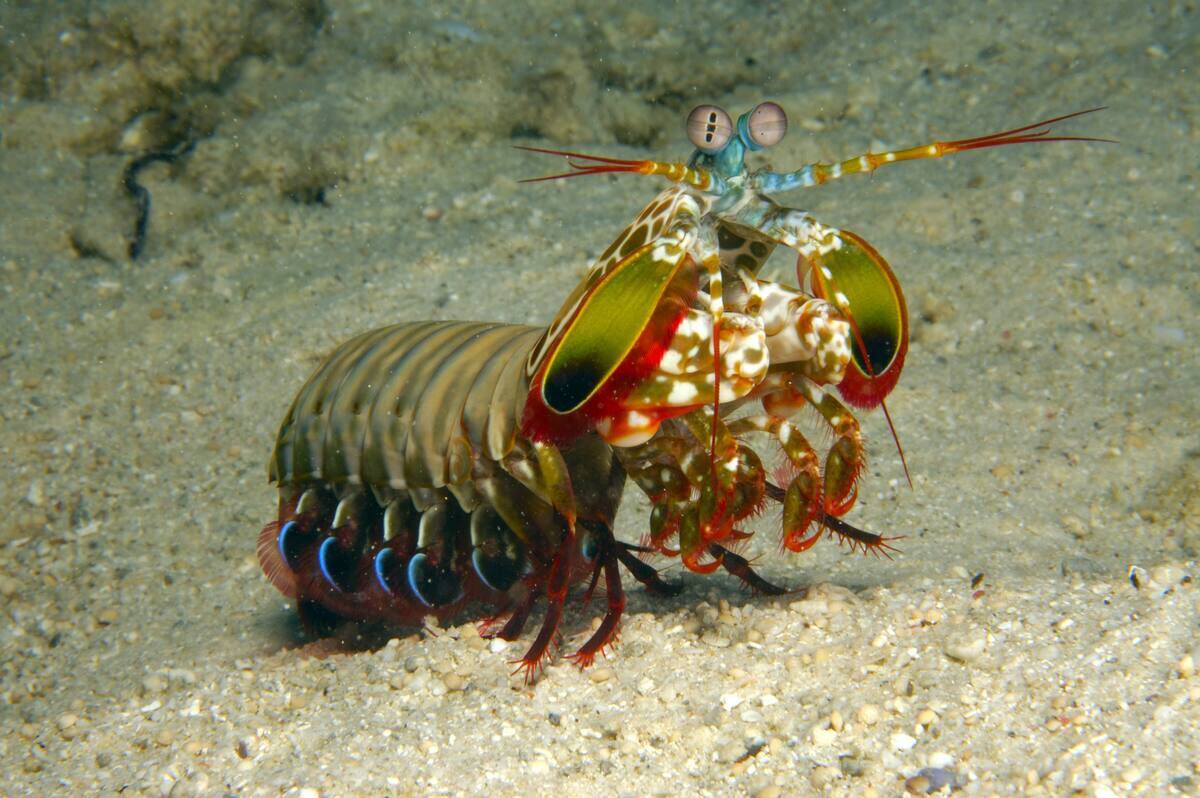
With a punch that rivals a bullet, the mantis shrimp is an undersea powerhouse. This colorful crustacean can strike with the speed of a .22 caliber bullet, thanks to its spring-loaded clubs. These punches are not only fast but also incredibly powerful, capable of breaking glass aquariums.
The mantis shrimp’s eyes are another marvel, possessing trinocular vision and the ability to see polarized light, giving it one of the most complex visual systems in the animal kingdom.
The Axolotl: The Regeneration Marvel
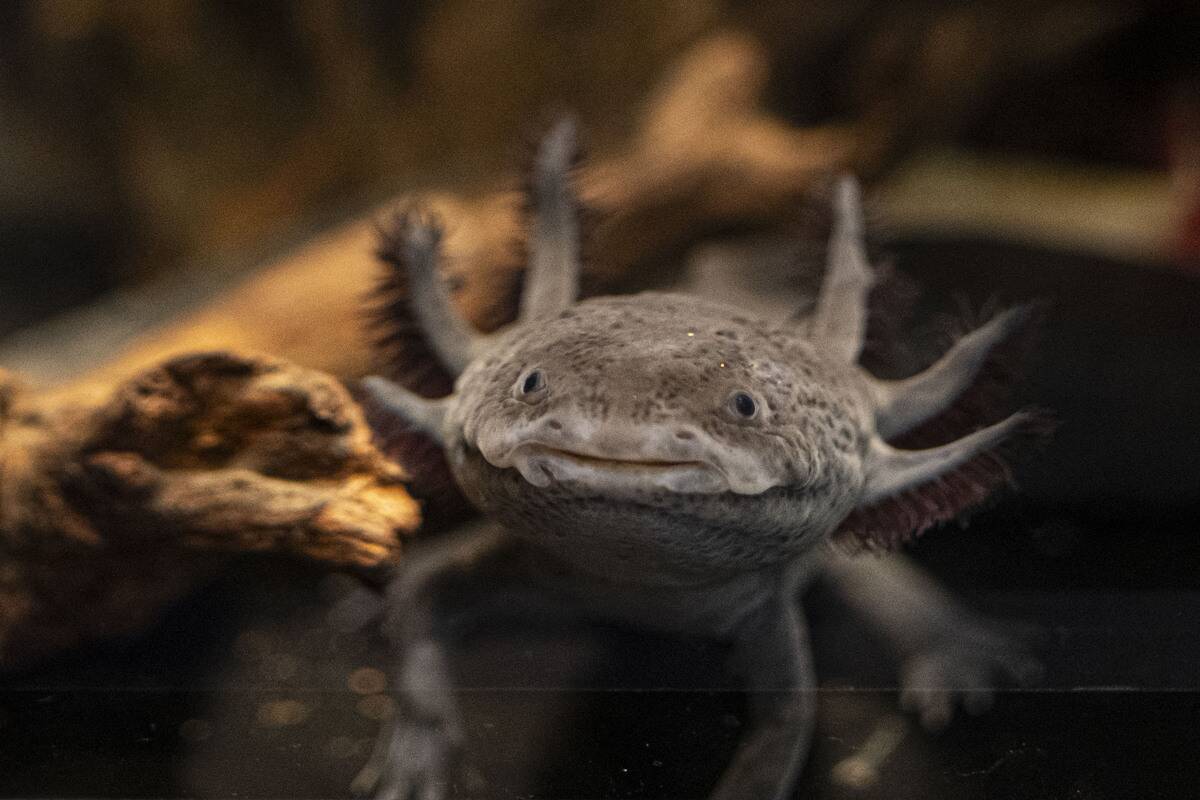
Meet the axolotl, a salamander with superhero-like regenerative abilities. Native to Mexico, this amphibian can regrow entire limbs, spinal cords, and even parts of its heart and brain without scarring.
Scientists are fascinated by the axolotl’s regenerative prowess, studying it for potential applications in human medicine. Unlike most salamanders, axolotls remain in their larval stage throughout their lives, a phenomenon known as neoteny, which contributes to their unique appearance and abilities.
The Peregrine Falcon: The Speed Demon of the Skies

The peregrine falcon is the fastest animal on the planet, reaching speeds over 240 mph during its hunting stoop (high-speed dive). This incredible speed allows it to swoop down on prey with precision and agility.
Found on every continent except Antarctica, peregrine falcons have adapted to a wide range of environments, from urban skyscrapers to remote cliffs. Their keen eyesight, which is eight times better than a human’s, helps them spot prey from great distances.
The Mimic Octopus: The Master of Disguise

In the world of deception, the mimic octopus reigns supreme. This clever cephalopod can impersonate over 15 different marine species, including lionfish, flatfish, and sea snakes, to avoid predators.
Found in the tropical waters of Southeast Asia, the mimic octopus changes its color, shape, and behavior to blend seamlessly into its surroundings. Its ability to mimic other dangerous creatures is a fascinating example of adaptive evolution, showcasing nature’s ingenuity at its finest.
The Tardigrade: The Indestructible Microscopic Wonder
Tardigrades, also known as water bears, are microscopic creatures with an incredible ability to survive extreme conditions. These tiny wonders can withstand temperatures from just above absolute zero to well over boiling, and they can survive the vacuum of space.
Tardigrades achieve this by entering a cryptobiotic state, where they essentially shut down their metabolism. This resilience makes them a subject of interest for scientists studying life’s potential on other planets.
The Platypus: The Venomous Mammal
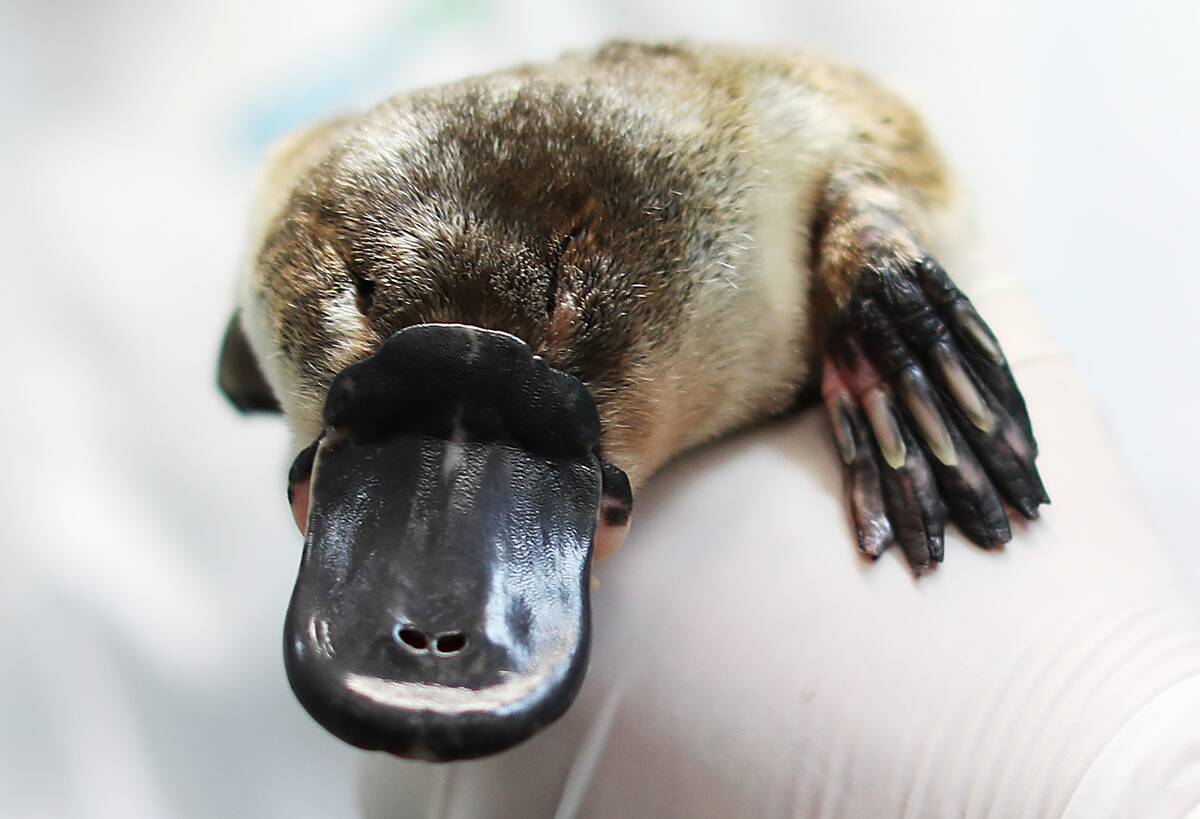
The platypus is a peculiar creature, combining traits of mammals, birds, and reptiles. Found in eastern Australia, this egg-laying mammal has a duck-like bill, webbed feet, and a beaver-like tail.
Male platypuses have venomous spurs on their hind legs, capable of delivering a painful sting to potential threats. Despite its odd appearance, the platypus is a highly efficient hunter, using electroreception to detect prey in murky waters, a skill shared with only a few other animals.
The Bombardier Beetle: The Chemical Cannon
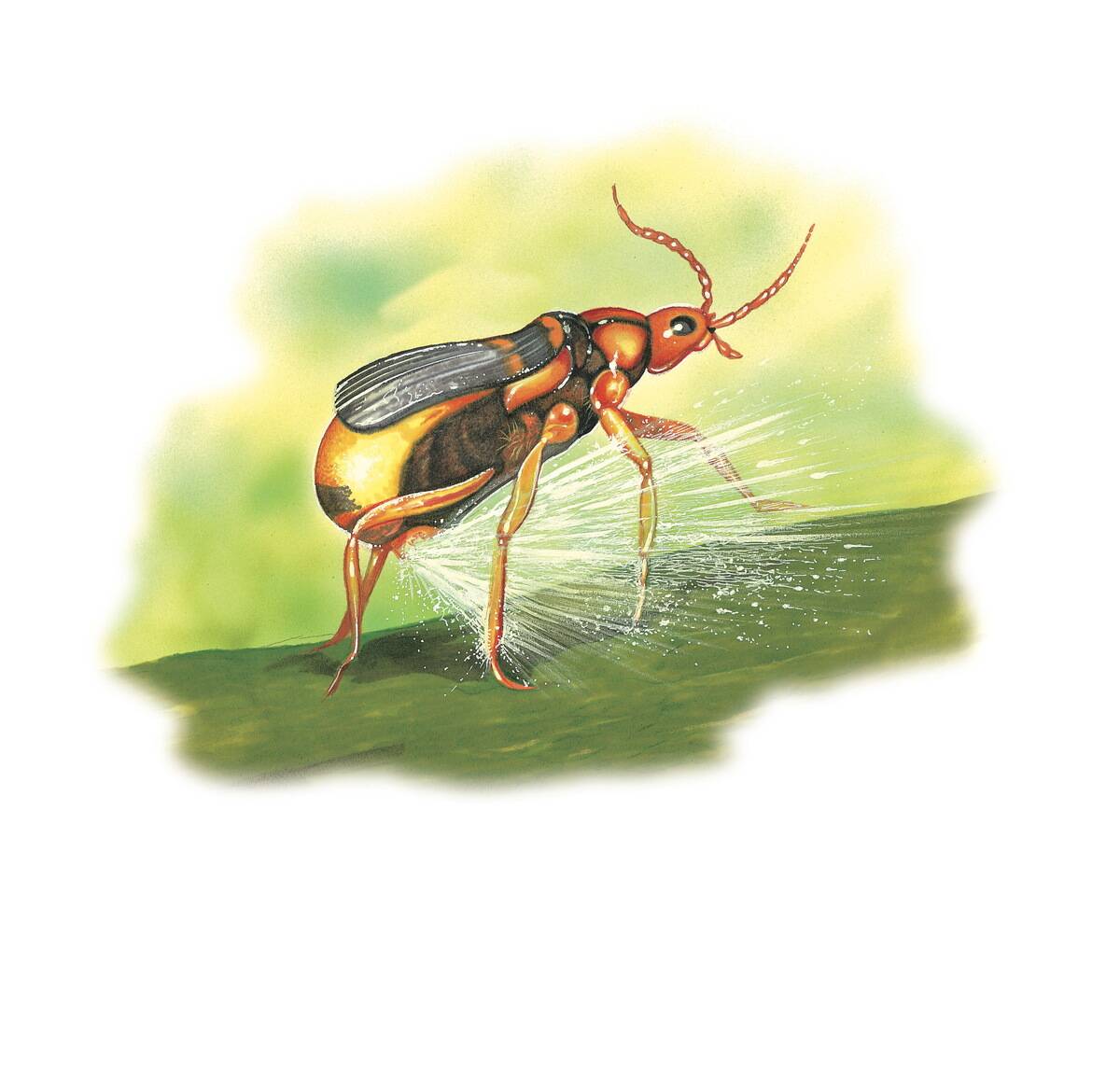
The bombardier beetle is a tiny insect with a big defense mechanism. When threatened, it ejects a boiling chemical spray from its abdomen, creating a loud popping sound. This explosive reaction is the result of a chemical reaction between hydrogen peroxide and hydroquinone, stored separately in its body until needed.
Found across the globe, bombardier beetles have fascinated scientists for decades, inspiring research into safe chemical propulsion systems and natural pest control methods.
The Pistol Shrimp: The Undersea Gunslinger

The pistol shrimp is a small marine crustacean with a mighty weapon. It snaps its claw shut so quickly that it creates a cavitation bubble, which collapses with a loud bang and generates temperatures nearly as hot as the sun’s surface.
This sonic blast can stun or kill prey, making the pistol shrimp a formidable hunter. Found in tropical and temperate waters, these shrimp often form symbiotic relationships with goby fish, sharing burrows and benefiting from each other’s strengths.
The Gecko: The Gravity-Defying Climber

Geckos are renowned for their ability to scale walls and even walk upside down on ceilings. This gravity-defying feat is made possible by millions of tiny hair-like structures called setae on their toe pads.
These setae exploit van der Waals forces, allowing geckos to adhere to surfaces without the use of liquids or surface tension. Found in warm climates around the world, geckos are a marvel of natural engineering, inspiring innovations in adhesive technology.
The Lyrebird: The Vocal Virtuoso
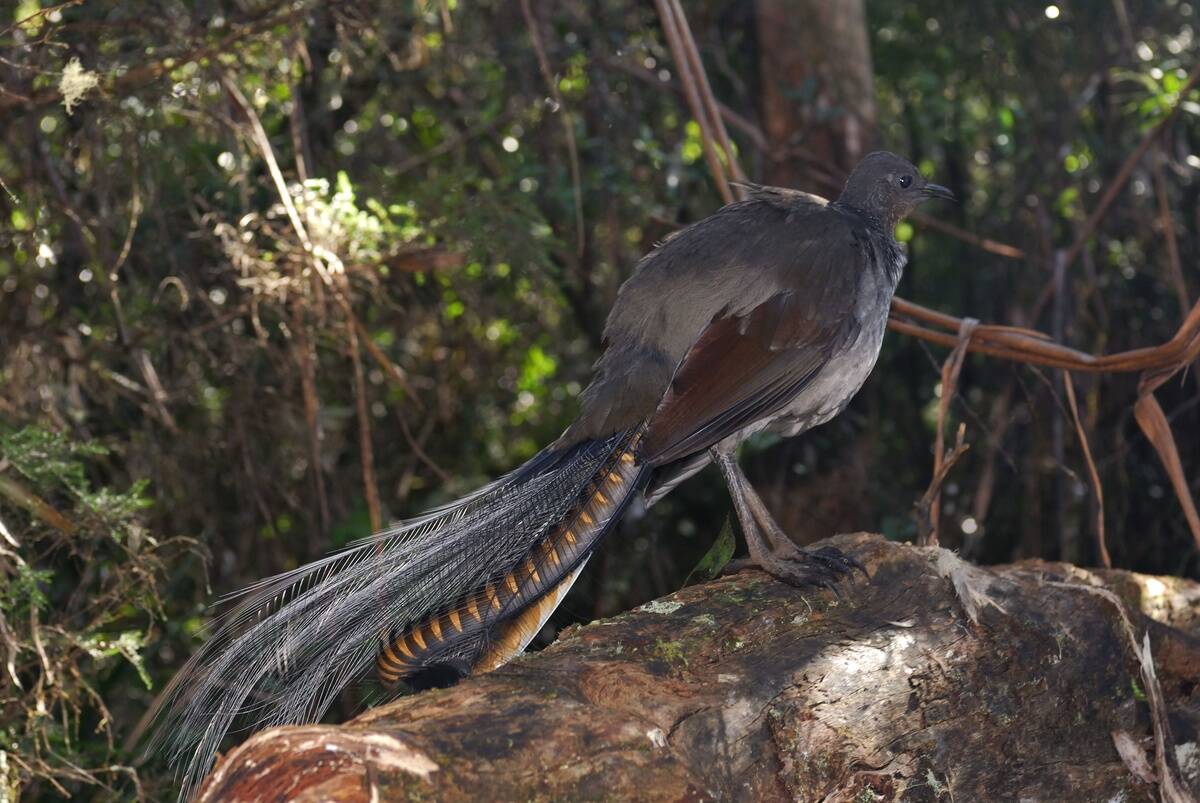
The lyrebird is an avian maestro, capable of mimicking nearly any sound it hears. Native to Australia, this bird can imitate chainsaws, camera shutters, and even car alarms with astonishing accuracy.
Male lyrebirds use their mimicry skills to attract mates, incorporating a variety of sounds into their elaborate courtship displays. With its striking tail feathers and remarkable vocal abilities, the lyrebird is a true testament to the wonders of avian adaptation and communication.
The Archerfish: The Sharpshooter of the Water

The archerfish is a remarkable marksman, capable of shooting jets of water to knock insects off branches into the water below. Found in the brackish waters of Southeast Asia and Australia, this fish uses its keen eyesight and precise aim to hunt with incredible accuracy.
Archerfish can adjust the force and angle of their water jets to compensate for refraction, a skill that requires both intelligence and practice. This unique hunting method sets the archerfish apart as a true aquatic sharpshooter.
The Chameleon: The Color-Changing Wizard

Chameleons are nature’s color-changing wizards, capable of shifting their skin hues to blend into their surroundings or communicate with others. Found primarily in Madagascar and Africa, chameleons change color through the expansion and contraction of special pigment cells called chromatophores.
This ability helps them regulate temperature, express emotions, and avoid predators. With their independently moving eyes and long, sticky tongues, chameleons are fascinating reptiles that continue to captivate scientists and animal lovers alike.
The Honey Badger: The Fearless Fighter

The honey badger is a fearless fighter, known for its tenacity and toughness. Native to Africa, Southwest Asia, and the Indian subcontinent, this small mammal is renowned for its ability to fend off predators much larger than itself, including lions and hyenas.
Honey badgers have thick skin and a ferocious temperament, making them difficult to subdue. Their diet is equally bold, as they consume venomous snakes and raid beehives for honey, earning their reputation as one of the most fearless animals in the wild.
The Immortal Jellyfish: The Timeless Traveler

The immortal jellyfish, Turritopsis dohrnii, has a unique ability that sets it apart from other creatures: it can reverse its aging process. Found in the Mediterranean Sea and off the coast of Japan, this jellyfish can revert to its juvenile form after reaching maturity, essentially starting its life cycle anew.
This remarkable process, known as transdifferentiation, allows the immortal jellyfish to potentially live indefinitely, making it a subject of great interest for researchers studying aging and longevity.