“Natural” products that aren’t always better

Trending Now
In recent years, the word “natural” has become a buzzword in the world of consumer goods. From skincare to cleaning supplies, products labeled as “natural” are flying off the shelves.
But what is it about these products that makes them so appealing? For many, it’s the promise of purity and safety. However, it’s important to dig deeper into what “natural” truly means and whether these products live up to their claims.
Understanding the Term “Natural”

The term “natural” is often used to suggest that a product is free from synthetic chemicals or artificial additives. However, the reality is that there is no standardized definition for “natural” in many industries.
This means that companies can use the term quite liberally, often leading to confusion among consumers. It’s crucial to understand that “natural” doesn’t always equate to organic or even safe.
The Marketing Magic Behind “Natural” Labels
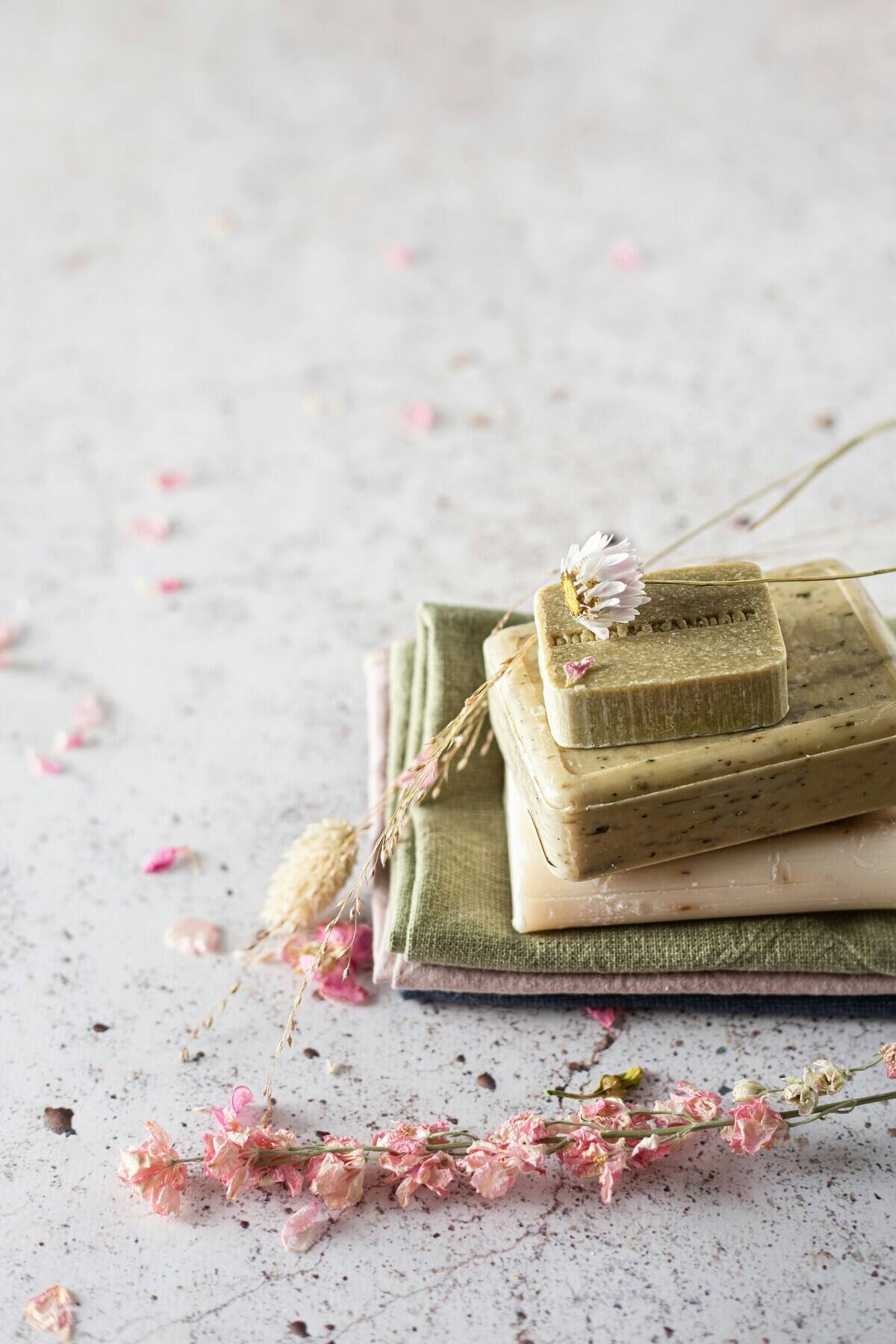
Marketers have tapped into the consumer desire for healthier, more environmentally friendly products by using “natural” labels. These labels can create a perception of quality and safety, even if the product contains only a small percentage of natural ingredients.
This marketing strategy has been incredibly effective, driving sales and influencing consumer behavior, despite the lack of regulation around the term.
The Myth of “Natural” Equals Safer

Many people assume that “natural” products are inherently safer than their synthetic counterparts. However, this is not always the case. For example, poison ivy is natural but certainly not safe for skin contact.
Similarly, some natural preservatives can cause allergic reactions or skin irritation. It’s important to remember that natural does not automatically mean non-toxic or harmless.
The Case of Natural Skincare Products

Natural skincare products have gained popularity for their supposed gentleness and effectiveness. Ingredients like aloe vera, chamomile, and tea tree oil are commonly used for their soothing properties.
However, not all natural ingredients are suitable for every skin type. For instance, essential oils can cause irritation for some users. It’s important to patch test new products and consult with a dermatologist if you have sensitive skin.
Are Natural Cleaning Products Truly Effective?

Natural cleaning products often promise to clean just as effectively as their chemical-laden counterparts. Ingredients like vinegar, baking soda, and lemon are popular for their cleaning power.
While these products can be effective for everyday cleaning tasks, they may not always tackle tough stains or disinfect as thoroughly as synthetic cleaners. It’s essential to consider the cleaning task at hand and choose products accordingly.
Natural Foods: The Organic Dilemma

When it comes to food, “natural” and “organic” are terms that are often used interchangeably, but they are not the same. Organic foods are grown without synthetic pesticides or fertilizers, while natural foods are minimally processed.
However, natural foods can still contain additives. It’s important to look for certifications like USDA Organic to ensure you’re getting truly organic products, rather than relying solely on “natural” labels.
The Truth About Natural Supplements

Natural supplements are marketed as a healthier alternative to synthetic vitamins and minerals. However, the supplement industry is not as tightly regulated as other sectors, leading to variability in product quality.
Some natural supplements may not contain the advertised amount of active ingredients, or they may include contaminants. It’s crucial to choose supplements from reputable brands and consult with a healthcare provider before starting any new regimen.
Natural Fragrances: Friend or Foe?

Natural fragrances, derived from essential oils and plant extracts, are often seen as a safer alternative to synthetic scents. However, they can still cause allergic reactions or sensitivities in some individuals.
The term “fragrance” on a label can encompass a wide range of ingredients, both natural and synthetic. It’s important to be aware of potential allergens and choose fragrance-free products if you have sensitivities.
The Environmental Impact of Natural Products

While natural products are often marketed as environmentally friendly, their production can still have significant environmental impacts. For example, the cultivation of natural ingredients can lead to deforestation or habitat destruction.
Additionally, the extraction and processing of natural resources can be energy-intensive. It’s important to consider the entire lifecycle of a product and choose brands that prioritize sustainable practices.
Allergies and Sensitivities to Natural Ingredients

Natural ingredients can sometimes cause allergic reactions or sensitivities, just like synthetic ones. For instance, ingredients like lavender or citrus oils can trigger skin reactions in sensitive individuals.
It’s important to be aware of any personal allergies and to test new products on a small area of skin before full use. Consulting with a healthcare provider can also help identify potential allergens.
The Cost Factor: Are You Paying More for Less?

Natural products often come with a higher price tag, leading consumers to question whether they are truly worth the cost. While some natural products offer genuine benefits, others may not provide any additional value compared to conventional options.
It’s important to weigh the benefits against the cost and consider whether the “natural” label justifies the price difference. Sometimes, you’re simply paying for the marketing.
Natural vs. Synthetic: A Balanced Perspective

The debate between natural and synthetic products often overlooks the fact that both have their pros and cons. Natural products can offer gentler alternatives, but they may not always be as effective or stable as synthetic ones.
Conversely, synthetic products can be more consistent and potent but may contain harsh chemicals. A balanced approach involves considering the specific needs and preferences of the consumer.