Strange discoveries made by archaeologists

Trending Now
History is a treasure trove of mysteries waiting to be uncovered. From ancient artifacts to puzzling structures, the past holds secrets that continue to intrigue and baffle us.
These mysteries not only challenge our understanding but also ignite our imagination, inviting us to explore the unknown. Join us as we delve into some of the most fascinating enigmas from history, each offering a glimpse into the lives and minds of our ancestors.
The Antikythera Mechanism: An Ancient Computer
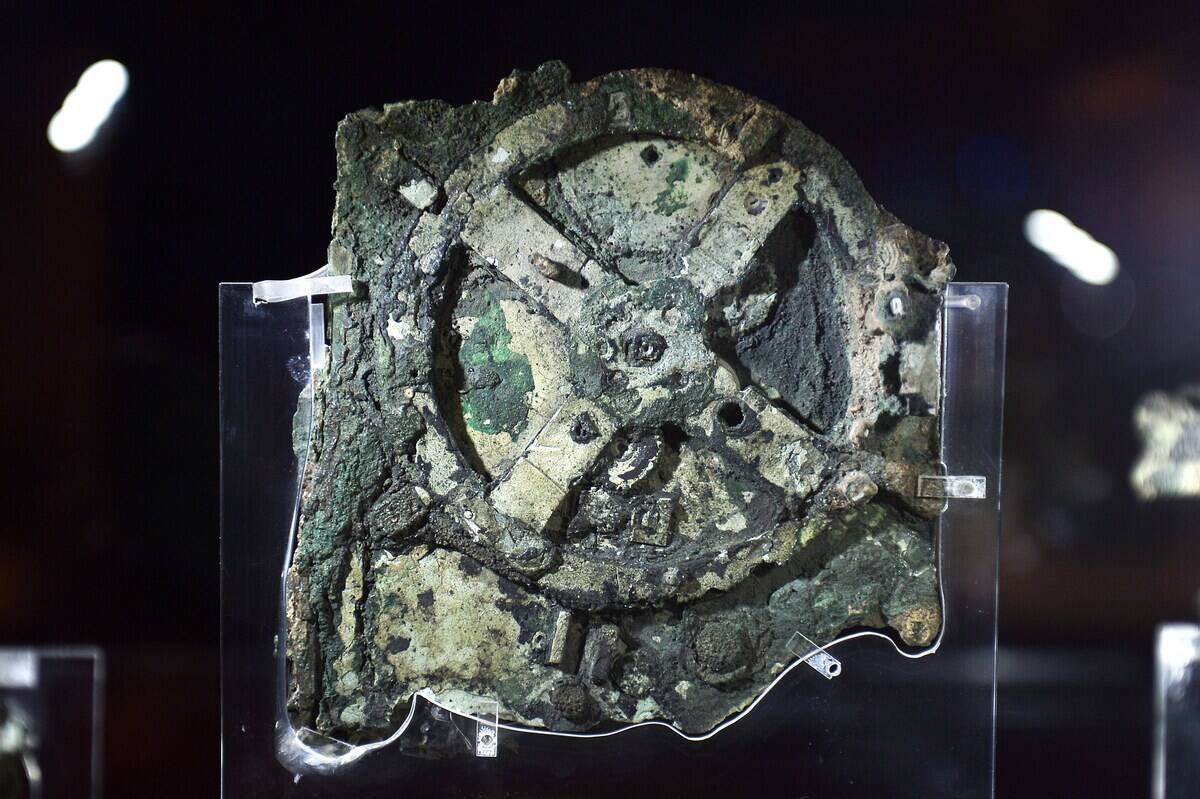
Discovered in a shipwreck off the coast of Greece, the Antikythera Mechanism is a marvel of ancient engineering. Dating back to around 100 BC, this intricate device is believed to have been used to predict astronomical positions and eclipses.
Its complexity suggests a level of technological sophistication previously thought impossible for its time, earning it the title of the world’s first analog computer.
The Nazca Lines: Messages from the Sky

Etched into the arid plains of southern Peru, the Nazca Lines are a series of massive geoglyphs depicting animals, plants, and geometric shapes. Created by the Nazca culture between 500 BC and 500 AD, their purpose remains a mystery.
Some theories suggest they were astronomical calendars, while others propose they were part of religious rituals. Visible only from the air, these lines continue to captivate researchers and tourists alike.
The Terracotta Army: Guardians of the First Emperor

In 1974, farmers in China stumbled upon one of the most significant archaeological finds of the 20th century: the Terracotta Army. Buried with China’s first emperor, Qin Shi Huang, this vast collection of life-sized statues was intended to protect him in the afterlife.
Each figure is unique, with intricate details that reflect the diversity of the emperor’s real army, offering a glimpse into the craftsmanship and military organization of ancient China.
The Voynich Manuscript: The Unbreakable Code

The Voynich Manuscript is a mysterious book filled with an unknown script and bizarre illustrations. Dating back to the 15th century, it has puzzled cryptographers and scholars for centuries.
Despite numerous attempts, its language and purpose remain undeciphered. Some speculate it could be a medical text, while others believe it’s an elaborate hoax. Its enigma continues to inspire both amateur and professional codebreakers.
The Stone Spheres of Costa Rica: Natural or Man-Made?

Found scattered across the Diquís Delta, the stone spheres of Costa Rica are a collection of nearly perfect round stones. Ranging in size from a few centimeters to over two meters in diameter, their origin and purpose are still debated.
Some theories suggest they were used as status symbols or astronomical markers by the ancient Diquís culture. Their precision and craftsmanship continue to intrigue archaeologists and tourists alike.
The Piri Reis Map: Charting the Uncharted

The Piri Reis Map, created in 1513 by the Ottoman admiral and cartographer Piri Reis, is a world map that has sparked much debate. It is notable for its depiction of the coastlines of South America and Antarctica, long before their official discovery.
Some believe it was based on ancient maps, possibly from lost civilizations, while others argue it is a product of Renaissance cartography. Its accuracy and origins remain a topic of intrigue.
The Ubaid Lizardmen: Reptilian Artifacts

Artifacts from the Ubaid period, dating back to 5500-4000 BC in Mesopotamia, include figurines with lizard-like features. These enigmatic statues have sparked theories of extraterrestrial contact or symbolic representation of deities.
While their true purpose is unclear, they provide a fascinating glimpse into the artistic and religious practices of one of the world’s earliest civilizations, challenging our understanding of ancient iconography.
The Baghdad Battery: Ancient Electricity

The Baghdad Battery, discovered in the 1930s near Baghdad, consists of a clay jar with a copper cylinder and an iron rod. Some hypothesize it could have been used as a galvanic cell, capable of producing a small electric charge.
While its exact purpose remains uncertain, it challenges our assumptions about the technological capabilities of ancient civilizations, suggesting they may have harnessed electricity long before modern times.
The Sanxingdui Artifacts: A Lost Civilization

The Sanxingdui site in China has yielded a treasure trove of artifacts dating back to the Bronze Age, including masks, statues, and jade objects. These discoveries suggest the existence of a previously unknown civilization with advanced metallurgy and artistry.
The Sanxingdui culture’s sudden disappearance around 1200 BC adds to the mystery, leaving researchers to ponder the fate of this enigmatic society and its contributions to ancient history.
The Longyou Caves: Man-Made Marvels

The Longyou Caves in China are a series of massive, hand-carved caverns dating back over 2,000 years. Despite their size and complexity, no historical records mention their construction or purpose.
The caves’ precise engineering and lack of debris suggest a highly organized effort, yet their creators and function remain unknown. These subterranean wonders continue to puzzle archaeologists and inspire awe in visitors.
The Roman Dodecahedrons: Mysterious Tools
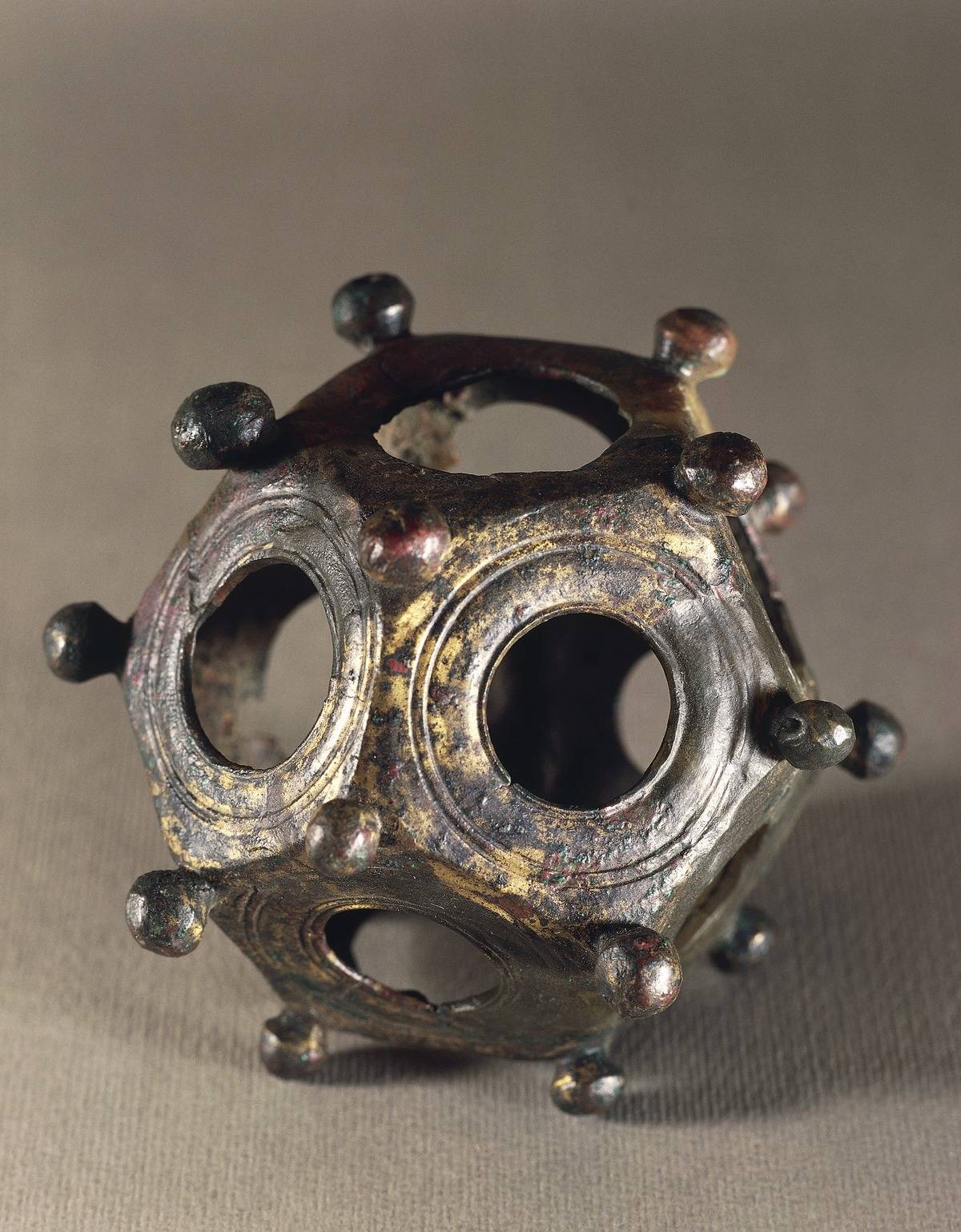
Roman dodecahedrons, small hollow objects with twelve flat faces, have been found across Europe. Dating back to the 2nd and 3rd centuries AD, their purpose is a mystery.
Some speculate they were used as measuring devices, while others suggest they were religious artifacts or even children’s toys. Despite numerous theories, no definitive explanation has emerged, leaving these intriguing objects shrouded in mystery.
The Giant Moai of Easter Island: Moving Statues

The Moai statues of Easter Island, carved by the Rapa Nui people between 1400 and 1650 AD, are iconic symbols of mystery. These massive stone figures, some weighing over 80 tons, were transported several miles from the quarry to their final locations.
The method of their movement remains debated, with theories ranging from log rollers to ‘walking’ the statues upright. Their creation and transportation continue to captivate researchers and visitors.
The Gobekli Tepe: The World’s Oldest Temple

Gobekli Tepe in Turkey is considered the world’s oldest known temple, dating back to around 9600 BC. This archaeological site features massive stone pillars arranged in circles, adorned with intricate carvings of animals.
Its construction predates the advent of agriculture, suggesting a complex society capable of organizing large-scale projects. Gobekli Tepe challenges our understanding of early human civilization and the origins of religious practices.
The Mount Owen Moa: A Prehistoric Surprise

In the 1980s, a remarkably preserved claw of a giant bird was discovered in a cave on Mount Owen in New Zealand. This belonged to the moa, a flightless bird that went extinct around 600 years ago.
The claw’s preservation was so exceptional that it appeared mummified, providing valuable insights into the species’ anatomy and lifestyle. The discovery highlights the potential for uncovering more prehistoric surprises hidden in remote locations.
The Rosetta Stone: Deciphering Ancient Scripts
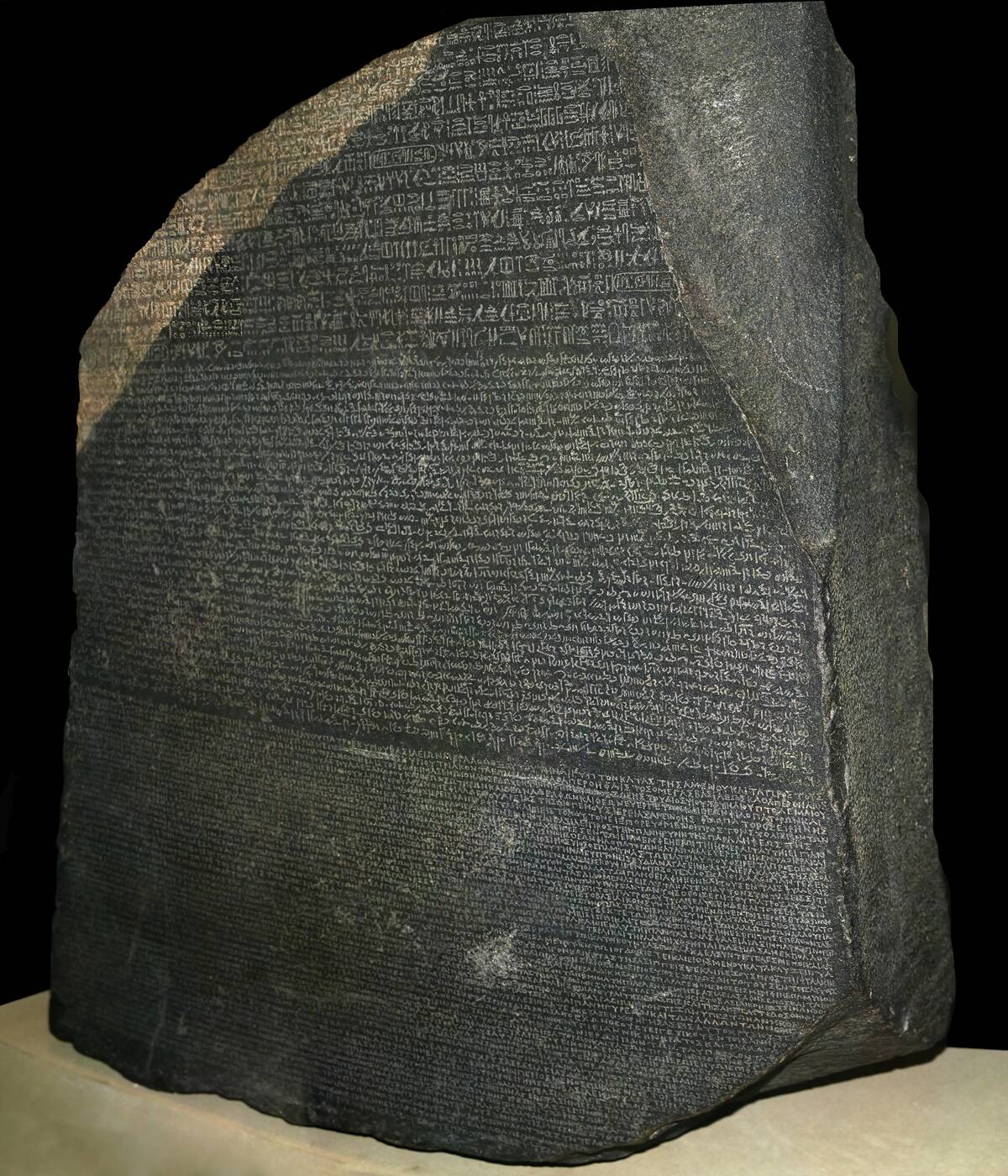
The Rosetta Stone, discovered in 1799, was the key to unlocking the mysteries of ancient Egyptian hieroglyphs. Inscribed with the same text in Greek, Demotic, and hieroglyphic script, it allowed scholars to finally decipher the language of the pharaohs.
This breakthrough not only opened the door to understanding Egypt’s rich history but also revolutionized the field of Egyptology, providing a foundation for future discoveries and research.