What makes the tardigrade so unique

Trending Now
Tardigrades, affectionately known as water bears, are microscopic creatures that have captured the fascination of scientists and nature enthusiasts alike. Despite their tiny size, these resilient organisms have a mighty reputation for surviving extreme conditions that would obliterate most other life forms.
Found in various environments, from the depths of the ocean to the icy peaks of mountains, tardigrades are a testament to nature’s adaptability and resilience.
The Discovery of the Tardigrade

Tardigrades were first discovered in 1773 by German zoologist Johann August Ephraim Goeze, who described them as ‘little water bears’ due to their bear-like gait. A few years later, Italian biologist Lazzaro Spallanzani gave them the name ‘Tardigrada,’ meaning ‘slow stepper.’
This discovery opened up a new world of microscopic exploration, as scientists began to uncover the incredible survival capabilities of these seemingly unassuming creatures.
What Exactly is a Tardigrade?
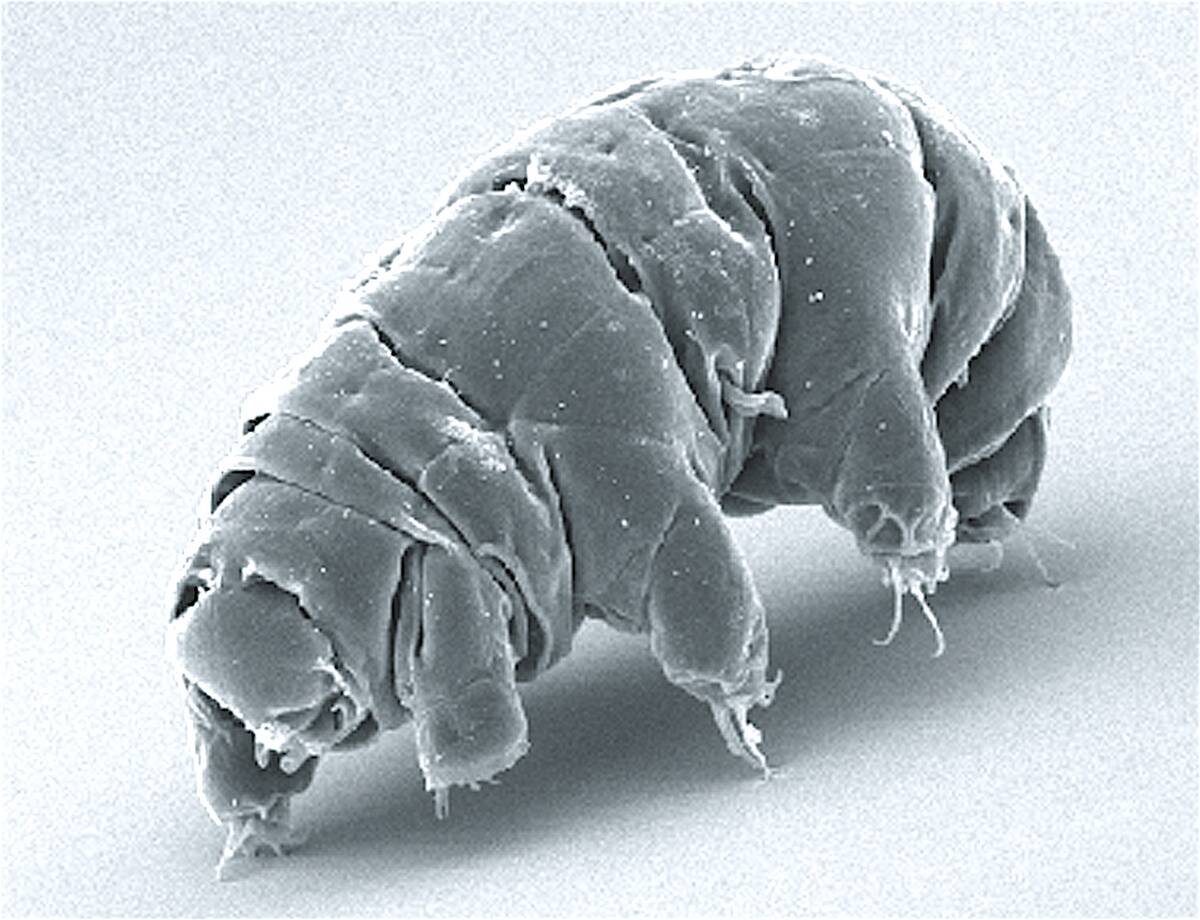
Tardigrades are microscopic, water-dwelling organisms belonging to the phylum Tardigrada. They are known for their plump, segmented bodies and eight legs, each tipped with tiny claws.
Measuring between 0.1 to 1.5 millimeters in length, tardigrades are nearly invisible to the naked eye. Despite their size, they are complex organisms with a complete digestive system, a nervous system, and even a simple brain, making them fascinating subjects of study.
A Brief Look at Tardigrade Anatomy
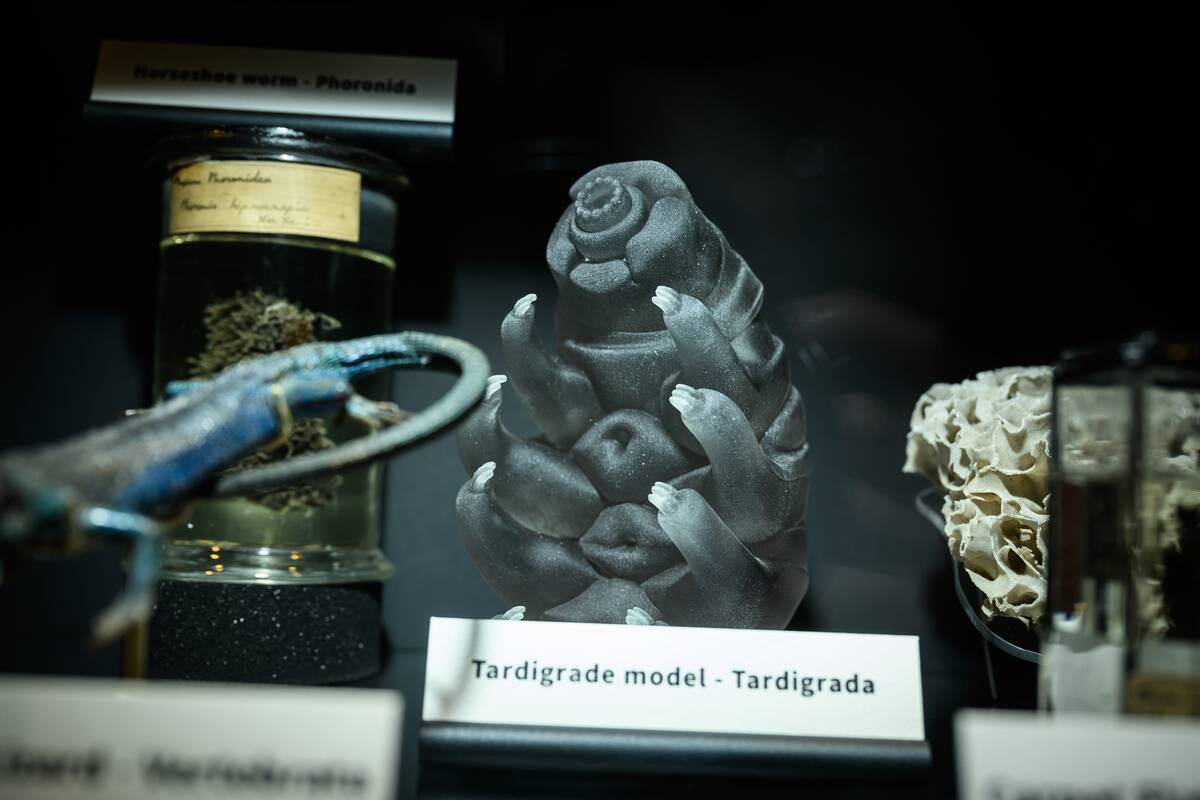
The anatomy of a tardigrade is both simple and intriguing. Their bodies are divided into five segments, with the first four bearing a pair of legs each. These legs help them navigate their environments, and their claws are used to cling to surfaces.
Tardigrades have a cuticle, which they shed periodically, much like a snake sheds its skin. Inside, they have a tubular mouthpart called a stylet, used to pierce plant cells and consume their contents.
The Many Names of Tardigrades: Water Bears and Moss Piglets
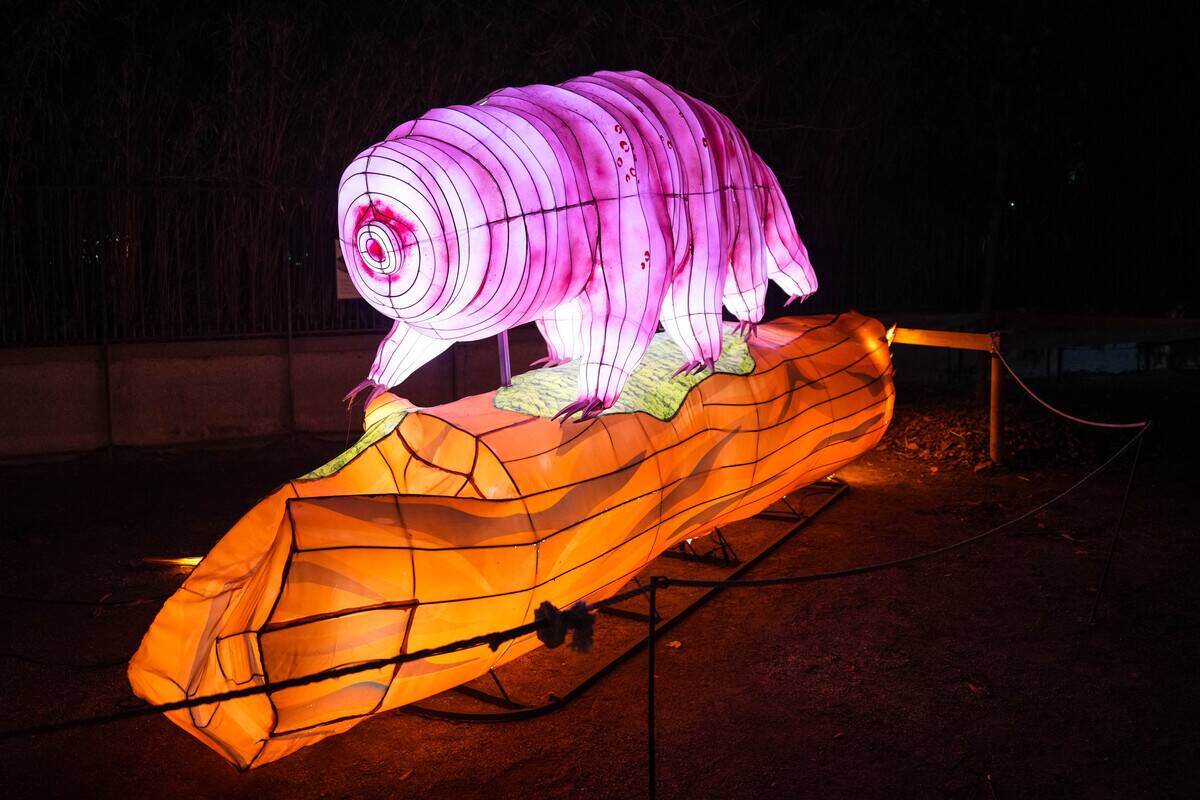
Tardigrades are often referred to as ‘water bears’ due to their bear-like appearance and lumbering gait. In some regions, they are also known as ‘moss piglets,’ a nod to their habitat preferences and plump, piglet-like bodies.
These endearing nicknames highlight the whimsical nature of these resilient creatures, which have captured the imaginations of people worldwide. Whether you call them water bears or moss piglets, there’s no denying their charm.
Where in the World Do Tardigrades Live?

Tardigrades are cosmopolitan creatures, found in nearly every corner of the globe. They thrive in diverse environments, from the depths of the ocean to the icy peaks of mountains, and even in the harsh conditions of Antarctica.
These adaptable organisms can also be found in more familiar settings, such as the soil in your backyard or the moss on a tree trunk. Their ability to inhabit such a wide range of environments is a testament to their resilience.
Tardigrades: Masters of Survival

Tardigrades are renowned for their extraordinary survival skills, earning them the title of ‘masters of survival.’ They can endure extreme temperatures, from the freezing cold of -328°F (-200°C) to the scorching heat of 300°F (149°C).
Additionally, they can withstand intense radiation, high pressures, and even the vacuum of space. This remarkable resilience is due in part to their ability to enter a state of cryptobiosis, where their metabolic processes nearly come to a halt.
How Tardigrades Survive Extreme Conditions
When faced with extreme conditions, tardigrades enter a state known as cryptobiosis, in which they lose almost all their body water and curl into a desiccated ball called a tun.
In this state, their metabolic processes slow to a near standstill, allowing them to survive without water or food for years. Once conditions improve, tardigrades rehydrate and return to their active state, ready to resume their microscopic adventures.
The Fascinating Tardigrade Life Cycle

The life cycle of a tardigrade is relatively simple yet fascinating. Tardigrades reproduce through both sexual and asexual means, with some species laying eggs while others give birth to live young.
The eggs are often adorned with intricate patterns, adding to the allure of these tiny creatures. Once hatched, tardigrades go through several molts, shedding their cuticle as they grow. Their lifespan can vary from a few months to several years, depending on environmental conditions.
Tardigrade Diet: What Do These Tiny Creatures Eat?

Tardigrades have a surprisingly varied diet for such small creatures. They primarily feed on plant cells, algae, and small invertebrates, using their stylets to pierce cell walls and suck out the contents.
Some species are even known to be carnivorous, preying on other microscopic organisms. Despite their tiny size, tardigrades play a crucial role in their ecosystems, helping to control the populations of other microorganisms and contributing to nutrient cycling.
The Incredible Resilience of Tardigrades in Space
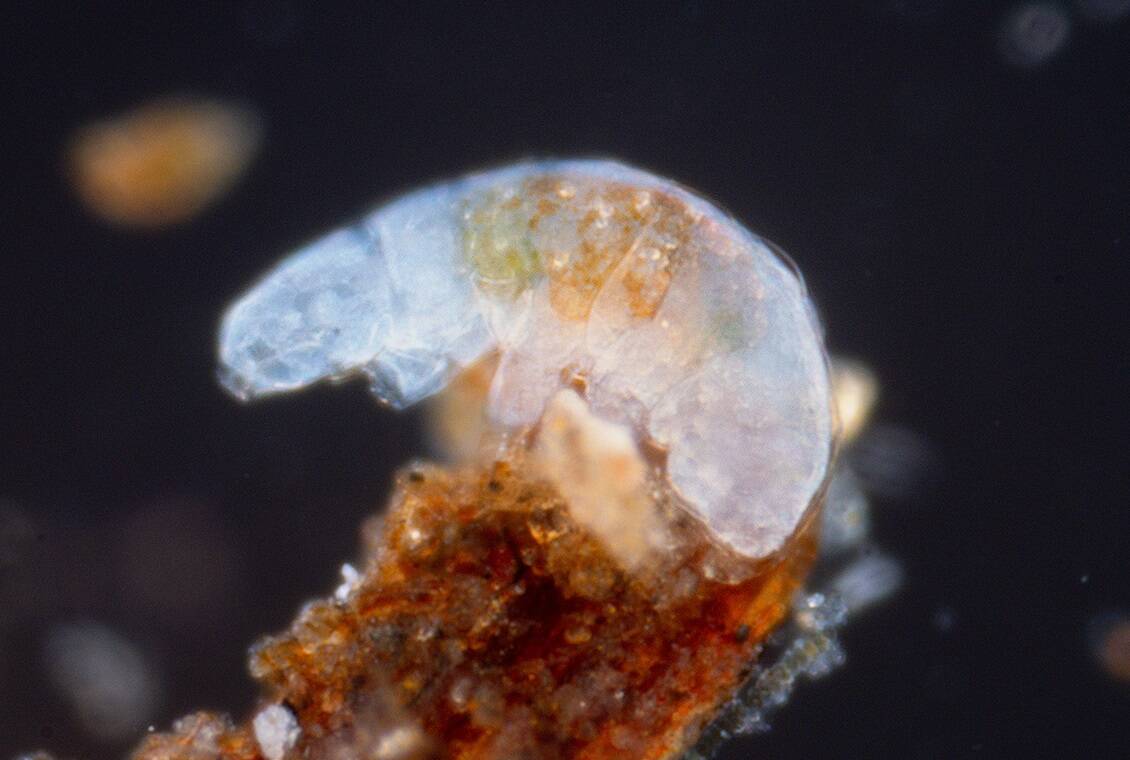
Tardigrades have proven their resilience by surviving the harsh conditions of outer space. In 2007, they became the first animals to survive exposure to the vacuum and radiation of space during the European Space Agency’s TARDIS experiment.
These tiny astronauts endured the journey unscathed, demonstrating their ability to withstand conditions that would be lethal to most other life forms. This remarkable feat has sparked interest in tardigrades as potential models for studying life in extreme environments.
Tardigrades and Their Cryptobiosis Superpower

Cryptobiosis is the superpower that enables tardigrades to survive extreme conditions. In this state, they can endure desiccation, freezing, and even exposure to radiation. During cryptobiosis, tardigrades produce a sugar called trehalose, which protects their cells from damage.
This ability to pause their biological processes and resume them later is a subject of intense scientific interest, as it holds potential applications in fields such as medicine and space exploration.
The Role of Tardigrades in Science and Research
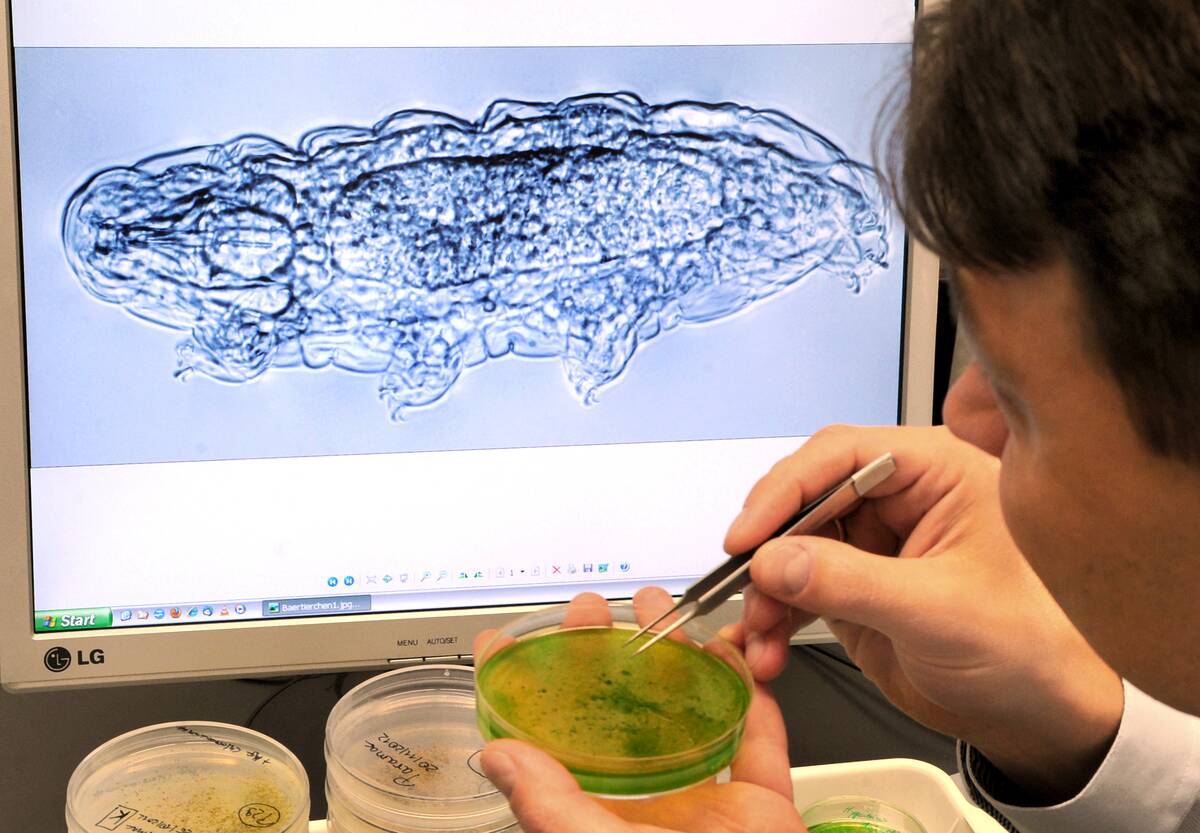
Tardigrades have become valuable subjects in scientific research due to their unique survival abilities. Researchers study them to understand the mechanisms behind cryptobiosis and their resistance to extreme conditions.
These studies have potential implications for improving crop resilience, developing new preservation techniques, and even advancing our understanding of life’s potential on other planets. Tardigrades continue to inspire scientists to explore the boundaries of biology and resilience.
Fun and Quirky Facts About Tardigrades

Did you know that tardigrades have been around for over 500 million years, surviving all five mass extinction events? These ancient creatures have even been found in amber, perfectly preserved for millions of years.
Despite their resilience, tardigrades are not invincible; they can be killed by prolonged exposure to extreme conditions. However, their ability to bounce back from the brink of death is nothing short of extraordinary, making them one of nature’s most fascinating survivors.