Nature’s most colorful creations

Trending Now
Nature is the ultimate artist, painting landscapes with a palette that is both breathtaking and diverse. From the fiery reds of a desert sunset to the calming blues of a tranquil lake, the world is full of colors that inspire awe and wonder.
Each hue tells a story, a testament to the beauty and complexity of our planet.
The Mesmerizing Northern Lights: Aurora Borealis

The Aurora Borealis, or Northern Lights, is a dazzling display of colors that dance across the polar skies. This natural light show is caused by the collision of solar particles with the Earth’s atmosphere, resulting in vibrant greens, purples, and pinks.
Best viewed in places like Norway and Iceland, this phenomenon is a bucket-list experience for many travelers. The lights are not only a visual spectacle but also a reminder of the dynamic interactions between our planet and the sun.
The Technicolor Dream of the Great Barrier Reef

The Great Barrier Reef is a living masterpiece, teeming with a kaleidoscope of marine life. Stretching over 2,300 kilometers, it is the largest coral reef system in the world. The vibrant corals and diverse species of fish create an underwater rainbow that is a diver’s paradise.
Unfortunately, this natural wonder is under threat from climate change, making conservation efforts crucial to preserving its beauty for future generations.
Antelope Canyon: A Symphony of Sandstone Hues
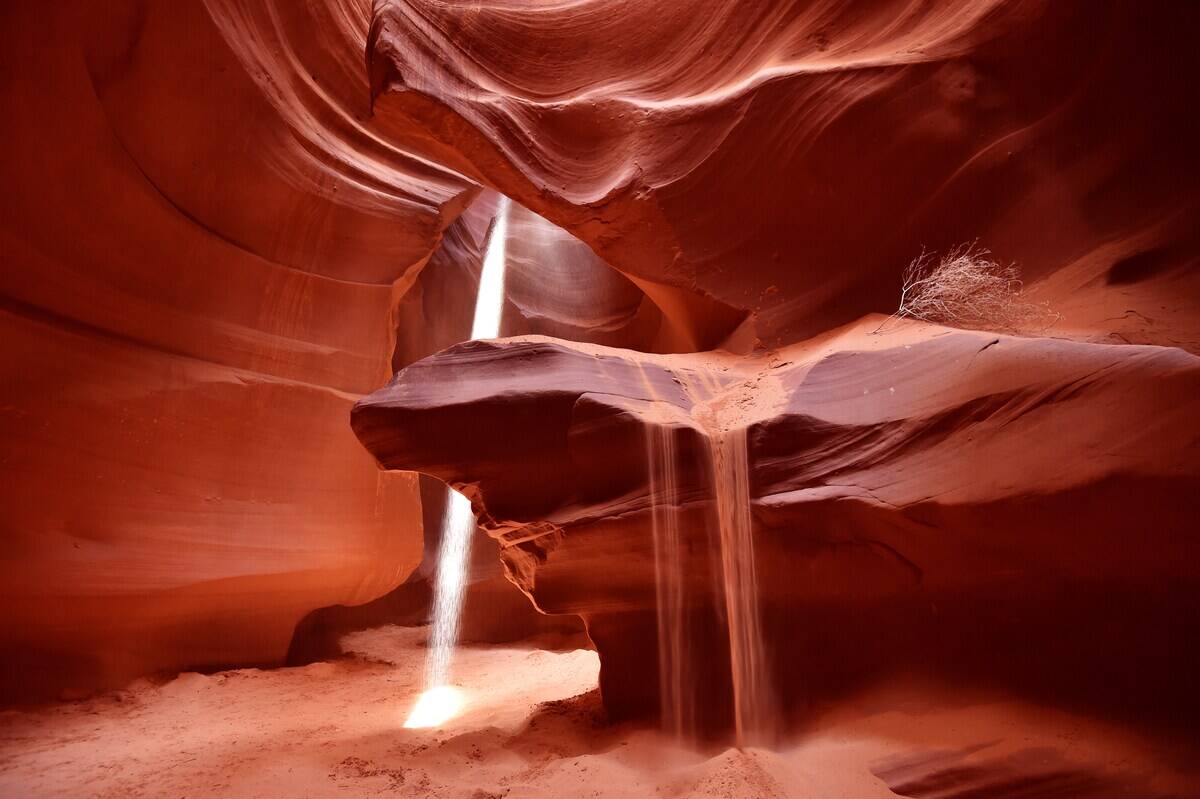
Antelope Canyon, located in Arizona, is a stunning slot canyon known for its wave-like structure and vibrant colors. The sandstone walls are shaped by years of erosion, creating a natural sculpture that changes color with the shifting sunlight.
Visitors often describe the experience as walking through a painting, with shades of orange, red, and purple enveloping them. It’s a photographer’s dream, offering endless opportunities to capture its ethereal beauty.
The Rainbow Mountains of Zhangye Danxia

The Zhangye Danxia Landform in China is famous for its rainbow-colored mountains. These striking formations are the result of red sandstone and mineral deposits being pressed together over millions of years.
The vibrant stripes of color, ranging from deep reds to bright yellows, create a surreal landscape that looks like it’s been painted by hand. This geological wonder is a testament to the Earth’s ability to create beauty through natural processes.
The Enchanting Lavender Fields of Provence

The lavender fields of Provence, France, are a feast for the senses. During the summer months, these fields burst into a sea of purple, with the sweet scent of lavender filling the air.
The region is known for its picturesque landscapes, where rows of lavender stretch as far as the eye can see. It’s a popular destination for photographers and nature lovers alike, offering a serene escape into a world of color and fragrance.
Lake Hillier: The Bubblegum Pink Lake
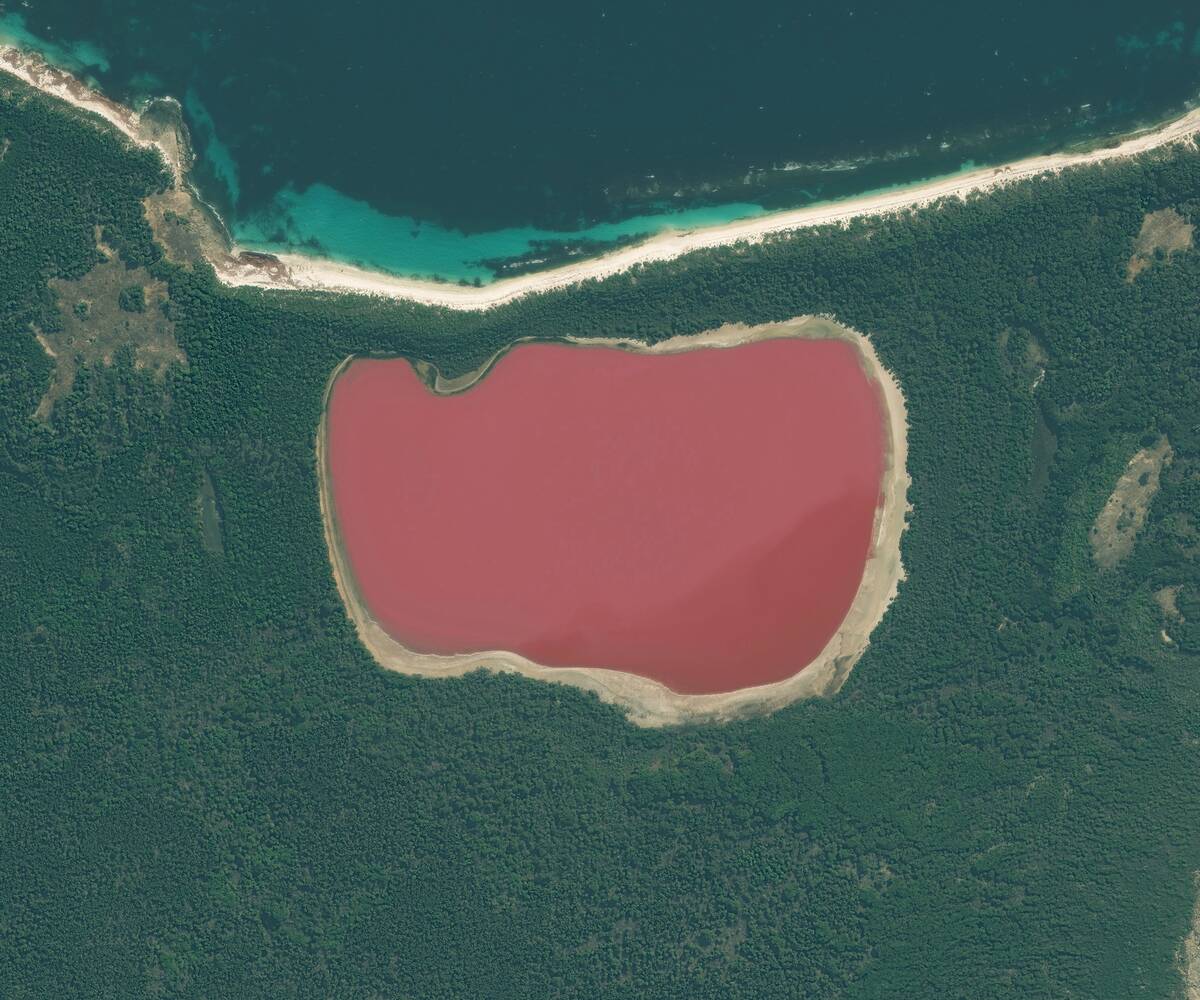
Lake Hillier in Australia is famous for its striking pink hue. The lake’s unusual color is due to the presence of a specific type of algae and bacteria that thrive in its salty waters.
Despite its unusual appearance, the lake is safe for swimming, offering a unique experience for those who visit. The contrast between the pink lake and the surrounding greenery creates a stunning visual that is truly one of a kind.
The Fiery Red of the Grand Prismatic Spring

The Grand Prismatic Spring in Yellowstone National Park is a natural wonder that captivates with its vivid colors. It is the largest hot spring in the United States and the third largest in the world.
The spring’s vibrant hues of red, orange, yellow, and green are caused by microbial mats that thrive in the mineral-rich waters. The striking colors, combined with the steam rising from the spring, create a mesmerizing sight that attracts visitors from around the globe.
The Kaleidoscope of Colors at Tulip Fields in the Netherlands

Every spring, the Netherlands transforms into a sea of color as tulip fields burst into bloom. These fields are a symbol of Dutch culture and attract tourists from all over the world.
The vibrant rows of tulips, in every color imaginable, create a patchwork of beauty that stretches as far as the eye can see. This annual spectacle is a testament to the country’s rich horticultural heritage and a must-see for flower enthusiasts.
The Luminous Blue of Bioluminescent Bays
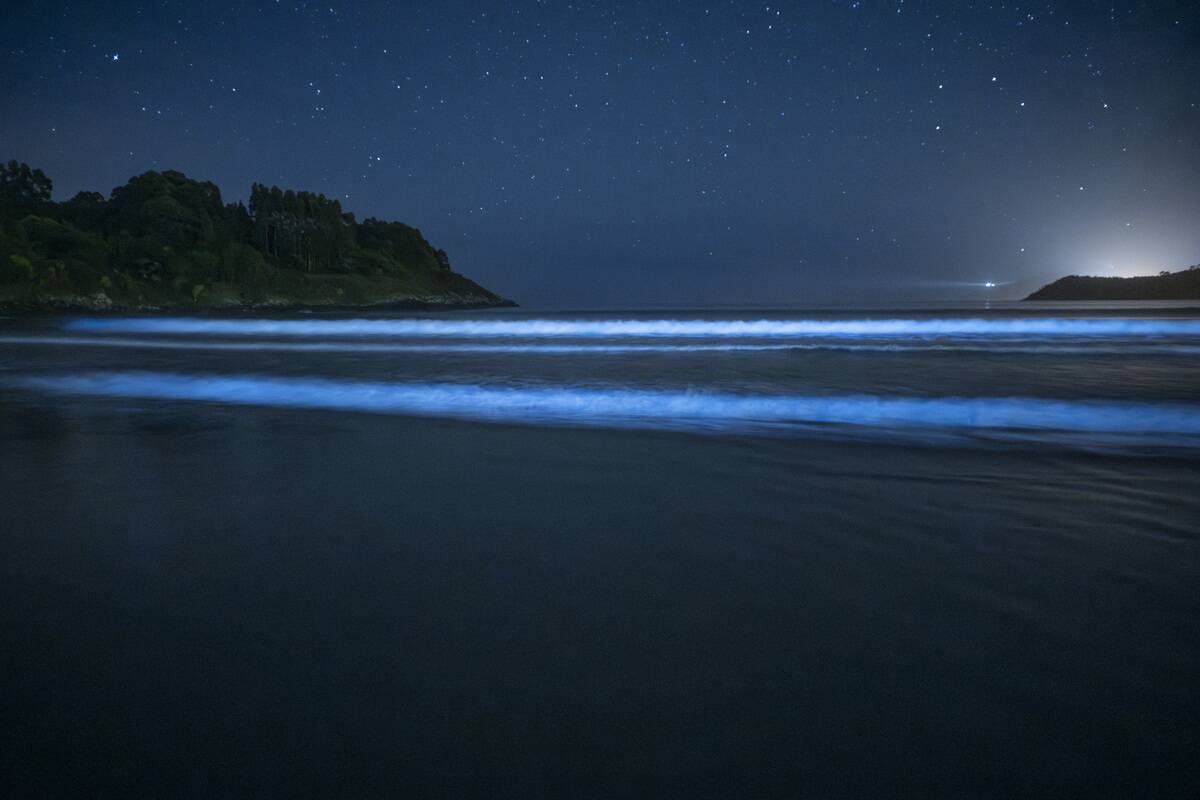
Bioluminescent bays are a natural phenomenon where the water glows with a bright blue light. This magical effect is caused by tiny organisms called dinoflagellates that emit light when disturbed.
Some of the best places to witness this spectacle are Mosquito Bay in Puerto Rico and the Maldives. The glowing waters create a surreal experience, as if the stars have descended from the sky to dance on the waves. It’s a reminder of the mysterious wonders of the ocean.
The Surreal Salt Flats of Salar de Uyuni
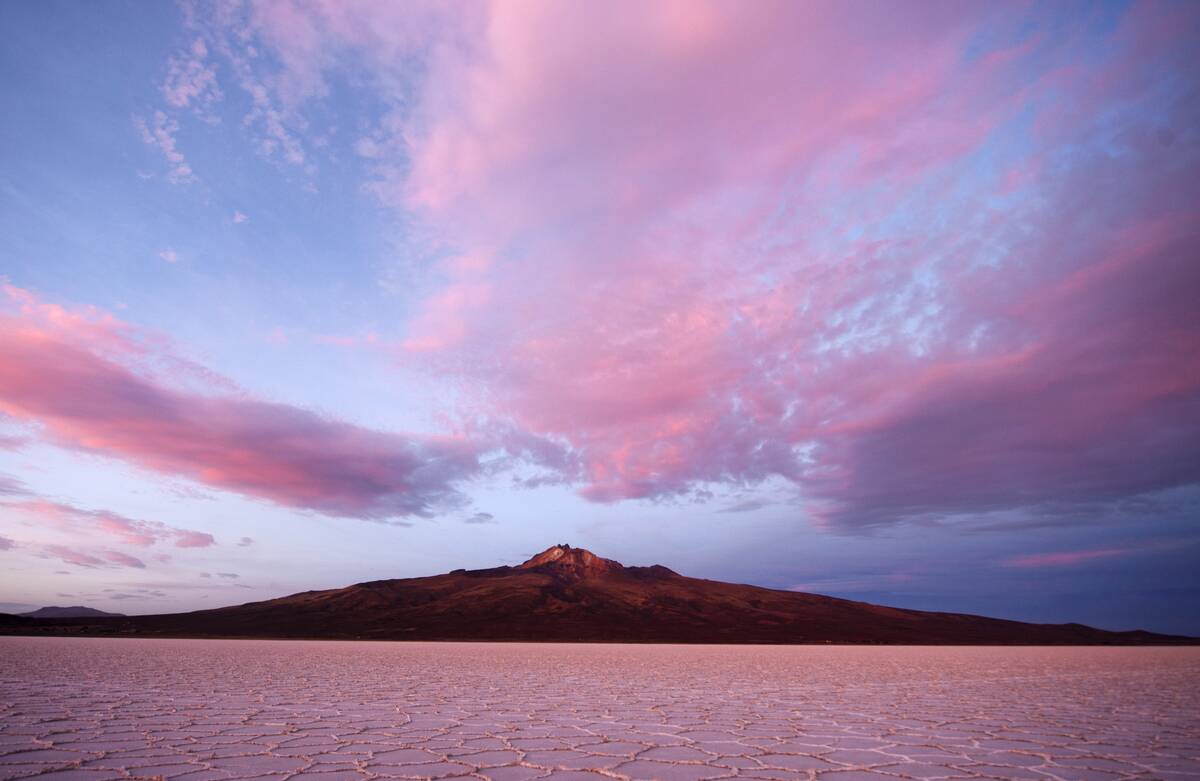
Salar de Uyuni in Bolivia is the world’s largest salt flat, spanning over 10,000 square kilometers. During the rainy season, a thin layer of water transforms the flat into a giant mirror, reflecting the sky and creating an otherworldly landscape.
The salt flats are a popular destination for photographers, offering endless opportunities for creative compositions. Walking on the flats feels like stepping into a dream, where the line between earth and sky blurs into infinity.
The Vibrant Terraces of Pamukkale
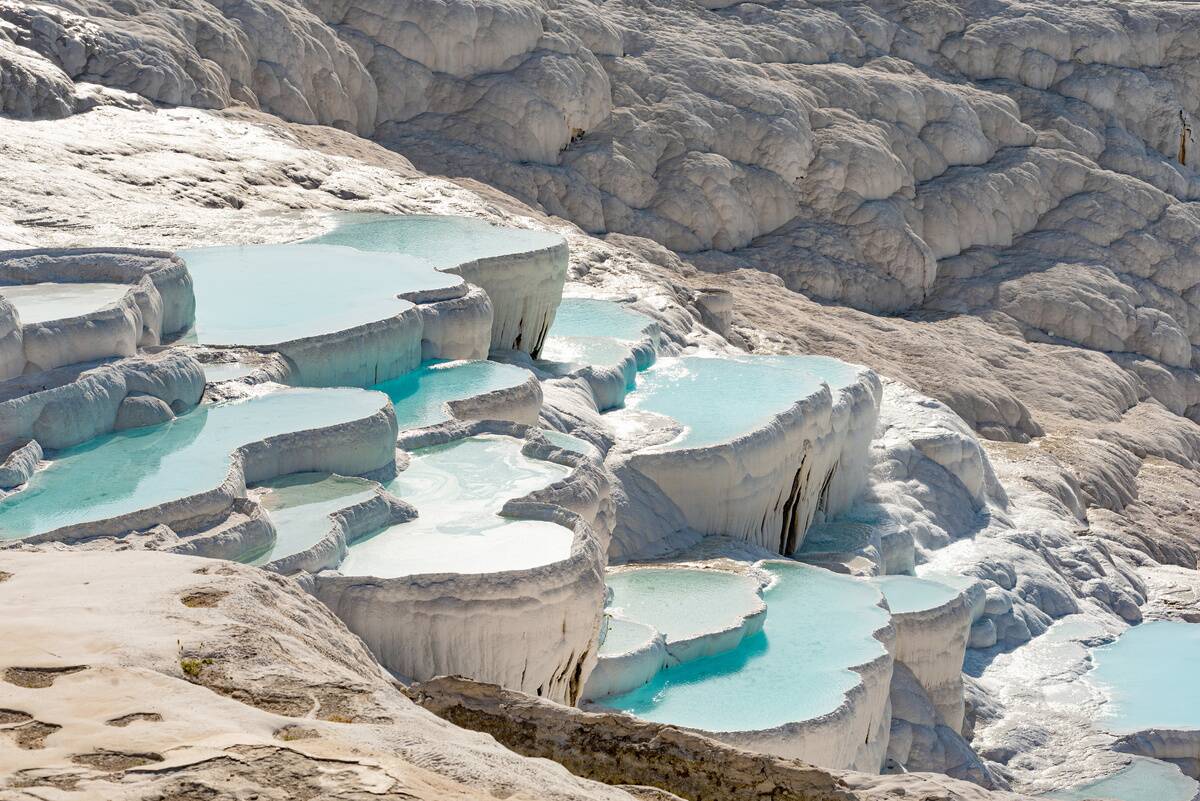
Pamukkale, located in Turkey, is famous for its white terraces made of travertine, a form of limestone deposited by mineral-rich thermal waters. The terraces, filled with turquoise pools, create a stunning contrast against the stark white backdrop.
This natural wonder has been a spa destination since ancient times, with people flocking to its thermal waters for their reputed healing properties. The unique landscape of Pamukkale is a testament to the beauty that can arise from geological processes.
The Multicolored Beauty of the Painted Desert

The Painted Desert in Arizona is a vast landscape of colorful badlands that stretch across the northern part of the state. The desert’s vibrant hues, ranging from deep reds to soft pinks and purples, are the result of mineral deposits in the soil.
This unique landscape is part of the Petrified Forest National Park, where visitors can explore the stunning vistas and discover the area’s rich geological history. It’s a place where the Earth’s natural artistry is on full display.
The Striking White and Blue of the Ice Caves in Iceland

The ice caves in Iceland are a breathtaking natural wonder, with their striking blue and white formations. These caves are formed by the melting and refreezing of glacial ice, creating a dynamic and ever-changing landscape.
The vibrant blue color is due to the dense ice, which absorbs all colors of the spectrum except blue. Exploring these caves is like stepping into another world, where the beauty of ice and light come together in a mesmerizing display.
The Lush Greenery of the Amazon Rainforest
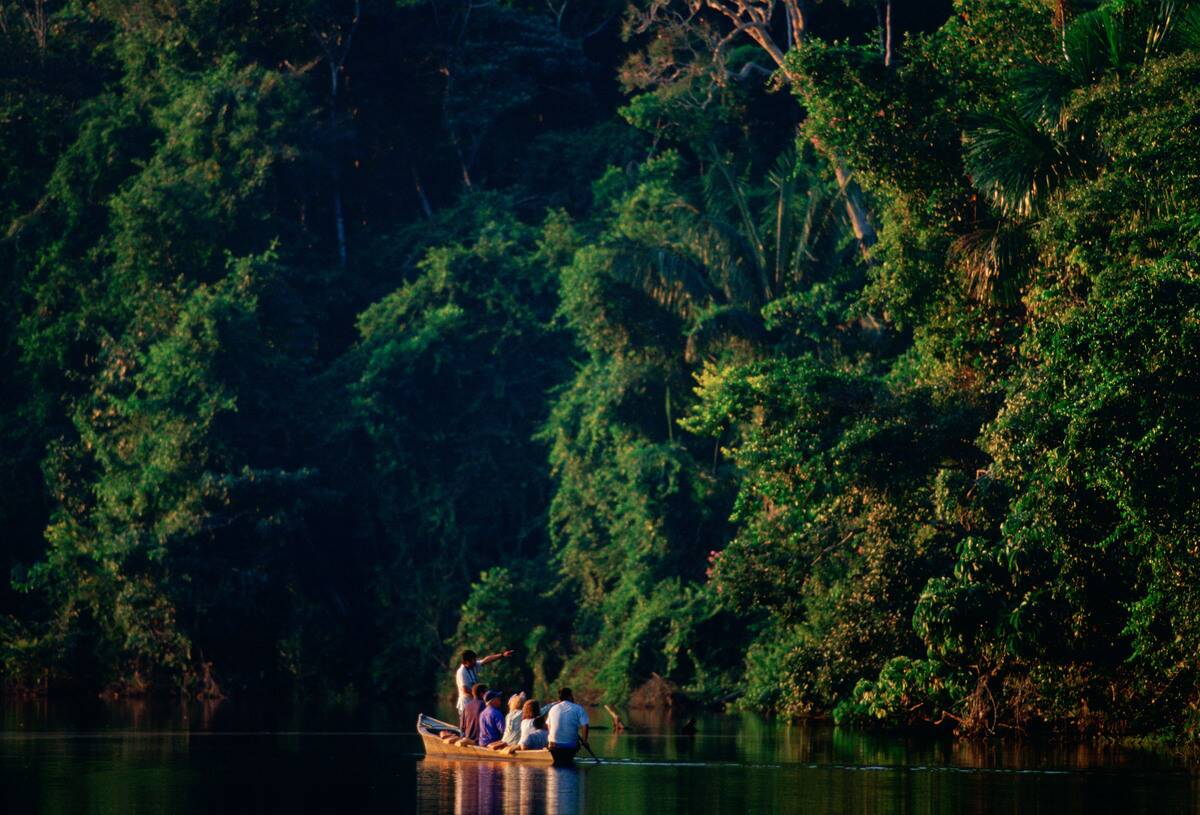
The Amazon Rainforest is a vast expanse of lush greenery, home to an incredible diversity of plant and animal life. Spanning across nine countries in South America, it is the largest tropical rainforest in the world.
The dense canopy and rich biodiversity make it a vital ecosystem for the planet. The Amazon is often referred to as the “lungs of the Earth,” playing a crucial role in regulating the global climate and providing oxygen for the planet.
The Golden Sands of Sahara Desert

The Sahara Desert is the largest hot desert in the world, covering much of North Africa. Its vast expanse of golden sands and towering dunes create a landscape of stark beauty.
Despite its harsh conditions, the Sahara is home to a variety of wildlife and nomadic cultures that have adapted to its extreme environment. The desert’s ever-shifting sands and dramatic sunsets offer a glimpse into the raw power and beauty of nature.
The Mystical Red Rocks of Uluru

Uluru, also known as Ayers Rock, is a massive sandstone monolith located in the heart of Australia. It is a sacred site for the Indigenous Anangu people and is known for its stunning red color, which changes throughout the day as the sun moves across the sky.
Standing at 348 meters high, Uluru is a symbol of Australia’s natural beauty and cultural heritage. Its mystical presence and vibrant hues make it a must-visit destination for travelers.
The Pastel Paradise of the Plitvice Lakes National Park

Plitvice Lakes National Park in Croatia is a pastel paradise, with its series of cascading lakes and waterfalls. The park is known for its unique turquoise and green waters, which are the result of mineral deposits and algae.
The lush forests and diverse wildlife add to the park’s enchanting beauty, making it a UNESCO World Heritage site. Visitors can explore the park’s wooden walkways and trails, taking in the serene landscapes and vibrant colors that define this natural wonder.