Incredible rainforests beyond the Amazon

Trending Now
When we think of rainforests, the Amazon often comes to mind, but there’s a world of lush green wonders beyond it. These lesser-known rainforests are scattered across the globe, each with unique ecosystems and species.
From the dense foliage of Southeast Asia to the mysterious canopies of the Pacific Islands, these rainforests offer a glimpse into nature’s boundless creativity.
The Lush Landscapes of the Congo Basin
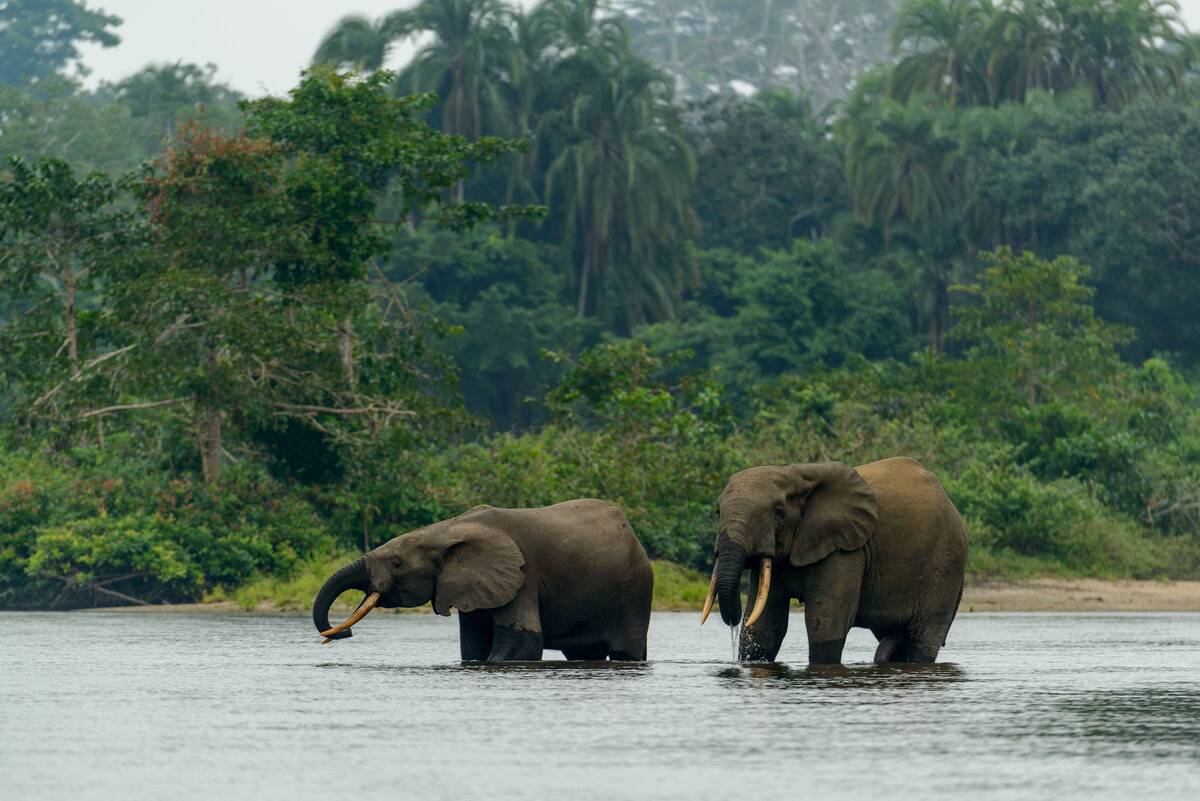
The Congo Basin is the world’s second-largest tropical rainforest, spanning six countries in Central Africa. It is a vital carbon sink, absorbing an estimated more than 1 billion tons of carbon dioxide annually, although estimates vary by study.
Home to iconic wildlife such as gorillas, elephants, and bonobos, the Congo Basin is one of the planet’s most biodiverse regions. Despite its importance, this rainforest faces threats from logging, agriculture, mining, and habitat loss. Conservation efforts are essential to protecting its biodiversity and maintaining its critical ecological functions.
Southeast Asia’s Hidden Gem: The Sundaland Rainforest

The Sundaland Rainforest, located in Southeast Asia, covers parts of Indonesia, Malaysia, and Brunei. This region is recognized as one of the world’s biodiversity hotspots, containing thousands of plant species and unique wildlife. Sundaland is home to critically endangered species such as the Sumatran tiger and orangutans found in Sumatra and Borneo.
Unfortunately, deforestation driven by palm oil plantations, logging, and land conversion poses a major threat to this ecosystem. Conservation efforts and sustainable practices are being developed to help protect its forests and wildlife.
Madagascar’s Unique Biodiversity: A Rainforest Like No Other

Madagascar’s rainforests are a living laboratory of evolution, with around 90% of its wildlife species found nowhere else on Earth. Lemurs, chameleons, and the elusive fossa are just a few of its unique residents.
The island’s millions of years of isolation have led to the development of a distinct ecosystem with extraordinary biodiversity. However, deforestation and habitat destruction threaten many of its species. Conservation initiatives aim to preserve Madagascar’s natural heritage and protect the countless unique organisms that call the island home.
The Mystical Rainforests of New Guinea

New Guinea’s rainforests are among the most biologically diverse on the planet, containing thousands of plant and animal species, many found nowhere else. The island is home to remarkable wildlife, including the world’s largest butterfly, the Queen Alexandra’s birdwing, and numerous species of colorful birds of paradise.
These rainforests are not only a haven for wildlife but also support Indigenous cultures that have thrived for millennia. Protecting these forests is essential for preserving both their extraordinary biodiversity and the cultural heritage of the communities that depend on them.
Australia’s Daintree: A Walk Through Ancient History

The Daintree Rainforest in Australia is one of the oldest tropical rainforests in the world, with origins estimated to date back more than 100 million years. It is a living museum, showcasing ancient plant species like the primitive flowering plant, Idiospermum.
The Daintree is home to unique wildlife, including the southern cassowary, one of its most iconic and threatened species. Despite its ancient origins, this rainforest faces modern threats from habitat loss, development, and tourism pressures. Conservation efforts focus on protecting its ecosystems while promoting sustainable tourism practices.
Central America’s Lush Treasure: The Mesoamerican Rainforest

The Mesoamerican Rainforest stretches from southern Mexico through Central America to Panama, encompassing a region rich in biodiversity. It is home to remarkable species such as jaguars, tapirs, and the resplendent quetzal.
These forests play a crucial role in maintaining water cycles, supporting ecosystems, and influencing regional climates. However, deforestation, habitat loss, and climate change pose significant challenges. Collaborative conservation initiatives aim to protect this vital ecosystem and the many species and communities that depend on it.
The Chocó-Darién Rainforest: Colombia’s Green Jewel
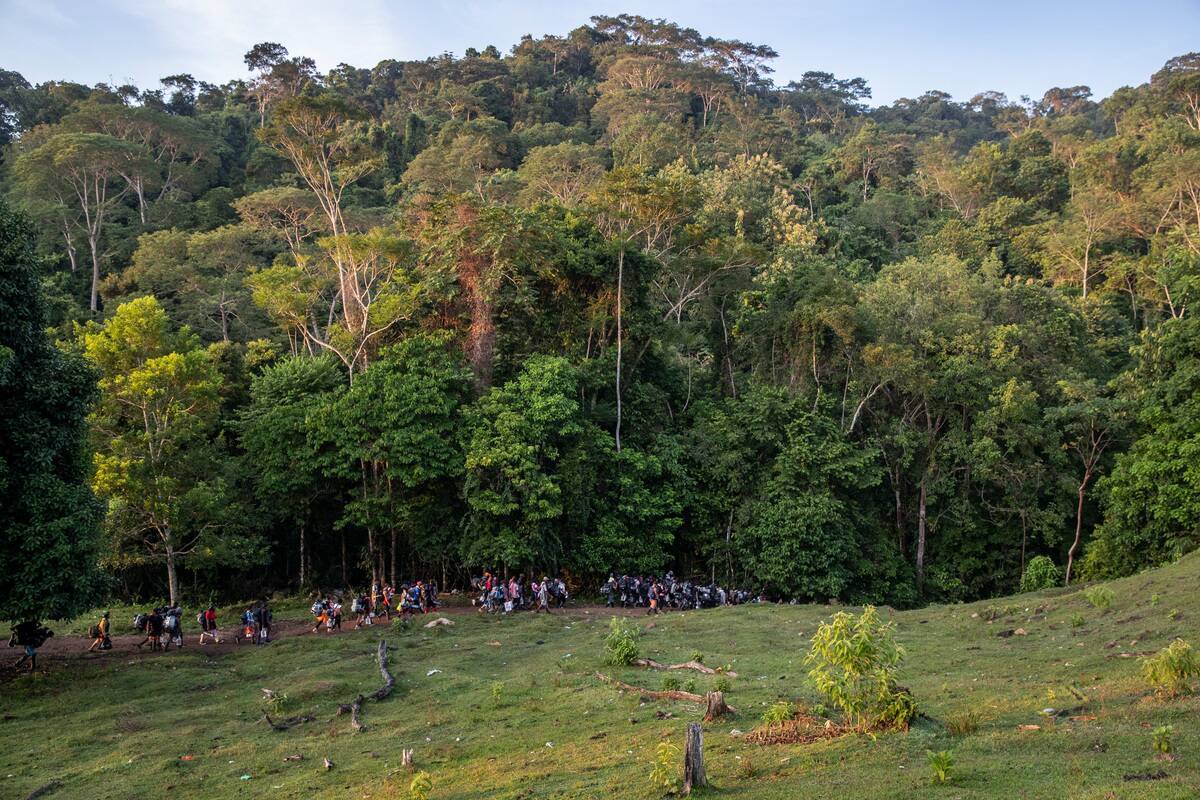
The Chocó-Darién Rainforest, extending along the Pacific coasts of Colombia and Panama, is one of the most biologically diverse regions on Earth. Some areas receive more than 500 inches of rainfall annually, creating a lush and highly productive ecosystem. This rainforest is home to rare species such as poison dart frogs, jaguars, and many endemic birds and amphibians.
Despite its richness, the Chocó-Darién faces threats from mining, logging, and habitat loss. Efforts to establish protected areas and support sustainable conservation are vital for preserving this extraordinary ecosystem.
India’s Western Ghats: A Biodiversity Hotspot

The Western Ghats, a mountain range along India’s western coast, is a UNESCO World Heritage Site recognized for its extraordinary biodiversity. It contains thousands of plant species, including many endemic flowering plants, and is home to unique species such as the Nilgiri tahr.
The Ghats are also crucial for water resources, serving as the source for several major rivers in the region. However, deforestation, habitat loss, and development threaten its ecosystems. Conservation initiatives focus on protecting its unique flora, fauna, and ecological importance.
The Enigmatic Rainforests of Borneo

Borneo’s rainforests are among the oldest tropical forests in the world, containing ecosystems shaped by millions of years of evolution. They are home to iconic species such as the critically endangered Bornean orangutan and the rare Borneo pygmy elephant.
Borneo’s forests are exceptionally rich in plant diversity, with many species still being discovered by scientists. Unfortunately, logging, palm oil plantations, and habitat loss pose significant threats. Conservation efforts are critical to protecting these ancient ecosystems and the unique wildlife that depends on them.
Sri Lanka’s Sinharaja: A UNESCO World Heritage Site

Sinharaja Forest Reserve, located in Sri Lanka, is a UNESCO World Heritage Site renowned for its exceptional biodiversity. This rainforest is home to many endemic species, including the purple-faced langur and the Sri Lankan blue magpie. Sinharaja plays an important role in maintaining the island’s ecosystems by protecting watersheds, supporting biodiversity, and regulating local environmental processes.
Despite its protected status, threats such as illegal activities and human encroachment remain concerns. Conservation efforts continue to safeguard this unique ecological treasure and its remarkable species.
The Cloud Forests of the Andes: A Unique Ecosystem

The cloud forests of the Andes are often covered in mist, creating unique and fragile ecosystems with exceptional biodiversity. These forests are home to a variety of orchids, hummingbirds, and the elusive spectacled bear. Cloud cover and mist provide important sources of moisture that help support diverse plant and animal life.
However, climate change, deforestation, and habitat loss threaten these delicate ecosystems. Conservation efforts focus on protecting their unique biodiversity and maintaining the ecological functions these forests provide.
The Atlantic Forest: Brazil’s Other Great Rainforest

The Atlantic Forest, stretching along Brazil’s Atlantic coast and extending into parts of Paraguay and Argentina, is a biodiversity hotspot with more than 20,000 plant species. It is home to unique wildlife such as the endangered golden lion tamarin and the vulnerable maned three-toed sloth.
Despite its incredible richness, the Atlantic Forest has been heavily deforested, with only a small fraction of its original cover remaining. Conservation initiatives aim to restore degraded areas, protect remaining forests, and safeguard the ecosystem’s unique species.
The Rainforests of the Pacific Islands: A Tropical Paradise

The rainforests of the Pacific Islands, including Fiji and Samoa, are tropical ecosystems rich in biodiversity and unique species. These forests are home to endemic and threatened wildlife, such as the Fiji banded iguana and the Samoan flying fox.
The islands’ long isolation has led to the development of distinct ecosystems with many species found nowhere else. However, invasive species, habitat loss, and climate change pose significant threats. Conservation efforts focus on protecting these fragile ecosystems and preserving their remarkable biodiversity.
The Surprising Rainforests of the Caribbean

The Caribbean is not just about beaches; it also contains lush rainforest ecosystems, including El Yunque in Puerto Rico. These forests are home to unique wildlife, including the endangered Puerto Rican parrot and the iconic coquí frog.
Caribbean rainforests play important roles in maintaining local ecosystems, supporting water cycles, and protecting biodiversity. Despite their importance, they face threats from hurricanes, deforestation, habitat loss, and other human pressures. Conservation efforts are essential to protect these vibrant ecosystems and their unique species.