How the croissant became a symbol of French culture

Trending Now
Few pastries are as synonymous with French culture as the croissant. This buttery, flaky delight has captured the hearts of many, becoming a staple in French breakfasts.
Its crescent shape is instantly recognizable, and its delicate layers are a testament to the skill of French bakers. The croissant is more than just a pastry; it’s a cultural icon that represents the elegance and sophistication of French cuisine.
A Brief History of the Croissant

The croissant’s history is as rich as its texture. While many associate it with France, its roots trace back to Austria. The kipferl, a crescent-shaped bread, was a staple in Austrian bakeries long before the croissant made its way to French shores.
Over time, the French adopted and refined the recipe, adding their own touch to create the beloved pastry we know today.
The Origins: From Austria to France
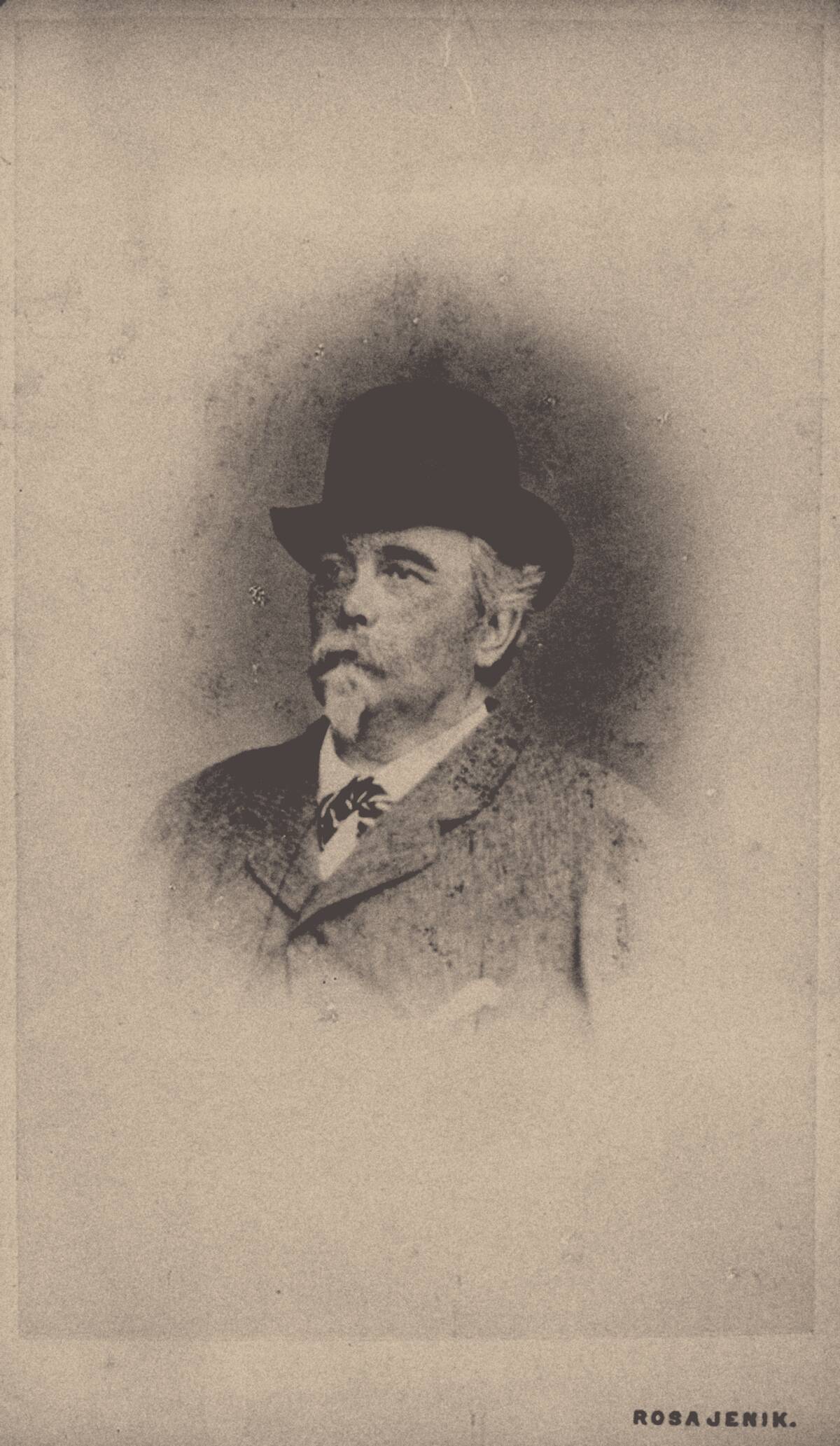
The journey of the croissant from Austria to France is a fascinating tale of culinary evolution. It is believed that the kipferl was introduced to France by Viennese baker August Zang in the 1830s.
His Viennese Bakery in Paris quickly gained popularity, and the French were enamored with the buttery pastry. Over time, French bakers adapted the recipe, incorporating puff pastry techniques to create the classic croissant.
The Evolution of the Croissant Recipe

The croissant recipe has evolved significantly since its introduction to France. The Austrian kipferl existed in various bread and pastry forms, but French bakers later developed the modern croissant using yeast-leavened laminated dough, producing its distinctive buttery, flaky layers.
This technique requires precision and skill, making the croissant a true testament to French baking prowess.
The Croissant’s Rise to Popularity in France
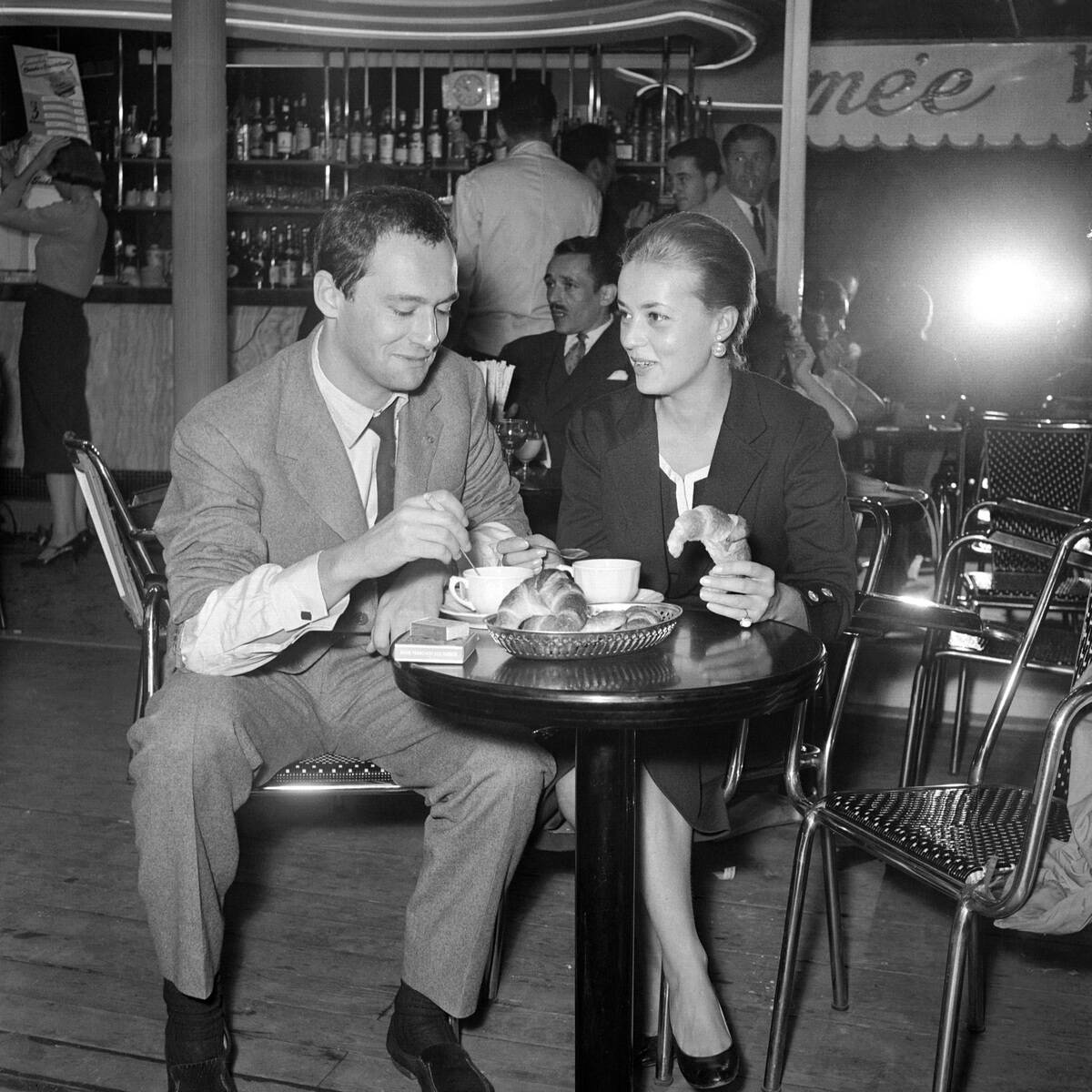
The croissant’s rise to fame in France was swift and enduring. By the late 19th century, it had become a breakfast staple in Parisian cafes. Its popularity was further cemented by its association with the leisurely French breakfast, often enjoyed with a cup of coffee.
The croissant’s appeal lies in its simplicity and versatility, making it a beloved choice for both locals and tourists alike.
The Role of French Bakeries in Croissant Culture

French bakeries, or boulangeries, play a pivotal role in croissant culture. These establishments are revered for their artisanal craftsmanship and dedication to quality. The art of making croissants is passed down through generations, with bakers honing their skills to achieve the perfect balance of flaky layers and buttery flavor.
A visit to a French bakery is an experience in itself, offering a glimpse into the heart of French culinary tradition.
The Art of Making the Perfect Croissant

Creating the perfect croissant is an art form that requires patience and precision. The process begins with high-quality ingredients: flour, butter, yeast, and salt. The dough is meticulously folded and rolled to create multiple layers, which puff up during baking to form the croissant’s iconic texture.
Temperature and timing are crucial, as even slight variations can affect the final product. The result is a golden, flaky pastry that melts in the mouth.
Croissants and French Breakfast Traditions
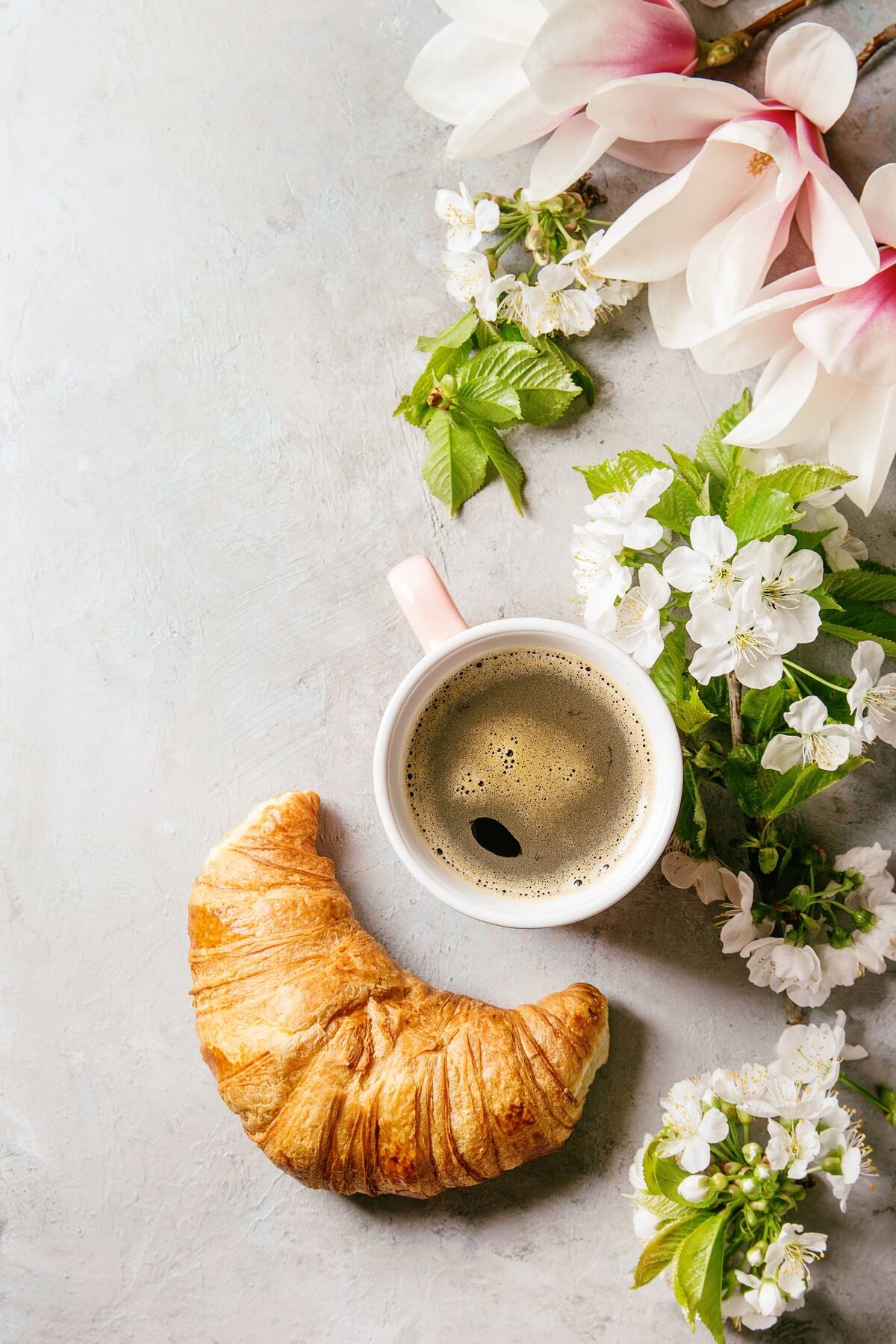
In France, breakfast is a cherished ritual, and croissants are often at the center of it. A typical French breakfast might include a croissant, a baguette with butter and jam, and a steaming cup of café au lait.
This simple yet satisfying meal is a daily indulgence for many, offering a moment of tranquility before the hustle and bustle of the day. The croissant’s light, airy texture makes it the perfect complement to a leisurely morning.
The Croissant as a Symbol of French Culinary Excellence
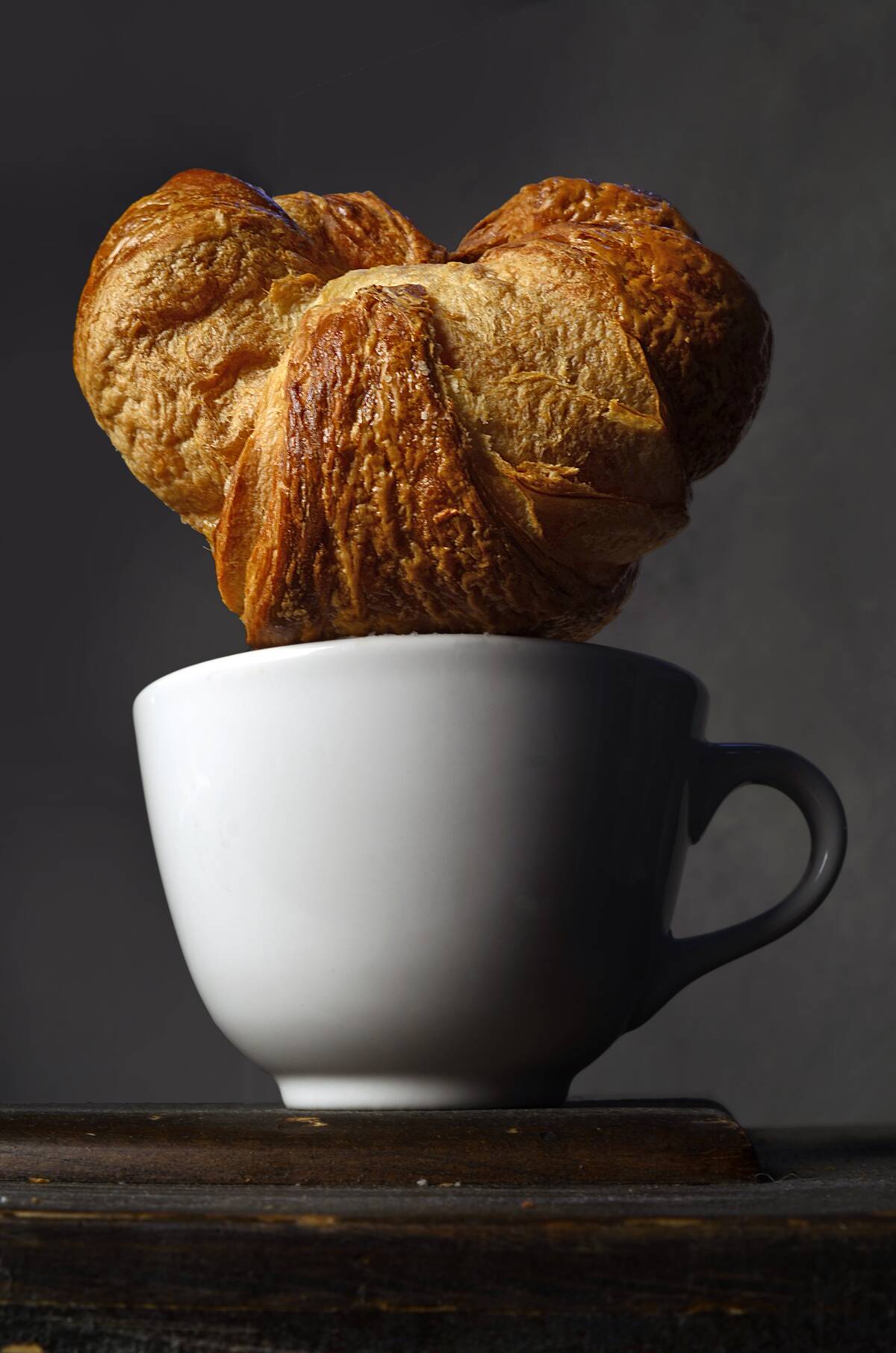
The croissant is more than just a pastry; it’s a symbol of French culinary excellence. Its intricate preparation and delicate flavor embody the sophistication and artistry of French cuisine. The croissant’s reputation extends beyond France, with chefs around the world striving to replicate its perfection.
This humble pastry has become a benchmark for quality and skill, representing the pinnacle of French baking.
The Global Spread of the French Croissant
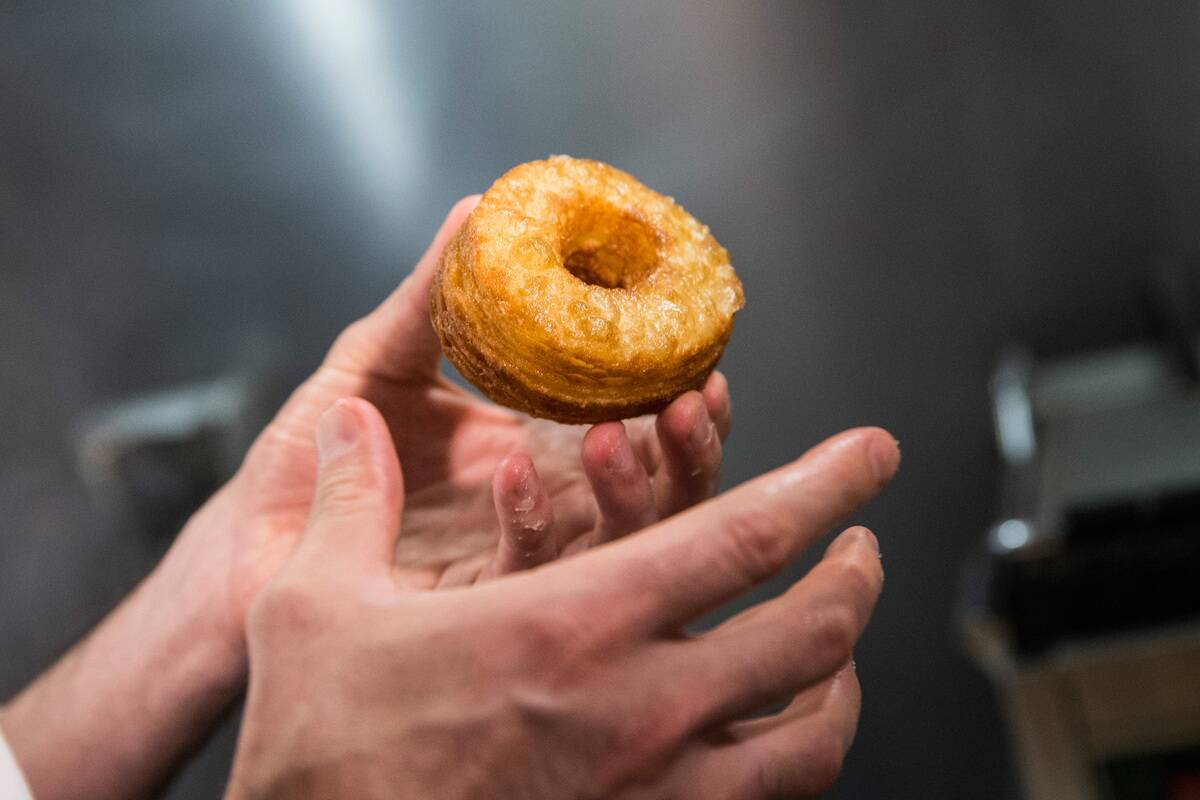
The French croissant has become a global phenomenon, gracing bakery shelves from Tokyo to New York. Its international appeal lies in its versatility and universal charm. While each country may add its own twist, the essence of the croissant remains unchanged.
This global spread has only enhanced its reputation, solidifying its place as a beloved pastry worldwide and a testament to the enduring allure of French cuisine.
Variations of the Classic Croissant
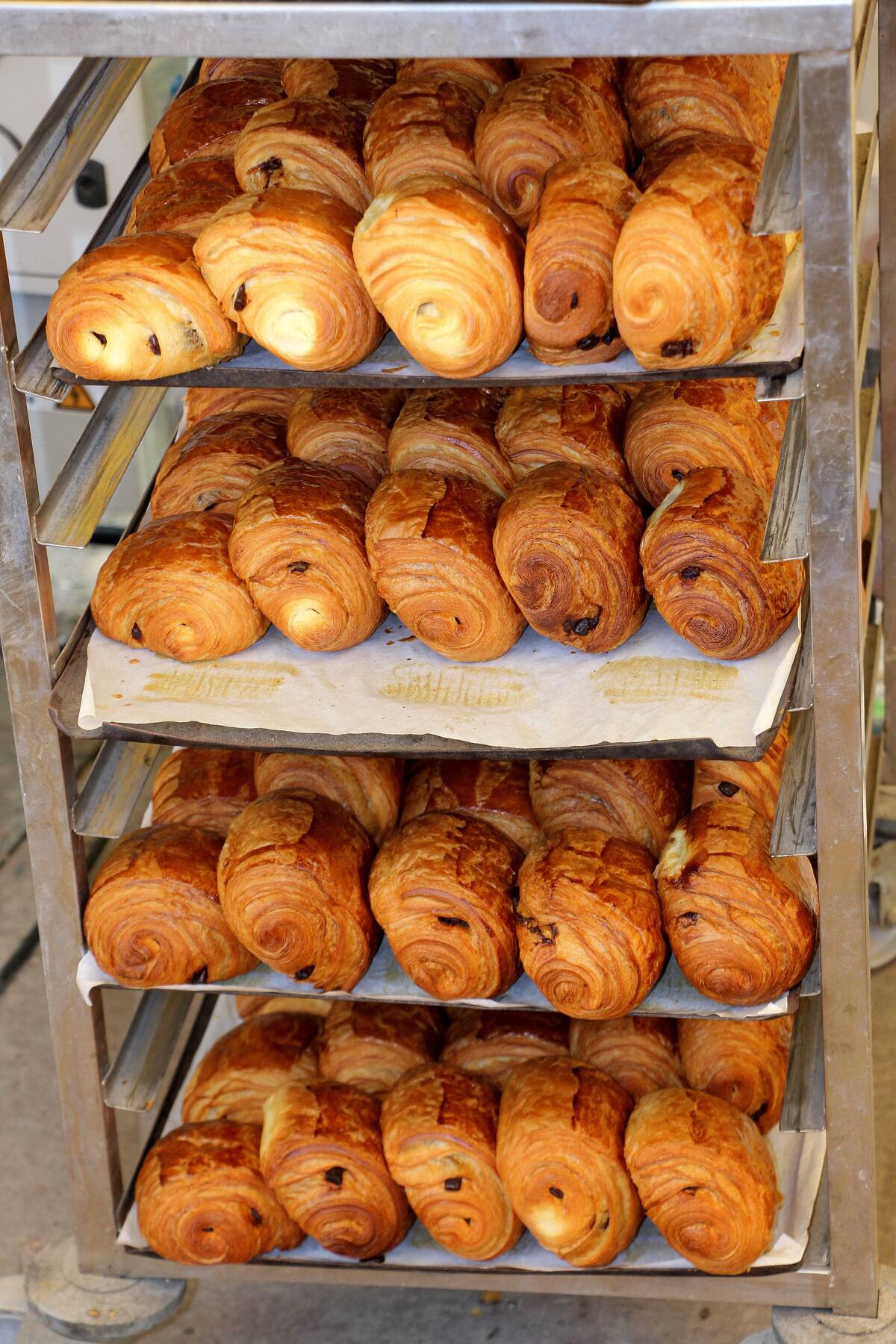
While the classic butter croissant remains a favorite, numerous variations have emerged over the years. Almond croissants, filled with frangipane and topped with sliced almonds, offer a sweet twist.
Chocolate croissants, or pain au chocolat, feature rich chocolate tucked within the flaky layers. Savory versions, such as ham and cheese croissants, provide a delightful contrast to the traditional sweet flavors, showcasing the croissant’s adaptability.
Croissants and French Festivals

Croissants feature prominently in French festivals and celebrations, adding a touch of tradition and indulgence. During events like Bastille Day, bakeries often create special versions of the pastry, incorporating unique flavors or festive decorations.
The croissant’s presence at these gatherings highlights its significance in French culture, serving as a delicious reminder of the country’s rich culinary heritage and the joy of shared celebrations.