Understanding the samurai code of Bushido

Trending Now
Bushido, often referred to as the “Way of the Warrior,” is the ethical code that guided the samurai, the military nobility of medieval and early-modern Japan.
This code was not just a set of rules but a way of life, emphasizing virtues like honor, courage, and loyalty. The principles of Bushido were deeply ingrained in the samurai’s daily life, influencing their decisions and actions.
The Historical Origins of Bushido

The roots of later samurai ethical traditions can be traced to the Kamakura period (1185–1333), when warriors gained increasing political power. Ideas concerning loyalty, martial courage, and honor developed over subsequent centuries and were influenced by Buddhist, Shinto, and especially Confucian and Neo-Confucian thought.
What later became known as Bushido was not a single fixed code during the Kamakura period but evolved gradually and became more clearly articulated during the Edo period.
The Influence of Zen Buddhism on Bushido

Zen Buddhism played a significant role in shaping Bushido, emphasizing meditation and mindfulness. Samurai were encouraged to practice Zen to achieve a calm and focused mind, essential for battle.
The Zen concept of “mushin,” or “no mind,” taught samurai to act without hesitation, free from fear or doubt. This mental discipline allowed them to remain composed in the heat of battle, embodying the ideal of the unflinching warrior.
The Role of Confucianism in Shaping Bushido

Confucianism introduced ethical and moral guidelines that heavily influenced Bushido. The Confucian emphasis on filial piety, loyalty, and duty resonated with the samurai’s sense of responsibility to their lords and family.
This philosophical framework reinforced the importance of social harmony and hierarchy, which were crucial in maintaining order within the samurai ranks. Confucianism’s impact on Bushido helped create a disciplined and morally upright warrior class.
Honor: The Heartbeat of the Samurai

Honor was the most revered virtue in Bushido, serving as the guiding principle for a samurai’s life. A samurai’s reputation was paramount, and any action that brought shame was considered worse than death.
This unwavering commitment to honor meant that samurai were often willing to sacrifice their lives rather than face disgrace. The concept of “seppuku,” or ritual suicide, was a testament to the lengths a samurai would go to preserve their honor.
Courage: The Samurai’s Unwavering Spirit

Courage was essential for the samurai, enabling them to face danger and adversity with determination. This virtue was not just about physical bravery but also about moral courage—standing up for what was right, even in the face of overwhelming odds.
Samurai were taught that true courage meant living with integrity and facing life’s challenges without fear. This fearless approach to life and battle defined the samurai as warriors of exceptional valor.
Benevolence: Compassion in the Way of the Warrior

While the samurai were fierce warriors, Bushido also emphasized the importance of benevolence and compassion. Samurai were expected to show kindness and mercy, especially to those who were weaker or in need.
This aspect of Bushido highlighted the balance between strength and gentleness, encouraging samurai to use their power responsibly. Benevolence was seen as a sign of true strength, reflecting the samurai’s commitment to justice and humanity.
Respect: The Foundation of Samurai Interactions

Respect was a fundamental element of Bushido, governing the interactions between samurai and others. This virtue was rooted in the understanding that every individual deserved dignity and consideration.
Samurai were taught to respect their peers, superiors, and even their enemies. This mutual respect helped maintain order and harmony within the warrior class, fostering a culture of honor and discipline that was essential for their societal role.
Honesty: The Samurai’s Commitment to Truth

Honesty and sincerity were important virtues in some formulations of Bushido, particularly in later interpretations of samurai ethics. Inazō Nitobe, for example, identified sincerity or veracity as one of Bushido’s major virtues.
The samurai believed that honesty was the foundation of trust, which was essential for maintaining relationships and alliances. By adhering to this principle, samurai demonstrated their integrity and reliability, earning the respect of those around them.
Loyalty: The Samurai’s Unbreakable Bond
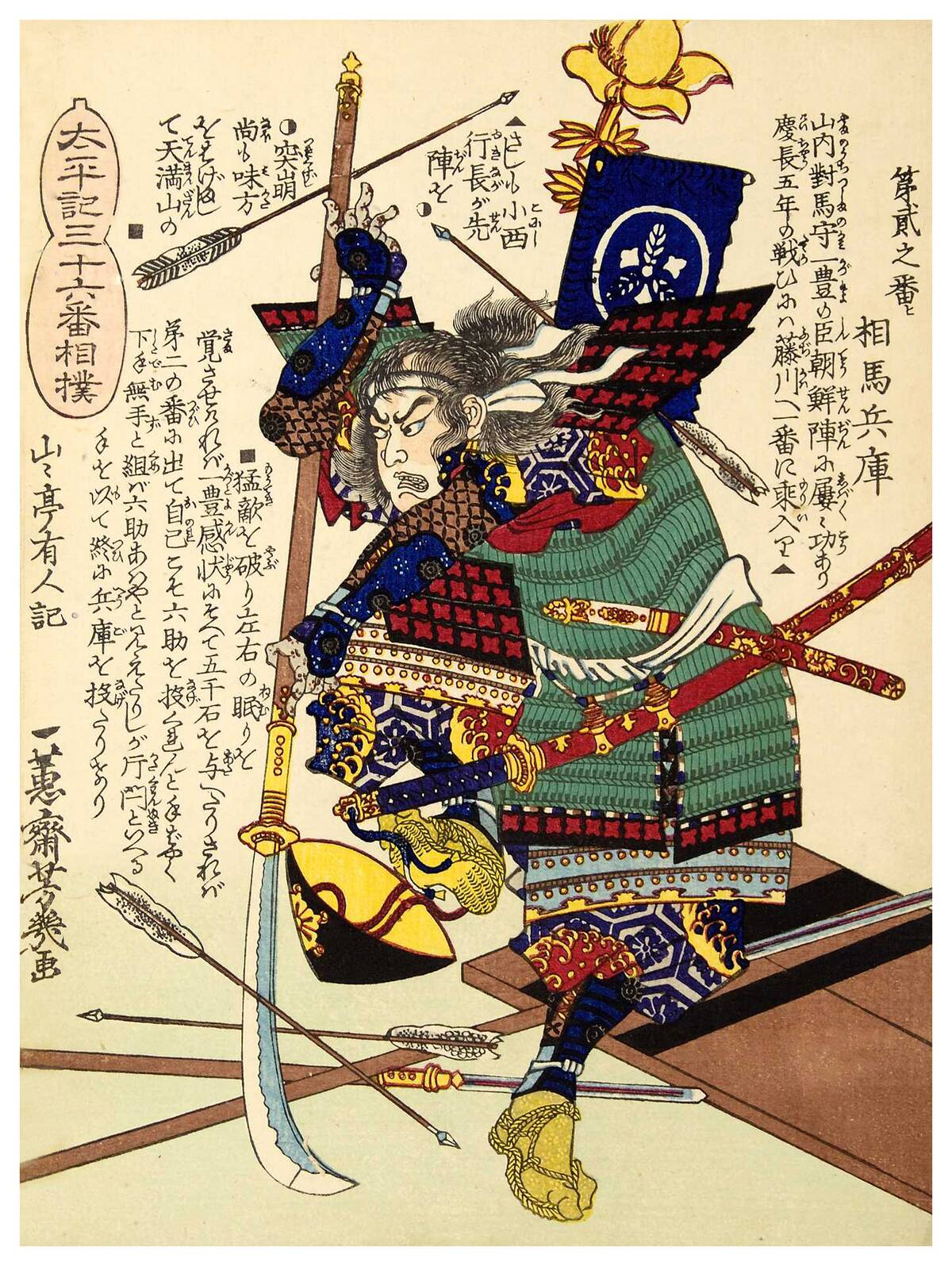
Loyalty to one’s lord was an important ideal in samurai ethics and became especially prominent in later formulations of Bushido. Samurai were often expected to serve their lords faithfully, sometimes even at the risk of their lives.
However, loyalty was not always unwavering in practice, and samurai frequently changed allegiances, rebelled, or served new masters during periods of political conflict.
Self-Control: Mastery Over the Self

Self-control was a vital aspect of Bushido, as samurai were trained to master their emotions and impulses. This discipline allowed them to remain calm and focused, even in the most challenging situations.
By practicing self-control, samurai could make rational decisions and act with precision and purpose. This mastery over the self was seen as a sign of strength and maturity, reflecting the samurai’s dedication to personal growth and excellence.
The Samurai’s Sword: A Symbol of Bushido

The samurai’s sword, or “katana,” was more than just a weapon; it was a symbol of their honor and status. Crafted with exceptional skill, the katana was revered as a work of art and a spiritual emblem.
Samurai believed that their sword embodied their soul, and it was treated with the utmost respect. The katana’s sharpness and elegance represented the samurai’s commitment to precision and discipline, making it an enduring symbol of Bushido.
Famous Samurai Who Embodied Bushido

Several famous samurai have later been associated with ideals commonly linked to Bushido. Miyamoto Musashi was a renowned swordsman and strategist whose Book of Five Rings became an influential work on swordsmanship and strategy.
Minamoto no Yoshitsune was a celebrated military commander who played a major role in Minamoto victories during the Genpei War. Both became enduring figures in Japanese warrior culture, although describing them as direct embodiments of a fixed Bushido code is historically anachronistic.