Freaky memory glitches that prove your brain can’t be trusted

Our brains are like storytellers, weaving narratives out of the information we perceive. However, this storyteller—our internal narrator—isn’t always reliable. It sometimes fudges the details, leaving us with memories that might not be as accurate as we think.
This means we might recall events differently from how they actually happened, and sometimes not at all. Understanding this unreliability can help us better grasp the quirks of human memory.
The Mandela Effect: Collective Misremembering
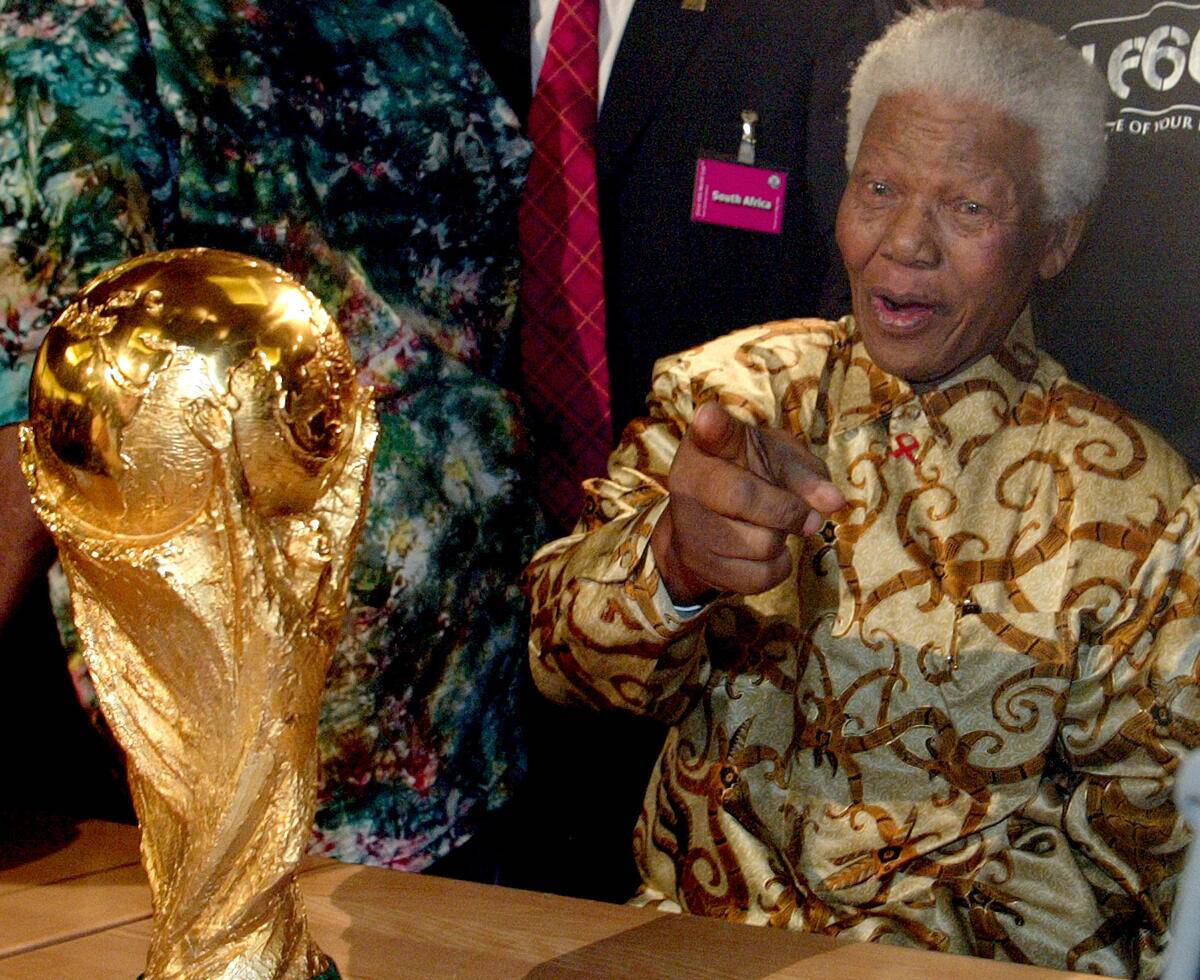
Have you ever been convinced of a fact only to find out it was wrong? Enter the Mandela Effect, where large groups of people remember an event differently than it occurred.
Named after Nelson Mandela, it stems from the false belief that he died in prison in the 1980s. This phenomenon highlights how collective memories can diverge from reality, often fueled by social influences and media.
Déjà Vu: The Eerie Feeling of Repetition
That spooky sensation of having experienced something before is known as déjà vu. This feeling can be unsettling, as if you’ve stepped into a time loop.
Scientists suggest it might occur when the brain misfires and processes a current situation as a past memory. While it’s still not entirely understood, déjà vu reminds us of the complex and sometimes mysterious nature of our memory systems.
False Memories: When Your Brain Makes Up Stories
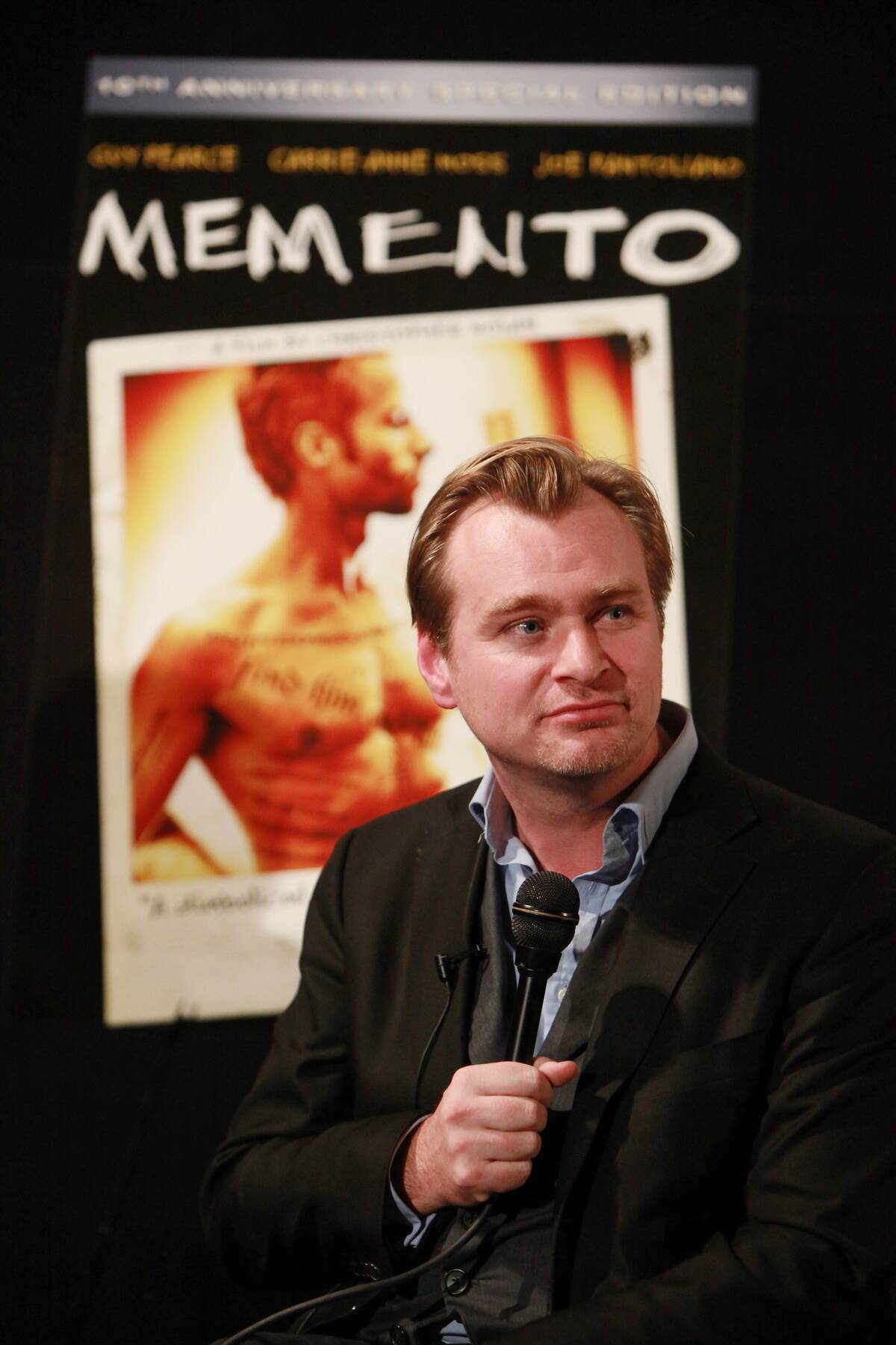
False memories are fabrications or distortions of events that never happened. They can be incredibly vivid and detailed, making them hard to distinguish from real memories.
Psychologists have found that suggestive questioning can implant false memories, a phenomenon that has significant implications in legal settings. Our brains are adept at creating convincing narratives, which can lead to these deceptive recollections.
Cryptomnesia: When You Mistake Memory for Original Thought

Cryptomnesia is a fascinating phenomenon where a forgotten memory returns without it being recognized as such, leading one to believe it’s new and original.
This can happen in creative contexts, like music or writing, where an old idea resurfaces as seemingly novel. It underscores the thin line between inspiration and memory, showing how past experiences can unconsciously influence our present thoughts.
The Brain’s Editing Room: Memory Consolidation Errors
Our brains are like editors, constantly tweaking and refining memories. However, during this consolidation process, errors can occur. Memories might become distorted or details forgotten altogether.
Sleep plays a critical role, helping stabilize and integrate new memories. Yet, even then, the editing isn’t perfect, leading to the occasional misremembered fact or event. This editing process keeps our memories dynamic but not infallible.
Childhood Amnesia: Why We Forget Our Early Years

Most people can’t recall memories from their first few years of life, a phenomenon known as childhood amnesia. This isn’t due to a lack of significant events but rather the brain’s developmental stage.
Early neural structures aren’t fully developed, making long-term storage challenging. As language and cognitive skills grow, so does memory capacity, explaining why memories become clearer as we age.
The Serial Position Effect: Remembering Firsts and Lasts
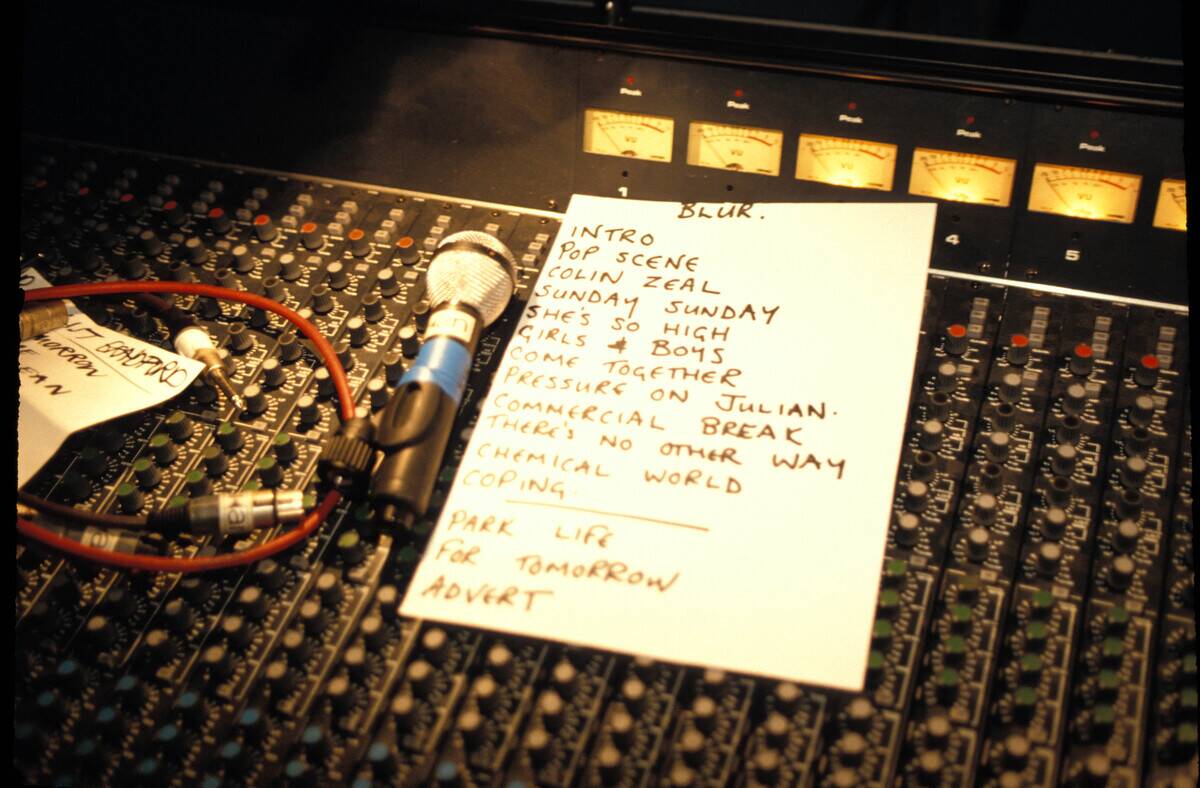
The serial position effect is a tendency to remember the first and last items in a sequence better than those in the middle. This is because of the primacy and recency effects, where the first items are stored longer in memory, and the last items are fresh in our minds.
This principle is why lists and speeches often emphasize important points at the beginning and end, ensuring they stick.
The Spotlight Effect: Overestimating How Much Others Notice
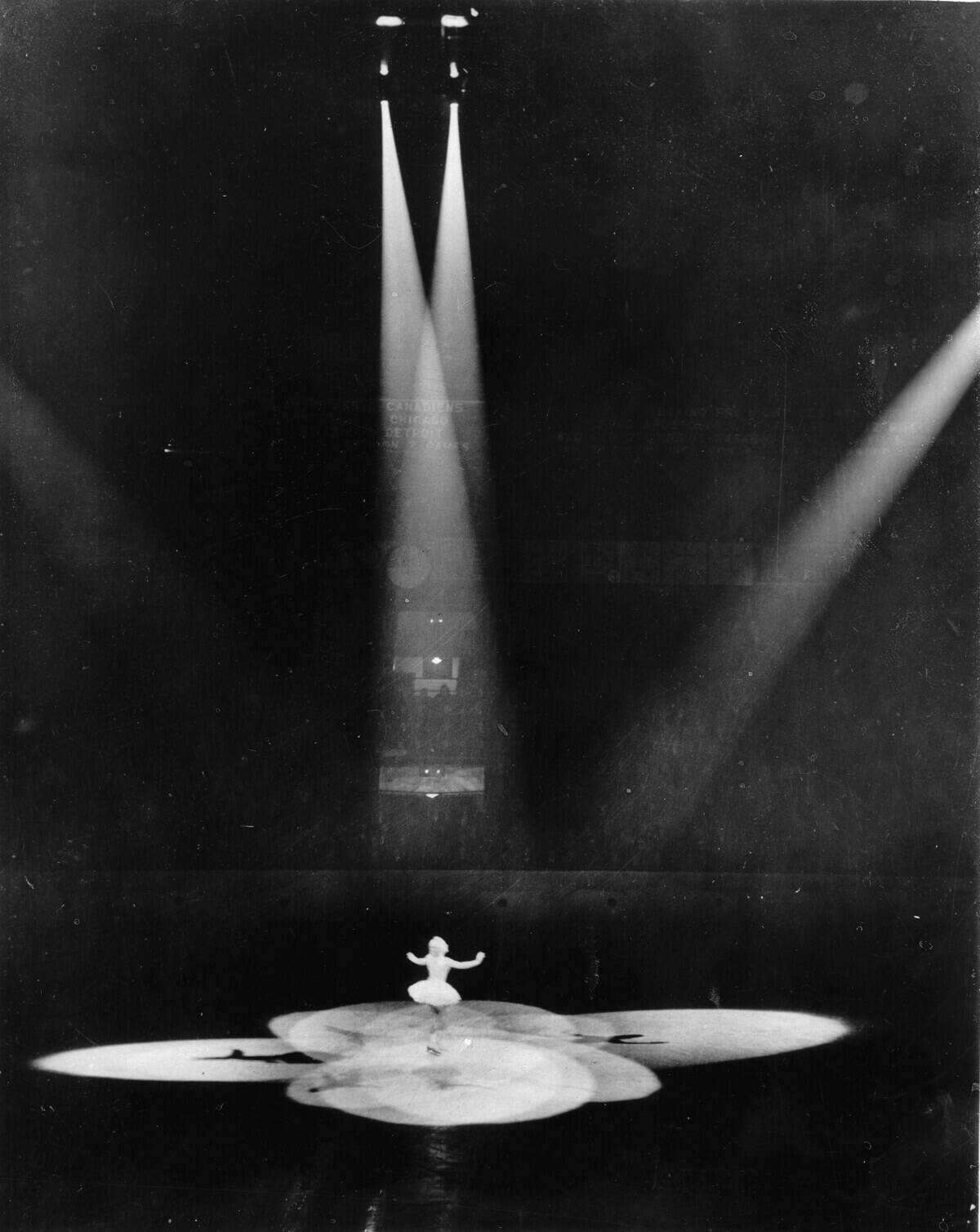
The spotlight effect is the belief that we are being noticed more than we actually are. This cognitive bias makes people think their actions and appearance are under constant scrutiny.
In reality, others are often too focused on themselves to pay as much attention as we assume. Knowing this can alleviate social anxiety, reminding us that our perceived flaws are less visible than we think.
Time Distortion: Why Time Flies (Or Drags On)
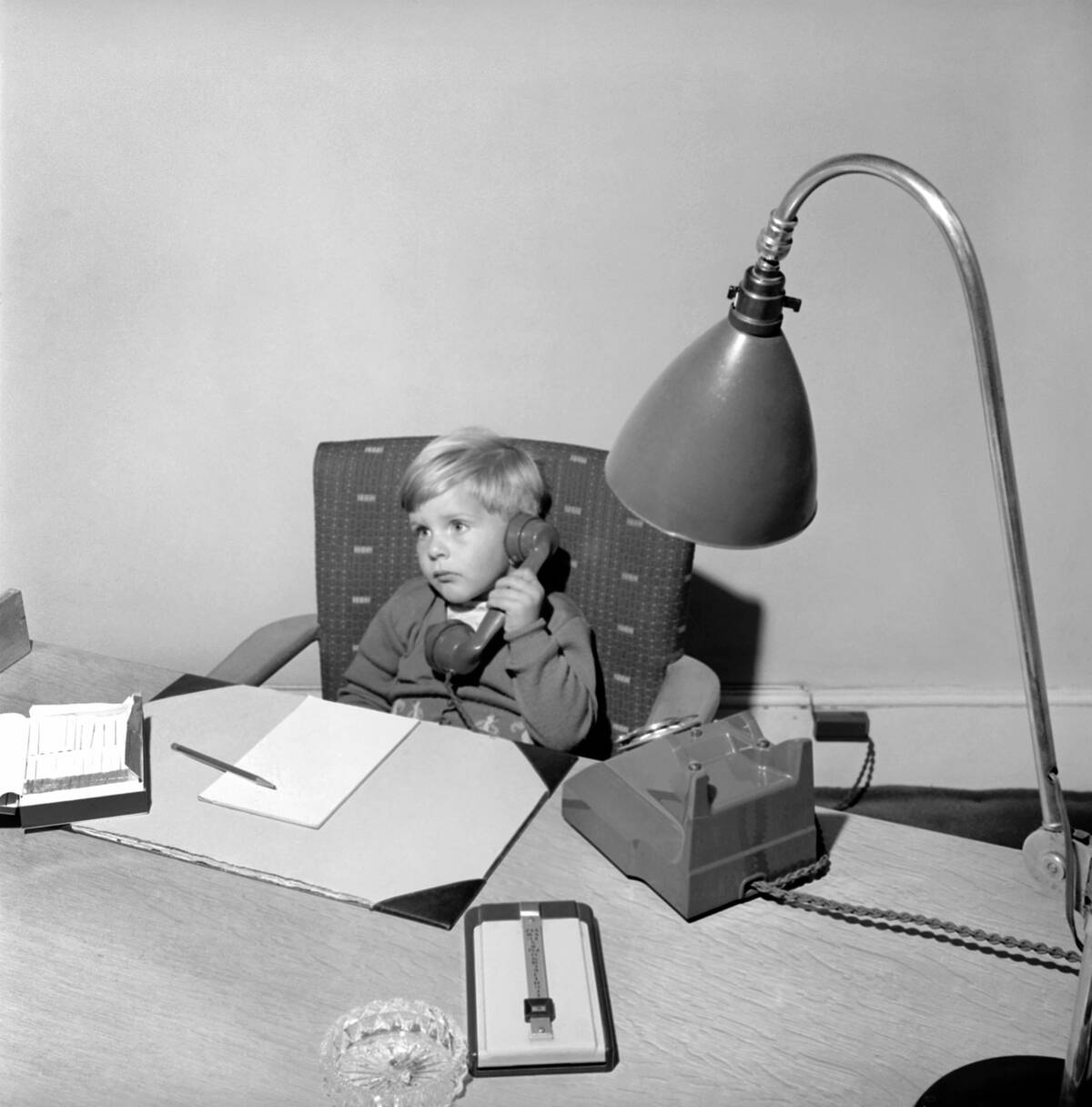
Time can seem to fly by or drag on, depending on our experiences and emotions. This time distortion is influenced by factors like novelty and stress. New or exciting experiences can make time feel slower in the moment but faster in retrospect.
Conversely, routine activities might feel slow but seem to have passed quickly when looking back. Our perception of time is as fluid as our memories.
Flashbulb Memories: Vivid, Yet Flawed Snapshots
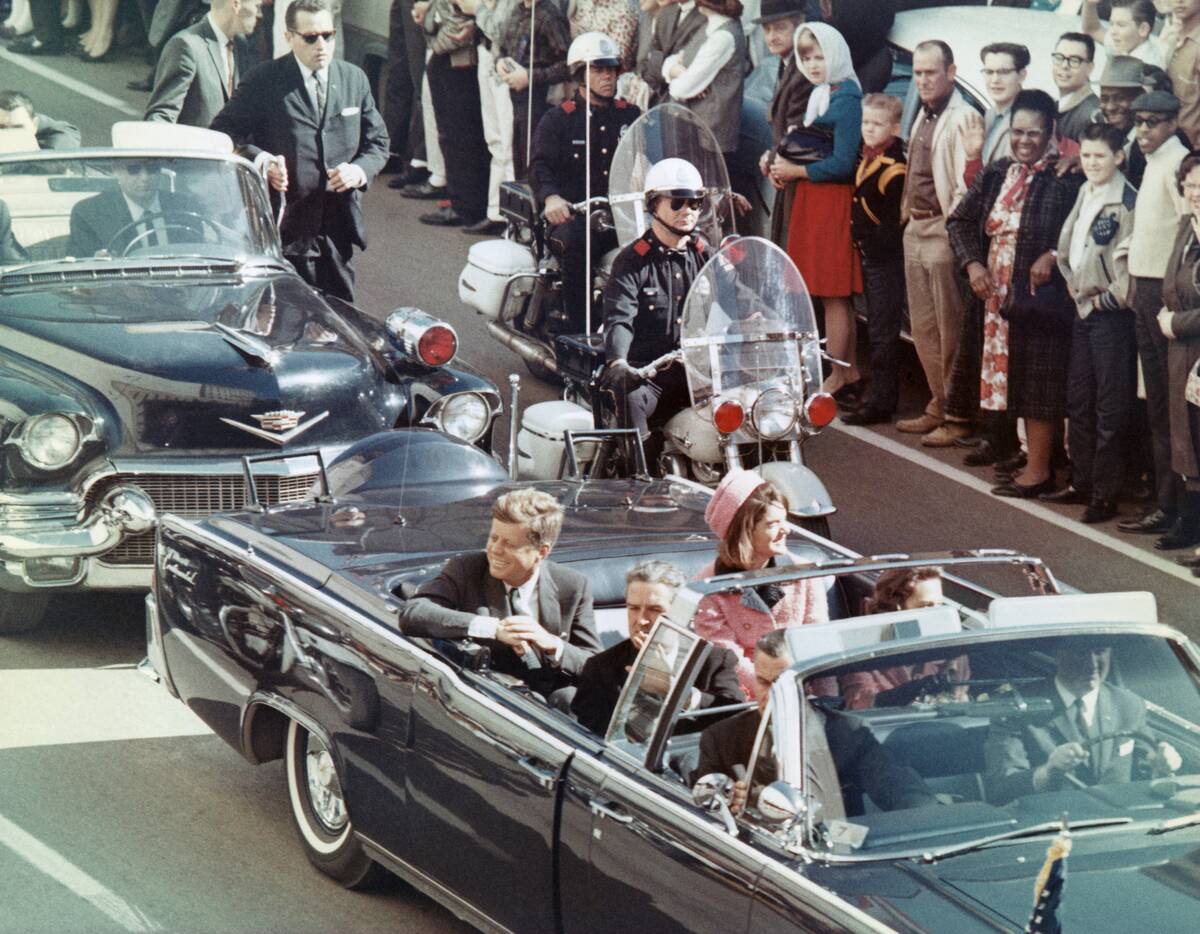
Flashbulb memories are vivid recollections of significant events, like where you were during a major news event. While these memories feel detailed and accurate, studies show they are prone to errors.
Emotional intensity enhances the vividness but not the accuracy of these memories. They highlight how our confidence in a memory doesn’t always reflect its reliability, as even the most vivid memories can be flawed.
Source Amnesia: Forgetting Where You Learned Something
Source amnesia involves forgetting the origin of a known fact or memory. You might remember the information but not where it came from. This can lead to the erroneous belief that the information is more credible than it is.
Source amnesia is common and illustrates the complex nature of memory retrieval, where the content is retained, but the source is lost in the shuffle.
The Google Effect: Relying on the Internet to Remember
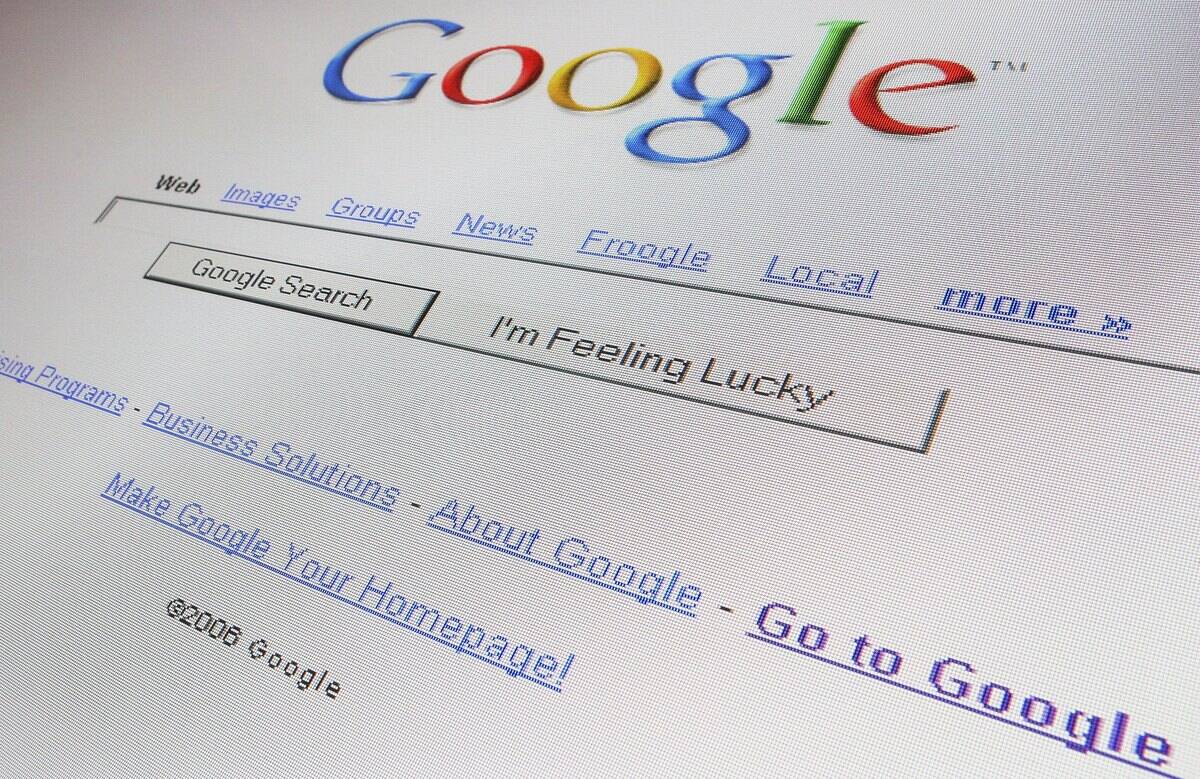
The Google Effect refers to the tendency to forget information easily found online. With a wealth of data at our fingertips, our brains offload memories to digital devices, prioritizing access over retention.
This isn’t necessarily negative, as it allows us to focus on processing and analyzing information rather than memorizing it. However, it raises questions about the impact on our cognitive abilities long-term.
The Placebo Effect: When Belief Trumps Reality

The placebo effect demonstrates the power of belief in influencing perception and reality. When people experience real changes after taking a placebo, it shows how expectations can alter physiological responses.
This effect is widely studied in medicine, highlighting the brain’s ability to produce tangible outcomes regarding symtoms from mere belief. It serves as a testament to the intricate link between mind and body.
The Power of Suggestion: How Influence Alters Memory
The power of suggestion can reshape memories, often without our awareness. A simple suggestion or leading question can plant new memories or modify existing ones.
This phenomenon is particularly significant in legal and therapeutic settings, where suggestion can alter witness testimony or personal recollections. It underscores the fragility of memory and the profound impact external influences can have on our mental narratives.
Memory Palace: Tricks to Boost Your Recollection
The memory palace technique leverages spatial memory to enhance recall. By associating information with specific locations in an imagined space, you can improve retention and retrieval.
This method, used since ancient times, is popular among memory champions and students alike. It demonstrates the brain’s capacity to create elaborate memory systems, turning abstract information into vivid, retrievable images.
Unlearning: How the Brain Deletes Information
Unlearning involves the brain’s ability to discard outdated or irrelevant information. This process is vital for cognitive flexibility, allowing us to adapt to new situations.
Through synaptic pruning, the brain removes less-used neural connections, streamlining mental processes. While unlearning might seem like forgetting, it’s an active and necessary part of learning, ensuring our minds aren’t cluttered with unnecessary data.
The Role of Emotions: How Feelings Skew Memories
Emotions play a crucial role in shaping our memories, often enhancing or distorting them. Strong emotions can make memories more vivid but not necessarily more accurate.
For instance, fear or joy can amplify details, while mundane events might fade away. This emotional bias shows how our feelings color our recollections, impacting how we perceive past events and guiding future decisions.
Real-Life Examples: Famous Memory Glitches in History

History is rife with memory glitches that have intrigued experts. One famous example is Ronald Reagan’s retelling of a World War II pilot’s story, which was actually a scene from a movie.
Another is the Challenger explosion, where many people recalled watching it live, though only a few did. These instances underscore the fallibility of memory and how easily recollections can be influenced by external narratives.