17 Surprising facts about the Sioux

Trending Now
The Sioux are a group of Native American tribes known for their rich culture and history. Predominantly found in the Great Plains region of the United States, the Sioux have played a significant role in American history. Their name, “Sioux,” is derived from a French version of an Ojibwe term meaning “little snakes,” a name that doesn’t do justice to their complex culture. The Sioux are renowned for their strong community ties, traditions, and resilience.
The Many Names of the Sioux: Dakota, Lakota, and Nakota
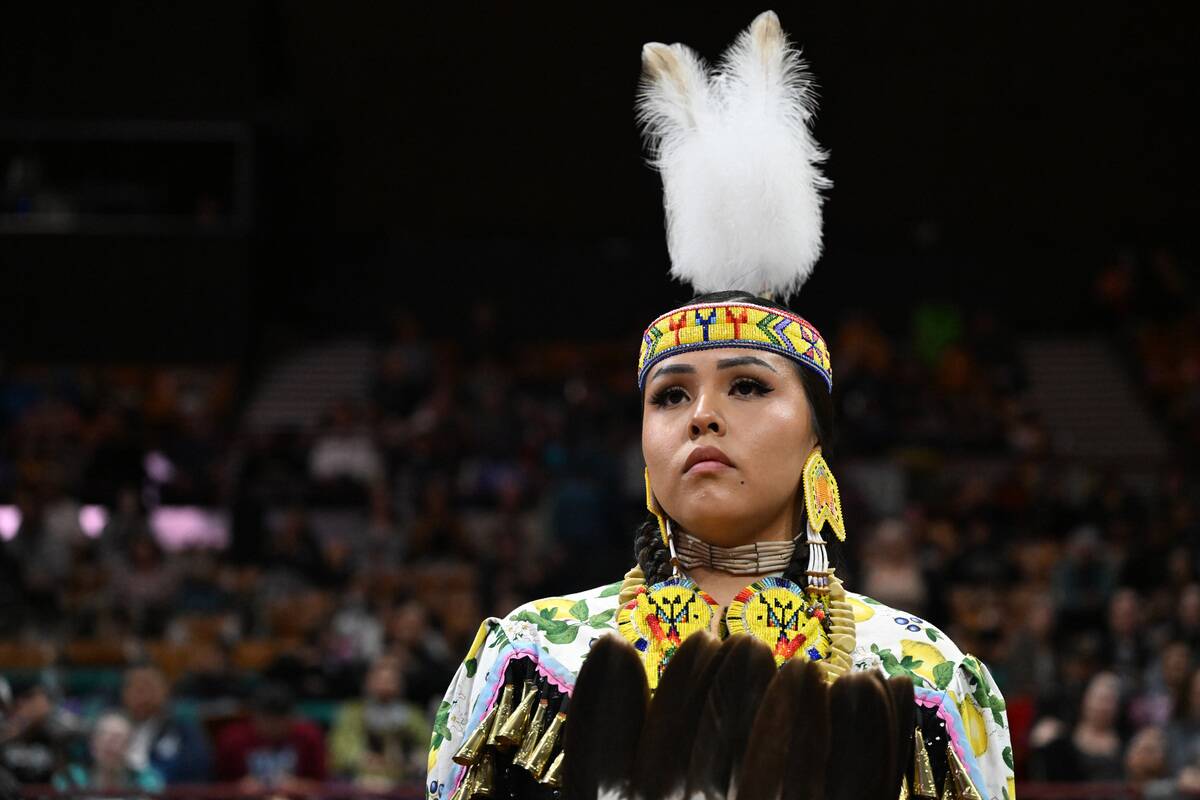
The Sioux people are divided into three main groups: the Dakota, Lakota, and Nakota. Each group is distinguished by its dialect and geography. The Dakota, known as “the friends,” inhabit areas around Minnesota. The Lakota, or “the allies,” are primarily found in the western Dakotas. The Nakota, meaning “the allies,” reside in parts of North Dakota and Montana. These names reflect their interconnected yet diverse cultural and linguistic identities.
The Sioux Language: A Rich Linguistic Heritage

The Sioux language is part of the Siouan language family, which includes several dialects corresponding to the Dakota, Lakota, and Nakota groups. This linguistic diversity is a testament to the adaptability and richness of Sioux culture. Efforts have been made to preserve and revitalize these languages, with programs in schools and communities. Language plays a crucial role in maintaining cultural identity and passing down traditional knowledge.
Traditional Sioux Homesteads: The Iconic Tipi
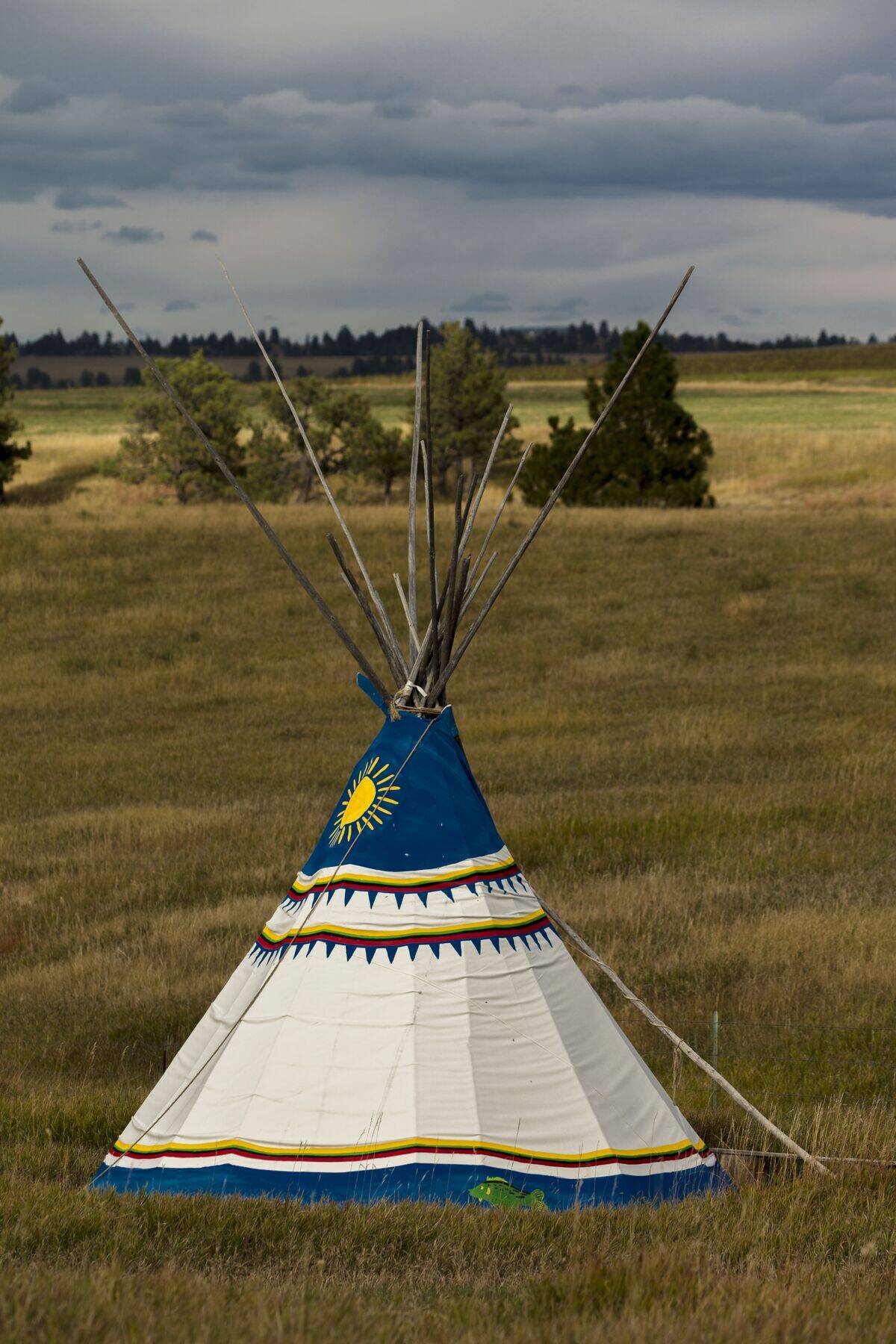
The tipi is an ingenious creation of the Sioux and other Plains tribes, designed for mobility and efficiency. Built using wooden poles and animal hides, tipis are not only practical but also symbolize the Sioux’s deep connection to nature. The circular shape represents the universe and life cycles. Tipis are easily assembled and disassembled, perfect for the nomadic lifestyle of the Sioux, who followed buffalo herds across the plains.
The Sacred Sun Dance: A Spiritual Celebration
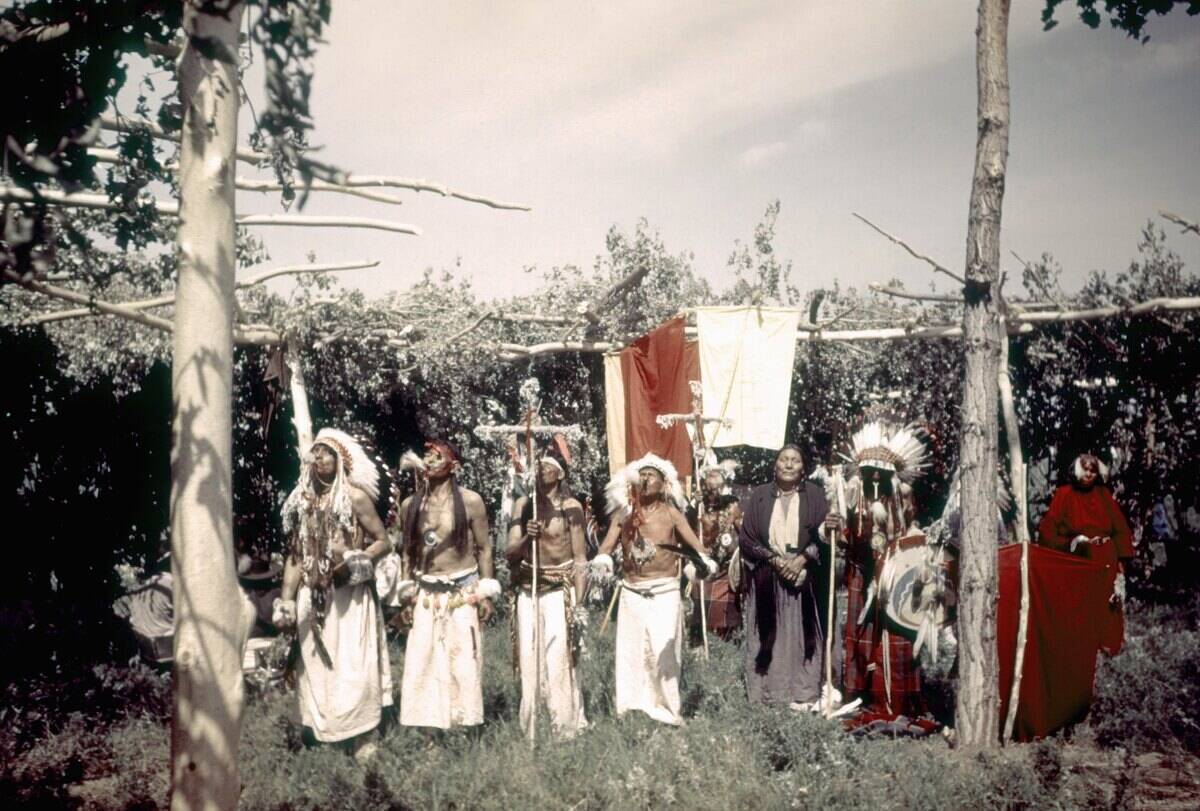
The Sun Dance is a vital spiritual ceremony among the Sioux, reflecting their beliefs and connection to the land. It is a time for prayer, renewal, and community bonding, usually held in the summer. Participants engage in days of fasting, dancing, and rituals to honor the sun and seek guidance. Despite past government bans, the Sun Dance continues to be a cherished tradition, embodying the resilience of Sioux spirituality.
Sioux Warriors: The Legendary Horse Riders

Sioux warriors were known for their exceptional horsemanship, which played a crucial role in their military strategies and daily life. The horse, introduced to the Plains by Spanish explorers, became an integral part of Sioux culture. Warriors trained from a young age, mastering riding and combat skills. Their prowess on horseback was not only a means of warfare but also a symbol of status and bravery within the tribe.
The Role of Women in Sioux Society: More Than Meets the Eye
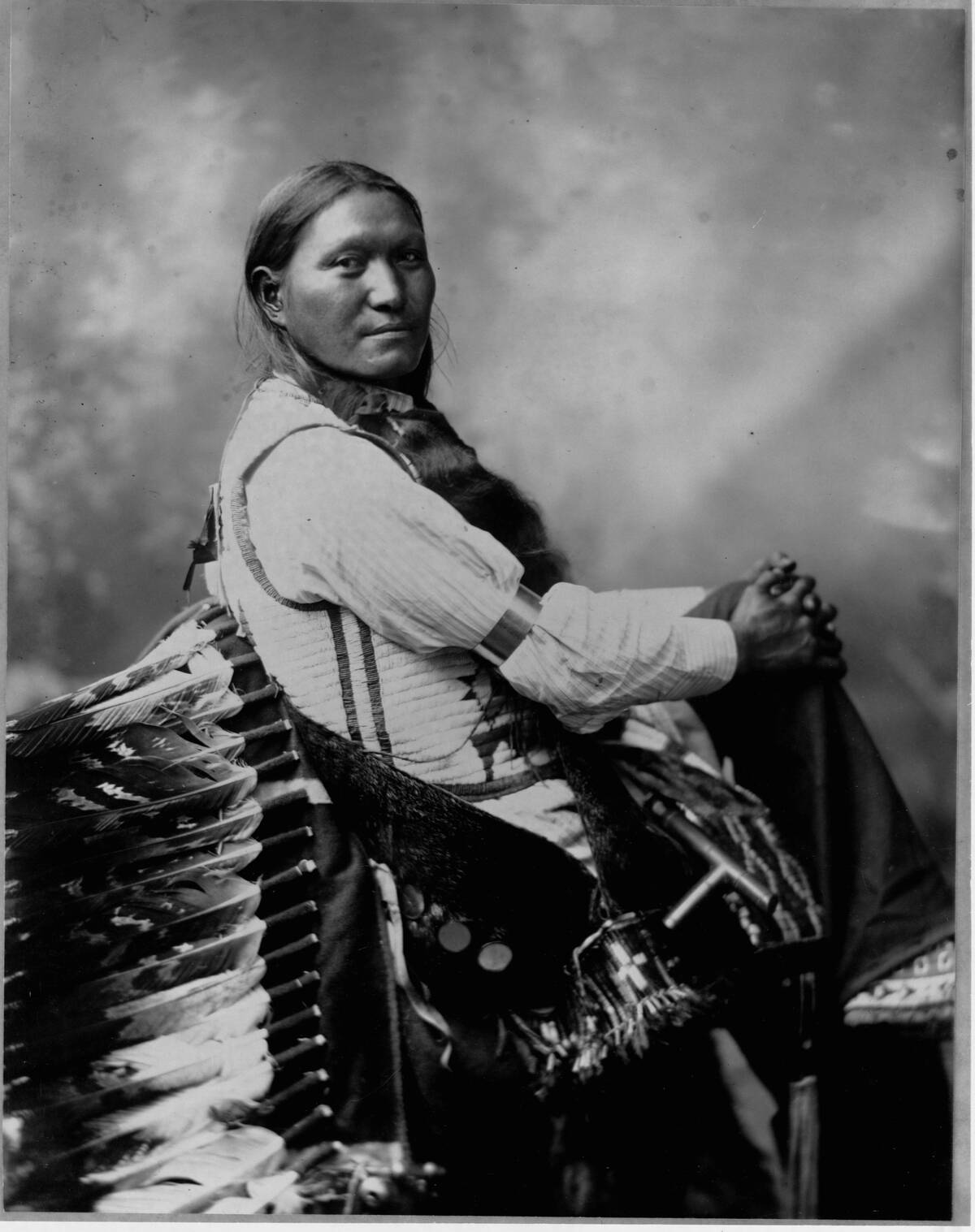
Women in Sioux society held significant roles that went beyond traditional gender expectations. They were responsible for maintaining the household, crafting clothing, and gathering food. Additionally, women participated in decision-making and held spiritual authority. Some women were even recognized as warriors. This dynamic role of Sioux women highlights the balance and respect within their communities, countering stereotypes of Native American gender roles.
Sioux Artistry: Beadwork, Quillwork, and More

Sioux artistry is renowned for its intricate beadwork and quillwork, which showcase their creativity and craftsmanship. Using materials like porcupine quills and glass beads, Sioux artists create vibrant designs on clothing, accessories, and ceremonial objects. Each piece tells a story or conveys a cultural significance, serving as both functional and artistic expression. This tradition continues today, with modern Sioux artists drawing inspiration from their rich heritage.
The Sioux and the Buffalo: A Relationship of Respect and Survival
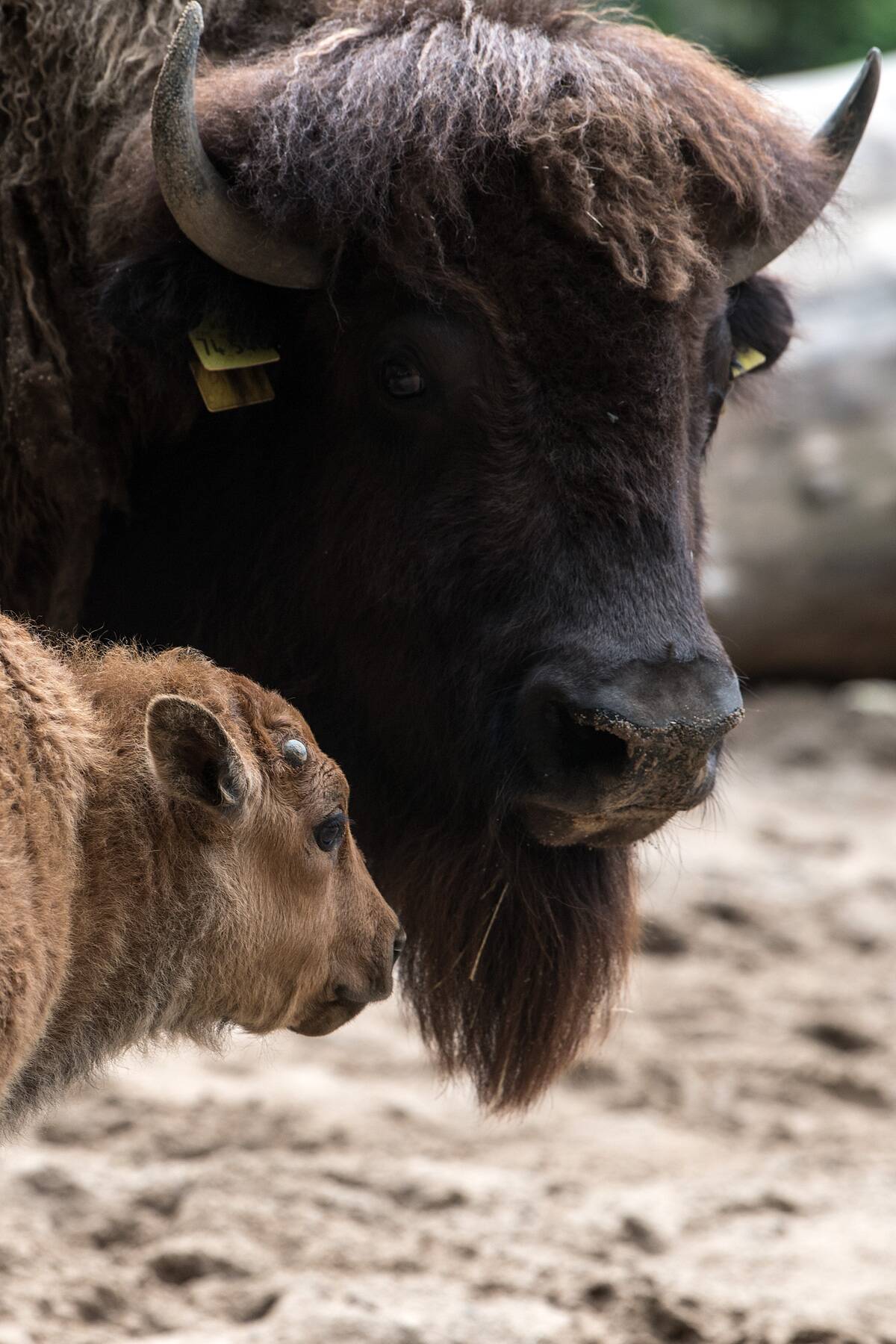
The buffalo was central to the Sioux way of life, providing food, clothing, and materials for shelter. The Sioux revered the buffalo, hunting it with respect and utilizing every part of the animal. This sustainable approach ensured their survival and maintained ecological balance. The near-extinction of the buffalo in the 19th century, driven by European settlers, had devastating effects on the Sioux, highlighting the deep interdependence between the tribe and this majestic animal.
Sioux Music: Drums, Flutes, and Traditional Songs
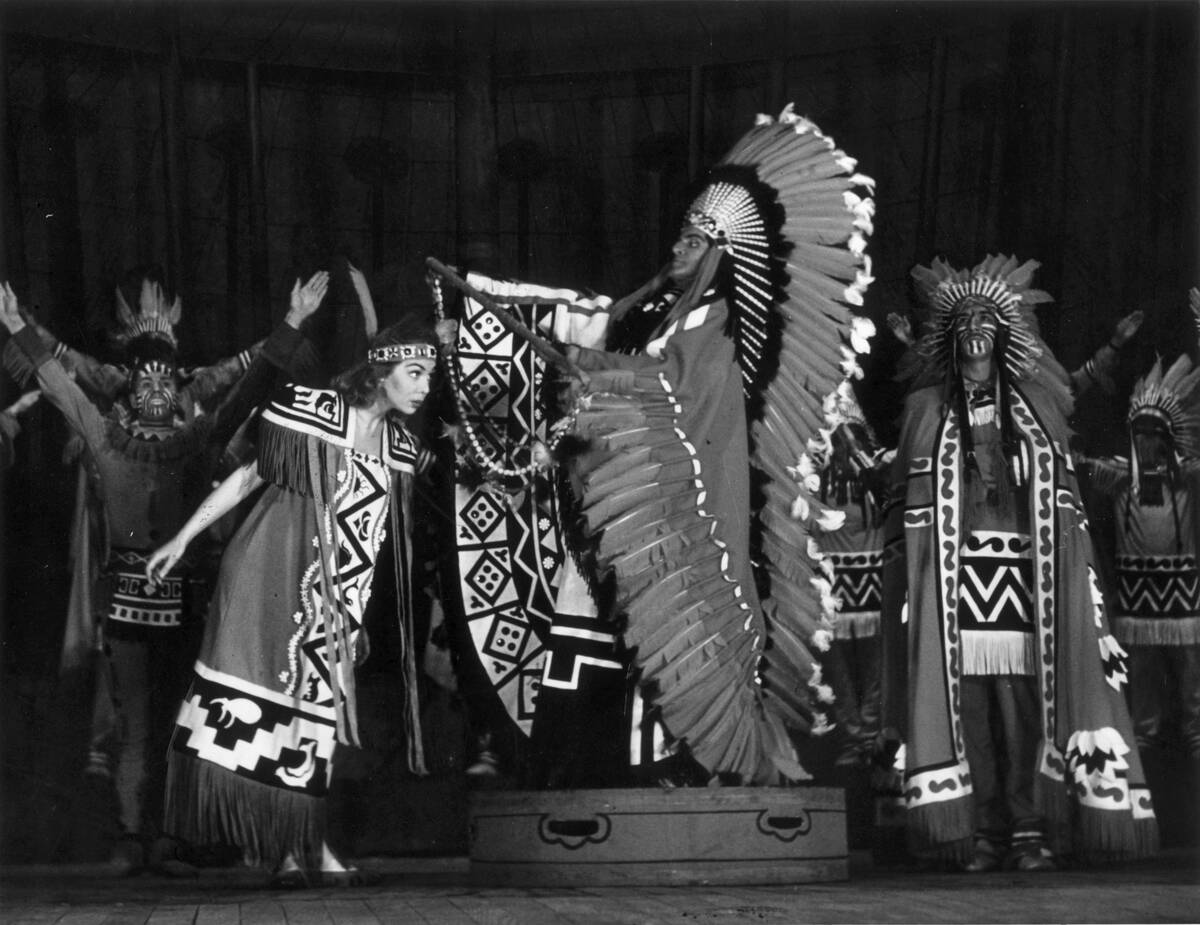
Music is an integral part of Sioux culture, with drums and flutes being the primary instruments. Drumming, often accompanied by singing, is central to ceremonies and social gatherings. The flute, traditionally used by men, carries a haunting and melodic sound, often associated with courtship. Sioux songs encompass a wide range of themes, from spiritual prayers to historical narratives, serving as a living archive of their cultural heritage.
The Great Sioux Nation: A Powerful Confederation
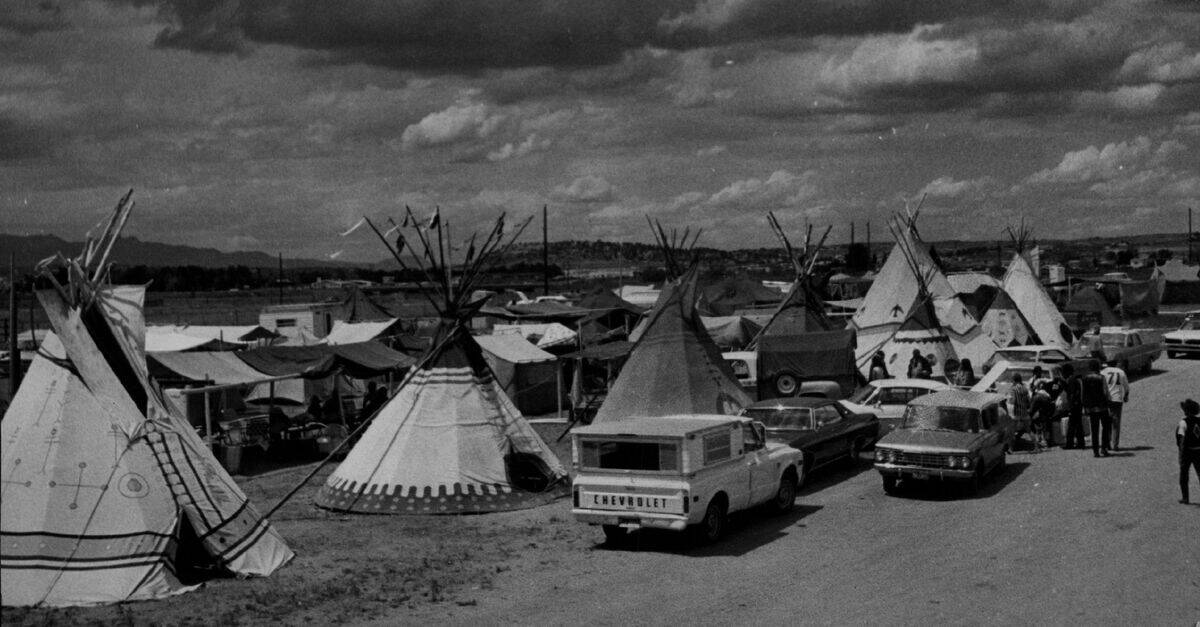
The Great Sioux Nation, also known as Oceti Sakowin or ‘Seven Council Fires,’ was a powerful political and cultural alliance. It united various Sioux tribes across the Plains, facilitating cooperation and mutual defense. This confederation enabled the Sioux to maintain their independence and resist external threats for many years. The Great Sioux Nation’s legacy continues to influence Sioux governance and cultural identity today, symbolizing unity and strength.
Sioux Leadership: The Influence of Chiefs and Councils
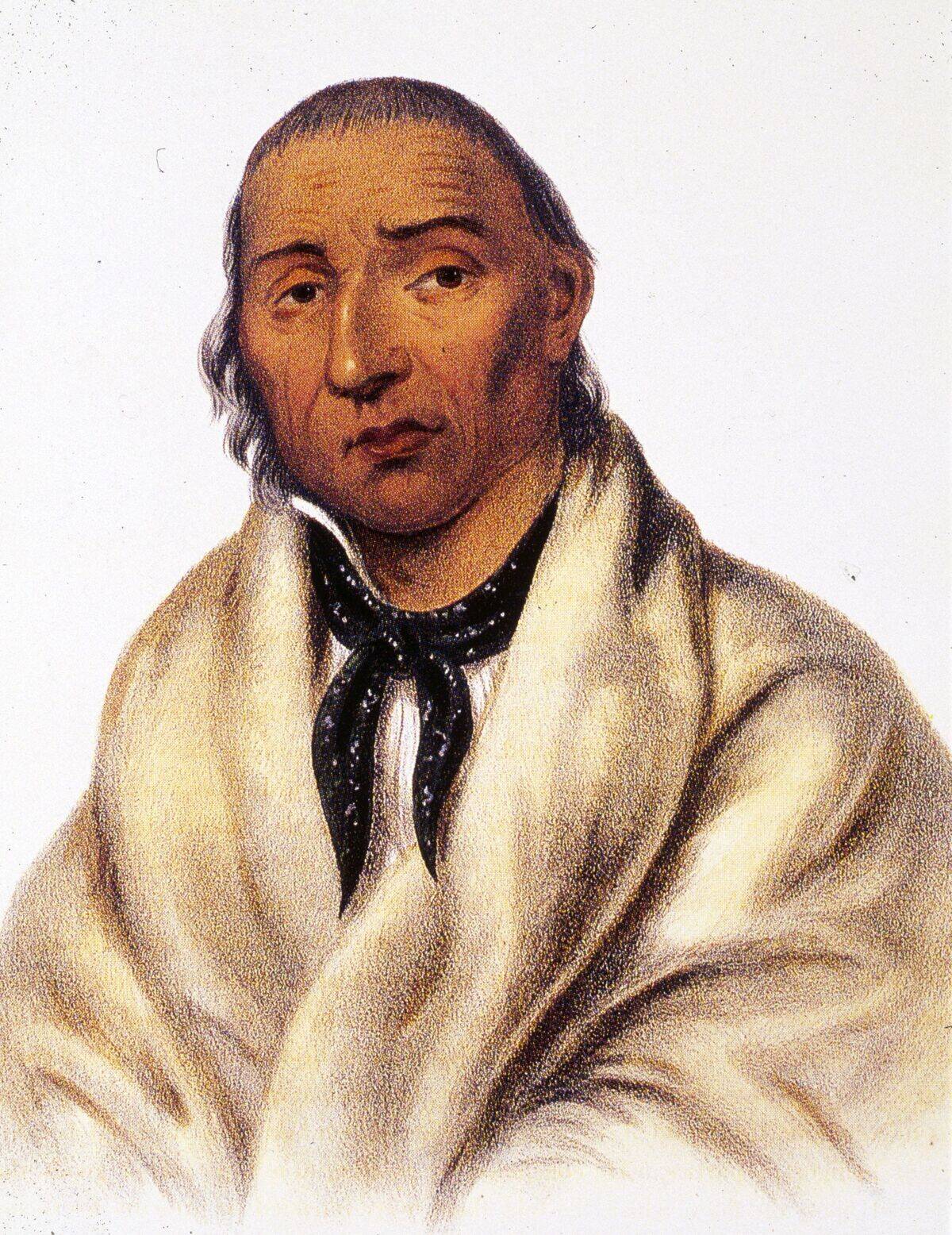
Leadership in Sioux society was based on wisdom, bravery, and consensus. Chiefs, chosen for their leadership qualities rather than heredity, led with the support of councils. These councils, composed of respected elders and leaders, made decisions by consensus, ensuring that all voices were heard. This democratic approach to governance allowed the Sioux to adapt to changing circumstances and maintain social cohesion, reflecting their values of community and cooperation.
Sioux Mythology: Legends and Spiritual Beliefs

Sioux mythology is rich with tales that explain natural phenomena and impart moral lessons. Wakan Tanka, or the Great Spirit, is central to Sioux spirituality, representing a life force that connects all beings. Stories of tricksters like Iktomi teach lessons of humility and wisdom. These myths and spiritual beliefs are passed down through generations, offering insight into the Sioux worldview and their deep connection to the natural world.
Famous Sioux Figures: From Sitting Bull to Crazy Horse

Sitting Bull and Crazy Horse are two of the most iconic figures in Sioux history, known for their leadership and resistance against U.S. expansion. Sitting Bull, a visionary chief, was instrumental in the victory at the Battle of Little Bighorn. Crazy Horse, celebrated for his courage, is remembered as a fierce defender of Sioux land and culture. Their legacies continue to inspire pride and resilience among the Sioux people today.
The Sioux Today: A Vibrant Culture in the Modern World
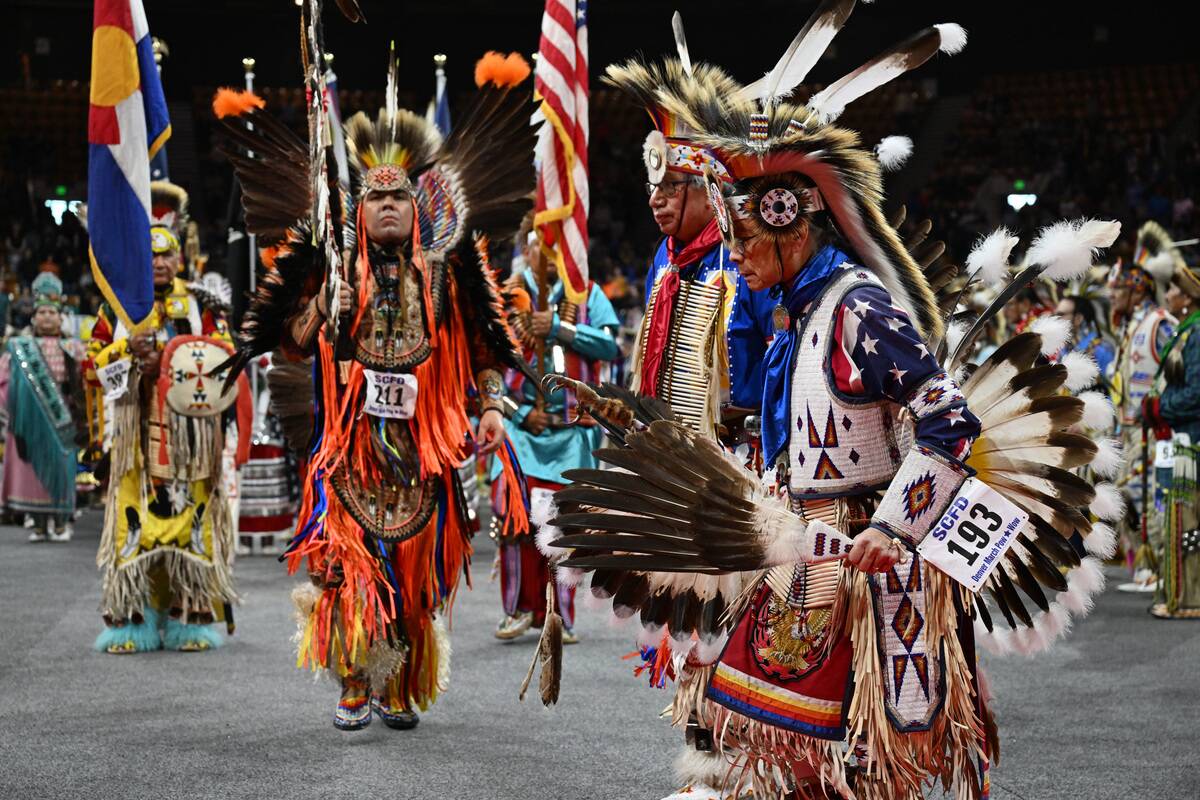
The Sioux continue to thrive, maintaining their cultural traditions while adapting to modern challenges. With over 100,000 Sioux living in the United States today, they are active in preserving their language, arts, and spirituality. Sioux communities engage in cultural exchanges, education, and political advocacy, ensuring their voices are heard on local and national stages. This vibrant culture reflects the enduring spirit and resilience of the Sioux people.
Sioux Contributions: Impact on American History and Culture
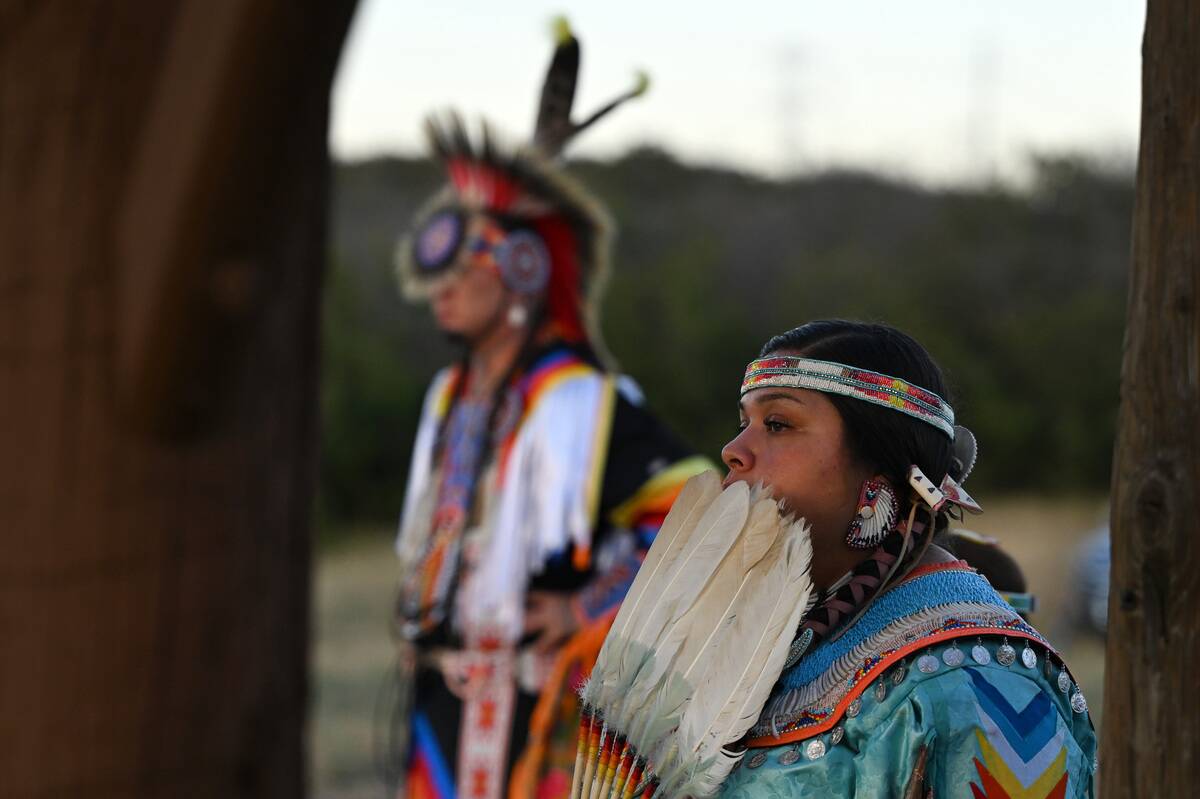
The Sioux have made significant contributions to American history and culture, from their military strategies to their artistic expressions. Their resistance efforts, particularly during the Indian Wars, have been pivotal in shaping U.S. policies and attitudes towards Native Americans. Sioux art, music, and traditions have enriched the cultural landscape, influencing everything from fashion to film. These contributions highlight the Sioux’s enduring impact and their role in the broader American narrative.
Surprising Sioux Innovations: Beyond the Stereotypes
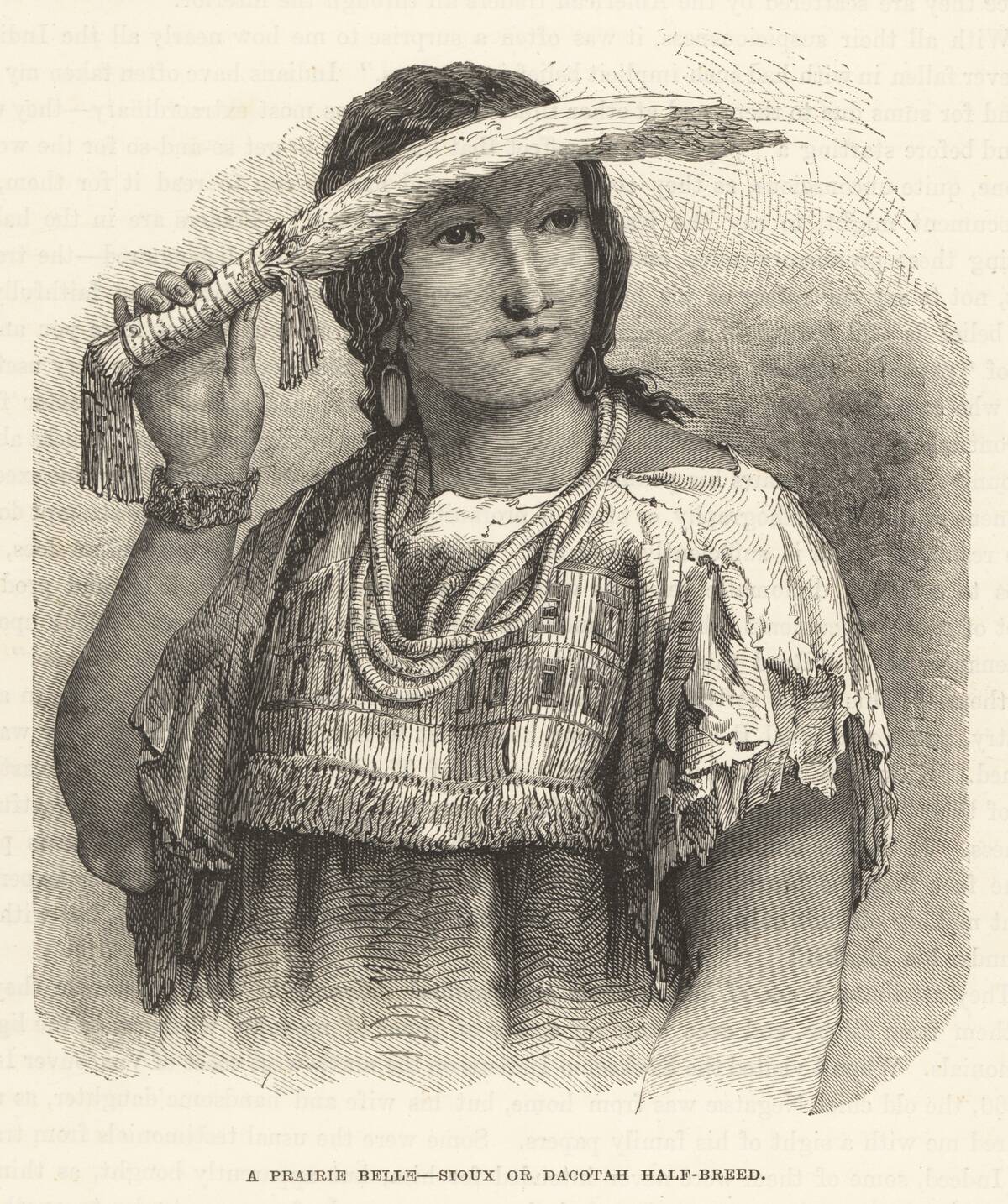
The Sioux are often associated with traditional practices, but they have also been innovators in various fields. Their use of sign language facilitated communication across different tribes and languages. Sioux warriors developed sophisticated battle tactics that are studied for their strategic brilliance. In contemporary times, Sioux entrepreneurs and artists are making strides in technology and media, breaking stereotypes and showcasing the dynamic nature of Sioux innovation and creativity.
Sioux Resilience: Overcoming Adversity Through the Ages

The history of the Sioux is one of resilience and perseverance. Despite facing numerous challenges, from forced relocation to cultural suppression, the Sioux have preserved their identity and traditions. Their ability to adapt and thrive in changing environments is a testament to their strength. Today, the Sioux continue to overcome adversity by advocating for their rights, revitalizing their culture, and building a brighter future for the next generations.