Unusual phobias so odd you’ll wonder how they exist

Trending Now
Welcome to a quirky corner of the mind where fears take unexpected forms. While many have heard of arachnophobia or claustrophobia, there exists a vast array of less common phobias that are equally fascinating.
These unusual fears can range from the mundane to the downright bizarre, each with its own unique trigger. Let’s embark on a journey to explore some of these peculiar phobias and the stories behind them.
Arachibutyrophobia: Fear of Peanut Butter Sticking to the Roof of Your Mouth

Arachibutyrophobia might sound like a mouthful, but it’s actually the fear of peanut butter sticking to the roof of your mouth. While this might seem amusing to some, for those affected, it can cause genuine anxiety.
This phobia often stems from a fear of choking or a dislike of sticky textures. The good news? Most people with this fear can still enjoy peanuts in other forms, provided they steer clear of the creamy, sticky variety.
Nomophobia: The Anxiety of Being Without Your Mobile Phone

In our hyper-connected world, nomophobia is on the rise. This is the fear of being without a mobile phone or out of mobile phone contact.
A study in the UK found that over half of mobile phone users tend to feel anxious when they ‘lose signal’ or their battery dies. This anxiety can be linked to a fear of missing out or being disconnected from social interactions, highlighting how integral mobile devices have become to modern life.
Ombrophobia: When Raindrops Fill You with Dread

Ombrophobia, or the fear of rain, may seem unusual, yet it affects a surprising number of people. This fear can be linked to a traumatic experience involving storms or simply a dislike of getting wet.
For some, even the sound of raindrops can trigger anxiety. Interestingly, ombrophobia is more common in children but can persist into adulthood if not addressed, making rainy days a source of distress rather than relaxation.
Xanthophobia: The Fear of the Color Yellow
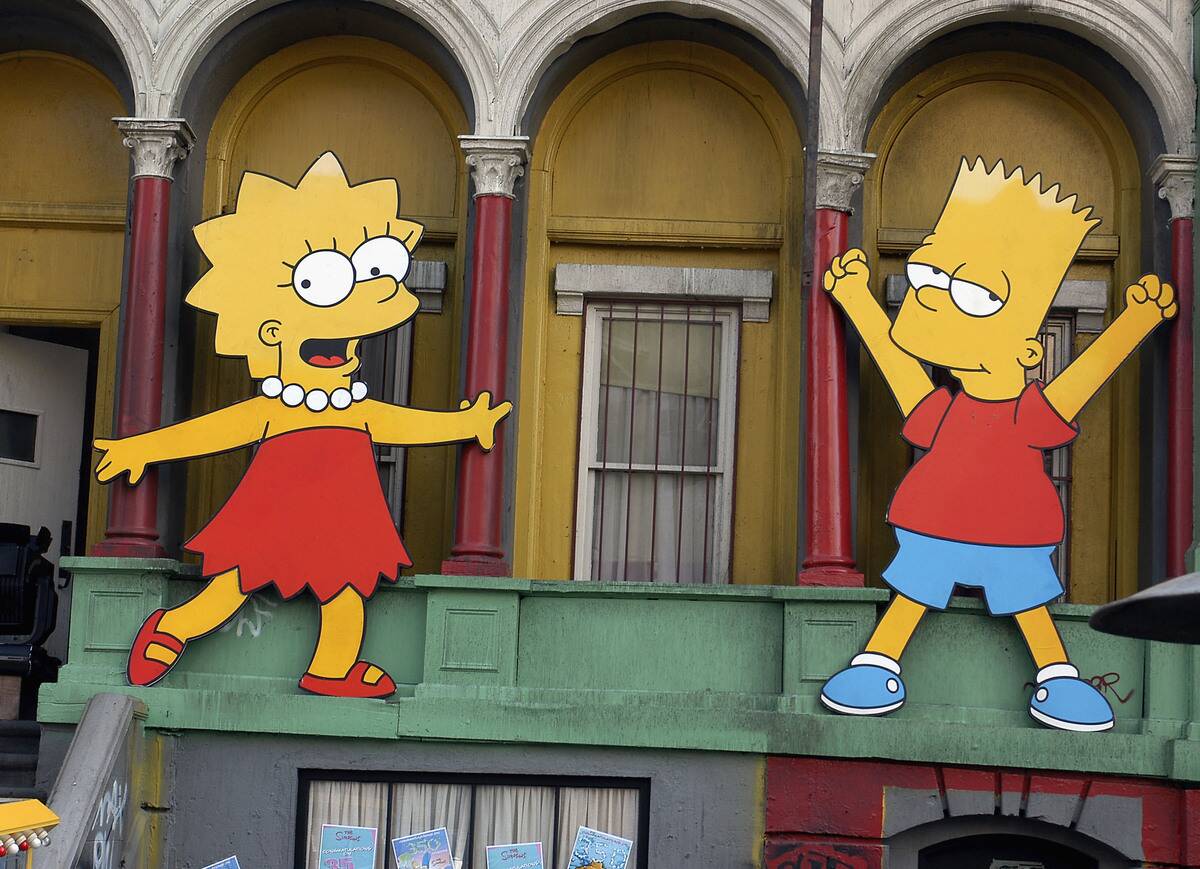
Xanthophobia is the fear of the color yellow, and while it might seem odd, it can be quite debilitating for those who experience it. This fear might be rooted in cultural associations with yellow, such as caution or illness.
For some, the brightness of yellow can be overwhelming, leading to avoidance of anything from sunflowers to school buses. It’s a vivid reminder of how our perceptions of color can influence our emotions.
Turophobia: Terrified of Cheese

For most, cheese is a delicious treat, but for those with turophobia, it’s a source of fear. Whether it’s the texture, smell, or the unpredictable nature of its growth, something about cheese can be quite intimidating for some people.
Some believe it may stem from an unpleasant childhood experience or simply a strong aversion to dairy products. Despite its rarity, turophobia shows how diverse our relationships with food can be, even turning a simple cheese platter into a daunting challenge.
Chorophobia: Dancing Your Way Out of Fear

Chorophobia is the fear of dancing, and it can stem from a fear of social embarrassment or a lack of rhythm. For some, the idea of dancing in public can be more terrifying than speaking on stage.
This phobia can prevent people from participating in social gatherings like weddings or parties. However, with the help of supportive friends and perhaps a few dance lessons, many can overcome this fear and find joy in moving to the music.
Ephebiphobia: The Unease Around Teenagers

Ephebiphobia is the fear of teenagers, often rooted in stereotypes or negative media portrayals. This phobia can lead to unwarranted anxiety when interacting with adolescents.
Interestingly, this fear is more prevalent among older adults who might feel disconnected from younger generations. Understanding and communication can help bridge this gap, allowing for more positive interactions and reducing the irrational fear associated with teens.
Pogonophobia: When Beards Become Terrifying

Pogonophobia is the fear of beards, and while it may sound peculiar, it can affect social interactions for those who experience it. This fear may arise from a bad encounter with someone who had a beard or simply an aversion to facial hair.
In cultures where beards are symbols of wisdom or masculinity, pogonophobia can be particularly challenging. For those affected, understanding the root of their fear is the first step to overcoming it.
Plutophobia: The Fear of Wealth and Money

In a world where wealth is often seen as desirable, plutophobia stands out as a fear of money or becoming wealthy. This fear can stem from a belief that money leads to corruption or complicates relationships.
For some, the pressure of managing wealth is overwhelming. Addressing plutophobia involves recognizing these fears and understanding that wealth, like any tool, can be managed positively and ethically.
Geniophobia: An Unusual Fear of Chins

Geniophobia is the fear of chins and is one of the more unusual phobias out there. The fear can be triggered by the perceived shape or size of chins, leading to discomfort in face-to-face conversations.
While research on geniophobia is limited, it serves as a reminder of how specific our fears can be. For those affected, therapy can help address the underlying causes and reduce the anxiety associated with this unique fear.
Allodoxaphobia: The Anxiety of Opinions
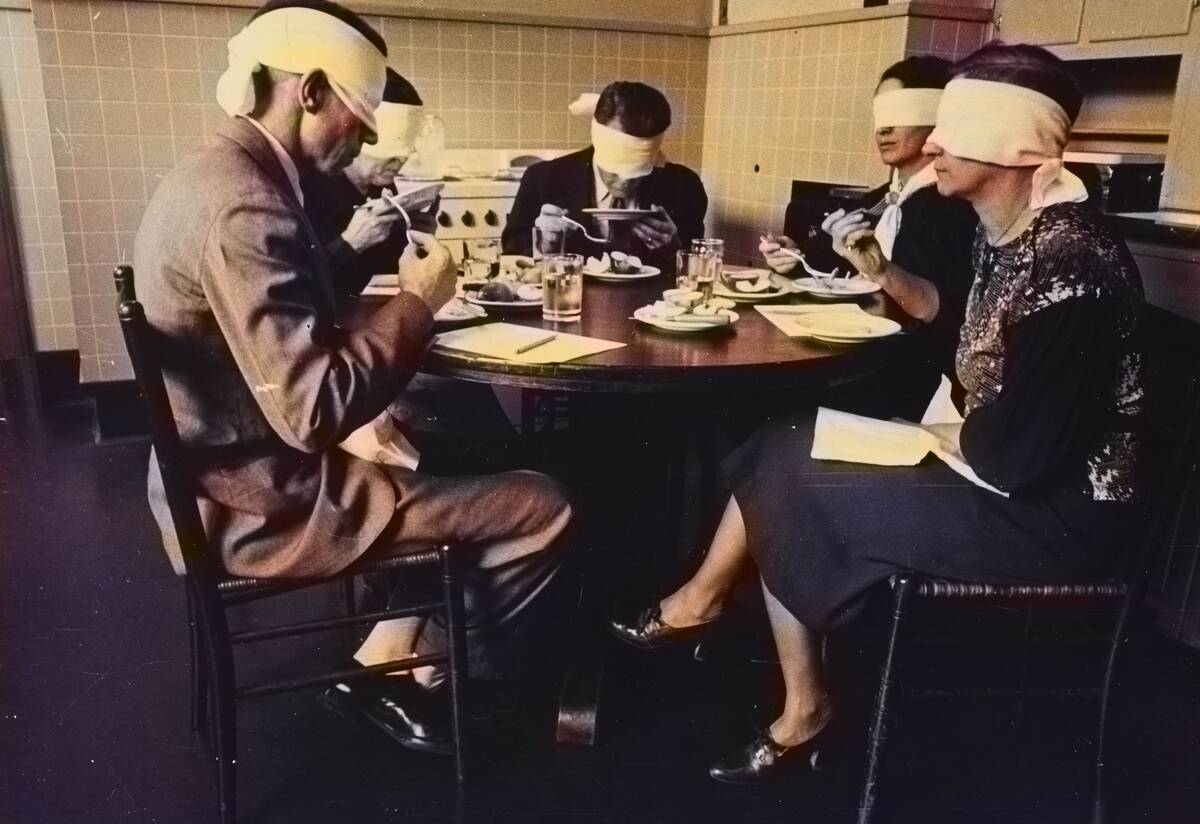
Allodoxaphobia is the fear of opinions, particularly those of others. This fear can make social interactions and public speaking daunting, as individuals dread criticism or judgment.
Often linked to low self-esteem, allodoxaphobia can hinder personal and professional growth. Building confidence and learning to appreciate diverse perspectives can help mitigate this fear, allowing individuals to engage more freely in discussions and debates.
Aulophobia: The Fear of Listening to Flutes

Aulophobia is the fear of flutes or flute music, a rather niche phobia that may arise from a particular sound sensitivity. For some, the high-pitched tones of a flute can be jarring or trigger unpleasant memories.
While it may seem trivial, aulophobia can affect those who love music but can’t handle this specific instrument. Exposure therapy and gradual desensitization can help individuals overcome this fear and enjoy music more fully.
Hippopotomonstrosesquippedaliophobia: The Irony of Fear of Long Words

Hippopotomonstrosesquippedaliophobia is ironically the fear of long words. This phobia can make reading and communication challenging for those affected. It’s often linked to a fear of mispronunciation or appearing uneducated.
Despite its humorous name, this fear can be quite serious. Building a strong vocabulary and practicing pronunciation in safe environments can help reduce the anxiety associated with encountering lengthy words.
Phobophobia: Fear of Developing a Phobia
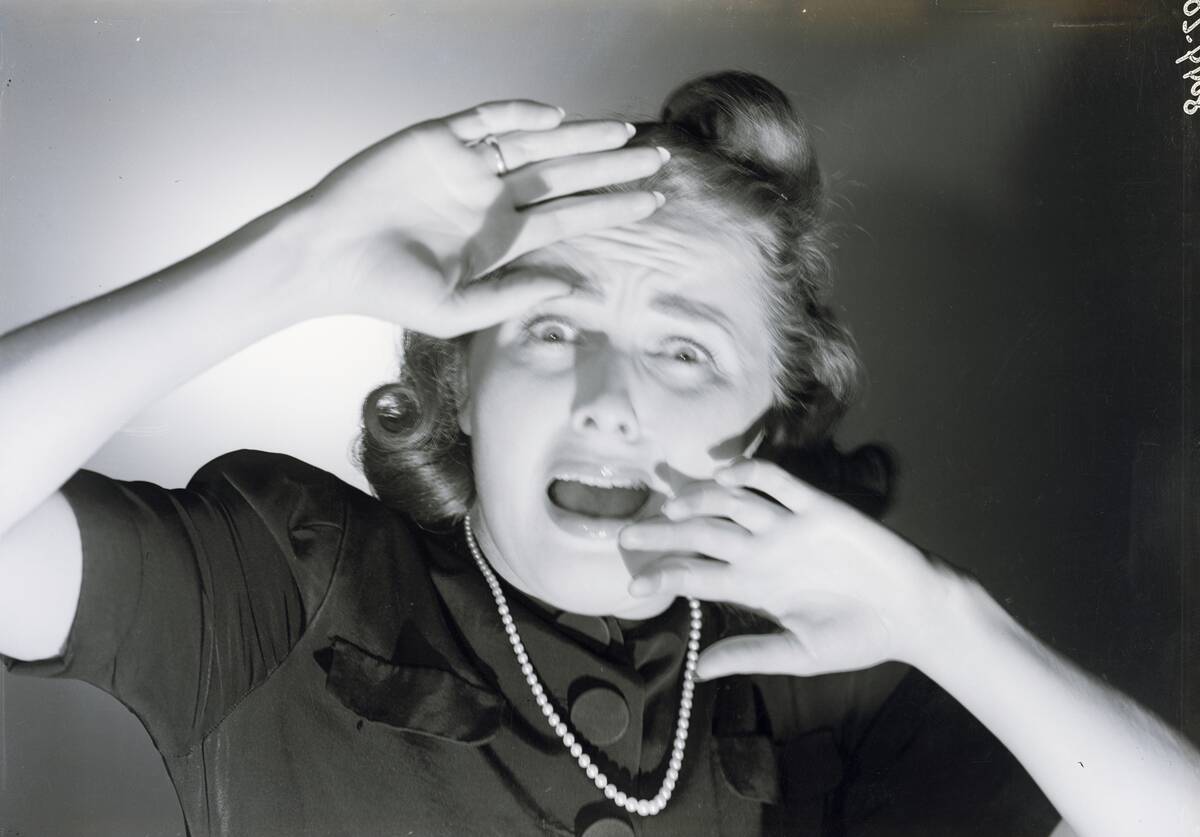
Phobophobia is the fear of developing a phobia, creating a cycle of anxiety about anxiety itself. This meta-phobia can be particularly paralyzing, as individuals constantly worry about potential triggers.
It’s a reminder of how intricate and self-referential our fears can be. Addressing phobophobia involves breaking the cycle of worry through mindfulness and cognitive-behavioral techniques, helping individuals manage their fears before they escalate.