Ancient technologies that were ahead of their time

Trending Now
Ancient technologies often evoke images of primitive tools and rudimentary techniques, but history tells a different story. From intricate devices to monumental structures, ancient civilizations were far more advanced than we often give them credit for.
These innovations not only demonstrate their ingenuity but also their deep understanding of science and engineering.
The Antikythera Mechanism: The World’s First Analog Computer
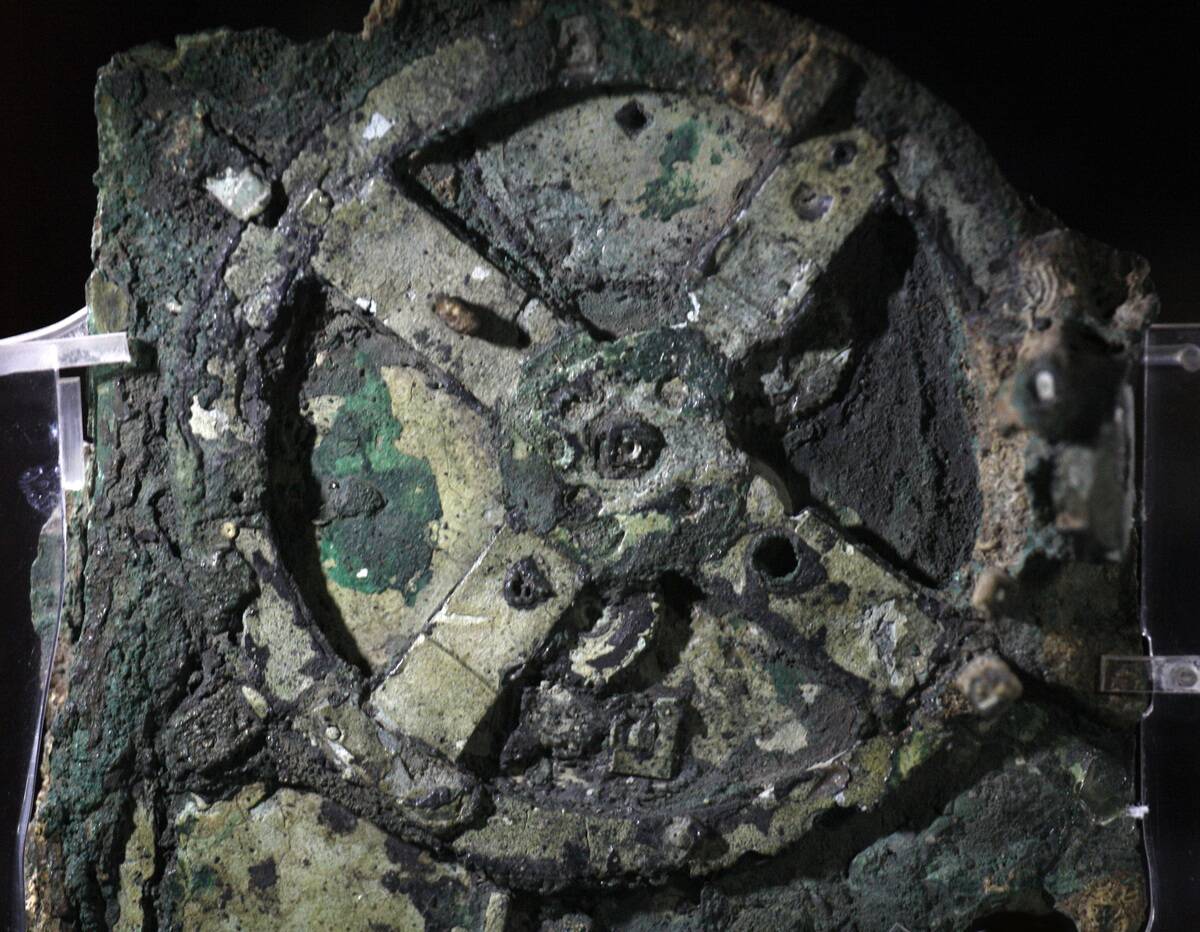
Discovered in a shipwreck off the coast of the Greek island Antikythera, this ancient device has puzzled scientists for decades. The Antikythera Mechanism, dated to around 100 BC, is believed to have been used to predict astronomical positions and eclipses.
Its complexity, with over 30 meshing bronze gears, is comparable to a 19th-century Swiss clock. This remarkable artifact showcases the advanced understanding of astronomy and mechanical engineering possessed by the ancient Greeks.
Roman Concrete: The Secret to Lasting Structures

The durability of Roman concrete has baffled modern engineers, as many ancient Roman structures still stand today. Unlike modern concrete, Roman concrete used volcanic ash, lime, and seawater, creating a chemical reaction that strengthened the material over time.
This unique composition allowed structures like the Pantheon and aqueducts to withstand the test of time. The rediscovery of this ancient formula could revolutionize modern construction, offering more sustainable and long-lasting building materials.
The Lycurgus Cup: Nanotechnology in Ancient Rome

The Lycurgus Cup, a Roman glass goblet from the 4th century AD, is a stunning example of ancient nanotechnology. When lit from the front, it appears green, but when illuminated from behind, it turns red.
This color-changing effect is due to the presence of nanoparticles of gold and silver, measuring just 50 nanometers across. The Romans’ ability to manipulate materials at such a small scale highlights their sophisticated craftsmanship and understanding of materials science.
The Archimedes Screw: Revolutionizing Water Transport

The Archimedes Screw, attributed to the Greek mathematician Archimedes, is a device used to lift water for irrigation and drainage. Consisting of a helical screw inside a hollow tube, it efficiently moves water uphill when rotated.
This invention revolutionized agriculture and water management in ancient times, allowing civilizations to thrive in areas with limited water access. The Archimedes Screw is still used today in various applications, demonstrating its enduring practicality and ingenuity.
The Aeolipile: The First Steam Engine

The Aeolipile, also known as Hero’s engine, is considered the first recorded steam engine, dating back to the 1st century AD. Invented by Heron of Alexandria, it consisted of a spherical vessel mounted on a pair of hollow tubes.
When heated, steam escaped through the tubes, causing the sphere to rotate. Although it was not used for practical purposes, the Aeolipile demonstrated the potential of steam power, laying the groundwork for future innovations in steam technology.
Greek Fire: The Byzantine Empire’s Secret Weapon
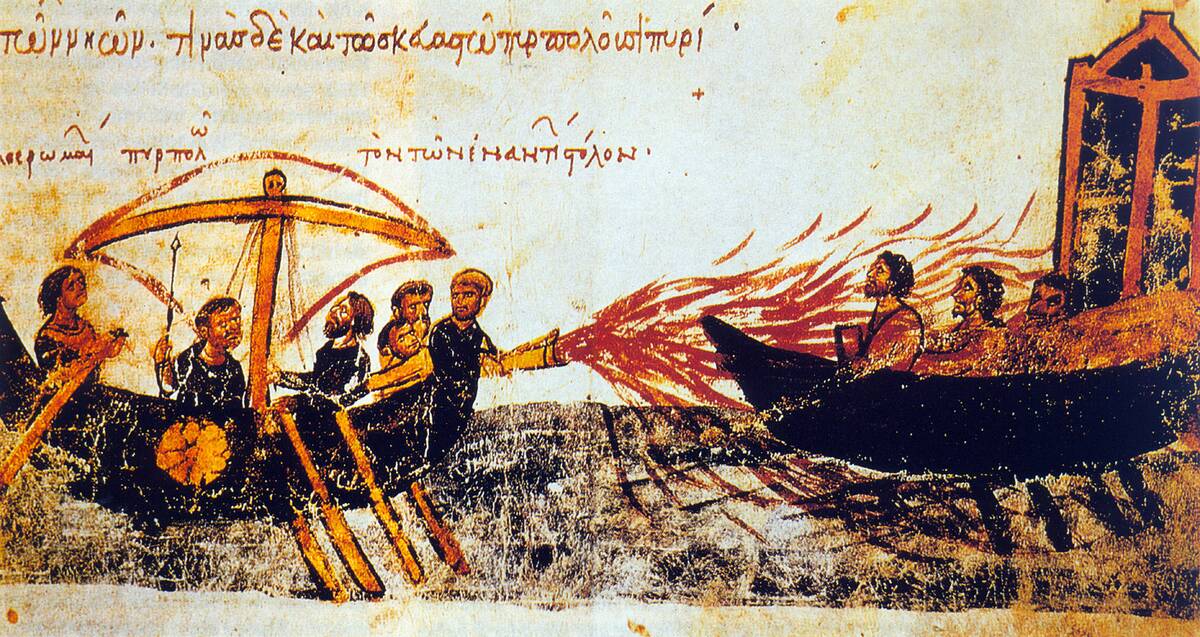
Greek Fire was a formidable incendiary weapon used by the Byzantine Empire, particularly effective in naval battles. Its exact composition remains a closely guarded secret, but it is believed to have included ingredients like pine resin, sulfur, and quicklime.
Greek Fire could burn even on water, making it a terrifying tool against enemy ships. The mystery surrounding its formula and its devastating impact on warfare have made Greek Fire a legendary aspect of Byzantine military history.
The Incan Quipu: A Knotty Communication System

The Incan Quipu was an ingenious system of communication and record-keeping using knotted strings. Each string’s color, length, and knot type conveyed specific information, allowing the Incas to manage their vast empire without a written language.
Quipus were used for various purposes, including census data, tax records, and historical events. This complex system highlights the Incan’s innovative approach to administration and their ability to adapt to the challenges of governing a large and diverse territory.
The Pyramids of Giza: Engineering Marvels of Ancient Egypt

The Pyramids of Giza, built during the Fourth Dynasty of the Old Kingdom, are among the most iconic structures in the world. The Great Pyramid, the largest of the three, was constructed with over 2 million limestone blocks, each weighing several tons.
The precise alignment and construction techniques used by the ancient Egyptians remain a subject of fascination and study. These monumental tombs reflect the Egyptians’ advanced understanding of mathematics, astronomy, and engineering.
The Nazca Lines: Mysterious Geoglyphs of Peru

The Nazca Lines, etched into the arid plains of southern Peru, are a series of large geoglyphs depicting animals, plants, and geometric shapes. Created by the Nazca culture between 500 BC and 500 AD, their purpose remains a mystery.
Some theories suggest they were astronomical calendars or religious symbols. The sheer scale and precision of these lines, visible only from the air, continue to captivate archaeologists and tourists alike, sparking curiosity and wonder.
The Iron Pillar of Delhi: A Rust-Resistant Wonder

Standing over 7 meters tall, the Iron Pillar of Delhi is a testament to ancient Indian metallurgy. Erected during the Gupta Empire around 400 AD, it has resisted corrosion for over 1,600 years.
The secret lies in its high phosphorus content, which forms a protective layer on the surface. This remarkable pillar showcases the advanced metallurgical skills of ancient Indian craftsmen and continues to intrigue scientists seeking to understand its rust-resistant properties.
The Great Wall of China: A Monumental Feat of Engineering

The Great Wall of China, stretching over 13,000 miles, is one of the most ambitious construction projects in history. Built over several dynasties, it served as a defense against invasions and a symbol of China’s strength.
The wall’s construction involved millions of laborers and diverse materials, including earth, wood, and stone. Its impressive scale and historical significance make it a UNESCO World Heritage site and a testament to the engineering prowess of ancient China.
The Lighthouse of Alexandria: Guiding Ancient Mariners

The Lighthouse of Alexandria, also known as the Pharos of Alexandria, was one of the Seven Wonders of the Ancient World. Built on the island of Pharos in the 3rd century BC, it guided sailors safely into the busy harbor of Alexandria, Egypt.
Standing over 100 meters tall, it was among the tallest man-made structures of its time. Although it was destroyed by earthquakes, its legacy endures as a symbol of ancient innovation and maritime navigation.
The Mechanized Automata of Heron: Ancient Robotics

Heron of Alexandria, a Greek engineer and mathematician, is credited with creating some of the earliest known automata. These mechanized devices, powered by water, steam, or weights, could perform simple tasks or entertain audiences with theatrical displays.
Heron’s inventions, such as the automatic temple doors and self-filling wine goblet, demonstrate the ancients’ fascination with automation and mechanical engineering. His work laid the groundwork for future developments in robotics and automation.
The Stone Spheres of Costa Rica: A Pre-Columbian Puzzle

The stone spheres of Costa Rica, found in the Diquís Delta, are a collection of over 300 perfectly round stones, some weighing up to 15 tons. Created by the Diquís culture between AD 500–1500, their purpose and method of construction remain a mystery.
Some theories suggest they were used for astronomical purposes or as status symbols. The precision and craftsmanship of these spheres continue to intrigue archaeologists and spark debate about their origin and significance.
The Terracotta Army: A Masterpiece of Ancient Craftsmanship

Discovered in 1974 near the tomb of China’s first emperor, Qin Shi Huang, the Terracotta Army is a vast collection of life-sized clay soldiers, horses, and chariots. Each figure is unique, showcasing the incredible artistry and attention to detail of ancient Chinese craftsmen.
Created to accompany the emperor in the afterlife, the Terracotta Army reflects the power and grandeur of the Qin Dynasty. This archaeological wonder continues to captivate visitors and scholars worldwide.