British Museum treasures from around the world

Trending Now
The British Museum is a treasure trove of artifacts from around the globe, each with its own unique story and historical significance.
From the sands of Egypt to the jungles of Mesoamerica, the museum’s collection spans continents and centuries, offering visitors a glimpse into the diverse cultures and civilizations that have shaped our world.
The Rosetta Stone: Unlocking Ancient Egyptian Secrets
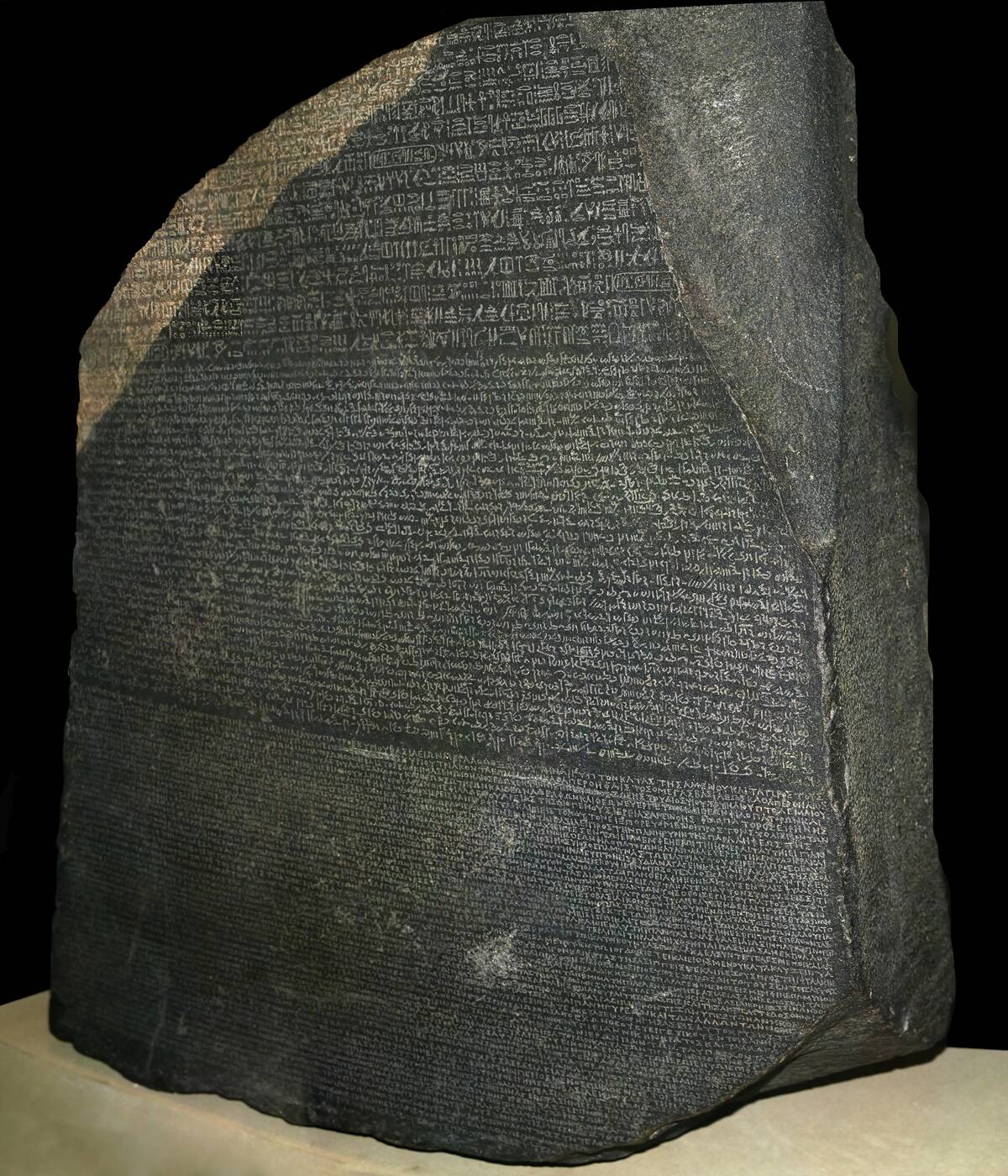
The Rosetta Stone, discovered in 1799, is a granodiorite stele inscribed with the same text in three scripts: Greek, Demotic, and hieroglyphic. This artifact was the key to deciphering Egyptian hieroglyphs, a breakthrough achieved by Jean-François Champollion in 1822.
The stone’s discovery was a pivotal moment in Egyptology, allowing scholars to unlock the secrets of ancient Egyptian civilization and understand its language, culture, and history.
The Elgin Marbles: A Journey from Athens to London

The Elgin Marbles, more precisely known as the Parthenon Sculptures, were removed from the Acropolis in Athens by agents of Lord Elgin in the early 19th century. The collection includes friezes, metopes, and pediment figures from the Parthenon, as well as sculptures from other Acropolis buildings.
Among these is one of the six Caryatids from the Erechtheion, a female figure that originally served as an architectural support on the Porch of the Maidens. Their removal and transfer to the British Museum remain subjects of controversy, with Greece seeking the reunification of the sculptures in Athens.
The Benin Bronzes: Masterpieces from the Kingdom of Benin

The Benin Bronzes are a collection of plaques and sculptures created by the Edo people of the Kingdom of Benin, located in present-day Nigeria. These intricate artworks, crafted from brass and bronze, date back to the 13th century and depict scenes of court life, mythology, and history.
Looted by British forces during the Benin Expedition of 1897, the bronzes have sparked discussions on the restitution of cultural heritage to their countries of origin.
The Egyptian Mummies: Preserving the Mysteries of the Pharaohs

The British Museum’s collection of Egyptian mummies offers a fascinating glimpse into the ancient practice of mummification. These well-preserved remains, dating from the Old Kingdom to the Roman period, provide insights into Egyptian beliefs about the afterlife.
Through modern technology, such as CT scans, researchers have been able to study these mummies without unwrapping them, revealing details about their lives, health, and the embalming techniques used by ancient Egyptians.
The Assyrian Reliefs: Stories Carved in Stone from Mesopotamia

The Assyrian reliefs in the British Museum are stunning examples of ancient Mesopotamian art, originating from the palaces of Assyrian kings in the 9th to 7th centuries BCE. These intricate stone carvings depict scenes of royal hunts, battles, and religious rituals, offering a window into the life and power of the Assyrian Empire.
The reliefs highlight the artistic skill and narrative storytelling that characterized this ancient civilization, making them a valuable resource for historians and art enthusiasts alike.
The Lewis Chessmen: Norse Warriors from the Isle of Lewis

The Lewis Chessmen are a collection of 12th-century chess pieces carved from walrus ivory, discovered on the Isle of Lewis in Scotland. Believed to be of Norse origin, these intricately designed figures include kings, queens, bishops, knights, rooks, and pawns, each with unique expressions and details.
The chessmen provide a fascinating glimpse into medieval Norse society and the spread of chess as a game across Europe. Their craftsmanship and historical significance continue to captivate visitors to the museum.
The Hoa Hakananai’a Statue: A Moai from Easter Island

Hoa Hakananai’a is a remarkable moai statue from Easter Island, carved from basalt and dating back to around 1000 CE. This statue stands out for its intricate petroglyphs on the back, representing birdman motifs and other symbols associated with the island’s Rapa Nui culture.
The statue was brought to the British Museum in 1869, and its presence has sparked discussions about the cultural significance and repatriation of such artifacts. It remains a symbol of the island’s rich heritage and artistry.
The Aztec Double-Headed Serpent: A Jewel of Mesoamerican Art

The Aztec double-headed serpent is a striking piece of Mesoamerican art, crafted from wood and covered with turquoise mosaic. This ceremonial object, believed to have been worn by Aztec priests, symbolizes the duality of life and death, a central theme in Aztec cosmology.
The serpent’s vibrant colors and intricate design reflect the Aztecs’ advanced artistry and their deep spiritual beliefs. It remains one of the most visually captivating artifacts in the British Museum’s collection.
The Portland Vase: A Roman Masterpiece of Glass Artistry

The Portland Vase is a stunning example of Roman cameo glass, dating from the 1st century CE. This intricately crafted vase features scenes of mythological figures in white on a dark blue background, showcasing the exceptional skill of Roman glassmakers.
The vase’s history is as intriguing as its design, having been owned by various collectors and surviving a dramatic shattering in the 19th century. Its restoration and display continue to fascinate visitors with its beauty and craftsmanship.
The Samurai Armor: Echoes of Feudal Japan

The British Museum’s collection of samurai armor offers a glimpse into the martial culture of feudal Japan. These suits of armor, dating from the 16th to 19th centuries, are masterpieces of craftsmanship, combining functionality with elaborate decoration.
Each piece reflects the status and identity of the samurai who wore it, adorned with family crests and intricate designs. The armor serves as a testament to the samurai’s role in Japanese history and their enduring legacy in popular culture.
The Chinese Jade Collection: Timeless Elegance from the East

The Chinese jade collection at the British Museum showcases the timeless beauty and cultural significance of jade in Chinese history. Spanning thousands of years, the collection includes ritual objects, jewelry, and sculptures, each demonstrating the exquisite craftsmanship and artistry of Chinese jade carvers.
Jade has long been revered in China for its symbolic meanings, representing purity, immortality, and status. The collection offers a window into the rich traditions and aesthetics of Chinese civilization.
The Indian Amravati Sculptures: Buddhist Art from Andhra Pradesh

The Amravati sculptures are a collection of Buddhist reliefs from the ancient city of Amravati in Andhra Pradesh, India. Dating from the 2nd century BCE to the 3rd century CE, these sculptures depict scenes from the life of the Buddha and various Jataka tales.
The intricate carvings illustrate the artistic and religious developments of early Indian Buddhism. The sculptures are a testament to the rich cultural and spiritual heritage of the region, attracting scholars and art lovers alike.
The Mexican Codices: Ancient Manuscripts from the Aztec Empire

The Mexican codices are a collection of pre-Columbian and colonial-era manuscripts, offering a glimpse into the Aztec Empire’s history, culture, and daily life. These pictorial documents, created by indigenous scribes, record everything from religious rituals to historical events.
The codices are invaluable resources for understanding the Aztecs’ sophisticated writing system and their worldview. They continue to be studied by historians and linguists, shedding light on the complexities of Mesoamerican civilizations.
The Greek Vases: Tales of Mythology and Daily Life

The Greek vases at the British Museum are a testament to the artistic and cultural achievements of ancient Greece. These beautifully painted ceramics depict scenes from mythology, athletics, and daily life, offering insights into Greek society and beliefs.
The vases range from black-figure to red-figure styles, showcasing the evolution of Greek pottery techniques. Each piece tells a story, capturing the imagination of viewers and providing a tangible connection to the ancient world.
The Persian Artifacts: Glimpses into the Splendor of Ancient Persia

The Persian artifacts in the British Museum provide a window into the splendor and sophistication of ancient Persia. The collection includes items from the Achaemenid Empire, such as intricately designed jewelry, ceremonial vessels, and architectural fragments.
These artifacts reflect the empire’s wealth, artistic achievements, and cultural exchanges with neighboring civilizations. They offer a glimpse into the grandeur of Persian society and its lasting influence on art and architecture throughout history.
The Pacific Island Collections: Cultural Treasures from Oceania

The Pacific Island collections at the British Museum celebrate the rich cultural heritage of Oceania. From intricately carved canoes and ceremonial masks to textiles and tools, these artifacts highlight the diverse traditions and artistic expressions of Pacific Island communities.
The collection provides insights into the social, spiritual, and environmental connections that shape life in Oceania. It serves as a reminder of the region’s vibrant cultures and the importance of preserving these traditions for future generations.
The South American Gold: Incan and Pre-Columbian Wonders

The British Museum’s collection of South American gold artifacts showcases the craftsmanship and artistry of Incan and pre-Columbian cultures. These exquisite pieces, including jewelry, ceremonial objects, and figurines, reflect the societies’ wealth and spiritual beliefs.
Gold was not only a symbol of power and status but also held religious significance, believed to be the sweat of the sun. The collection offers a glimpse into the rich cultural heritage of South America and its enduring legacy.