Interesting facts about the Canadian and American border

The Canadian and American land border is a fascinating expanse that stretches across diverse landscapes. It’s a unique line where two nations, Canada and the United States, meet, and it’s more than just a physical boundary.
This border represents a blend of history, culture, and cooperation that has evolved over centuries. Spanning from the Atlantic Ocean in the east to the Pacific Ocean in the west, it is a testament to peaceful coexistence and mutual respect.
The Length of the Border: A Record-Breaking Frontier
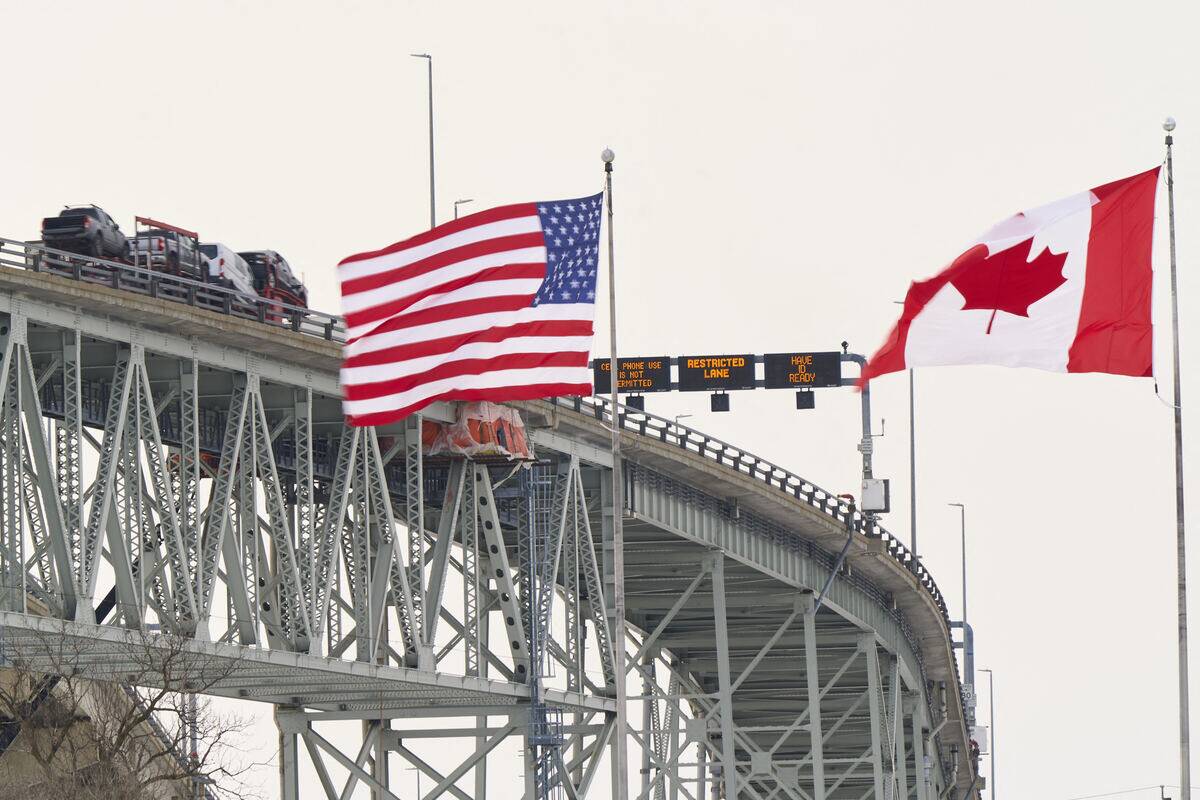
At 5,525 miles, the Canadian-American border is the longest international boundary between two countries in the world. This record-breaking frontier isn’t just a straight line but a series of twists and turns that include rivers, lakes, and remote wilderness.
It’s a marvel of geographic and political delineation, showcasing the diverse terrains it traverses. From the rugged mountains to sprawling plains, this border is as varied as the countries it separates.
The Origins: How the Border Came to Be
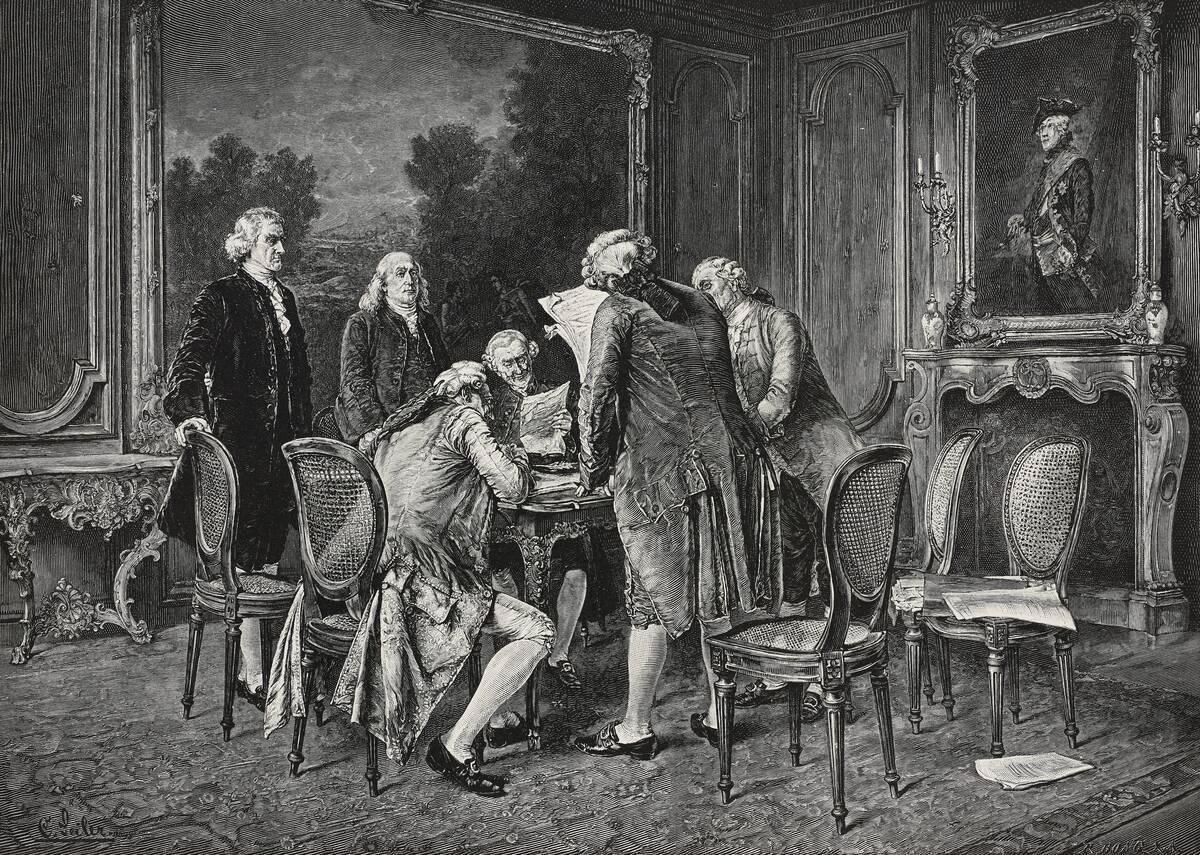
The origins of the Canada-U.S. border are rooted in treaties and negotiations dating back to the 18th century. The Treaty of Paris in 1783 first laid the groundwork by recognizing American independence and establishing some preliminary boundaries.
Later, the Treaty of 1818 and the Oregon Treaty of 1846 helped define the border more clearly, particularly the 49th parallel as a significant dividing line. These agreements were crucial in preventing conflicts and fostering peaceful coexistence.
The 49th Parallel: Not Just a Line on the Map
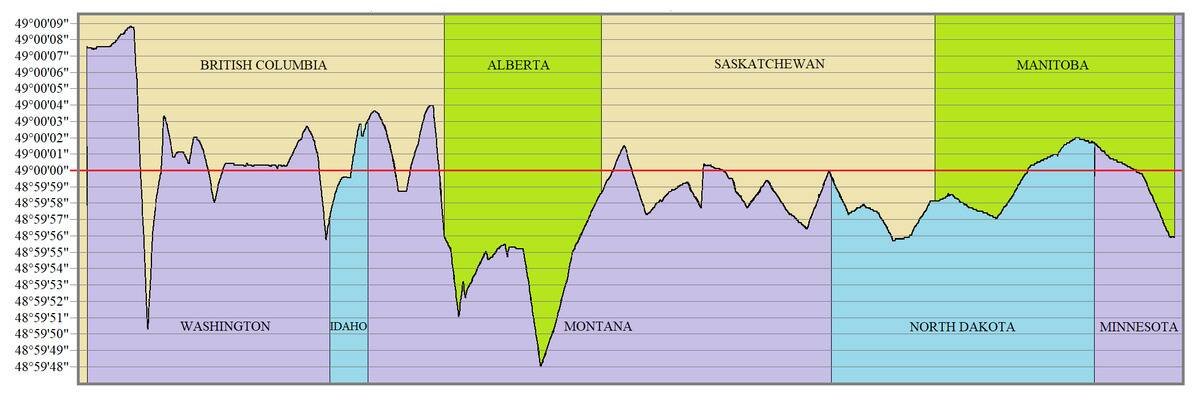
The 49th parallel is one of the most famous lines on the globe, acting as the primary boundary from the Lake of the Woods to the Strait of Georgia. This line was established through diplomacy and cartography, marking a compromise between British and American interests.
While it may seem arbitrary, it has become an iconic symbol of the border, influencing everything from legal jurisdictions to cultural identities. This parallel is a testament to the power of negotiation and peaceful resolution.
The Great Lakes: Nature’s Boundary Markers
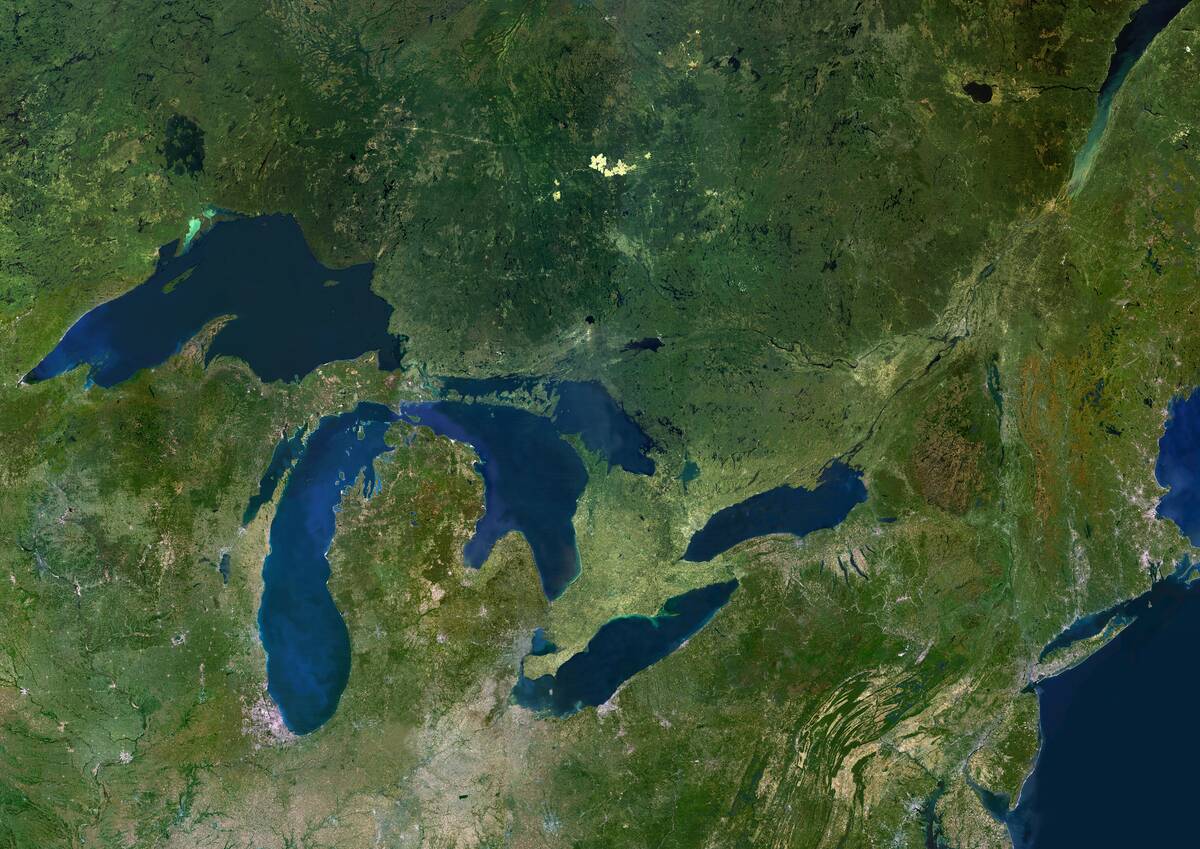
The Great Lakes serve as natural boundary markers that delineate parts of the Canada-U.S. border. These vast bodies of water, including Lake Superior and Lake Erie, not only separate the two nations but also facilitate trade and transportation.
The lakes are jointly managed by both countries, reflecting a spirit of cooperation in preserving their ecological health. This shared responsibility highlights the interdependence of Canada and the United States in managing natural resources.
Border Crossings: Where Two Nations Meet
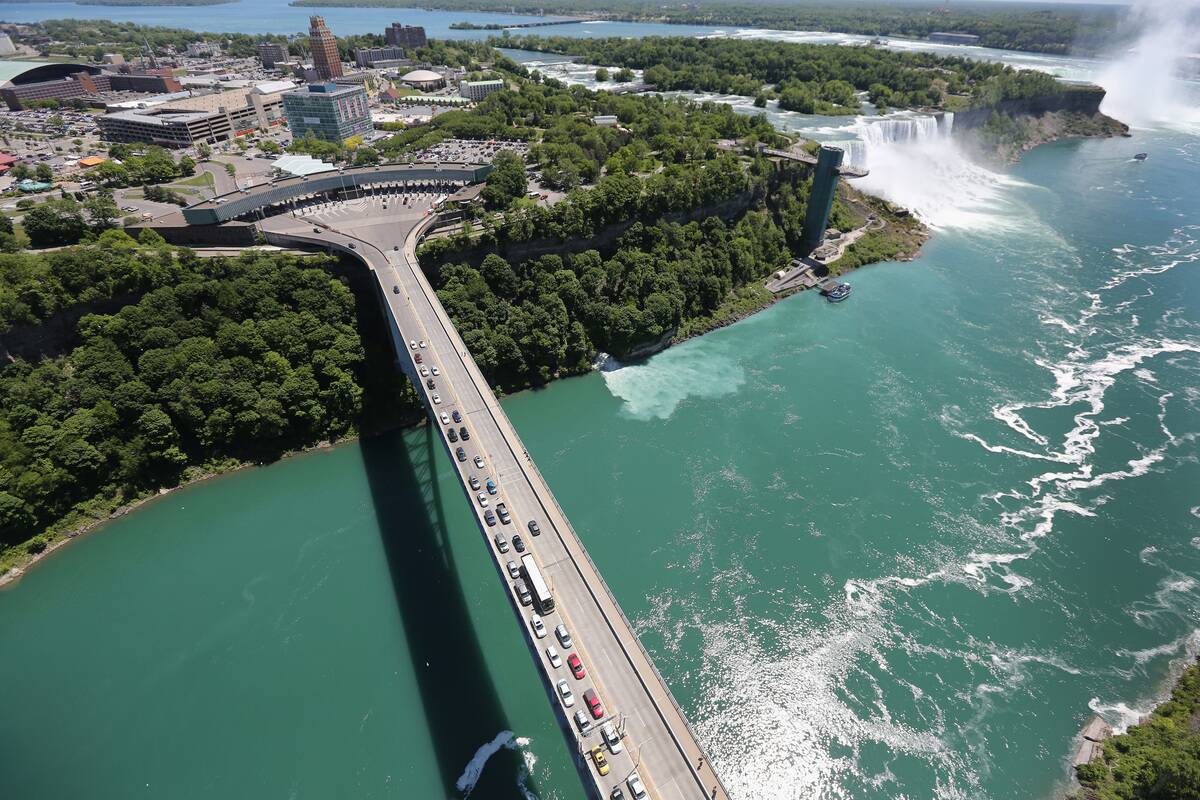
The border is dotted with numerous crossings, including the bustling Peace Bridge in Buffalo and the scenic Rainbow Bridge in Niagara Falls. These crossings are vital for trade, tourism, and cultural exchange, with millions of people traversing them every year.
They are gateways that connect two nations, each with its own customs and traditions. Despite the differences, these crossings embody the spirit of collaboration and connectivity that defines the Canada-U.S. relationship.
The Peace Arch: A Symbol of Friendship
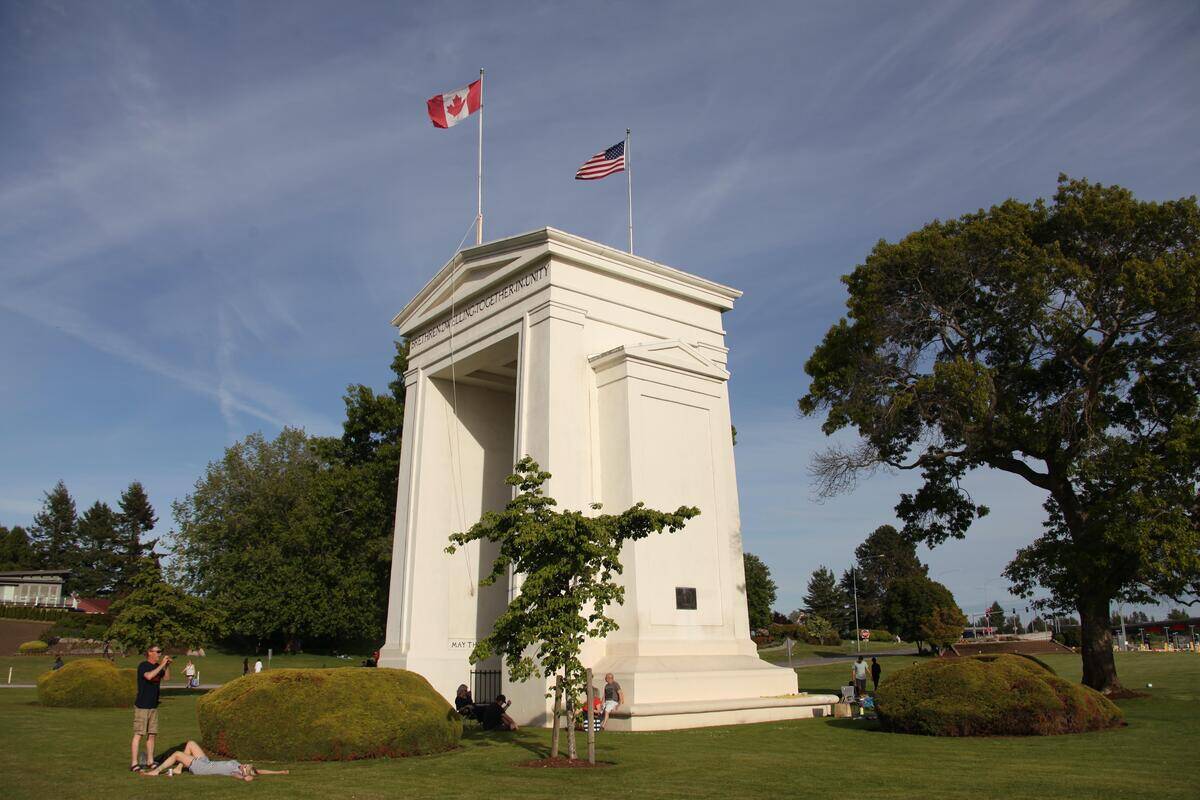
The Peace Arch, located between Blaine, Washington, and Surrey, British Columbia, stands as a monument to the enduring friendship between Canada and the United States. Erected in 1921, it commemorates over a century of peace between the two nations.
The inscription “Children of a Common Mother” reflects the shared heritage and values that bind the countries together. This iconic arch is a reminder of the peaceful coexistence and mutual respect that define the border.
The Longest Undefended Border in the World
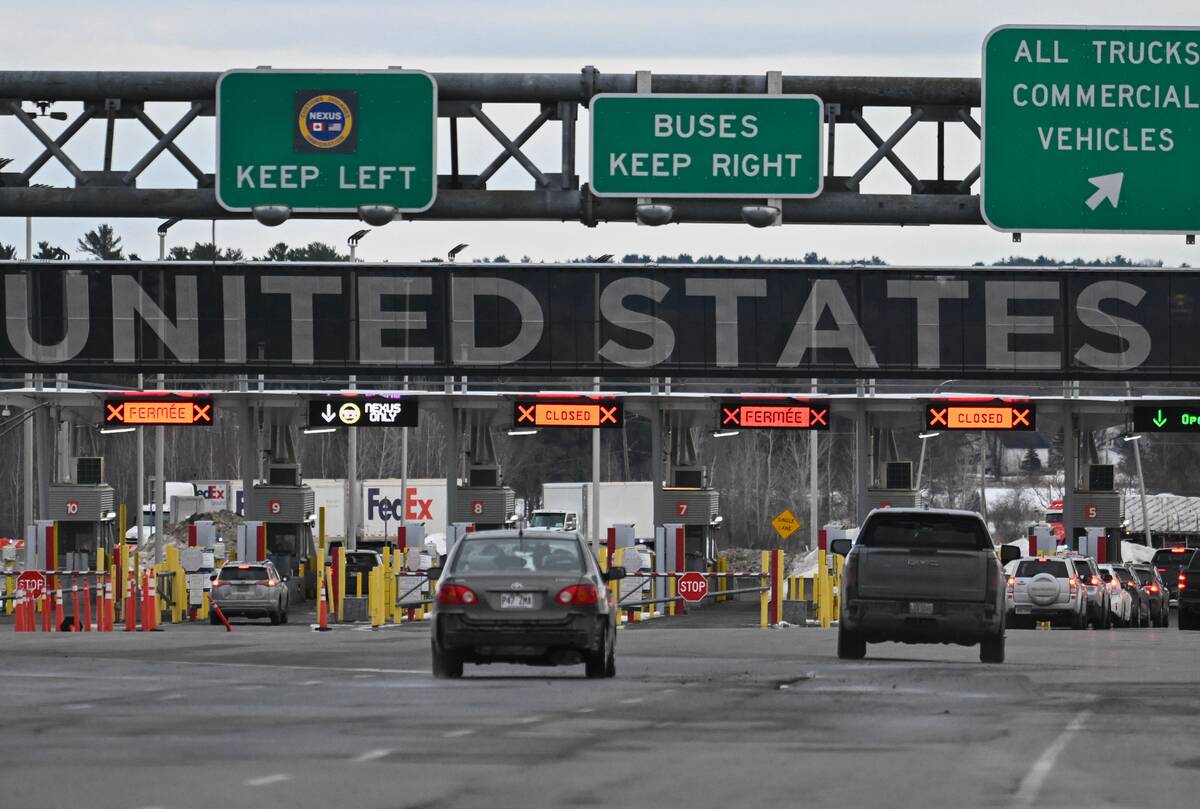
The Canada-U.S. border is often referred to as the longest undefended border in the world. This term signifies the lack of military presence, highlighting the trust and friendship between the two nations.
While there are security measures in place, the absence of armed forces is a testament to the peaceful relations that have been maintained for centuries. This unique aspect of the border underscores the diplomatic efforts that have ensured its stability.
Wildlife at the Border: Nature Knows No Boundaries
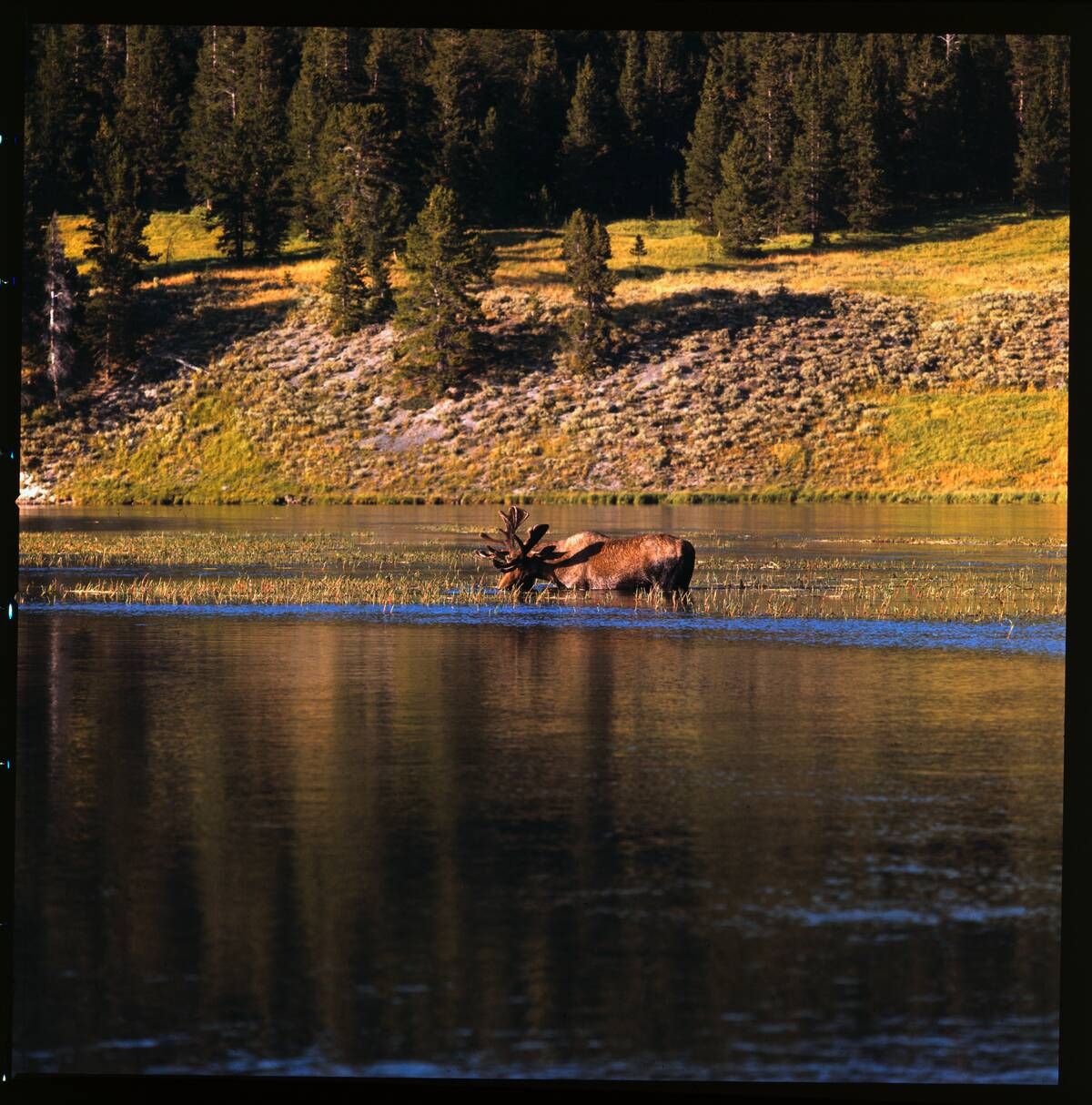
The Canada-U.S. border is home to diverse wildlife, with animals like bears, moose, and wolves roaming freely across the frontier. The border cuts through several ecosystems, allowing for rich biodiversity.
Conservation efforts are often collaborative, with both countries working to protect these habitats. This cross-border cooperation ensures that wildlife can thrive, illustrating how nature transcends human-imposed boundaries.
Language and Culture: A Blend at the Border

The border region is a melting pot of languages and cultures, reflecting the diversity of both nations. In areas like Quebec and Ontario, French and English coexist, showcasing the linguistic richness of the region.
Cultural festivals and events, such as those in cities like Vancouver and Ontario, highlight the blend of traditions that thrive along the border. This cultural fusion enriches the communities, fostering understanding and appreciation across the divide.
Border Towns: Where Two Cultures Collide
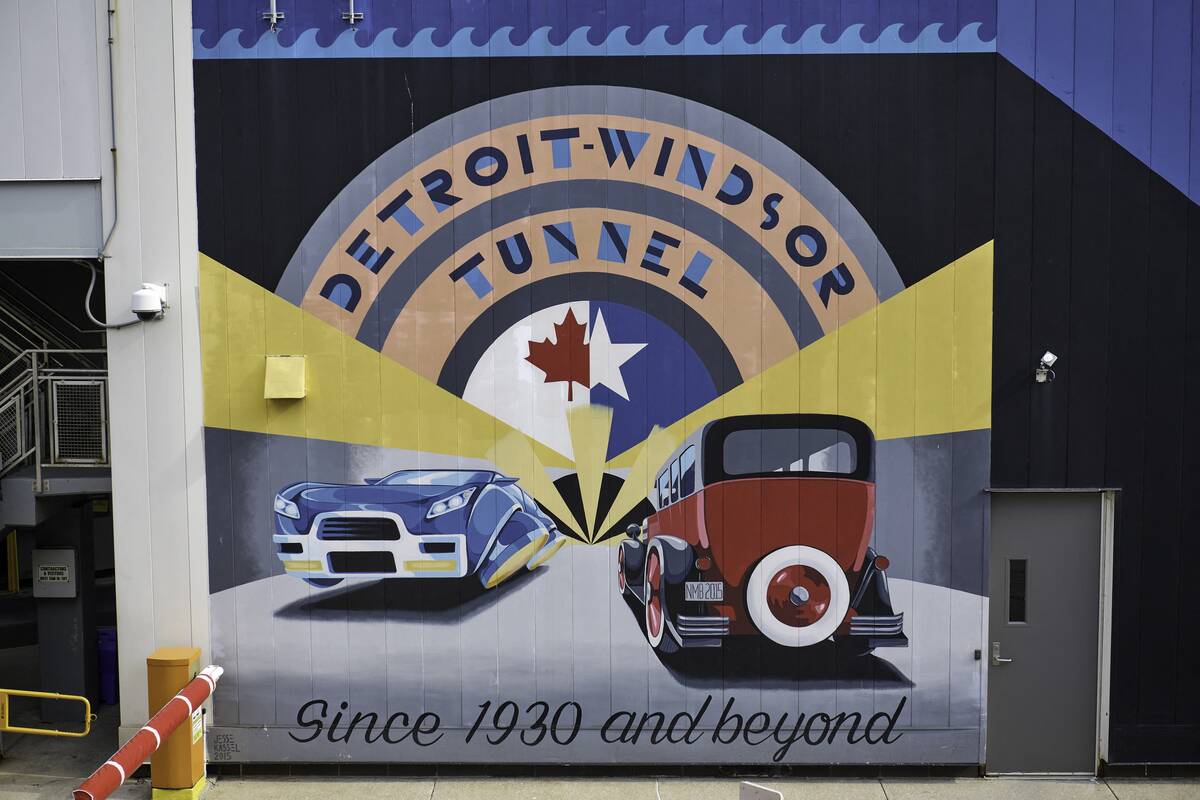
Border towns like Detroit-Windsor and Sault Ste. Marie are vibrant hubs where Canadian and American cultures meet. These towns are unique in their ability to blend influences from both sides, offering a mix of culinary delights, music, and traditions.
Residents often cross the border for work, shopping, or leisure, creating closely interconnected lifestyles. The dynamic energy of these towns embodies the harmonious coexistence that the border fosters.
The Akwesasne Mohawk Territory: Straddling Two Nations
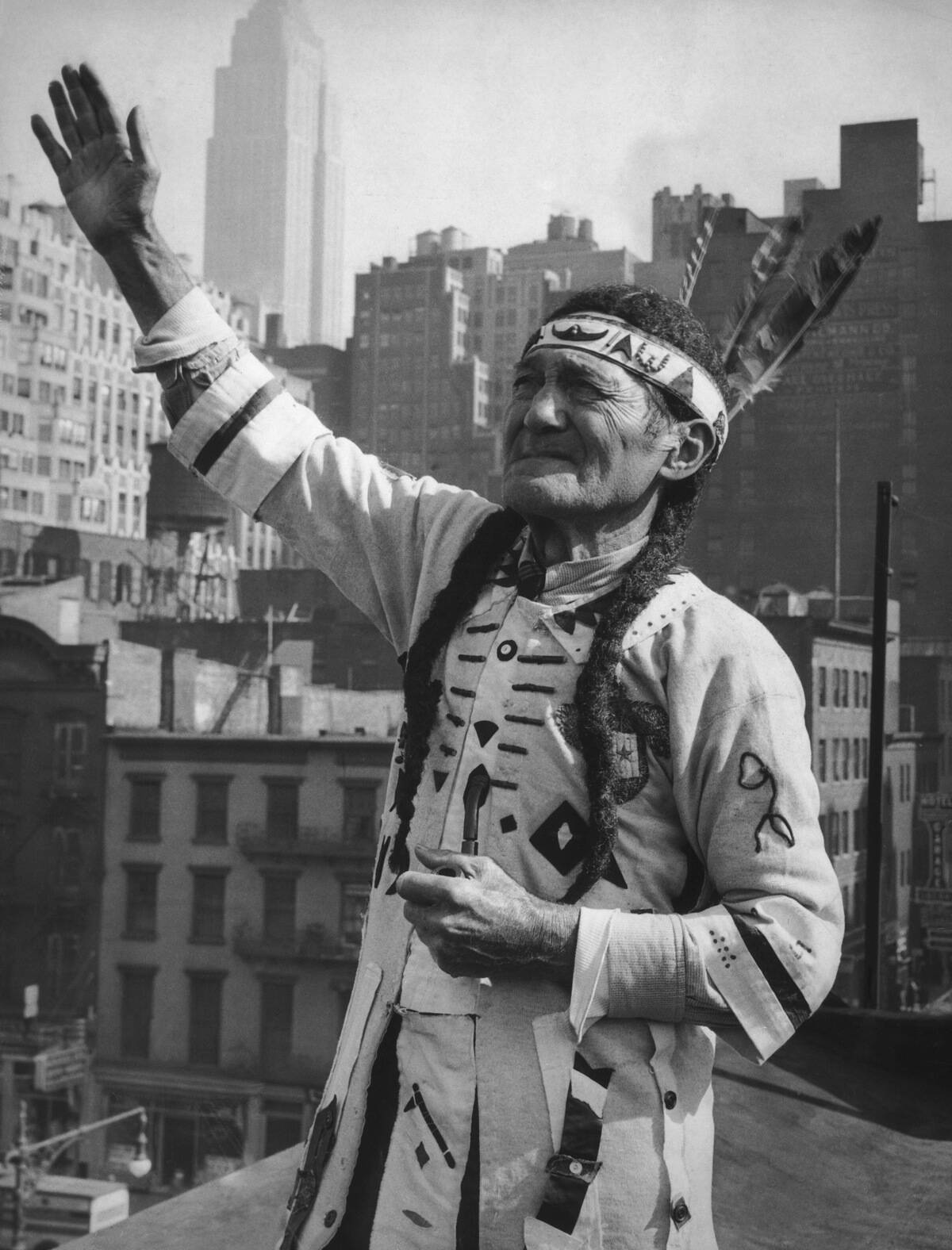
The Akwesasne Mohawk Territory is a unique community that straddles the Canada-U.S. border, with land in Ontario, Quebec, and New York. This territory is governed by multiple Mohawk governing bodies on both sides of the border, maintaining a rich cultural heritage while navigating the complexities of international borders.
The Mohawk people have a distinct identity, preserving traditions and languages despite geopolitical boundaries. Their resilience and adaptability are a testament to the enduring spirit of indigenous communities.
Border Security: Keeping it Safe and Friendly
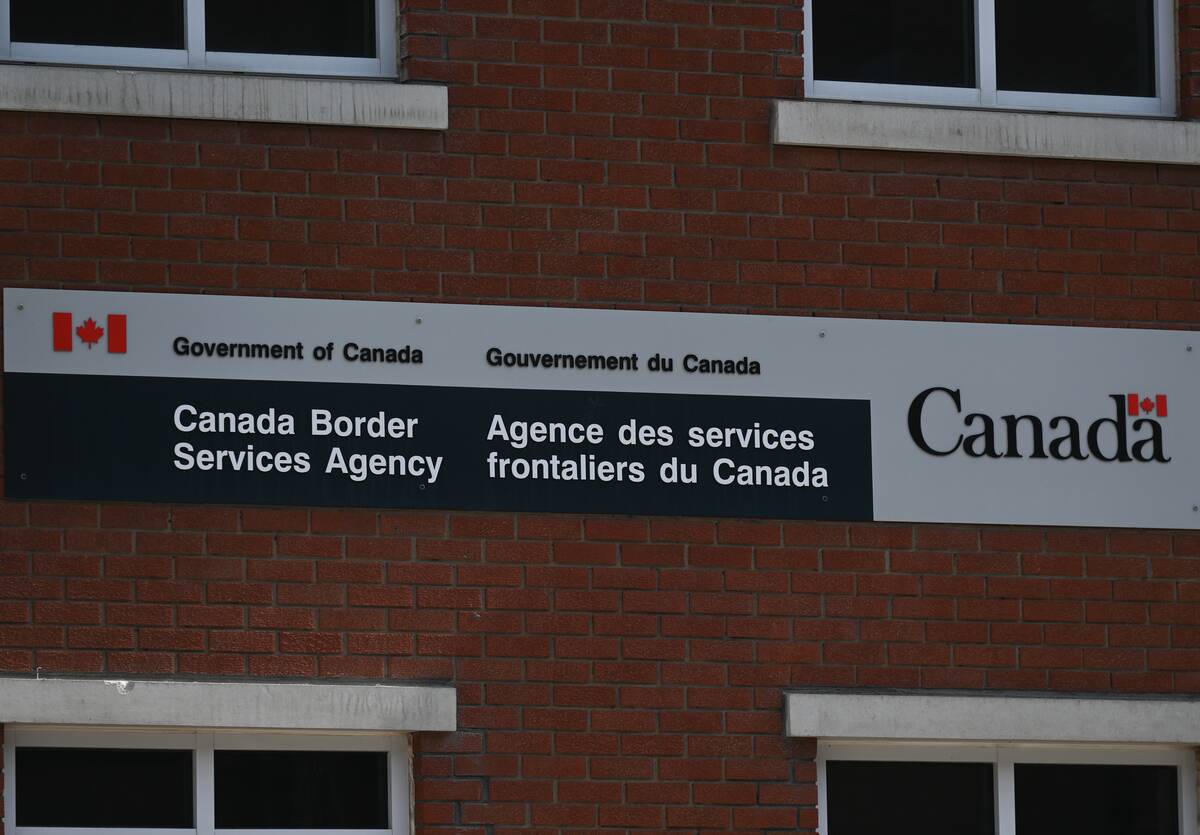
Border security is a crucial aspect of maintaining the integrity of the Canada-U.S. boundary. Agencies like the Canada Border Services Agency and U.S. Customs and Border Protection work closely to ensure safe and efficient crossings.
While security measures have increased over the years, efforts are made to keep the process friendly and welcoming. This balance of security and hospitality reflects the commitment to maintaining a border that is both safe and accessible.
Fun Facts: Oddities and Surprises Along the Border
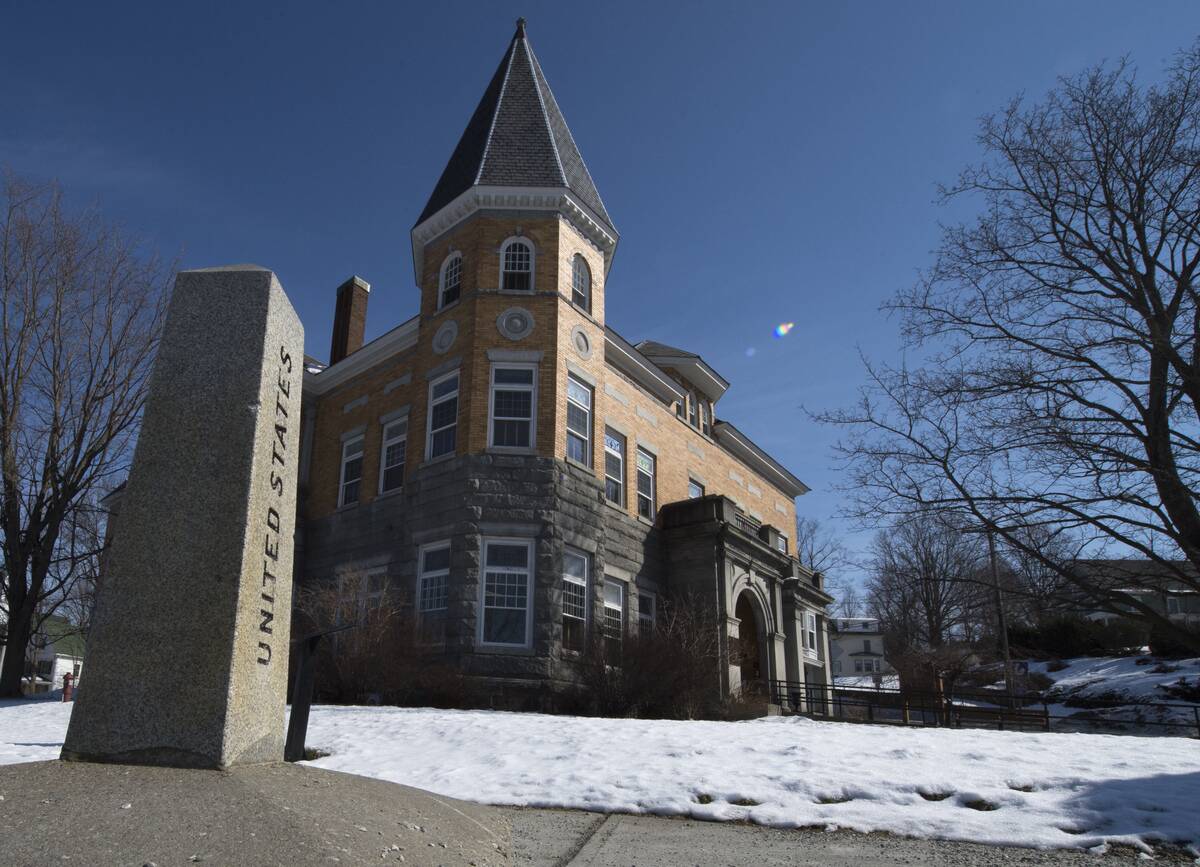
The border is home to many oddities, such as the town of Derby Line, which is split by the border, with its library straddling both countries. Another quirky fact is the annual International Peace Garden, which celebrates the bond between the two nations with a floral display that spans the boundary.
These unique features add to the charm of the border, offering delightful surprises that intrigue visitors and locals alike.
The Border During the Pandemic: Changes and Challenges
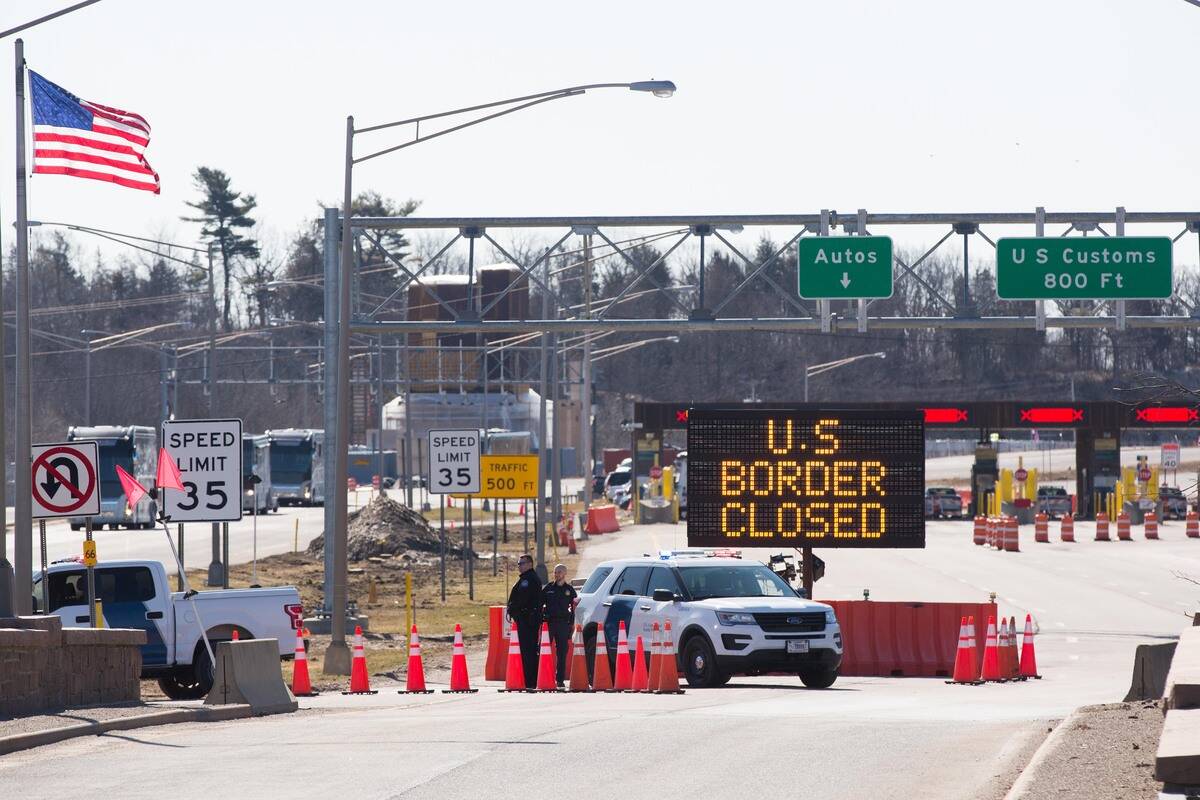
The COVID-19 pandemic brought unprecedented changes to the Canada-U.S. border, leading to temporary closures and travel restrictions. These measures were necessary to curb the spread of the virus but posed challenges for border communities reliant on cross-border movement.
Despite the disruptions, both nations worked together to implement safety protocols and eventually reopen the border. The pandemic highlighted the resilience and adaptability of the border, ensuring that the spirit of cooperation endured.