Key facts about America’s most famous landmarks

Trending Now
America is a vast country with a rich tapestry of history and culture, boasting a plethora of iconic landmarks. From towering skyscrapers to majestic natural wonders, each site tells a unique story.
These landmarks not only define the American landscape but also capture the imagination of people worldwide. They are cherished symbols of the nation’s heritage and are must-see destinations for travelers exploring the U.S.
The Statue of Liberty: A Gift from France
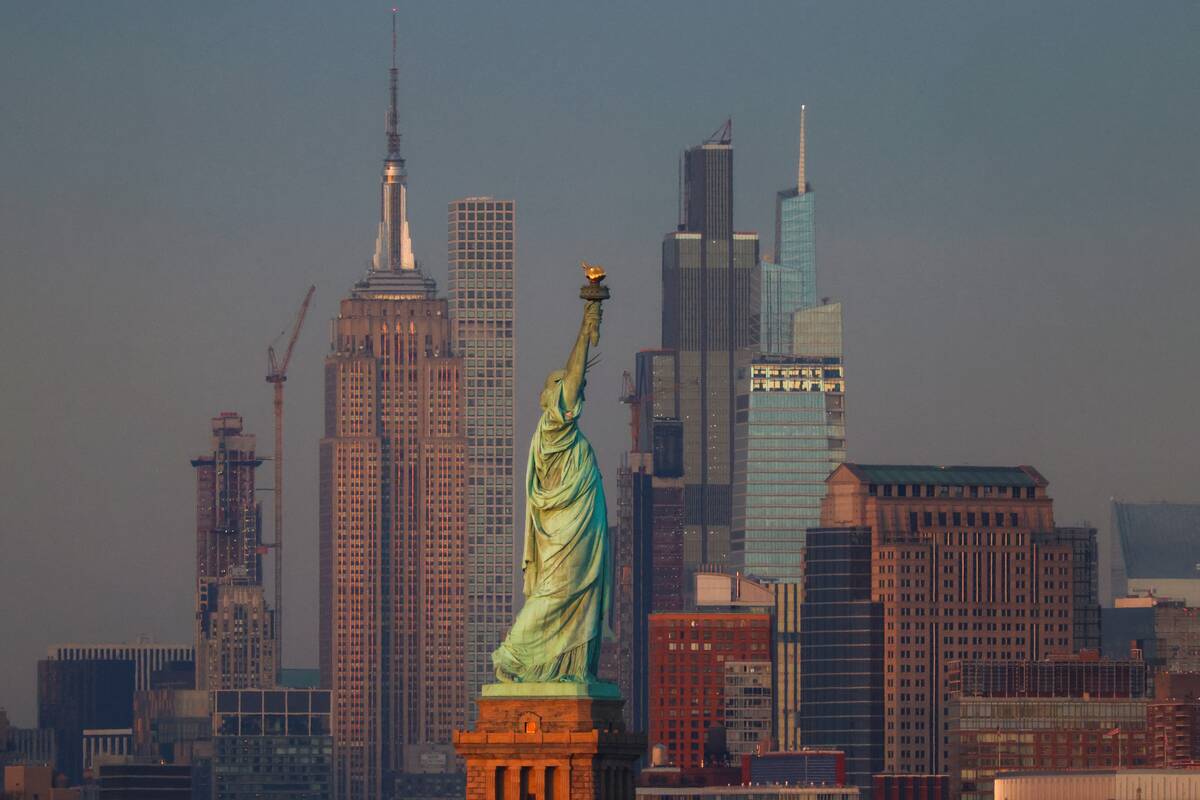
Standing proudly in New York Harbor, the Statue of Liberty was a generous gift from France to the United States in 1886. Designed by French sculptor Frédéric Auguste Bartholdi, Lady Liberty symbolizes freedom and democracy.
The statue’s full name is ‘Liberty Enlightening the World,’ and it was designated a National Monument in 1924. Visitors can ascend to the crown for breathtaking views of the city skyline.
The Presidential Faces of Mount Rushmore
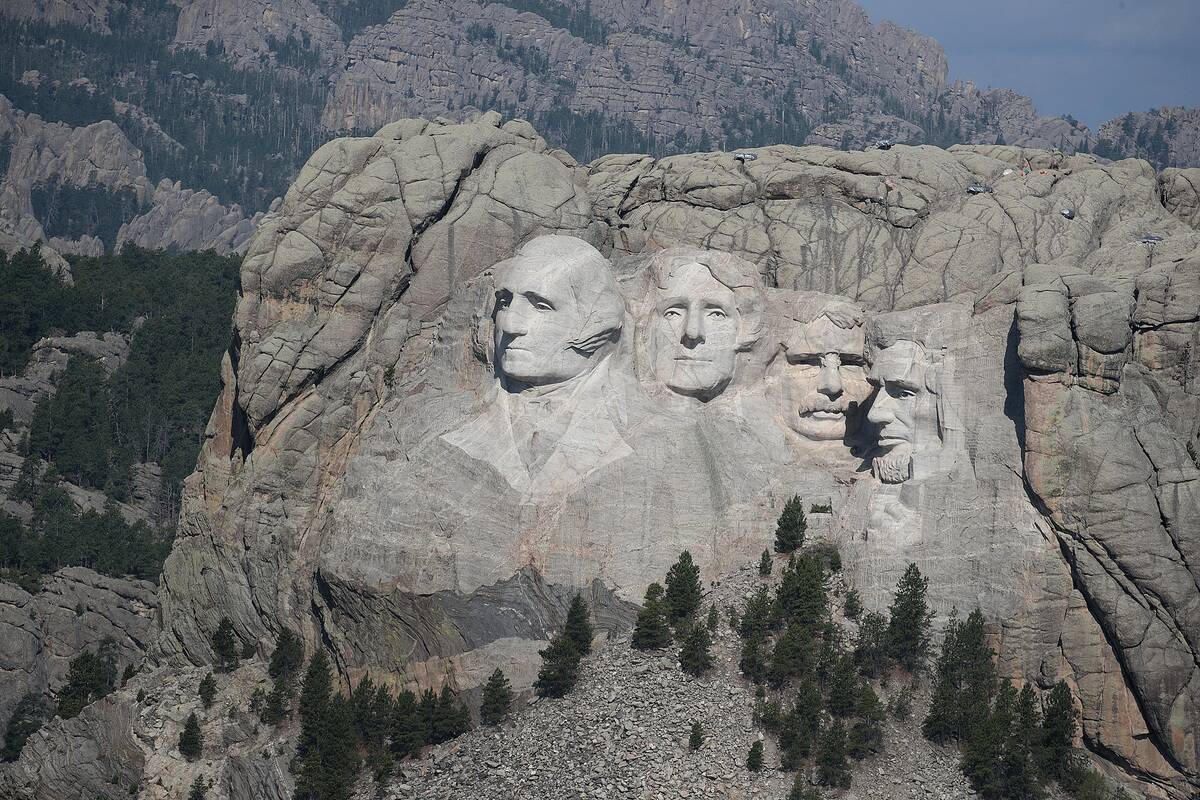
Nestled in the Black Hills of South Dakota, Mount Rushmore features the faces of four U.S. presidents: George Washington, Thomas Jefferson, Theodore Roosevelt, and Abraham Lincoln.
Sculpted by Gutzon Borglum and completed in 1941, the monument was intended to promote tourism and celebrate American history. The granite faces, each about 60 feet tall, attract over 2 million visitors annually, who marvel at this monumental feat of artistry.
The Mystique of the Grand Canyon
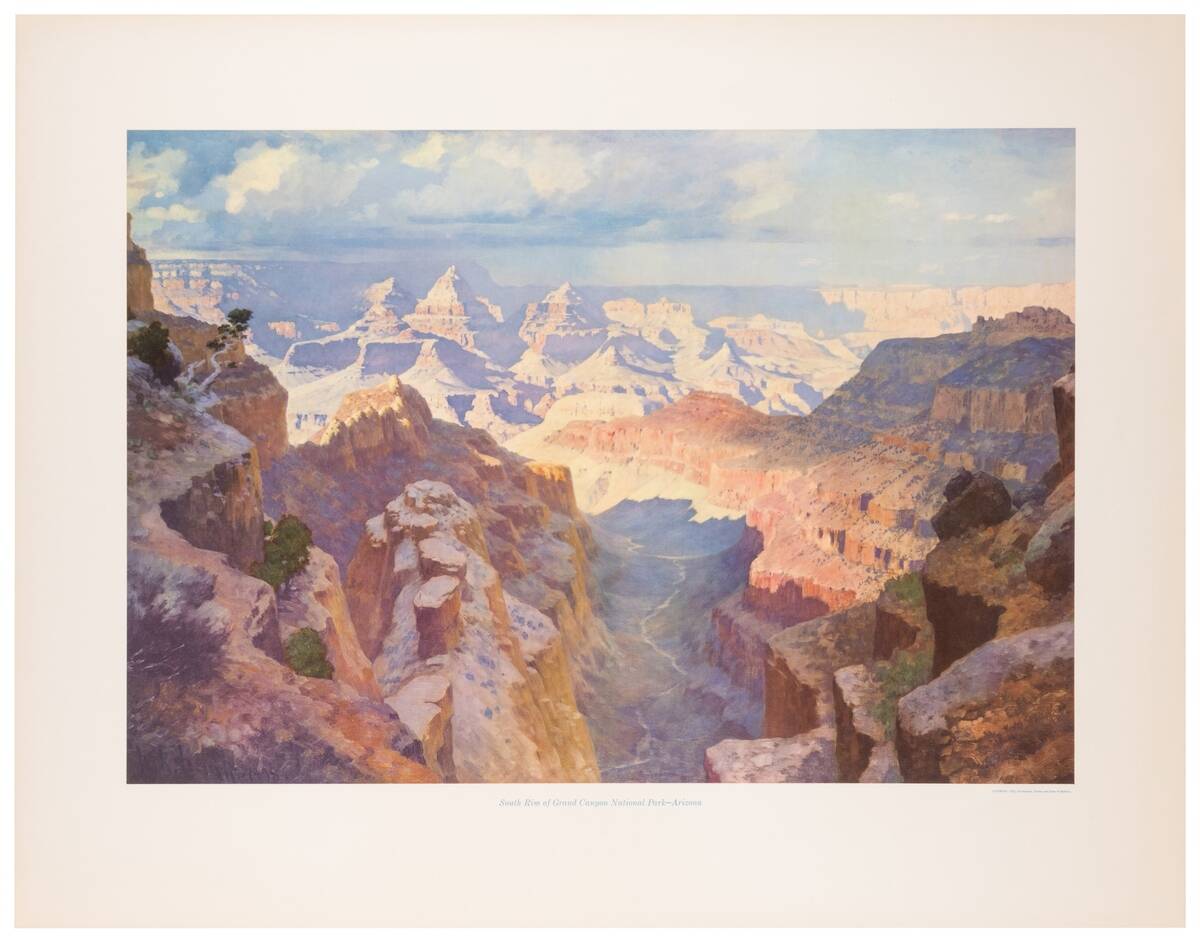
The Grand Canyon, located in Arizona, is one of the world’s most awe-inspiring natural wonders. Carved by the Colorado River over millions of years, the canyon stretches 277 miles in length and plunges over a mile deep.
Its vibrant layers of rock reveal a geological history spanning nearly 2 billion years. Visitors can explore the park through hiking trails, helicopter tours, or simply enjoy the breathtaking vistas from the rim.
Liberty Bell: Symbol of American Independence
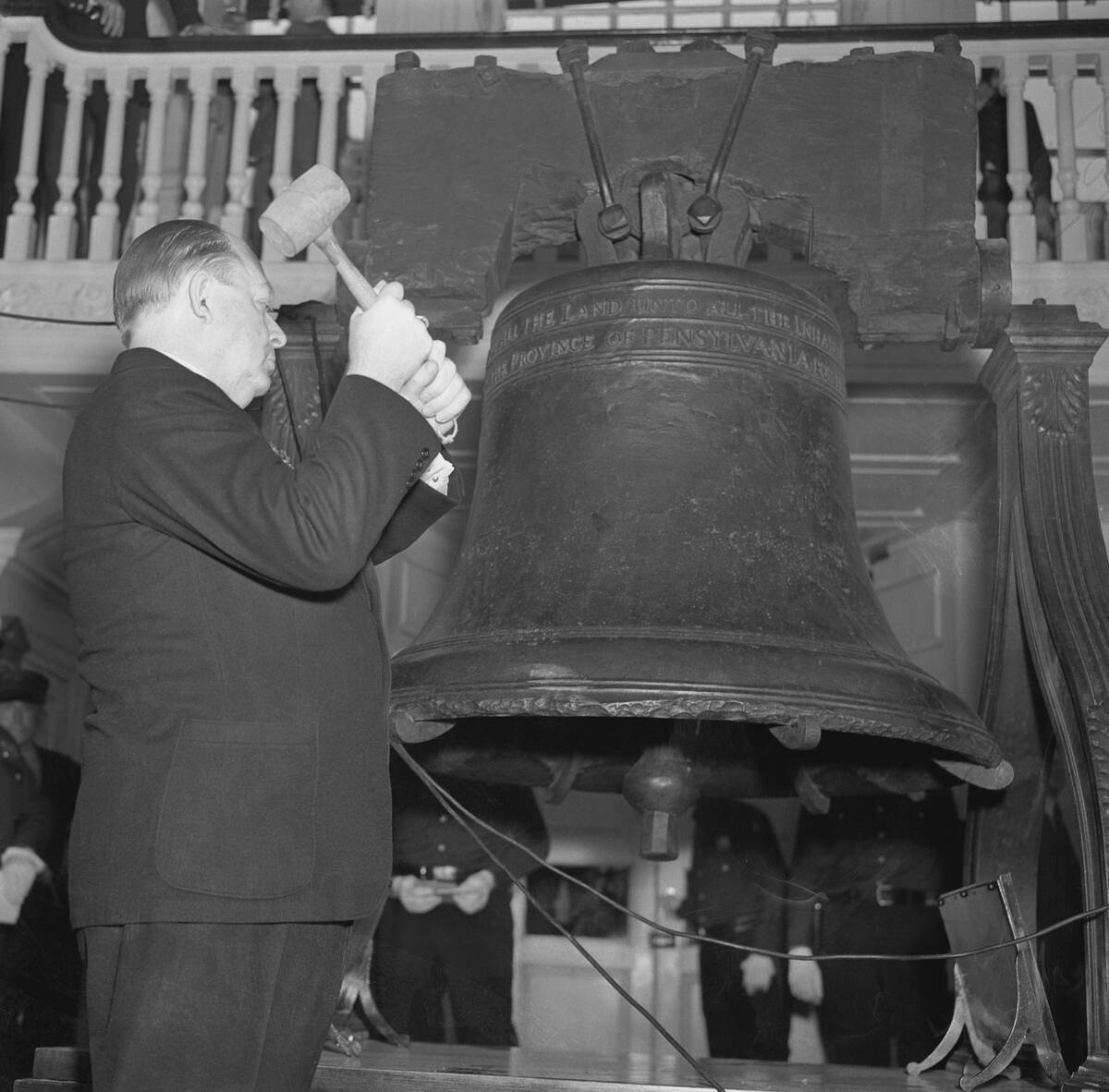
Housed in Philadelphia’s Liberty Bell Center, the Liberty Bell is an enduring symbol of American independence. The bell was originally cast in 1752 by the Whitechapel Bell Foundry in London and is famous for its distinctive crack.
It is traditionally believed that it rang to mark the reading of the Declaration of Independence in 1776. Today, the Liberty Bell attracts millions who come to admire its storied past and its role in American history.
The White House: America’s Most Famous Address
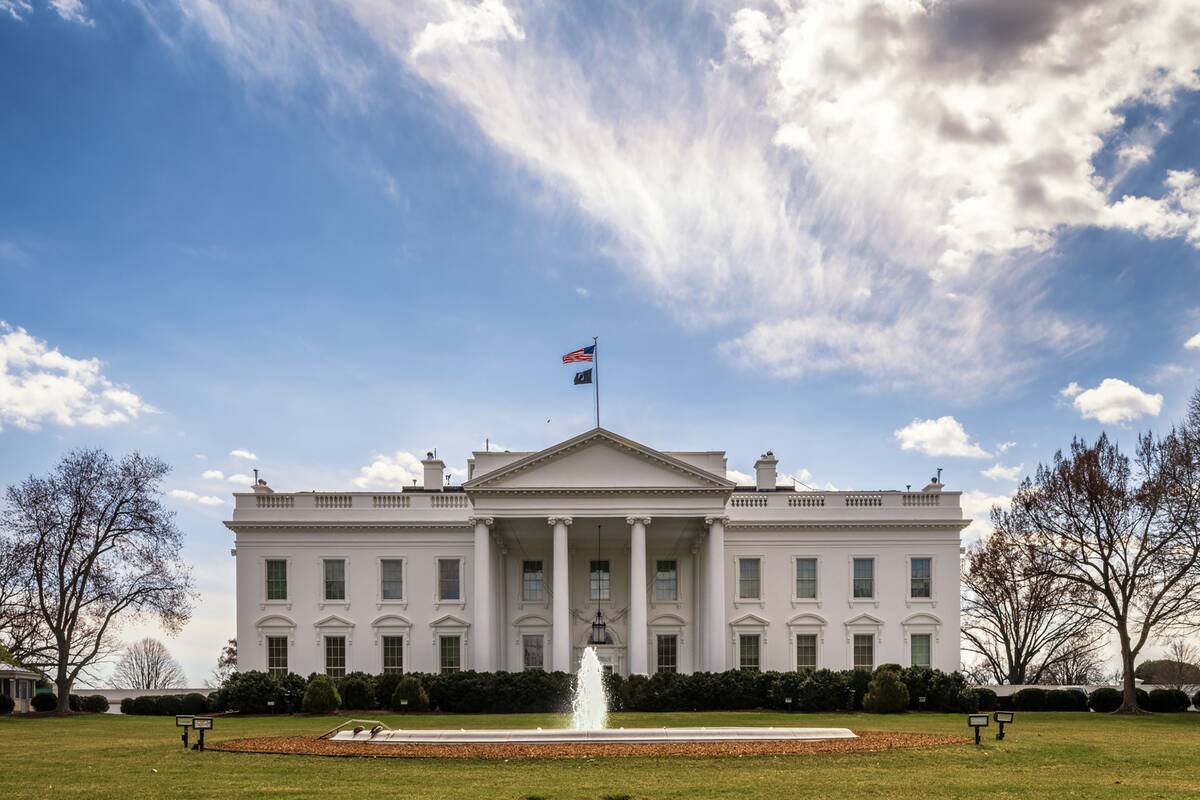
The White House, located at 1600 Pennsylvania Avenue in Washington, D.C., serves as the official residence and workplace of the U.S. president. It has been the home of every president since John Adams in 1800.
Designed by James Hoban, its neoclassical architecture and iconic columns make it instantly recognizable. The White House hosts state functions and is a symbol of the American presidency and government.
Yellowstone: The First National Park

Established in 1872, Yellowstone National Park is hailed as the first national park in the world. Spanning Wyoming, Montana, and Idaho, it covers over 2 million acres of diverse landscapes, including geysers, hot springs, and wildlife.
The park’s most famous feature, Old Faithful, is a geyser that erupts with remarkable predictability. Yellowstone’s geothermal wonders and natural beauty draw millions of visitors each year.
The Gateway Arch: St. Louis’s Iconic Monument
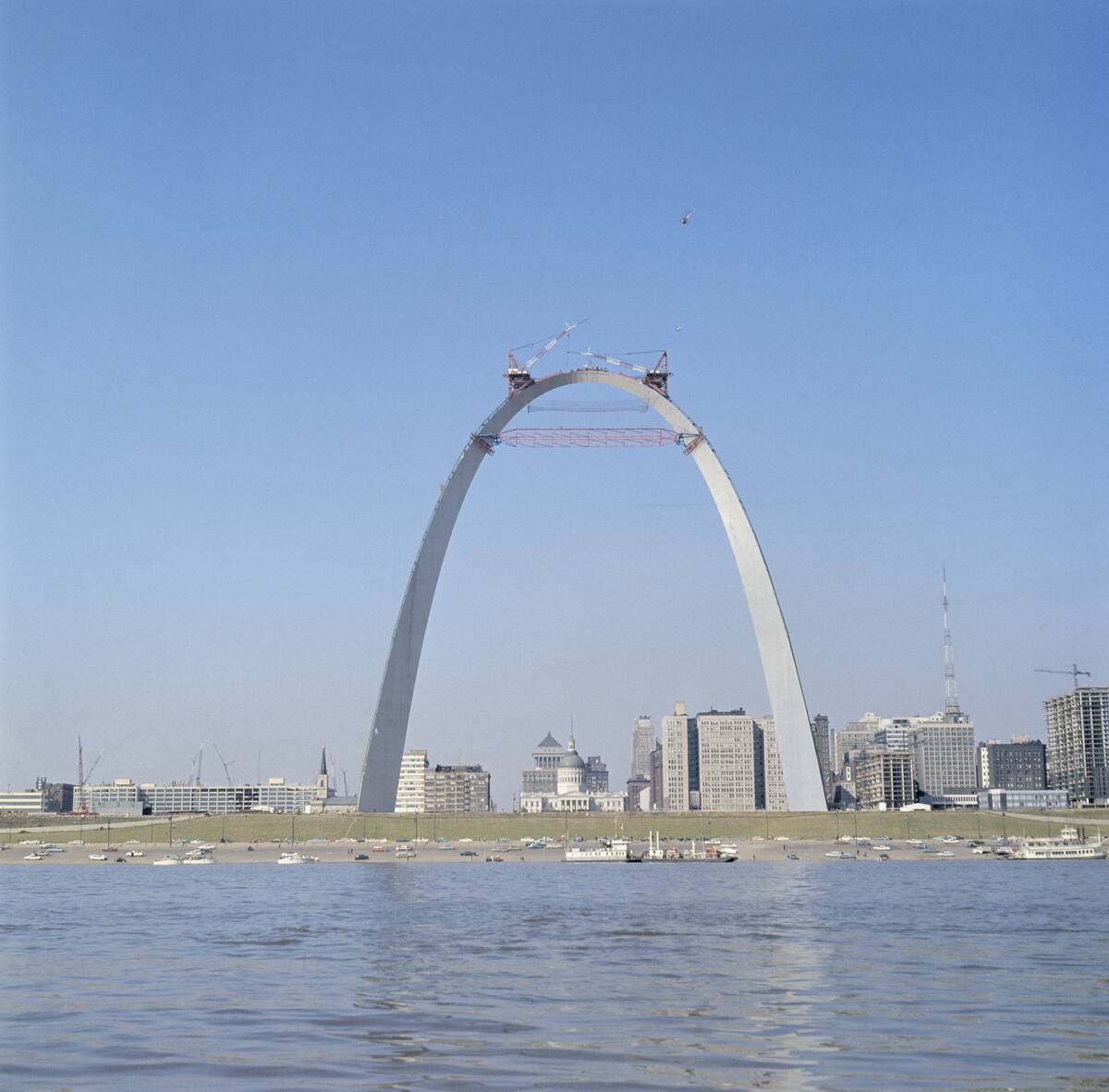
The Gateway Arch in St. Louis, Missouri, stands as a tribute to the westward expansion of the United States. Completed in 1965, the 630-foot stainless steel monument is the tallest arch in the world.
Designed by Finnish-American architect Eero Saarinen, the arch offers visitors a tram ride to the top for sweeping views of the city and the Mississippi River. It symbolizes innovation and the pioneering spirit of America.
The Empire State Building: A New York City Marvel
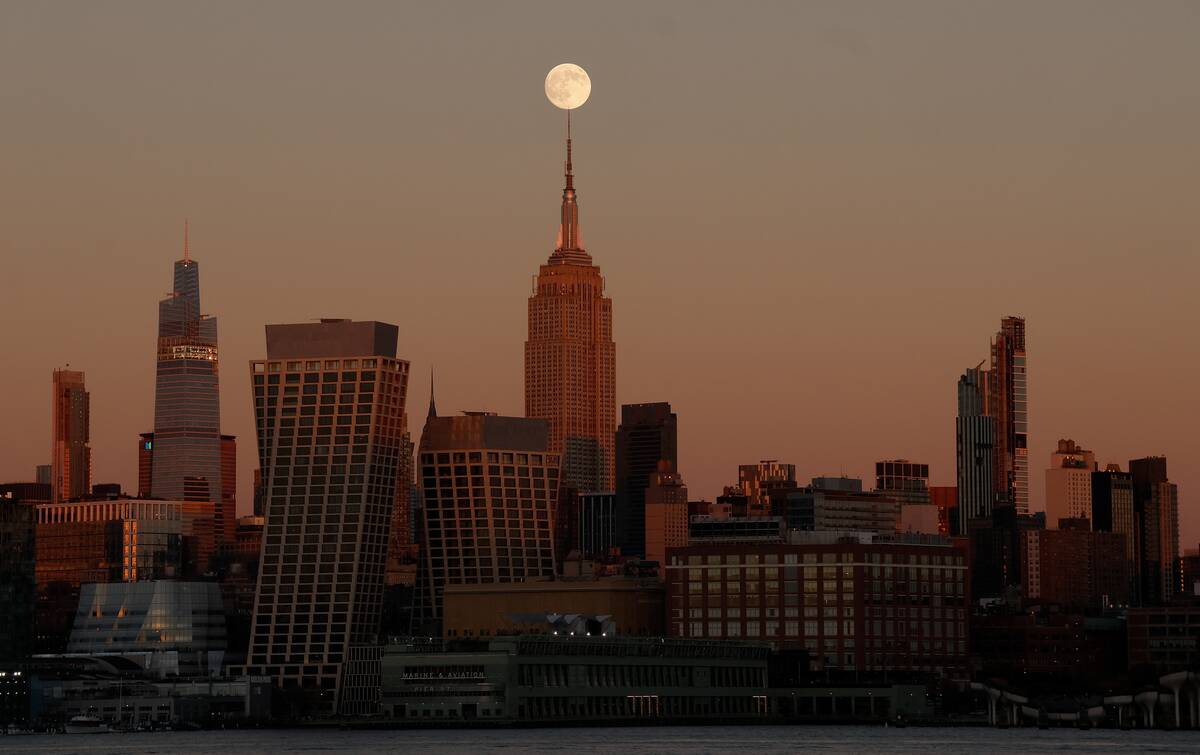
Once the tallest building in the world, the Empire State Building remains a quintessential symbol of New York City. Completed in 1931, this Art Deco skyscraper stands at 1,454 feet, including its antenna.
It was constructed in just over a year during the Great Depression, showcasing American resilience. Visitors can enjoy stunning city views from its 86th-floor observatory, making it a must-see landmark for tourists.
Hollywood Sign: The Symbol of Showbiz Dreams
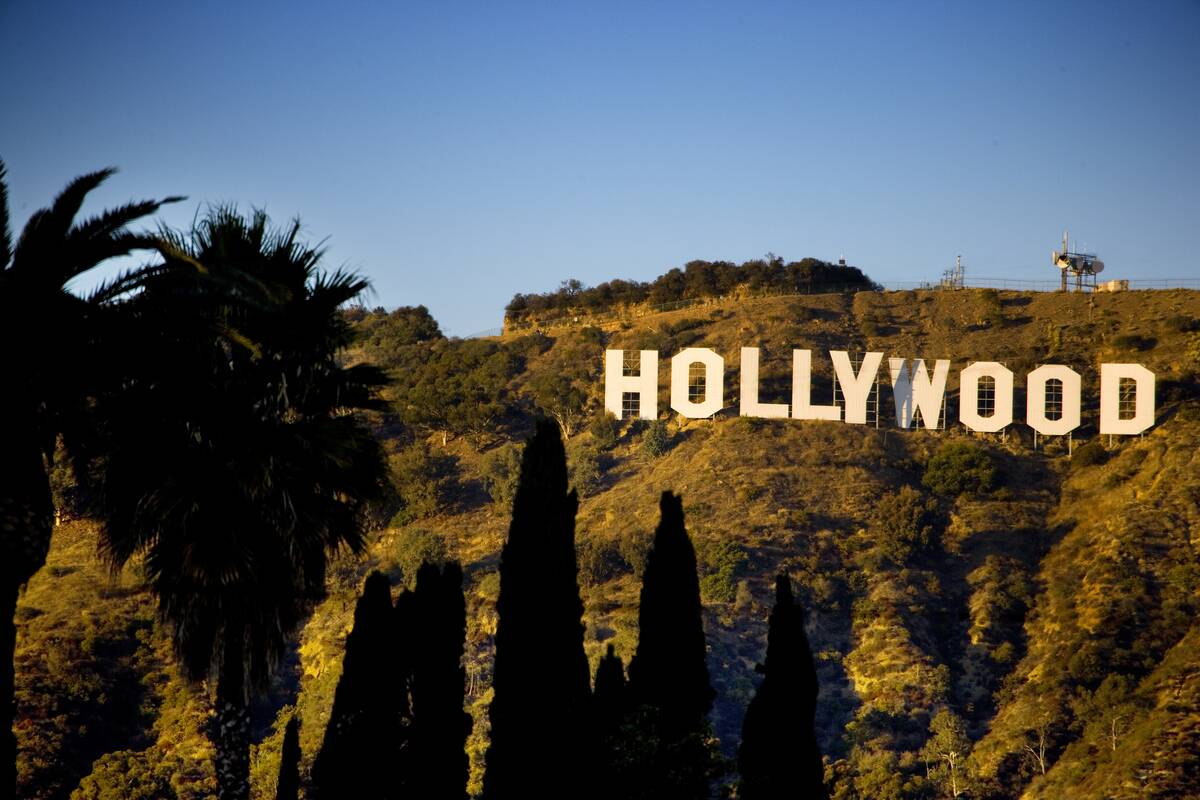
Perched on the hills overlooking Los Angeles, the Hollywood Sign is a global symbol of the entertainment industry. Originally erected in 1923 as ‘Hollywoodland’ to promote a real estate development, the sign was later shortened to just ‘Hollywood.’
Each letter stands 45 feet tall, and it’s visible from many parts of the city. The sign represents glamour, ambition, and the allure of the silver screen.
The Golden Gate Bridge: San Francisco’s Masterpiece
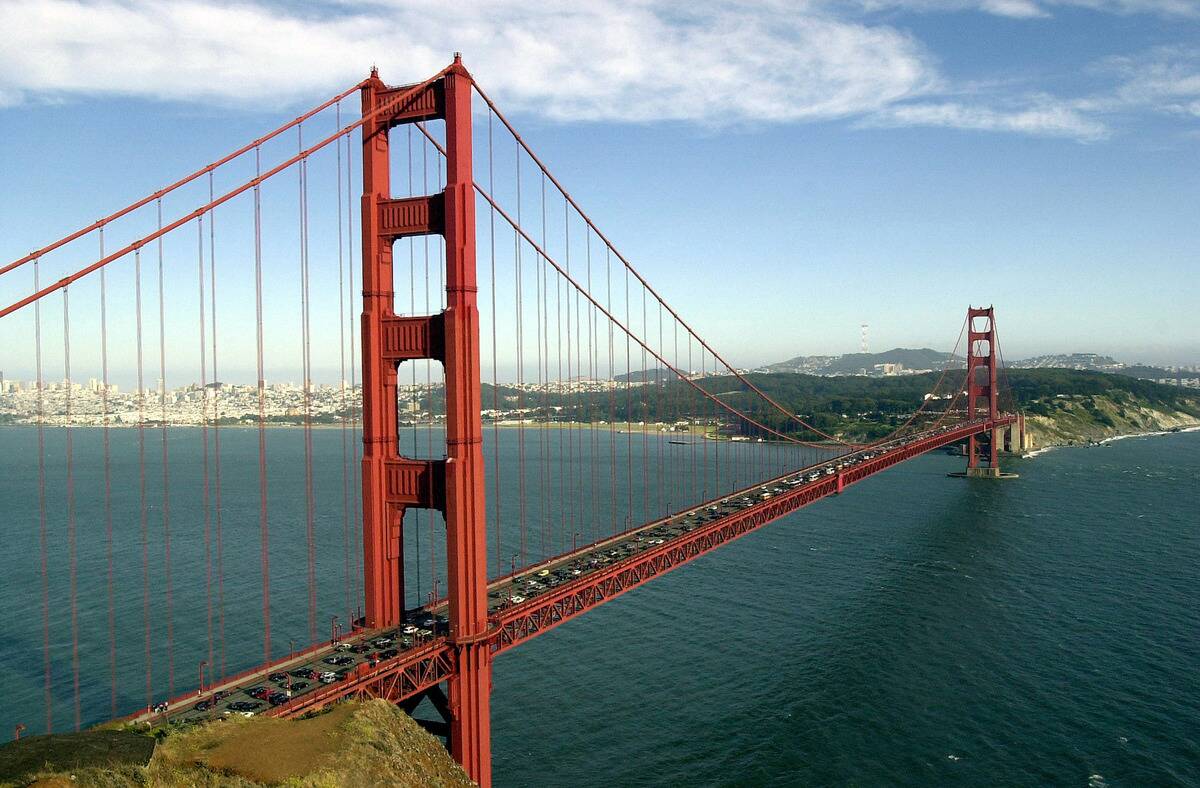
Spanning the Golden Gate Strait, the Golden Gate Bridge connects San Francisco to Marin County. Completed in 1937, it was an engineering marvel of its time, with a total length of about 1.7 miles.
The bridge’s iconic International Orange color and Art Deco design make it one of the most recognizable structures in the world. Whether shrouded in fog or basking in sunshine, it offers breathtaking views of the Bay Area.
Alcatraz Island: From Prison to Tourist Attraction
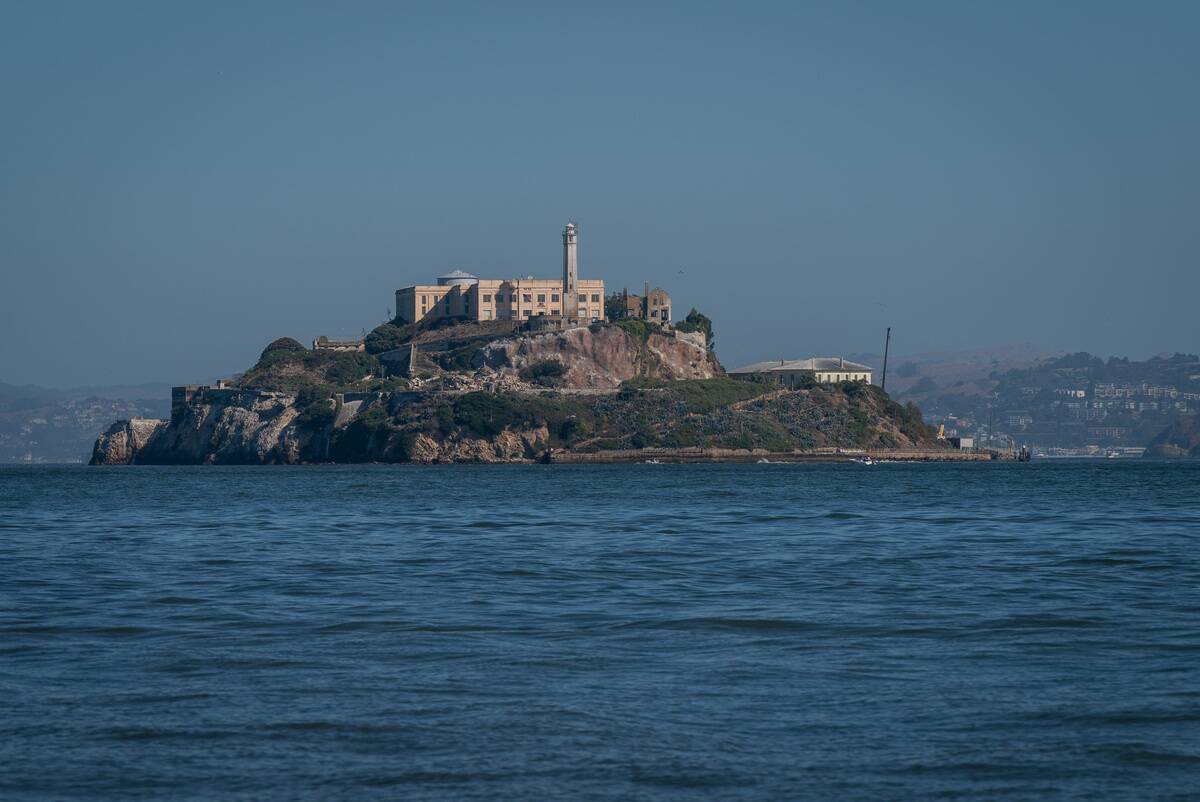
Once a notorious federal prison, Alcatraz Island is now a popular tourist destination in San Francisco Bay. Operating from 1934 to 1963, it housed infamous criminals like Al Capone and George ‘Machine Gun’ Kelly.
The island’s isolation and difficult waters made escape nearly impossible. Today, visitors can explore the historic prison buildings and learn about its storied past, as well as enjoy stunning views of the city skyline.
Times Square: The Heartbeat of New York City
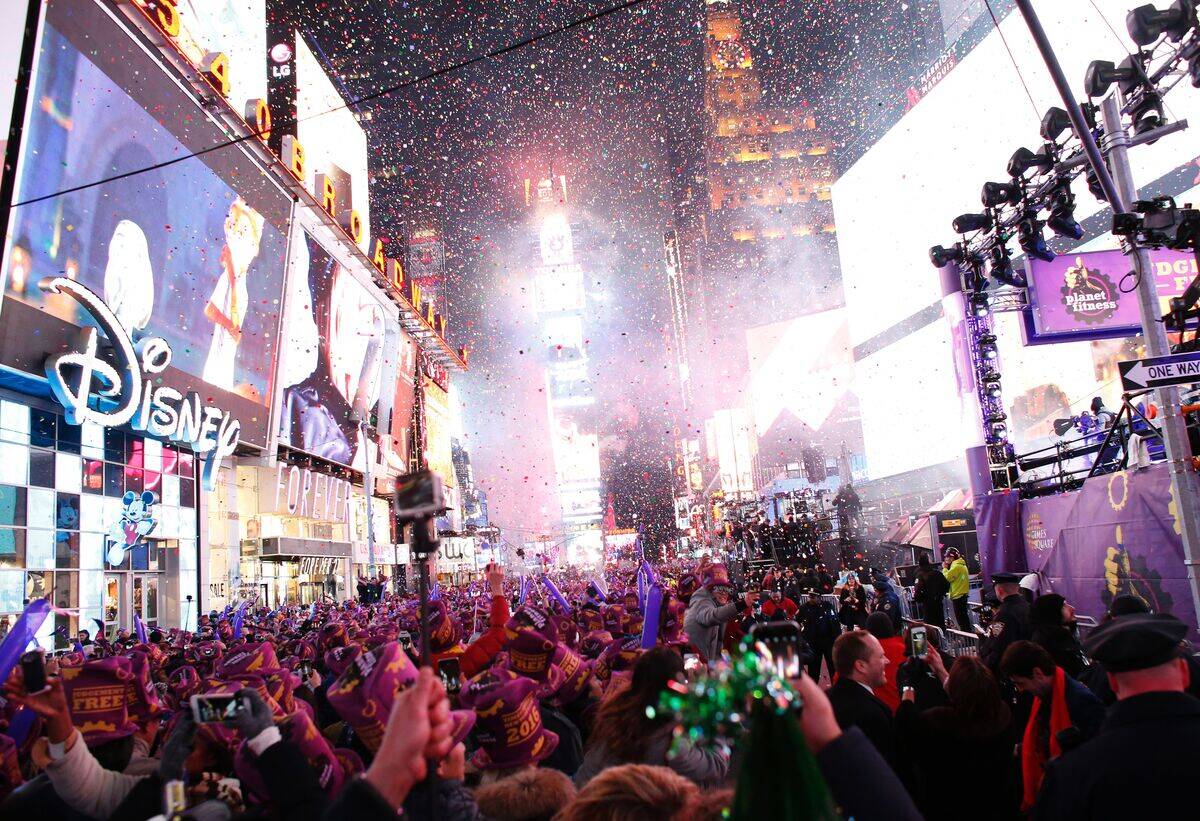
Times Square, often called ‘The Crossroads of the World,’ is a vibrant hub in the heart of New York City. Known for its bright lights, towering billboards, and bustling energy, it attracts millions of visitors each year.
The iconic New Year’s Eve ball drop has been a tradition since 1907. Times Square is a cultural epicenter, home to theaters, restaurants, and a constant buzz of activity day and night.
The Washington Monument: Honoring America’s First President
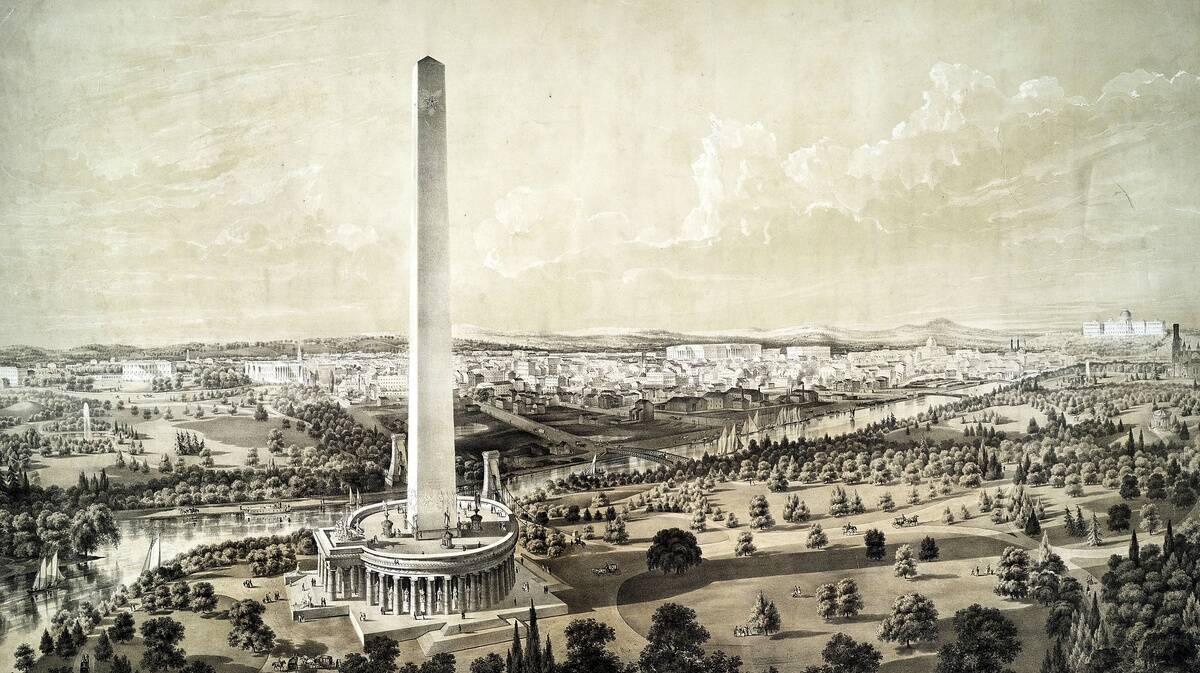
Dominating the skyline of Washington, D.C., the Washington Monument honors George Washington, the nation’s first president. Standing at 555 feet, this obelisk was completed in 1884 and is the tallest stone structure in the world.
Made of marble, granite, and bluestone gneiss, its simple yet majestic design reflects Washington’s enduring legacy. Visitors can ascend to the observation deck for panoramic views of the capital.
The Lincoln Memorial: A Tribute to a Beloved President
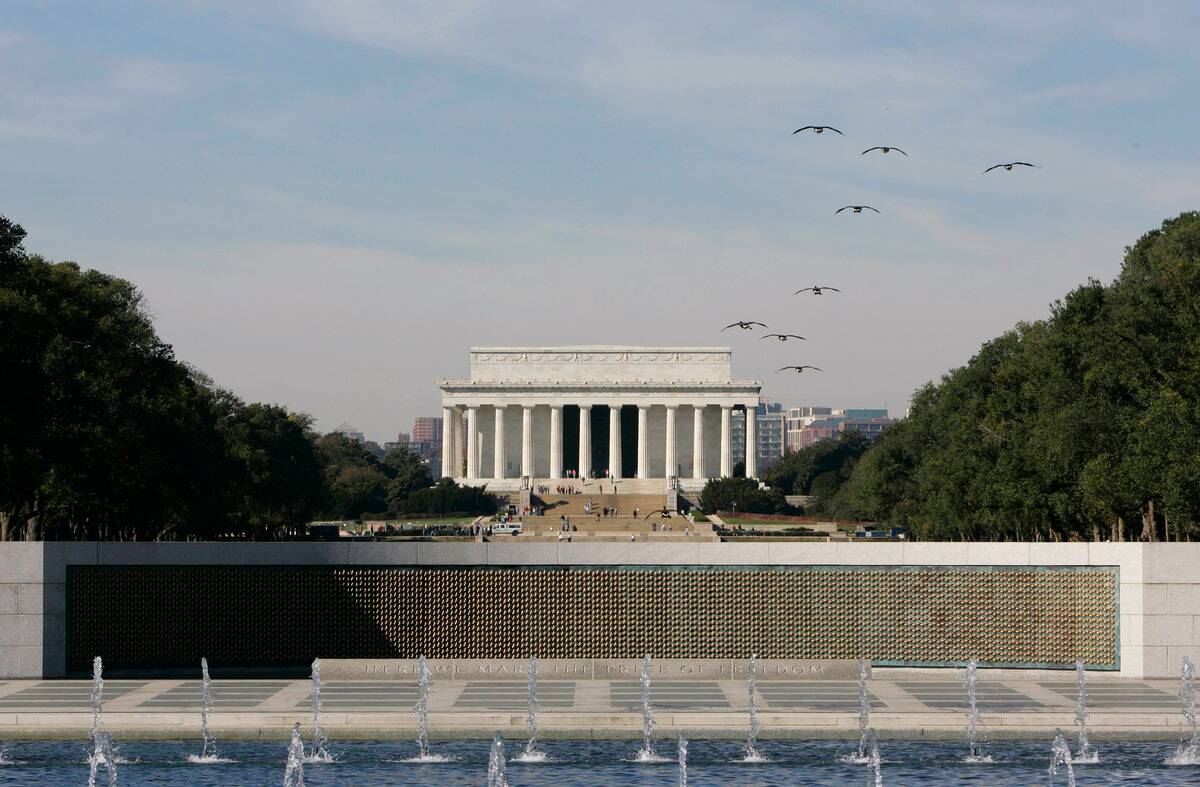
The Lincoln Memorial in Washington, D.C., pays homage to Abraham Lincoln, the 16th president of the United States. Completed in 1922, the memorial features a 19-foot seated statue of Lincoln and inscriptions of his famous speeches.
Designed by architect Henry Bacon, its neoclassical style resembles a Greek temple. The site of Martin Luther King Jr.’s ‘I Have a Dream’ speech, it symbolizes unity and equality.
The Hoover Dam: Engineering Feat of the 20th Century

Straddling the border between Nevada and Arizona, the Hoover Dam is a testament to human ingenuity. Completed in 1936 during the Great Depression, it was the largest concrete structure of its time.
The dam provides hydroelectric power and water to millions in the Southwest. Visitors can tour the dam, learning about its construction and impact on the region. Its Art Deco design and immense scale continue to captivate.
Niagara Falls: Nature’s Spectacular Display

Straddling the U.S.-Canada border, Niagara Falls is a breathtaking natural wonder. Comprised of three waterfalls—Horseshoe Falls, American Falls, and Bridal Veil Falls—it boasts the highest flow rate of any waterfall in North America.
Visitors can experience the falls up close via boat tours or observation decks. The thundering roar and misty spray create an unforgettable spectacle, drawing millions of tourists from around the globe.
The Space Needle: Seattle’s Futuristic Landmark
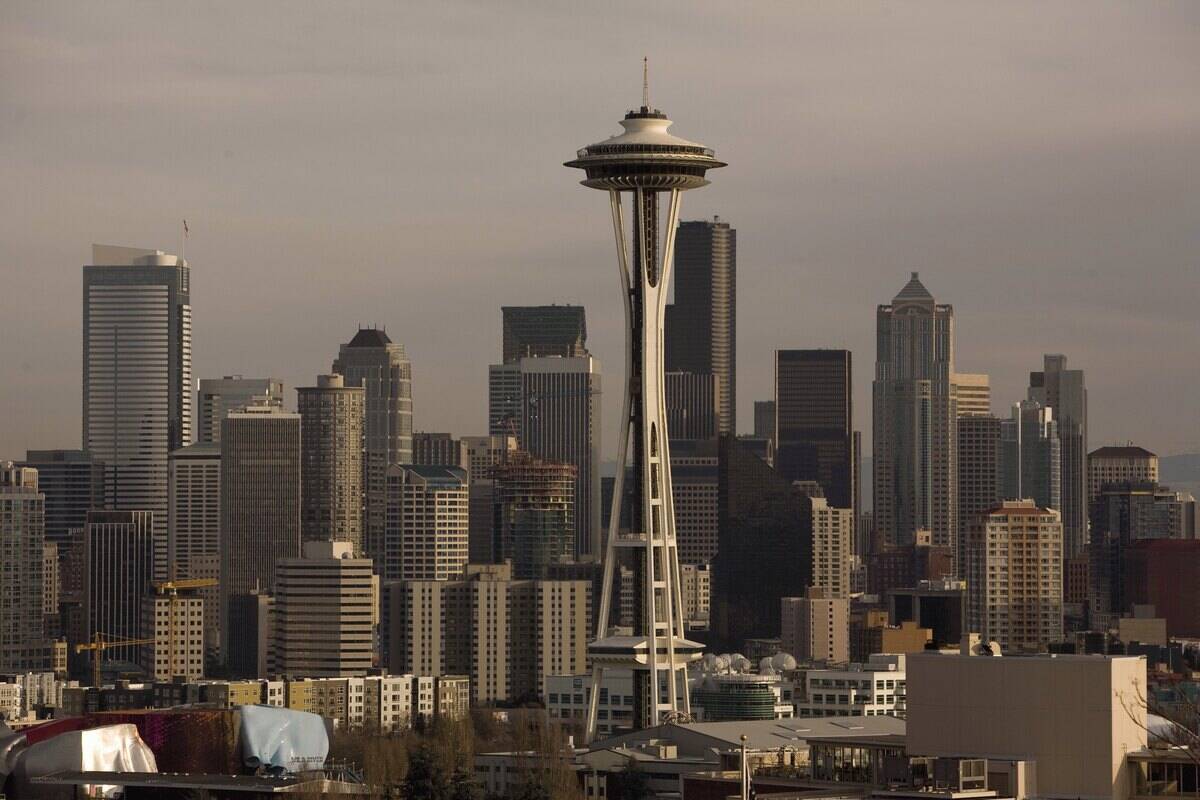
Piercing the Seattle skyline, the Space Needle is an iconic symbol of the city. Built for the 1962 World’s Fair, it stands at 605 feet and offers 360-degree views of the surrounding mountains and Puget Sound.
Its distinctive saucer-shaped top and slender profile reflect the Space Age optimism of the era. Visitors can dine at the revolving restaurant or enjoy the breathtaking panorama from the observation deck.
The National Mall: America’s Front Yard

Stretching from the Capitol to the Lincoln Memorial, the National Mall in Washington, D.C., is a vast open space that hosts national events and celebrations. Lined with iconic monuments and museums, it is a place of both leisure and reflection.
The Mall is the site of historic gatherings, including presidential inaugurations and civil rights marches. It’s a living symbol of American history and democracy.
The French Quarter: New Orleans’ Historic Gem
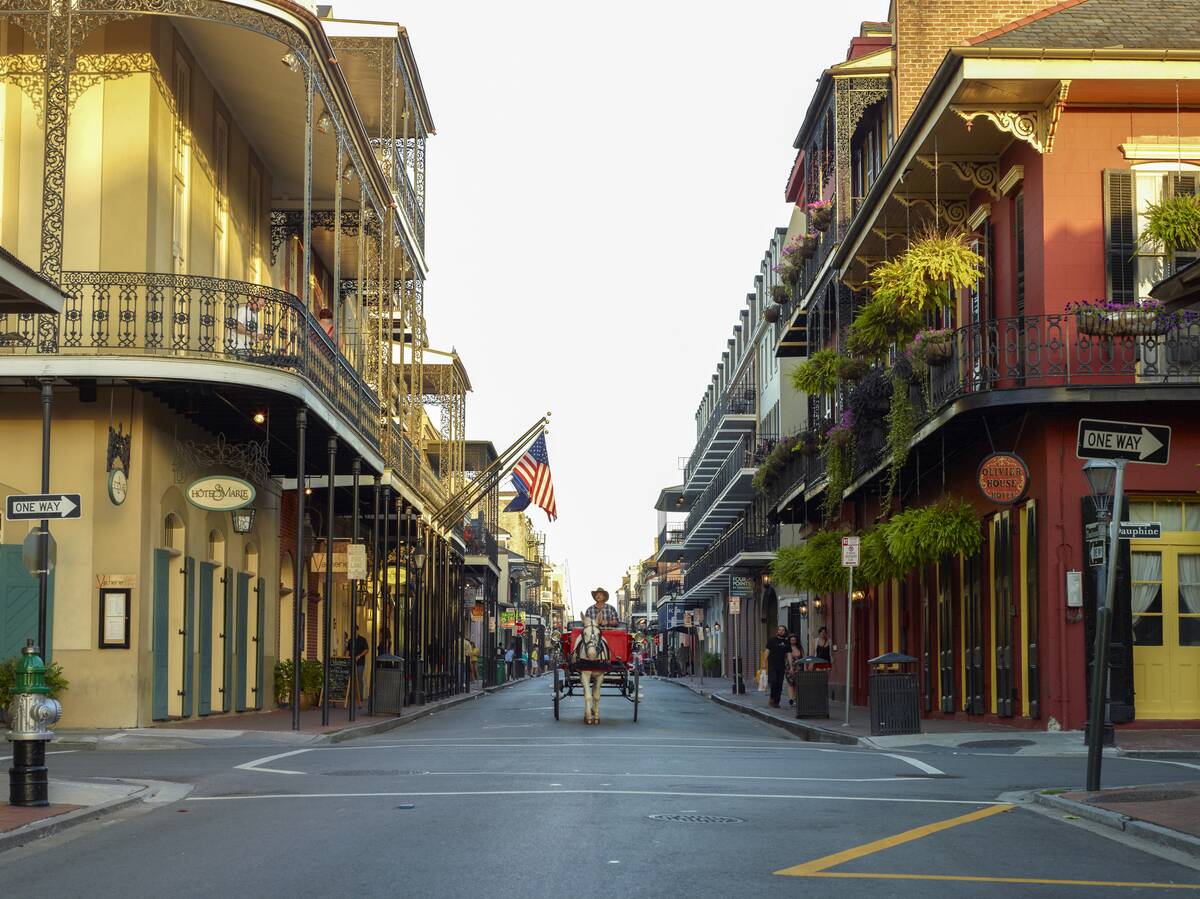
The French Quarter, the oldest neighborhood in New Orleans, is a vibrant blend of history and culture. Known for its lively atmosphere, jazz music, and Creole cuisine, it offers a unique glimpse into the city’s rich past.
The architecture is a mix of French, Spanish, and Creole influences, with wrought-iron balconies and colorful facades. Bourbon Street, at the heart of the Quarter, is famous for its nightlife and festivities.