Pulsating stars and their rhythmic signals

Trending Now
Imagine the night sky as a vast cosmic symphony, with pulsating stars acting as the rhythmic heartbeat of the universe. These celestial bodies are not just twinkling dots; they pulsate, expanding and contracting, adding a dynamic element to the cosmos.
This pulsation is a fascinating phenomenon, revealing much about the universe’s inner workings. By observing these rhythmic changes, astronomers can uncover the secrets hidden in the depths of space, turning the sky into a grand tapestry of pulsating mysteries.
The Science Behind Stellar Pulsation
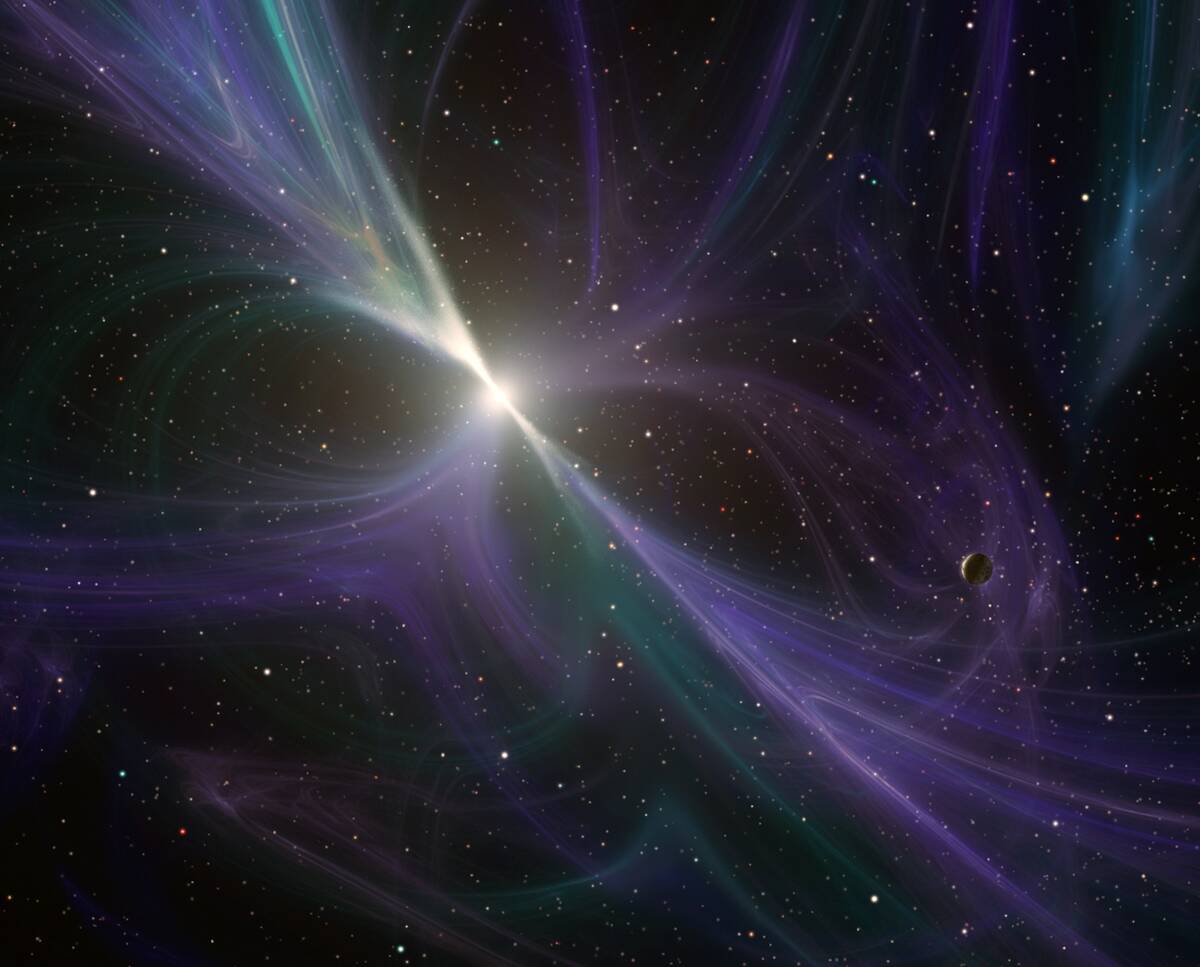
At the core of a pulsating star, changes in pressure and temperature cause the star to expand and contract. This is due to the interplay between gravity, which pulls the star inward, and the pressure from nuclear fusion in its core, which pushes outward.
As the star expands, its surface cools and dims, and when it contracts, it heats up and brightens. This cycle can range from minutes to days, depending on the star, and is a key to understanding their complex behaviors.
A Brief History of Discovering Pulsating Stars
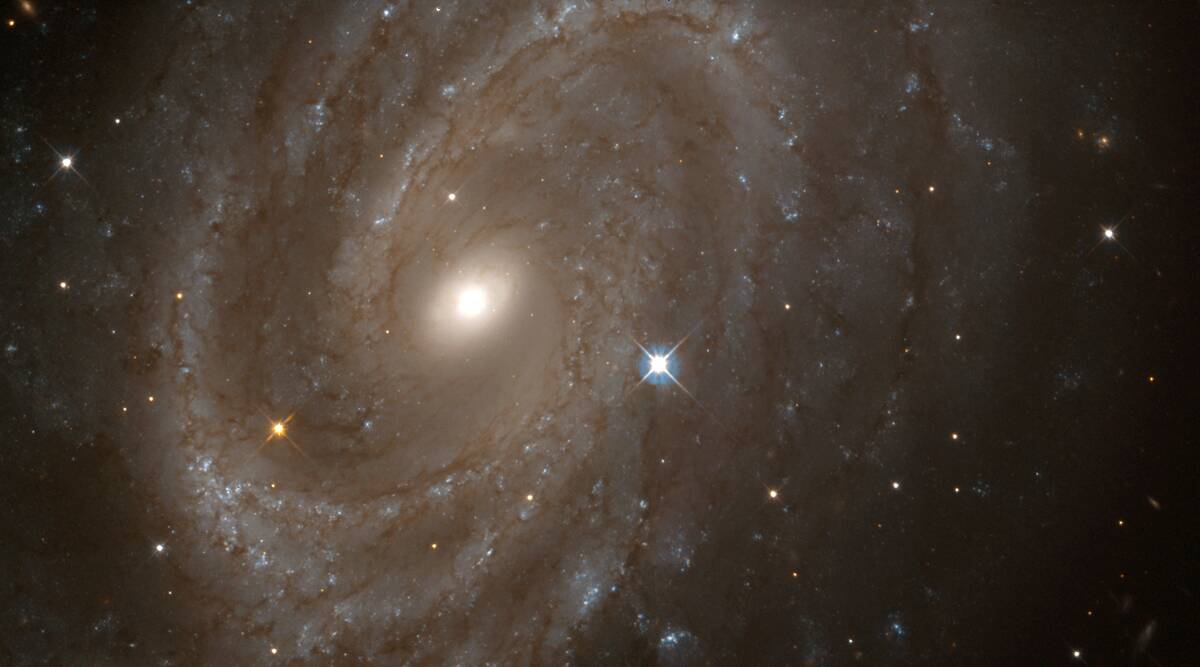
The journey to understanding pulsating stars began in the early 20th century when Henrietta Swan Leavitt discovered the period-luminosity relationship of Cepheid variables. Her work set the stage for using these stars as standard candles for measuring cosmic distances.
Edwin Hubble later utilized this discovery to prove the expansion of the universe. Over the decades, advances in telescopic technology have allowed astronomers to identify and study different types of pulsating stars, unearthing the universe’s dynamic nature.
Types of Pulsating Stars in the Universe
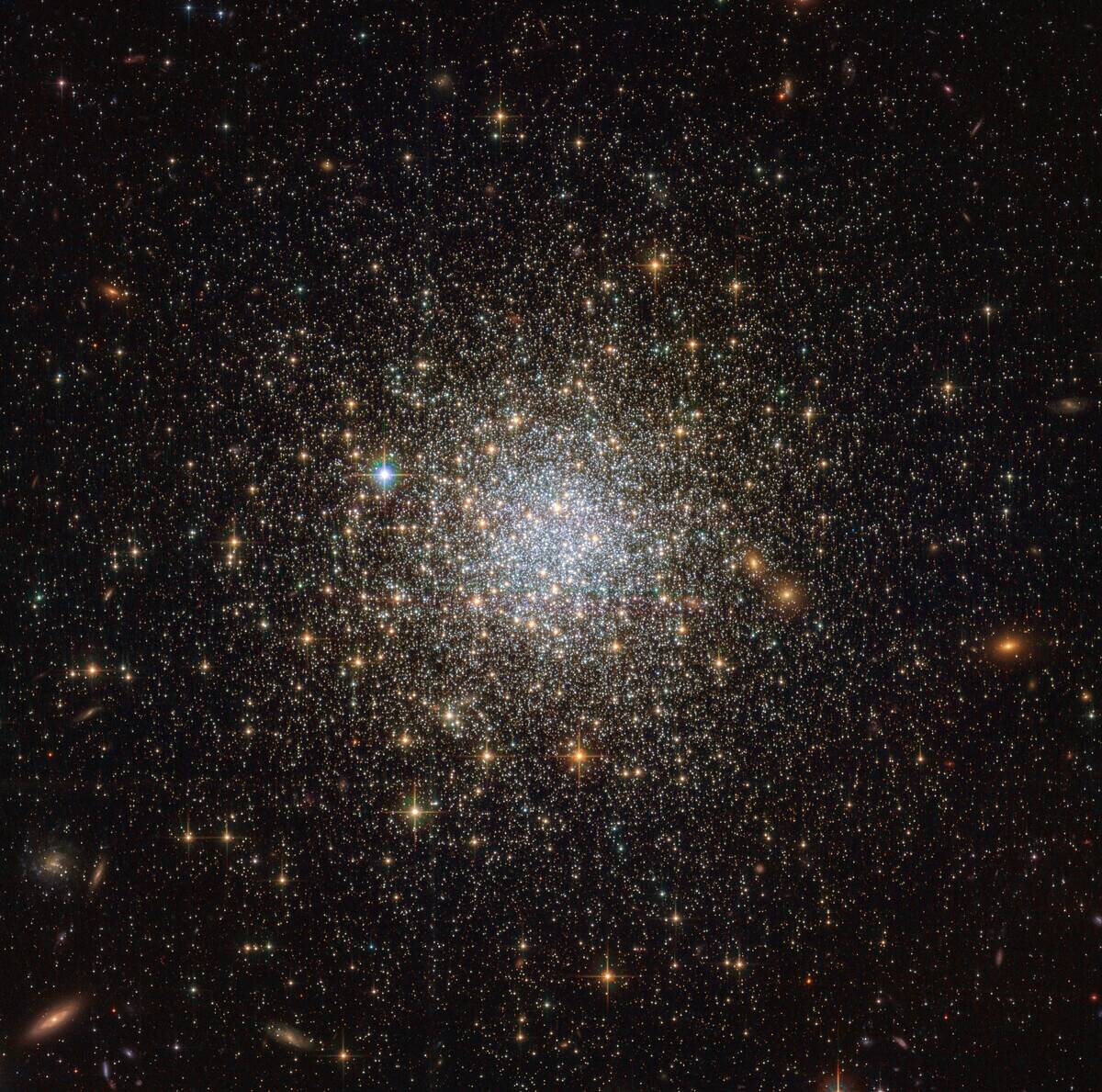
Pulsating stars come in various types, each with unique characteristics. Cepheid variables are perhaps the most famous, known for their predictable brightness changes. RR Lyrae stars, smaller and less luminous, also play a significant role in astronomy.
Then there are the enigmatic Delta Scuti stars, which pulsate at high frequencies. Each type of pulsating star contributes to our understanding of stellar evolution, as they exhibit different behaviors and properties that enrich the cosmic narrative.
The Role of Cepheid Variables in Astronomy
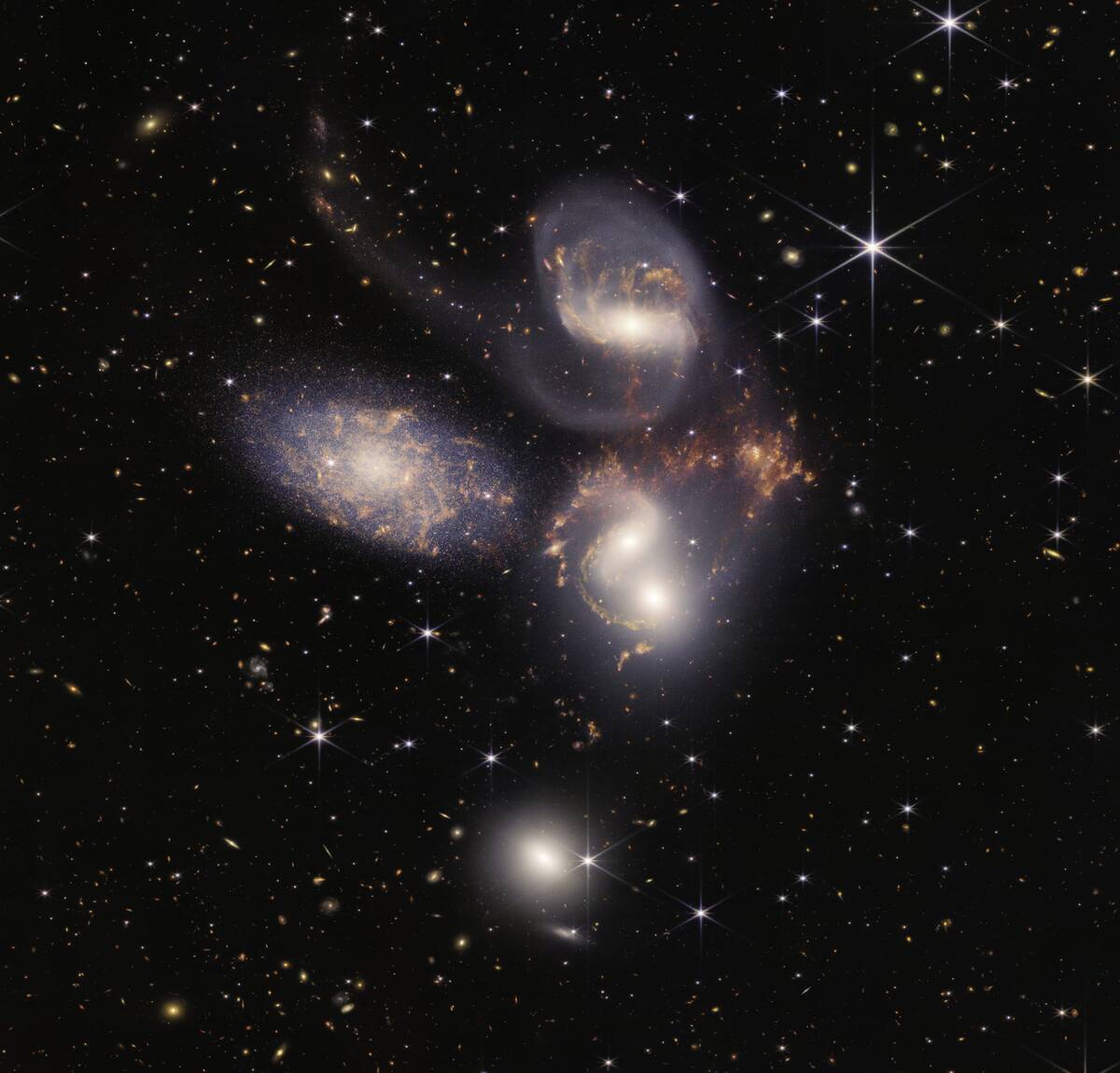
Cepheid variables are essential tools for astronomers, acting as cosmic yardsticks. Their predictable pulsation periods are directly related to their intrinsic brightness, allowing astronomers to calculate their distances from Earth.
This makes them invaluable for measuring the scale of the universe and determining the distance to far-off galaxies. The work of astronomers like Leavitt and Hubble has shown that these stars are not just beautiful to observe but are also critical for unlocking the mysteries of the cosmos.
RR Lyrae Stars: The Reliable Timekeepers
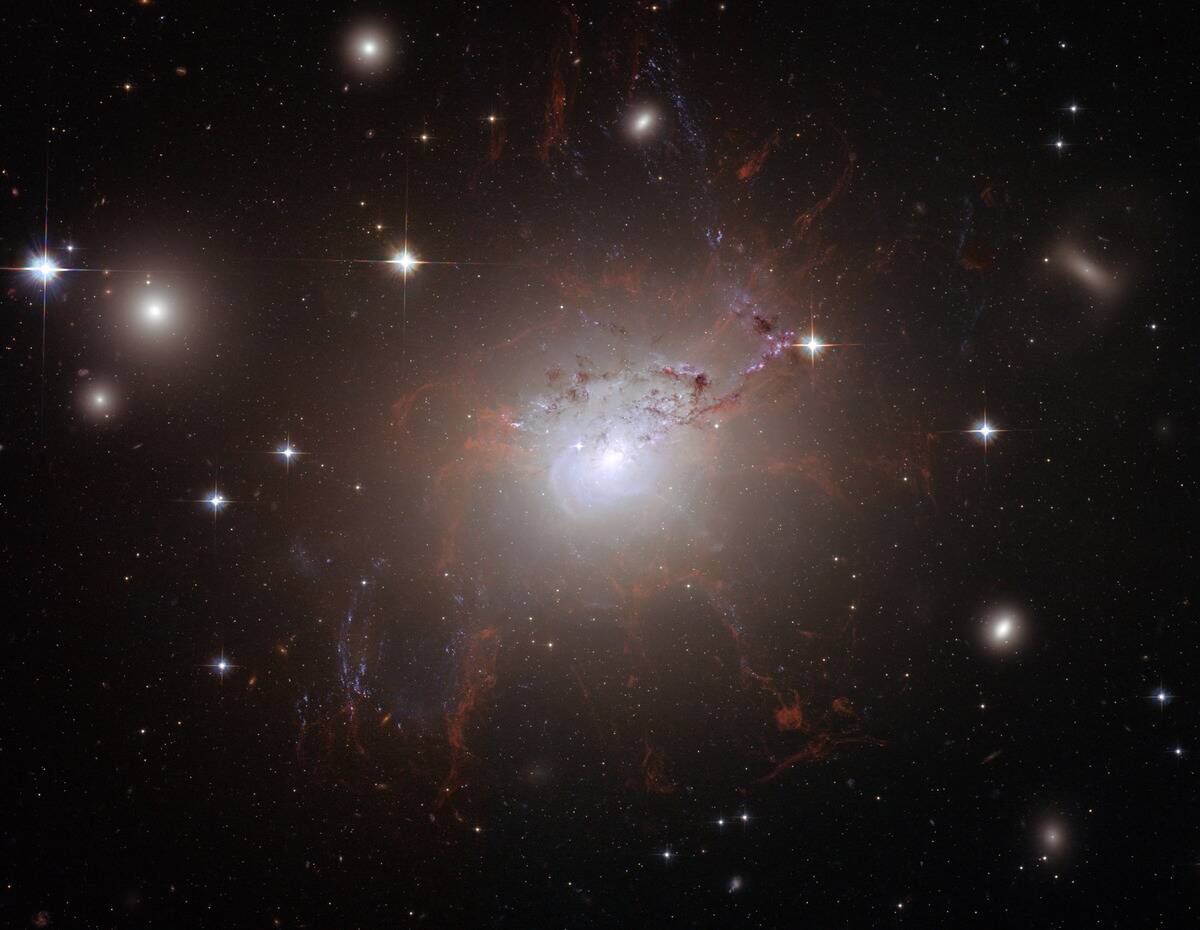
RR Lyrae stars, though less luminous than Cepheid variables, are equally important in cosmic measurements. Found primarily in globular clusters, these stars have periods of less than a day and are excellent indicators of the age and size of old star clusters.
Their consistent pulsation patterns make them reliable cosmic timekeepers, helping astronomers trace the history of our galaxy. Like tiny cosmic clocks, they tick away, offering insights into the early universe’s formation and evolution.
Mystery of the Delta Scuti Stars
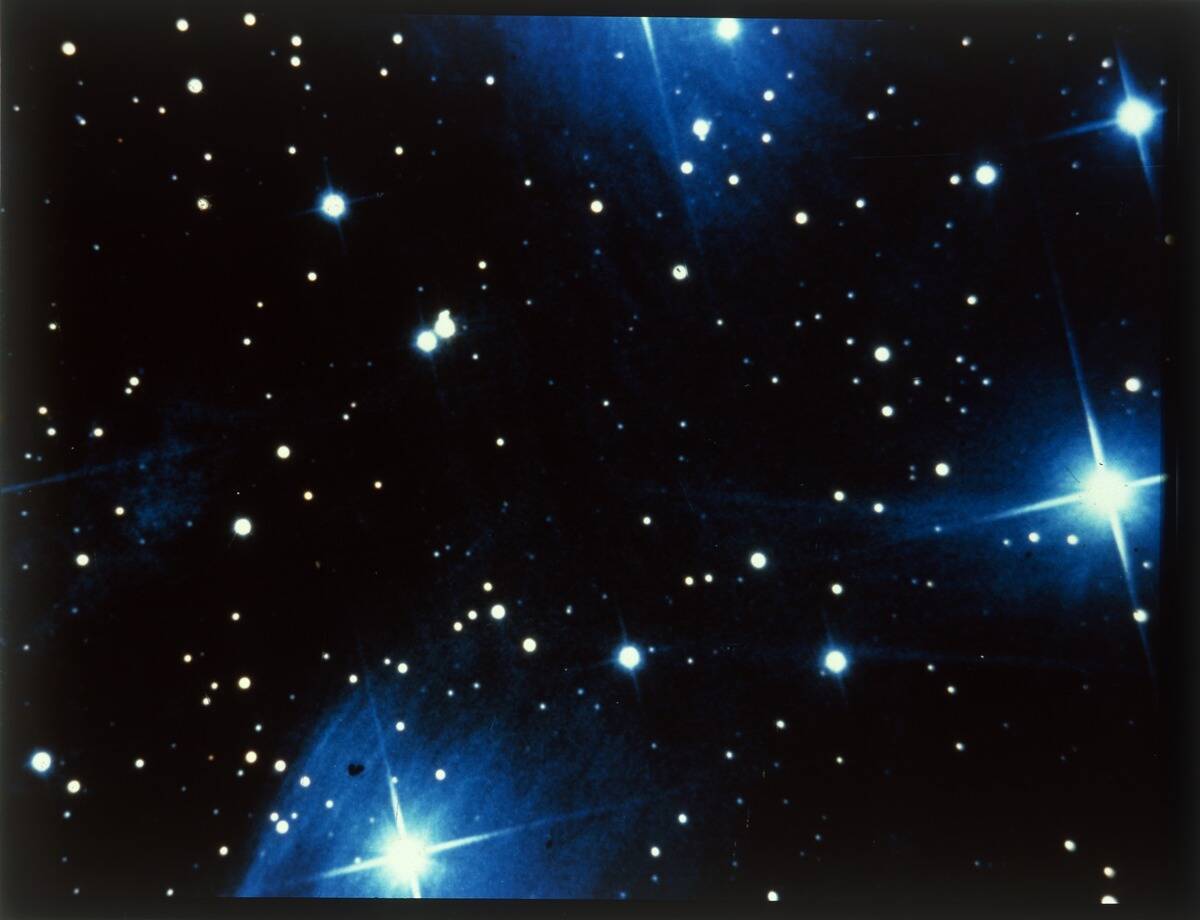
Delta Scuti stars are intriguing due to their rapid pulsations, often occurring in just a few hours. Unlike other types, these stars display complex pulsation patterns, making them a challenge to study. Their rapid changes and multiple pulsation modes provide valuable data on the internal structures of stars.
Understanding Delta Scuti stars requires unraveling the mysteries of their oscillations, which can shed light on the intricate processes occurring within stellar interiors, illuminating the hidden dynamics of star formation.
The Astonishing Brightness Variability
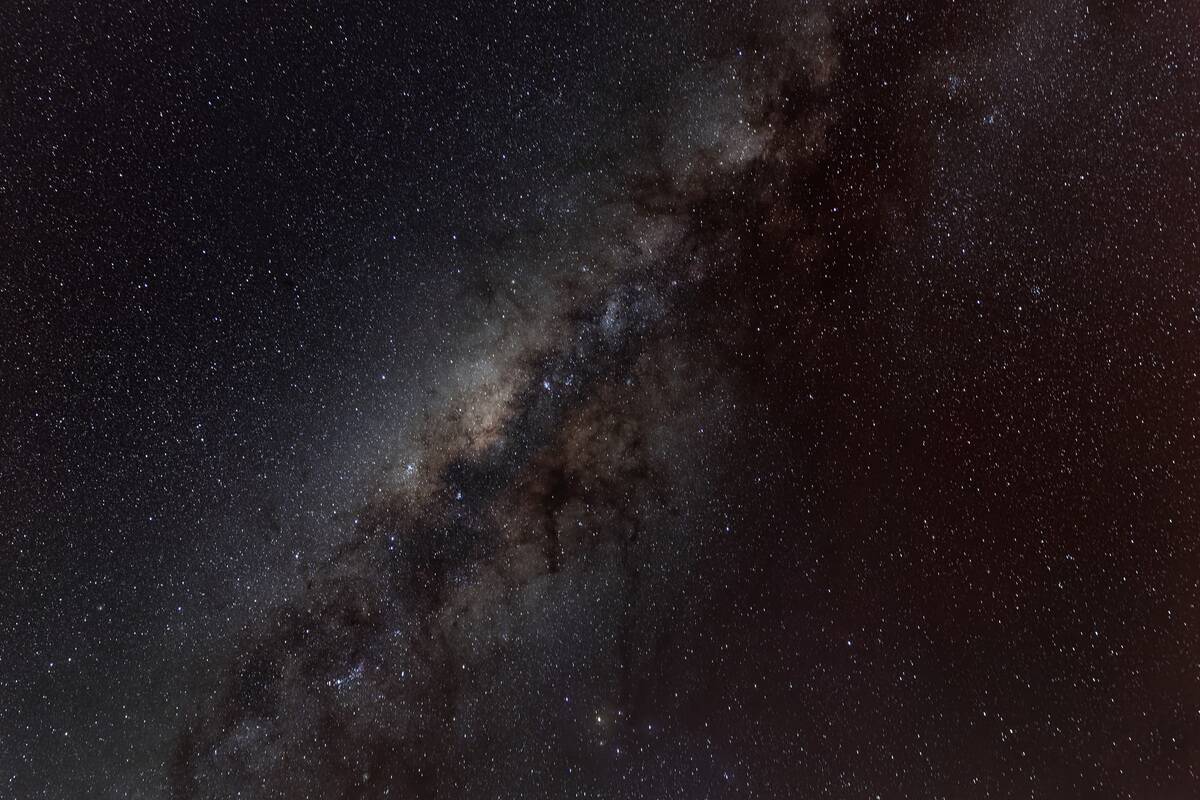
The brightness variability of pulsating stars is a spectacle to behold. Some stars, like the Cepheids, can change their brightness by a factor of two, illuminating the sky with their rhythmic dance. This variability is not just a visual delight but also a rich source of data for astronomers.
By analyzing these changes, scientists can infer various stellar properties, such as mass and temperature, and gain insights into the life cycles of these brilliant cosmic performers.
How Pulsating Stars Help Measure Cosmic Distances
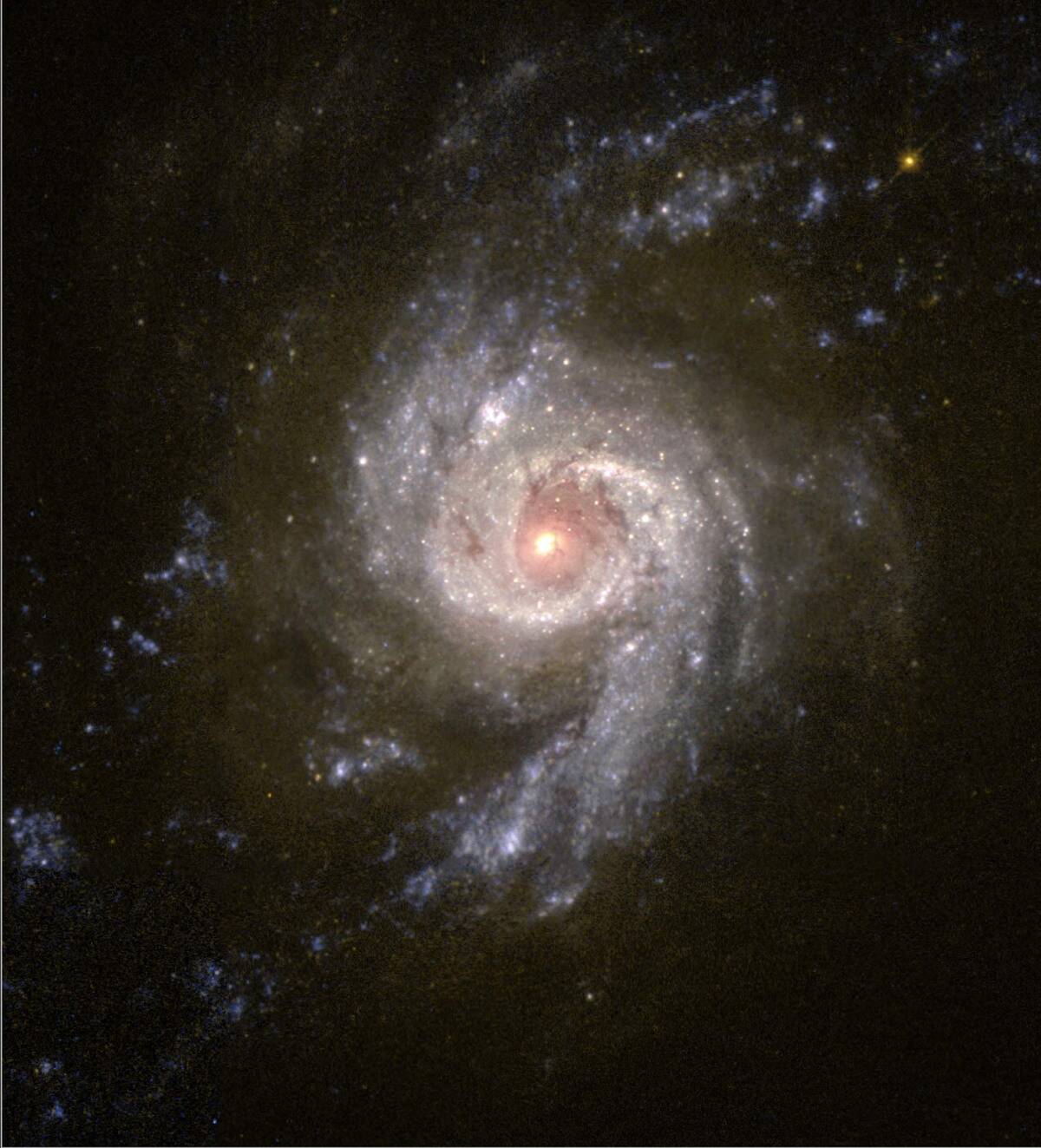
Pulsating stars are cosmic lighthouses, guiding astronomers through the vastness of space. By measuring the period of a pulsating star, its absolute brightness can be determined, allowing for the calculation of its distance from Earth.
This technique, known as the period-luminosity relation, is a cornerstone of astronomical distance measurement. It helps map the universe, from nearby star clusters to distant galaxies, and plays a pivotal role in understanding the universe’s scale and structure.
The Relationship Between Pulsation and Star Size
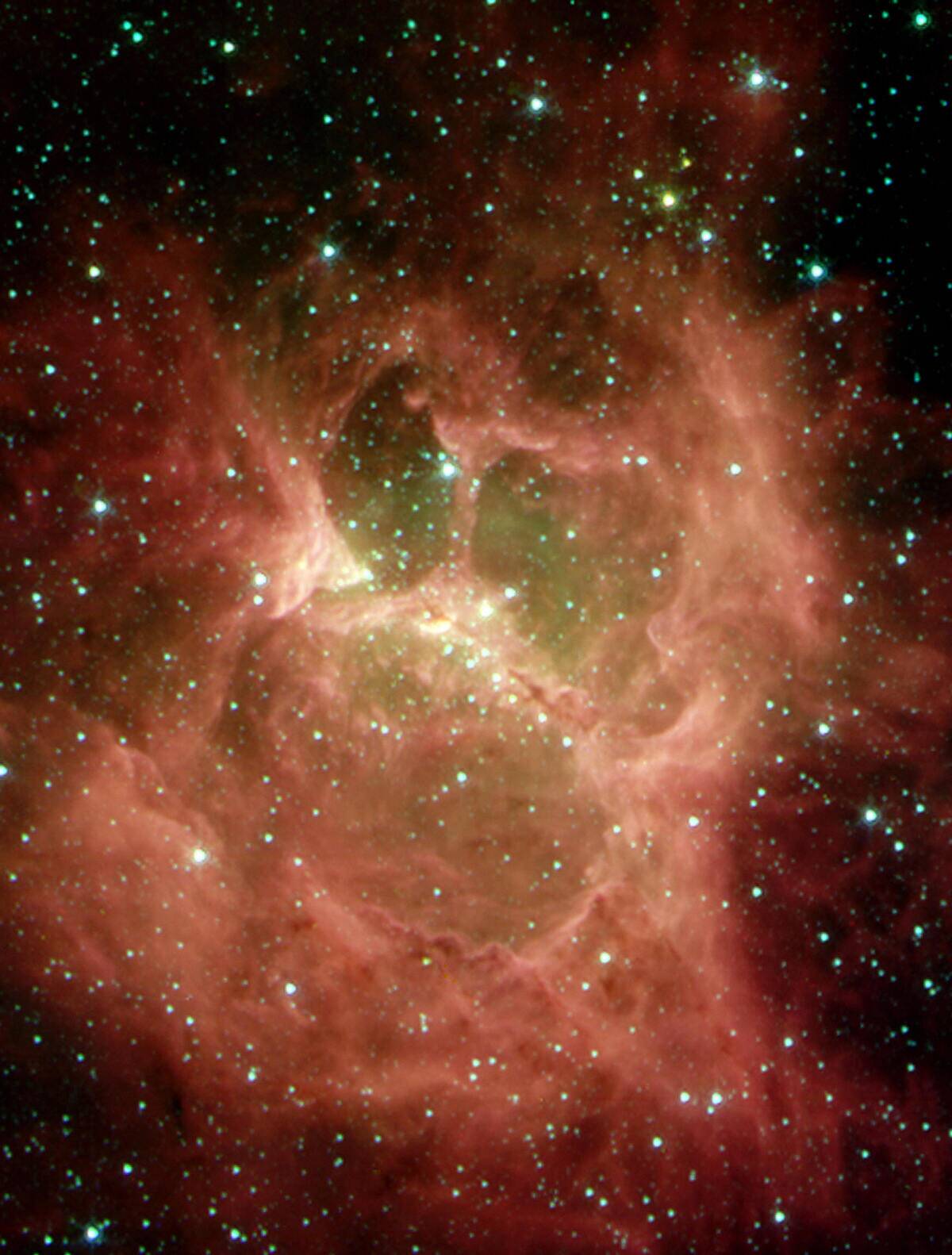
The pulsation of a star is intricately linked to its size. Generally, larger stars have longer pulsation periods, as the waves of pressure take more time to travel through their extensive interiors. This relationship helps astronomers determine the physical characteristics of stars, such as their radius and mass.
By studying pulsating stars, scientists can piece together the puzzle of star formation and evolution, revealing the secrets of how these celestial giants grow and change over time.
Pulsating Stars and Their Role in Galactic Cartography
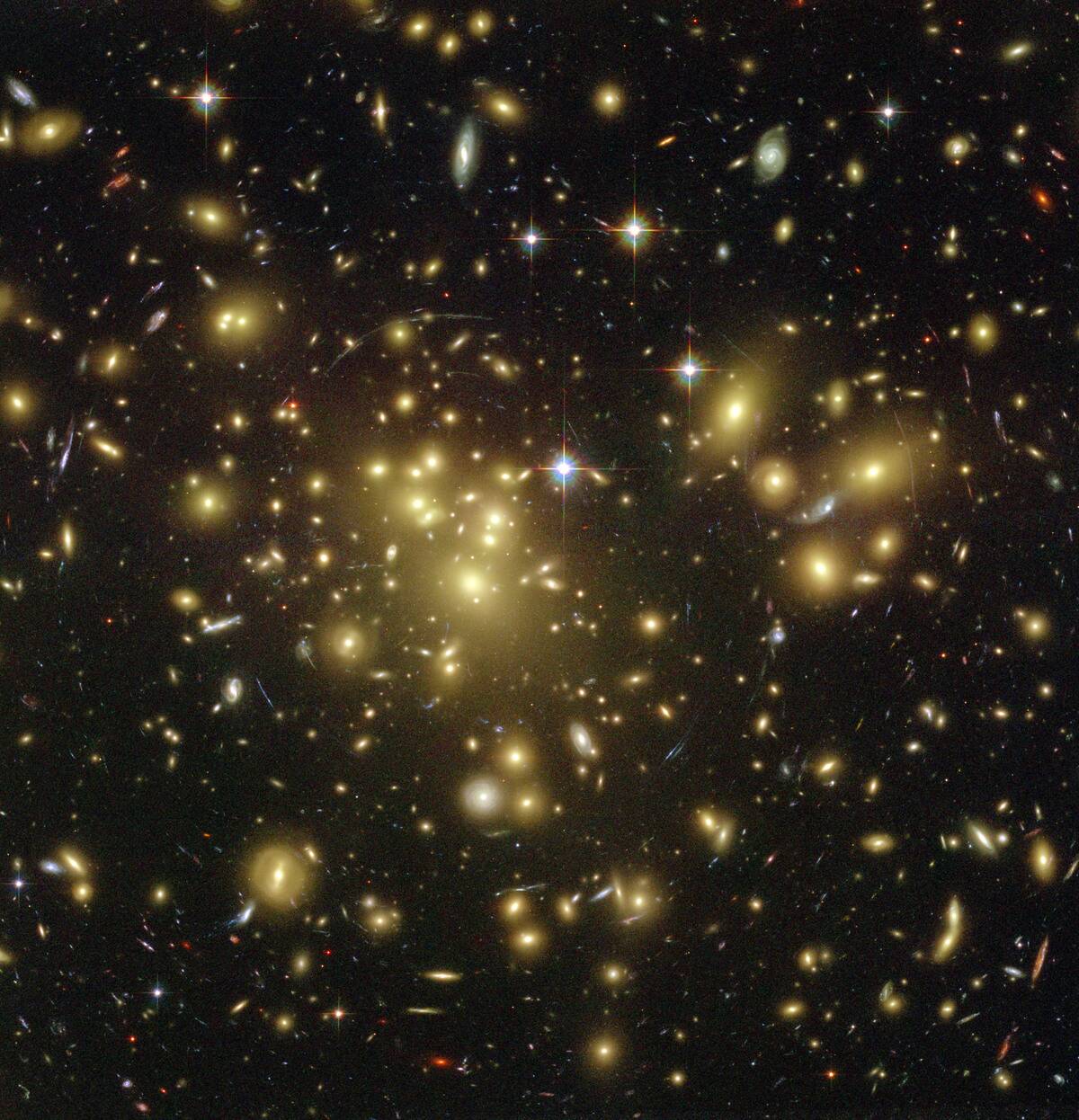
In the realm of galactic cartography, pulsating stars serve as essential markers. Their predictable brightness and distance measurements help map the structure of our galaxy and beyond.
By observing the distribution and movement of these stars, astronomers can create detailed maps of the Milky Way, tracing its spiral arms and identifying its central bulge. This mapping is crucial for understanding the galaxy’s formation and dynamics, providing a clearer picture of our place in the cosmos.
The Musical Harmony of Pulsating Stars
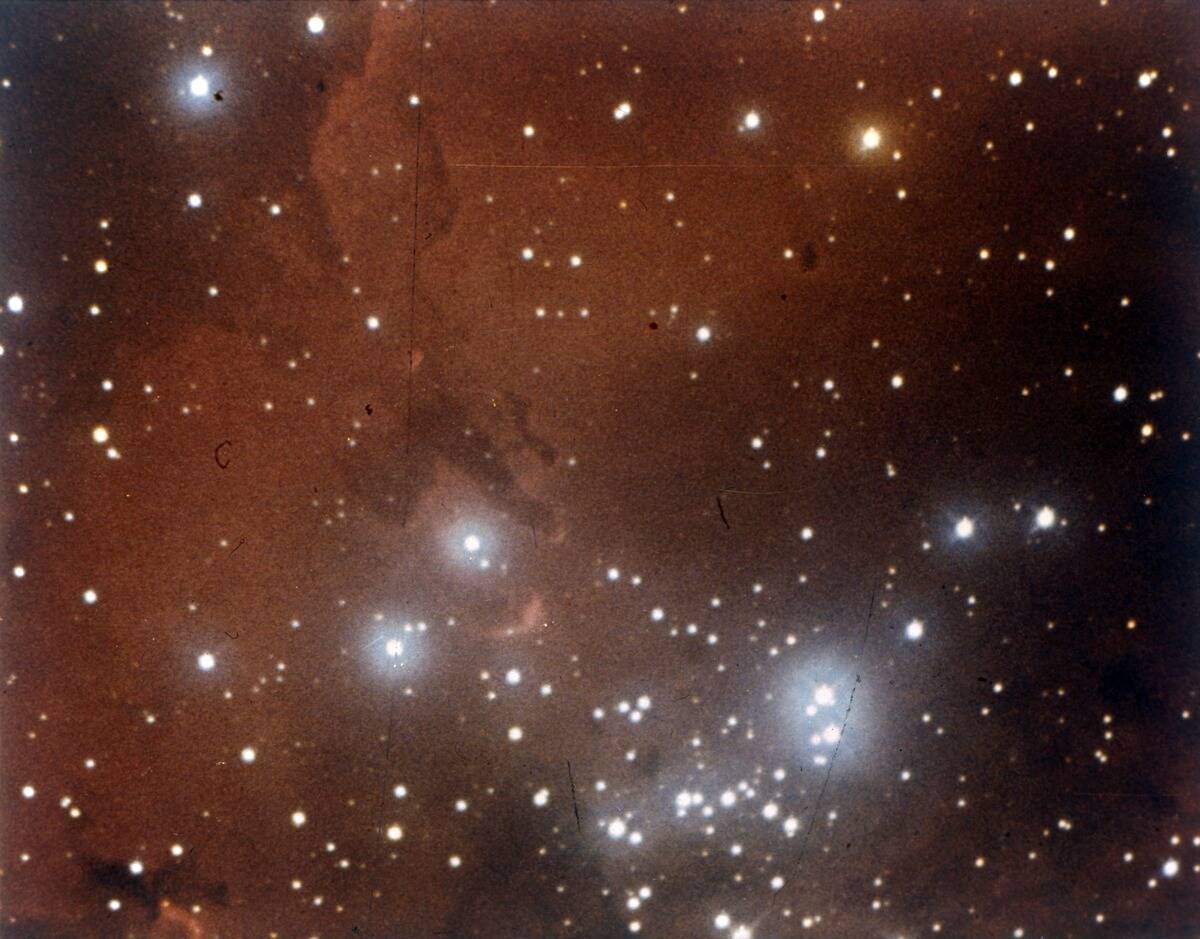
Pulsating stars can be likened to a cosmic orchestra, each star playing its own musical note. The frequencies of their pulsations can be translated into sound waves, creating a celestial symphony. This musical aspect is not just a whimsical notion but a tool for astronomers.
By analyzing these ‘stellar songs,’ scientists can infer the internal structures of stars, much like how seismologists study the Earth’s interior. The harmony of pulsating stars offers a unique perspective on the universe’s hidden rhythms.
How Pulsations Reveal the Age of Stars
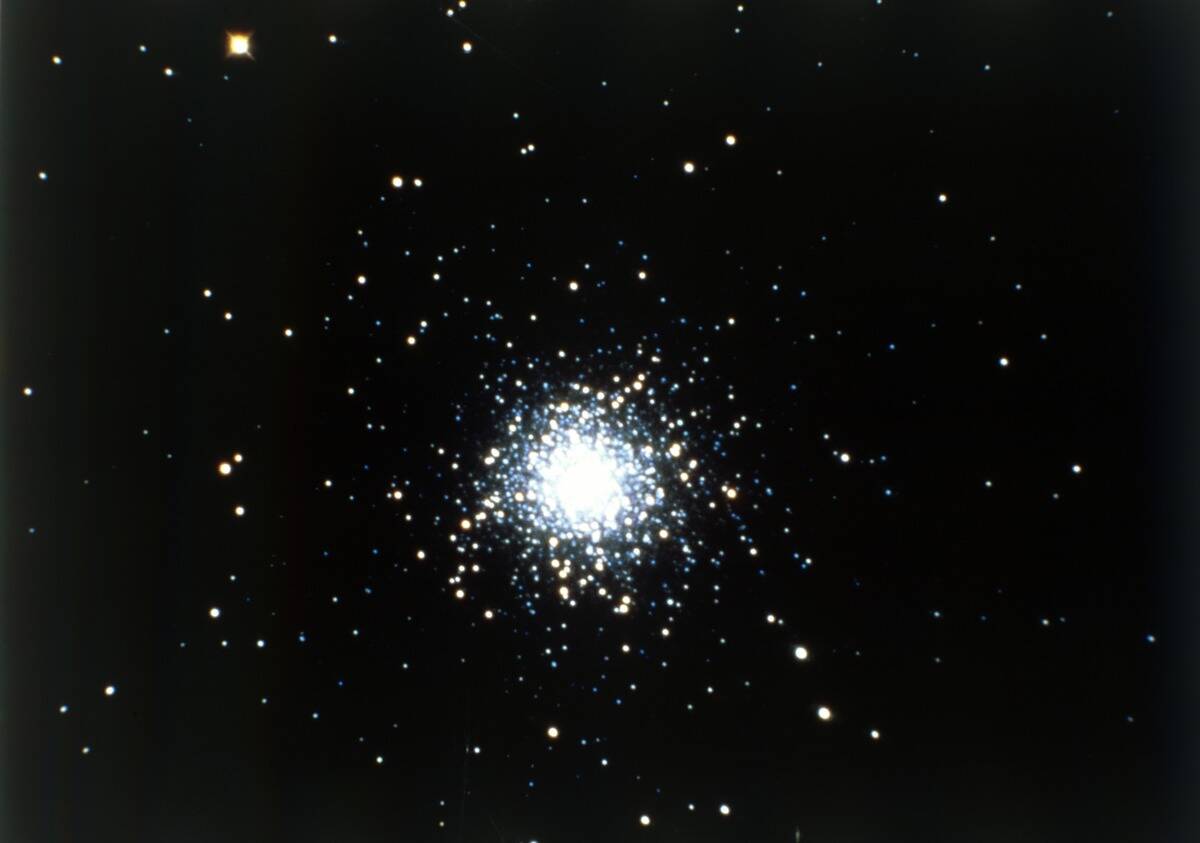
The pulsations of stars are like a clock, ticking away the moments of their stellar lives. By studying their pulsation periods and patterns, astronomers can estimate a star’s age. Older stars tend to have longer, more stable pulsation periods, while younger stars exhibit more erratic behavior.
This stellar clockwork allows scientists to place stars within the broader context of galactic evolution, providing insights into the lifecycle of stars and the history of the cosmos.
The Colorful Life Cycle of Pulsating Stars
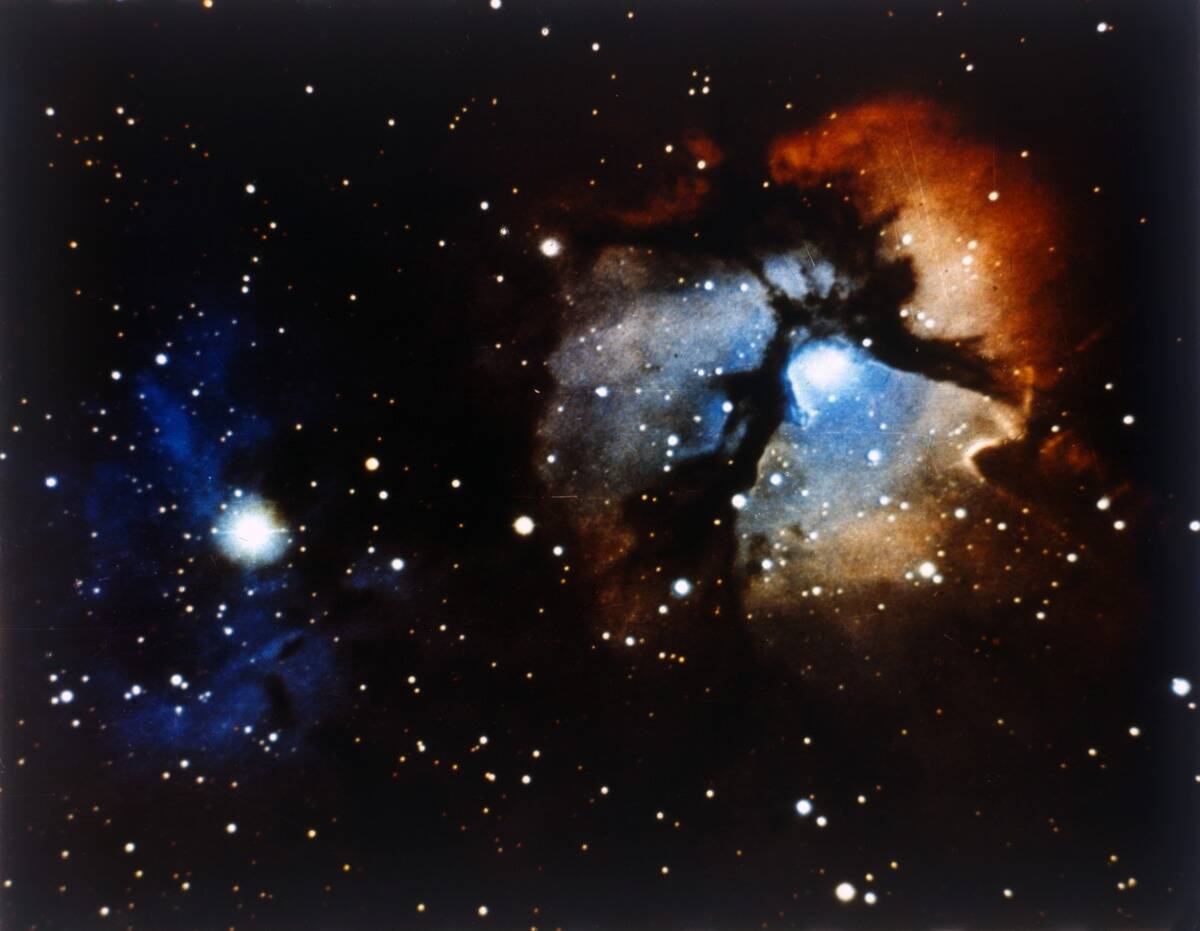
Pulsating stars undergo a colorful life cycle, changing hues as they age. As pulsating stars expand and contract, their surface temperatures fluctuate, leading to subtle color variations. This color change is not merely aesthetic; it reflects the physical processes within the star.
By observing these changes, astronomers can track a star’s evolution, from its fiery youth to its final, more stable stages, painting a vivid picture of the cosmic journey of stellar life.
The Impact of Pulsating Stars on Surrounding Planets
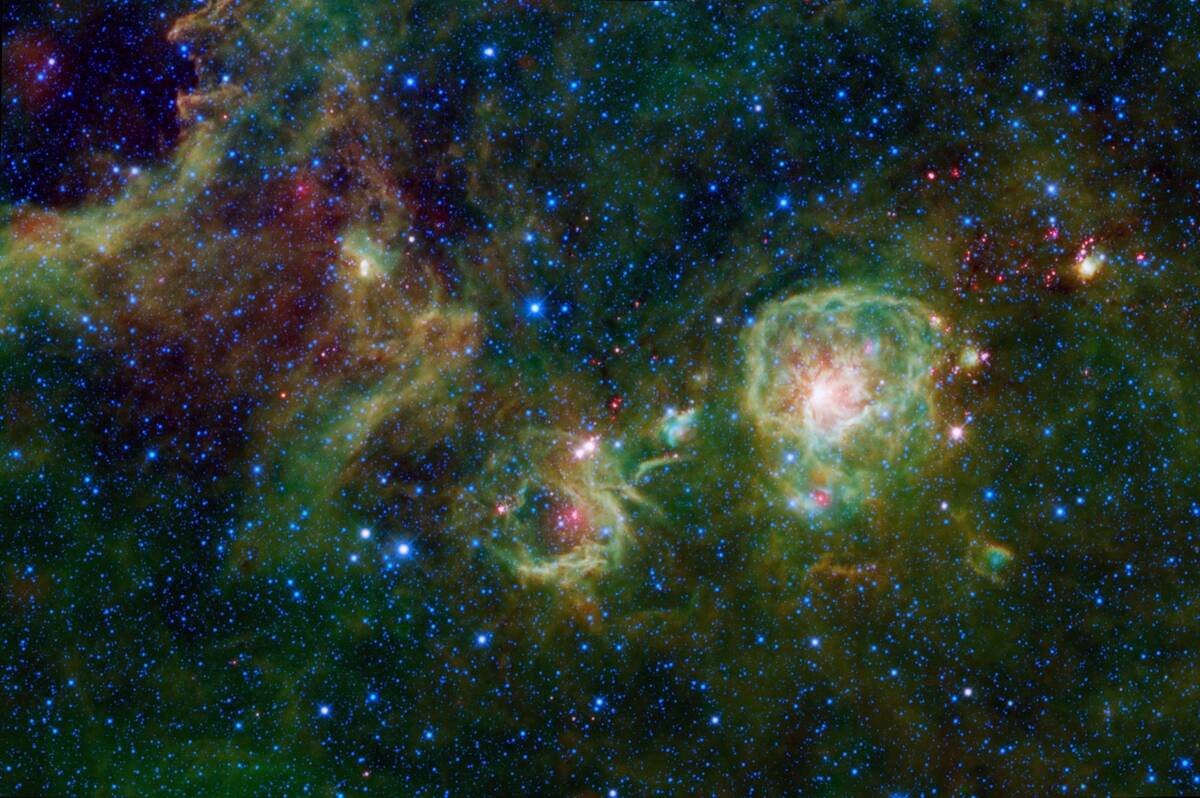
Pulsating stars can have a profound impact on their surrounding planets. The variations in brightness and radiation can influence planetary climates and atmospheric conditions. In extreme cases, the intense changes may strip away atmospheres, affecting the habitability of planets.
Understanding these interactions is crucial for exoplanet studies, as it helps determine the potential for life in other star systems. The dance of pulsating stars, therefore, plays a significant role in the cosmic ballet of planetary environments.
Famous Pulsating Stars You Can Spot in the Sky

Some pulsating stars are so bright that they can be seen with the naked eye. One of the most famous is Polaris, the North Star, which is a Cepheid variable. Its slight variations are visible over time, guiding navigators for centuries.
Another notable example is Delta Cephei, easily observable in the constellation Cepheus. These stars not only serve as guides in the night sky but also as reminders of the dynamic universe in which we live, ever-changing and full of wonder.
The Future of Research in Stellar Pulsation
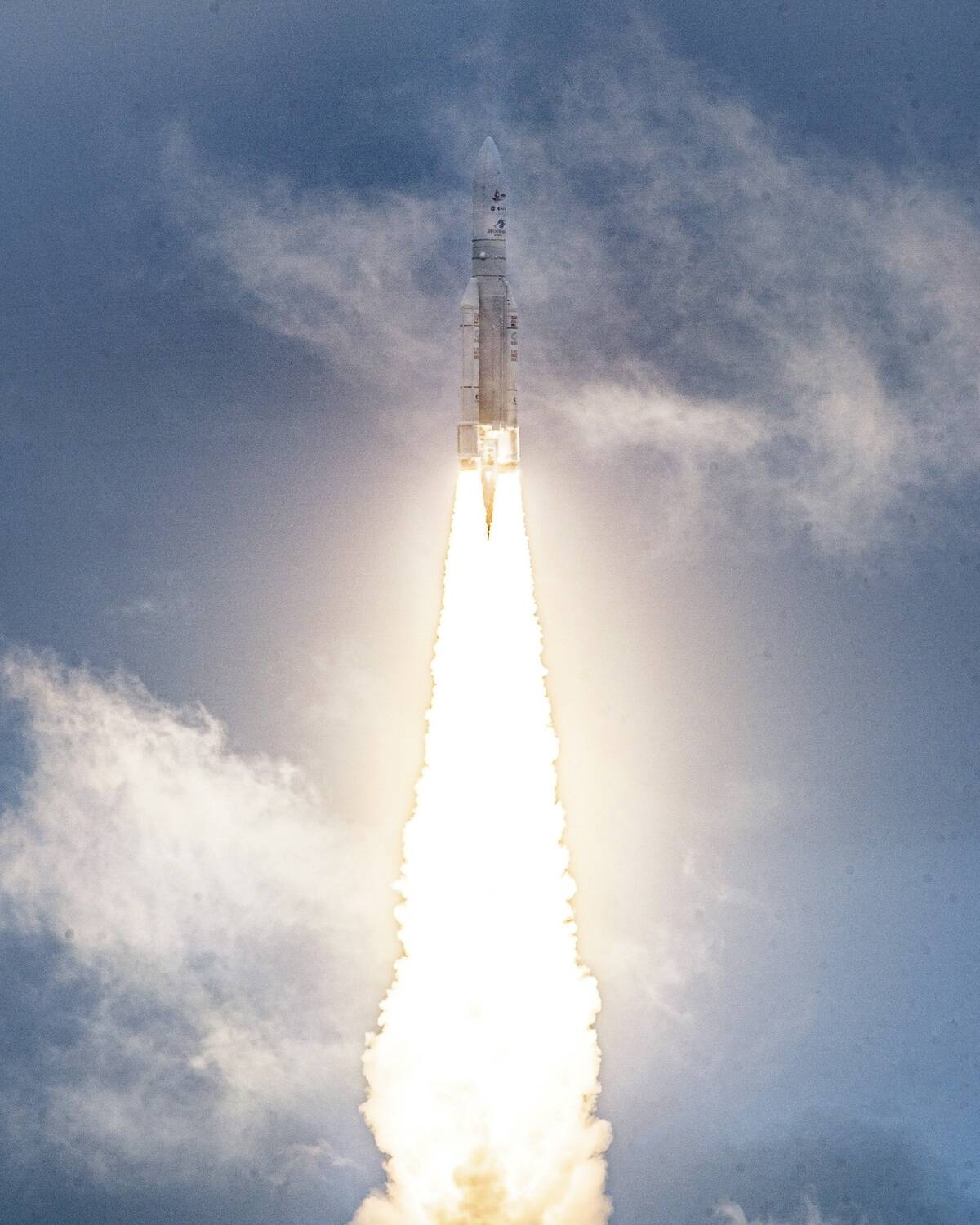
The future of research in stellar pulsation is bright, with new telescopes and technologies on the horizon. Space missions like the James Webb Space Telescope promise to provide unprecedented insights into the pulsations of distant stars.
Advances in computational modeling will enhance our understanding of the physical processes driving these pulsations. As we continue to explore these celestial rhythms, the field of stellar pulsation will undoubtedly reveal more about the universe’s past, present, and future, expanding our cosmic knowledge.