Flowers that look nothing like flowers

Trending Now
Nature never ceases to amaze us with its creativity, especially when it comes to flowers. While roses and daisies are delightful, the plant kingdom offers a plethora of blooms that are anything but ordinary.
These unconventional flowers captivate with their unique shapes, colors, and sometimes even scents. From orchids that resemble animals to blossoms that mimic human features, these botanical wonders are a testament to nature’s whimsical artistry.
The Bat Flower: Nature’s Gothic Marvel
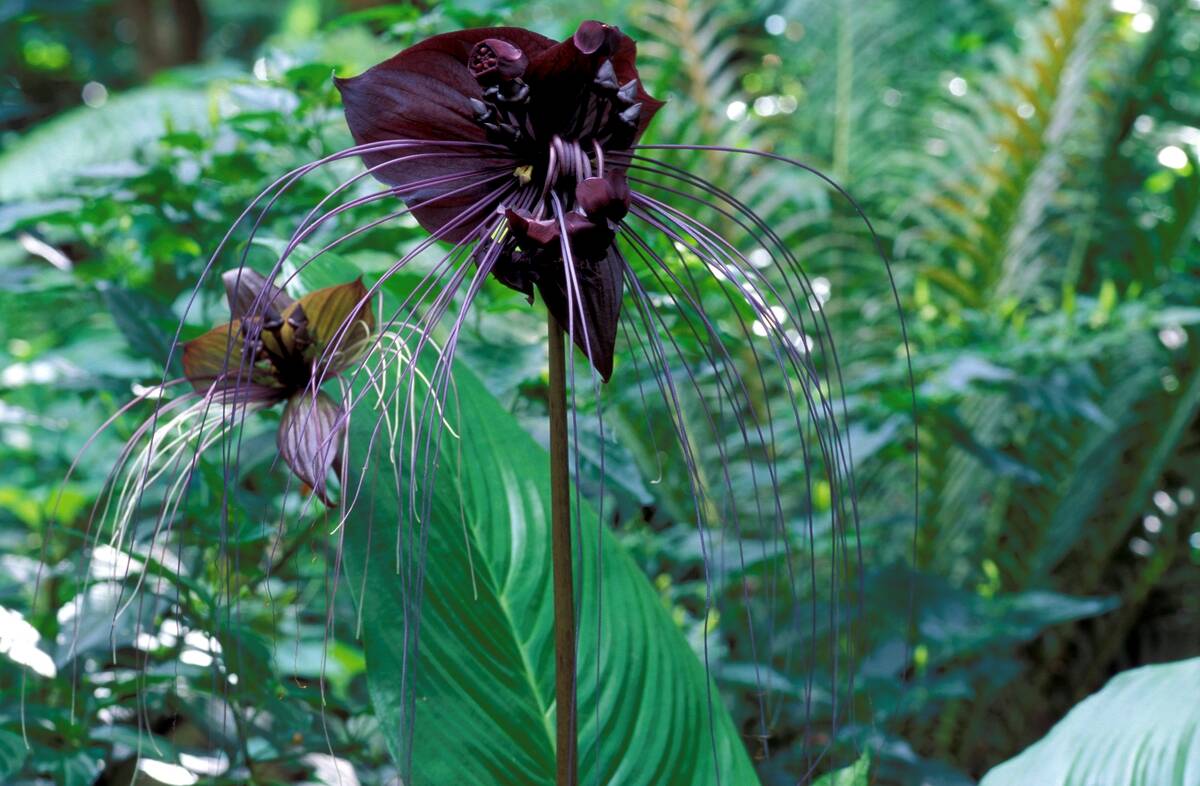
The bat flower, or Tacca chantrieri, is one of the most unusual-looking plants in the tropical world. Its dark, wing-like bracts and long, whisker-like structures give it a distinctive appearance that resembles a bat in flight. Native to tropical parts of Southeast Asia, the plant thrives in warm, humid environments with moist, well-drained soil and shade.
Its unusual flowers and reproductive structures are thought to play roles in attracting pollinators, although the precise function of its dark coloration is not fully understood. The result is a remarkable example of the diversity of tropical plants.
Monkey Face Orchid: A Primate in Petals
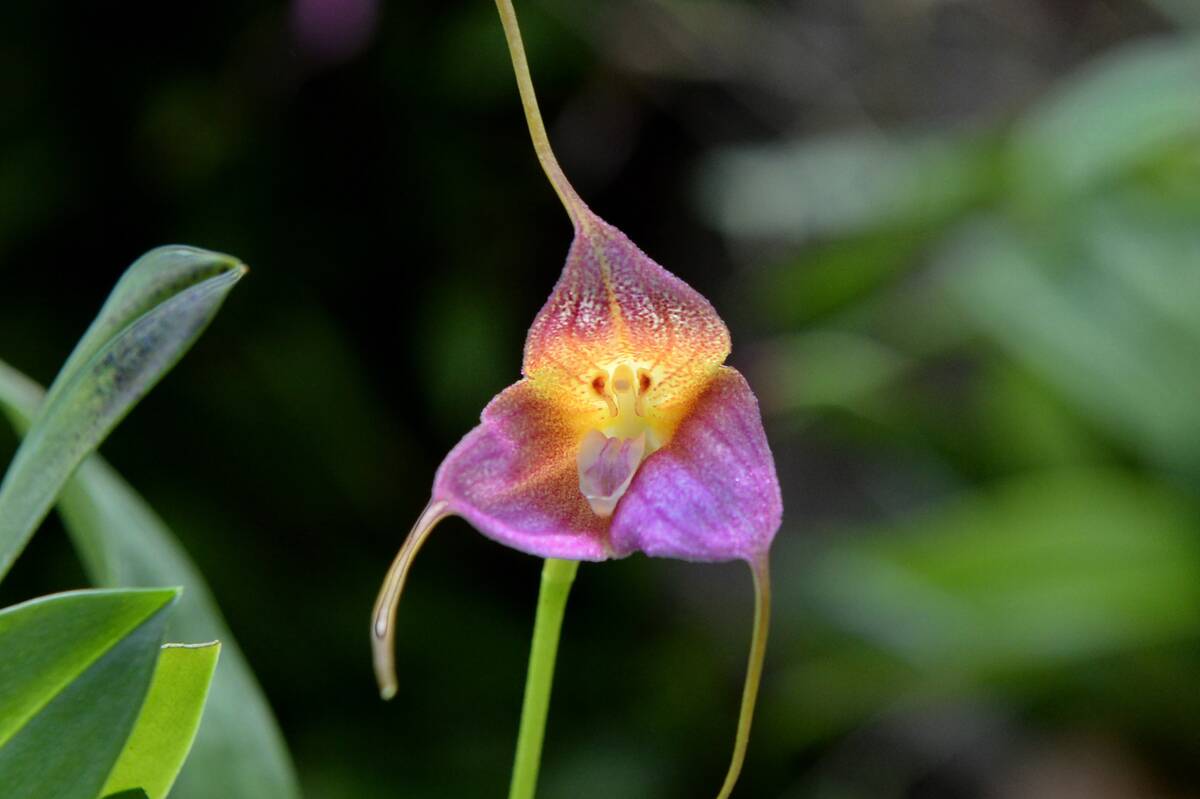
The Monkey Face Orchid, scientifically known as Dracula simia, is one of the orchid family’s most unusual members. Native to southeastern Ecuador, this epiphytic orchid grows in wet tropical environments and produces flowers with a striking resemblance to a monkey’s face.
Its unusual blossoms can appear at different times depending on growing conditions and are known for their distinctive fragrance, often described as resembling ripe oranges. Its remarkable appearance and unusual floral characteristics offer a fascinating example of the extraordinary diversity found within the orchid family.
Naked Man Orchid: The Botanical Bachelor
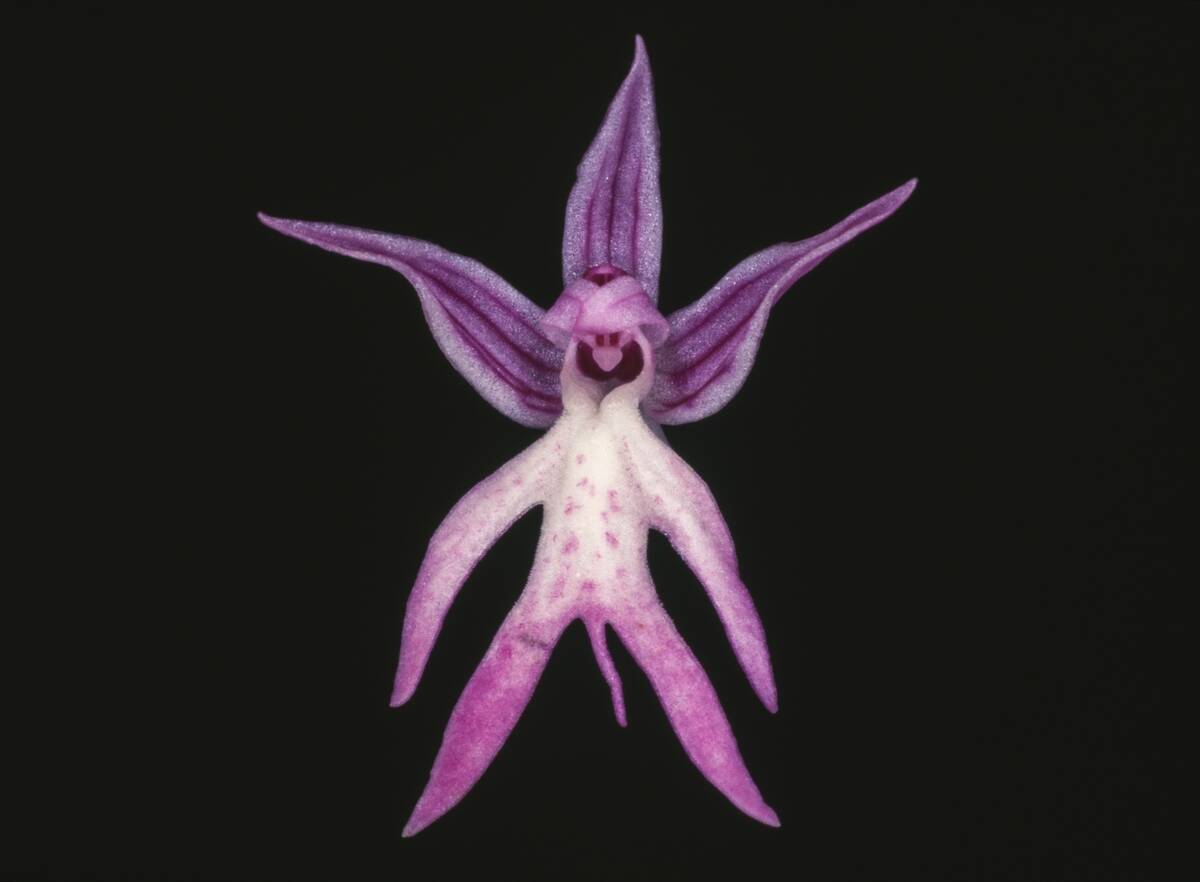
The Naked Man Orchid, or Orchis italica, is one of the most unusual-looking members of the orchid family. Native to the Mediterranean region, its densely clustered flowers have deeply divided lips that give them a striking resemblance to tiny human figures.
The upper petals and sepals form a helmet-like shape above the figure, adding to the unusual appearance. Its flowers range from pinkish to reddish-purple and typically bloom between March and May, depending on location and altitude. The orchid’s distinctive form makes it one of the Mediterranean’s most memorable wildflowers.
Hooker’s Lips: A Floral Kiss

Psychotria elata, now generally classified as Palicourea elata, is commonly known as Hooker’s Lips or Hot Lips. Native to tropical regions of Central and South America, the plant is famous for its bright red bracts, which resemble a pair of puckered lips. These structures are actually modified leaves surrounding the plant’s small flowers.
Their striking color and shape may help make the inconspicuous flowers more noticeable to pollinators, including hummingbirds and butterflies. The unusual appearance of the plant makes it one of the more memorable examples of nature’s remarkable diversity.
Corpse Flower: The Fragrant Trickster
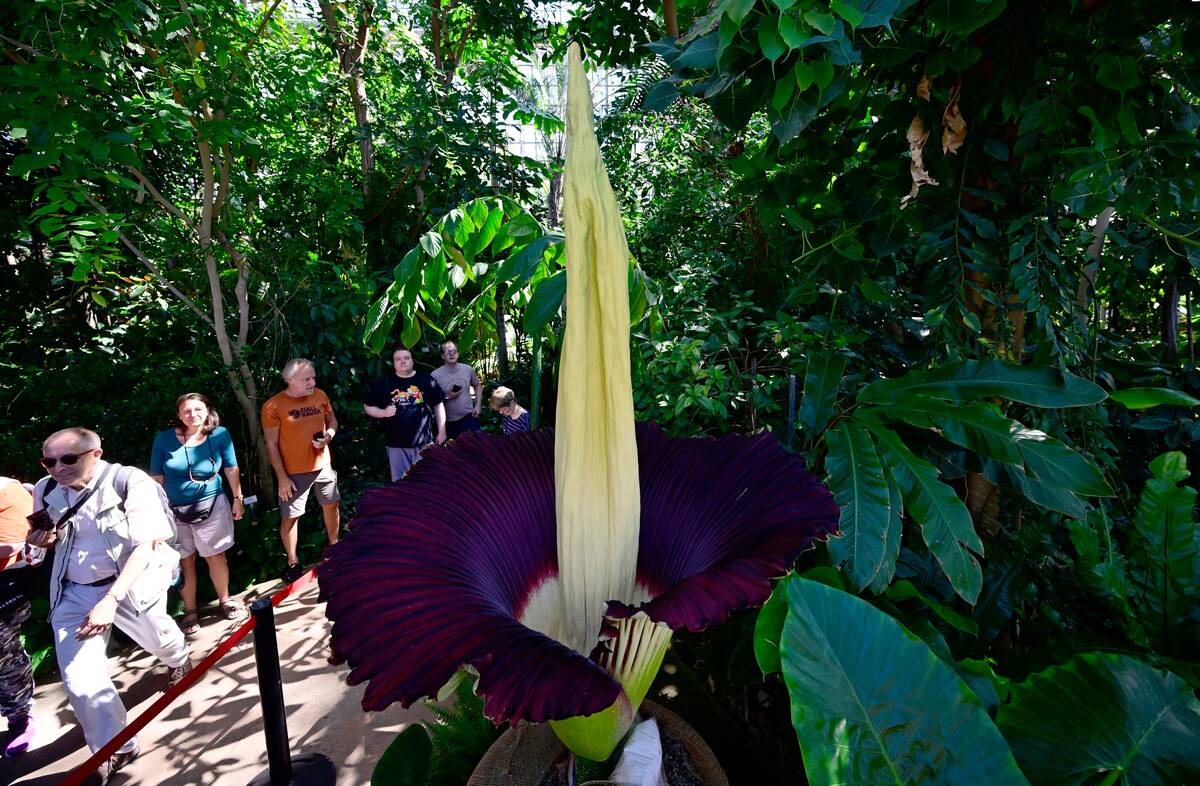
Amorphophallus titanum, commonly known as the Corpse Flower or titan arum, is famous for its powerful odor resembling rotting flesh. Native to the rainforests of Sumatra, Indonesia, its enormous flowering structure can reach around 3 meters (nearly 10 feet) tall.
The foul smell, combined with heat produced by the flower spike, helps attract insects associated with decaying flesh, including carrion beetles and possibly flies, which aid in pollination. Its flowering is rare and unpredictable, making each bloom a remarkable spectacle for botanists, gardeners, and plant enthusiasts.
Snapdragons: The Dragon’s Skull Revealed

Snapdragons, particularly Antirrhinum majus, are beloved garden plants with an unusual secret revealed after flowering. As the flowers fade, their seed capsules can develop a striking resemblance to tiny human skulls. Native to southern Europe and the western Mediterranean, snapdragons thrive in a variety of cultivated settings and come in numerous colors, including pink, red, yellow, white, and purple.
Their distinctive flowers can also be gently opened and closed by squeezing their sides, giving the plant its memorable name. Their unusual seed capsules and dragon-like blooms make snapdragons a fascinating addition to gardens.
Flying Duck Orchid: Aviary Meets Flora

The Flying Duck Orchid, Caleana major, is an unusual Australian native whose flowers strikingly resemble a duck in flight. Native to southeastern Australia, this terrestrial orchid produces reddish-brown flowers with structures that create the appearance of wings and a beak.
Its unusual floral design is closely linked to a remarkable pollination strategy: the flowers attract male sawflies through sexual deception, using chemical signals that mimic female sawfly pheromones. The visiting sawfly can become temporarily trapped by the flower before escaping with pollen attached to its body. This extraordinary pollination mechanism makes the Flying Duck Orchid one of Australia’s most fascinating native orchids.
Bee Orchid: The Pollinator’s Decoy

The Bee Orchid, Ophrys apifera, is renowned for its remarkable floral mimicry. Its flowers resemble female bees in both appearance and, to some extent, chemical signals, producing compounds similar to insect sex pheromones.
Although male bees may occasionally be attracted to the flowers and attempt pseudocopulation, O. apifera is unusual among Ophrys orchids because it frequently self-pollinates, particularly in parts of its range. Found widely across Europe, the species grows in grasslands, meadows, scrub, and other open habitats. Its unusual reproductive strategy offers a fascinating example of the complex evolutionary relationships between orchids and their pollinators.
Dove Orchid: Peaceful Petals

The Dove Orchid, Peristeria elata, is a striking orchid commonly known as the Holy Ghost Orchid. Native to parts of Central and northwestern South America, its white flowers contain a distinctive central structure that resembles a small dove, inspiring both of its common names.
The orchid grows in warm, humid tropical environments and is known for its fragrant blossoms. It is protected in Panama, where it is the national flower, and international trade in the species is regulated under CITES. Its unusual flower structure and dove-like form have made it one of the most distinctive orchids in the region.
Happy Alien: The Extraterrestrial Blossom

Calceolaria uniflora, often nicknamed the Happy Alien, is a distinctive plant native to southern South America. Its unusual pouch-shaped flowers feature bright yellow, orange, and reddish markings that can resemble tiny extraterrestrial figures.
The small herb grows in Patagonia and Tierra del Fuego, including exposed and cool environments where relatively few plants thrive. Its unusual floral structure is adapted for pollination by specialized insects, including oil-collecting bees. With its remarkable appearance and ability to survive in challenging habitats, the Happy Alien is a memorable example of the diversity of South America’s flora.
Green Birdflower: Feathered Flora

The Green Birdflower, Crotalaria cunninghamii, is an Australian native famous for its unusual flowers, which closely resemble small green birds perched along the stem. The species occurs mainly in northern and northwestern Australia, including tropical and subtropical regions and areas with relatively dry conditions. Its distinctive flowers make it one of Australia’s most unusual native plants.
The species also has documented traditional uses among some Aboriginal Australian communities, including medicinal applications, although these uses vary between groups. Its unusual appearance and cultural history demonstrate the remarkable diversity and significance of Australia’s native flora.
White Egret Orchid: The Graceful Bloom

The White Egret Orchid, Habenaria radiata, is a striking orchid native to parts of East Asia, including Japan, Korea, and China. Its delicate white flowers have deeply divided structures that create a remarkable resemblance to a flying egret, inspiring its common name. The species grows in moist habitats such as wetlands, marshes, and damp grasslands.
Its flowers are pollinated by insects, including moths and butterflies, although the precise relationships between the orchid and its pollinators vary by location. With its unusual bird-like appearance, the White Egret Orchid is one of the most distinctive flowers found in East Asia.
Devil’s Hand: A Sinister Blossom

The Devil’s Hand, or Chiranthodendron pentadactylon, is a striking tree native from Mexico through Central America to Honduras. Its intensely red flowers have protruding stamens that resemble the fingers of a hand, giving the species its unusual common name.
The tree grows in tropical montane forests and has a long history of traditional use in Mexico and Guatemala, where its flowers have been used in folk medicine for various ailments, including heart conditions. Its distinctive flowers and cultural history have made it a memorable part of the flora of Mesoamerica.